

Key Takeaways
|
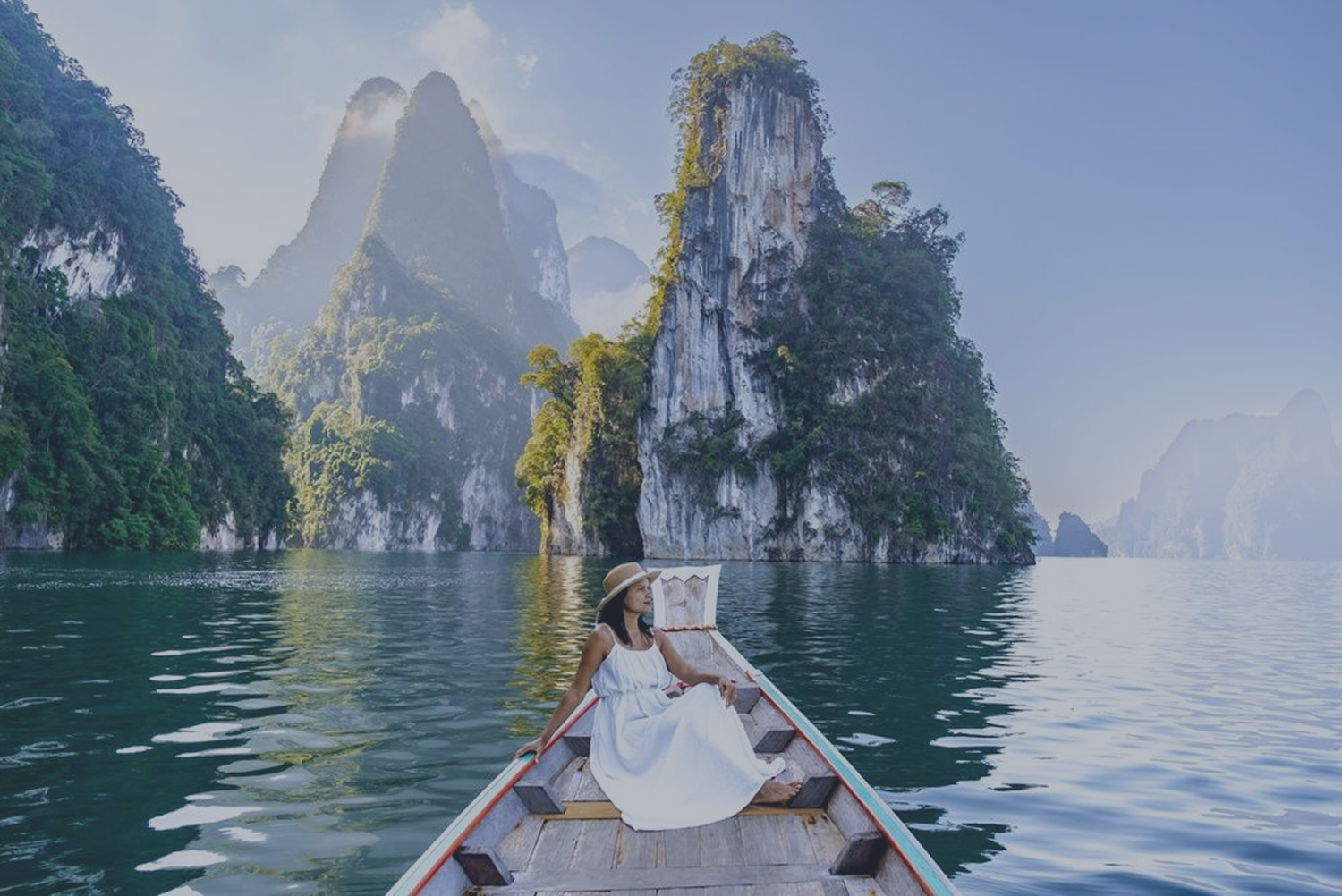
Indonesia is much more than Bali. It is a country of more than 17,000 islands, where every region offers something completely different. You can hike active volcanoes in Java, spot orangutans in Borneo, dive among colourful coral reefs in Raja Ampat, or spend spiritual days at Bali’s temples, all within the same country.
Whether you are planning your first trip or looking beyond Bali, this guide highlights the best places to visit in Indonesia, what each destination is known for, and useful tips for Indian travellers.
| Destination | Highlights |
| Ubud, Bali | Rice terraces, temples, art & craft villages, yoga retreats |
| Uluwatu, Bali | Limestone cliffs, Kecak fire dance |
| Nusa Penida | Manta rays, Diamond Beach |
| Nusa Lembongan | Calm water, snorkelling, Devil’s Tear, Mangrove tours |
| Raja Ampat | World’s richest coral reefs, blue lagoons, Arborek Village |
| Komodo National Park | Komodo dragons, pink sand beach, Padar Island, snorkelling |
| Yogyakarta | Borobudur and Prambanan Temple, Malioboro Street, Sultan’s Palace |
| Mount Bromo | Sunrise viewpoint, active volcano, ash desert, crater hike |
| Kawah Ijen | Blue sulphur fire, acidic turquoise crater lake |
| Lake Toba | World’s largest volcanic lake, Batak culture, Tor-Tor dance |
| Tana Toraja | Cliff graves, buffalo markets, ancestral houses, funeral ceremonies |
Best Places to Visit in Indonesia
In Indonesia, most of us visit just Bali, but there is more than that. Across its thousands of islands, you can hike volcanoes, relax on tropical beaches, visit ancient temples, see Komodo dragons, experience local cultures, and dive in some of the world’s richest marine ecosystems.
This section lists the beautiful places in Indonesia to visit, with detailed information on each destination, how to reach it, and the experiences that make it unique.
1. Ubud, Bali
- Ideal stay: 2 – 3 days.
- How to get there: Around a 1.5-hour taxi ride from Ngurah Rai International Airport.
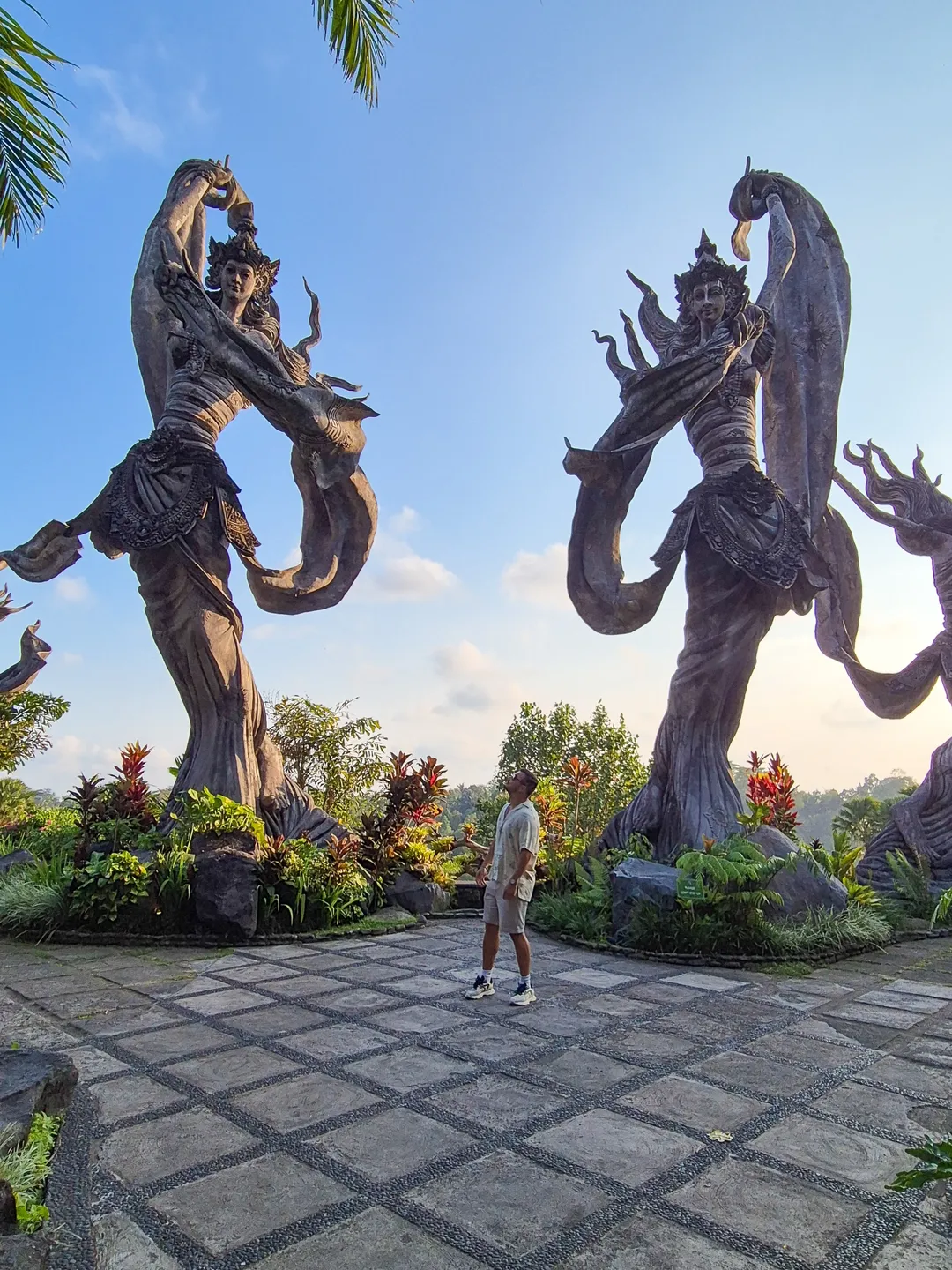
Ubud is among the easiest places in Bali for Indian travellers to find familiar food. Along with many vegan options, you have some of the best Indian restaurants in Bali, such as Chaskaa Modern Indian Cuisine and Bar, Queen’s Tandoor, Punjabi Grill Bali, Indian Delites, and Udupi Bali, which are located here.
Ubud is in the centre of Bali, surrounded by rice terraces and art workshops. Unlike Bali’s beach areas, Ubud’s experiences are laid-back.
A typical day here could include browsing a local morning market, joining a Balinese cooking class, visiting temples, and ending with a peaceful walk through the Campuhan Ridge Walk or Sayan Valley.
The Tegallalang Rice Terrace is the most visited attraction, but for fewer crowds, visit rice fields around Penestanan and the Campuhan Ridge Walk. Ubud is also Bali’s artistic centre and best for unique shopping in Bali, with many painting galleries, woodcarving studios, and batik workshops.
Many local studios also offer hands-on experiences, where you can learn to make Canang Sari (Balinese flower offerings), paint batik, or try wood carving.
2. Uluwatu, Bali
- Ideal stay: 1 – 2 days.
- How to get there: Take a 45-minute drive from Ngurah Rai International Airport.
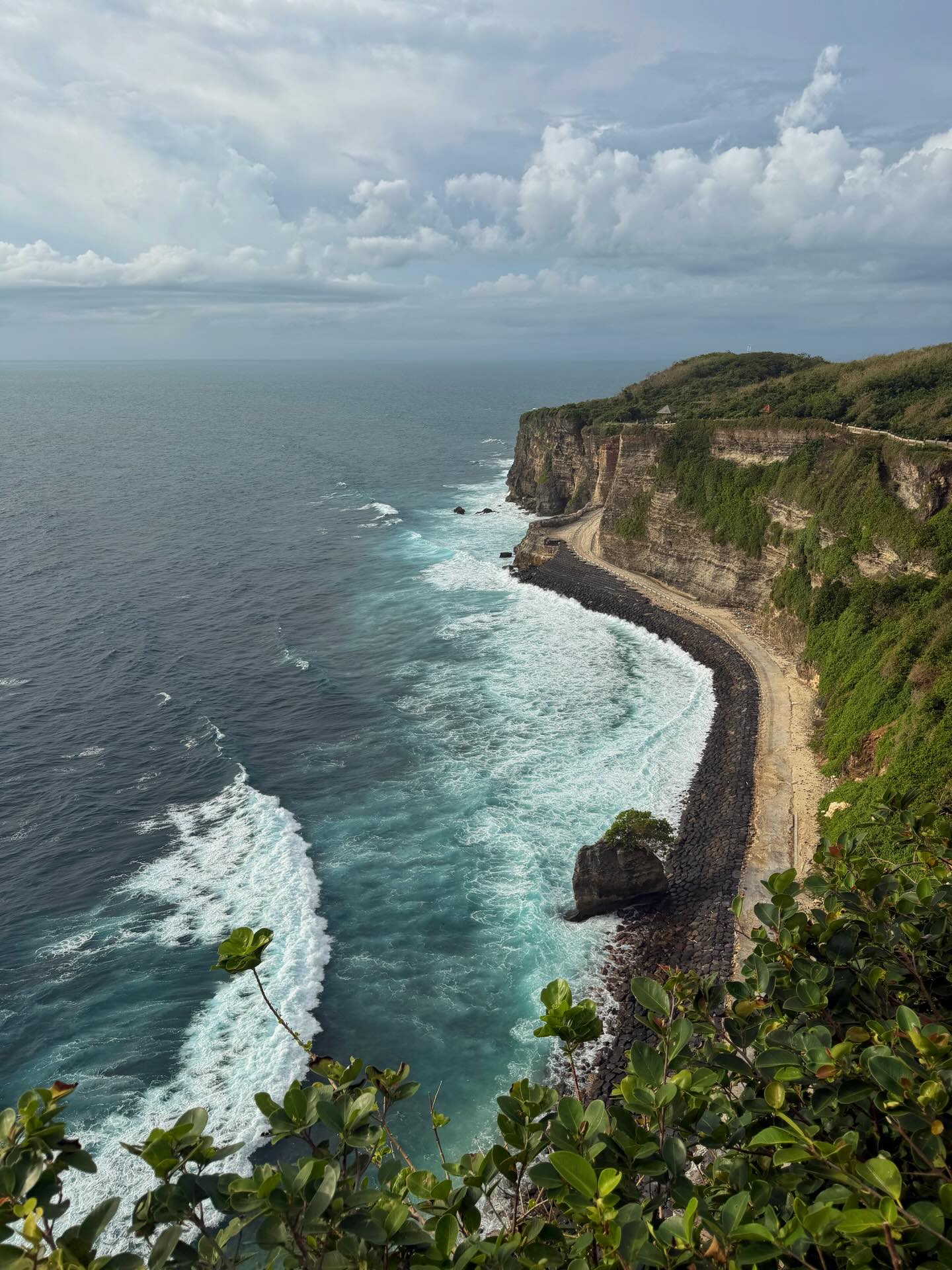
Uluwatu is renowned for its limestone cliffs and luxury cliffside stays in Bali. If you are planning a honeymoon or luxury holiday, these cliffside resorts are the most recommended.
The area is also home to the iconic Uluwatu Temple, one of Bali’s most important sea temples. The highlight of visiting the temple is the Kecak and Fire Dance, performed every evening. Unlike most traditional performances, it uses no musical instruments. Instead, the performers create the rhythm by chanting “cak” in unison.
Tickets for this performance cost approximately 900 INR per person, and the performance lasts about one hour.
Besides its cultural attractions, Uluwatu is also known for its beautiful beaches and surf spots. If you are an experienced surfer, visit Uluwatu Beach for its powerful waves. Beginners can go to Padang Padang Beach, which offers gentle waves and surf schools.
Note: The monkeys around Uluwatu Temple snatch sunglasses, hats, phones, and other loose belongings. Keep your valuables securely packed before entering the temple.
3. Nusa Penida
- Ideal stay: 1 – 2 days. Most travellers choose day trips.
- How to get there: Take a speedboat from Sanur Integrated Port in Bali. The journey takes around 40 minutes.
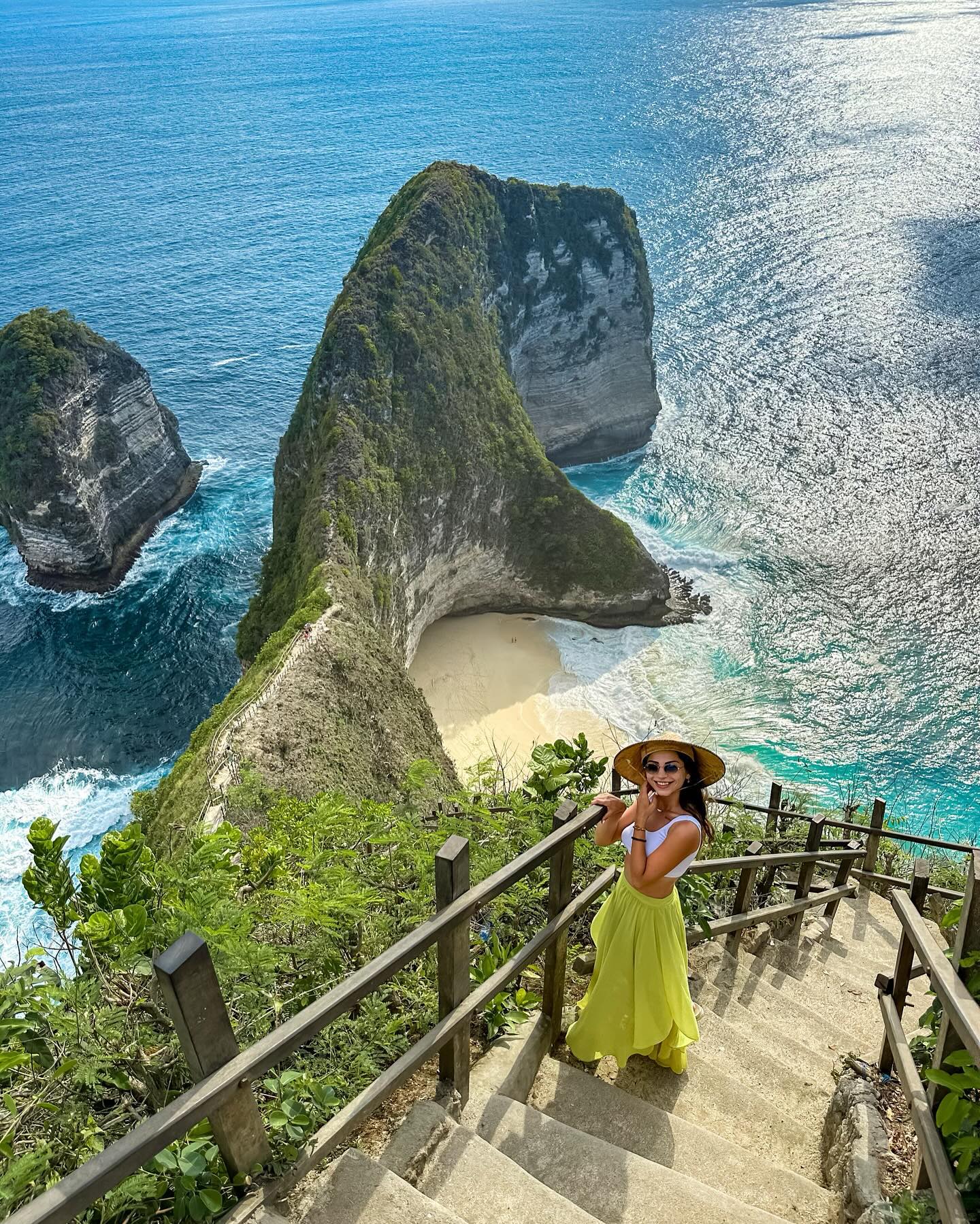
Nusa Penida is a small island located southeast of Bali. It is well known for its high cliffs and some of the most beautiful viewpoints in Indonesia. The island is quieter and feels more natural than Bali, and it works well as a day trip.
The most popular attraction is Kelingking Beach, where a viewpoint overlooks the beach. Many people visit just to enjoy the view and take photos. You can also visit Broken Beach and Angel’s Billabong, two natural attractions that are included in most island tours.
The stairs leading to Kelingking Beach and Diamond Beach are steep, so wear comfortable shoes instead of flip-flops.
Snorkelling is one of the best activities in Nusa Penida. Manta Point is the most popular place because you have the chance to swim with giant manta rays. Many tours also stop at Crystal Bay and Gamat Bay to see colourful coral reefs and tropical fish.
A snorkelling trip to Manta Point costs approximately 2,000 INR per person, including the boat ride and snorkelling equipment.
4. Nusa Lembongan
- Ideal stay: 1 – 2 days.
- How to get there: Take a 30-minute boat ride from Sanur in Bali.
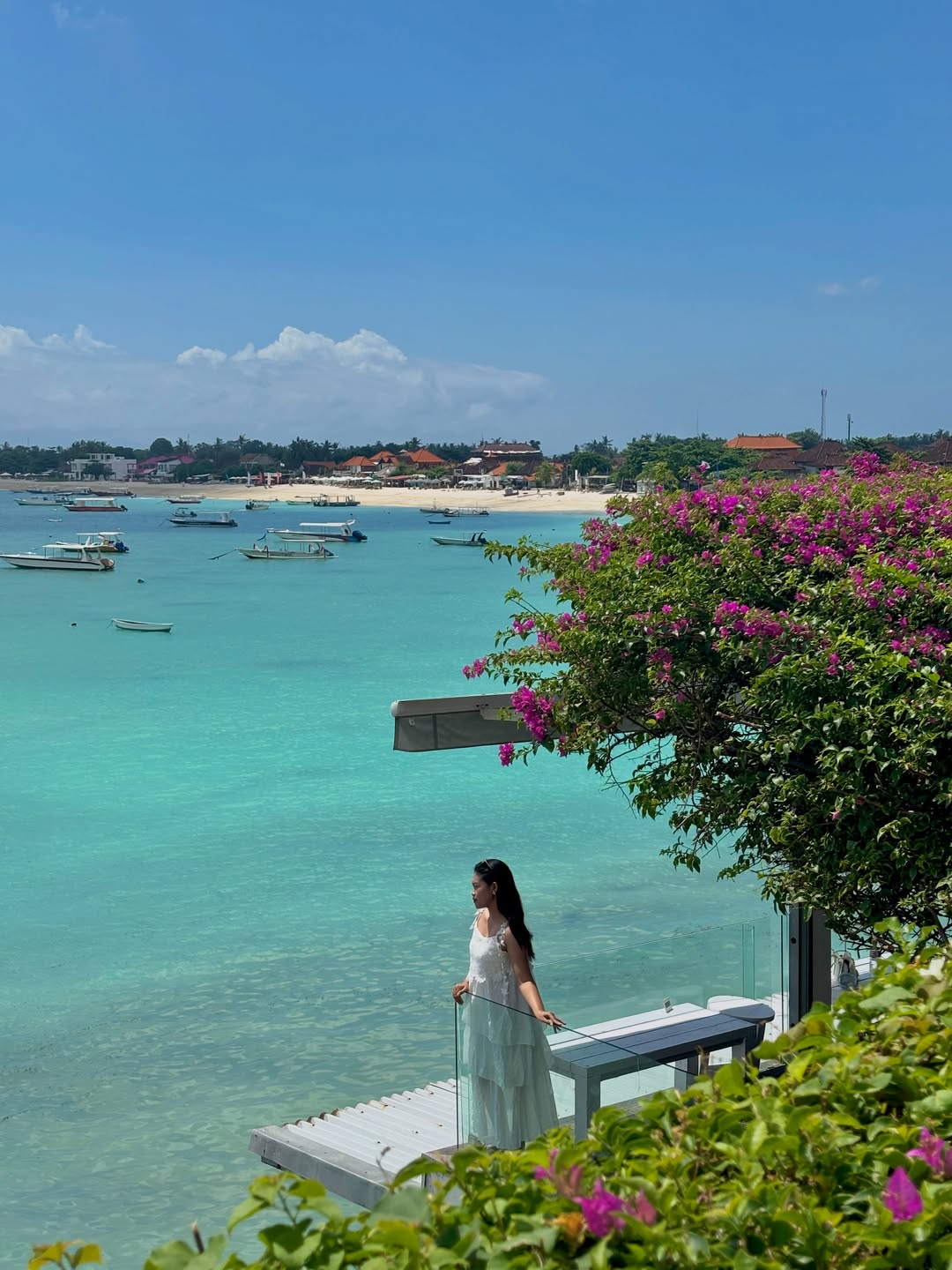
Nusa Lembongan is a small island next to Nusa Penida that is best known for its clear blue water for snorkelling and relaxed beach cafes. There are very few cars here, so most visitors rent a scooter to travel around the island. Scooter rentals cost approximately 550 INR per day.
Many snorkelling tours take you to Manta Bay, where you may spot giant manta rays, and Blue Lagoon, which is known for its colourful fish and coral reefs.
Here, the popular attraction is Devil’s Tear, where waves crash against the rocks, creating large sprays of water. Then there is Yellow Bridge, which connects Nusa Lembongan with the smaller island of Nusa Ceningan.
Another interesting experience is visiting the island’s mangrove forest on the north coast. Local boat tours take visitors through calm water surrounded by mangrove trees.
Nusa Lembongan is also known for its seaweed farming. In coastal areas, you can observe this traditional process, which has been a vital part of the local community for generations.
5. Raja Ampat, West Papua
- Ideal stay: 7 – 10 days.
- How to get there: Fly from Bali or Jakarta to Sorong Airport (SOQ). From Sorong, take a public ferry or speedboat to Waisai, the main gateway to Raja Ampat.
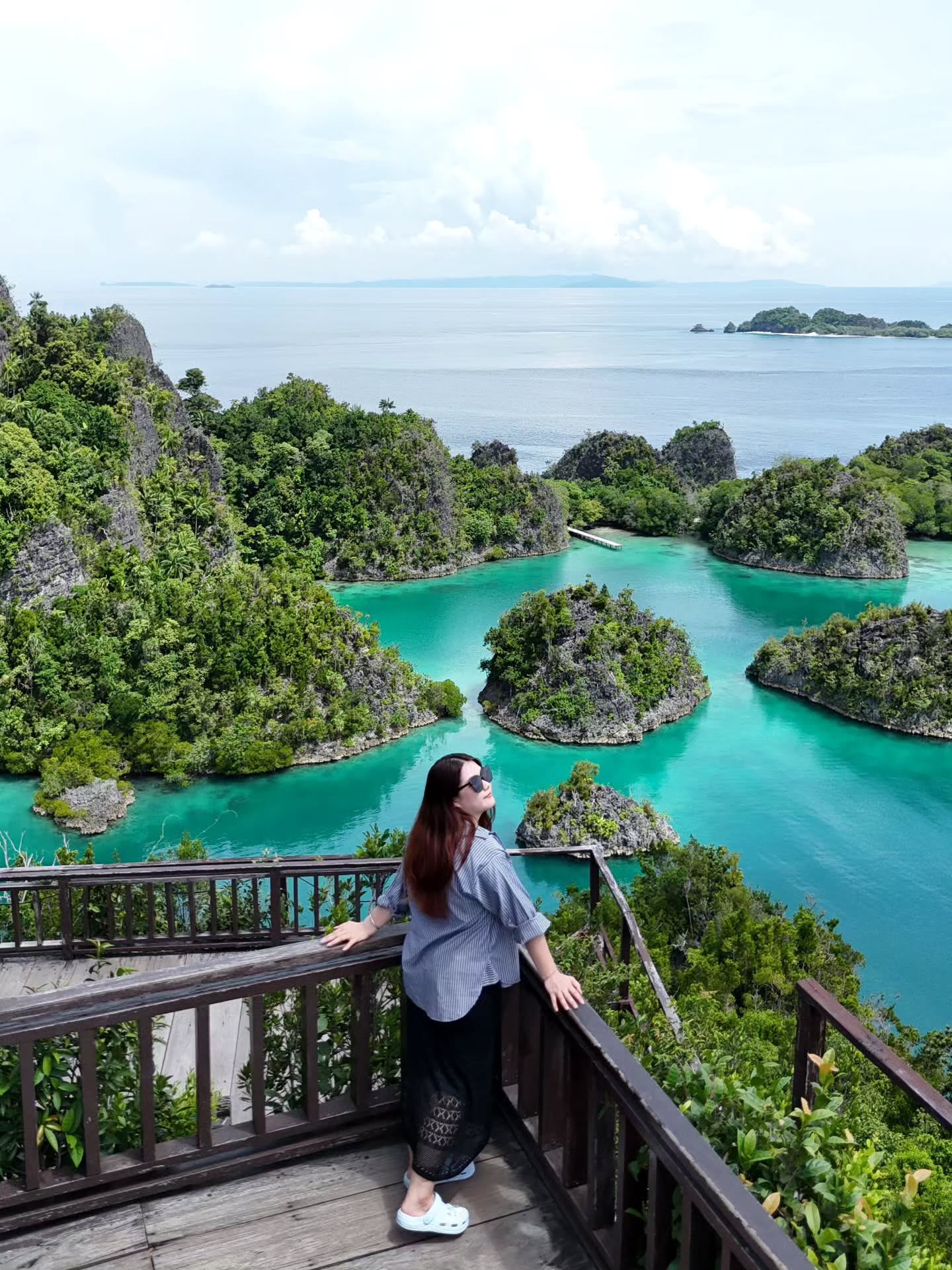
Raja Ampat is one of Indonesia’s top places for snorkelling and scuba diving. Located in West Papua, this archipelago has more than 1,500 islands and is part of the Coral Triangle. It is home to nearly 75% of the world’s known coral species and over 1,000 reef fish species.
A highlight is Piaynemo Viewpoint, where you climb a staircase to enjoy views of small limestone islands surrounded by water.
Another must-visit place is Arborek Village, where snorkelling directly from the village jetty is possible. So, without travelling far by boat, you can snorkel nearby and spot colourful coral, reef fish, sea turtles, and sometimes reef sharks.
Unlike Bali, Raja Ampat remains less exposed to tourist crowds. Instead of large hotel chains and beach clubs, you will stay in family-run overwater homestays or eco-resorts, giving you a chance to experience local Papuan life.
6. Komodo National Park
- Ideal stay: 2 – 3 days.
- How to get there: Fly to Labuan Bajo (Flores) from Bali, then join a speedboat tour to the national park.
The only place in the world where you can see Komodo dragons is Komodo National Park. This park is home to the world’s largest lizard, which can grow up to 3 metres long.
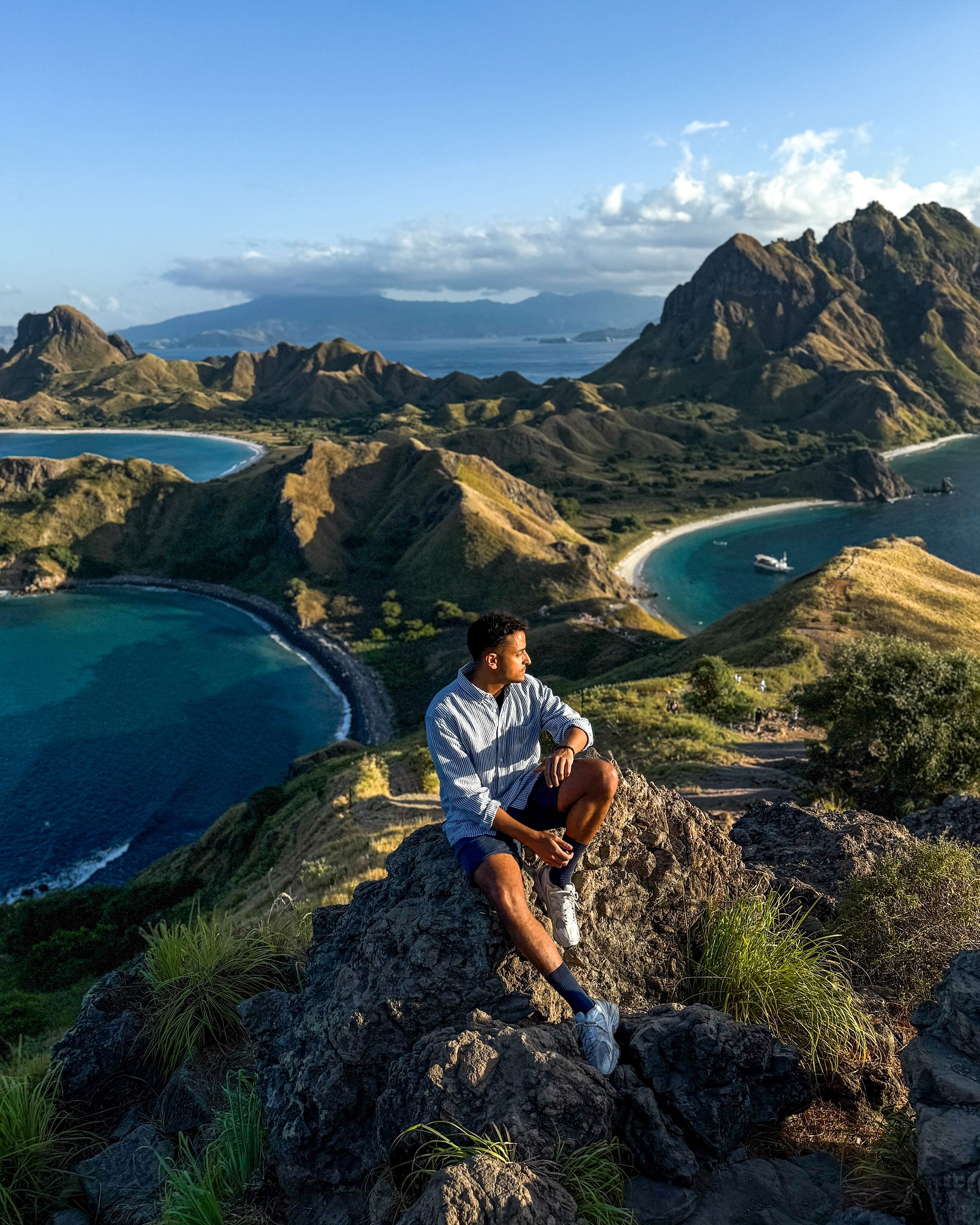
Most people visit the park on a full-day or overnight boat trip from Labuan Bajo. Along with seeing Komodo dragons, visitors also stop at Padar Island for its beautiful viewpoint and Pink Beach, where the beach naturally appears pink because of tiny red coral mixed with the white sand.
While snorkelling, you will see the coral reefs with sea turtles, manta rays, reef sharks, tropical fish, and coral gardens.
A speedboat day tour to Komodo Island, Padar Island, and Pink Beach generally costs approximately 9,000 INR on a shared basis.
Note: Komodo dragons are wild predators, and visitors are not allowed to explore the islands without an authorised guide.
7. Yogyakarta, Java
- Ideal stay: 2 – 3 days.
- How to get there: Fly to Yogyakarta International Airport (YIA) from Jakarta, Bali, and other major Indonesian cities.
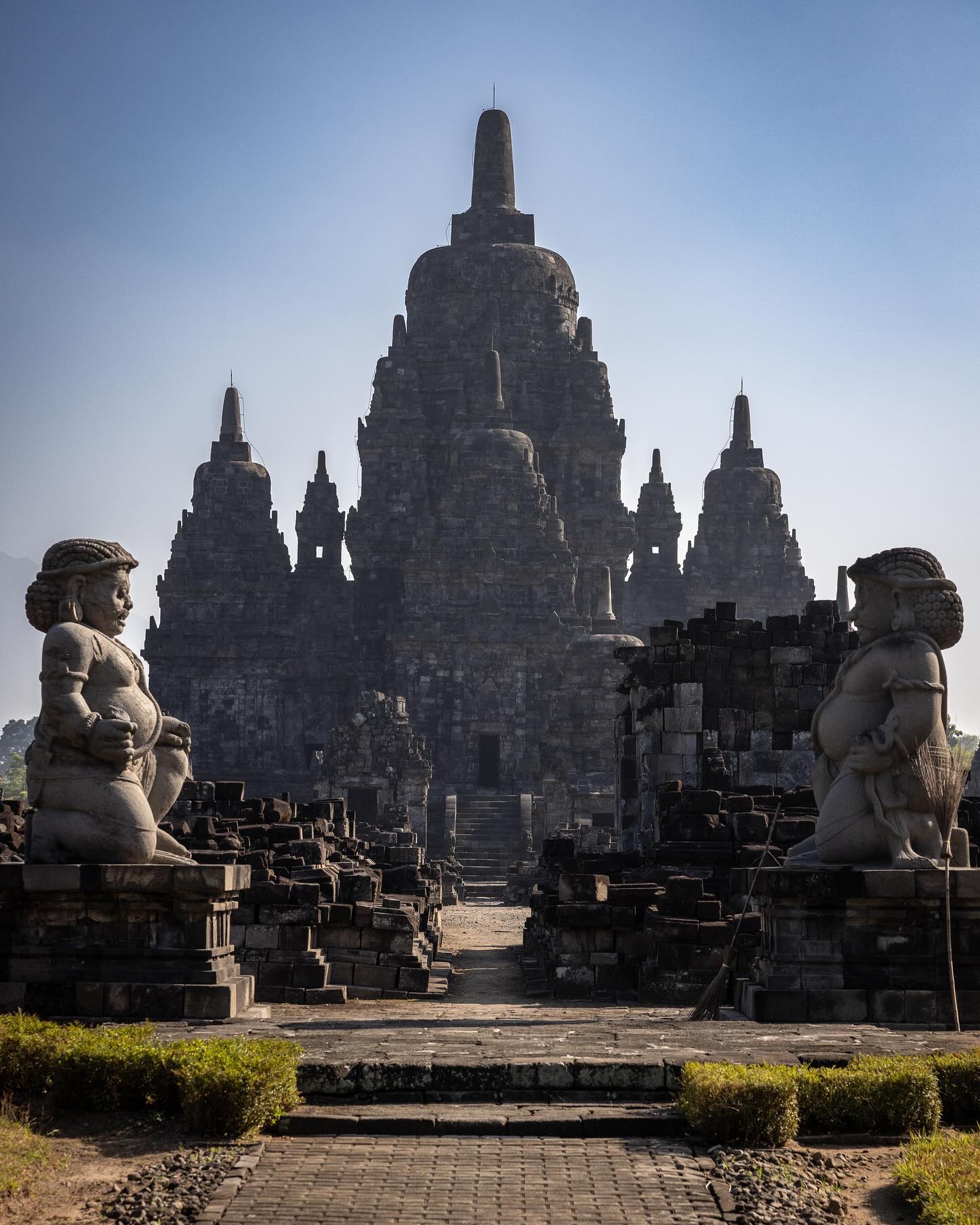
Yogyakarta, often called Jogja, is Indonesia’s cultural capital and one of the best places to experience traditional Javanese culture. It is also the gateway to two of Southeast Asia’s most famous historical sites: Borobudur and Prambanan.
Borobudur, around 40 km from Yogyakarta, is the world’s largest Buddhist temple and a UNESCO World Heritage Site. Built in the 9th century, it has thousands of stone carvings and hundreds of Buddha statues spread across nine levels.
About 17 km from Yogyakarta, Prambanan is Indonesia’s largest Hindu temple, dedicated to Shiva, Vishnu, and Brahma.
Later, visit Kraton (Sultan’s Palace) and learn about Javanese royal traditions. Then walk through Malioboro Street to buy batik clothing, silver jewellery, handicrafts, and souvenirs while trying local snacks such as Bakpia, a sweet pastry filled with mung bean paste.
8. Mount Bromo, East Java
- Ideal stay: 2 days.
- How to get there: Fly to Surabaya, then take a 3-hour bus to Cemoro Lawang, the main village near Mount Bromo.
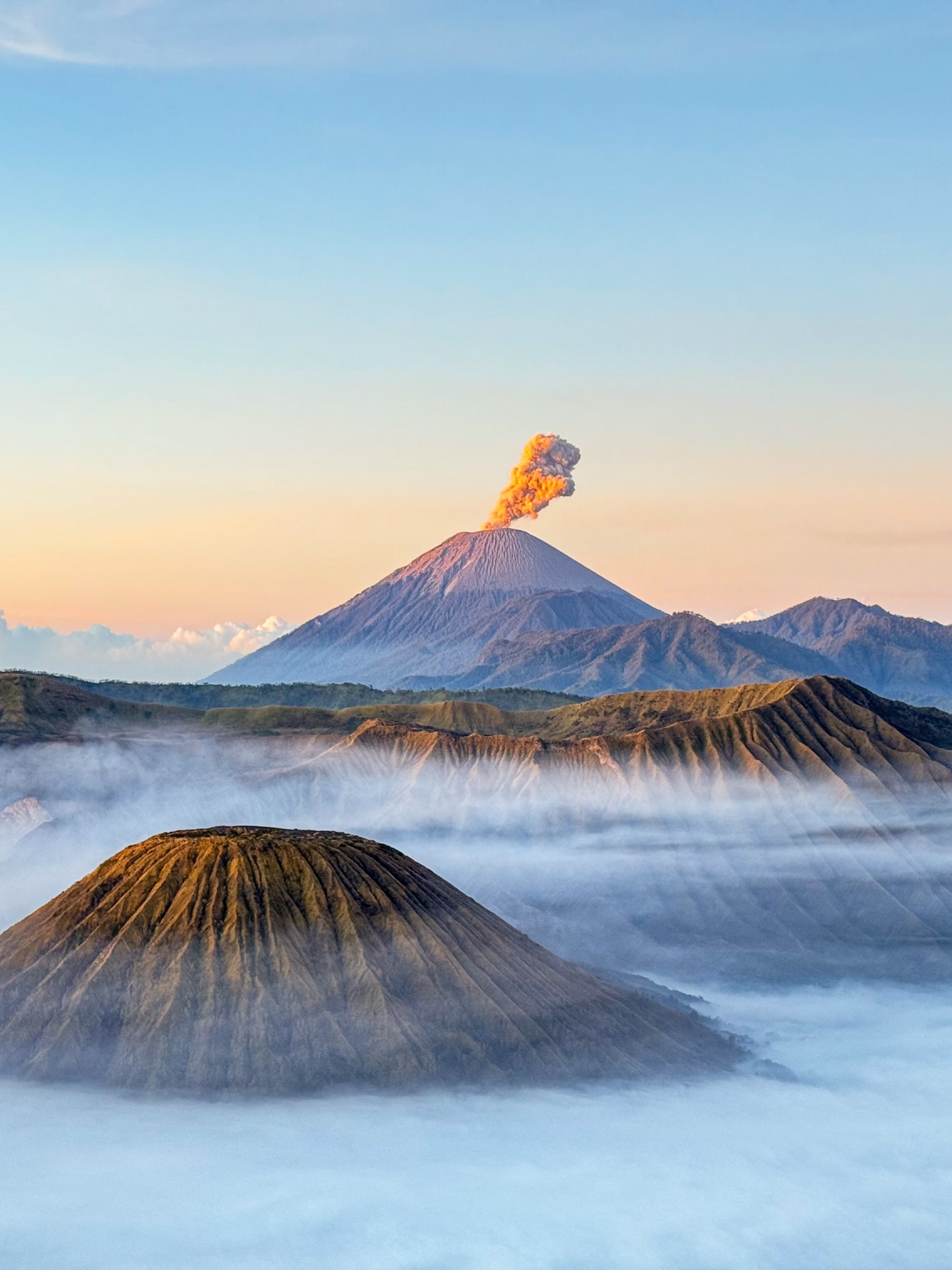
Mount Bromo is one of Indonesia’s most famous volcanoes and offers some of the best sunrise views. It is within a vast volcanic region called the Sea of Sand.
In the village, you can book tours. Then you will wake up around 2:30 AM, and a 4WD jeep will take you to Penanjakan Hill or King Kong Hill at 3:30 AM, the two most popular sunrise viewpoints. As the sun rises, see Mount Bromo surrounded by smoke. You will also be able to see Mount Semeru, the highest volcano in Java, in the background.
After sunrise, the jeep drives across the Sea of Sand to the base of Mount Bromo. From there, walk or hire a horse to reach the staircase leading to the crater rim, where you can look directly into the active volcano.
A 3-day, 2-night tour from Bali or Yogyakarta, including accommodation, a jeep, and a guide, usually costs approximately 16,000 INR.
9. Kawah Ijen, East Java
- Ideal stay: 1 – 2 days.
- How to get there: Take a ferry from Gilimanuk in Bali to Ketapang in East Java, then drive about 2 hours to Paltuding Base Camp or fly directly to Banyuwangi Airport.
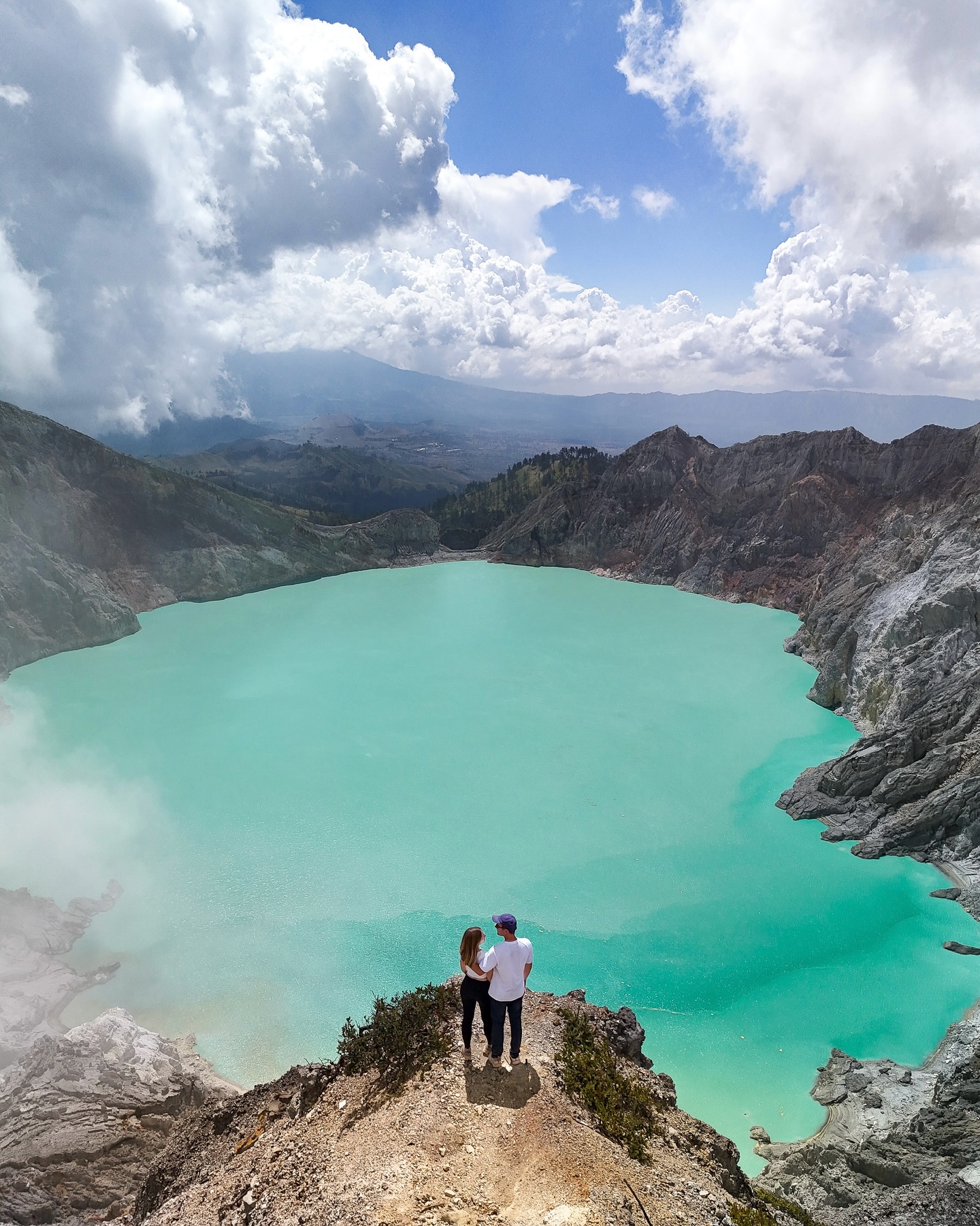
Kawah Ijen is one of Indonesia’s most unique volcanoes. It is famous for its blue fire, a rare natural sight only visible before sunrise. Then there is a bright turquoise crater lake, the largest highly acidic volcanic lake in the world.
The trek usually begins around 1:00 AM from Paltuding Base Camp. It takes about 1.5 – 2 hours to reach the crater rim. If conditions are safe, continue down into the crater with a local guide to see the blue flames. As daylight appears, the blue fire disappears.
During the hike, you will also see local sulphur miners carrying baskets of sulphur from the crater.
Because the sulphur gas inside the crater can be harmful, it is essential to wear a gas mask before descending. Masks are available for rent at the base camp.
Wear closed-toe trekking shoes with good grip, as the trail is rocky and can become slippery. A warm jacket is also recommended because temperatures are low during the early morning trek.
10. Lake Toba, North Sumatra
- Ideal stay: 2 – 3 days.
- How to get there: Fly into Silangit International Airport (DTB). However, to reach the lake itself, it takes 2 – 4 hours by car and ferry.
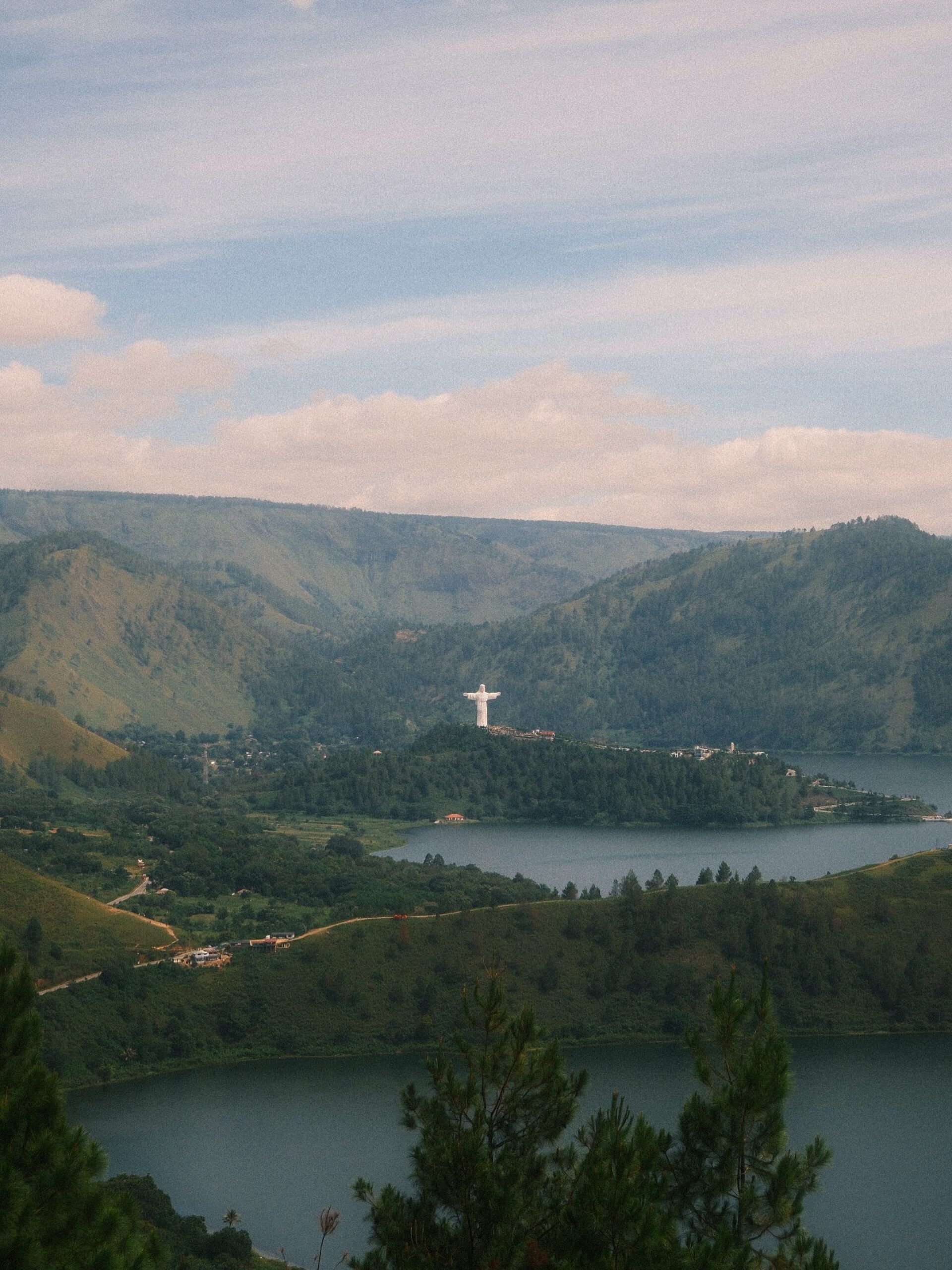
Lake Toba is the largest volcanic lake in the world, formed after a volcanic eruption around 74,000 years ago. The lake is surrounded by hills and located about 900 metres above sea level; the area has a much cooler climate than most parts of Indonesia.
The main attraction is Samosir Island, located in the middle of the lake. The island is home to the Batak people, who have preserved their traditions, architecture, music, and handicrafts for generations.
On the island, visit Tomok Village to see centuries-old stone tombs of Batak kings, or Ambarita Village, known for its ancient stone chairs that were once used for traditional village meetings and ceremonies.
While on the island, watch a traditional Tor-Tor dance performance and shop for Ulos, a handwoven Batak textile.
The best way to experience Samosir Island is to rent a scooter and visit places at your own pace, stopping at quiet lakeside villages and viewpoints along the way. You can also take a boat ride across Lake Toba to enjoy the surroundings and visit nearby villages from the water.
11. Tana Toraja, Sulawesi
- Ideal stay: 2 – 3 days.
- How to get there: Fly to Makassar, then book an overnight bus or private car to Rantepao, which takes 8 hours to reach.
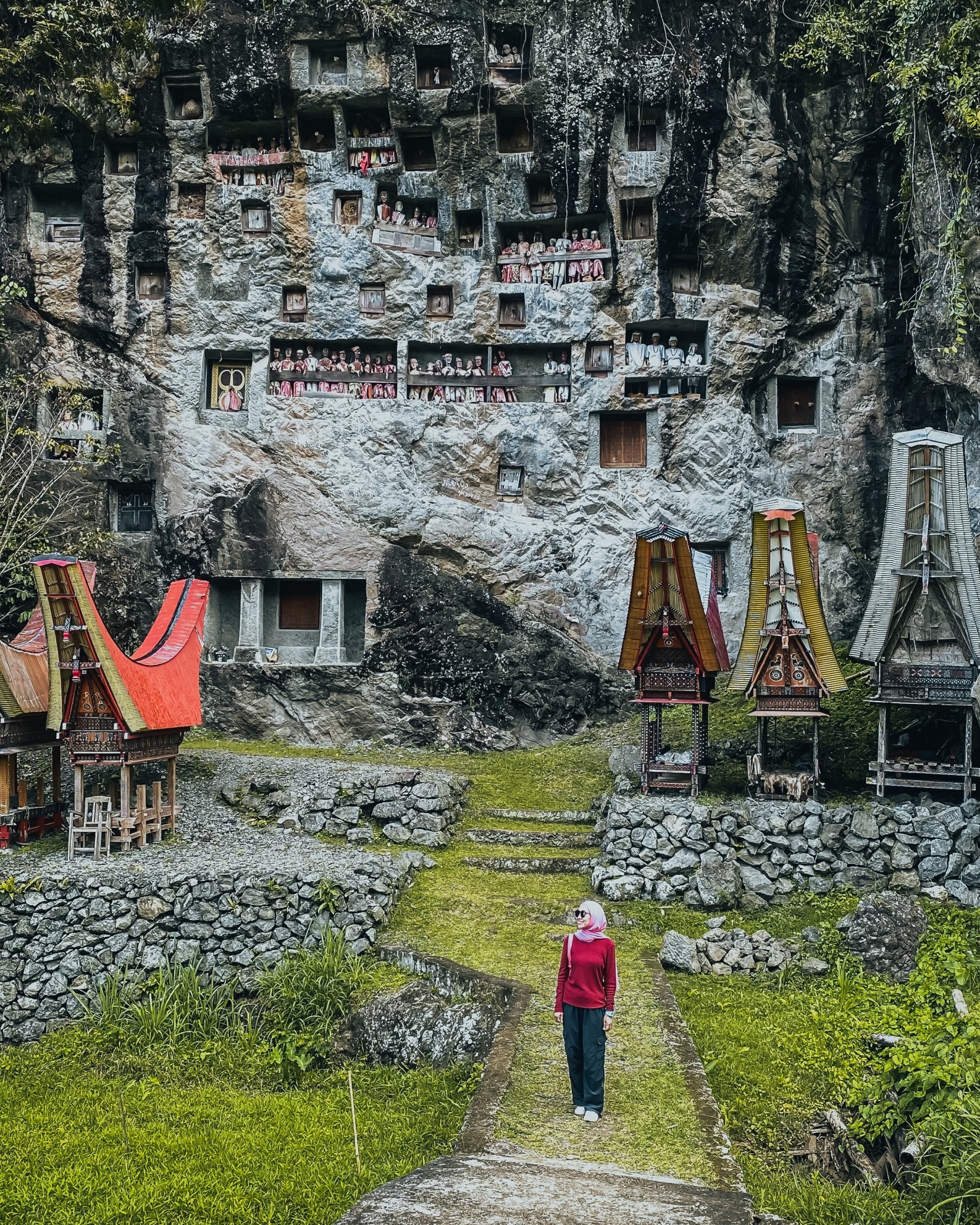
Tana Toraja is best known for its funeral ceremonies and Tongkonan houses with curved roofs. Unlike most places, the local Torajan community celebrates life and honours ancestors through ceremonies that have been practised for centuries.
The most visited place here is Lemo, where wooden Tau-Tau statues stand outside cliffside burial sites representing the people buried there.
Another important site is Londa, a cave burial filled with ancient coffins and family tombs. In Kambira Village, see a rare burial site where babies who passed away before growing teeth were traditionally buried inside living jackfruit trees.
If your travel dates align with the Bolu Livestock Market, it is a must-visit to learn about local Torajan culture. Held just once every six days and without a fixed day, the market is famous for its large buffalo trade.
Conclusion
Indonesia is among those countries that make you visit more than once and still find something new each time. One trip could be about Bali’s temples and beaches, another about Java’s volcanoes and ancient monuments, and then there are Komodo National Park, Raja Ampat, or the cultural villages of Sulawesi.
Whether you are planning a relaxing holiday, a honeymoon, a family vacation, or an adventure-filled trip, Indonesia has destinations that suit every travel style and budget.
If you are planning your Indonesian holiday and are not sure which place to visit, contact Dimaak Tours. We will help you understand the destination and, based on your interests, can customise an itinerary that suits you.
FAQs on the Top Places to Visit in Indonesia
1. What is the best place to visit in Indonesia for first-time travellers?
For a first trip, Bali is the best and the most popular choice. It offers beaches, temples, waterfalls, rice terraces, adventure activities, shopping, and a wide range of accommodation.
With 7 – 8 days, combine Bali with nearby islands such as Nusa Penida or Nusa Lembongan.
2. Which are the best places to visit in Indonesia for nature lovers?
Some of the best destinations include Raja Ampat for marine life, Komodo National Park for wildlife, and Mount Bromo and Kawah Ijen for volcanic landscapes. Then, for rice terraces and forests, visit Ubud.
3. Do Indians need a visa to visit Indonesia?
Indian passport holders can apply for a 30-day electronic Visa on Arrival (e-VoA) before travelling or obtain a Visa on Arrival at eligible entry points. The visa can usually be extended once if you plan to stay longer.
4. How many days are enough to explore Indonesia?
A 7 – 8 day trip is ideal for Bali, along with nearby islands such as Nusa Penida or Nusa Lembongan. If you want to visit multiple islands like Java, Flores, Sumatra, or Raja Ampat, plan for 14 or more days.
