


|
Key Takeaways
|
Shopping in Bali will be a major part of your trip because each area offers something different to buy. When you visit a Bali temple, Ubud’s art streets, or any local craft villages, you will easily come across handmade products, textiles, jewellery, paintings, coffee, and traditional Balinese souvenirs that are difficult to find elsewhere in India.
So, whether you come for Bali’s nightlife, spirituality or adventure activities, every attraction has nearby stalls selling unique items for purchase. With this guide, get the list of the best things you can buy in Bali.
A Quick Look at Where to Shop in Bali
| Places to Shop | What to Buy |
| Sukawati Art Market | Souvenirs, sarongs, wood carvings and paintings at the lowest prices |
| Ubud Art Market | Handicrafts, home decor, rattan bags |
| Seminyak and Kerobokan | Boutique fashion, home decor, leather goods |
| Celuk Village | Authentic silver and gold jewellery |
| Mas Village | Woodcarving workshops and galleries |
| Kuta and Legian | Beachwear, elephant pants, souvenirs and cheap fashion |
| Tegallalang Handicraft Centre | Woodwork, woven baskets, bamboo products |
| Bali Collection | Mid-range shopping mall with fixed prices |
| Seminyak Square and Level 21 Mall | Fashion, cosmetics, food products |
23 Best Things to Buy in Bali for Indians
The best shopping in Bali depends a lot on the place you stay in Bali because each area specialises in different products. Ubud is better for handicrafts and art, while Seminyak, Kuta, and Nusa Dua are more suitable for fashion, souvenirs, spa products, and beachwear.
This section gives you information on famous things you can buy in Bali, so you can save time thinking about what to buy. Also, the costs listed below are approximate, as prices in Bali can vary by location, quality, bargaining, and tourist season.
1. Balinese Silver Jewellery
Approx. Cost: 100,000 – 2,000,000 IDR (537 – 10,747 INR). Simple rings and earrings start at a lower cost. Intricate necklaces and full sets cost more.
Celuk Village has been Bali’s silver working centre since the 17th century. Back then, the Dewa Agung court patronised skilled metalworkers from the Celuk Village to produce ceremonial offerings and temple decorations.
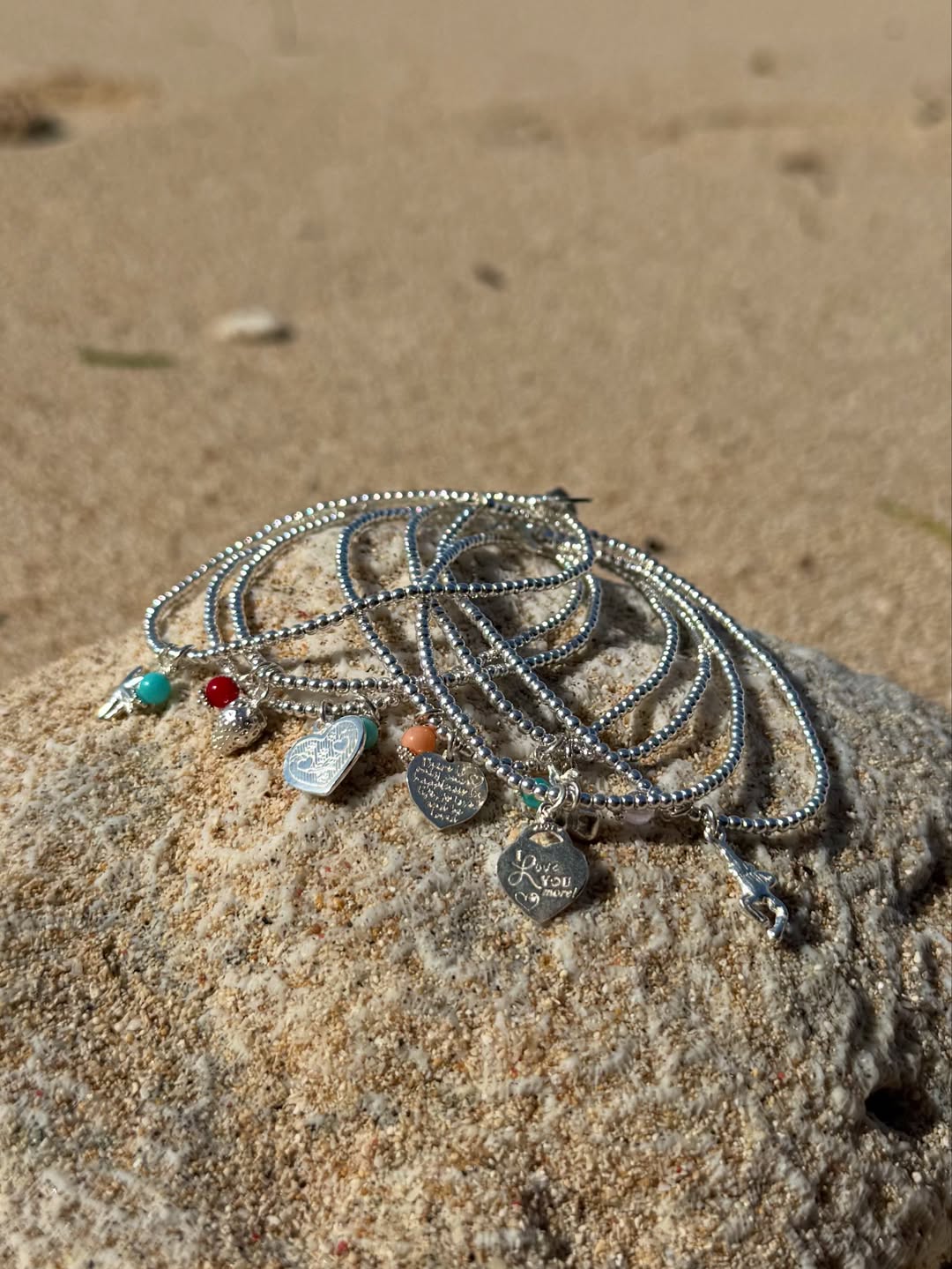
The craft has been passed down through generations, and today, many families in Celuk are involved in silverwork. The silver designs use a fine filigree technique with hand-etched patterns that most jewellers do not replicate.
2. Balinese Wood Carvings
Approx. Cost: 50,000 – 3,000,000 IDR (268 – 16,118 INR).
Woodcarving in Bali became a formal artistic tradition in the 1930s. It happened when Western artists like Walter Spies and Rudolf Bonnet encouraged Balinese craftsmen to move beyond ceremonial work and create pieces for art collectors and galleries.
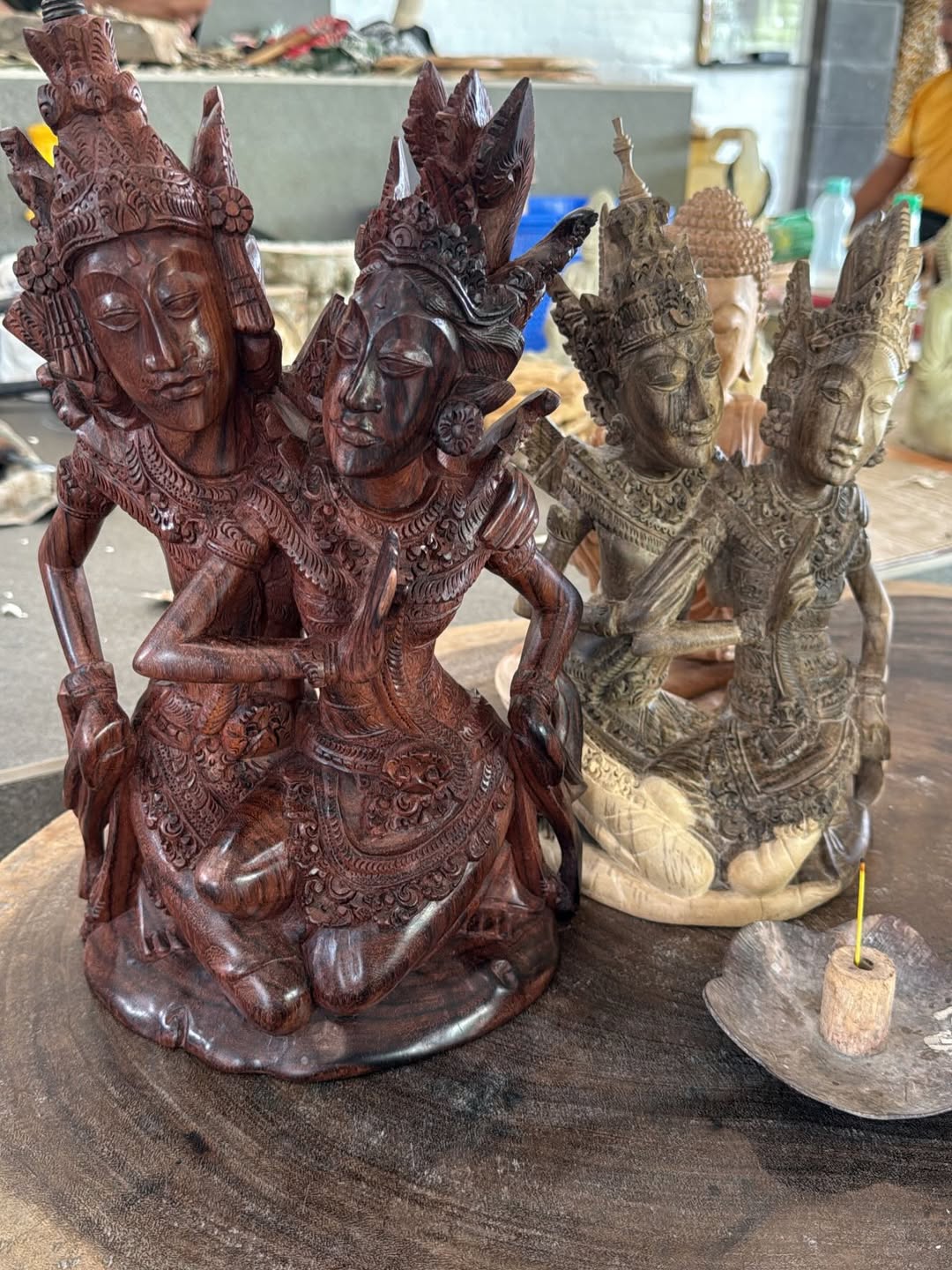
Mas Village near Ubud is the centre of Bali’s woodcarving tradition. Craftsmen here work primarily with suar wood, hibiscus wood, and albesia, carving Hindu deities, animals, and abstract forms by hand, giving you a unique souvenir from Bali to take home.
3. Batik Fabric and Clothing
Approx. Cost: 50,000 – 500,000 IDR (268 – 2,686 INR).
Batik reached Bali through Javanese traders and the royal courts of central Java, where the wax-resist technique was a developed art form used to mark social rank through clothing.
Later, Bali adapted it with its own colour palette and motifs, moving away from the darker Javanese colours towards brighter tropical tones. You can buy Batik as raw fabric, sarongs, shirts, dresses, and scarves. When you customise the Batik, it becomes the most memorable thing to buy from Bali.
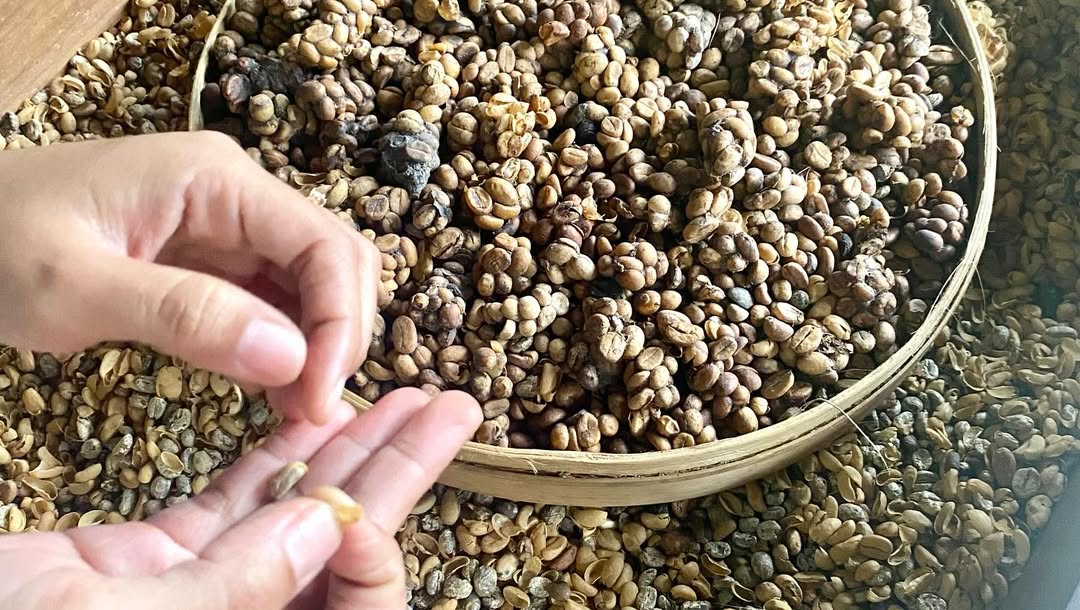
4. Kopi Luwak (Civet Coffee)
Approx. Cost: 500,000 – 800,000 IDR (2,686 – 4,298 INR) per 100g for wild-processed Kopi Luwak. Anything below 300,000 IDR (1,611 INR) per 100g is almost a blend or fake.
In the 1990s, British coffee trader Tony Wild introduced Kopi Luwak to the Western market by importing a kilogram of it into the UK. He presented it to the British press as an exotic novelty.
Kopi Luwak is coffee made from beans that have been eaten and defecated by Asian palm civets. The digestive process ferments the beans, which reduces bitterness and changes the flavour.
5. Balinese Coffee and Local Coffee Blends
Approx. Cost: 30,000 – 150,000 IDR (161 – 805 INR).
Coffee was brought to Bali by the Dutch colonial government in the late 1800s as an agricultural product. The Kintamani highlands, at 1,500 metres above sea level, are a prime location for growing Arabica.
Bali produces Arabica coffee from the Kintamani highlands and Robusta from lower-altitude farms. Kintamani Arabica has a light, slightly fruity flavour with low bitterness that is very different from South Indian filter coffee.
Top coffee brands in Bali include Jaya Coffee Roasters, Akasa Coffee, Expat. Roasters and Seniman Coffee.
6. Balinese Spices and Cooking Pastes
Approx. Cost: 20,000 – 100,000 IDR (107 – 537 INR).
Balinese cooking uses a spice paste called base genep as the foundation of most traditional dishes. It contains turmeric, galangal, lemongrass, shallots, candlenuts, and several other spices that are difficult to get all together in India.
You can buy ready-made base genep paste in sealed packs, along with single spices like Balinese long pepper, Balinese sea salt, and dried turmeric, which are some of the cheapest things to buy from Bali.
7. Balinese Paintings
Approx. Cost: Small canvas prints start at 100,000 IDR (537 INR). Original hand-painted works from Ubud artists start at 500,000 IDR (2,686 INR).
The Ubud painting you see now was shaped in the 1930s when German artist Walter Spies and Dutch artist Rudolf Bonnet moved to Ubud and began working alongside local painters. They encouraged them to paint scenes from daily life and mythology rather than purely decorative temple art.
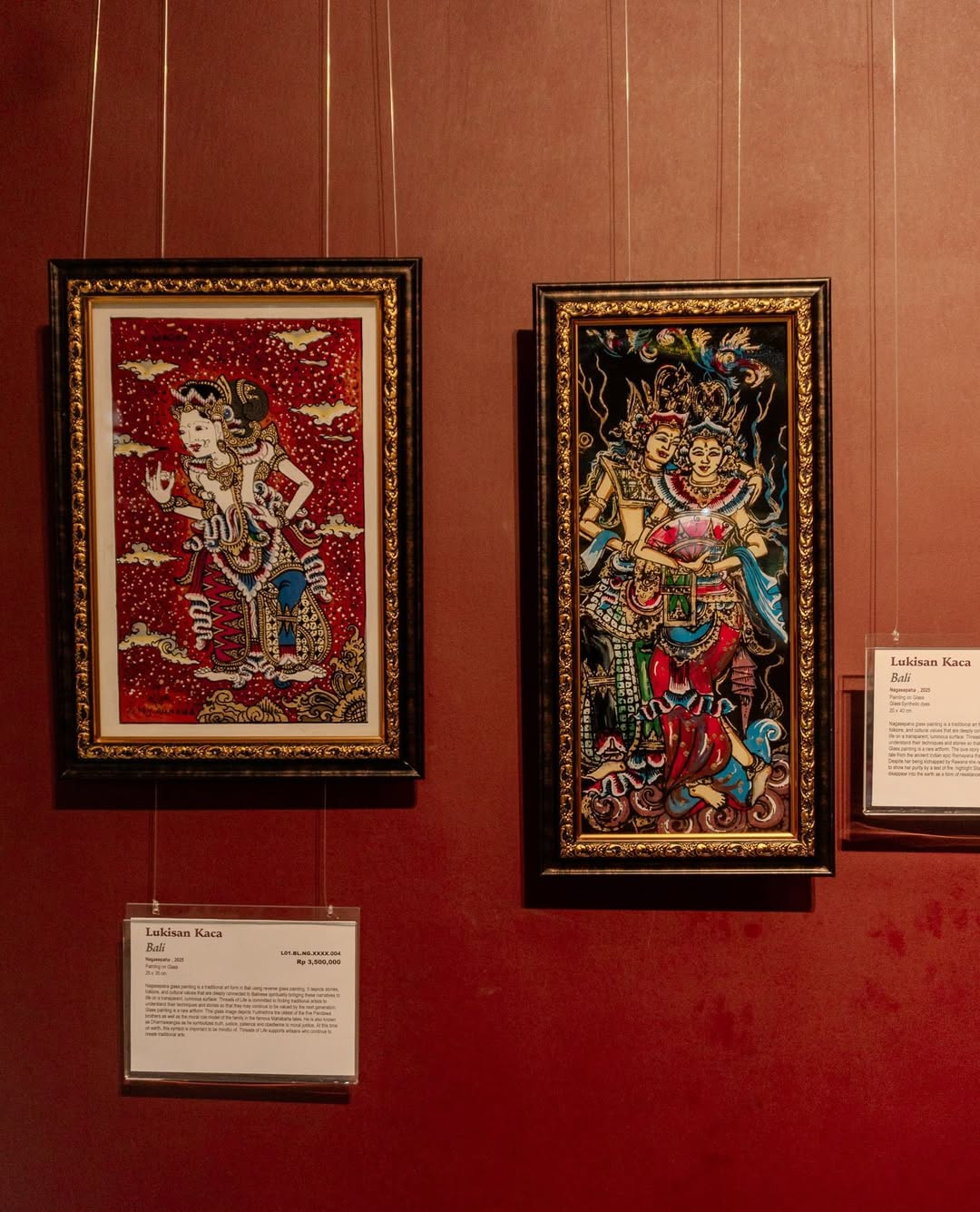
Balinese painting has two distinct styles. The Ubud style features detailed scenes from Hindu mythology, rice paddy landscapes, and jungle images. The Batuan style from Batuan Village is darker, more intricate, and uses black ink on a white background. The best places to buy art in Bali are the Ubud Art Market and the galleries on Monkey Forest Road.
8. Coconut Shell Products
Approx. Cost: 20,000 – 200,000 IDR (107 – 1,074 INR).
Bali produces millions of coconuts per year. The Tegallalang area, north of Ubud, became the main production centre because of its existing handicraft infrastructure.
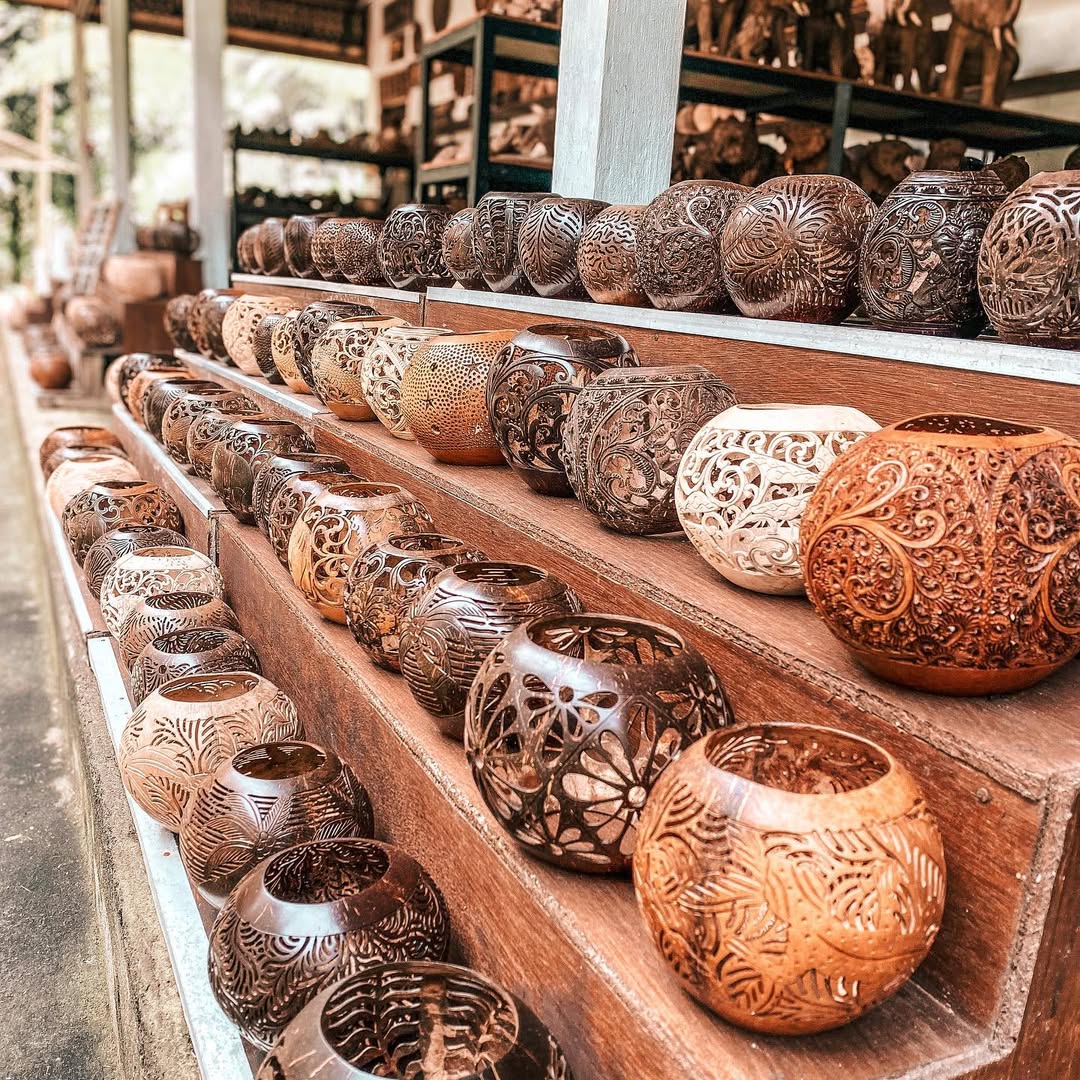
Bowls, spoons, cups, jewellery, buttons, and wall hangings are made from polished coconut shells. The better-quality pieces are lacquered and hand-polished to a deep brown-black finish. They are lightweight, easy to pack, and one of the cheapest things to buy in Bali.
9. Dreamcatchers
Approx. Cost: 20,000 – 150,000 IDR (107 – 805 INR).
Dreamcatchers are not originally from Bali. They come from the Ojibwe people of North America, but Bali adopted them into its craft export market in the 1980s. Since then, it has become one of the largest producers, adapting the design to use local materials such as bamboo hoops, shells, and natural feathers.
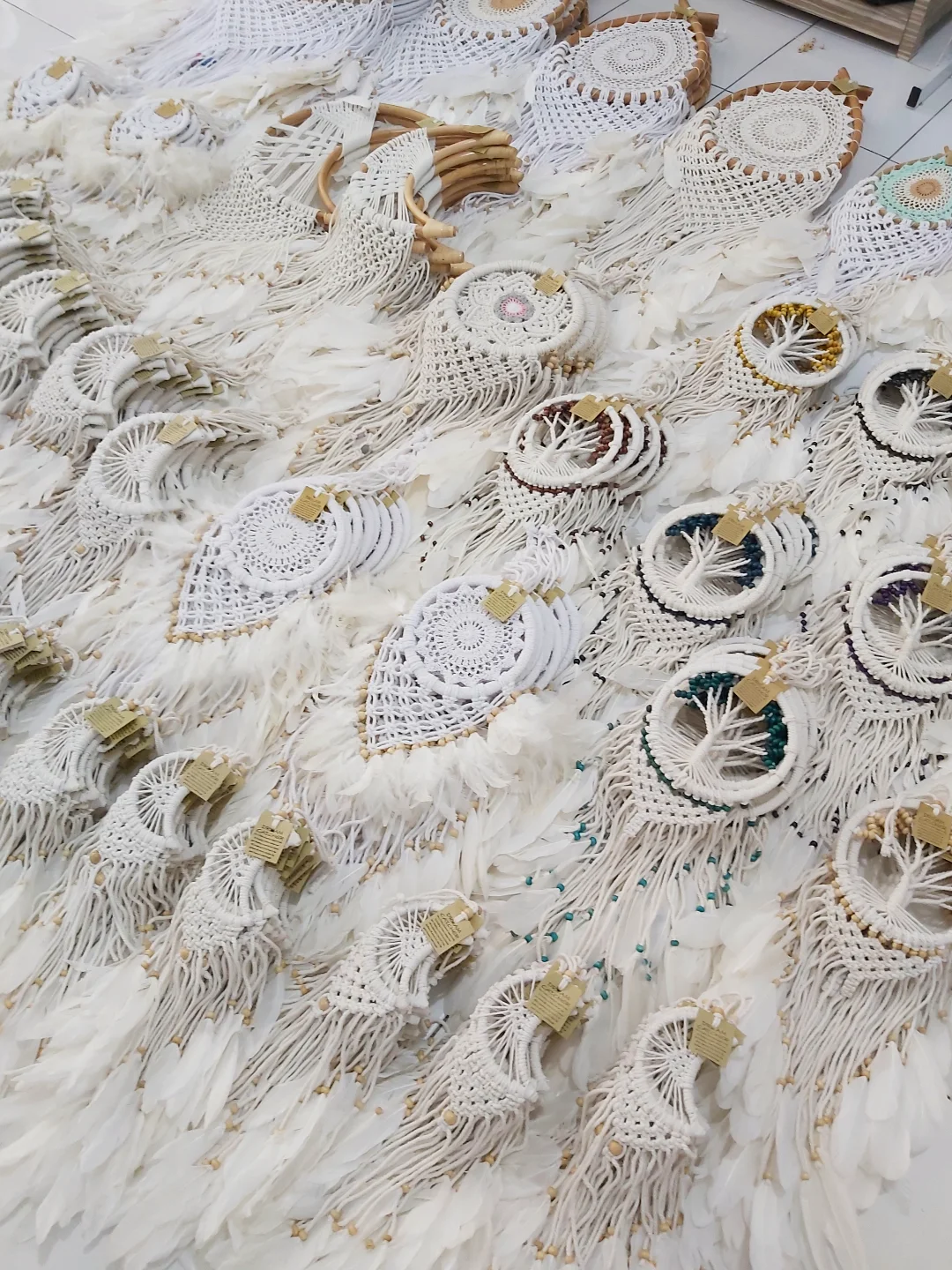
Bali produces dreamcatchers for mass export, and they are widely available at every tourist market.
10. Sarongs
Approx. Cost: Plain cotton sarongs start at 30,000 IDR (161 INR). Hand-dyed batik sarongs start at 130,000 IDR (698 INR).
When shopping in Bali, one thing everybody ends up buying is Sarongs. Balinese sarongs are sold in cotton, rayon, and silk blends with hand-painted, printed, or woven patterns.
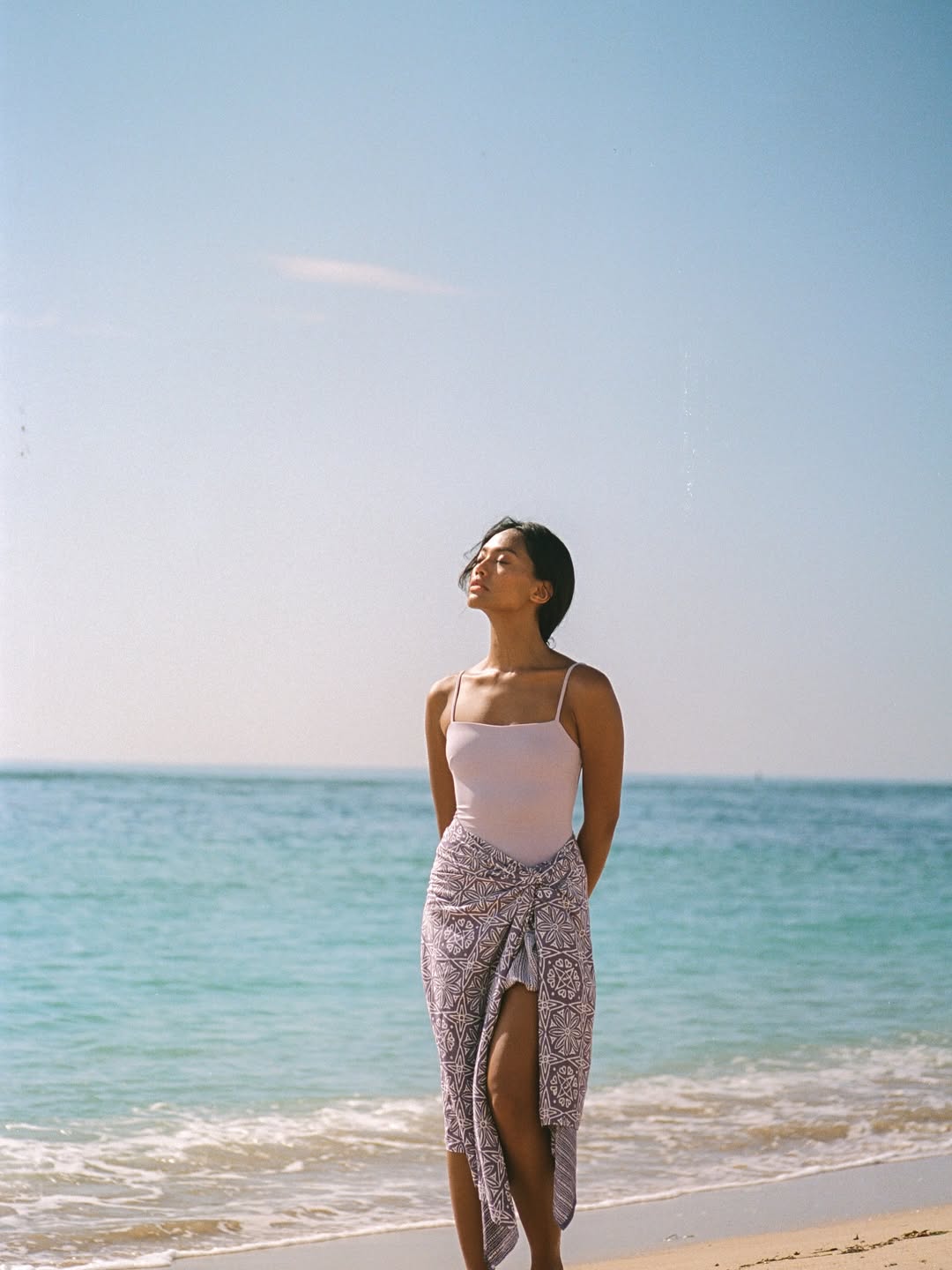
A sarong is required clothing for entering any temple or sacred space. Balinese men and women wear them to daily religious ceremonies throughout their lives. The poleng sarong, black and white checked, is specifically associated with spiritual protection.
11. Leather Goods
Approx. Cost: Wallets and belts start at 150,000 IDR (805 INR). Handbags are at 400,000 IDR (2,149 INR).
Bali’s leather goods industry grew in the 1990s when Seminyak developed from a quiet fishing village into a boutique shopping destination. It attracted designers who set up small workshops using local labour. In Seminyak and Kerobokan, you will see workshops producing genuine leather bags, wallets, belts, sandals, and journals.
12. Handwoven Baskets and Rattan Products
Approx. Cost: 30,000 – 500,000 IDR (161 – 2,686 INR).
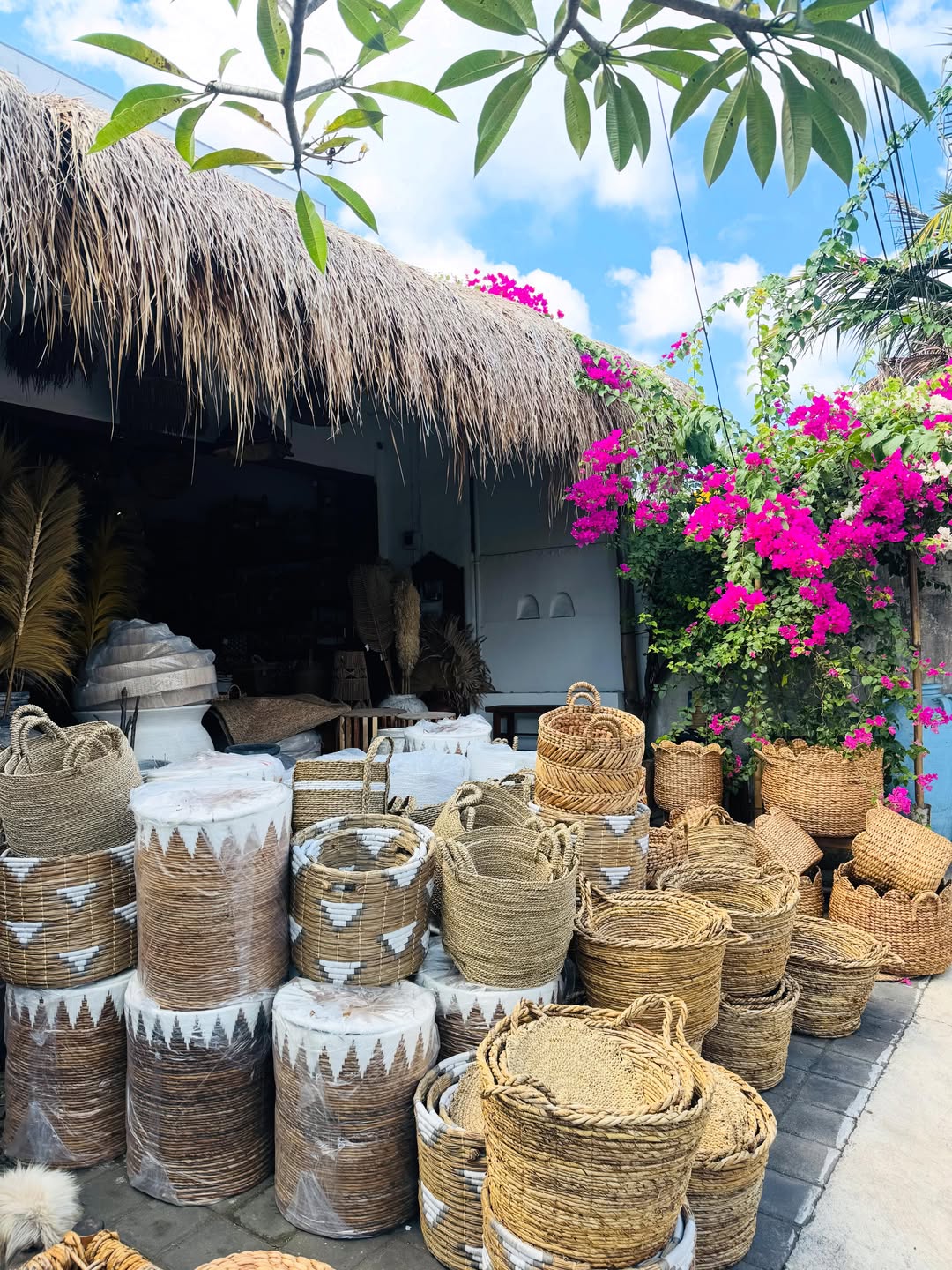
Bali produces woven bamboo, rattan, and lontar palm products for both domestic use and export. Baskets, trays, placemats, bags, and storage boxes from Tenganan Village in east Bali use a traditional double-ikat weaving method called geringsing.
Tenganan Village has maintained its geringsing double-ikat weaving tradition for over 1,000 years. The village keeps the technique strictly within its community, which is why genuine geringsing cloth is rare and expensive compared to standard Balinese weaving.
13. Balinese Spa and Beauty Products
Approx. Cost: 50,000 – 500,000 IDR (268 – 2,686 INR).
Bali’s spa culture developed in the 1980s along with its luxury resort industry. Brands such as COMO Shambhala offer high-quality herbal beauty products that use traditional Balinese ingredients.
Utama Spice and Sensatia are among Bali’s brands that use local ingredients such as coconut oil, frangipani, turmeric, and rice bran. Their body scrubs, face oils, and hair masks are sold at Seminyak boutiques and the Bali Collection mall.
14. Handmade Paper Products
Approx. Cost: 20,000 – 200,000 IDR (107 – 1,074 INR).
Balinese paper production uses a traditional technique called dluwang. It was used to make lontar manuscripts, the palm-leaf texts on which Balinese Hindu scriptures and royal records were written.
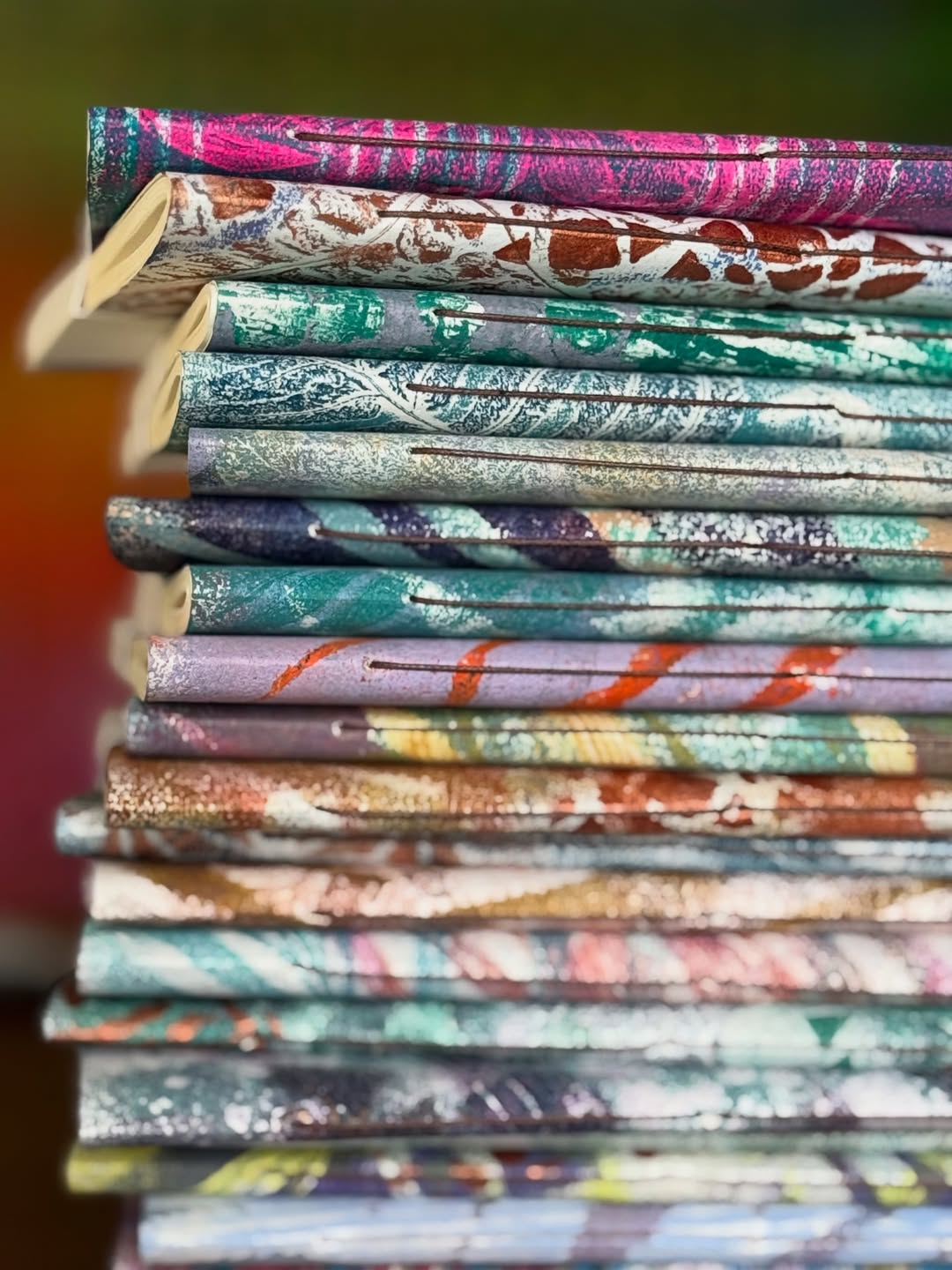
The modern version adapted this into decorative paper products for tourists while keeping the same natural plant-fibre base. Bali produces paper from banana leaves, pandan, and rice straw. You can buy them in the form of notebooks, gift cards, photo frames, and lampshades made from this paper, which are sold at craft shops in Ubud.
15. Wayang Kulit Shadow Puppets
Approx. Cost: 100,000 – 1,000,000 IDR (537 – 5,372 INR).
Wayang Kulit is the traditional shadow puppet theatre of Java and Bali. Puppets are made from buffalo hide. They are hand-cut into intricate figures representing characters from the Ramayana and the Mahabharata, and painted in traditional colours.
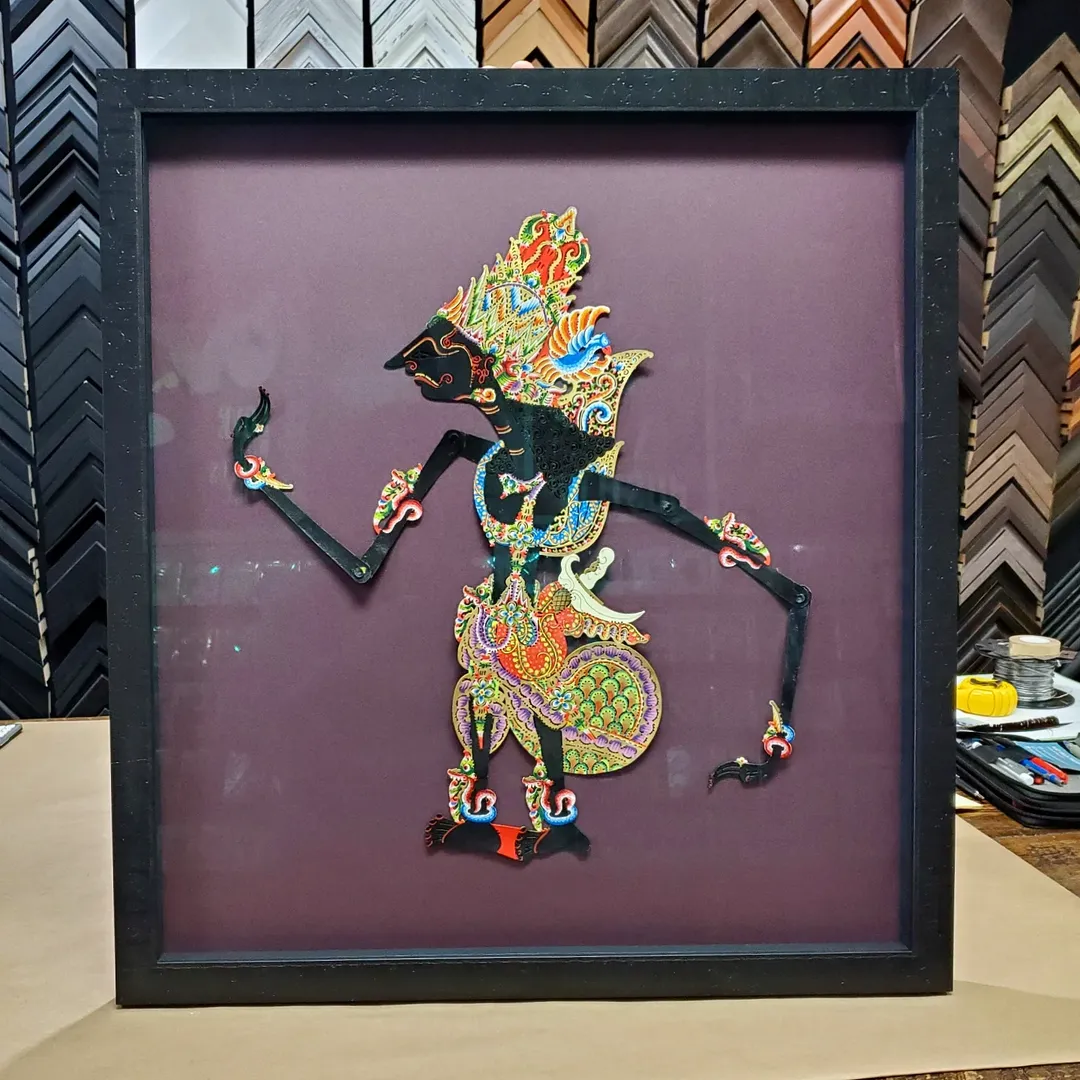
Moreover, Wayang Kulit is a sacred art form in Bali. It is performed at cremations, tooth-filing ceremonies, and temple festivals rather than purely for entertainment. It’s a unique thing to buy in Bali, and you can find them in the Sukawati Art Market or the Ubud Art Market.
16. Balinese Ceremonial Dress (Kebaya)
Approx. Cost: 150,000 – 800,000 IDR (805 – 4,298 INR).
The Kebaya arrived in Bali through Javanese and Dutch colonial influence in the 18th and 19th centuries. Then it gradually became formal and ceremonial dress across the island. Today, it is a must-wear outfit for women entering temples and is worn at every major Hindu ceremony, from weddings to the Galungan festival.
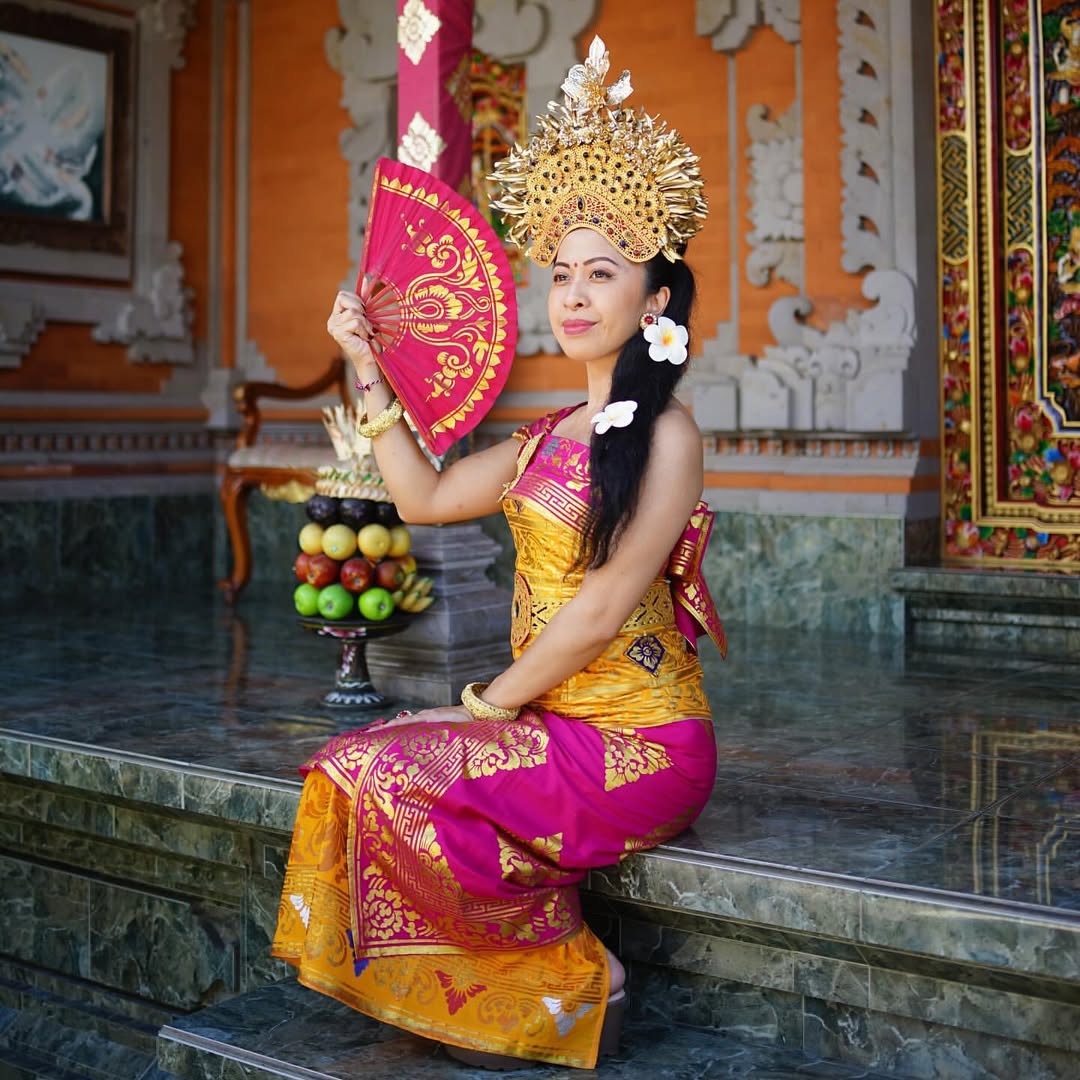
The Kebaya is the traditional Balinese women’s blouse worn with a sarong and sash. It is made from lace or cotton and comes in white, cream, and pastel colours.
https://www.instagram.com/p/DK4e75BCOST/
17. Bamboo Products
Approx. Cost: 30,000 – 400,000 IDR (161 – 2,149 INR).
Bamboo has been a part of Balinese architecture and daily life for centuries. You can find bamboo kitchen utensils, serving trays, stationery holders, wind chimes, and decorative panels in markets.
The island has over 20 native bamboo species, and the thick-walled Petung, known as Dendrocalamus asper, is used for wind chimes and musical instruments. It is known for producing a deeper, more resonant tone than thinner-walled bamboo from other regions.
18. Balinese Textiles and Ikat Fabric
Approx. Cost: 100,000 – 1,500,000 IDR (537 – 8,059 INR).
Endek fabric was traditionally reserved for Balinese royalty and worn only at court ceremonies. The clothes have a certain colour combination indicating specific ranks within the caste system.
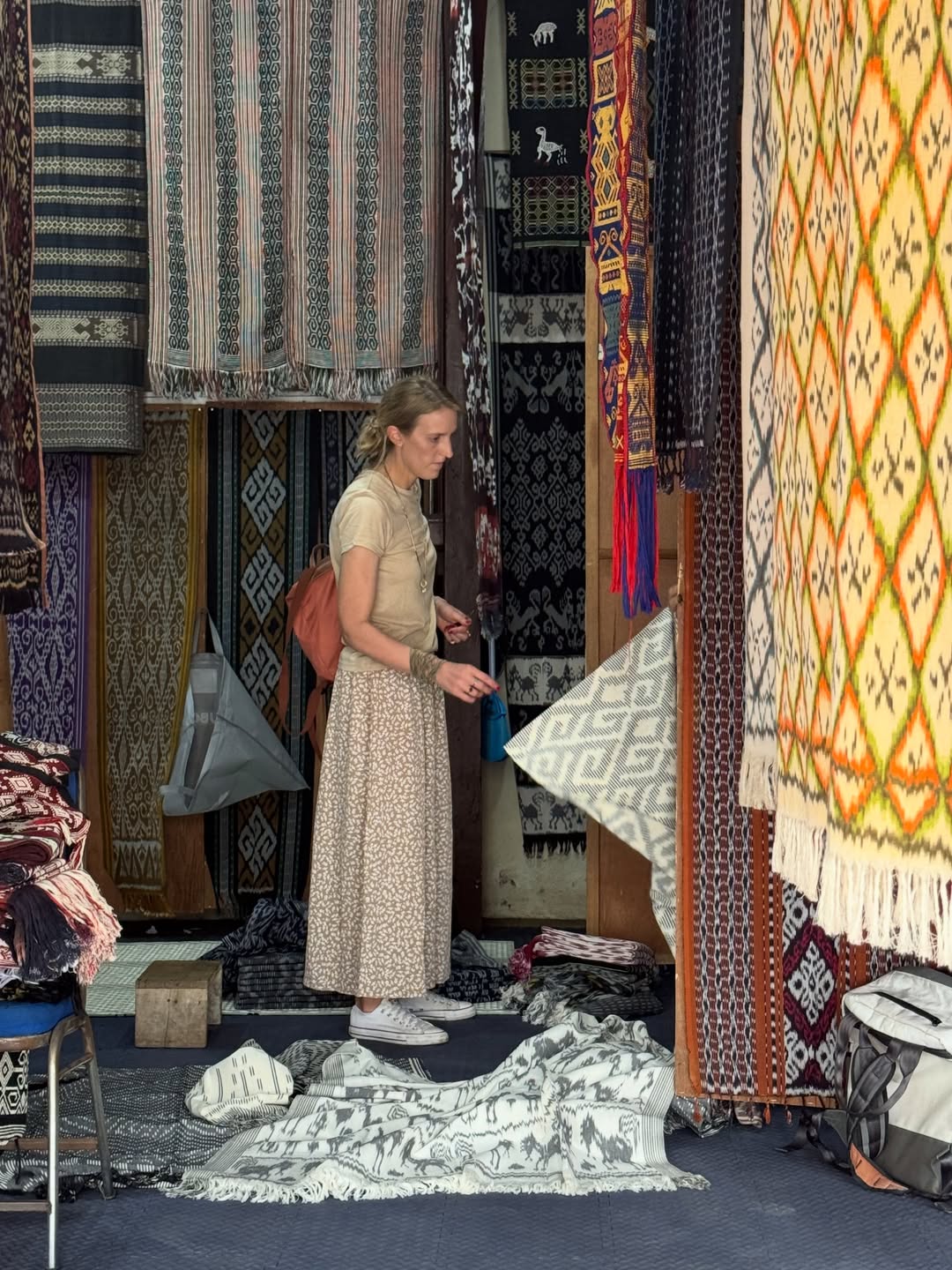
It became accessible to the general public after Indonesian independence in 1945. In 2014, the Bali government mandated that civil servants wear an endek every Thursday to preserve the craft.
19. Coconut Sugar and Local Food Products
Approx. Cost: 20,000 – 80,000 IDR (107 – 429 INR).
Balinese coconut sugar has been used in traditional cooking for centuries. It is the sweetener in most Balinese desserts and ceremonial sweets. Unlike refined white sugar, it undergoes minimal processing. It is sold in solid block form or as granules in sealed packs at supermarkets and local markets.
20. Beachwear and Resort Fashion
Approx. Cost: 80,000 – 600,000 IDR (429 – 3,223 INR).
Bali became a global beachwear production hub in the 1980s when surf brands from Australia and the US began outsourcing manufacturing to Kuta and Legian. These were the places where labour costs were low, and there were many people with sewing skills.
Bali produces a large volume of beachwear and resort clothing for both the domestic market and export. Bikinis, swim shorts, kaftans, linen shirts, and beach dresses are sold at Kuta and Seminyak markets at lower prices.
21. Balinese Jewellery Using Bone and Horn
Approx. Cost: 50,000 – 500,000 IDR (268 – 2,686 INR).
Working with animal bone and horn is an old Balinese craft tradition; it is connected to the island’s animist roots. Buffalo horn, in particular, was historically used to make handles for the keris, which is Bali’s sacred ceremonial dagger.
At present, there are many products made, such as necklaces, bracelets, hairpins, and carved pendants in bone and horn, that are sold at Ubud Art Market and Kuta markets.
The most important thing to remember is that ivory is banned from import into India. Other bone and horn products are permitted for personal use, but you can buy them in smaller quantities.
22. Tie-Dye and Hand-Dyed Clothing
Approx. Cost: 50,000 – 300,000 IDR (268 – 1,611 INR).
Tie-dye and hand-dyeing techniques became popular in Bali in the 1970s, when the island’s first Western backpackers created demand for colourful, affordable beachwear.
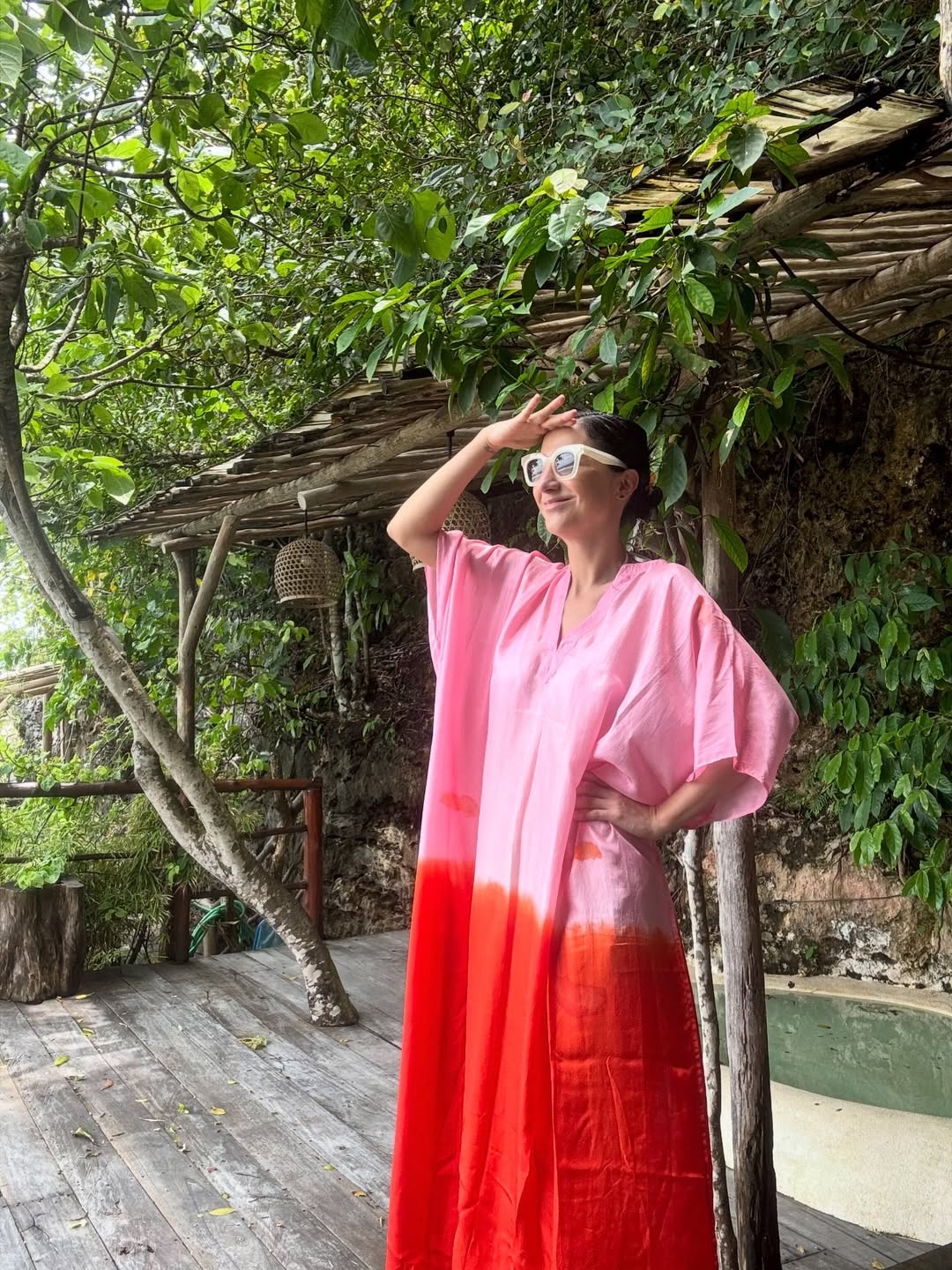
Local producers in Kuta adopted the technique and began producing for tourists. Hand-dyed tie-dye T-shirts, dresses, and kaftans are available in markets, and these are among the easiest items to buy in Bali in bulk for gifts.
23. Fridge Magnets
Approx. Cost: 14,000 – 50,000 IDR (75 – 268 INR).
In any country you visit, these fridge magnets are the most common and cheapest things to buy. The small wooden Barong mask is one of the most popular Balinese souvenirs in the fridge magnet and keychain categories.
Then you have Bali-themed fridge magnets, miniature Ganesh figurines, and keychains, all of which carry Bali’s uniqueness and, at the same time, are the cheapest souvenirs.
Customs Rules for Indians Shopping in Bali
- Duty-Free Allowance: 75,000 INR per person is the limit. This covers all goods purchased, such as clothes, electronics, jewellery, souvenirs, and gifts.
- Wooden Items: Large wooden items like carved panels, furniture, and decorative sculptures require a phytosanitary certificate to bring them to India.
- Coffee & Spices: Only sealed coffee packages are cleared by Indian customs. Do not carry loose, unlabelled coffee bags.
- Bone and Horn Products: These are permitted for personal use in reasonable quantities. Do not carry anything that looks like ivory, as it is banned, and Indonesian customs also prohibit the export of products made from protected wildlife, including ivory, coral, and turtle shells.
- Alcohol: Up to 2 litres of alcohol are duty-free. Anything above 2 litres is taxed.
Shopping Tips for Indians in Bali
- Bargaining: You can bargain at the Sukawati Art Market, Ubud Art Market, Kuta markets, and all street stalls. Bargaining does not work at Seminyak boutiques, hotel gift shops, or brand stores.
- Cash or Card: Most markets and small shops are cash-only in Indonesian Rupiah. Boutiques and malls accept cards. Avoid money changers on the street that offer rates higher than the official bank rate; this is a common scam. Use authorised money changers with a rate display board.
- Vegetarian Food at Markets: Bali uses shrimp paste, fish sauce, and chicken stock as base flavours in many vegetarian dishes. The safest options for vegetarians at markets are fresh fruit, fried tempeh and corn or visit Indian restaurants in Bali.
Conclusion
Buying some of the best things in Bali becomes much easier when you know which areas are best for specific products. Ubud and Sukawati are ideal for handicrafts, paintings, batik, and woodwork, while Seminyak and Kuta are better for fashion, beachwear, spa products, and boutique shopping.
If you are planning a trip to Bali and want help with itineraries, hotel areas, activities, and shopping recommendations, contact Dimaak Tours to plan a trip tailored to your budget and travel style.
FAQs on Things to Buy in Bali
1. What is famous in Bali to buy?
Silver jewellery from Celuk Village, wood carvings from Mas Village, Kopi Luwak coffee, Balinese paintings in Ubud style, batik fabric, and coconut-based products are the most well-known Bali things to buy.
2. What is cheap to buy in Bali?
Sarongs, batik fabric, coconut sugar, incense, dreamcatchers, coconut shell bowls, beachwear, and small souvenirs at Sukawati Art Market are all cheaper in Bali.
3. Can Indians bring Balinese food items back to India?
You can bring food items back to India only if they are sealed. Buy coffee, coconut sugar, spice pastes, and snacks in sealed packs; do not carry loose or unlabelled food items.
4. Which is the best market to shop in Bali?
Sukawati Art Market has the lowest prices for souvenirs and handicrafts. Ubud Art Market has better quality and a wider selection at higher prices. Seminyak boutiques have the best quality for fashion and leather goods at fixed prices.
