


Key Takeaways
|
Many travellers assume Europe is a year-round destination because Pinterest has picture-perfect images for every season.
That theory might be right if you know which country in Europe has the best climate in the month you visit.
A trip to Switzerland in May can include lake cruises and mountain viewpoints that are covered with snow, but it is too early for some high-altitude hiking. August is a better option, as more trails are accessible, though hotels and mountain excursions face summer demand.
So, decide what activities interest you most, build your itinerary around them, and visit in the month that suits your plans best.
Which Months are Convenient for Indians to Travel to Europe?
Before the blog lists every month, this section gives you top choices for Indians to go on a vacation without worrying about needing extra leave from work or school.
- April – May (School Summer Break): With long school vacations, go on a multi-country vacation for 14 days or more.
- Mid-January (Makar Sankranti & Pongal): Ideal for budget travellers and Alpine snow.
- December (Christmas & New Year): With year-end school breaks and corporate leave, it’s easy to plan a 10-day trip for holiday markets and winter adventures.
Best Time to Visit Europe: Month-by-Month
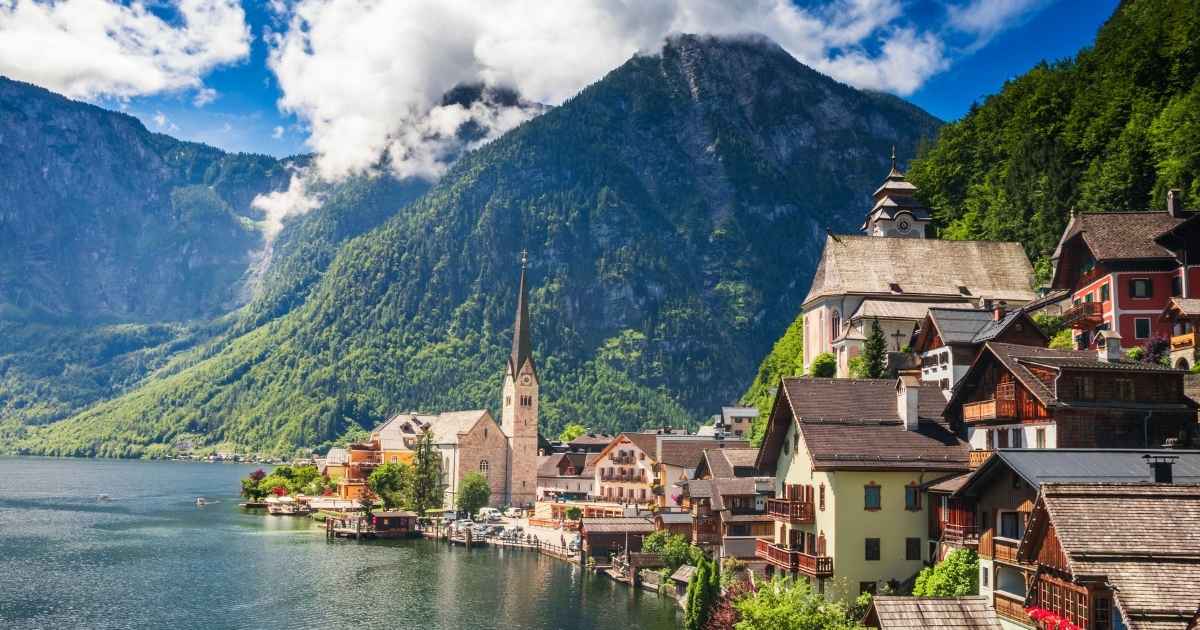
The right month to visit Europe depends on the experience you want, from snowy mountains to summer road trips, hiking, and Christmas markets. Here’s what each month offers, along with the country that fits.
1. January
- Best destination: Switzerland for a snow holiday.
- Avg. temperature: -1°C to 6°C (Lowlands) and -10°C to -2°C (Alpine regions).
For a snowy January destination, choose Switzerland for ski resorts, mountain railways, and snow activities.
Add Zermatt to your itinerary; it is a car-free mountain village at the foot of the Matterhorn. Skiers can access an extensive network of slopes and pistes, while non-skiers can take the Gornergrat Railway to a high-altitude viewpoint overlooking the Matterhorn and surrounding peaks.
If you are not interested in skiing, spend three nights in Lucerne and three in the Jungfrau region. Lucerne gives you access to Lake Lucerne and Mount Rigi. From Grindelwald or Interlaken, plan excursions to Jungfraujoch, Europe’s highest railway station, at 3,454 metres (11,332 feet) above sea level.
Zurich and Lucerne can be cold and wet, often with little to no snow on the ground. If snow is important, spend more of your holiday in an Alpine resort.
In case you visit Jungfraujoch or Mount Rigi, consider purchasing a Swiss Travel Pass to cover public transit and secure discounts on mountain railways.
2. February
- Best destination: Finland for Northern Lights and Arctic activities.
- Avg. temperature: -15°C to -6°C (Lapland).
February is an ideal time to visit Finland for those looking for Finnish Lapland because winter activities are operating and the nights are long enough for Northern Lights viewing.
Organise your first three days in Rovaniemi. Families can head to Santa Claus Village, cross the Arctic Circle, and book a reindeer or husky excursion.
Then travel north to Saariselkä, a 3-hour drive from Rovaniemi. Alternatively, stay in Inari, which is just 50 minutes north of Saariselkä, for even quieter viewing spots away from city lights.
However, the Northern Lights depend on solar activity and clear skies. So, it is good to plan a relaxed 3 – 4 nights rather than just staying for a night and expecting to see the Northern Lights.
Temperatures can fall well below freezing, and Indian winter clothing won’t be enough for outdoor activities, so pack extra layers and thermal inner layers.
3. March
- Best destination: Italy for budget-friendly travel before the peak summer crowds.
- Avg. temperature: 8°C to 16°C.
March is worth considering for Rome and Florence. Visit Italy’s major historic sites without scheduling your journey around the heat of July or August.
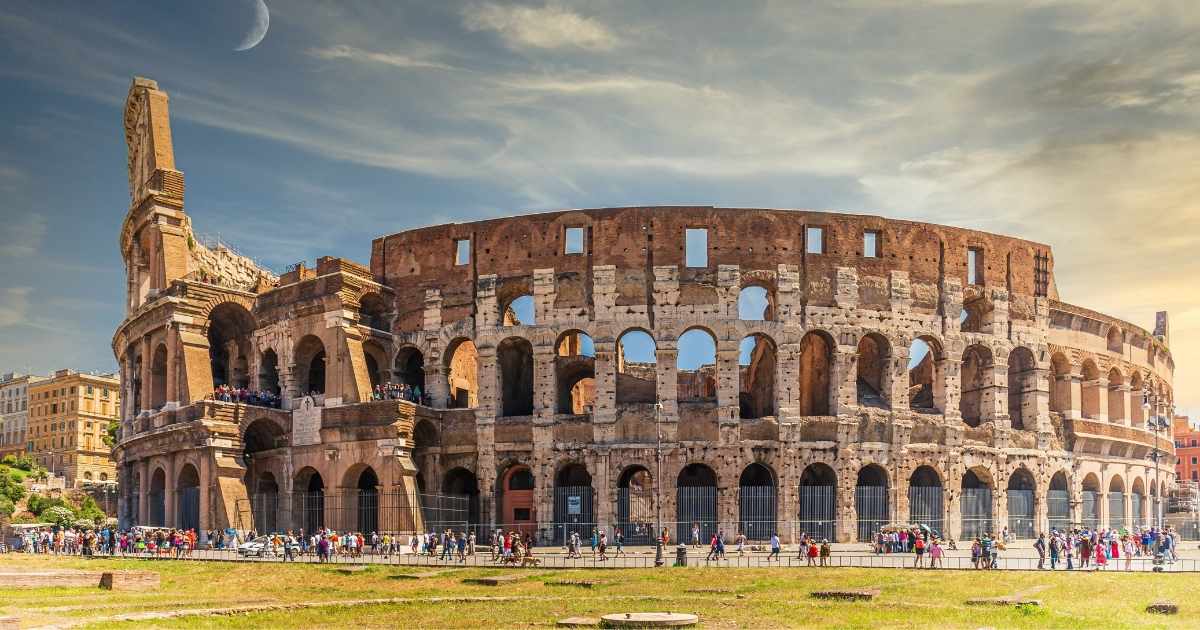
Rome needs a minimum of three days for the Colosseum and Roman Forum, where you can see the amphitheatre and the remains of ancient Rome’s political centre. Allocate an additional day to visit the Vatican Museums and St. Peter’s Basilica.
From Rome, catch the train to Florence, which takes around 2 hours, for Renaissance art. From there, a day trip to Siena is a good choice. Its medieval centre and shell-shaped Piazza del Campo offer a different experience from Florence’s museums.
Italy is known for its food, so go to the local markets to sample authentic Italian flavours. Some of the best ones are Mercato Trionfale, Testaccio Market, Mercato di Sant’Ambrogio, and Il Mercato Centrale Firenze.
4. April
- Best destination: The Netherlands for tulip season.
- Avg. temperature: 7°C to 14°C.
While many European countries are great to visit in April, the Netherlands offers a special vacation with tulip-filled fields.
Keukenhof, near Lisse, is the main attraction. Flowering depends on the weather, so mid-April is a safer time to go. Spend a full day at Keukenhof to see flower-themed gardens and a windmill.
Stay in Amsterdam for another three days. Stop by the Rijksmuseum for Dutch paintings and sail on a canal cruise to see the city’s historic houses from the water. Then buy a ticket online to Anne Frank House to see Anne’s original diary and learn more about the rise of the Nazis, World War II, and the Holocaust.
Be sure to book your Anne Frank House tickets online weeks in advance, as tickets aren’t available at the venue.
5. May
- Best destination: France for spring weather and fewer crowds before summer.
- Avg. temperature: 11°C to 21°C.
Indian families on an international trip in May have plenty of time with long school holidays.
Start with 4 days in Paris to experience the Eiffel Tower, a Seine cruise, the Louvre, Versailles, and cafes. From Paris, take a 6-hour train to Nice. Enjoy Mediterranean views and 7 kilometres of pebble beaches.
Walk around the Old Town and photograph Baroque streets. You will find 17th-century churches and the Cours Saleya Market, which sells fresh produce, flowers, crafts, and street food.
6. June
- Best destination: Norway for fjord cruises and summer days.
- Avg. temperature: 10°C to 20°C.
June is a great month for outdoor activities in Norway, including train journeys, fjord cruises, and hikes.
In northern Norway, experience the midnight sun above the Arctic Circle, and in Tromsø, it lasts from late May through late July.
Then book a direct 2-hour flight from Tromsø to Bergen. Spend two nights in Bergen and walk around Bryggen, the harbour district, and enjoy the Fløibanen funicular ride to Mount Fløyen for views over the city and surrounding landscape.
From Bergen, go to Flåm by train. Board at Bergen Central Station for a 2-hour train journey; you change trains at Myrdal Station. The second train takes you to Flåm within an hour. This route is more thrilling as the train drops 866 metres from the high mountain plateau.
When you are in Flåm, cruise through Nærøyfjord, visit the Stegastein Viewpoint, spend time at Flåm Railway Museum, and go on hikes.
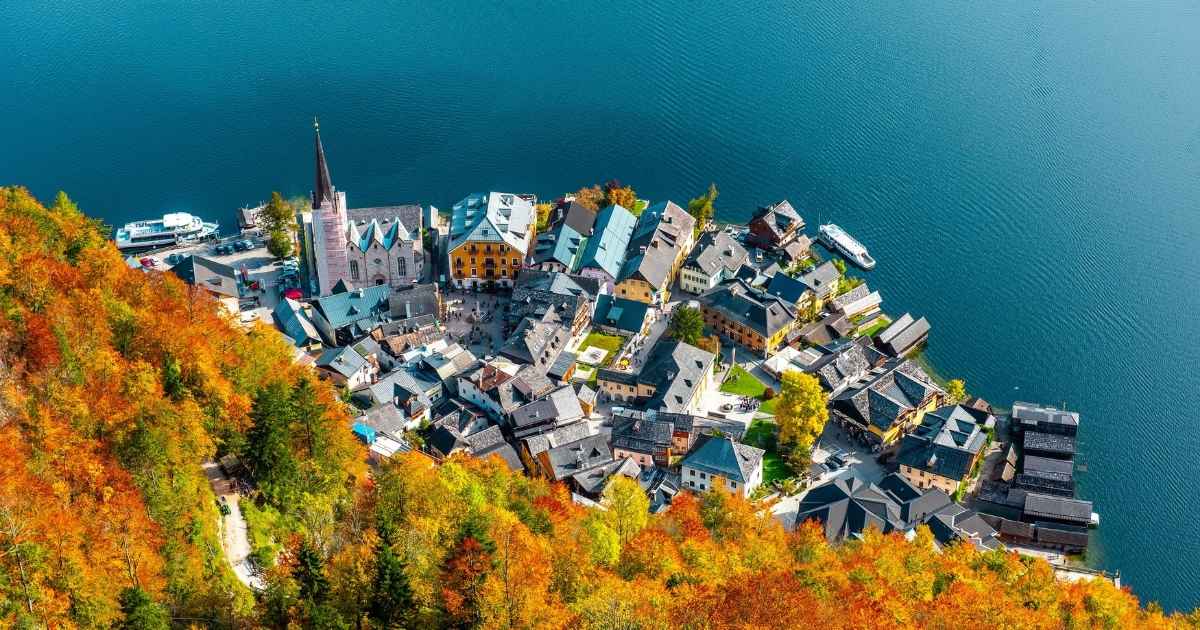
7. July
- Best destination: Switzerland for alpine hiking and mountain excursions.
- Avg. temperature: 15°C to 27°C.
July changes Switzerland completely from a January snow holiday. This month, you have better hiking trails, mountain lakes, green valleys, and cable-car excursions.
Start your vacation at Grindelwald for three nights. Then take a cable car ride to Mount First for mountain walks and viewpoints. Then spend another day in Lauterbrunnen, where walking routes run through the valley below cliffs and waterfalls.
From Grindelwald, travel to Zermatt via a scenic 3-hour train journey. Spend three nights here rather than making it a day trip because the village gives you access to several mountain excursions.
Walk the Five Lakes Trail for views of the Matterhorn reflected in Alpine lakes. On another day, take the Gornergrat Railway to a high-altitude viewpoint overlooking the Matterhorn.
8. August
- Best destination: Iceland for a road trip.
- Avg. temperature: 8°C to 15°C.
While August suits many parts of Europe, Iceland offers exceptionally long daylight hours ideal for a road trip.
So, it’s ideal for travellers who want to rent a car and drive to see Iceland’s waterfalls, hiking spots, volcanic landscapes, and glacier lagoons.
Spend one or two nights in Reykjavik. In Thingvellir National Park, you can walk through the landscape where the North American and Eurasian tectonic plates meet. Continue to the Geysir geothermal area and Gullfoss waterfall.
From Reykjavik, drive to Seljalandsfoss in 2 hours, where a path can take you behind the waterfall. Then continue with Skógafoss and Reynisfjara’s black-sand beach.
From Reynisfjara, drive to Vík to stay there before continuing east. After a 2.5-hour drive, you will reach the famous Jökulsárlón Glacier Lagoon.
Icebergs drift across the lagoon towards the sea, while nearby Diamond Beach is known for pieces of ice scattered along the black sand.
9. September
- Best destination: Greece for ancient sites and island beaches.
- Avg. temperature: 20°C to 29°C.
September is among the best times for a trip to Greece. Plan sightseeing in Athens, then spend a few days by the sea. The summer heat begins to ease, while coastal destinations still have better swimming conditions.
Spend the first three nights in Athens. Visit the Acropolis and the Acropolis Museum on separate days so you don’t rush through both. Schedule another day for the Ancient Agora and Plaka.
From Athens, take a ferry or flight to Naxos. Stay for four nights instead of trying to cover several islands in a short time. Naxos has long beaches such as Agios Prokopios and Plaka.
Use one day for a boat ride and another for the villages and the Temple of Demeter. This leaves enough time to enjoy the island by relaxing.
Also, if you prefer Santorini’s volcanic landscape and cliffside villages, choose it instead of Naxos.
10. October
- Best destination: Portugal for pleasant weather with fewer tourists.
- Avg. temperature: 15°C to 24°C.
October is a great month to walk through Portugal’s historic cities rather than spend the holiday at the beach.
Plan a three-night stay in Lisbon. Spend one day in Belém, where Jerónimos Monastery and Belém Tower reflect Portugal’s maritime history. Another day can cover Alfama and São Jorge Castle, with time to walk through the streets and shop.
Don’t rush and keep one full day for Sintra. Start with Pena Palace on the hills above the town, then visit Quinta da Regaleira, known for its gardens, underground tunnels, and Initiation Well.
Hop on the regional train back to Lisbon (Oriente station), then board the high-speed train to Porto, which takes around 3 hours in total. Spend 2 – 3 nights around Ribeira and cross the Dom Luís I Bridge for views over the Douro.
In case you have an extra day, drive 2 hours from Porto into the Douro Valley.
11. November
- Best destination: Austria for lower prices on flights and hotels before the festive season in December.
- Avg. temperature: 3°C to 11°C.
For an early Christmas vibe without extreme market crowds, plan your trip in November. It is the best time to explore Vienna’s museums and historic buildings as the Christmas market season begins.
In Vienna, tour Schönbrunn Palace during the day and then head to St Stephen’s Cathedral. Save your evenings for the seasonal markets as they open.
Market dates vary because in 2026, Vienna’s Schönbrunn Christmas Market opens on 6 November, while the Rathausplatz market begins on 13 November.
Board the 2.5-hour train from Vienna to Salzburg. Spend two nights visiting the old town, Mirabell Palace and Hohensalzburg Fortress.
Salzburg’s main Christmas market begins on 19 November 2026, so travelling in the second half of the month lets you combine historic sightseeing with festive holiday markets.
12. December
- Best destination: Germany for traditional Christmas markets.
- Avg. temperature: -1°C to 6°C.
European destinations are ideal in December, and Germany suits perfectly for Christmas markets. You will find markets across its cities, with Nuremberg, Dresden, and Cologne among the places with established Christmas traditions.
Land in Munich and plan to stay for three nights. Visit the Christmas market around Marienplatz, then use another day for the old town and museums.
Next, catch the train to Nuremberg, which takes around an hour. Stay for two nights so you can see the Christkindlesmarkt and still have time for the medieval old town. The market has around 180 stalls and is one of Germany’s best-known Christmas markets.
How to Save Money on a Europe Trip from India
Choosing the right month helps, but your route, transport, and daily spending can make a bigger difference to the final cost.
1. Compare the flight route
If connecting flights are cheaper, book them. Then search for different routes; a layover in different destinations can also change the flight cost.
2. Visit fewer countries
Every new country adds another hotel check-in, transfer, and transport ticket. For a 12-day journey, choosing two neighbouring countries can give you more sightseeing time and fewer travel costs.
3. Stay near public transport
Hotels outside the main tourist areas are often cheaper. Choose a place within walking distance of a metro, tram, bus, or train station.
4. Calculate trains before buying a rail pass
List every journey and compare individual advance tickets with Eurail Pass or regional train passes. A pass isn’t automatically cheaper, especially if your itinerary has only a few long-distance train journeys.
5. Control food costs
Pick supermarkets, bakeries, and local lunch menus instead of eating every meal near major attractions. When you are travelling with family, accommodation with a kitchen can further reduce restaurant spending.
6. Compare budget flights with trains
A €100 flight can be expensive after baggage, airport transfers, and extra travel time. For nearby European cities, a direct train may cost less.
7. Avoid unnecessary city passes
Calculate the individual prices of the attractions you actually want to visit before buying a sightseeing pass. A pass saves money only when you use enough of its included attractions, not just two places.
8. Pay in local currency
When paying by card, choose the local currency rather than INR to avoid unnecessary currency conversion charges. Also check your card’s foreign transaction fee before travelling.
How to Plan a Two-Week Europe Itinerary in May
With 14 days in Europe, don’t squeeze in four or five countries. For a more relaxed trip, choose two countries and spend enough time in each to visit different cities and regions.
For a May getaway, France and Switzerland make a practical combination. You get Paris and the French Riviera in one country, followed by Swiss cities, lakes and the Alps, without constantly changing hotels.
| Days | Destination | What to Plan |
| 1 – 4 days | Paris, France |
|
| 5 – 7 days | Nice, France |
|
| 8 – 10 days | Lucerne, Switzerland |
|
| 11 – 13 days | Interlaken + Jungfrau Region, Switzerland |
|
| 14 | Zurich → India |
|
Conclusion
Europe doesn’t have one perfect month. It depends on what you want to see and how you want the vacation to feel.
For a Europe trip, pick the activities first and the country second. Snow in Switzerland, tulips in the Netherlands, summer hikes in Norway or Christmas markets in Germany all need different months.
The other thing to keep in mind is not trying to cover too much. Two countries planned properly can be far more enjoyable than three or four countries where you are constantly checking out, catching trains and packing again.
So, finalise what you want to do and when, then build the route around it. If you need help putting the route together, Dimaak Tours can help you with the itinerary.
FAQs on the Best Time to Visit Europe
1. Is 14 days enough for a Europe trip from India?
Yes. A 14-day holiday gives you enough time for two countries if you plan the route carefully. Stay at least three nights in major destinations, and allow time for travel days between cities.
2. How far in advance should you plan a Europe trip from India?
Start planning a minimum of 3 months before your trip, especially when you are travelling during school holidays, summer or December. Flights, hotels, visas, and popular attractions can all require advance booking.
3. What should you check before booking a European mountain trip?
Check whether the mountain railways, cable cars, and hiking trails you want to visit operate during your travel dates. Weather can also affect high-altitude excursions, so keep at least one flexible day in your itinerary.
4. What is the biggest mistake to avoid when planning a Europe itinerary?
Trying to cover too much can exhaust you. Build the itinerary around the experiences you actually want rather than the number of countries you can tick off.
