


Key Takeaways
|
Planning a holiday in Southeast Asia often brings Bali and Vietnam into the picture. Bali is an Indonesian island that many associate with beaches, temples and a laid-back holiday vibe.
Vietnam, on the other hand, stretches a long way from the northern mountains to the Mekong Delta in the south, with cities, food, history and landscapes that vary across regions.
Both destinations have their own unique appeal. So, the choice comes down to how much time you have, your budget and the kind of holiday you have in mind.
To help you choose between the two, this guide breaks down Bali vs Vietnam for Indian travellers, across the factors that matter when planning a holiday.
Bali vs Vietnam
Here’s a closer look at how the two compare across culture, beaches, activities, food, nightlife, cost and more.
Culture and Sightseeing

Bali: Bali’s culture is closely tied to Balinese Hindu traditions, and they are part of everyday life across the island. You can see small flower offerings placed outside homes and shops, experience traditional Balinese dances such as Kecak and Barong, and watch elaborate temple processions.
The cultural experience here is intimate, localised, and heavily centred on communal harmony, wellness, and artistic expression.
Ubud is Bali’s cultural heart, with historic temples, art galleries, craft villages and wellness experiences. Uluwatu and Tanah Lot temples, Sacred Monkey Forest Sanctuary, and the Tegalalang Rice Terraces show the island’s mix of culture and nature.
Vietnam: Vietnam’s culture changes as you move across the country. Hanoi in the north has old streets, pagodas and French-era buildings, while central Vietnam brings places such as Hoi An and Hue, with their trading and imperial history.
In the south, Ho Chi Minh City is more modern, but its museums and historic sites still reflect the country’s past. Across Vietnam, you will also see the influence of Buddhist traditions, Chinese culture and French colonial rule in its temples, architecture and historic sites.
Sightseeing in Vietnam also extends far beyond its cities. Ha Long Bay and Ninh Binh have towering limestone formations, while Phong Nha has vast cave systems.
With so much spread across the country, a Vietnam trip can feel like several different journeys in one, but that also means more time spent travelling between places.
Beaches
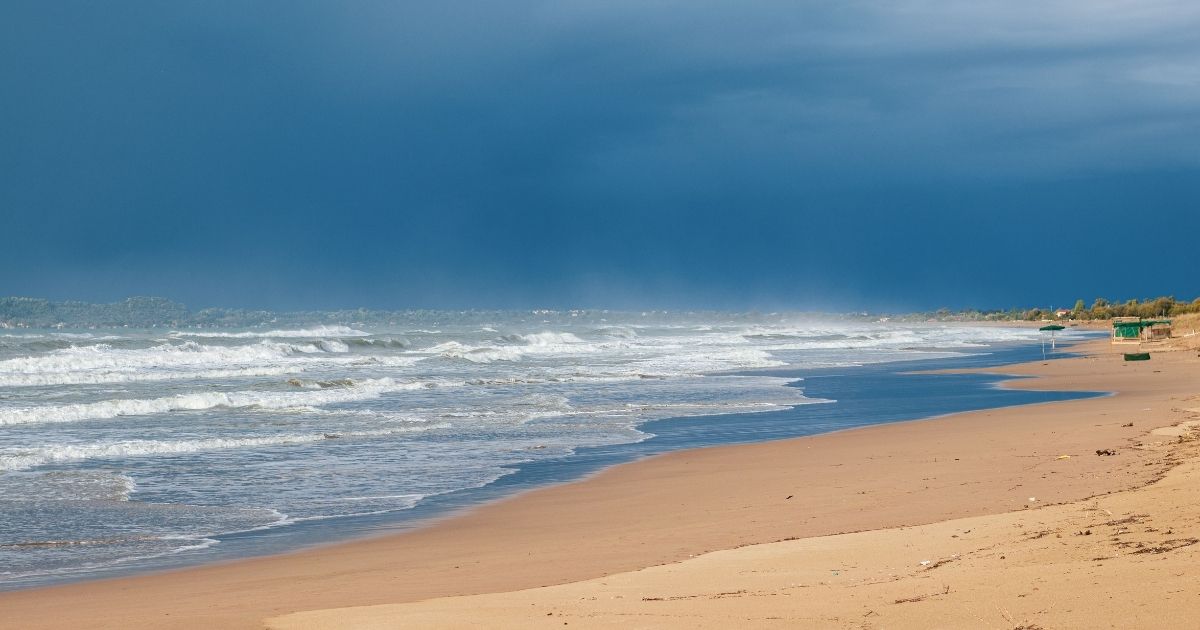
Bali: It is easy to build a holiday around Bali’s beaches. Kuta, Seminyak and Uluwatu have strong surf breaks, plus a good choice of beachside restaurants, bars and clubs.
Sanur and Nusa Dua have calmer waters and resort-focused areas. The Nusa Islands are popular day trips from Bali, for sandy beaches, rugged cliffs, and opportunities for snorkelling and diving.
Vietnam: Vietnam has a much longer coastline than Bali, with many beach destinations having a more relaxed feeling than Bali’s busier surf and beach-club areas.
My Khe Beach in Da Nang has a long sandy shoreline close to the city. Nha Trang has many water activities and boat trips to nearby islands. Phu Quoc is everyone’s favourite for a beach holiday in Vietnam, with white-sand beaches, clear waters and snorkelling spots.
Adventure and Outdoor Activities

Bali: You can hike Mount Batur, an active volcano, at sunrise; go white-water rafting on the Ayung River in Ubud; ride ATVs through mud tunnels and rice paddies; surf or learn to surf around Uluwatu or Kuta; follow waterfall trails; and head to Nusa Penida for more coastal adventures.
Vietnam: Vietnam has more variety in its landscapes and outdoor experiences. Sapa has mountain treks through rice terraces and villages. Ha Long Bay, with its emerald waters and towering limestone islands, is a great setting for kayaking and overnight cruises.
In Phong Nha, you can go on cave tours, kayaking and trekking. The Hai Van Pass makes for a memorable road journey between Hoi An, Da Nang and Hue, while boat trips through the Mekong Delta add another way to see the countryside.
Nightlife

Bali: Bali’s nightlife is concentrated along its southwestern coast and has a trendy, upscale, beach-focused feel. Canggu and Seminyak have large beachfront venues, while Kuta has a long-standing bar and club scene. Uluwatu adds cliff-top venues with ocean views and music events.
Vietnam: Vietnam’s nightlife is more city-based. Hanoi’s Old Quarter has late-evening street food, bia hoi beer corners and bars, while Ho Chi Minh City has rooftop bars, cocktail lounges and clubs. Da Nang has a growing mix of rooftop bars and nightclubs alongside beachside and riverside spots.
Food Scene
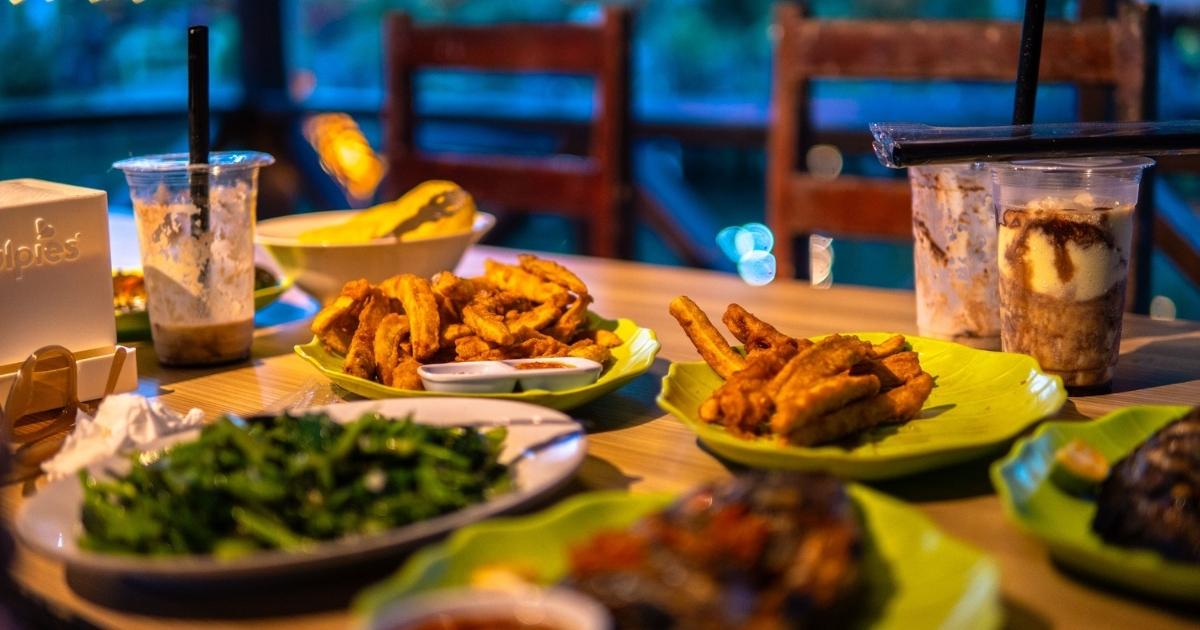
Bali: Food in Bali can range from a simple meal at a local warung to brunch at a modern cafe or dinner at a higher-end restaurant.
Traditional Balinese dishes such as nasi campur, ayam betutu, sate lilit and babi guling bring plenty of spice and flavour. Ubud and Canggu have a strong cafe and plant-based food scene.
Vegetarian and vegan travellers have many choices in the main tourist areas, and can find Indian restaurants in places such as Ubud, Seminyak and Canggu.
Vietnam: Vietnam has a strong street-food culture, with small eateries and local markets playing a major role in the dining scene. Small roadside eateries and markets serve dishes such as pho, banh mi, and bun cha, often at low prices.
Food also varies noticeably by region, so Hanoi, central Vietnam and Ho Chi Minh City provide different flavours and specialities.
Fish sauce is widely used, which matters for vegetarians and anyone who avoids seafood-based ingredients. Vegetarian food is available, but it helps to ask specifically for chay food and no fish sauce.
Visa and Entry Requirements for Indians
| Category | Bali (Indonesia) | Vietnam |
| Visa requirement | Mandatory VOA or e-VOA | Mandatory e-Visa or VOA with pre-approved invitation letter |
| Visa fee | IDR 5,00,000 (approx. INR 2,700) | 25 USD (approx. INR 2,400) for single entry / 50 USD (approx. INR 4,800) |
| Additional entry fees | Bali Tourist Levy: IDR 150,000 (approx. INR 810) | None |
| Permitted stay | 30 days; extendable for another 30 days | Up to 90 days; for single or multiple entries |
| e-Visa processing time | Within 5 working days | Within 3-5 working days |
| Arrival declaration | All Indonesia Arrival Card | Pre-arrival Information Submission |
| Passport validity | At least 6 months | At least 6 months |
Flights from India

Bali: I Gusti Ngurah Rai International Airport (DPS) in Denpasar is Bali’s only international airport. Direct flights from Delhi and Bengaluru are available, with daily services on both routes. Flights take about 8 hours from Delhi and about 7 hours from Bengaluru.
Vietnam: Vietnam has several international airports, with Hanoi, Ho Chi Minh City and Da Nang serving as the main gateways for travellers from India.
Direct flights connect Delhi, Bengaluru, Mumbai and Kolkata to Hanoi, taking 3-5 hours depending on the departure city.
From Delhi, Bengaluru and Mumbai, direct flights are also available to Ho Chi Minh City, taking about 5 hours. Da Nang currently has no direct flights from India.
Local Transportation
Bali: Most visitors get around by private car or bike with a driver, taxis or ride-hailing apps such as Grab and Gojek. But app-based pickups can be restricted in some areas, so you may need local taxis or private drivers.
Renting scooters is another option for experienced riders with the required motorcycle licence and IDP. Traffic can be heavy in areas such as Kuta, Seminyak and Canggu, so short journeys can take much longer than expected.
Vietnam: Getting between cities is easier because Vietnam has domestic flights, trains, sleeper buses and regular buses. Grab and taxis are useful within major cities, while trains connect places such as Hanoi, Hue, Da Nang and Ho Chi Minh City.
For longer distances, flying can save considerable time; the Hanoi-Ho Chi Minh City train journey, for example, can take around 30-36 hours, whereas flights only take about 2 hours.
Budget and Expenses
Here’s an approximate budget comparison for a 7-day/6-night trip, with 3-star accommodation, a combination of local eateries and casual restaurants, standard tourist transport and a few paid activities.
| Expense | Bali (7 Days) | Vietnam (7 Days) |
| Round-trip flights | 35,000 – 50,000+ | 30,000 – 50,000+ |
| Accommodation (6 nights) | 12,000 – 20,000+ | 10,000 – 16,000+ |
| Food | 8,000 – 14,000 | 6,000 – 10,000 |
| Local and intercity transport | 4,000 – 8,000+ | 5,000 – 12,000+ |
| Activities | 6,000 – 12,000+ | 8,000 – 12,000+ |
| Total | 65,000 – 1,04,000+ | 59,000 – 1,00,000+ |
Flight prices can change sharply by city and travel dates, while hotel rates depend on the location and season. Vietnam is usually cheaper for food and daily transport, but travelling between regions can add to the cost. In Bali, choosing local restaurants and skipping high-end beach clubs can help keep spending lower.
Best Time to Visit
Bali: April to October is the best time to visit Bali, as the weather is drier and more suitable for beaches, sightseeing and outdoor activities. April-May and September-October are good shoulder-season months, with fewer crowds and lower prices.
Vietnam: As the country stretches a long way from north to south, there is no single best time to travel across Vietnam. March to April is a good overall time for a multi-region trip, with relatively favourable conditions across much of the country. The exact weather still depends on your destination, so Hanoi, Central Vietnam and Phu Quoc may not have the same conditions during this period.
How Many Days Do You Need?
Bali: 5-7 days is enough for a first trip. In a week, you can split your stay between Ubud and South Bali, covering temples, rice terraces, beaches, nightlife and outdoor activities, with a day trip to Nusa Penida.
Vietnam: To cover the main highlights across Vietnam, you need at least 10-14 days. With 7-9 days, you can focus on one region or a few nearby destinations, such as Hanoi and Ha Long Bay, Da Nang and Hoi An, or Ho Chi Minh City and the Mekong Delta. And since Vietnam has different weather patterns from north to south, the best route also depends on when you travel.
Conclusion
Choose Bali for a shorter, more relaxed holiday. In 5-7 days, you can cover Ubud, South Bali and Nusa Penida, experience Balinese Hindu culture and beachfront nightlife. It is also easier to plan because you are travelling within one island.
Vietnam is a great pick when you have more time and want more variety. With a longer trip, you can combine cities, historical sites, food experiences and outdoor activities across different regions. The trade-off is more time spent travelling between destinations and planning your route around the weather.
Whichever destination you choose, Dimaak Tours can help you plan your flights, stays, and the right itinerary.
FAQs About Bali vs Vietnam
1. Is Bali or Vietnam better for a first international trip from India?
For a short trip, Bali can be an easier choice with less planning involved. In 5-7 days, you can experience its beaches, rugged landscapes, Balinese Hindu culture, temples, traditional dances such as Kecak and Barong, local food and beachfront nightlife.
2. Which is better for couples: Bali or Vietnam?
It depends on the kind of holiday you want as a couple. If you want a relaxed holiday with beaches, resorts, wellness experiences, cafes, sunset spots and beachfront nightlife, Bali can be the absolute best choice. You can also add temple visits, outdoor activities, day trips and quiet time in Ubud without packing too much into the itinerary.
3. Which has better beaches, Bali or Vietnam?
Bali has a good mix of beaches. You can experience world-class surf breaks, the rugged coastline of Nusa Penida, lively beach areas in Kuta and Uluwatu, and calmer shores in Sanur and Nusa Dua, all in a short trip to Bali.
Vietnam is no less impressive, with long sandy beaches and destinations such as My Khe Beach and Phu Quoc, which are great for swimming, relaxing and snorkelling.
4. Is Bali or Vietnam easier to reach from India?
Both destinations have straightforward online visa options for Indians, so the main difference is flight connectivity. Direct flights to Hanoi are available from Delhi, Bengaluru, Mumbai and Kolkata, while Ho Chi Minh City has direct flights from Delhi, Bengaluru and Mumbai. Most of these flights take around 4-5 hours. Bali has direct flights from Delhi and Bengaluru with flight times of about 7-8 hours.
5. Is Vietnam cheaper than Bali?
Yes, Vietnam is generally cheaper than Bali, especially for accommodation, local food and everyday expenses. A 3-star stay and local meals usually cost less in Vietnam, while Bali can cost more in tourist areas with cafes, beach clubs and higher-end stays. Bali can still be cheaper for scooter rentals, while Vietnam may cost more when you travel between regions.
