

|
Key Takeaways:
|
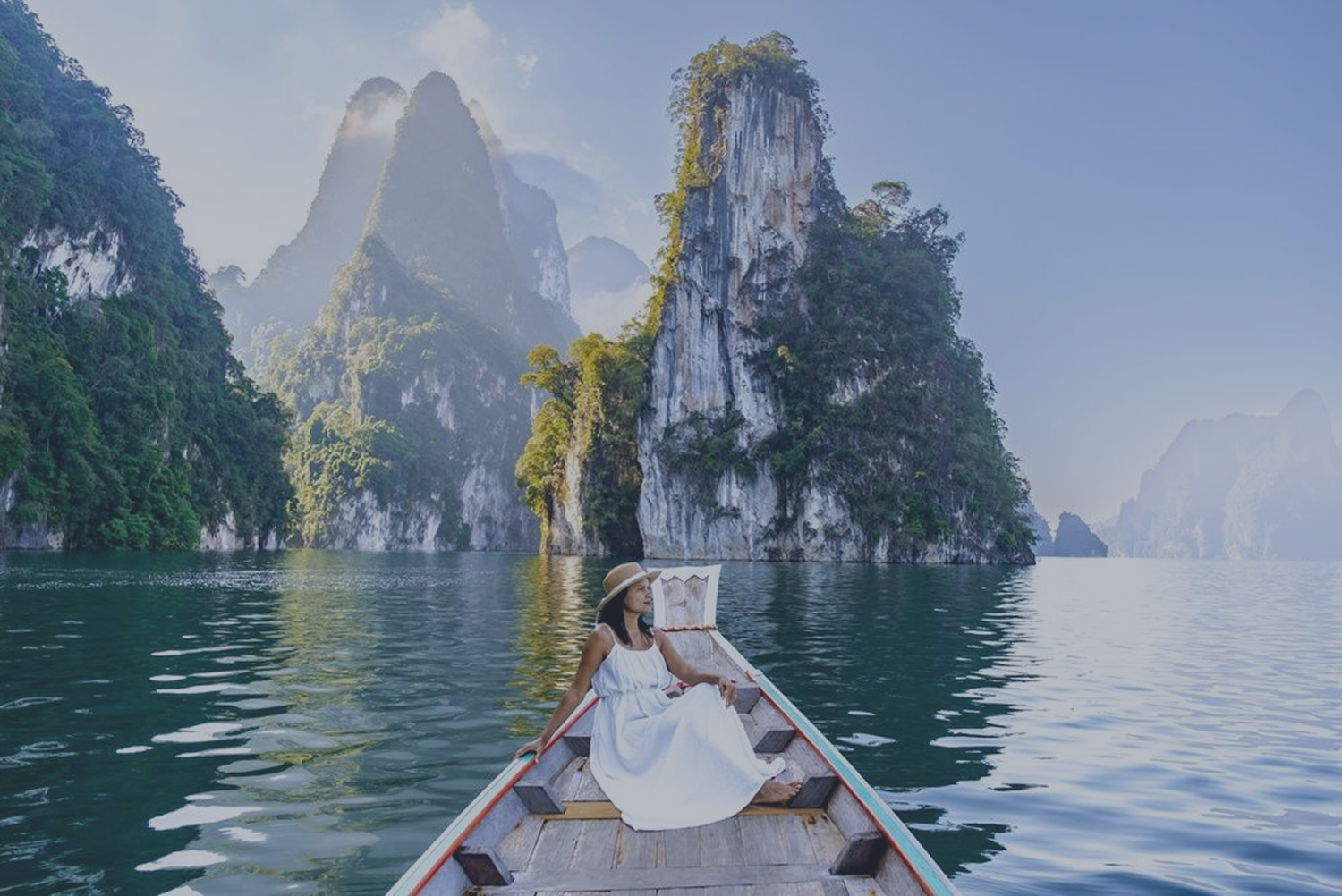
The best time to visit Finland entirely depends on what you want to experience. Finland has four distinct seasons, each with different experiences in store.
From north to south, these seasons arrive and depart at different times. Autumn rushes from the north, wrapping the fells and forests in ruska (autumn foliage) before the first snow arrives, while spring travels the other way with blooms blanketing the south first before spreading north.
Lapland, the northern region of Finland, is where each season peaks, transitioning from months of 24-hour midnight sun to nearly total darkness in the polar winter. Lapland also displays the most vivid northern lights.
The autumn ruska transforms the land with colours of reds and oranges, and in spring, nature bursts into bloom, and the entire country begins to celebrate outdoors.
So, if you are thinking about when to take your trip to Finland, this guide will help you understand what awaits you in each season or month and exactly where to go.
When to Visit Finland?
As the northernmost region, Lapland welcomes the first snowfall in Finland by mid-October and by December, a thick blanket of snow covers all of Finland. While the final snow melts in the north around May, the southern areas see the snow disappear as early as March. The northern light season, however, runs from September to early April in Finland.
So the best time to visit Finland for a combination of northern lights, snow activities and slightly tolerable temperatures is late February or March.
Summer arrives first in the southern regions of Finland by late May, followed by the rest of Finland in June, and the season lasts through August. The midnight sun is the best part of this season, giving almost 24 hours of daylight from late May to mid July in Lapland. In the south, the sun dips briefly below the horizon, keeping the nights bright throughout June.
So, the best time to visit Finland for the midnight sun and to explore the lakes and national parks is mid-June to mid-July.
September to November mark the autumn season in Finland, where the landscape shifts towards winter’s snow. April and May mark spring, as the snow melts and gives way to warm, pleasant summer.
These transitional periods between peak summer and winter tourist seasons are Finland’s shoulder seasons. They generally see fewer tourists and lower prices for accommodations and airfare.
Finland in May balances budget-friendly prices with early-summer vibes. September and October balance affordability with ruska (autumn foliage) and high northern lights activity.
Finland Month By Month: What to Expect
| Month | Helsinki Temp. (in °C) | Lapland Temp. (in °C) | Daylight Hours(Lapland) | Key Experience | Crowds | Cost Level | In Conclusion |
| Jan | -7 to -1 | -13 to -8 | 1 to 6 | Northern lights, polar nights and snow activities | Medium | High | Good for aurora views, but very cold |
| Feb | -7 to -2 | -12 to -7 | 6 to 10 | Northern lights, snow activities | Medium | High | Good for Aurora, less cold |
| Mar | -4 to 2 | -12 to -2 | 10 to 14 | Northern lights, snow activities | Medium | Medium- high | Our Top Pick |
| Apr | 1 to 8 | -3 to 4 | 14 to 18 | Spring in the south and the last snow in Lapland | Low | Medium | Transition month; Lapland is still snowy |
| May | 7 to 15 | 3 to 11 | 18 to 23 | Spring blooms, quite shoulder season | Low | Low – Medium | Good value, but limited activities |
| Jun | 11 to 19 | 9 to 16 | 24 | Midnight sun period and midsummer festival | Medium- high | High | Summer peak starts |
| Jul | 14 to 22 | 11 to 19 | 19 to 24 | Warmest month, Lakeland | High | High | Best for summer activities under the midnight sun |
| Aug | 13 to 20 | 9 to 16 | 15 to 19 | Late summer, festivals, quieter | Medium | Medium-high | Great summer value |
| Sep | 9 to 15 | 4 to 10 | 11 to 15 | Ruska(autumn colours), aurora season begins | Low | Medium | Underrated; excellent value |
| Oct | 4 to 9 | -1 to 3 | 7 to 11 | Late ruska, early aurora and first snow in the north | Low | Medium | Good for Aurora plus mild weather |
| Nov | 0 to 4 | -7 to -2 | 3 to 7 | Dark, grey, transition to winter | Very low | Low | Avoid unless the budget is a priority |
| Dec | -4 to 1 | -11 to -6 | 0 to 3 | Christmas, Santa Claus Village, snow, aurora | Very high | Very high | Magical but expensive and very cold |
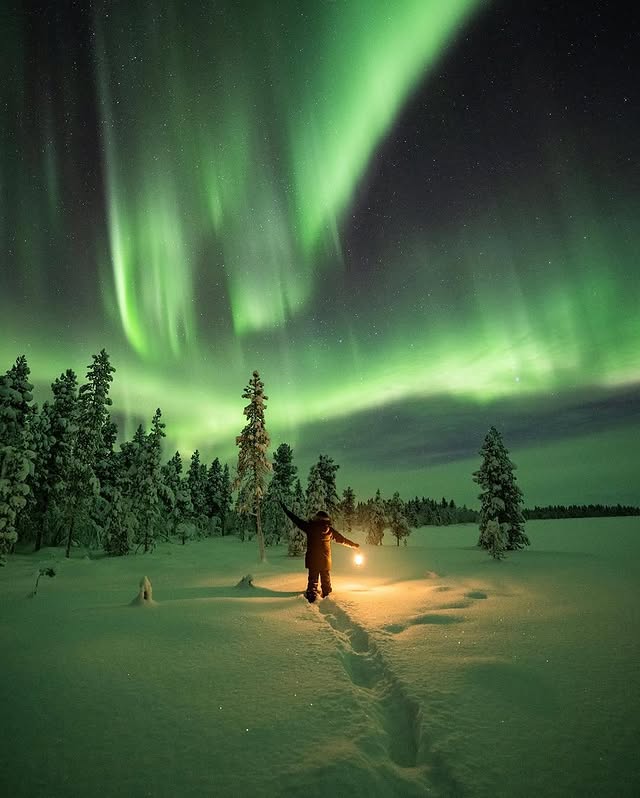
Best Time for Northern Lights, Snow & Winter Activities in Finland
Winter in Finland is a long, dark season, generally lasting from December to March. In Lapland, the first snowfall occurs around mid-October, and permanent snow settles around mid-November.
From December to January, all of Finland is in deep winter with sub-zero temperatures, significant snowfall and shorter days. In Lapland, temperatures can even go below -30 °C. Helsinki and the southern regions of Finland have milder temperatures than the north, where it stays around -3 to -8 °C.
From December through March, Lapland is under deep snow cover. This period has the best conditions for snowmobiling, skiing, icebreaker cruises and dog/reindeer sledging.
The best time to see the northern lights in Finland is from September to March. The autumn equinox in late September brings high geomagnetic activity, leading to intense auroras that last well into October. Just like September, the spring equinox in March also triggers a boost in geomagnetic activity, resulting in vivid displays of auroras.
Polar nights arrive in Lapland by December, where the sun doesn’t rise above the horizon for days in a row, a stark contrast to the midnight sun phenomenon. This extended darkness, lasting nearly 24 hours in December and early January, favours northern lights displays.
While the autumn months of September and October have excellent opportunities for early-season aurora hunting without snow, the best overall compromise for combining snow activities with a high chance of aurora displays is late February or March.
Also, as daylight hours increase, there’s more time for activities like sledge rides, skiing and snowmobiling with reliable snow cover. The Icebreaker cruise is one of the unique things to do in Finland in winter, which is available throughout March.
Temperatures are also more tolerable compared to the extreme cold of December and January, so it’s easier to stay out late for auroras. You can also avoid the price surge and crowds associated with Christmas.
But if you are into celebrating Christmas in the home town of Santa Claus, December is your month. Santa Claus Village in Rovaniemi is ‘straight out of a fairytale’ in December, with the streets and log-cabin-style buildings covered in snow and adorned with Christmas lights. Apart from that, you can enjoy all the same activities and snow in March without the holiday crowds.
Santa Claus Village in Rovaniemi is a year-round destination where you can meet Santa any day, purchase photos with him, and send letters home with a special Arctic stamp. You can cross the Arctic Circle line marked on the pavement at Santa Claus Village, and get a certificate to flex your crossing. Enjoy reindeer sleigh rides, husky safaris and snowmobiling during the day and go on aurora-guided tours once it’s dark. If you are travelling with children, do not miss the Elf Hat Academy and the Snowman World.
December is the busiest and most expensive time of the year, so if you still choose to visit then, try to book flights, secure accommodations and tours at least 4-6 months in advance. Plus, it’s the coldest month of the year, so be prepared with the right gear.
Best Time for Midnight Sun, Lakes & Summer Adventures in Finland
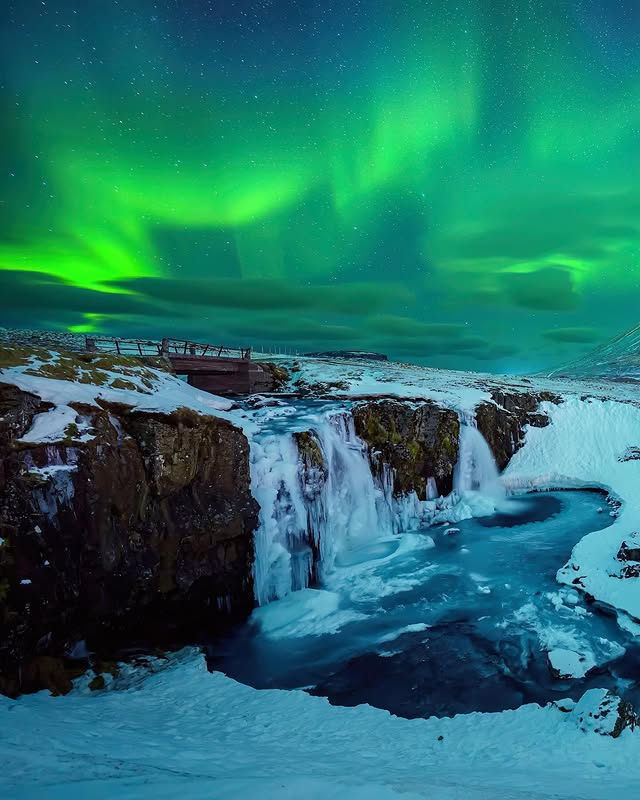
Summer in Finland is short but pleasant, lasting from June to August, and the midnight sun is the defining element of it. The midnight sun creates 24-hour daylight in Lapland, especially farther north in places like Utsjoki, Kilpisjärvi, and Inari.
In southern Finland, there are white nights rather than 24-hour sunlight. The sun sets for a few hours, but it never gets truly dark; instead, it’s a long, bright twilight.
The midnight sun in northern Finland and white nights in southern Finland begin in late May, but summer weather officially begins in June. Average summer temperatures in Lapland range from 10 to 20 °C and in the southern parts of Finland from 15 to 25 °C.
July is generally the warmest month; in southern cities, average daytime temperatures can occasionally go above 25°C. The long warmth continues into August, but towards the end, cooler nights become more frequent as autumn approaches.
To experience the full 24-hour midnight sun in Finland, visit Lapland from early June to mid July. The midsummer festival marks the peak of summer in late June.
Midsummer (Juhannus) is a nationwide celebration of the summer solstice, when the Finns retreat to the countryside. They set up huge bonfires on lakesides, take midnight swims, and the traditional ‘lavatanssit’ (open-air platform dances) come alive. At Ounaskoski beach in Rovaniemi, you can enjoy public bonfires and the lively atmosphere of Midsummer. In 2026, Midsummer falls on 20th June.
All of Finland enjoys warm weather, extended daylight hours, and outdoor life during the summer months. It is the ideal time to experience Helsinki, the archipelago (Turku), and the Lakeland region as well.
You can rent a lakeside cottage in Lakeland and simply experience the peace and beauty of the Nordic countryside on a never-ending day. Enjoy late-night swims and hot saunas, as most cottages have saunas. Go fishing, rowing and forage for berries and mushrooms in the forests surrounding your cottage.
With 41 national parks spanning from southern forests to the Arctic fells of Lapland, hiking or trekking is an uncompromised activity in summer. Oulanka National Park in Lapland is best for river rafting and photography. Karhunkierros Trail or Bears Trail will take you through pine forests, rapids and hanging bridges.
In Helsinki, you can visit Market Square (Kauppatori) and the Old Market Hall for seasonal berries and traditional foods such as Lohikeitto (creamy salmon soup) and Karjalanpiirakka (Karelian pies). Major landmarks like Temppeliaukio Church, Suomenlinna Sea Fortress, Helsinki Cathedral and Uspenski Cathedral have longer opening hours.
With thousands of islands and calm waters in summer, you can go sailing and kayaking in the Finnish Archipelago Sea. The 250-kilometre-long Archipelago Trail that links islands through bridges and ferries is an ideal route for cycling.
Summer is the favourite season in Finland, with the sun barely setting and days spent outdoors. Try visiting in late May, early June or late August for fewer crowds.
Shoulder Season: When to Visit Finland for the Best Value
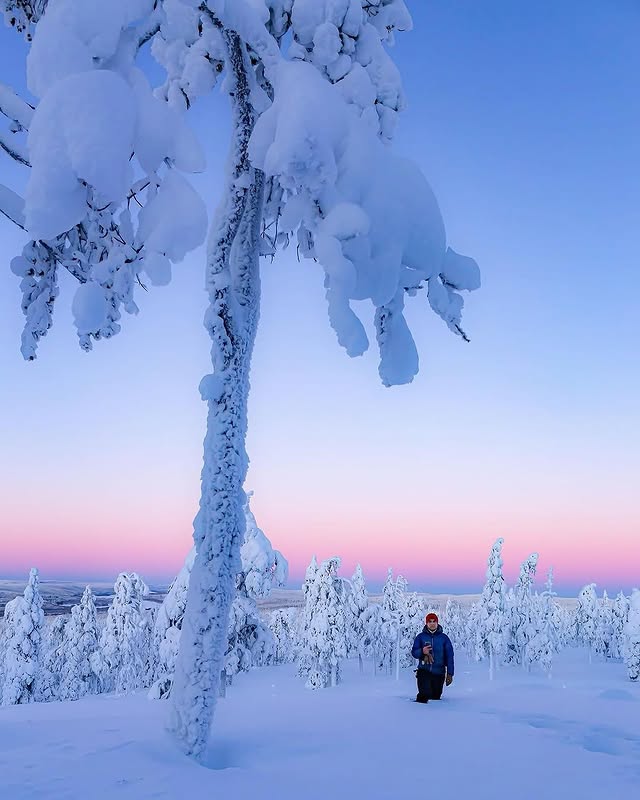
For a budget-friendly trip to Finland, visit during the shoulder seasons of April-May (spring), September-October (autumn), or November (early winter). They are less crowded because they fall between the peak seasons of summer and winter.
Most travellers visit Finland for the midnight sun in summer or for snow adventures and the northern lights in winter; Finns themselves take their vacations in late June or July to enjoy peak summer.
September marks the arrival of autumn in Finland with ruska or autumn colours. In the north, it is also the beginning of the northern lights season, with the best viewing chances in late September around the autumn equinox.
Forests and lakeside landscapes in fiery reds and oranges are perfect for hiking and boating. Forests are rich with mushrooms and berries, making it the best time to go foraging.
You have your last chances to spot brown bears before they hibernate. Reindeers are active during their autumn mating season, and Lapland is best for spotting herds of them. You can also spot migratory birds as they travel from their northern breeding grounds to the south to escape the approaching winter.
The equinox effect lingers, making early to mid-October just as good for spotting northern lights as September. October brings peak fall colours in the south and early snow in the north.
November is not a reliable month for snow activities because permanent snow settles only towards the end of November. And due to snowfall, there is a high likelihood of cloud cover, which also blocks visibility of the northern lights. It is best to avoid visiting Finland in November unless the budget is a priority.
By April, spring arrives in southern Finland as nature blooms and days get longer. In April and early May, Lapland still holds snow cover. You can enjoy cities and spring festivals in the south. Finland’s outdoor celebrations begin with Vappu or May Day celebrations, and Helsinki is the best place to celebrate them. Helsinki also hosts the World Village Festival and Helsinki Music Week.
Which Indian Holidays Work Best for a Finland Trip?
| Indian Holidays / Leave Window | Typical Dates | Finland Season | Attractions | Recommondation |
| Holi break | March | Late Winter | Aurora (equinox peak), snow activities | Excellent timing for a 5-7 day Lapland trip |
| Summer school holidays | Between April and June | Spring / early summer | Midnight sun, Helsinki, Lakeland | Great time for a family trip |
| Navratri / Dussehra break | October | Autumn | Early aurora, autumn foliage, milder weather | Excellent value |
| Diwali break | Late October to early November | Late autumn / early winter | Aurora, first snow | Prefer October |
| Christmas / New Year holidays | Late December to early January | Peak winter | Santa Claus Village, snow, aurora | Magical, but expensive. Book very early |
How Much Does a Finland Trip Cost from India?
| Expenses | Winter Peak (Dec-Jan) | Winter Off-Peak (Feb-Mar) | Shoulder (Sep-Oct, Apr-May) | Summer Peak (Jun-Jul) |
| Round trip (India – Helsinki) | 70,000-90,000+ | 50,000-75,000+ | 40,000-60,000 | 70,000-80,000+ |
| Internal Flights (Helsinki-Lapland) | 16,000-40,000 | 15,000-35,000+ | 8,000-16,000 | 8,000-16,000 |
| Accommodation (6 nights) | 50,000-2,00,000+ | 40,000-1,20,000 | 30,000-75,000 | 40,000-80,000 |
| Activities & tours | 25,000-60,000 | 20,000-50,000 | 10,000-25,000 | 10,000-30,000 |
| Visa + others | ~10,000+ | ~10,000+ | ~10,000+ | ~10,000+ |
| Total per person | 1,71,000-4,00,000+ | 1,35,000-2,90,000+ | 98,000-1,86,000+ | 1,38,000-2,16,000+ |
Note: All costs mentioned in this table are approximate and subject to change based on your travel dates and personal preferences.
Planning Tips for Indian Travellers Visiting Finland
Planning a trip to Finland starts with deciding how many days to spend, followed by visas, flights and what to pack based on the season.
How Many Days Do You Need?
You need at least five nights to properly experience Finland. You can either split your time between Helsinki and Lapland, like spend one night in Helsinki, then take a domestic flight to Rovaniemi for four nights to spend in Lapland.
Or spend one night in Helsinki and four nights in Lakeland. It depends on the season of your visit. If you are visiting for the northern lights, Lapland is your go-to place. If you are travelling in the summer, you can choose between Lapland and Lakeland.
A 7-day trip would be even better. And if you are into experiencing Helsinki, Lapland and Lakeland, an elaborate 10-day trip would be much better.
Visa & Flights
You need to apply for a Schengen visa to visit Finland. There are VFS centres in Delhi, Chennai, Bangalore, Hyderabad, Kolkata and Mumbai, where you can apply for the visa. Visa processing usually takes 15 working days, though it can take longer during high seasons. Make sure to apply 4-6 months before your trip to Finland.
Finnair connects Delhi and Helsinki directly with several flights operating every week. Flights from Bangalore, Chennai, and Mumbai connect to Helsinki through Dubai, Doha, Frankfurt and Amsterdam. Direct routes take around 9-11 hours, and one-stop options take around 10-13 hours, including a 2 to 4-hour layover.
Domestic flights in Finland efficiently connect Helsinki and other cities. Rovaniemi, Kittilä, and Ivalo are key airports for reaching Finnish Lapland. And it takes about 1.5 hours to reach northern destinations from Helsinki.
Packing by Season
Winter (November – March)
- Merino wool or synthetic materials as base layers
- Fleece or down jackets as a mid-layer
- Windproof/waterproof jacket as outer layer
- Thick wool socks, sturdy winter boots, merino wool gloves, and waterproof mittens
- Balaclava, beanie, and a neck gaiter
- Hand and toe warmers
Summer (June – August)
- Light full-sleeve t-shirts and comfy pants
- Comfortable walking shoes
- Sunglasses and sunscreen
- An eye mask to sleep during the midnight sun.
Shoulder (September – October, April – May)
- Full-sleeve t-shirts and pants (merino wool) as base layers
- Waterproof or windproof jacket
- Waterproof boots for muddy or wet conditions
- A beanie, scarf and gloves.
Pick Your Month and Start Planning
In conclusion, the best time to visit Finland comes down to what you hope to experience. Winter brings a fairy-tale landscape with Arctic adventures, and summer brings long, sunlit days for venturing into Finland’s wilderness, its vast expanses of lakes, and lively city life. Spring and autumn provide quieter, more budget-friendly exploration.
No matter when you choose to visit, you can experience Finland’s rich traditions and endless expanses of nature. So start planning your trip with Dimaak Tours now.
FAQs About The Best Time to Visit Finland
1. Can my family handle the cold in Finland?
Yes. Your family can handle the Finnish winter if you are prepared with the right gear, though if you are travelling with young children, it is best to avoid the darkest, coldest months of December and January.
2. Is Finland safe for solo travellers, especially women?
Yes. Finland is one of the safest countries in the world for solo travellers, including women. The country has a secure environment with low crime rates and high gender equality.
3. Is it possible to see both the midnight sun and auroras in one trip?
It is very rare to see both phenomena on one trip, as extended daylight from the midnight sun eliminates the need for total darkness to see the auroras. If you plan a long trip that spans from late August to early September, you might be able to see the final days of long light and the first dark nights of the aurora season.
