


|
Key Takeaways:
|
Sri Lanka is home to one of the most unforgettable experiences in the world: spotting the largest animal ever to have lived on Earth, the blue whale.
As the country lies along an important migratory route and has deep ocean waters very close to the coastline, it is easy to spot whales without travelling far offshore.
And as some whale populations remain in Sri Lankan waters, the country has become nearly a year-round destination for whale watching.
Whale watching in Sri Lanka is an incredibly rewarding and unique adventure to add to your Sri Lankan itinerary. In this guide, we’ll explore the best locations, ideal seasons, and how to enjoy these majestic creatures responsibly.
Whale Watching in Sri Lanka: an Overview
| Best Places | Best Months | Main Sightings |
| Mirissa | November to April | Blue whales, sperm whales, fin whales, bottlenose dolphins, spinner dolphins and sea turtles. |
| Trincomalee | May to October | Blue whales, Bryde’s whales, sperm whales, and spinner dolphins. |
| Kalpitiya | November to April | Spinner dolphins, sperm whales, blue whales, sea turtles and manta rays. |
3 Best Places for Whale Watching in Sri Lanka
Depending upon the time of the year, you can spot whales at three different locations in Sri Lanka: Mirissa on the south coast, Trincomalee on the northeast coast, and Kalpitiya on the northwest coast.
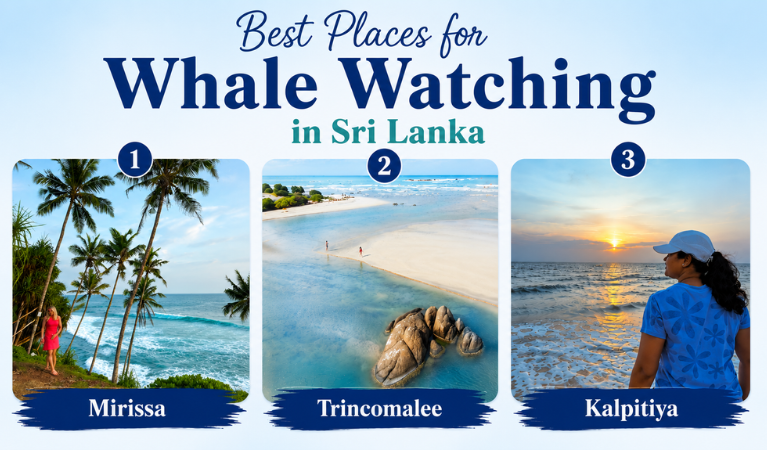
1. Mirissa (South Coast)
Mirissa is the most famous whale-watching destination in Sri Lanka, with a high success rate for spotting blue whales.
This is mainly because the ocean floor drops dramatically into a deep trench just a few miles off the coast, where mixing ocean currents create nutrient-rich waters that attract the whales’ food source.
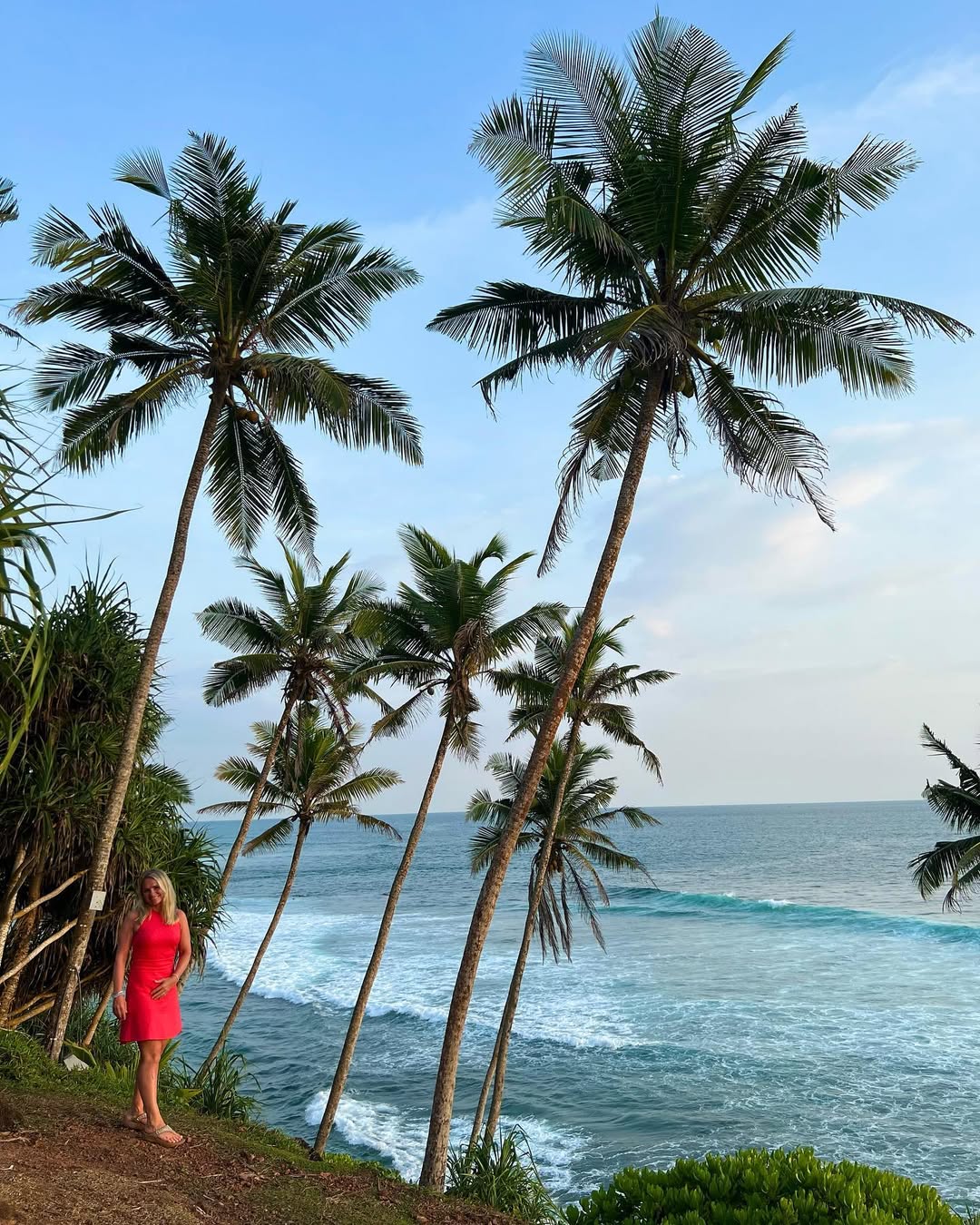
The whale watching season in Mirissa runs from November to April, with the highest chances of sightings from December to March. During these months, the sea is calmer, visibility is better, and tours operate almost daily.
Apart from blue whales, you can also see sperm whales, Bryde’s whales, fin whales, bottlenose dolphins, spinner dolphins, sea turtles and occasionally killer whales (orcas).
2. Trincomalee (East Coast)
Trincomalee is the best whale watching destination on Sri Lanka’s northeast coast. Trincomalee has deep underwater canyons off its shore, making its waters rich in biodiversity and a prime habitat for blue whales and dolphins.
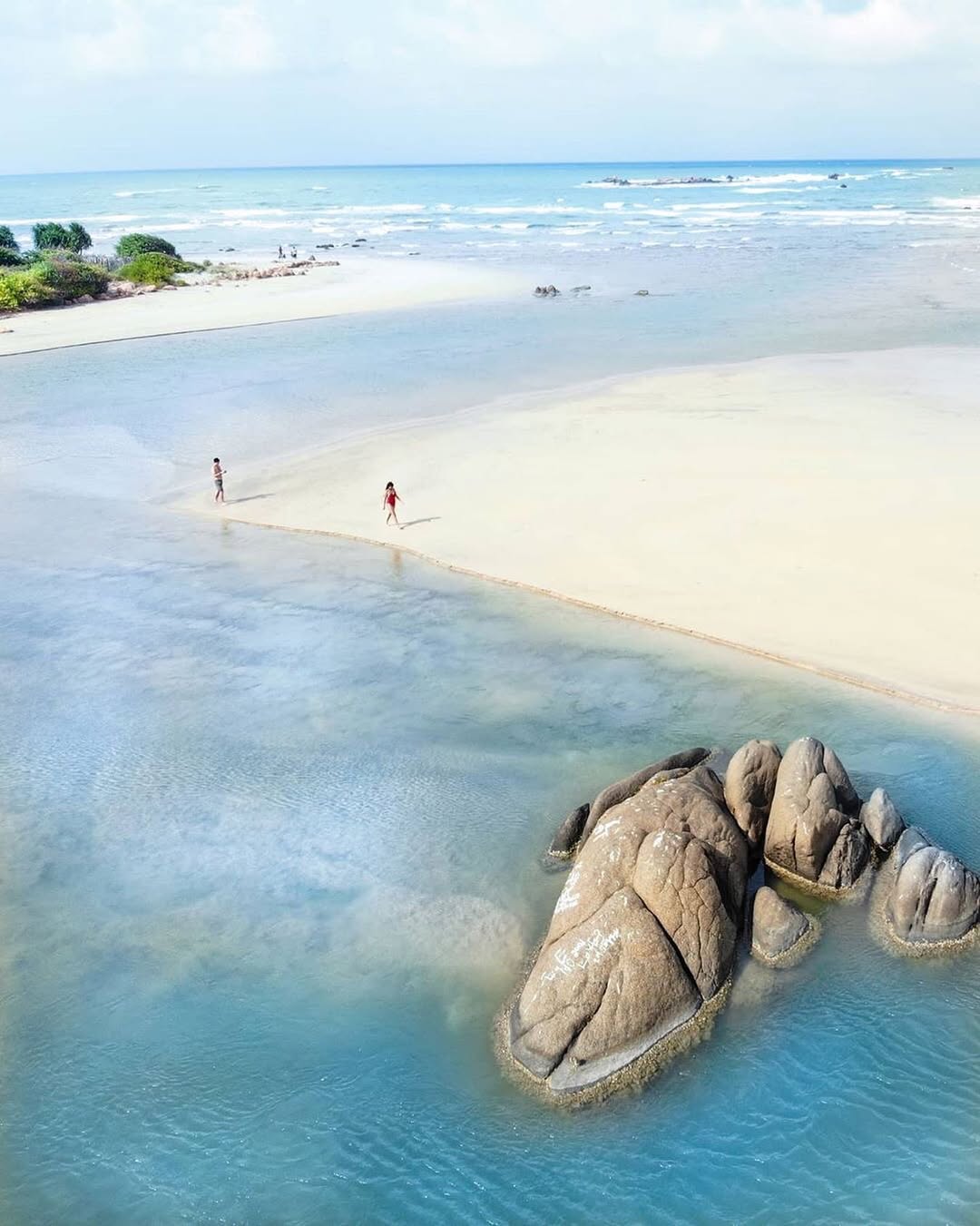
Whale watching season in Trincomalee runs from May to October, with peak activity between June and August. The weather remains sunny and dry, and the sea stays calm during these months. The area also sees fewer crowds compared to Mirissa.
In addition to blue whales, visitors can often spot Bryde’s whales and sperm whales along with large numbers of spinner dolphins.
3. Kalpitiya
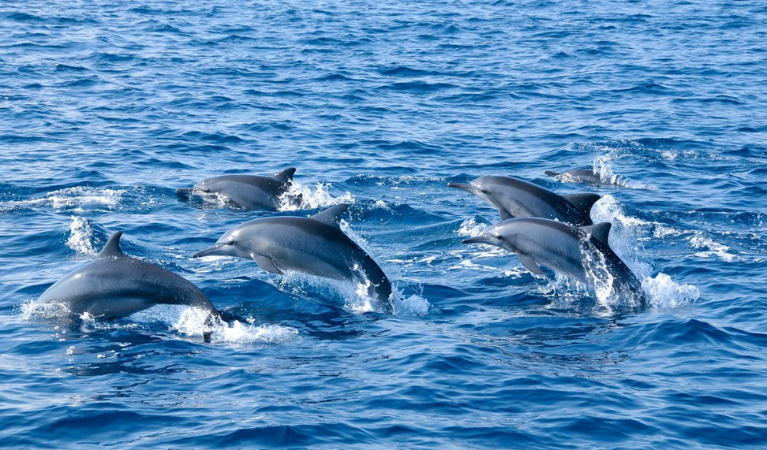
Dolphins are the main sightings at Kalpitiya, though whales are also occasionally seen here, especially sperm whales. The waters near Kalpitiya are home to large groups of spinner dolphins.
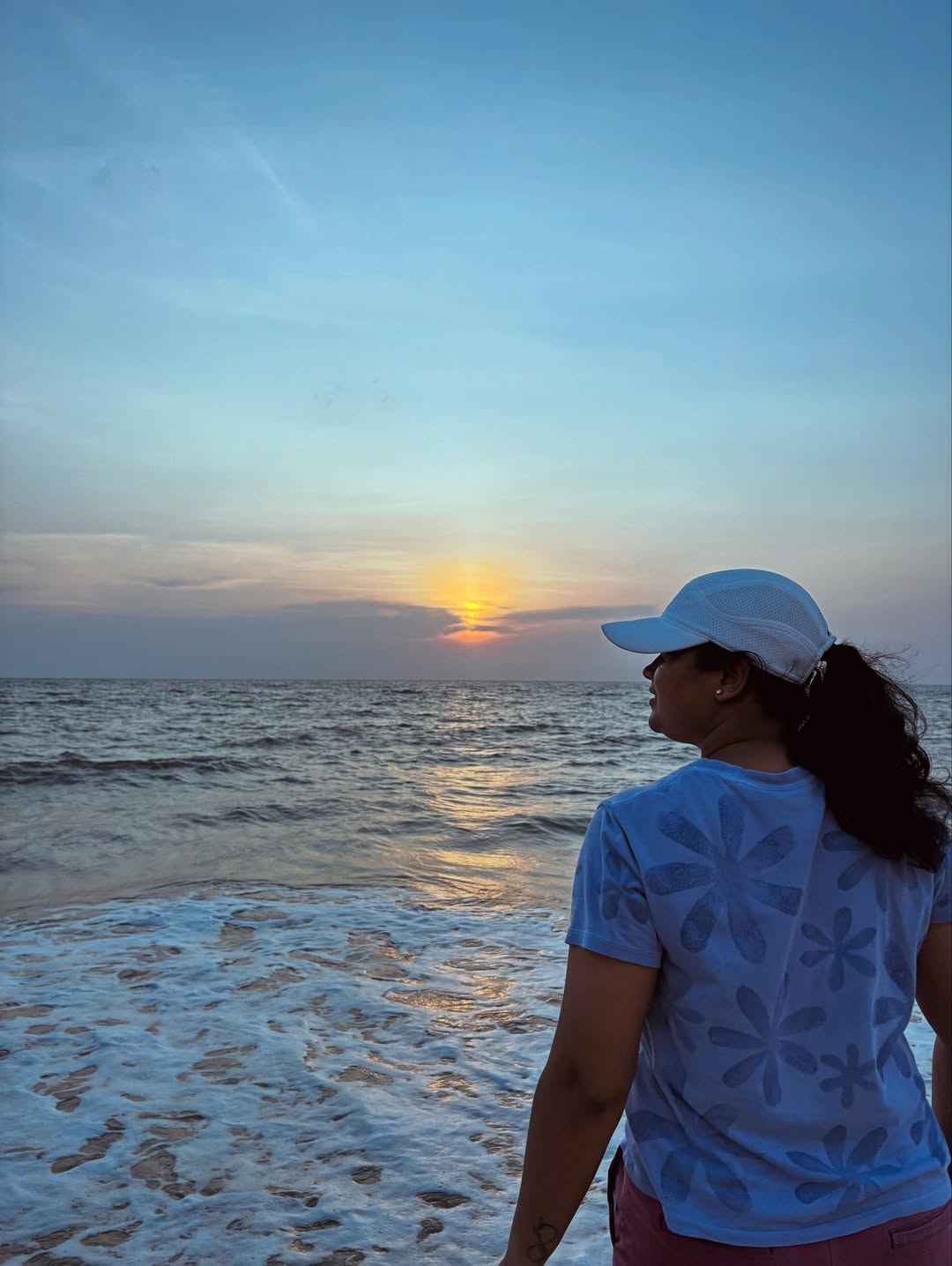
The deep ocean lies much closer to Kalpitiya’s shore than to Mirissa’s, allowing boats to reach whale and dolphin habitats with only a short journey instead of the longer trips required in Mirissa.
Kalpitiya is quieter and much less commercialised than Mirissa, making it a great choice for travellers who prefer a more peaceful experience. The best time for whale and dolphin watching in Kalpitiya is from November to April.
Best Time for Whale Watching in Sri Lanka
The best time to visit Sri Lanka for whale watching varies depending on the coast, as the island experiences two monsoon seasons that affect sea conditions and whale migration patterns.
1. South Coast Whale Watching Season
From October to March, the northeast monsoon affects Sri Lanka’s northern and eastern regions with heavy rainfall and rough seas. During this time, the southern coast remains relatively dry and sheltered, creating calm ocean conditions apt for whale watching.
The calmer seas around the south coast provide safe and smooth conditions for longer boat journeys, better visibility and reduced chances of seasickness.
This season also aligns with the migration of blue whales, sperm whales and larger pods of dolphins through the Indian Ocean.
2. East Coast Whale Watching Season
Between May and September, the southwest monsoon brings strong winds and heavy rain to Sri Lanka’s southern and western coastlines. Meanwhile, the eastern and northern seasons remain calm and dry, making this the best time for whale watching on the East Coast.
The calmer waters during this period are comfortable for boat tours, with a lower risk of seasickness and clearer visibility for spotting.
As ocean conditions change around the islands, many whales migrate toward the eastern waters to avoid the rough seas in the south. This migration increases the chances of sightings along the east coast, particularly near Trincomalee.
Whale Watching Tour Prices in Sri Lanka
Whale watching tour prices mainly depend on the boat type, trip duration, seasonal demand, group size and the services available on board.
- Shared group cruises: These are the most popular and budget-friendly option, where you join other passengers on standard, single or double-deck boats. The tour lasts 3-5 hours and costs between 5000 LKR and 16000 LKR (approx. 1400 to 5000 INR) for adults.
- Luxury cruises: These are best for a more comfortable, premium experience on shared high-end yachts or catamarans. These cruises typically last 3-5 hours, with some extending up to 6-7 hours. Prices generally range from 16,000 LKR to 20,000 LKR (approx. 5000 to 6000 INR) per adult.
- Private tours: These are customisable experiences on luxury yachts, catamarans or speedboats. They usually last 3-5 hours, with options to extend the duration. Prices start at 35,000 LKR (approx. 10,000 INR).
How to Go Whale Watching Responsibly in Sri Lanka
As whale watching becomes more popular, rising tourism and commercialisation may harm the ocean and marine life, making responsible tourism essential to ensure these experiences remain sustainable. Here are the practices you can follow:
- Choosing the right tour operators: book tours with operators that follow responsible whale watching practices. They maintain a safe distance from the animals, avoid chasing or surrounding them, and limit the time spent around them.
- Respect safe viewing distances: responsible boats slow down when approaching the animals and maintain an appropriate distance. Loud noises and speeding boats can stress them and interfere with their communication.
- Follow crew instructions: listen carefully to the safety and environmental guidelines provided by the boat crew.
- Avoid overcrowded boats: choose tours that limit passenger numbers instead of overcrowded vessels. Smaller groups create less noise and provide a safer, more enjoyable experience for both visitors and marine animals.
- Support conservation-focused tourism: if possible, book with companies that support marine conservation projects, beach clean-ups, or local community initiatives.
- Leave no trace: plastic pollution is extremely dangerous to marine life, so do not throw any waste into the sea.
Tips for Travellers
- Book early during peak season: whale-watching tours are very popular, especially in places like Mirissa and Trincomalee. Booking your tour in advance helps you secure better operators.
- Choose early morning slots: the sea is calmer, and sightings are more common during these hours. Morning trips are usually smoother and more comfortable.
- Take motion sickness medicine: boat rides can be rough. Take motion sickness tablets before boarding the boat, avoid heavy meals before the trip, stay hydrated and keep your eyes on the horizon.
- Pack for comfort and convenience: wear comfortable clothing and bring binoculars, sunglasses, a hat, sunscreen, and a waterproof dry bag to protect your electronics from sea spray.
Conclusion
Whale watching in Sri Lanka is one of the most exciting experiences you can have. A chance to see blue whales or dolphins in the ocean is truly unforgettable.
Although it’s a must to keep one thing in mind: since whales are wild animals, sightings can never be guaranteed. While some travellers are lucky enough to see them up close, others may only spot dolphins and distant whale sprays.
By choosing the right season, travelling responsibly, and keeping your expectations real, you can enjoy a memorable experience out at sea. And you can contact Dimaak Tours for a customised Sri Lanka tour package.
FAQs About Whale Watching in Sri Lanka
1. Is whale watching in Sri Lanka safe?
Yes. Whale watching is generally a safe experience when tours are operated by licensed, experienced companies. Travellers should always wear safety gear and follow crew instructions.
2. Can you see blue whales year-round?
Blue whales can be spotted in Sri Lanka during most months of the year, but the locations change by season. Mirissa is best from November to April, while Trincomalee is best from May to October.
3. Are whale watching tours suitable for children?
Yes, many tours are family-friendly. Although parents should consider sea conditions and the child’s comfort levels, especially during longer boat rides.
