


Key Takeaways:
|
Sri Lanka can be visited at any time of the year. Thanks to two monsoon seasons that arrive at different times in different parts of the country, there is almost always a region enjoying sunny skies and favourable weather.
The best time to visit Sri Lanka depends on which part of the country you plan to explore. While the South and West Coasts are at their best from December to March, the North and East Coasts are ideal to visit during April to September.
Whether you wish to relax on Sri Lanka’s beaches, spot blue whales off its coast, take a train journey through the mountains, or visit the ancient cultural landmark, choosing the right season will help you make the most of your trip.
This guide breaks down the best times to travel to Sri Lanka by region, including weather patterns, seasonal activities, and key attractions, to help you plan your trip.
Sri Lanka’s Two Monsoon Seasons
Since the best time to go to Sri Lanka depends heavily on its monsoons, understanding them can help you plan your trip and choose the best destination for your travel dates.
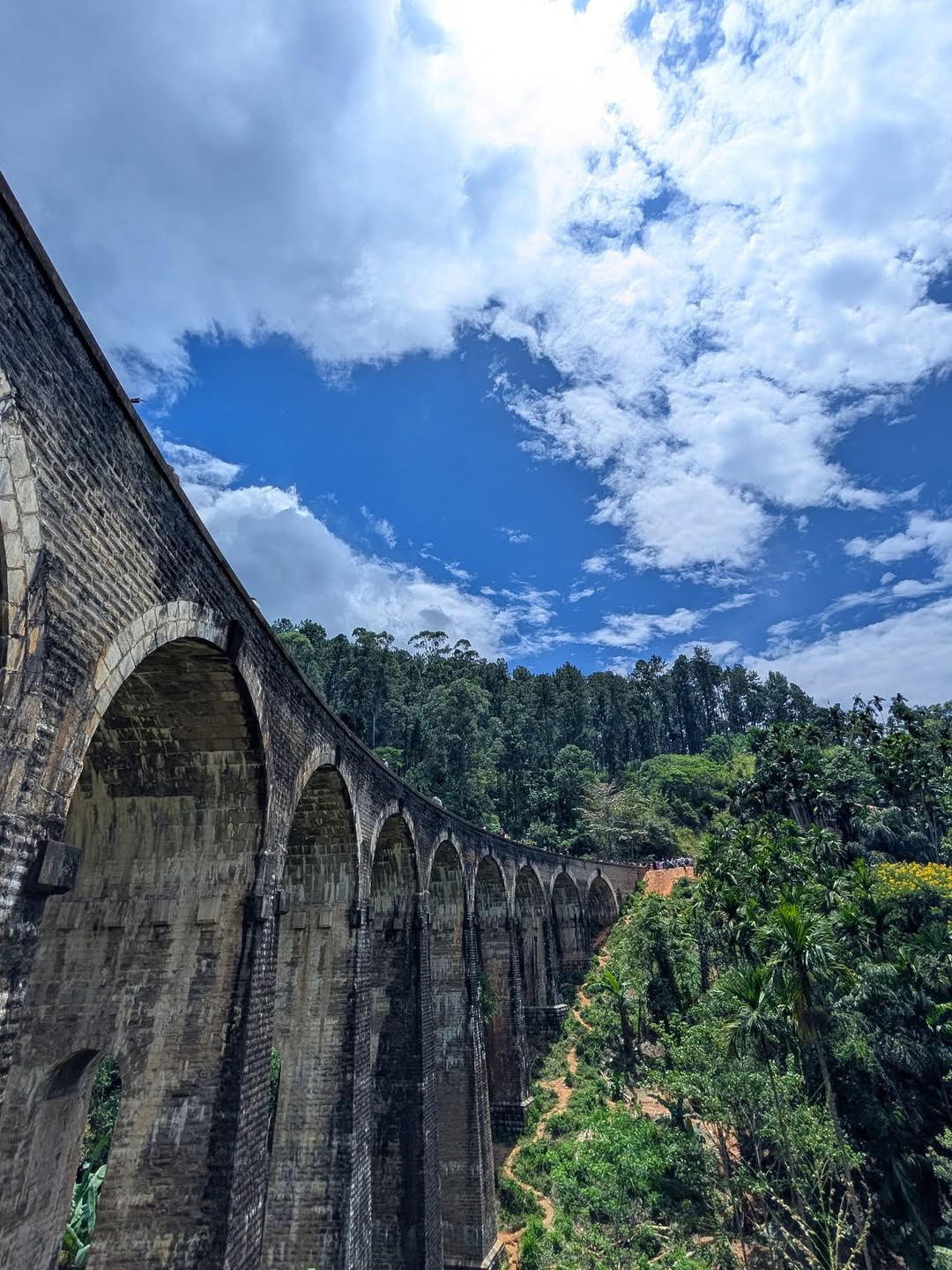
Southwest Monsoon (Yala): May to September
The Southwest monsoon brings rain to the south and west coasts, including Colombo, Galle, Mirissa, and Bentota, as well as to the hill country around Nuwara Eliya. Rainfall is often heaviest between mid-May and July, with high humidity and rough seas.
Northeast Monsoon (Maha): October to January
The Northeast Monsoon affects the north and east regions of Sri Lanka, including Trincomalee, Arugam Bay, Batticaloa, and Jaffna. It is generally less intense than the Southwest monsoon, but you should expect wet weather and disruptions to outdoor activities.
Apart from these two main monsoons, Sri Lanka also experiences two inter-monsoonal periods (March-April and October-November). During these months, unpredictable afternoon showers or thunderstorms can happen anywhere in Sri Lanka.
Best Time to Visit Sri Lanka by Regions
By matching your itinerary with each region’s dry season, you can enjoy the best weather for beaches and sightseeing.
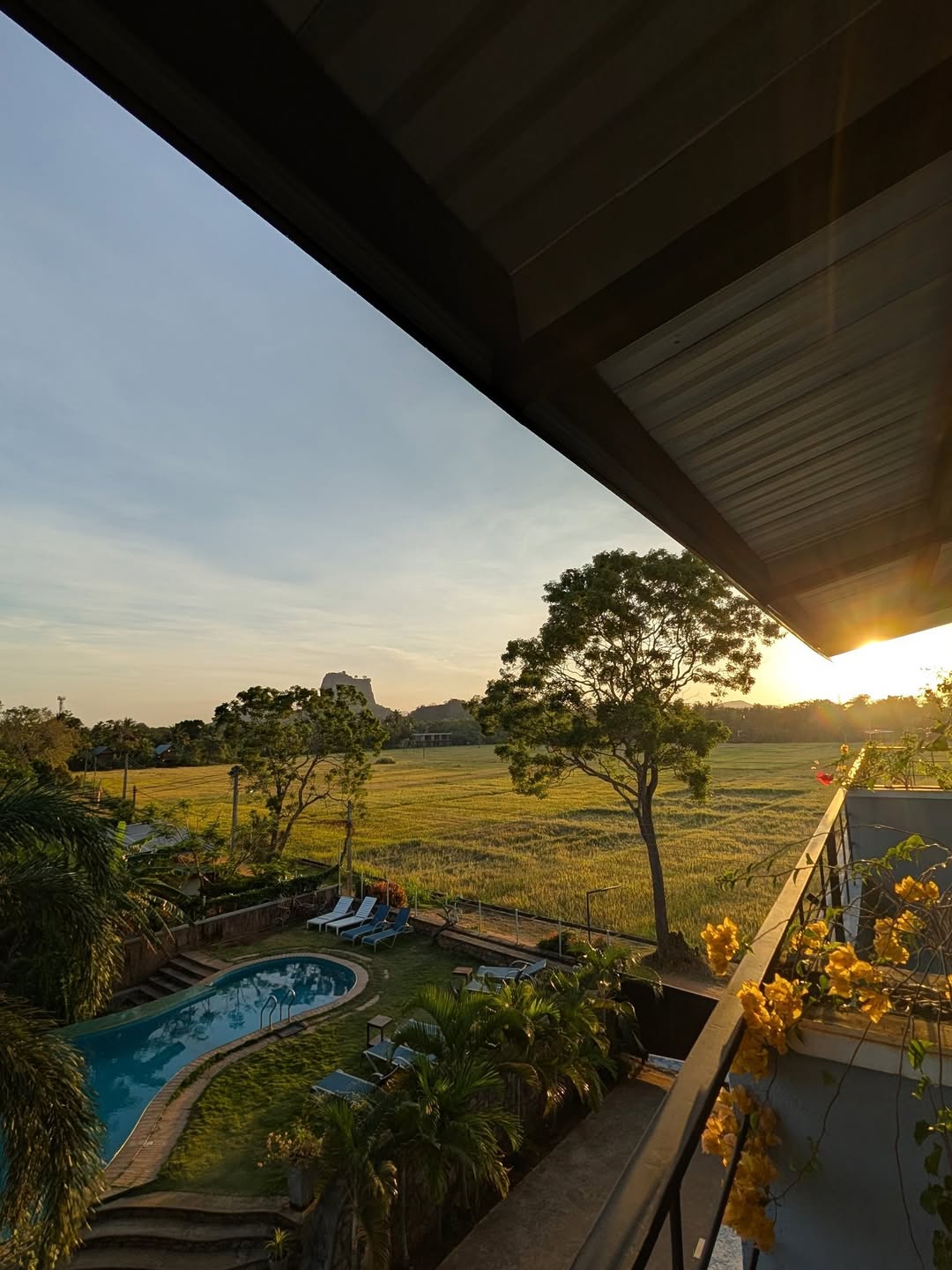
South and West Coast (Colombo, Galle, Bentota, Mirissa)
Weather: On the South and West Coasts of Sri Lanka, December to March is typically dry and sunny. During this dry season, the weather is ideal for enjoying the beaches, outdoor activities, and sightseeing, making it the best time to visit these regions.
| Quick Read |
Temperature:
Rainfall: As December to March is considered the dry season for the South and West Coast. There is little to no rain, with the occasional brief shower being quite rare. Humidity: Moderate but noticeable, especially in coastal towns. |
Highlights
- Beautiful beach weather
- Mirissa has the best conditions for whale watching.
- Great time for swimming, snorkelling, and surfing
- Perfect for sightseeing in Colombo and Galle
- Best time to try adventure sports such as jet skiing, windsurfing, and parasailing in Bentota
North and East Coast (Trincomalee, Pasikuda, Arugam Bay, Jaffna)
Weather: While the rest of the island experiences the heavy southwest monsoon, the North and East Coasts of Sri Lanka generally have hot, dry weather from April to September, making it the best time to visit its calm beaches and coral reefs.
| Quick Read |
Temperature:
Humidity: The region can be humid during the day, but it is more tolerable thanks to cooling sea breezes. Rainfall: The northeast monsoon can bring some rain in winter, especially in late November and December. However, the rain is usually sporadic, with short, heavy showers followed by dry periods. Sea Conditions: The Indian Ocean is usually calm and good for swimming and snorkelling. The clear water is best for exploring underwater, especially in places like Trincomalee and Passikudah. |
Highlights
- Clear waters for snorkelling and diving
- Best for relaxing at beaches
- Peak surfing season in Arungam Bay
- Great opportunities for whale and dolphin watching off Trincomalee’s coast
- Cultural exploration in Jaffna
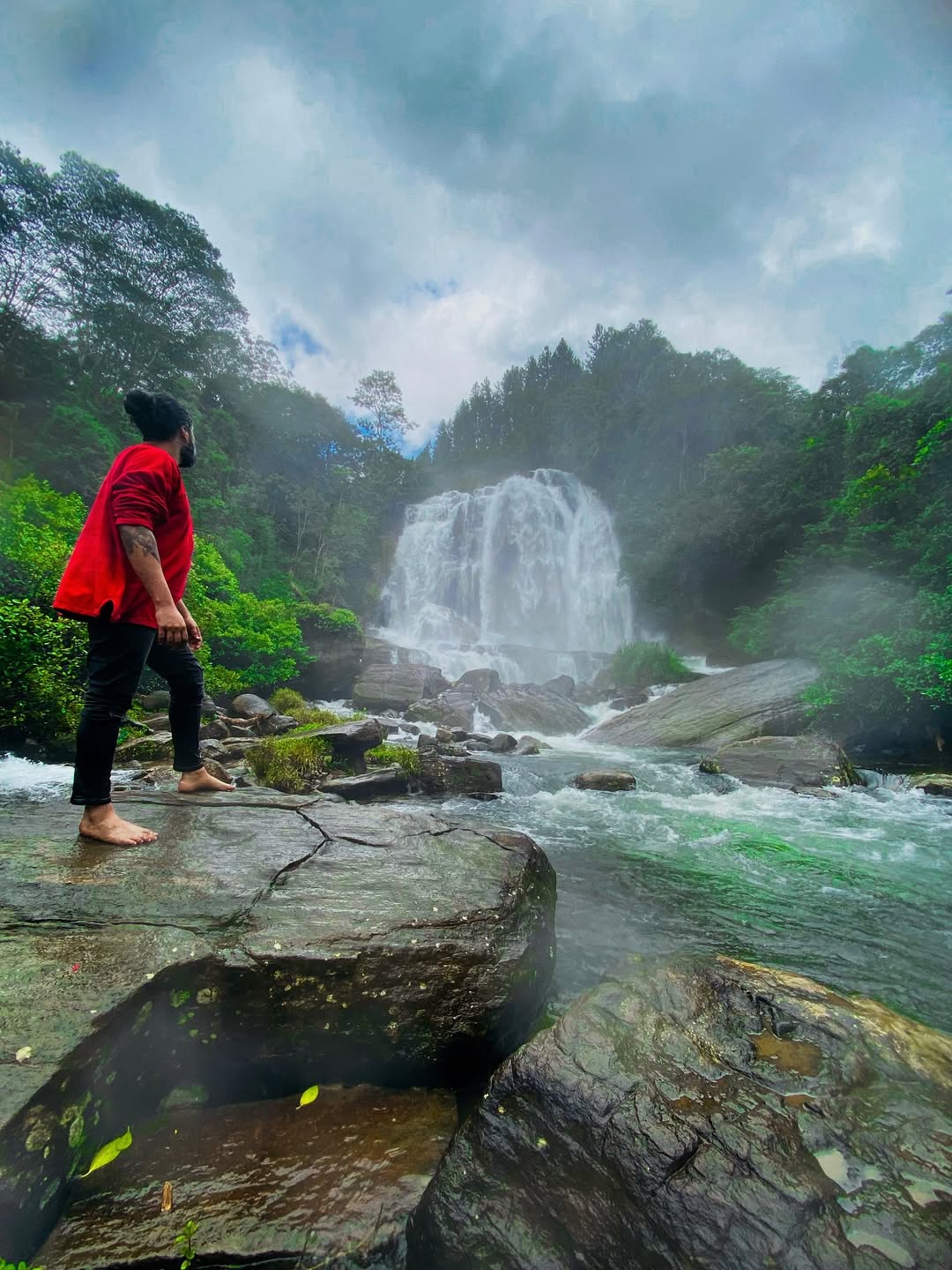
Hill Country (Kandy, Nuwara Eliya, Ella)
Weather: From January to April, Hill Country experiences its dry season, with maximum sunshine, minimum rainfall, and clear mountain views. Since most of the region sits at 1,000-2,500 metres above sea level, it generally has a cool, refreshing climate with misty mornings, clear days, and chilly nights.
| Quick Read |
Temperature:
Rain: Minimal; expect clear skies and lush greenery |
Highlights
- Clear views of mountains and tea estates
- Ideal conditions for hiking and sightseeing
- Best for train journeys between Kandy and Ella
- Cultural experiences in Kandy
Note: Carry a light rain jacket as the weather in the hills can change quickly, even during the dry season.
Cultural Triangle (Sigiriya, Dambulla, Anuradhapura, Polonnaruwa)
Weather: The best season to visit Sri Lanka’s cultural triangle is from January to March, even though these places lie in the country’s dry zone and generally experience warm, sunny weather year-round.
| Quick Read
Temperature:
Humidity: Moderate. Early mornings are pleasant, making it an excellent time for sightseeing and touring archaeological sites. Rainfall: January may still get a little rain, but it decreases significantly towards February and March |
Highlights:
- Suitable for sightseeing at archaeological sites
- Better conditions for visiting Sigiriya Rock Fortress and Dambulla Cave Temple
- Clear conditions for photography
Conclusion
Whether you are planning a beach holiday, a cultural tour, whale watching excursions, or a hill country escape, you can always find good weather somewhere in Sri Lanka.
Or more accurately, from December to March, the South and West Coasts have excellent beach weather and whale watching opportunities, while the Hill Country is suitable for train journeys, hiking, and tea plantation visits.
From April to September, the North and East Coasts have dry conditions that are perfect for beach holidays, snorkelling, diving, and surfing.
By matching your travel dates with the right part of this island country, you can make the most of your trip. For a curated Sri Lankan tour package, contact Dimaak Tours.
FAQs on the Best Time to Visit Sri Lanka
1. What is the best time to visit Sri Lanka from India?
December to March is the best time to visit Sri Lanka from India, especially the South Coast, West Coast, and Hill Country. India’s Christmas and New Year break, along with many school vacations, fall during these months, making it a popular time for family trips. But to experience the country’s North and East Coasts, visit between April and September.
2. When is the best time for beach holidays in Sri Lanka?
For the South and West Coast (e.g., Galle, Bentota), the best time to visit is from December to March. For the East Coast (e.g., Trincomalee, Passikudah), the ideal period is from April to September.
3. When should I visit the Hill Country?
Visit the Hill Country (e.g., Nuwara Eliya, Ella, Kandy) between January and April for cool, dry weather- perfect for hiking, scenic train rides, and exploring tea plantations.
4. Can I visit Sri Lanka year-round?
Yes! Sri Lanka has a tropical climate, and because the monsoons hit different parts at different times, you can always find a region with good weather, no matter the month.
5. What are the best months for wildlife safaris?
May to September is great for wildlife in national parks like Yala and Wilpattu, when water sources dry up, and animals are easier to spot.
6. Is June to August a good time to visit Sri Lanka?
If you are visiting Sri Lanka’s East Coast, June to August is the best time as the region experiences dry, sunny weather and calm waters, making it an excellent choice for beach holidays, water sports, and sightseeing.
