

Key Takeaways
|
The best things to do in Osaka depend on your interests. You might want time for the theme park and aquarium, or you might prefer browsing shops, trying local dishes, and seeing the city from an observation deck.
If Osaka is one stop in your Japan itinerary, choosing your main activities before arrival will help you decide how many days to spend here.
This guide covers 11 experiences, including entry fees and transport details, and helps Indian travellers plan their time in Osaka.
Best Things to Do in Osaka
Osaka is one of Japan’s best places to visit, so a few days here can make your trip worth every penny. Dotonbori and nearby shopping streets pair well, while Universal Studios Japan needs a full day. The experiences below cover city sights, food, entertainment and nature, so you can build your days around what interests you.
1. Enjoy an Evening in Dotonbori
- How to get there: Get on a Kintetsu train to Namba Station, and you can walk to the canal via the subway.
- Entry fee: Free to walk around. The Tombori River Cruise costs approximately INR 1,200 (JPY 2,000) for adults.
Dotonbori is lively after sunset, when its giant signs light up the canal, and it’s best for crowded restaurants. Start near Ebisubashi Bridge for a good view of the Glico running man sign, then follow the riverside walkway. The moving crab outside Kani Doraku is another landmark to look out for.
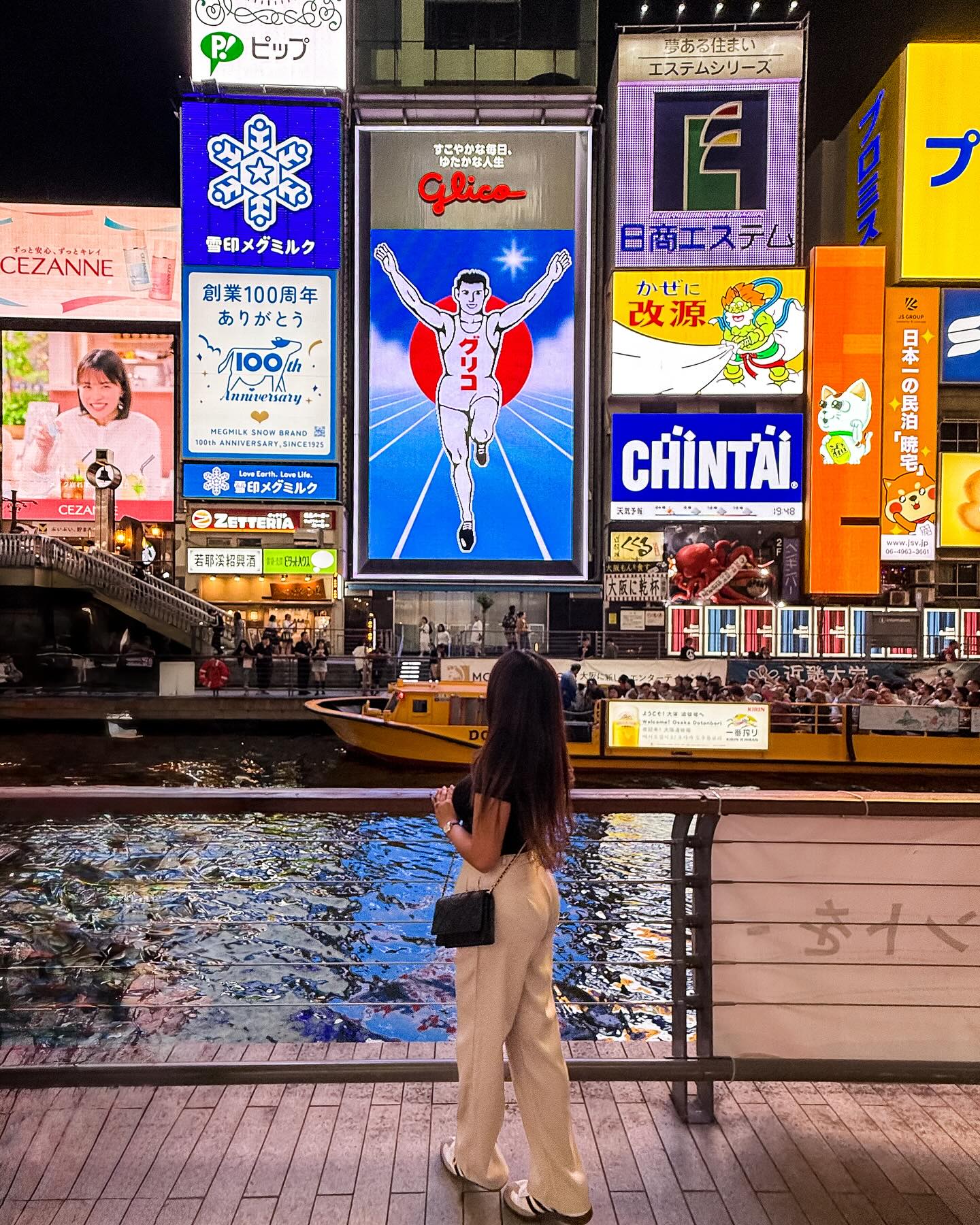
For a view from the water, take the Tombori River Cruise. The ride lasts about 20 minutes and passes beneath the canal’s bridges, bringing you close to the signs and waterfront buildings. Evening sailings can fill quickly, so arrange your ticket earlier if the cruise is part of your plans.
Food is another reason to spend an evening here. Try takoyaki, Osaka’s octopus-filled batter balls, or okonomiyaki, a savoury pancake with fillings and toppings that vary by restaurant.
Note: Vegetarians should ask about the batter, stock, sauces and toppings, as a vegetable filling does not necessarily mean the whole dish is vegetarian.
2. Walk Around the Osaka Castle and Its Park
- Getting there: Get down at Osakajokoen Station, Morinomiya Station or Tanimachi Yonchome Station, and take a 15- to 20-minute walk to Osaka Castle.
- Entry fee: Most of the park is free. Castle museum admission costs approximately INR 720 (JPY 1,200) for adults.
Osaka Castle is best visited in the morning if you enjoy history and time outdoors. The path takes you past moats and huge stone walls before reaching the main tower. Most of the park is free to enter, so you can enjoy the grounds and photograph the castle without buying a museum ticket.
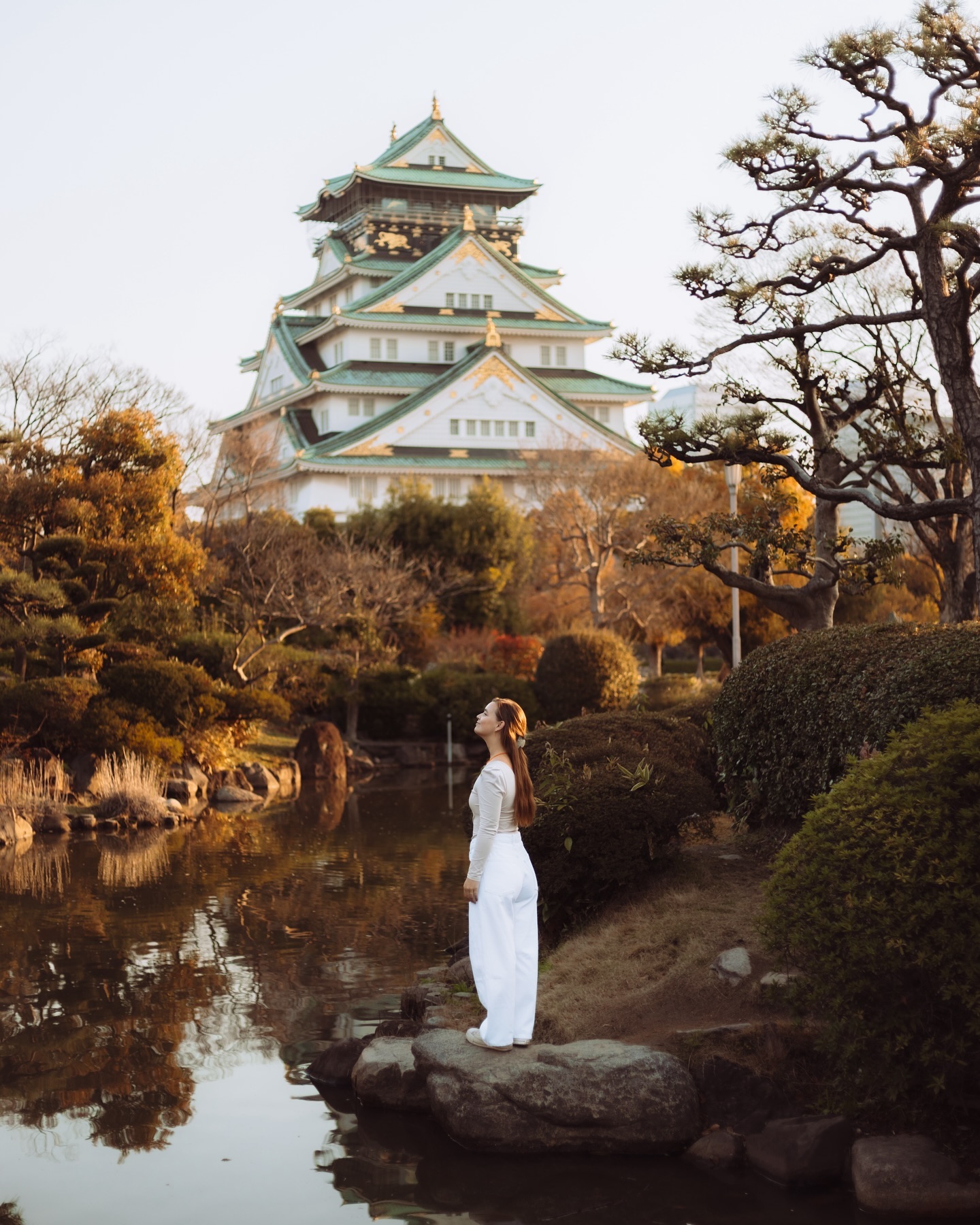
Inside the tower, exhibits explain the castle’s history and Toyotomi Hideyoshi’s role in building the original fortress. The current tower, completed in 1931, houses a museum instead of preserved royal living quarters. Continue to the eighth-floor observation deck for views across the park and surrounding city.
Your entry fee also includes the Toyotomi Stone Wall Museum, where you can see walls from the original castle under the latest construction. The displays inside the tower give you a closer look at the castle’s earlier history.
3. Enjoy the Rides at Universal Studios Japan
- Getting there: Take the JR Yumesaki Line to Universal City Station, then walk a short distance to the entrance.
- Entry fee: A one-day Studio Pass starts at approximately INR 5,040 (JPY 8,400) for adults.
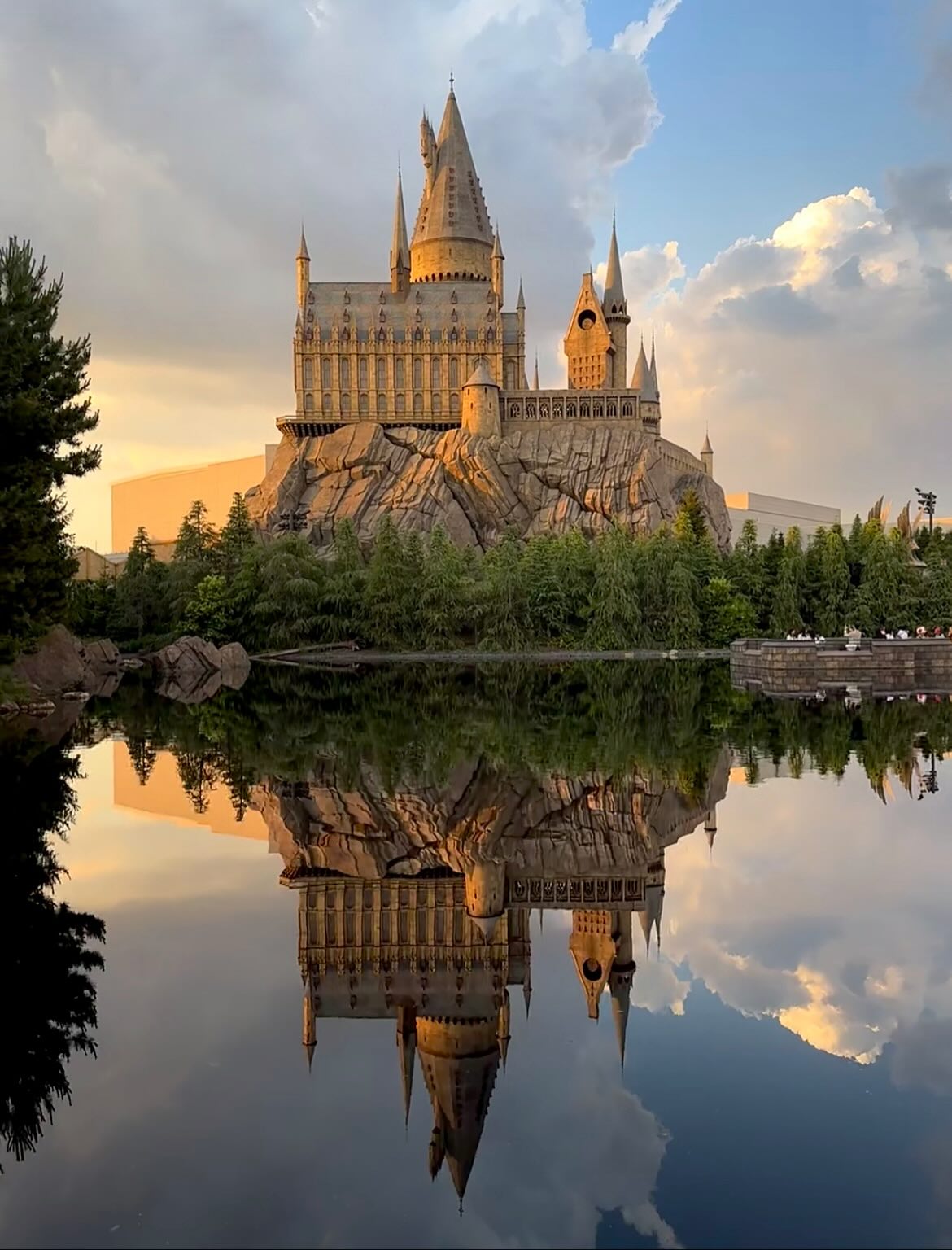
Indian travellers who grew up watching Harry Potter or playing Mario can experience one of Osaka’s best attractions at Universal Studios Japan. You can walk through Hogsmeade, join a Mario Kart race or spend time with the Minions, with rides ranging from boat trips to fast roller coasters.
Highlights to experience
- Super Nintendo World: Race on Mario Kart: Koopa’s Challenge or ride Mine Cart Madness through the Donkey Kong area.
- The Wizarding World of Harry Potter: Browse Hogsmeade’s shops before entering Hogwarts Castle for Harry Potter and the Forbidden Journey.
- Minion Park: Join Gru and the Minions on the simulator ride Despicable Me: Minion Mayhem.
- The Flying Dinosaur: Try a roller coaster that carries you face down beneath the track.
- JAWS: Take a boat ride through Amity Village, where a mechanical shark interrupts the journey.
Choosing a few favourite rides before arriving helps you make time for them, especially when queues are long. Super Nintendo World may require a separate timed-entry ticket, available in the official USJ app after you enter the park. A regular Studio Pass alone does not guarantee entry to this area.
An Express Pass can shorten the wait for selected rides, and some versions include timed entry to Super Nintendo World. If you plan to buy one, allow for the extra cost in your Japan trip budget, as park admission must still be purchased separately.
4. See Marine Life at Osaka Aquarium Kaiyukan
- How to get there: A five-minute walk from Exit 1 of Osakako Station on the Osaka Metro Chuo Line.
- Entry fee: Adult tickets cost approximately INR 1,620-2,100 (JPY 2,700-3,500), depending on the date.
This experience takes you from city life to marine life. You can visit one of Japan’s best aquariums in Osaka. At Osaka Aquarium Kaiyukan, you can watch whale sharks and rays swim through the central Pacific Ocean tank. The route winds down around it, so you see the same underwater scene at different depths as you walk through the building. Take your time at the viewing windows, where schools of smaller fish swim alongside the sharks. Aquarium layout
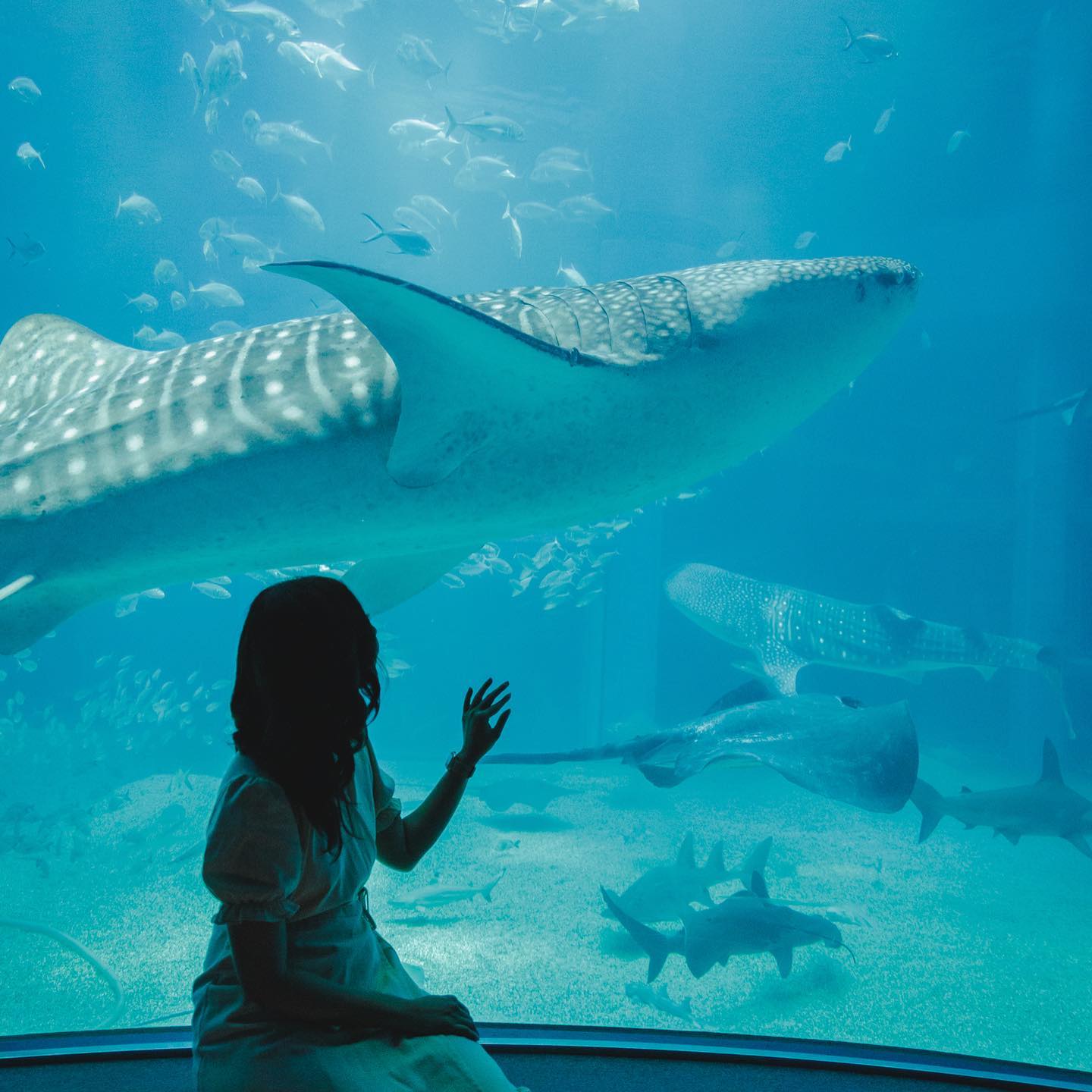
The other exhibits introduce habitats around the Pacific Ocean, including a Japanese forest and Antarctica. Penguins, Pacific white-sided dolphins and ringed seals give you plenty to see between the main tank’s viewing points. Before leaving, stop at Jellyfish Galaxy, where the dark surroundings make the jellyfish’s shapes and movements easier to follow.
You can spend the rest of the afternoon around the harbour, with a meal at Tempozan Marketplace or a ride on the nearby Tempozan Ferris Wheel. Both are close to the aquarium, so you can add them easily without another train journey.
5. Try Local Food at Kuromon Market
- Getting there: Around a five-minute walk from Nippombashi Station or a ten-minute walk from Namba Station.
- Entry fee: Free to enter. Food and drinks cost extra.
A must-do for Indian travellers in Osaka is tasting the street food and roaming the Kuromon Market. A street around 600 meters long, parallel to another section of Osaka, Kuromon Market is a good lunch stop if you want to try food from several shops instead of ordering one meal at a restaurant.
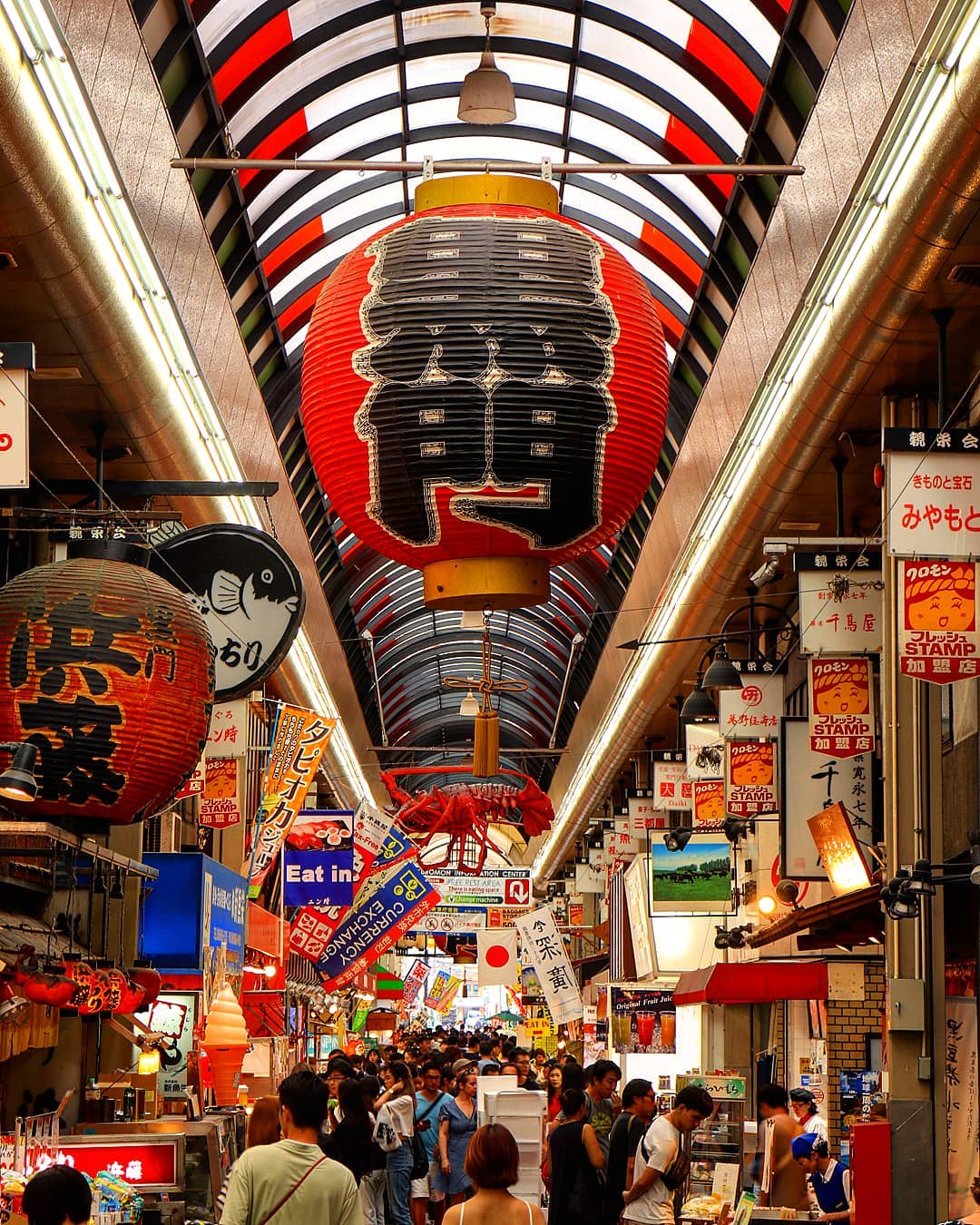
Along its covered shopping street, you’ll find fishmongers, fruit sellers and shops serving sushi, seafood bowls, grilled skewers and fried snacks. You can browse the counters before deciding what to eat, with some shops providing space to sit down.
Seafood is a major part of the market, but you will also find meat dishes, fresh fruit and Japanese street food such as takoyaki and okonomiyaki. Sharing a few small portions lets you try different dishes without filling up at the first shop.
Kuromon fits well before an afternoon around Namba or nearby Den Den Town, known for its electronics and hobby shops. This keeps your food stop and sightseeing in the same part of the city.
Note: Try not to walk while eating on the street and dispose of the garbage in a dustbin; doing so can displease locals.
6. See Osaka from Above at Umeda Sky Building
- Getting there: Around an 11-minute walk from Exit 5 of Umeda Station on the Osaka Metro Midosuji Line.
- Entry fee: Observatory admission costs approximately INR 1,200 (JPY 2,000) for adults.
Arrive at Umeda Sky Building before sunset if you want to see Osaka in daylight and watch the city lights come on during the same visit. Its Kuchu Teien Observatory connects the building’s two towers, with an open-air rooftop where you can walk around for views in every direction.
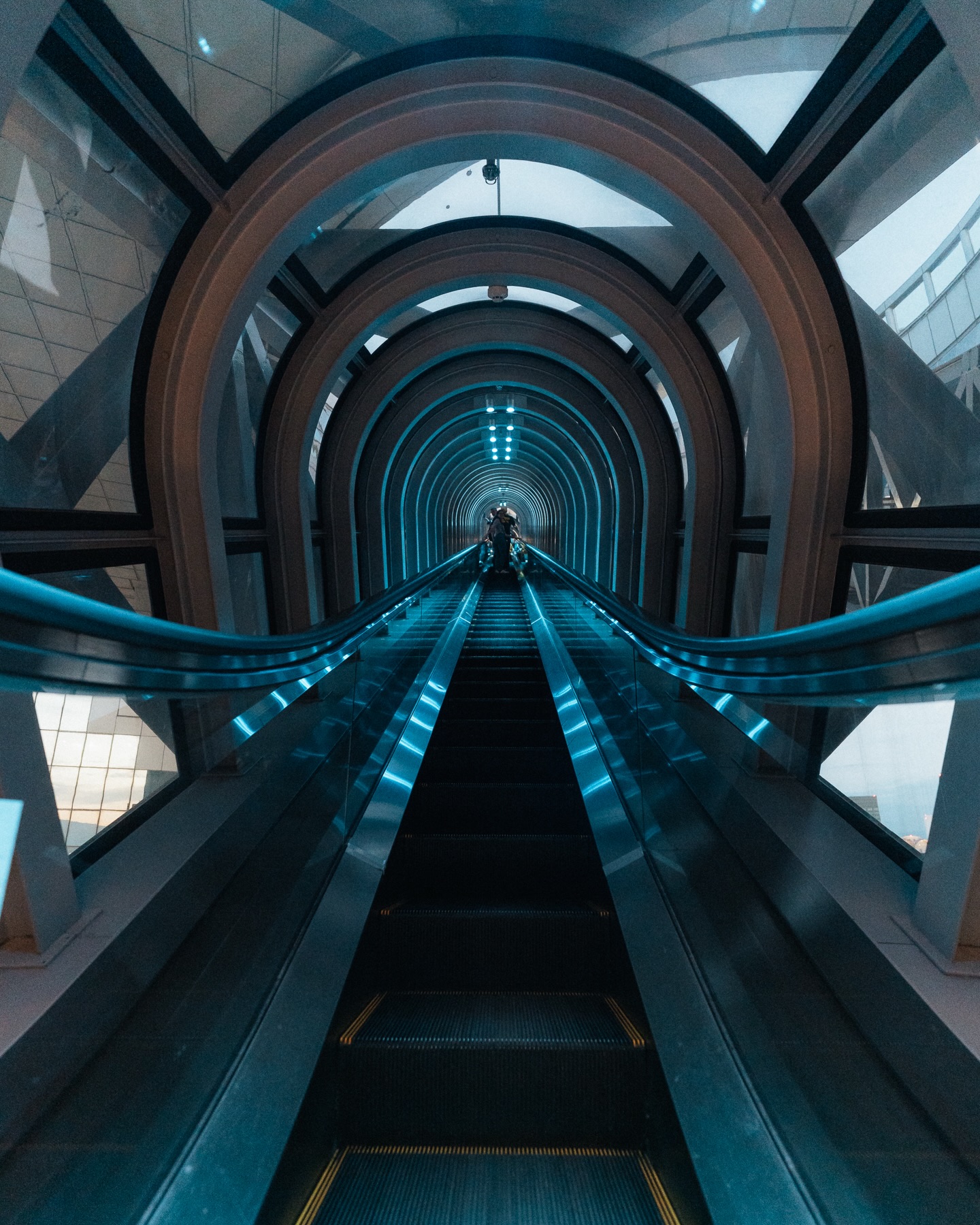
The journey up is part of the visit. A glass-sided escalator leads towards the observatory, giving you a view outside as you cross between the towers. Once at the top, you can spend time on the rooftop or sit with a drink at the café on the 40th floor. The rooftop may close in bad weather, so a clear evening is best for the outdoor view.
7. Shop in Shinsaibashi and Amerikamura
- Getting there: Take the Osaka Metro to Shinsaibashi Station. The shopping arcade is about a minute’s walk away, and Amerikamura is around three minutes away.
- Entry fee: Free to walk around. Shopping and meals cost extra.
Spend an afternoon shopping along Shinsaibashi-suji, a covered street stretching roughly 600 metres. Browse clothing and footwear shops, stop at smaller boutiques or visit Daimaru department store.
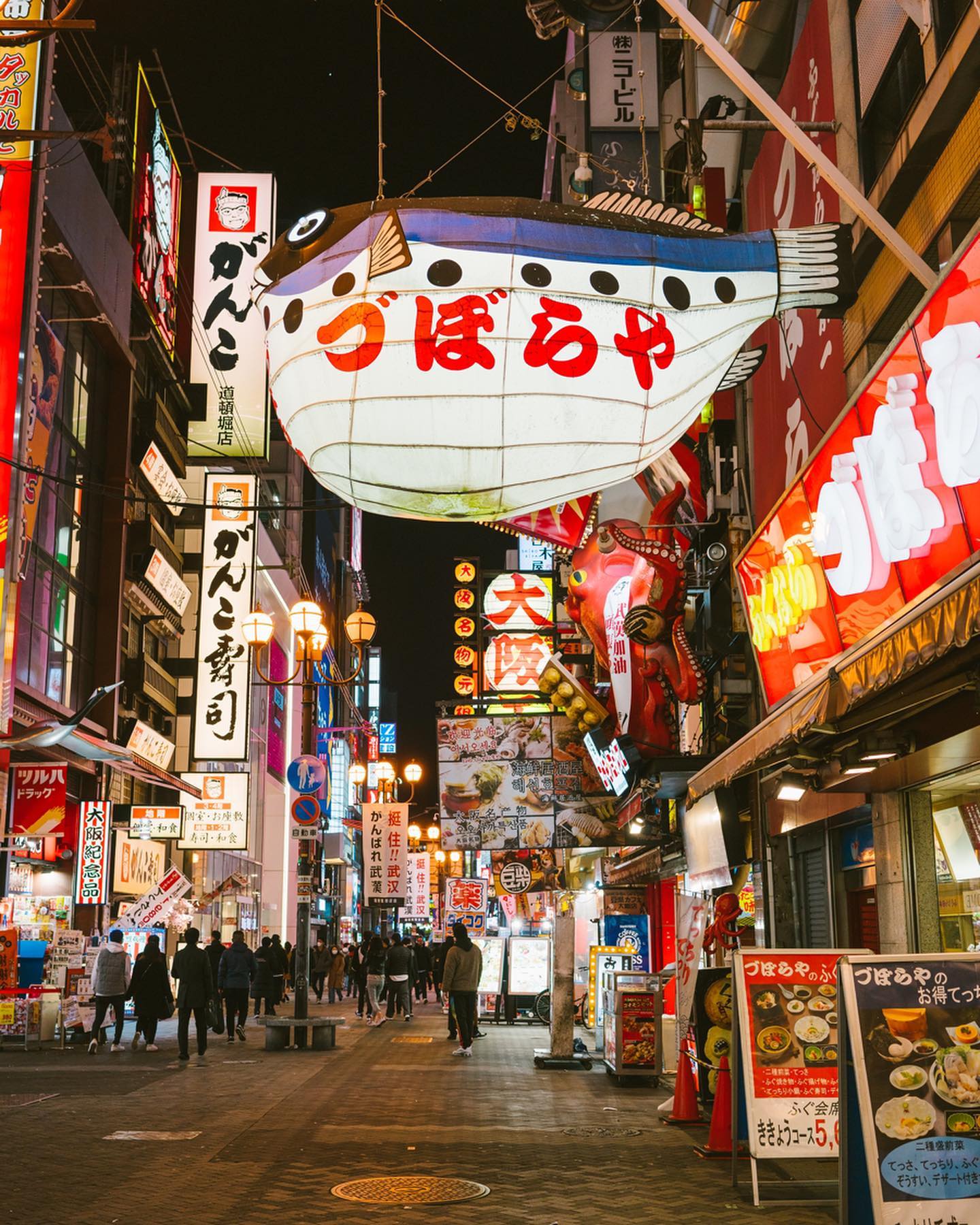
With shops close together and restaurants along the way, you can compare prices and take a meal break without leaving the area. The covered arcade also makes this an option for a rainy afternoon.
For vintage clothes and records, walk west to Amerikamura and browse the streets around Triangle Park. Look through racks of second-hand jeans, printed T-shirts and jackets, then visit the record shops between clothing stores.
These smaller shops give you a different shopping experience from Shinsaibashi’s department stores, especially if you enjoy searching for individual pieces. Alongside clothes, Japanese sweets and packaged snacks make easy-to-carry gifts to bring home from Japan.
8. Visit Shinsekai and Tsutenkaku Tower
- Getting there: A three-minute walk from Exit 3 of Ebisucho Station or a six-minute walk
- Entry fee: Shinsekai is free to visit. Tsutenkaku’s general observation deck costs approximately INR 900 (JPY 1,500).
Walk through Shinsekai’s restaurant-lined streets for a view of Tsutenkaku rising above the colourful shop signs. This neighbourhood gives you a closer look at Osaka’s older entertainment district, with narrow shopping lanes and small restaurants around the tower.
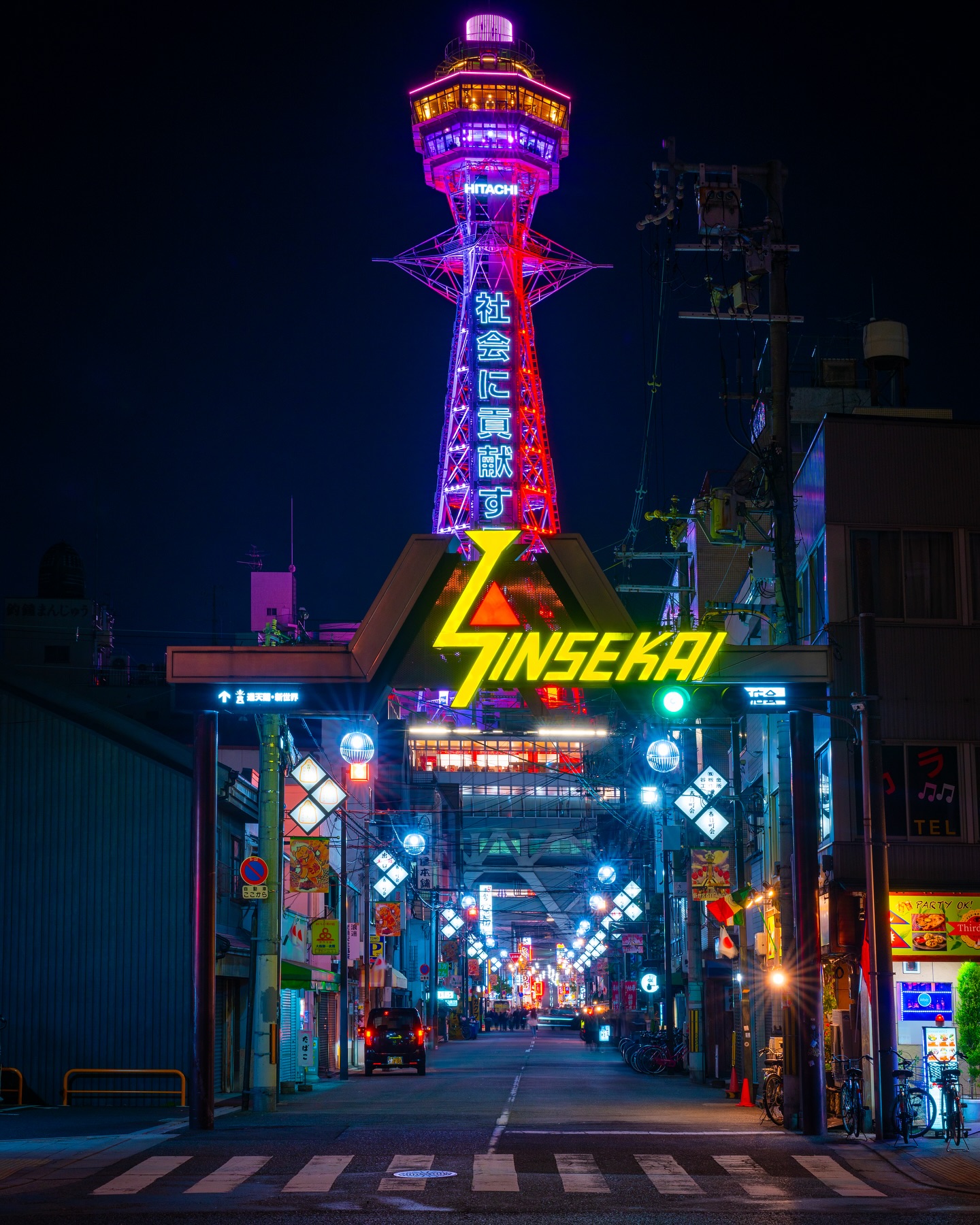
Late afternoon works well if you want to photograph the streets in daylight and stay for dinner as the signs light up. Inside Tsutenkaku, head to the observation deck to look across the surrounding city and see the Billiken statue, whose feet visitors touch for good luck.
If you have already included Umeda Sky Building in your plans, you can enjoy Shinsekai from street level without paying for another observation deck. The tower remains an easy landmark to photograph from below.
Leave time for Janjan Yokocho, a narrow covered lane with kushikatsu restaurants, sushi shops and small eateries. Kushikatsu consists of battered, deep-fried skewers of meat, seafood or vegetables, so you can order a few varieties to share.
9. Make Your Own Cup Noodles at the Museum in Ikeda
- Getting there: Take an express train on the Hankyu Takarazuka Line from Osaka-Umeda to Ikeda (about 20 minutes), then walk for five minutes.
- Entry fee: Museum admission is free. The My Cupnoodles Factory activity costs approximately INR 300 (JPY 500) per cup.
This will be a new experience for Indian travellers because at the Cup Noodles Museum Osaka Ikeda, you can design your own cup and choose what goes inside it. Start by decorating the packaging, then select one of four soup flavours and four toppings from the available ingredients.

Staff seal the finished cup, which you pack into an inflated carry bag to take away. The activity takes around 45 minutes, though waiting times can make the visit longer. Tickets for this activity are handed out at the museum on a first-come, first-served basis, with no advance online booking.
Arriving earlier gives you more opportunity to secure a time slot before tickets run out. Choosing vegetable toppings does not necessarily make the noodles vegetarian, so check the noodles and soup ingredients with staff before paying.
Beyond the workshop, you can see a recreation of the small shed where Momofuku Ando developed Chicken Ramen and follow the story of how instant noodles were invented. These exhibits add context to something familiar from the supermarket shelf, making the museum more than a place to decorate a cup.
10. See Old Osaka at the Museum of Housing and Living
Note: The museum is closed for renovation from 1 September 2026 to 5 January 2027. Plan this visit after the scheduled closure and confirm reopening before travelling.
- Getting there: Directly connected to Exit 3 of Tenjimbashisuji 6-chome Station on the Osaka Metro Tanimachi and Sakaisuji lines. Take the lift to the eighth-floor entrance.
- Entry fee: Exhibition admission costs approximately INR 360 (JPY 600) for adults.
Walk through a life-size recreation of an Osaka neighbourhood from the 1830s, with traditional houses and shopfronts arranged along indoor streets. You can look closely at the buildings and household displays to see how people lived before the city’s modern shopping streets and high-rise buildings appeared.
The lighting changes as you walk around, showing the neighbourhood at different times of day. Take time to see the streets in both daylight and evening, when the same buildings look different. This makes the visit more engaging than simply looking at objects in display cases.
Other exhibits trace changes in Osaka’s homes and neighbourhoods through the Meiji, Taisho and Showa periods. Together, they show how everyday life changed as the city grew, making this a worthwhile stop if you enjoy history beyond castles and monuments.
11. Take a Walk to Minoh Falls
- Getting there: From Hankyu Osaka-Umeda Station, take the Takarazuka Line to Ishibashi-handai-mae and change to the Minoh Line. The train journey takes around 25-30 minutes, followed by a roughly 45-minute walk to the waterfall.
- Entry fee: Free to visit the waterfall and walk along the main trail.
Follow the riverside path from Minoh Station through the wooded valley to Minoh Falls, 33 metres high. The main route is paved and gradually climbs, with trees shading much of the way. Allow around 45 minutes each way, or longer if you want to stop for photographs and refreshments.
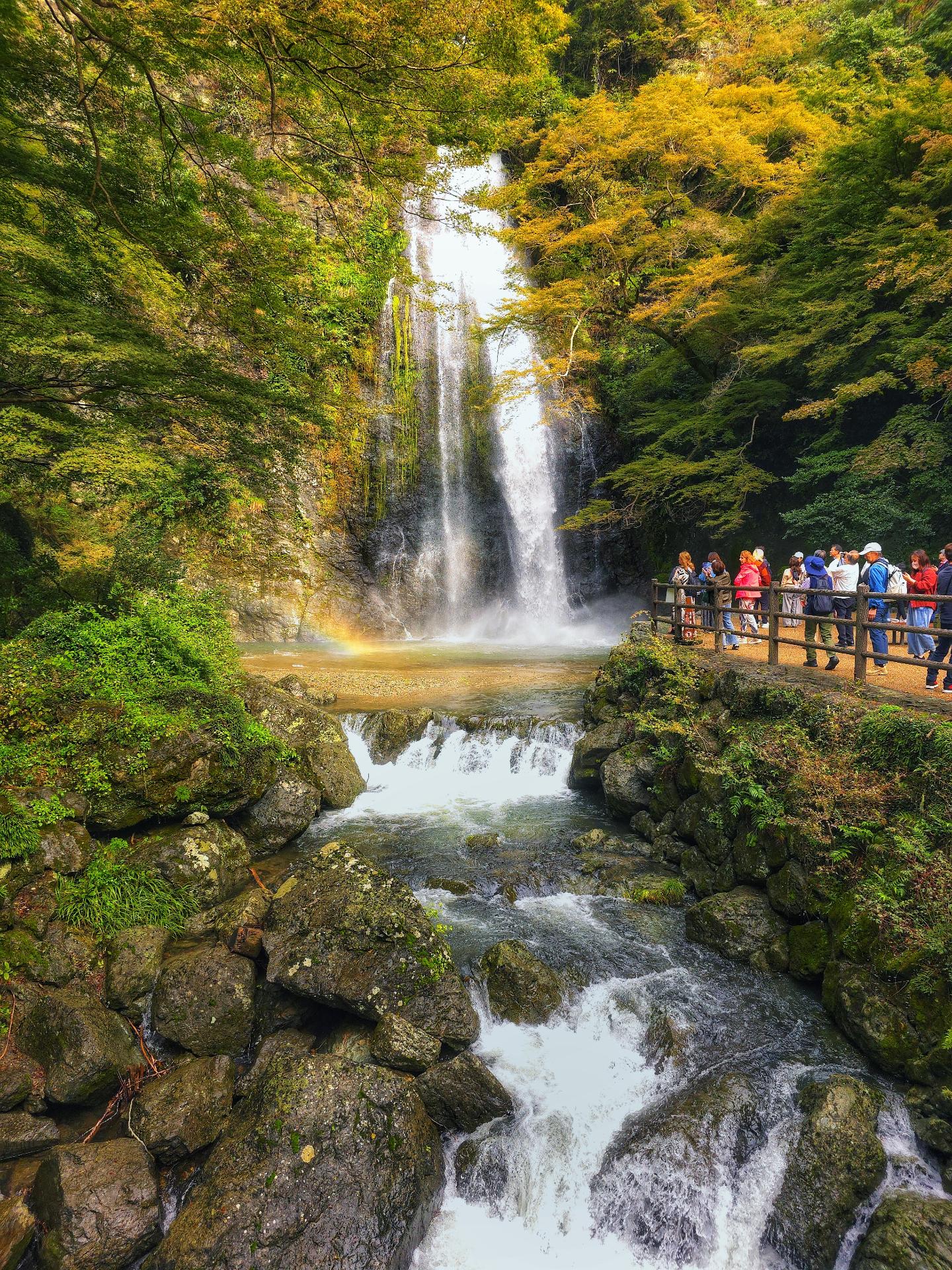
Along the route, visit the Ryuanji Temple and try momiji tempura, a local snack made from maple leaves fried in batter. These stops break up the walk before you reach the waterfall, where you can pause to watch the water dropping down the rock face. Comfortable walking shoes are worth wearing, as the return trip covers roughly six kilometres.
If you are visiting Japan in November, Minoh is a place to see autumn leaves near Osaka, with colours often at their best towards the end of the month. It is also a busy season, so a weekday morning gives you a better chance to enjoy the trail before the larger crowds arrive.
Tips for Planning Your Osaka Visit
- Combine Kuromon Market, Shinsaibashi and Dotonbori, but keep a full day for Universal Studios Japan.
- Museum closures and timed-entry tickets can affect your plans, so confirm availability before fixing your itinerary.
- Choose accommodation near your main stops. Namba is convenient for food and shopping, while Umeda has train connections towards Ikeda and Minoh. When deciding where to stay in Osaka, check which area gives you shorter journeys to the places on your itinerary.
Final Thoughts
You don’t need to fit all 11 things to do in Osaka into one visit. Choose the experiences you most want to spend time on, then build your days around them. A theme park visit needs a full day, while a museum or shopping trip leaves room for an evening out. Giving each stop enough time will make your holiday more enjoyable than rushing between attractions.
For help putting those plans together, Dimaak Tours can arrange your Japan holiday, including accommodation, sightseeing, and transfers, around your travel dates and interests.
FAQs About Things to Do in Osaka
1. What should you do in Osaka on your first visit?
In Osaka, you can start with Osaka Castle, spend an evening in Dotonbori and try local food at Kuromon Market. Add Universal Studios Japan for rides or Kaiyukan for marine life, depending on your interests and the time available.
2. How many days do you need in Osaka?
Three to four days give you time for the main city sights, shopping and a full day at Universal Studios Japan. Allow another day if you also want to visit Ikeda or walk to Minoh Falls without rushing.
3. What are the best things to do in Osaka at night?
The best things to see at night are Dotonbori’s illuminated canal, seeing the city lights from Umeda Sky Building or having dinner in Shinsekai. Dotonbori is a good starting point if you want restaurants and evening sightseeing in the same area.
4. Which things to do in Osaka are suitable for families with children?
You can enjoy Kaiyukan, Universal Studios Japan, and the Cup Noodles Museum, each offering a different way to spend time together. Children can watch marine life at the aquarium or decorate their own noodle cups in Ikeda. At Universal Studios Japan, check individual ride height requirements before choosing tickets or Express Passes.
