

Key Takeaways
|
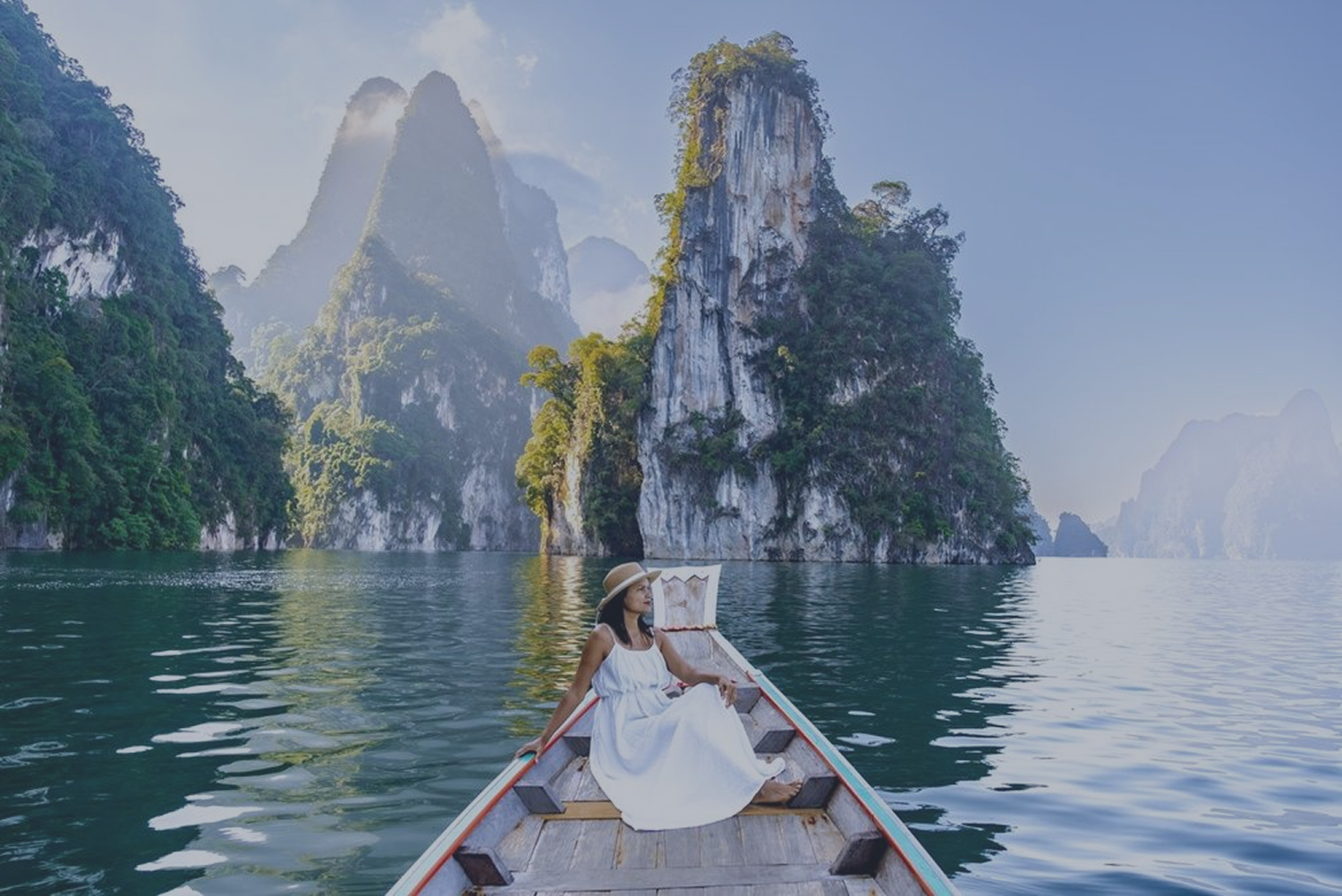
Aquariums in Japan will give you a chance to see whale sharks, penguins, jellyfish and many other marine animals up close. Some have huge tanks that you can view from different floors, while others bring you onto a rooftop or introduce the sea life found along the nearby coast.
Osaka Aquarium Kaiyukan is known for its whale sharks, Sunshine Aquarium has penguins swimming overhead, and Kyoto Aquarium introduces animals found in local rivers.
This guide covers ten aquariums worth visiting, with details on their main attractions, what you can expect inside and how they fit into your travel plans.
10 Best Aquariums in Japan
From whale sharks and giant marine tanks to jellyfish displays and penguin habitats, each aquarium offers a different experience. Knowing what to expect, along with the opening hours and approximate entry fees, can help you choose the ones that fit your Japan itinerary.
1. Osaka Aquarium Kaiyukan
- Opening hours:10:30 AM-8:00 PM
- Entry fee: Approximately INR 1,500-1,700 per adult.
Osaka Aquarium Kaiyukan is known for its whale sharks, which swim in the huge Pacific Ocean tank at the centre of the building. Large viewing windows let you watch them alongside rays and other fish.
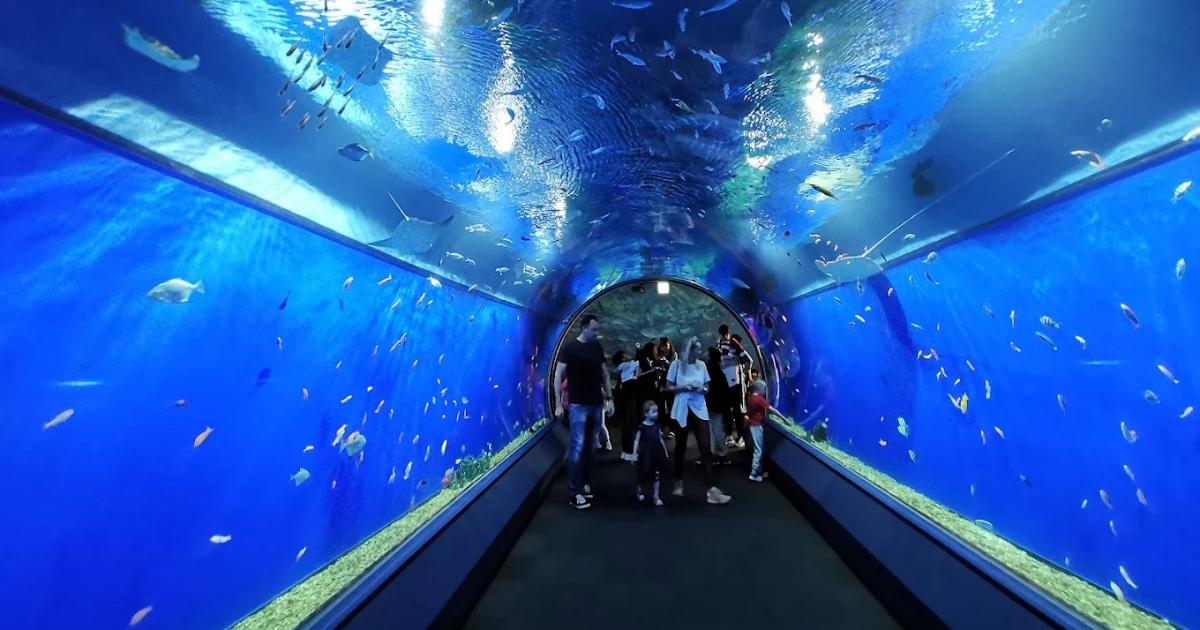
The tank stretches through several floors. As you follow the path down through the aquarium, you see it at different depths. You might watch a whale shark near the surface first, then see it swimming above you from a lower floor.
The route also takes you through Japan Forest and displays featuring penguins and jellyfish. These give you plenty to see between the different views of the main tank.
With its whale sharks, multi-level viewing areas and diverse marine life, Kaiyukan is a standout stop for anyone exploring the best aquariums in Japan. Its location in Tempozan Harbour Village also makes it easy to pair with a ride on the nearby Ferris Wheel.
2. Okinawa Churaumi Aquarium
- Opening hours: 8:30 AM-6:30 PM.
- Entry fee: Approximately INR 1,300- 1,500 per adult.
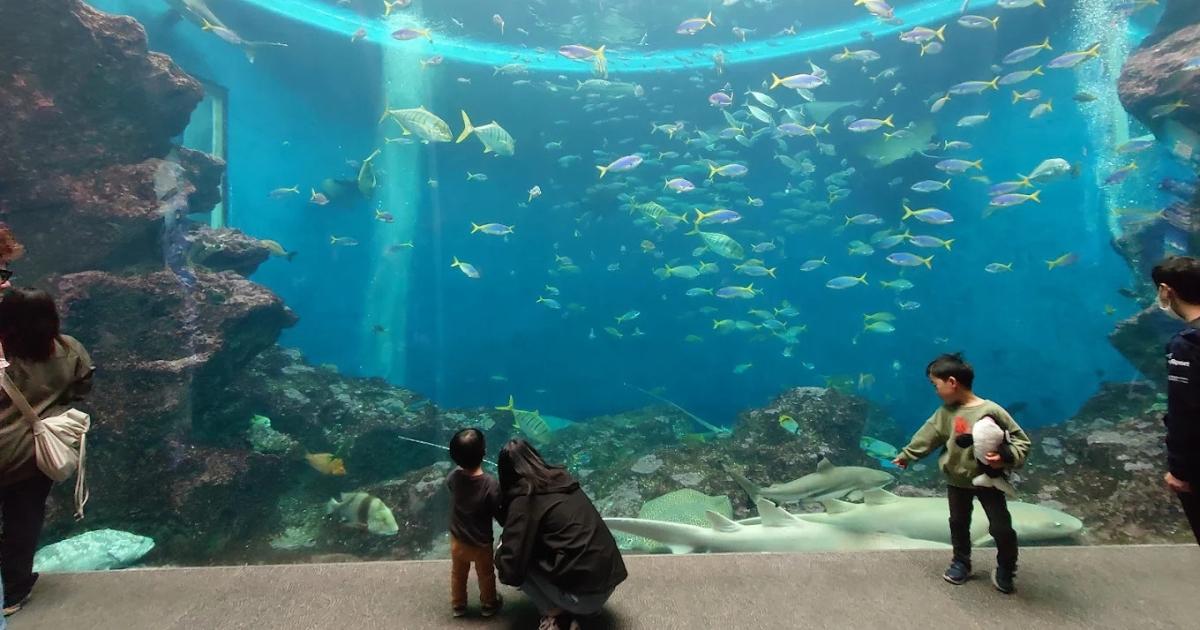
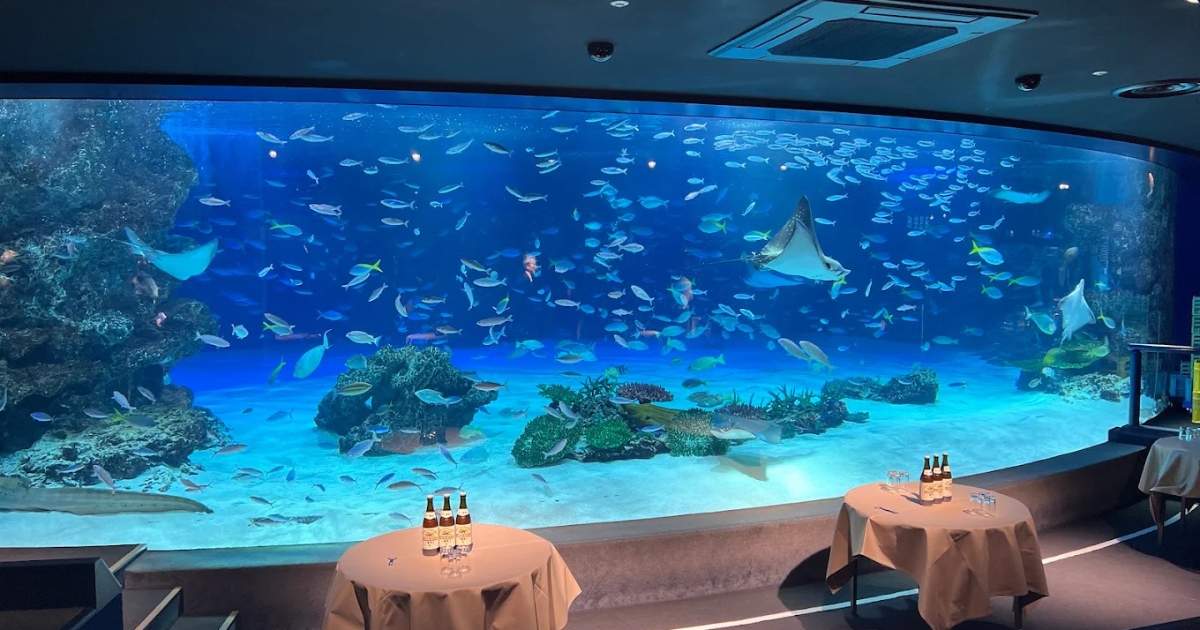
Okinawa Churaumi Aquarium is worth visiting for the Kuroshio Sea tank, where a whale shark and manta rays swim together. The tank holds around 7.5 million litres of water, with a wide window that lets you watch several animals at once.
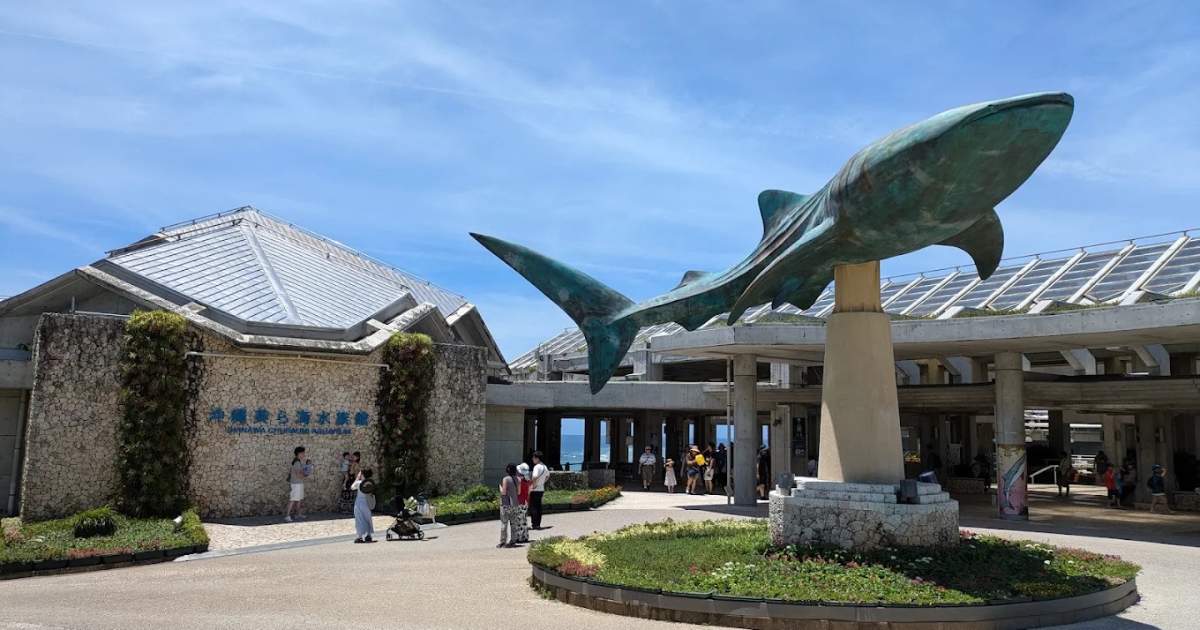
The manta rays move through the water above and beside schools of fish, while the whale shark passes slowly across the tank. This large shared display is what makes Churaumi worth including in an Okinawa trip.
Other sections introduce coral reefs and animals found in deeper waters. They show the different kinds of marine life living around the island, beyond the larger animals in the main tank.
The aquarium is inside Ocean Expo Park in northern Okinawa.
3. Kamogawa Sea World
- Opening hours: 9:00 AM-4:00 PM
- Entry fee: Approximately INR 2,000 per adult.
Kamogawa Sea World in Chiba is best known for its orca shows, held in an outdoor stadium with the Pacific Ocean behind it. The performances are a main reason to visit, particularly if you want to see large marine mammals.
Dolphins, belugas and sea lions feature in separate presentations. These take place at set times in different areas, so your visit involves moving between shows and aquarium displays. Choose the performances you most want to watch, then use the gaps to see the other animals.
Since Kamogawa Sea World is about two hours from Tokyo by train, plan it as a full-day outing. Arriving early gives you time to catch the scheduled shows and explore the exhibits without rushing.
4. Sunshine Aquarium
- Opening hours:10:00 AM-6:00 PM
- Entry fee: Approximately INR 2,000 per adult.
Sunshine Aquarium in Ikebukuro is a great option for enjoying its rooftop penguin display. The birds swim through an overhead tank with Tokyo’s buildings behind them, making them appear to swim across the sky.
You stand below the glass and watch the penguins turn, dive and pass above you. It gives you a different view from watching them on land and is the main reason this aquarium stands out.
The display is part of the outdoor Marine Garden. Inside, tanks such as Sunshine Lagoon introduce more marine life, so the rooftop is only one part of the visit.
Inside Sunshine City, the aquarium is close to shops, restaurants and family attractions. You can combine your visit with lunch or shopping at one of Japan’s well-known malls.
5. Sumida Aquarium
- Opening hours: 10:00 AM-8:00 PM
- Entry fee: Approximately INR 1,500 per adult.
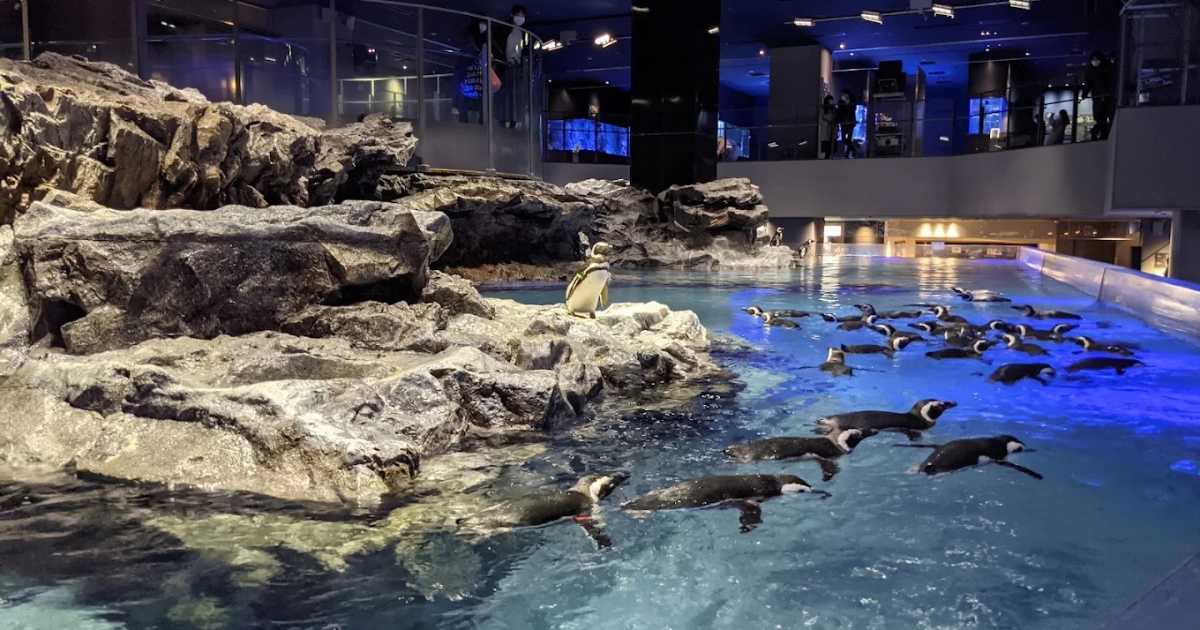
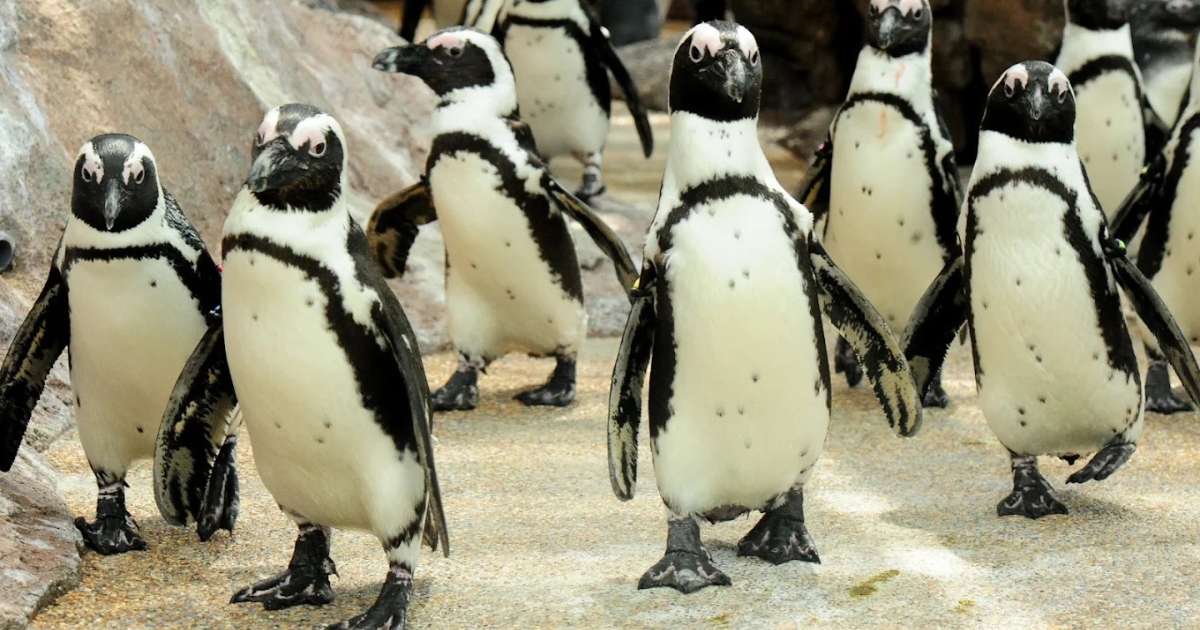
Sumida Aquarium is inside Tokyo Skytree Town. Its open indoor penguin pool is one of the best reasons for your visit, with viewing areas where you can watch the birds swimming and gathering on land.
The Big Schale jellyfish display is another highlight. This open-top tank lets you look down at the jellyfish as they move through the water. Nearby displays introduce how they grow and how the aquarium staff care for them.
The Ogasawara section focuses on the waters around Tokyo’s distant island chain. After watching the fish through the large front window, walk around to the small round windows behind the tank for another view.
Sumida Aquarium is part of Tokyo Skytree Town, so you can visit the aquarium and Tokyo Skytree in the same outing, with nearby shops and restaurants.
6. Kyoto Aquarium
- Opening hours: 10:00 AM-6:00 PM
- Entry fee: Approximately INR 1,600 per adult.
Kyoto Aquarium is one of Japan’s smaller aquariums, showcasing wildlife from the region’s rivers, with giant salamanders among its main attractions. You can see them in the Kyoto River area, where rocks and water recreate parts of their natural surroundings.
The salamanders often stay still during the day, so they may take a moment to spot. Look closely among the rocks rather than expecting them to swim past the glass. Other tanks show fish living along different parts of the Yura River.
The Jellyfish Wonder area shows a change of scene, with a display that surrounds visitors with jellyfish, along with a breeding area showing how they develop.
From giant salamanders to jellyfish displays, Kyoto Aquarium offers a different side of the region’s wildlife. Its location in Umekoji Park also gives families the option of spending time outdoors after the visit.
7. Tokyo Sea Life Park
- Opening hours: 9:30 AM-5:00 PM (Closed on Wednesdays)
- Entry fee: Approximately INR 450 per adult.
Tokyo Sea Life Park is a good choice if you want to see bluefin tuna, which swim through a large, ring-shaped tank. Their speed and steady movement make this one of the aquarium’s most interesting displays to watch.
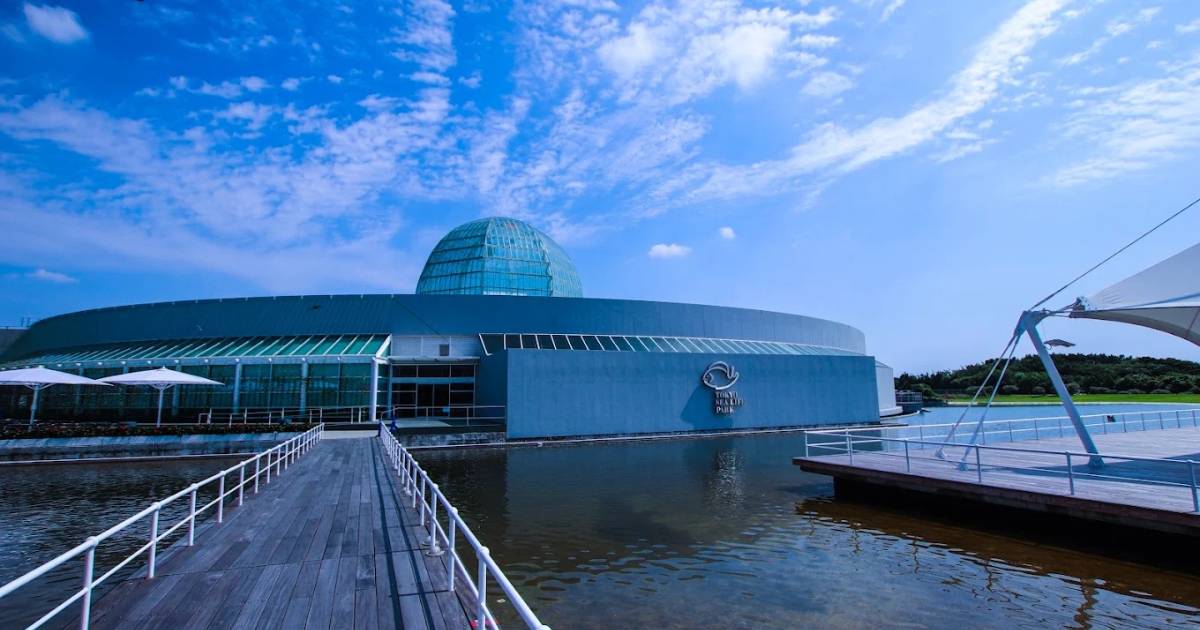
The aquarium also introduces marine life from different parts of the world and the waters around Tokyo. This gives you more to see beyond the tuna, with smaller tanks showing animals from a range of sea environments.
The penguin area is the main stop to watch the birds on land and in the water, where their movements are much quicker.
Located in Kasai Rinkai Park, Tokyo Sea Life Park pairs well with a relaxed outing outdoors. After seeing the tuna and penguins, you can enjoy a meal or spend time walking around the park.
8. Port of Nagoya Public Aquarium
- Opening hours: 9:30 AM-5:30 PM
- Entry fee: Approximately INR 1,300 per adult.
The Port of Nagoya Public Aquarium is a great option for you because it has two buildings with different themes. The North Building focuses on marine mammals, including dolphins, belugas and orcas. It also explains how their ancestors developed the ability to live in water.
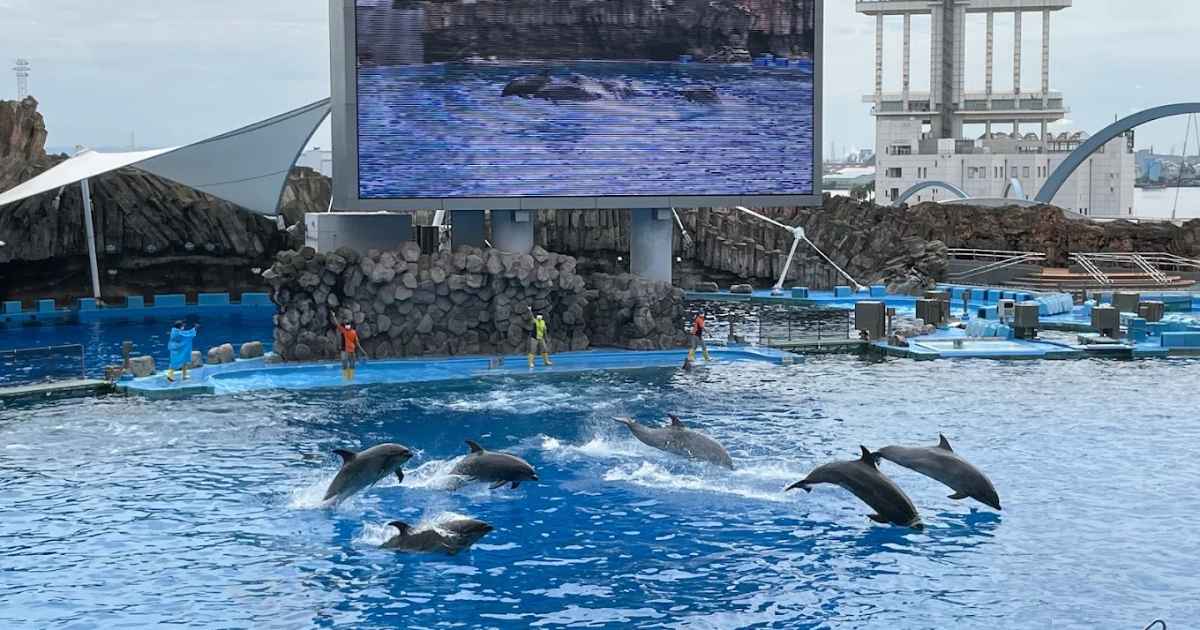
Underwater viewing areas let you watch the animals swimming below the surface. This gives you another way to observe them alongside the scheduled presentations.
The South Building takes visitors through different ocean environments, from Japan towards Antarctica, with displays featuring sea turtles, penguins and other marine life.
Nagoya also has one of the largest outdoor aquarium tanks in Japan. With two buildings and several viewing areas, this is a substantial visit. Set aside at least half a day, allowing longer if you want to watch presentations and spend time in both buildings.
9. Yokohama Hakkeijima Sea Paradise
- Opening hours: 10:00 AM – 8:00 PM
- Entry fee: Approximately INR 3,600
Yokohama Hakkeijima Sea Paradise brings together four aquarium areas, amusement rides and restaurants. It suits families who want several activities in one place rather than a visit focused only on tanks.
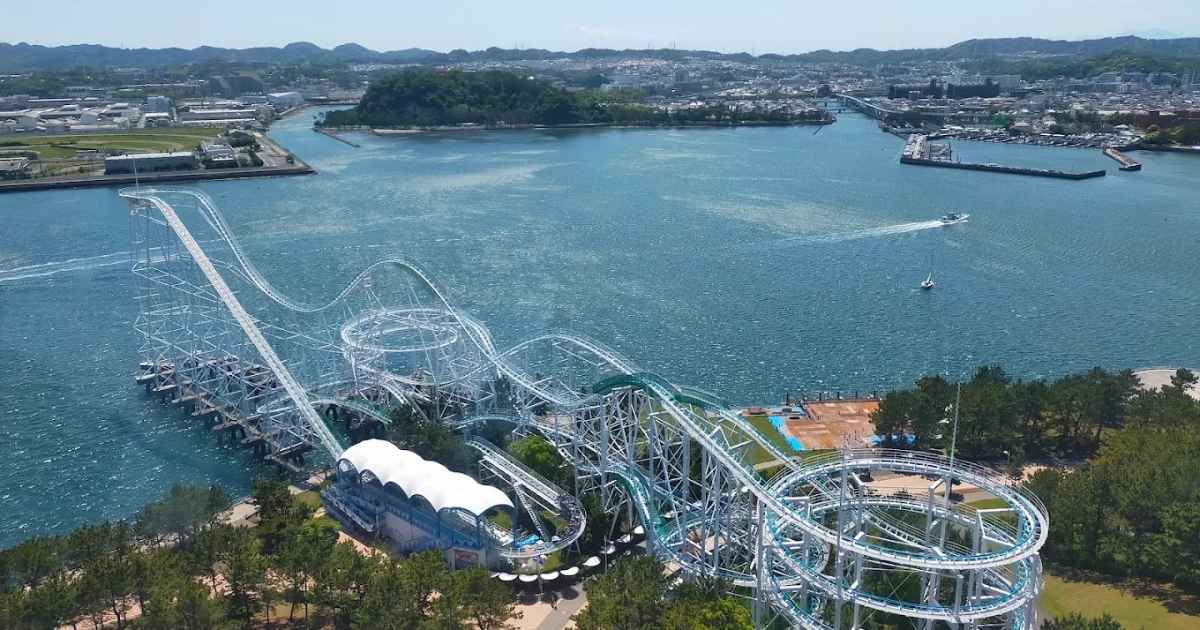
The Aqua Museum displays animals from different environments. At Dolphin Fantasy, you can watch dolphins swimming overhead through a naturally lit tank.
Fureai Lagoon has closer viewing areas and organised animal encounters. Umi Farm focuses on the connection between the sea and food, with fishing and eating activities.
The four areas give you different experiences, so decide which ones interest your group before choosing a ticket.
From dolphin viewing to animal and fishing activities, each area offers a different experience. A full-day visit leaves time to enjoy the attractions and take breaks at the island’s restaurants.
10. Enoshima Aquarium
- Opening hours: 9:00 AM-5:00 PM.
- Entry fee: Approximately INR 1,680 per adult
Enoshima Aquarium introduces the marine life found along the coast outside its doors. The Sagami Bay area focuses on these nearby waters before the displays take you farther into the Pacific and the deep sea.
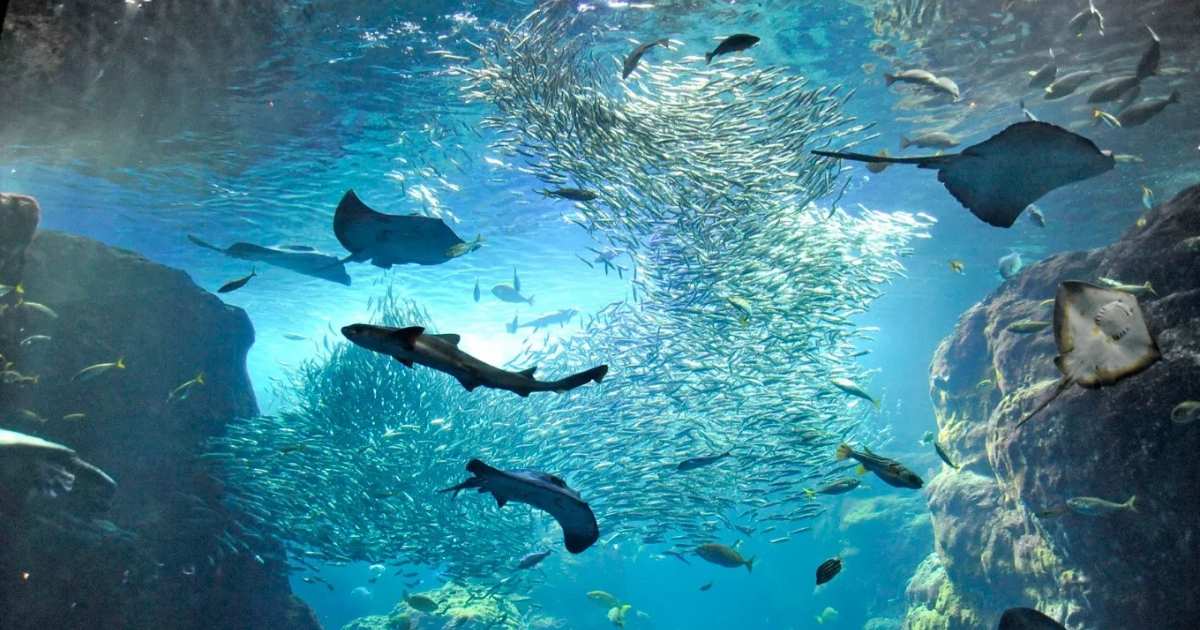
The Jellyfish Fantasy Hall features jellyfish floating through softly lit tanks. Nearby displays explain their life cycles and the work involved in caring for them.
You can also see Shinkai 2000, a research vehicle used to carry people deep underwater. Seeing the actual vehicle adds something different to the visit and helps explain how scientists study the ocean.
Enoshima Aquarium fits easily into a day trip to Enoshima, with seaside walks and local restaurants nearby.
Tips for Visiting Aquariums in Japan
- Book a timed-entry ticket in advance where available, especially for weekends and holidays, so you can secure an entry time that fits your plans.
- Check the minimum age and whether an accompanying adult needs a separate ticket before booking an animal encounter for your child.
- For clearer tank photos, turn off your flash and hold your camera close to the glass without touching it, keeping bright screens and lights behind you out of the reflection.
- Ask about stroller access and storage if you are visiting with young children, as facilities differ between aquariums.
- Confirm re-entry rules before leaving for lunch, as your ticket may not allow you to return later that day.
- Look at the show and feeding timetable when you arrive, then plan your walk around the sessions you want to watch.
Final Thoughts
You do not need to visit every aquarium on the list. Choose one that interests you and give yourself time to enjoy it. Watching the same tank for a few extra minutes can reveal more than moving quickly through every display.
Once you have chosen, keep the rest of that day manageable. A meal nearby or a walk outside leaves room to stay longer if a particular section catches your attention.
Share your travel dates, preferred cities and the aquarium you want to visit with Dimaak Tours. We can help plan your stay, sightseeing and travel between stops around the experiences you want.
FAQs About Aquariums in Japan
1. Which is the best aquarium in Japan?
Osaka Aquarium Kaiyukan is one of the best aquariums for first-time visitors whose trip includes Osaka, especially for its whale sharks and views from different floors. Okinawa Churaumi is another option for its huge Kuroshio Sea tank. The best aquarium in Japan for your trip depends on your route and interests.
2. Which is the biggest aquarium in Japan?
The Port of Nagoya Public Aquarium is Japan’s biggest aquarium by total floor area, covering about 41,529 square metres, with around 27 million litres of water across its tanks and pools. However, Okinawa Churaumi Aquarium has the largest single indoor display tank, the Kuroshio Sea, which holds 7.5 million litres of water.
3. Which aquariums in Japan are best for families?
Sunshine and Sumida are convenient for families staying in Tokyo. Kaiyukan suits children interested in large marine animals, while Hakkeijima Sea Paradise combines aquariums with rides. Kyoto Aquarium and Tokyo Sea Life Park are useful choices if you also want time in a surrounding park.
