


Key Highlights
|
Japan is known for anime and ramen, but its shopping experience goes far beyond these popular favourites. Shopping in Japan can be one of the most enjoyable parts of the trip, where you can find everything from anime figurines and Daruma dolls to Kariyushi shirts from Okinawa and even certificates for climbing Mt. Fuji. Honestly, you can find almost anything and everything in Japan.
Whether you’re picking up quirky items at convenience stores, filling your basket at Don Quijote, or exploring districts full of anime, fashion, and traditional crafts, shopping in Japan is often a highlight of any trip.
If you’re planning to travel to this beautiful country and want to know the best souvenirs from Japan to bring back to India, then keep reading because I’m about to share the best things to buy from Japan.
Quick List: What Is Worth Buying in Japan?
| Category | Best Purchases |
| Traditional souvenirs | Daruma dolls, folding fans, kokeshi dolls, goshuincho, maneki-neko, omamori |
| Japanese Snacks and Food Gifts | Matcha & Green Tea, Japanese KitKats
Japanese Instant Ramen |
| Anime, Pokémon & Gaming Merchandise | Pokémon Merchandise, Anime Figures & Manga, Capsule Toys (Gachapon) |
| Japanese Fashion | Japanese Denim, Sukajan Jackets, Yukata |
| Japanese Beauty & Wellness Products | Japanese Skincare Products, Japanese Hair & Beauty Gadgets |
| Japanese Electronics | Watches, stationery, and Japanese kitchen knives |
Traditional Japanese Souvenirs
1. Daruma Dolls
If you’ve seen a round red Japanese doll with angry eyebrows and blank white eyes, that’s a Daruma doll. In Japan, these dolls stand for perseverance and good luck, inspired by Bodhidharma, the founder of Zen Buddhism. Traditionally, paint one eye when making a wish or setting a goal, and fill in the second eye once they achieve it.
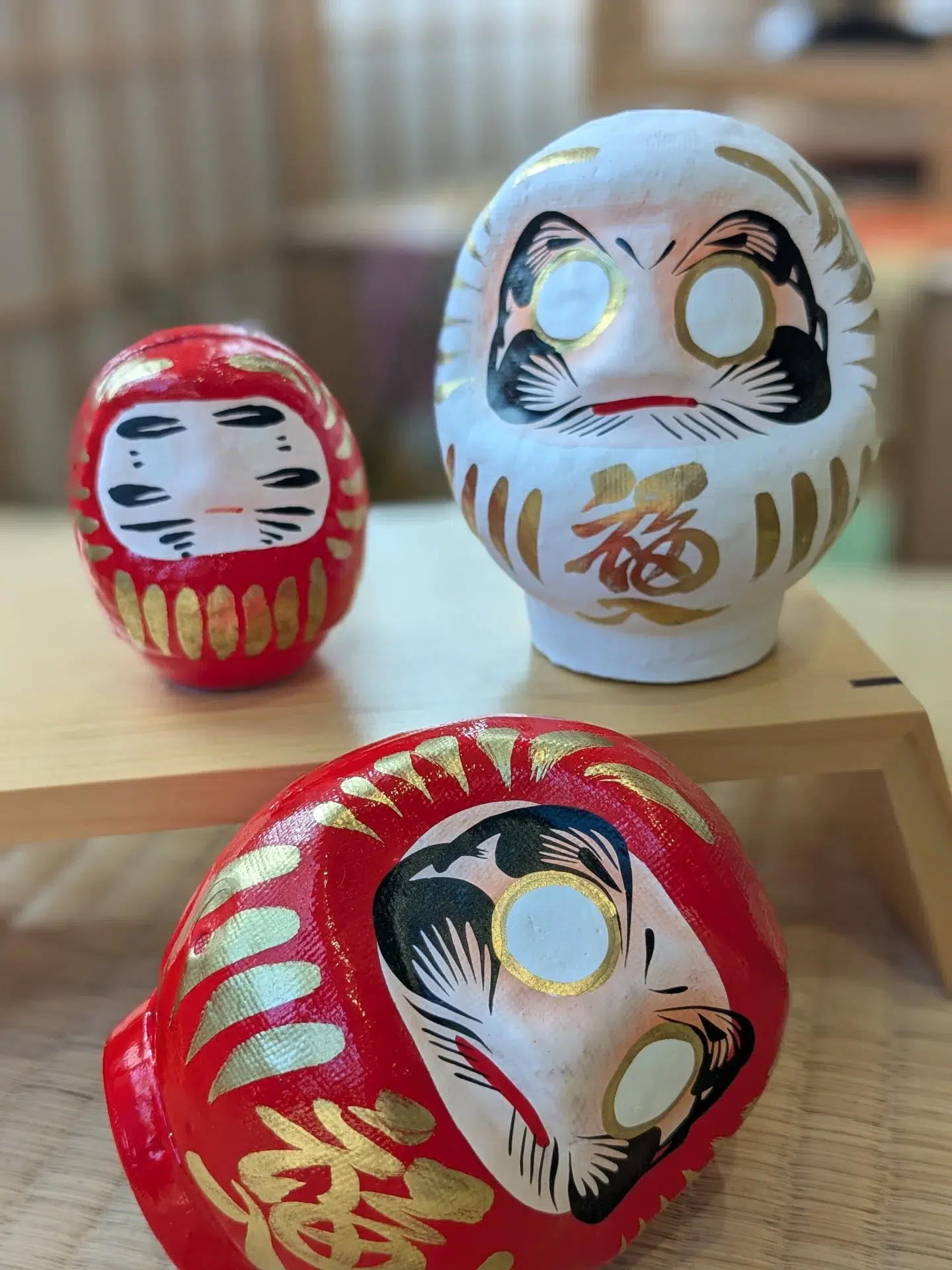
Daruma dolls make meaningful souvenirs because they represent perseverance and goal-setting. They come in different colours, each representing something like success, love, wealth, or health. The smaller ones are easy to pack and make great gifts.
More About Daruma Dolls:
- Where you can buy: Senso-ji Temple Market, Kyoto souvenir shops, Nakamise Street, Don Quijote
- Average Cost: Approx ¥800-¥5,000 around ₹475 to ₹3000
- Buying tip: Choose a size that can be packed safely, especially if buying a ceramic or handmade version.
2. Japanese Folding Fans (Sensu & Uchiwa)
Japanese folding fans are not just pretty souvenirs people pose with in photos. They’ve been part of Japanese culture for centuries and were once used by samurai, nobles, and performers. Folding fans called Sensu open and close, while flat fans called Uchiwa are commonly seen during Japanese summer festivals.
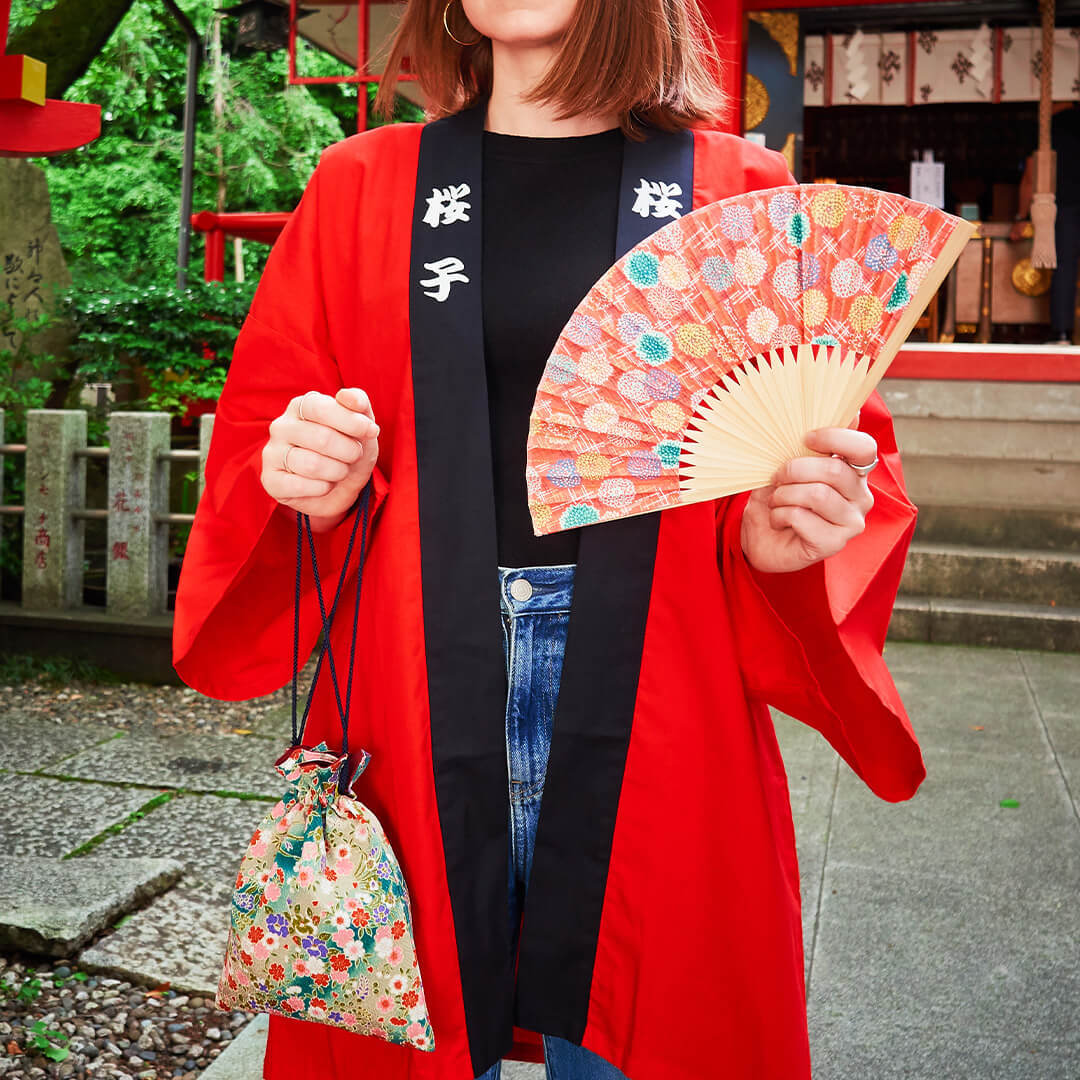
These fans often show cherry blossoms, cranes, koi fish, Mount Fuji, or other traditional Japanese art. They are lightweight, easy to pack and especially useful during Japan’s hot summer months. Many travellers buy them because they look elegant and affordable Japanese souvenirs to bring home.
More About Japanese Folding Fans:
- Where you can buy: Kyoto handicraft stores, Asakusa, Nishiki Market, souvenir shops near temples
- Average Cost: Approx ¥500-¥4,000 around ₹300 to ₹2300
- Buying Tip: Fans made with bamboo frames and washi paper tend to last longer than those made from plastic.
3. Kokeshi Dolls
Kokeshi dolls are traditional wooden dolls from northern Japan and have been made for more than 150 years. Craftsmen in hot spring towns originally created them as toys and souvenirs for visitors. Today, people around the world collect them because each doll has a unique face, hairstyle, and kimono pattern. Kokeshi doll’s appearance:
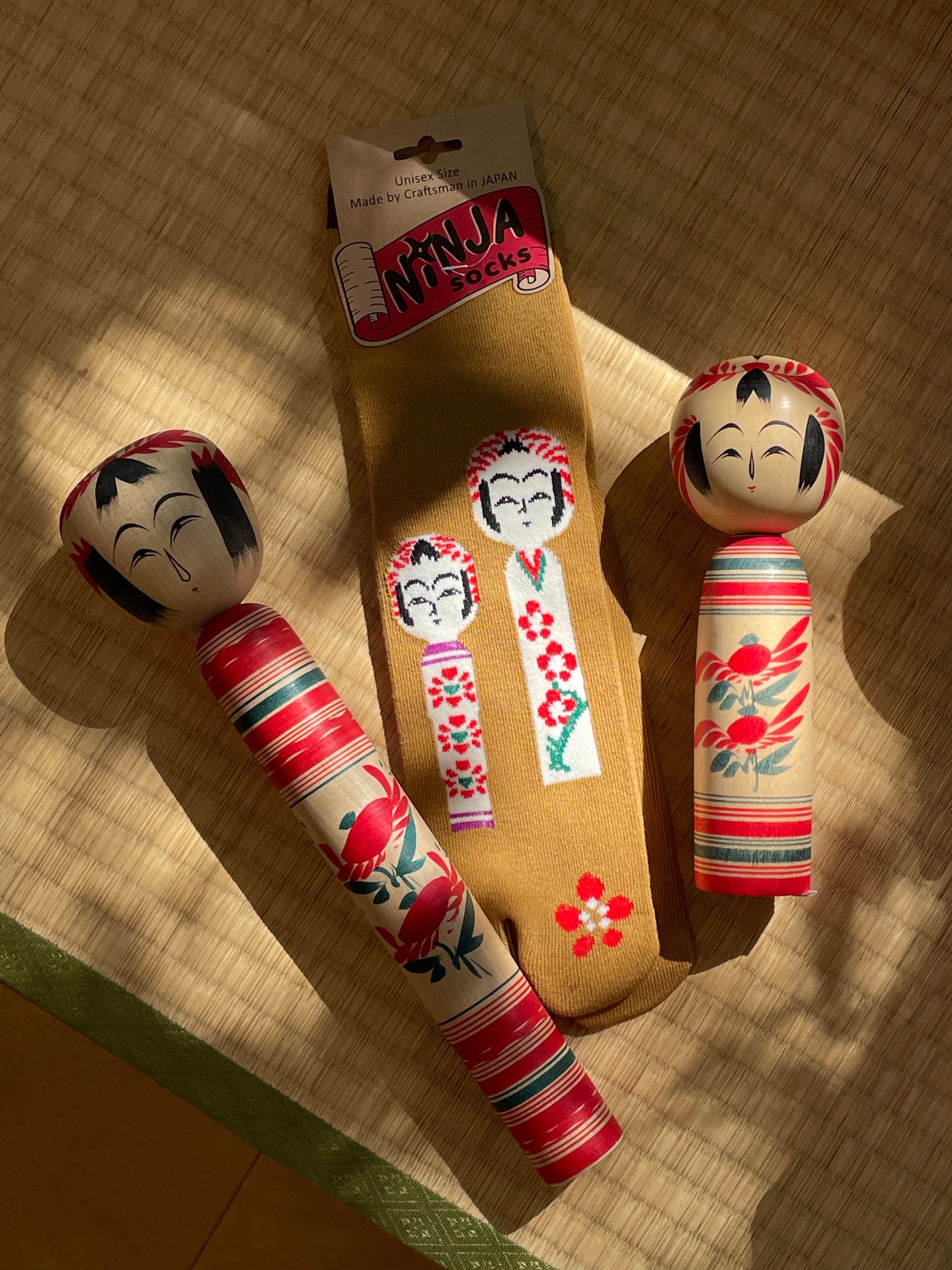
- Kokeshi dolls are made without arms or legs.
- These wooden dolls are usually painted in bright colours.
- Each Kokeshi doll reflects the maker’s unique style and can also reveal where it was made.
More About Kokeshi Dolls
- Where you can buy: Tohoku craft stores, Kyoto markets, Tokyo Station souvenir stores
- Average Cost: Approx ¥1,300-¥8,000 around ₹800 to ₹5,000
- Buying Tip: Handmade wooden dolls with hand-painted faces are more authentic.
4. Goshuin Temple Stamps
One of the best things to buy from Japan to India is a Goshuin book. These are special stamp books in which temples and shrines handwrite beautiful calligraphy for visitors.
Originally, Goshuin stamps were proof that pilgrims had copied Buddhist sutras, but today they’ve become collectable travel keepsakes. Every temple has a different design, making the book feel like a personalised travel diary. For travellers interested in temples and shrines, a goshuincho can become a meaningful record of the journey.
- Where you can buy: Temples and shrines across Japan
- Average Cost: Approx ¥800-¥3,500 around ₹500 to ₹2,000
- Buying Tip: Carry the book with you on temple and shrine visits, as each location has its own procedure and availability.
5. Maneki-neko (Lucky Cat)
The well-known waving cat often seen in restaurants is originally from Japan. Maneki-neko, which means “beckoning cat,” is thought to bring good luck and prosperity and is one of the unique stuff to buy in Japan
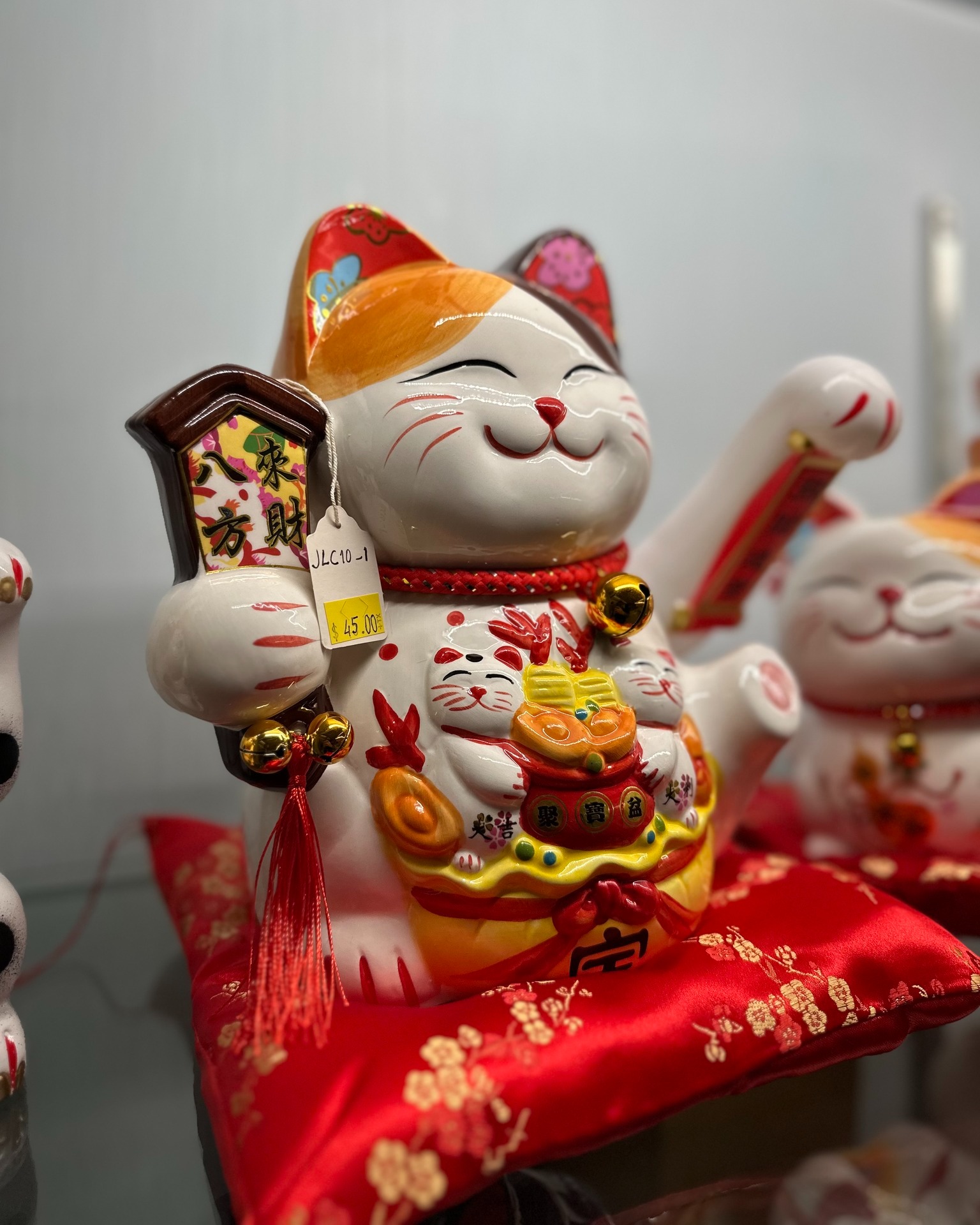
Each colour has its own meaning. White stands for happiness, gold represents wealth, and black is said to protect against bad luck. Small maneki-neko figures are easy to pack and make cheerful gifts for homes, offices or businesses.
More About Maneki-neko
- Where you can buy: Asakusa, Kyoto souvenir markets, Don Quijote, craft shops and variety stores
- Average Cost: Approx ¥500-¥8,000 around (₹300 to ₹5,000)
- Buying Tip: Ceramic versions are usually more durable than plastic ones.
6. Omamori Lucky Charms
Omamori are small Japanese amulets found at temples and shrines. Each one is dedicated to a particular Shinto god or Buddhist figure and is believed to offer a certain kind of luck or protection. These charms can represent wishes for success, safe travels, love, health, good exam results, or wealth.
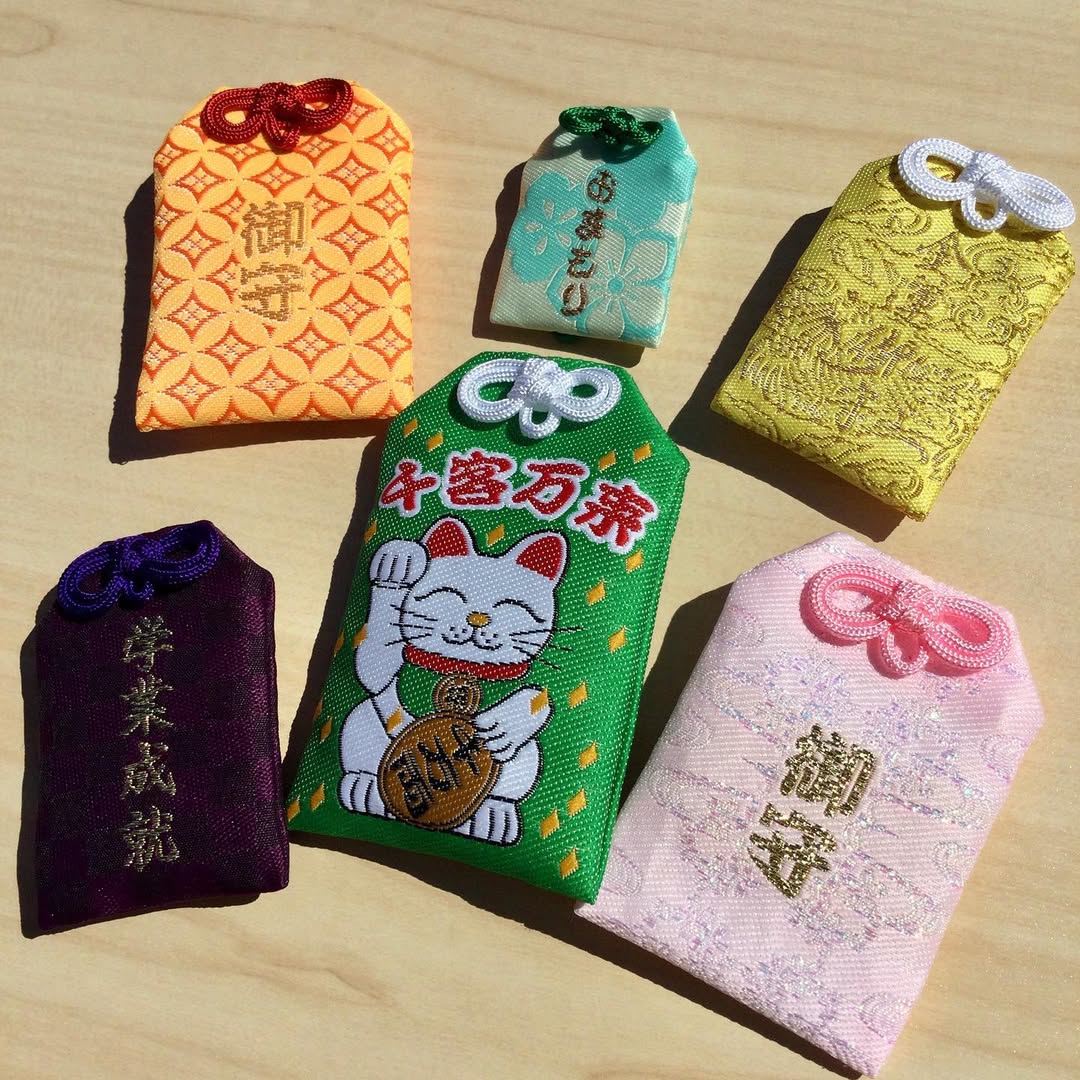
In Japan, people often keep omamori in their bags, wallets, or on their phones. Even if you are not religious, they are special souvenirs because each one reminds you of a wish or memory from your trip. They are among the most compact and meaningful items travellers can bring home from Japan for their friends and family.
- Where you can buy: Temples and shrines across Japan
- Average Cost: Approx ¥500-¥2,500 (around ₹300 to ₹1,500)
- Buying Tip: Authentic omamori are available exclusively at official temples and shrines.
Japanese Snacks and Food Gifts
7. Japanese Matcha & Green Tea
Matcha has been part of Japanese tea ceremonies for centuries, especially in Kyoto, which is famous for producing some of the best matcha in the country. Unlike regular green tea, matcha is made by grinding tea leaves into a fine powder, giving it a richer taste and higher caffeine content.
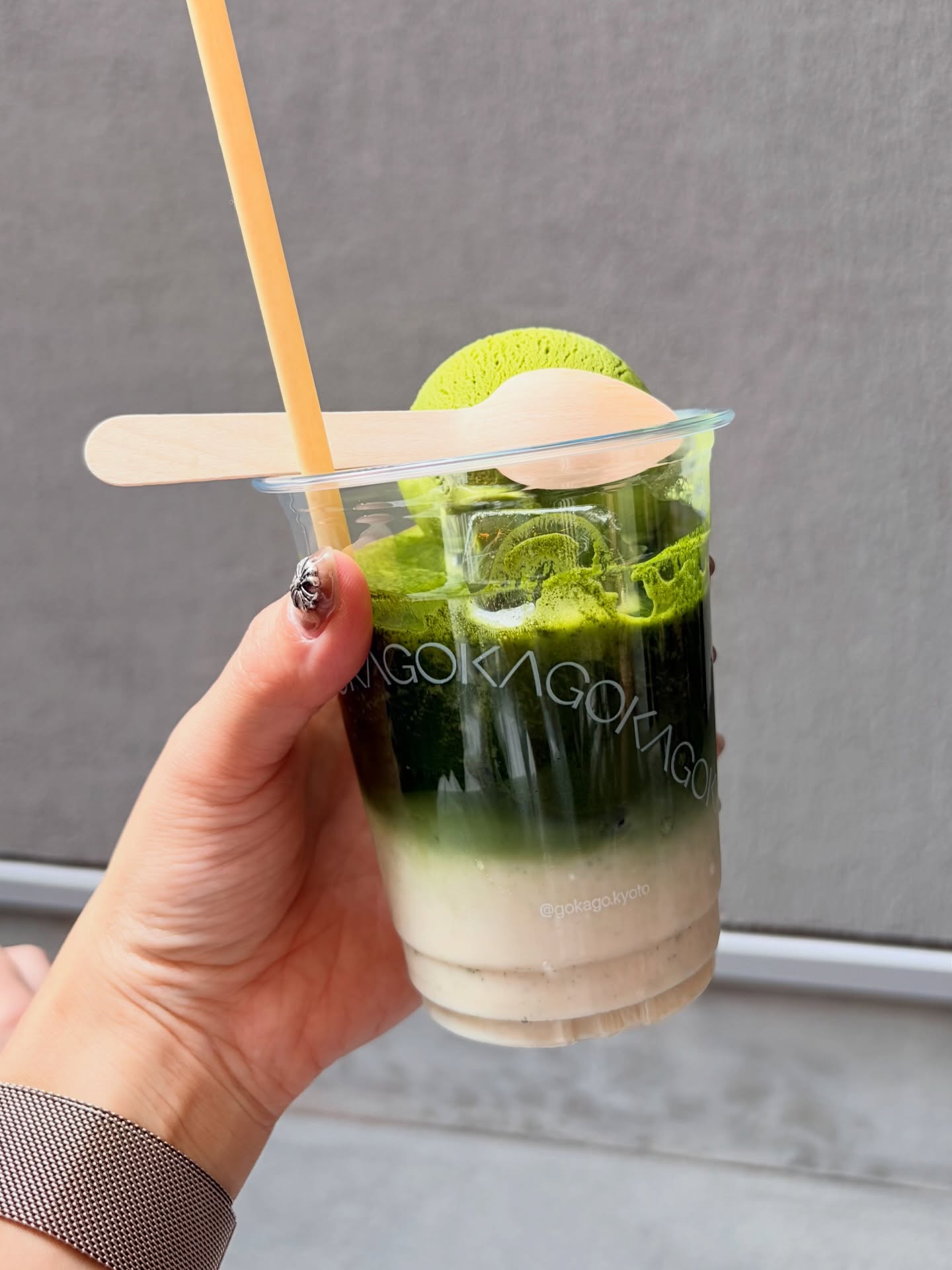
You’ll find matcha everywhere in Japan, from tea packets and sweets to matcha KitKats and ice cream. Many travellers bring home ceremonial-grade matcha because it’s hard to find authentic quality elsewhere.
More About Japanese Matcha & Green Tea
- Where you can buy: Tea shops in Kyoto and Uji, department stores, supermarkets and souvenir shops
- Average Cost: Approx ¥800-¥6,500 (around ₹500 to ₹4,000)
- Buying Tip: Good matcha is bright green. If the powder looks dull or yellowish, it is not high quality.
8. Japanese KitKats
KitKats are a huge craze in Japan. Unlike most countries that stick to chocolate, Japan offers hundreds of unique and surprising flavours, such as matcha, sake, cheesecake, sweet potato, melon, wasabi, and even soy sauce.
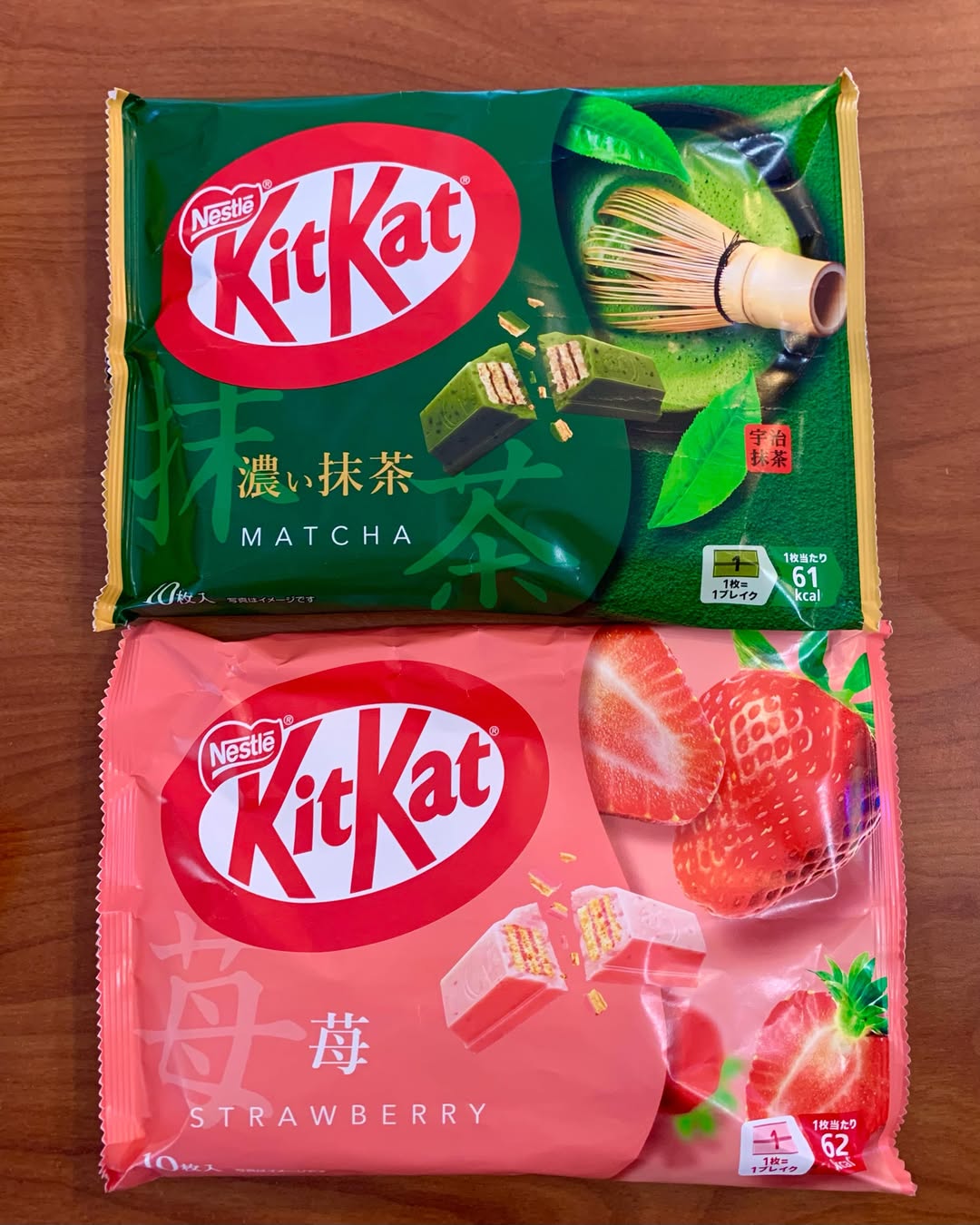
This popularity comes from a fun language twist. “Kitto Katto” sounds a lot like the Japanese phrase Kitto Katsu, which means “you will surely win.” That’s why KitKats became a lucky gift for students before exams. And really, part of the excitement is discovering flavours you might never encounter again.
More About Japanese KitKats
- Where you can buy: Convenience stores, supermarkets, airports, Don Quijote and souvenir shops.
- Average Cost: Approx ¥250-¥2,000 (around ₹150 to ₹1,200)
- Buying Tip: Flavours and packaging change seasonally, so buy a variety when you find one you particularly like.
9. Japanese Instant Ramen
Instant noodles were invented in Japan by Momofuku Ando in 1958, and honestly, the world has never recovered since. Japanese instant ramen is completely different from basic supermarket noodles. The broths are richer, the toppings are better, and some premium ramen packs taste surprisingly close to restaurant ramen.
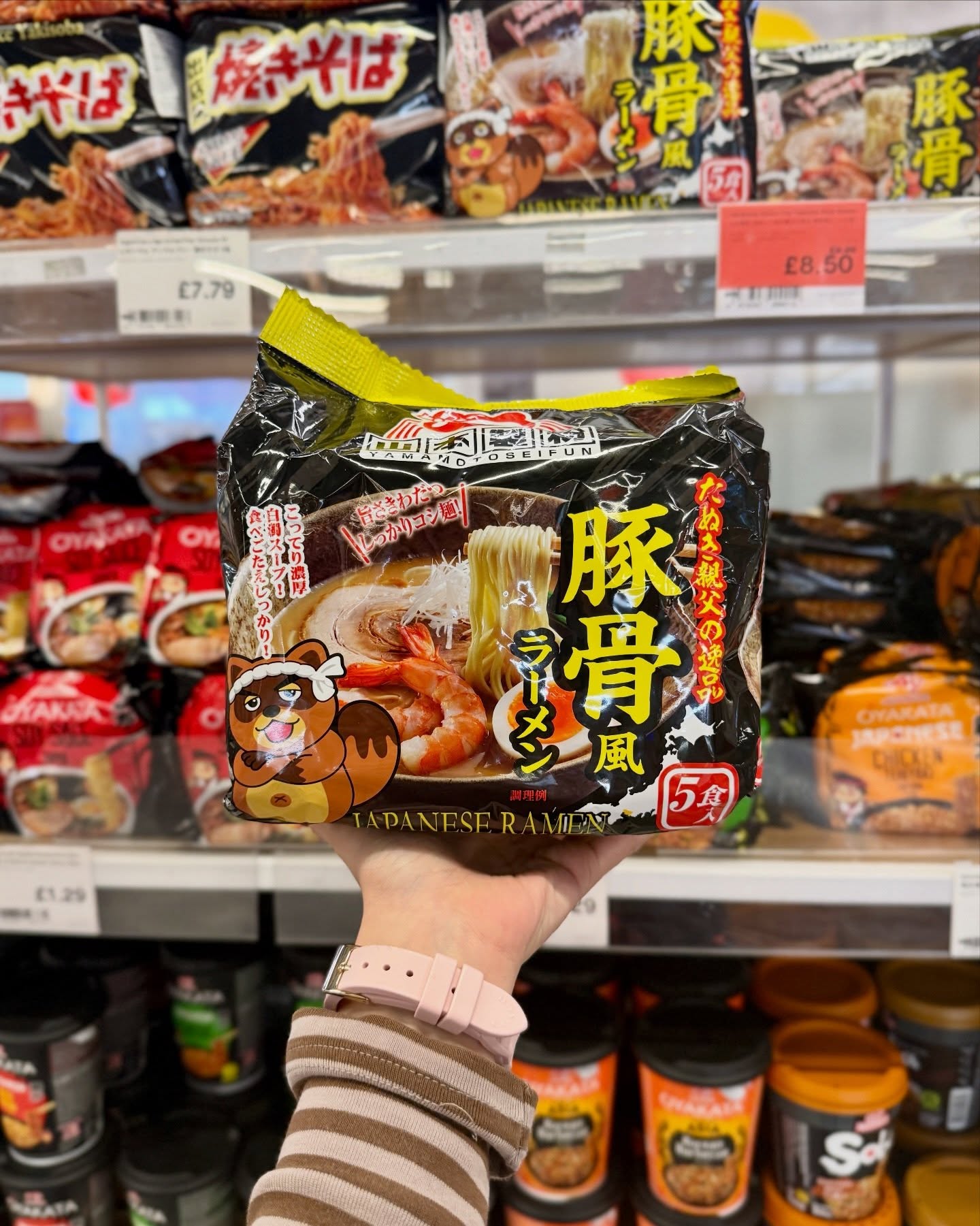
You’ll find famous brands like Ichiran, Nissin, and Ippudo, along with regional flavours from Hokkaido, Tokyo, and Kyushu. Many travellers buy ramen because it’s affordable, lightweight, and weirdly comforting once you’re back home, missing Japan.
More About Japanese Instant Ramen
- Where you can buy: Convenience stores, supermarkets, Don Quijote and ramen-themed souvenir shops.
- Average Cost: Approx ¥150-¥2,500 (around ₹100 to ₹1,500)
- Buying Tip: Check the ingredient label if you have vegetarian, halal or dietary preferences. Carry sealed packaged products and confirm Indian customs rules before travelling with food items.
Anime, Pokémon and Gaming Merchandise
10. Official Pokémon Merchandise
You don’t have to be an anime fan to feel tempted to spend money at a Pokémon Centre in Japan. Since Pokémon started here, the official stores are packed with exclusive plushies, stationery, cards, keychains, clothes, and collectables you won’t find anywhere else.
Each city has its own special Pokémon mascots that reflect the local culture. In Osaka, you’ll find comedian-themed merchandise, while Okinawa offers tropical Pokémon items. Visiting these stores feels a bit like stepping into a mini theme park.
More About Pokémon Merchandise
- Where you can buy: Pokémon Centres in Tokyo, Osaka, Kyoto, Yokohama
- Average Cost: Approx ¥500-¥25,000 (around ₹300 to ₹15,000)
- Buying Tip: For gifts, stationery, keychains and small plush toys are easier to pack than large collectables.
11. Anime Figures & Manga
Japan is a dream come true for anime fans. Shops in Akihabara, Ikebukuro, and Nakano Broadway are full of anime figures, manga, posters, cosplay gear, and rare collectables.
You can find everything from cheap keychains to display cases filled with figures that cost more than your plane ticket. Even if you are not an anime fan, seeing how big anime culture is in Japan is an experience in itself.
Manga is also a great souvenir since many editions come with beautiful covers, artwork, and special packaging for collectors. Japanese is written and read vertically from right to left, so manga is printed that way too. At first, Western publishers flipped the images for left-to-right reading, but now most keep the original format to respect the artist’s vision and layout.
More About Anime Figures & Manga
- Where you can buy: Animate, Mandarake, Akihabara stores, Ikebukuro and Nakano Broadway
- Average Cost: Approx ¥500-¥40,000+ (around ₹300-₹25,000+)
- Buying Tip: Check the packaging condition carefully when buying figures, especially if the item is intended for display or collection.
12. Capsule Toys (Gachapon)
In Japan, vending machines have become a form of entertainment. Gachapon, or gacha gacha, are small capsule toys you can buy from these machines. They feature anime characters, animals, food miniatures, quirky gadgets, and all sorts of things that people may not need but still find irresistible.
Capsule toys usually cost between 100 and 500 yen each. Over the past ten years, capsule sales have grown by 1.5 times, reaching 40 billion yen. There are now more than 700,000 machines across Japan.
Some are adorable, some are hilarious, and some are deeply confusing. That’s the beauty of it. Many travellers end up carrying home dozens of these tiny toys because they’re cheap, addictive, and weirdly fun to collect.
More About Capsule Toys (Gachapon)
- Where you can buy: Akihabara, train stations, shopping malls, arcades
- Average Cost: Approx ¥100-¥500 (around ₹59 to ₹250)
- Buying Tip: Most official anime gachapon include branded labels inside each capsule.
Japanese Fashion
13. Japanese Denim
Japan is actually one of the top names in premium denim. Japanese brands became well known for recreating vintage American jeans with traditional weaving techniques and high-quality selvedge denim.

Brands such as Edwin, Momotaro, Oni Denim, and Samurai Jeans are now respected worldwide. People appreciate Japanese denim because it ages well and develops unique fading patterns based on how it is worn. Even if you are not a denim fan, the craftsmanship stands out.
More About Japanese Denim
- Where you can buy: Harajuku, Osaka Amerikamura, department stores
- Average Cost: Approx ¥8,000-¥40,000 (around ₹₹4,760-₹23,800)
- Buying Tip: Selvedge denim often features coloured stitching along the edges of the seams.
14. Sukajan Jackets
Sukajan jackets are embroidered satin jackets that were inspired by American military jackets after World War II. Over the years, they became a symbol of Japanese street fashion.

These jackets often feature designs such as dragons, tigers, cranes, koi fish, cherry blossoms, or Mount Fuji stitched across the back. They are bold, dramatic, and truly hard to miss. Many travellers buy Sukajan jackets because they bring together Japanese history, streetwear culture, and wearable art in a single piece.
More About Sukajan Jackets
- Where you can buy: Harajuku, vintage stores, Yokosuka markets
- Average Cost: Approx ¥6,500-¥32,000 (around ₹3,870 to ₹19,100)
- Buying Tip: Jackets with heavy embroidery and satin lining are usually made with better craftsmanship.
15. Yukata
A yukata is a lighter and more casual type of kimono, and it’s one of the most popular traditional items you can buy in Japan. People first wore yukatas after bathing at Japanese hot spring inns, called onsen. Over time, they became a favourite outfit for summer festivals all over the country.
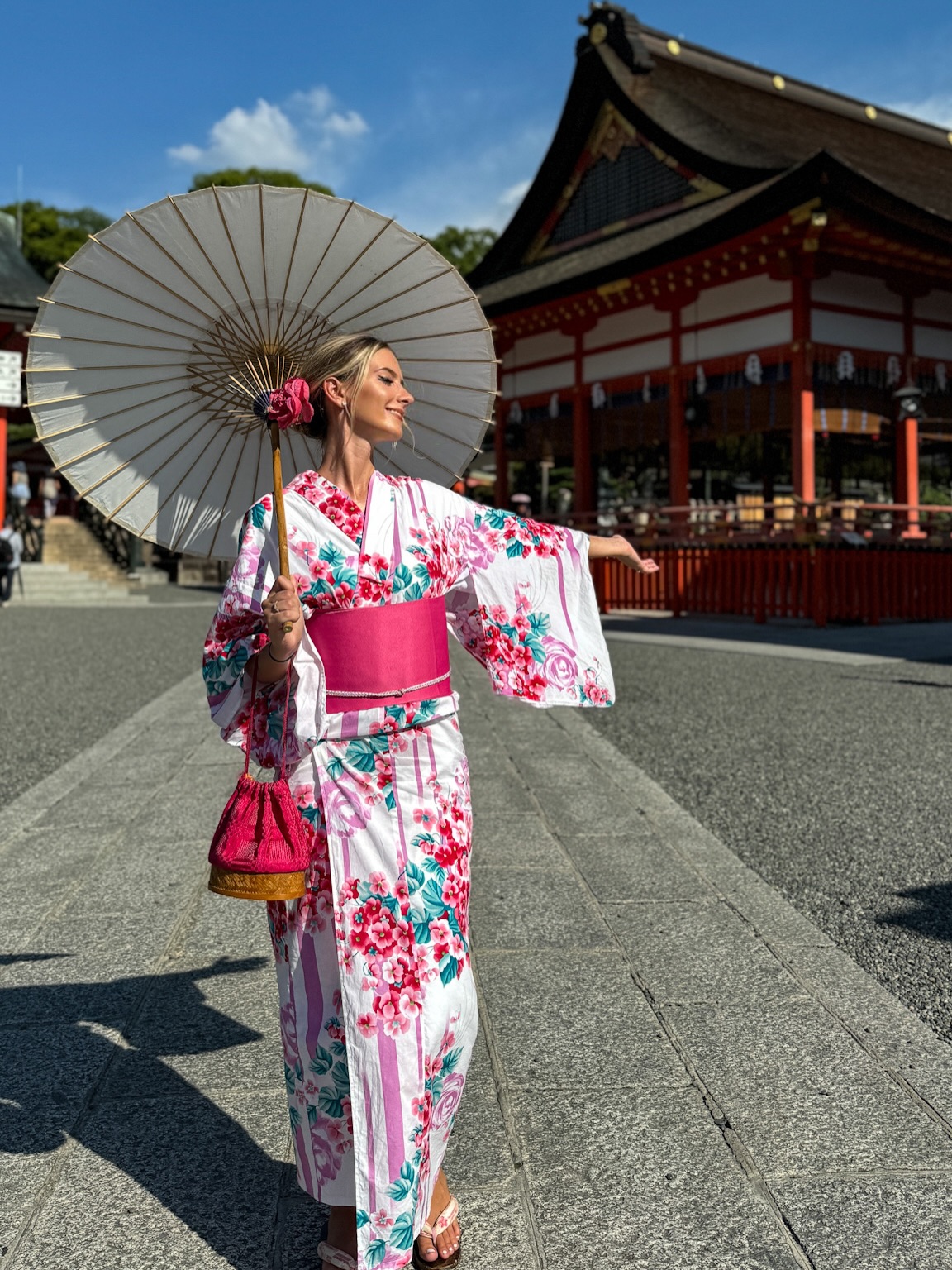
Buying a yukata in Japan can feel like you’re in your own travel movie. When you put one on and walk through lantern-lit streets, try Japan’s street food, or visit shrines, the whole experience feels much more special.
Yukatas often feature beautiful designs such as floral prints, cherry blossoms, cranes, waves, and other traditional Japanese motifs. You can find affordable cotton yukatas at markets, as well as premium handcrafted ones in luxury shops.
More About Yukata
- Where you can buy: Kyoto, Asakusa, Nishiki Market, Don Quijote, traditional kimono stores, temple market streets
- Average Cost: Approx ¥5,000-¥24,000 (around ₹2,900 to ₹14,500)
- Buying Tip: Before you buy, look at the stitching, print quality, and fabric thickness. Handwoven or locally made yukatas often feel softer and more comfortable.
Japanese Beauty & Wellness Products
16. Japanese Skincare Products
Japanese skincare is popular around the world for good reason. In Japan, the focus is on hydration, gentle ingredients, and prevention of problems rather than harsh treatments.
Brands such as Shiseido, Hada Labo, SK-II, DHC, and Canmake are known for their quality and lower prices than in other countries. Many people especially like to buy sheet masks, cleansing oils, sunscreens, and lotions. Japanese sunscreens are especially popular. They feel light, are not sticky, and work better than many regular sunscreens.
More About Japanese Skincare Products
- Where you can buy: Matsumoto Kiyoshi, Don Quijote, Loft, department stores
- Average Cost: Approx ¥800-¥24,000 (around ₹470 to ₹14,300)
- Buying Tip: Buy sealed products from trusted pharmacies to avoid fake cosmetics.
17. Japanese Hair & Beauty Gadgets
Beauty technology is everywhere in Japan. You can spot facial cleansing brushes, heated eyelash curlers, scalp massagers, compact hair stylers, and all kinds of futuristic skincare gadgets almost anywhere you go.
Some of these products look like little gadgets from a sci-fi movie, but they are actually very practical. Japanese beauty gadgets are known for being useful, innovative, and compact. Many travellers pick them up in Japan because they usually cost less than elsewhere.
More About Japanese Hair & Beauty Gadgets
- Where you can buy: Bic Camera, Yodobashi Camera, Loft, Tokyu Hands
- Average Cost: Approx ¥1,500-¥40,000 (around ₹1,000 to ₹25,000)
- Buying Tip: Check voltage compatibility before buying electronic beauty devices.
Japanese Electronics
18. Japanese Rice Cookers
At first, this might seem boring, but in Japan, rice cookers are almost like luxury items. Rice is a big deal there, and brands such as Zojirushi and Tiger make high-end cookers with different cooking modes, temperature controls, and smart features.
Some people even travel home with their rice cookers because they feel so attached to them. That shows just how good these cookers are.
More About Japanese Rice Cookers
- Where you can buy: Bic Camera, Yodobashi Camera, electronics malls
- Average Cost: Approx ¥8,000-¥65,000+ (around ₹5,000 to ₹40,000+)
- Buying Tip: Make sure the product’s voltage matches your country’s standard, and check whether the warranty covers international use.
19. Japanese Watches
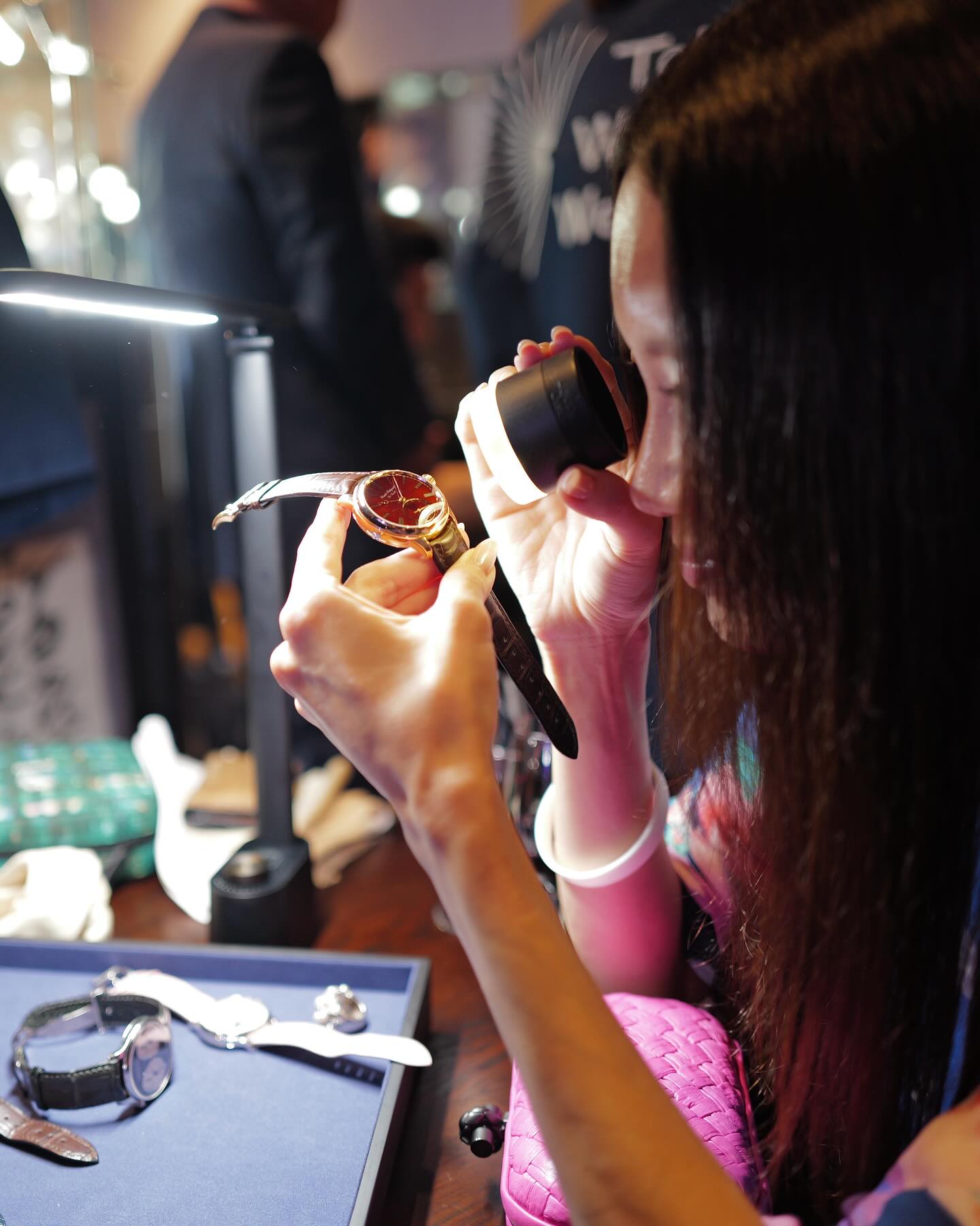
Japan is home to some of the world’s most respected watch brands, including Seiko, Casio, Citizen, and Grand Seiko.
Many travellers buy watches in Japan because prices are often lower and it is easier to find Japan-exclusive editions. Vintage watch collectors especially enjoy Tokyo, where rare models in great condition are available. Whether you want an affordable G-Shock or a luxury Grand Seiko, there is something for every budget.
More About Japanese Watches
- Where you can buy: Ginza, Bic Camera, Yodobashi Camera, Nakano Broadway
- Average Cost: Approx ¥5,000-¥5,00,000+ (around ₹3,000 to ₹3,00,000+)
- Buying Tip: Make sure you buy from authorised retailers, and always check the serial numbers and warranty cards.
Japanese Stationery & Lifestyle Items
20. Japanese Stationery
Japan has managed to make stationery exciting again. Japanese pens, notebooks, stickers, stamps, washi tape, and planners are known worldwide for their great design and quality.
In Japan, stationery is as popular as pop idols. Enthusiasts rank their favourite pens, and big events like the Bunguashi Haku festival attract crowds who love to record their ‘pen hauls’ on camera.
Even people who have not written notes in years end up buying stacks of notebooks when they visit Tokyo. Stores such as Loft and Tokyu Hands are like playgrounds for adults who love stationery. Popular brands include Pilot, Zebra, Midori, Kokuyo, and Muji.
More About Japanese Stationery
- Where you can buy: Loft, Tokyu Hands, Itoya Ginza, Muji
- Average Cost: Approx ¥150-¥8,000 (around ₹100 to ₹4,800)
- Buying Tip: Japanese pens usually write more smoothly and last longer than cheaper copies.
21. Japanese Kitchen Knives
Japanese knives have a legendary reputation among chefs and cooking fans. The traditional techniques used to make them go back to the days of samurai swords, which is why some knives are so impressively sharp.
Brands from cities like Seki and Sakai are known worldwide for their precision in craftsmanship. Many home cooks choose Japanese knives because they are light, strong, and extremely sharp. It might be the only souvenir that makes chopping onions feel like a treat.
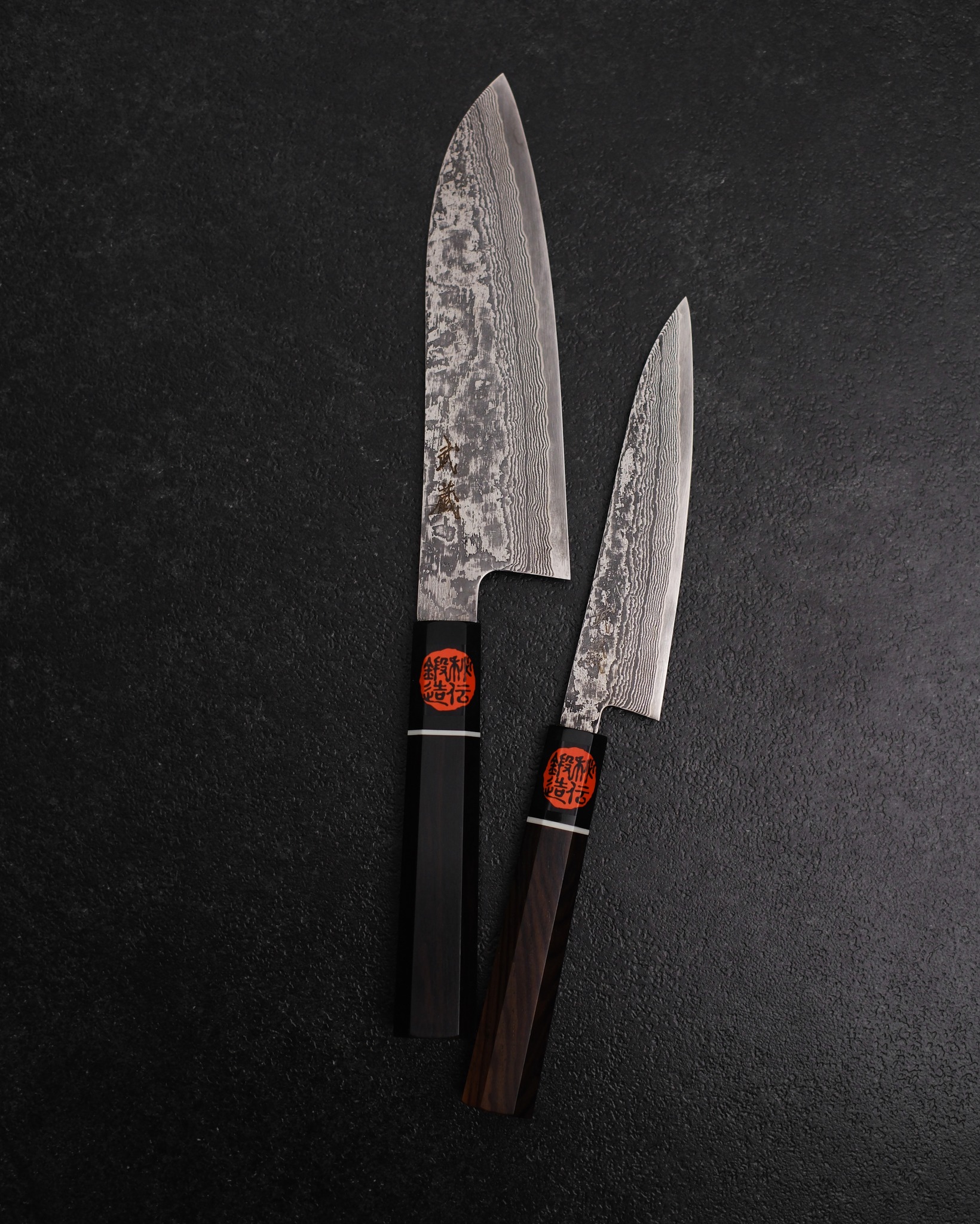
Note: Knives are not allowed in hand luggage, so pack all knives in your checked luggage. Make sure they are sheathed, wrapped in bubble wrap, or kept in their original packaging to protect baggage handlers.
More About Japanese Kitchen Knives
- Where you can buy: Kappabashi Kitchen Street, department stores, knife speciality shops
- Average Cost: Approx ¥5,000-¥80,000+ (around ₹3,000 to ₹50,000+)
- Buying Tip: Authentic Japanese knives typically list both the type of steel used and the country of origin.
Tips to Shop in Japan
Here are some practical tips to apply while you are on your shopping spree in Japan:
- Carry Your Passport for Tax-Free Shopping: Many stores in Japan allow tourists to shop tax-free. If you spend more than about ¥5,000, you can save 10% by showing your passport at checkout.
- Keep Some Cash with You: Japan is very modern, but many small shops, markets, temples, and vending machines still prefer cash. It’s a good idea to keep some Japanese yen with you when you shop.
- Visit Don Quijote for Budget Shopping: Locals call it Donki, and it’s a great place to find snacks, cosmetics, souvenirs, electronics, and other fun Japanese products at good prices.
- Explore Convenience Stores: Convenience stores like 7-Eleven, Lawson, and FamilyMart are great spots for cheap snacks, drinks, desserts, and even small souvenirs.
- Shop at 100-Yen Stores: Shops like Daiso and Seria offer good-quality items at low prices. You can find stationery, kitchen goods, souvenirs, beauty products, and travel accessories there.
- Check Airline Baggage Limits: Japanese shopping can get out of hand. It’s easy to buy a lot when shopping in Japan. Snacks, figures, skincare, and souvenirs can add up in weight, so check your airline’s baggage rules before you shop too much. r
- Buy Limited-Edition Regional Products: Many cities in Japan have special snacks, KitKat flavours, Pokémon items, or souvenirs you can only get there. If you spot something unique, buy it as you might not see it again.
Final Thoughts
Shopping in Japan really is an adventure. One moment you might be picking up a traditional Daruma doll, and the next you’re at a vending machine that sells hot ramen, umbrellas, and even mystery toys. Whether you’re after anime merchandise, matcha snacks, luxury watches, or handmade souvenirs, there’s something here for every traveller.
The hardest part is usually figuring out how to fit all your new finds into your suitcase before heading home. If you’re planning a trip and want things to go smoothly, Dimaak Tours Japan Packages can help. We offer custom tours so you can explore Japan without worrying about all the details.
FAQs About Things to Buy in Japan
1) What are the must-buys from Japan?
Popular items to buy in Japan include Daruma dolls, matcha tea, Japanese KitKats, anime merchandise, Pokémon collectables, skincare products, Yukatas, watches, stationery, and kitchen knives.
2) What must I buy in Osaka?
Osaka is famous for its street food snacks, Pokémon merchandise, anime collectables, and Japanese fashion. You can also find premium kitchen knives, Japanese denim, and regional snacks that are hard to find elsewhere. Popular shopping areas include Dotonbori, Shinsaibashi, and Amerikamura.
3) What things can only be bought in Japan?
Japan offers many exclusive products you usually cannot find elsewhere, such as regional KitKat flavours, limited-edition Pokémon merchandise, Goshuin temple stamp books, Omamori charms from shrines, handcrafted Daruma dolls, Sukajan jackets, and special anime collectables sold only in Japan.
4) What can I not bring home from Japan?
Some items may be restricted depending on India’s customs rules. Fresh fruits, meat products, plants, and some medicines are often restricted. Knives should always go in checked luggage and are not allowed in carry-on bags.
