

Key Takeaways
|
Think of scuba diving in Singapore as a close-up search rather than a clear-water reef dive. Visibility can be poor, sometimes limited to just a few metres, so patience and attention to detail become part of the dive.
From the best time to visit Singapore for scuba diving to top dive sites, courses, and costs, this guide breaks down everything you need to know.
Scuba Diving in Singapore: What to Expect
Have realistic expectations when diving in Singapore. The highlight is not crystal-clear water, but easy access, warm waters, and varied marine life that rewards careful observation.
- Water Temperature: Singapore has warm tropical water year-round. The average ocean temperatures tend to stay between 27°C and 31°C.
- Visibility: This is one of the main differences between Singapore and other famous diving destinations worldwide. Sediment, tidal movement and heavy marine traffic significantly affect Singapore’s water clarity. So, diving there is better suited to spotting tiny sea life up close than to having wide views of clear, expansive reefs.
- Marine Life: Depending on the site and conditions, you can encounter nudibranchs, seahorses, cuttlefish, octopus, shrimp and crabs, clownfish, reef fish, soft and hard corals, and occasionally stingrays, turtles, and sharks.
Best Places to Scuba Dive in Singapore
Singapore has great places for scuba diving, but conditions and access vary by site. The right choice depends on your experience level, the marine life you want to see, and the day’s dive conditions.
1. Pulau Hantu
Pulau Hantu is one of Singapore’s most established local dive sites and a common choice for training and recreational diving. Pulau Hantu consists of two islets, Hantu Besar and Hantu Kecil, with dive sites ranging from shallow reefs to deeper areas of around 20 metres.
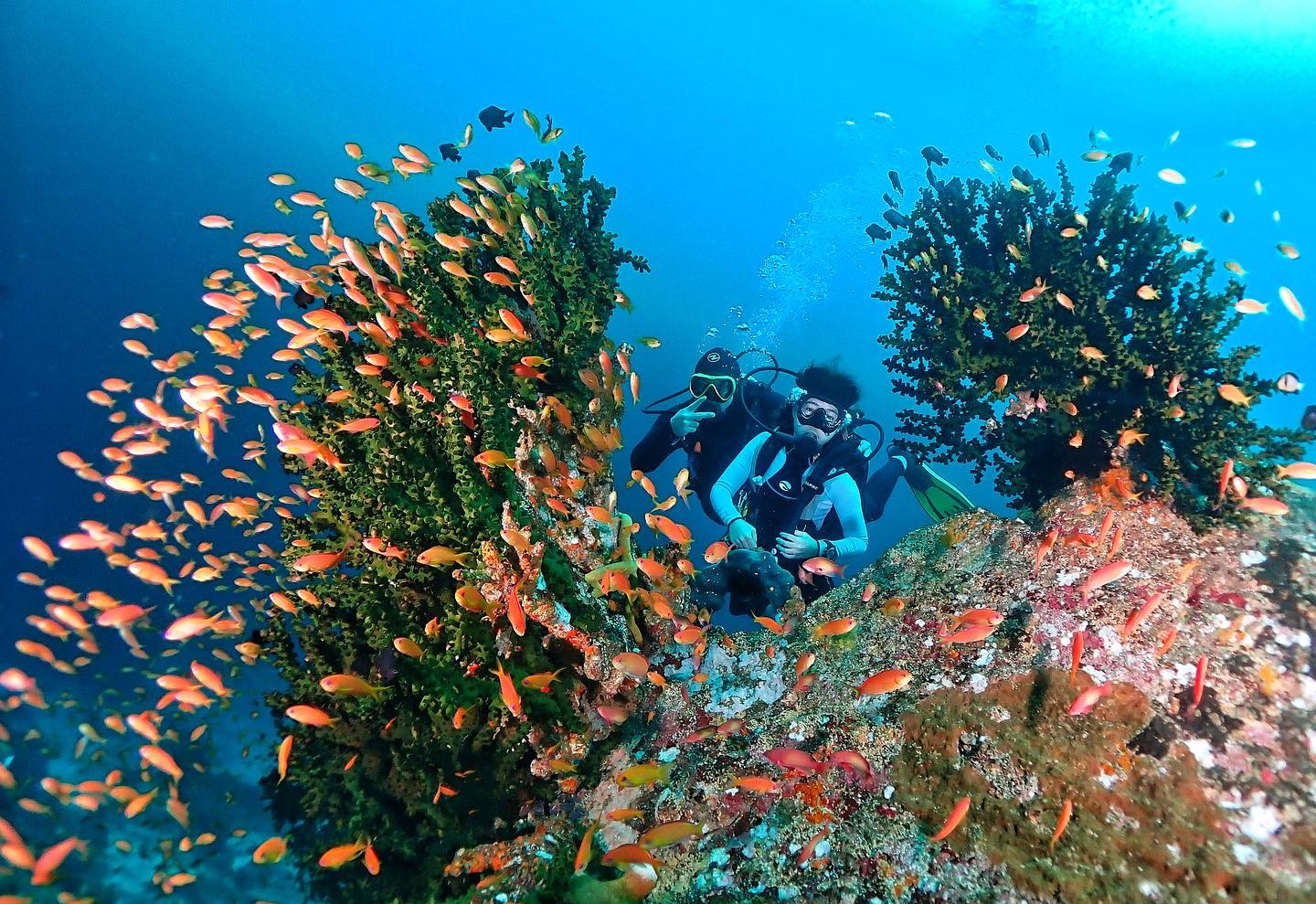 Marine Encounters: You can see hard and soft corals, anemones, nudibranchs, seahorses, shrimp, crabs, cuttlefish and reef fish, depending on conditions. Occasional sightings of turtles, rays and sharks are possible, but not guaranteed.
Main Dive Sites: North Jetty and West Reef are the main areas used for local boat dives. Depending on the tides and conditions, dive operators may also visit smaller dive spots around Hantu Besar and Hantu Kecil.
Diving Conditions: Expect mostly around 1-4 metres of visibility, but it can vary considerably with tides, weather and how murky the water is. On some days, it can drop below 1 metre, while rare favourable conditions can bring visibility up to 8-10 metres. Currents are usually manageable, but they shift with the tides.
Best For: Its shallow depths suit beginners and Open Water training. Certified divers can dive here for practising buoyancy, navigation and macro photography.
How to Access: There are no public ferries to Pulau Hantu, so divers usually join trips organised by local dive shops. It takes around 30 minutes to reach the island by boat from mainland Singapore.
2. Sisters’ Islands Marine Park
Sisters’ Islands Marine Park is Singapore’s first marine park and protects coral reefs and marine habitats around Sisters’ Islands, St John’s Island and Pulau Tekukor.
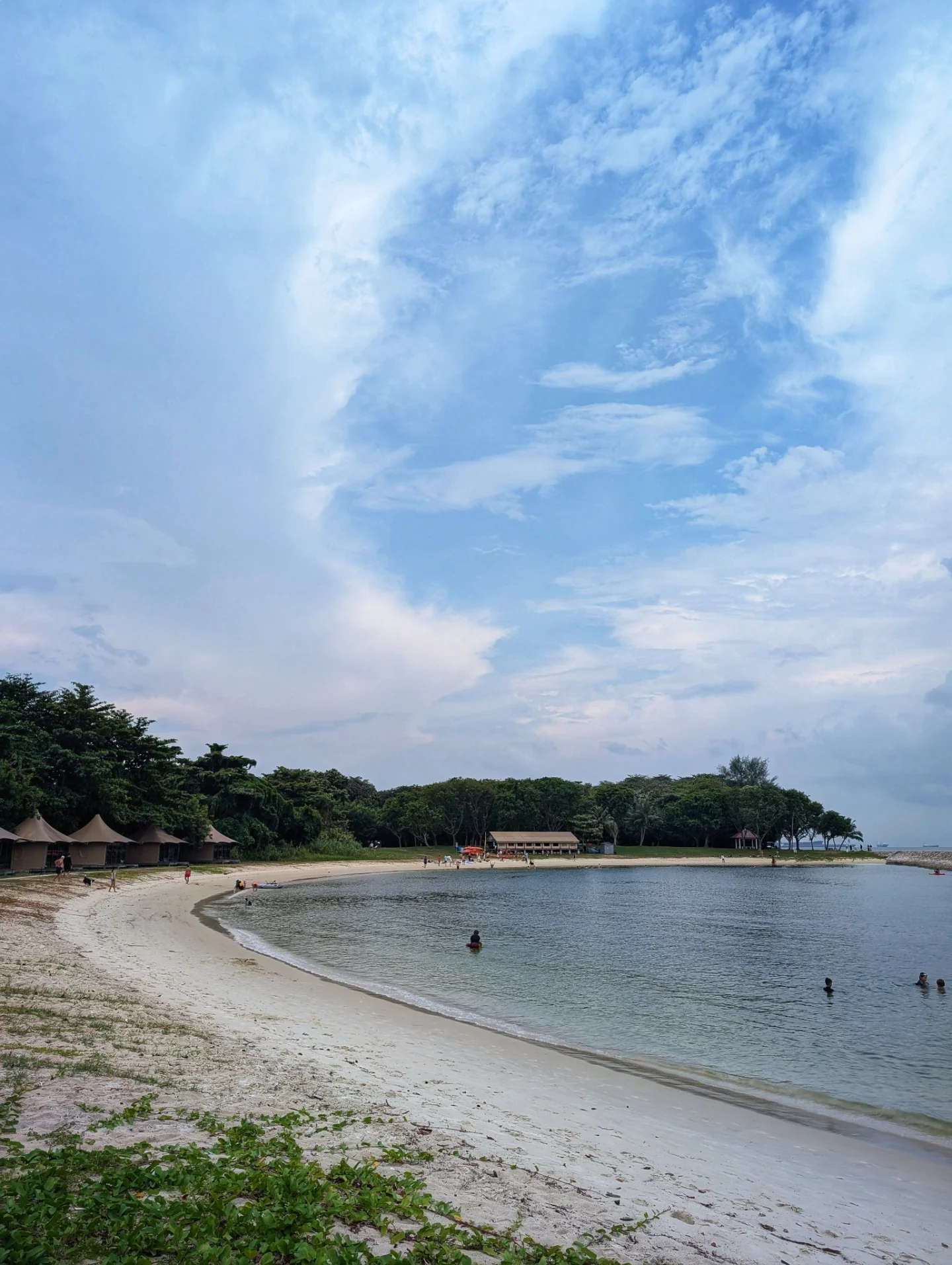
Marine Highlights: Nudibranchs, reef fish, sponges and seahorses are among the marine life found in the area.
Dive Trails: There are two designated underwater trails at Pulau Subar Laut (Big Sister’s Island). The shallow trail reaches around 4-6 metres, while the deeper trail goes down to about 15-16 metres. Both trails are around 100 metres long and include underwater markers and information boards about the marine environment.
Diving Conditions: Visibility can be low and changes with tides, weather and water conditions. Currents can also become stronger around tidal changes, so conditions may vary from one dive to another.
Best For: The deeper trail is suitable for certified divers with more experience, while the shallow trail has a gentler depth profile.
How to Access: Some areas of the park are reserved for conservation and research, so public entry is restricted. You can visit the designated dive trails through NParks-approved dive operators or authorised programmes, which you should arrange in advance.
3. Pulau Jong
Pulau Jong is a small, uninhabited island about 6 kilometres off Singapore’s southern coast. It is surrounded by a fringing reef and has no landing jetty, so diving here depends on organised boat trips and suitable sea conditions.
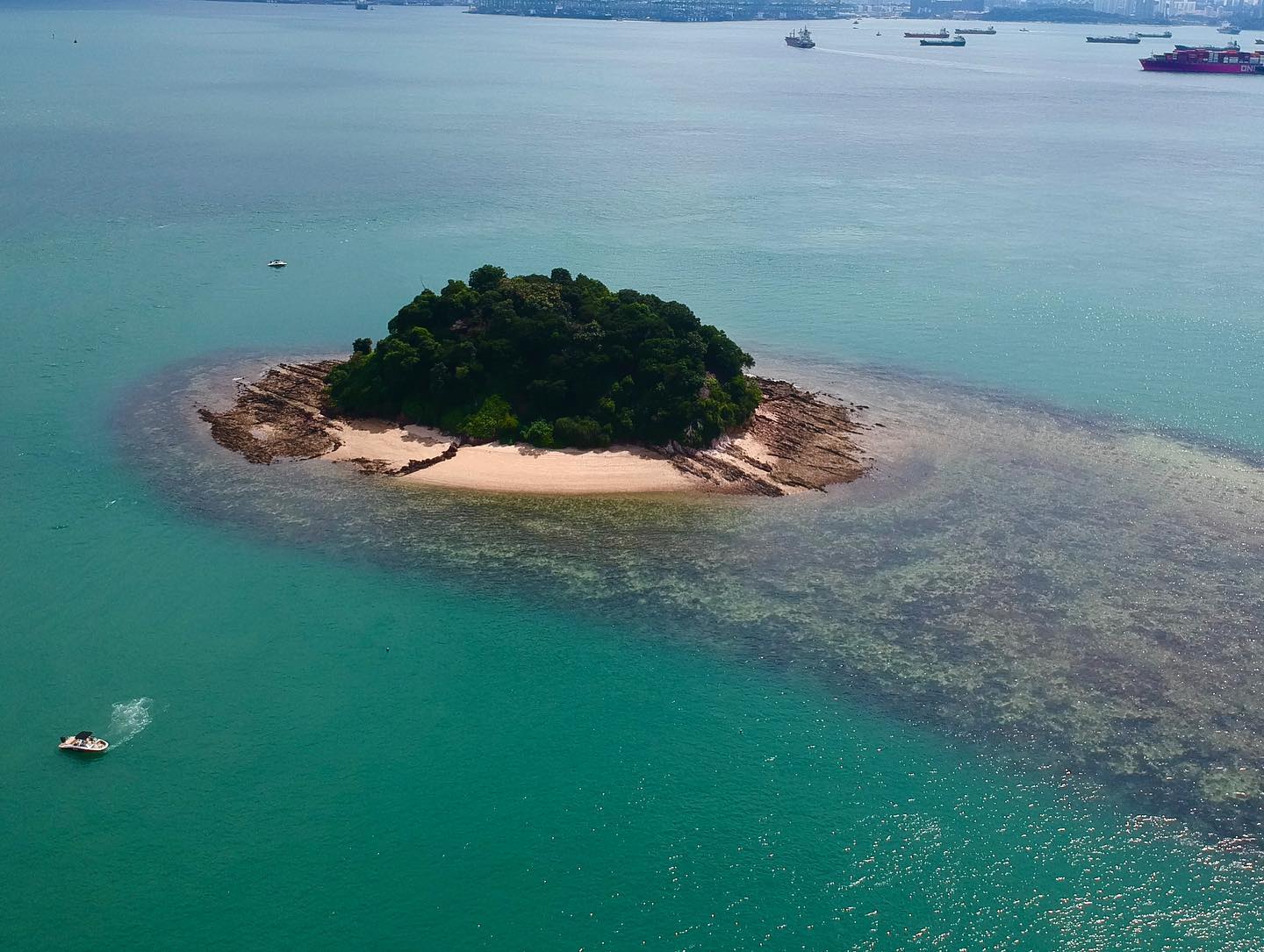
Marine Encounters: Pulau Jong’s nutrient-rich waters support schools of reef fish, while divers may also spot juvenile blacktip reef sharks, rays and turtles. Smaller marine life, including nudibranchs and other reef creatures, can be found around the coral and deeper sections.
Diving Conditions: Currents around Pulau Jong can be strong, making the site more demanding than Pulau Hantu. Conditions can also become rougher during unsettled weather and monsoon periods.
Best For: Experienced or adventurous divers who are comfortable with currents. The site is also used for Advanced Open Water training and is not the best choice for complete beginners.
How to Access: You can reach Pulau Jong by boat with local dive operators. The operator will assess the tide, weather and current conditions before the dive and decide whether conditions are suitable.
4. Singapore Oceanarium
Singapore Oceanarium is a large marine attraction at Resorts World Sentosa with a controlled scuba-diving experience, making it a great addition to your list of things to do in Singapore with family.
Unlike Pulau Hantu, Pulau Jong or Sisters’ Islands Marine Park, this isn’t an open-water dive in the sea around Singapore. Instead, the experience takes place inside the aquarium, which can be a good introduction to scuba diving before attempting a natural dive site.
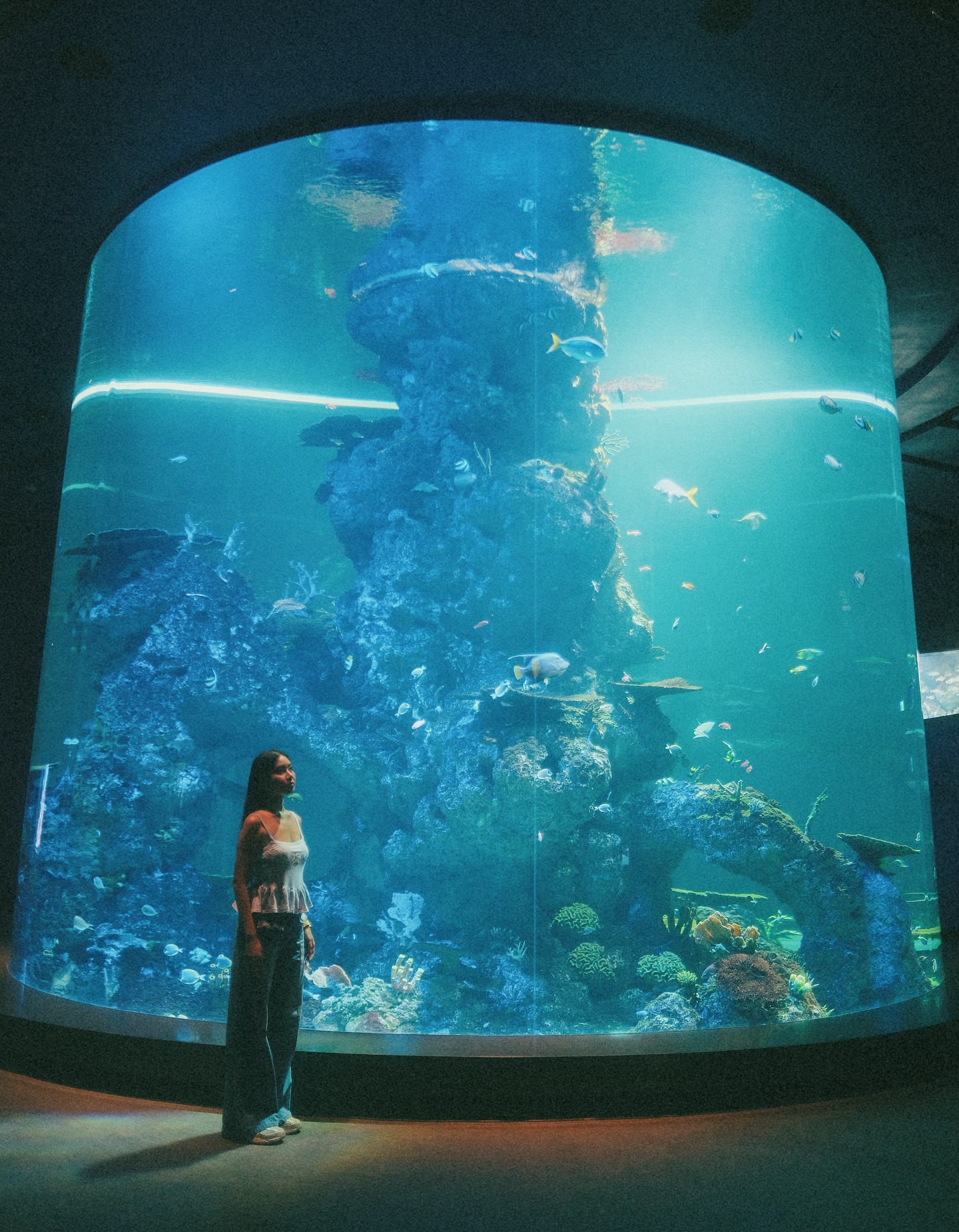
Singapore Oceanarium has multiple scuba-diving experiences to match different skill levels. Major scuba diving options include:
- PADI Discover Scuba Diving: A beginner-friendly introduction for non-certified participants to try a 12-meter dive with instructors.
- PADI Open Water Diver Course: A multi-day course to earn a complete scuba certification.
- Open Ocean Dive: A programme for certified divers that includes a dive down to 12 metres alongside manta rays and groupers.
Best Time for Scuba Diving in Singapore
- March to October: This is generally the best window for scuba diving in Singapore, with more suitable conditions for local boat trips. Visibility can still be low and change with the tides.
- November to February: The Northeast Monsoon brings more rain, stronger winds and rougher seas. Singapore’s underwater visibility is already limited year-round, and monsoon conditions can make it even more challenging.
Diving Courses, Costs and Dive Centres in Singapore
If you are in Singapore without a diving certification, you can either try a supervised introductory dive or take a full Open Water course.
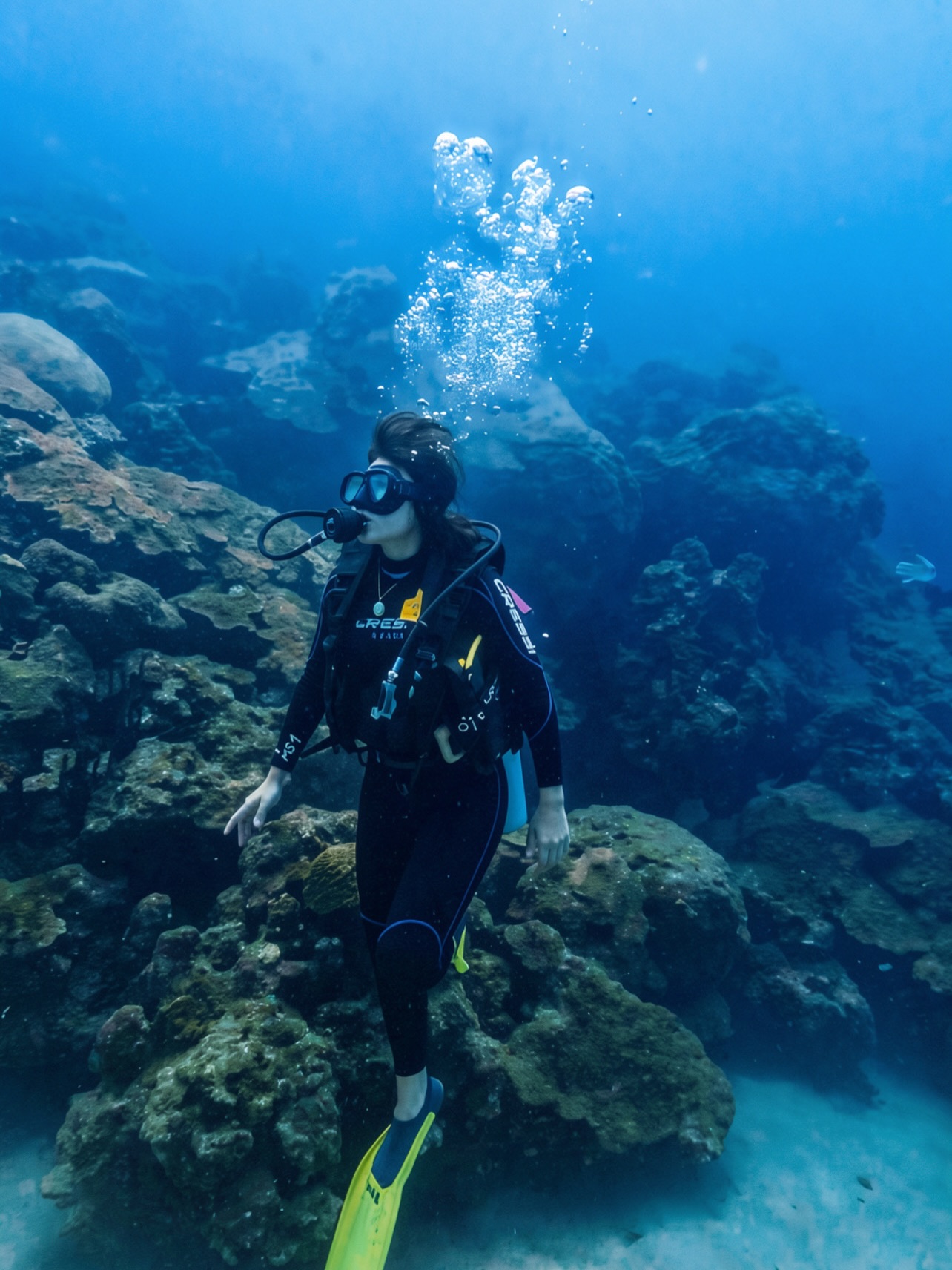
Discover Scuba Diving
A Discover Scuba Diving program is an introductory, instructor-led experience for beginners that teaches basic safety and gear use, followed by a supervised dive. You do not receive a full diving certification from a standard Discover Scuba experience.
Approx. Cost: 180 – 350 SGD (approx. 13,000 – 26,000 INR)
Open Water Certification
An SSI or PADI Open Water Diver course is the standard entry-level certification for independent recreational diving. A typical course includes online or classroom theory, confined-water skills practice, and open-water training dives before you earn a certificate.
Approx. Cost: 750 – 950 SGD (approx. 56,000 – 71,000 INR)
Local Dive Centres in Singapore
A few current operators worth checking include:
- Dive Singapore
- Cuddlefish Divers
- The Dive Company
- Simply Scuba Private Limited
Check the operator’s latest schedule before booking because local dive trips depend on weather, tides, boat availability and minimum group sizes.
Conclusion
Singapore may not be the first destination that comes to mind for scuba diving, but its local waters provide a handful of sites well worth exploring.
Pulau Hantu has relatively shallow dive areas, but low visibility can make it challenging, especially for less experienced divers. Pulau Jong is more demanding because of tidal currents and local sea conditions.
Sisters’ Islands Marine Park has designated underwater trails, and Singapore Oceanarium provides a controlled diving experience inside a massive aquarium.
If you are planning a Singapore holiday and want to add a scuba diving experience, contact Dimaak Tours to help organise your itinerary.
FAQs About Scuba Diving in Singapore
1. Is scuba diving in Singapore worth it?
Singapore may not be the best choice if it is your first time scuba diving and you are looking for the typical experience of clear water, good visibility and expansive coral reefs. Underwater visibility in Singapore is often very limited, and weather, tides, and current can further affect it.
Usually, experienced muck divers interested in macro photography find Singapore’s dive sites worthwhile. For beginners, Singapore Oceanarium provides a more controlled scuba-diving experience, although it is an aquarium-based activity rather than a natural open-water dive.
2. Where can I go scuba diving in Singapore?
The most popular scuba diving site in Singapore is Pulau Hantu. Despite low visibility, its relatively shallow waters suit beginners and recreational divers. Other major dive spots include Sisters’ Islands Marine Park and Pulau Jong, which are best for experienced divers.
3. What is the best time for scuba diving in Singapore?
March to October is generally the best time for scuba diving in Singapore, as conditions are usually more suitable for local boat trips. Visibility can still be low and affected by tides.
4. How much does scuba diving cost in Singapore?
An introductory diving experience typically costs around 145-350 USD (approx. 14,000-34,000 INR), while an Open Water Diver course costs approximately 760-840 USD (approx. 72,000-83,000 INR).
