

Key Takeaways
|
A beginner looking for a calm reef does not need the same dive destination as someone chasing hammerhead sharks in strong currents. That is what makes choosing the right place to scuba dive surprisingly important.
From scuba diving in Thailand to the rich marine ecosystems of the Galapagos and the Great Barrier Reef, each destination brings a distinct underwater experience.
This guide covers some of the best places to scuba dive in the world, including their top dive sites, marine life, diving conditions, and the best time to visit.
Best Places to Scuba Dive in the World
From calm coral gardens and colourful reef fish to strong currents, deep wrecks and encounters with sharks, here’s a list of some of the best scuba diving destinations in the world, with highlights on what to see, where to dive and when to go.
1. Koh Tao, Thailand
Koh Tao is a small, rugged island in the Gulf of Thailand, famous worldwide for calm, clear waters, abundant marine life, and affordable dive certifications.
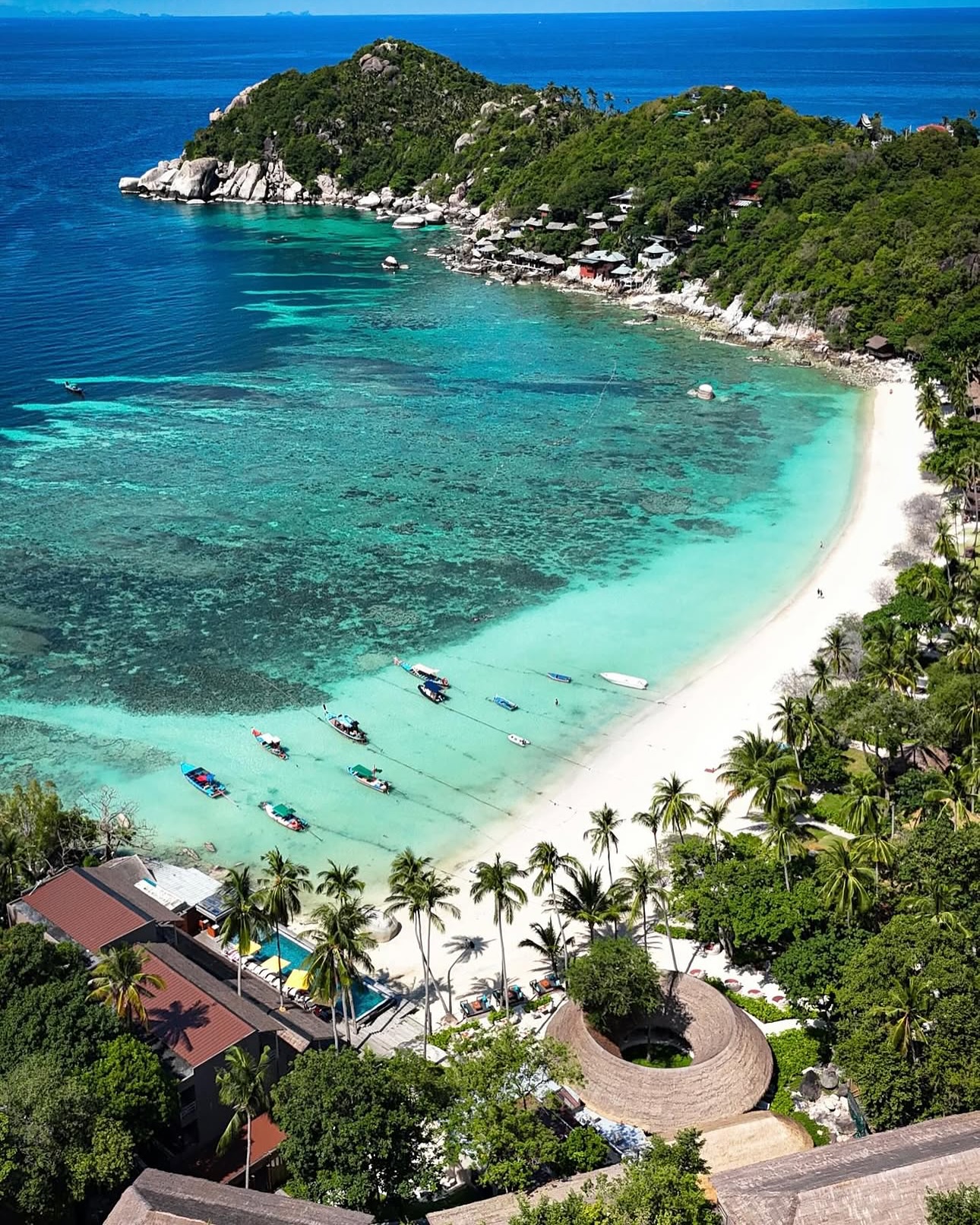
The island has more than 25 dive sites, including shallow reefs, pinnacles, wrecks and dedicated training areas, with sites suited to all experience levels. And most sites sit just 10-20 minutes from the main piers.
Top Dive Sites in Koh Tao
- Twins Pinnacle: Two large rock formations wrapped in hard and soft corals, ranging in depth from 5 to 18 metres (Beginner-friendly).
- Chumphon Pinnacle: A deep granite seamount, with sightings of schooling barracuda, trevally, and occasional whale sharks (Advanced).
- HTMS Sattakut Wreck: A naval ship wreck sitting at 30 metres depth, which is home to groupers, barracudas and coral growth (Intermediate/Advanced).
- Sail Rock: An isolated granite pinnacle that lies between Koh Tao and Koh Phangan, famous for a narrow, vertical swim-through and pelagic marine life. Open Water divers can visit, while Advanced certification allows access to deeper sections.
Dive Centres in Koh Tao:
- Big Blue Diving School, Sairee Beach
- Scuba Birds PADI Dive Centre, Mae Haad, Koh Tao
- Crystal Dive Koh Tao, Ko Pha-ngan District
Best Time to Go Diving: March to May is the peak period, with calm seas and visibility often reaching 20 to 30 metres or more. June and August also have good diving conditions, though wind shifts can occasionally affect exposed sites.
Approx. Cost:
- Introductory dive: INR 7000 – 10,000
- Open Water certification: INR 25,000 – 35,000
2. Komodo National Park, Indonesia
Komodo National Park is a UNESCO World Heritage Site covering major volcanic islands in Indonesia, such as Komodo, Rinca and Padar, along with the surrounding waters. The park is home to Komodo dragons and rich marine biodiversity within the Coral Triangle.
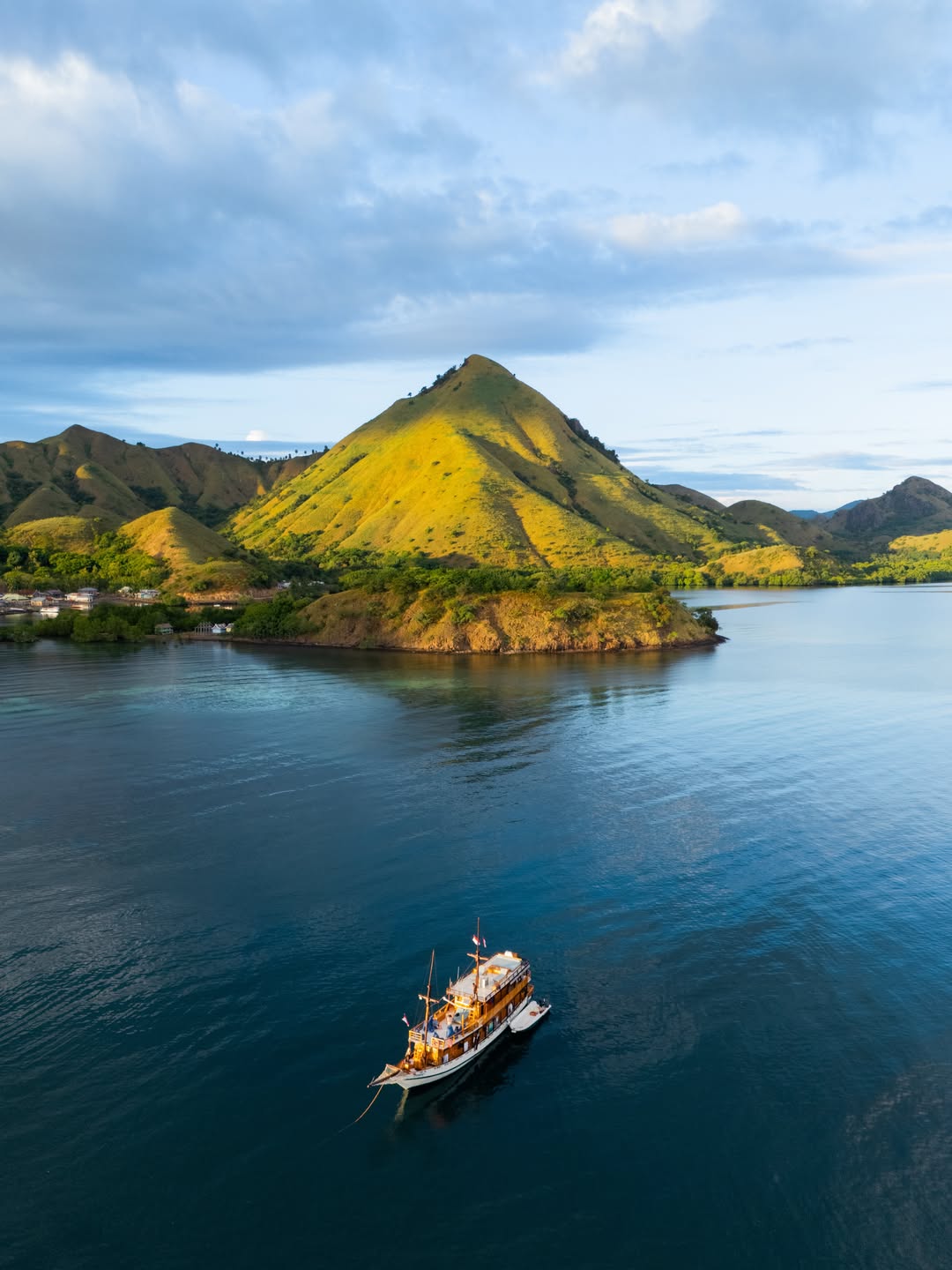
There are more than 30 dive sites, and most diving trips depart from the harbour town of Labuan Bajo on western Flores Island. The sites vary from shallow coral gardens suitable for first-timers to deep pinnacles with strong currents suited to experienced drift divers.
Top Dive Sites in Komodo National Park
- Batu Bolong: An iconic pinnacle in central Komodo packed with dense reef life, turtles, and huge schools of fish (Intermediate/Advanced).
- Manta Point (Karang Makassar, Central Komodo): A long, gentle drift dive over sandy seabeds and coral bommies, with reef manta rays gathering around cleaning stations. Depths range from 5-18 metres, with moderate to strong currents depending on the tide (Beginner-friendly).
- Siaba Besar: A shallow, sheltered bay in central Komodo nicknamed “Turtle City” for its resident turtles. Large lettuce corals cover the site and its depths of around 4-6 metres and calm water suit first-time divers well.
Dive Centres in Labuan Bajo:
- Komo Dive
- Dragon Dive Komodo Dive Resort
- Dive Komodo
Best Time to Go Diving: April to November is the main diving season in northern and central Komodo, with calmer seas and good visibility. For southern sites, November to March brings calmer conditions, while its nutrient-rich waters support macro life and unusual critters.
Approx. Cost:
- Introductory dive: INR 18,000 – 23,000
- Open Water certification: INR 45,000 – 50,000
3. The Red Sea, Egypt
The Red Sea in Egypt is a large stretch of seawater between Africa and Asia, with coastal towns and resorts that serve as gateways to many coral reefs and shipwreck dive sites.
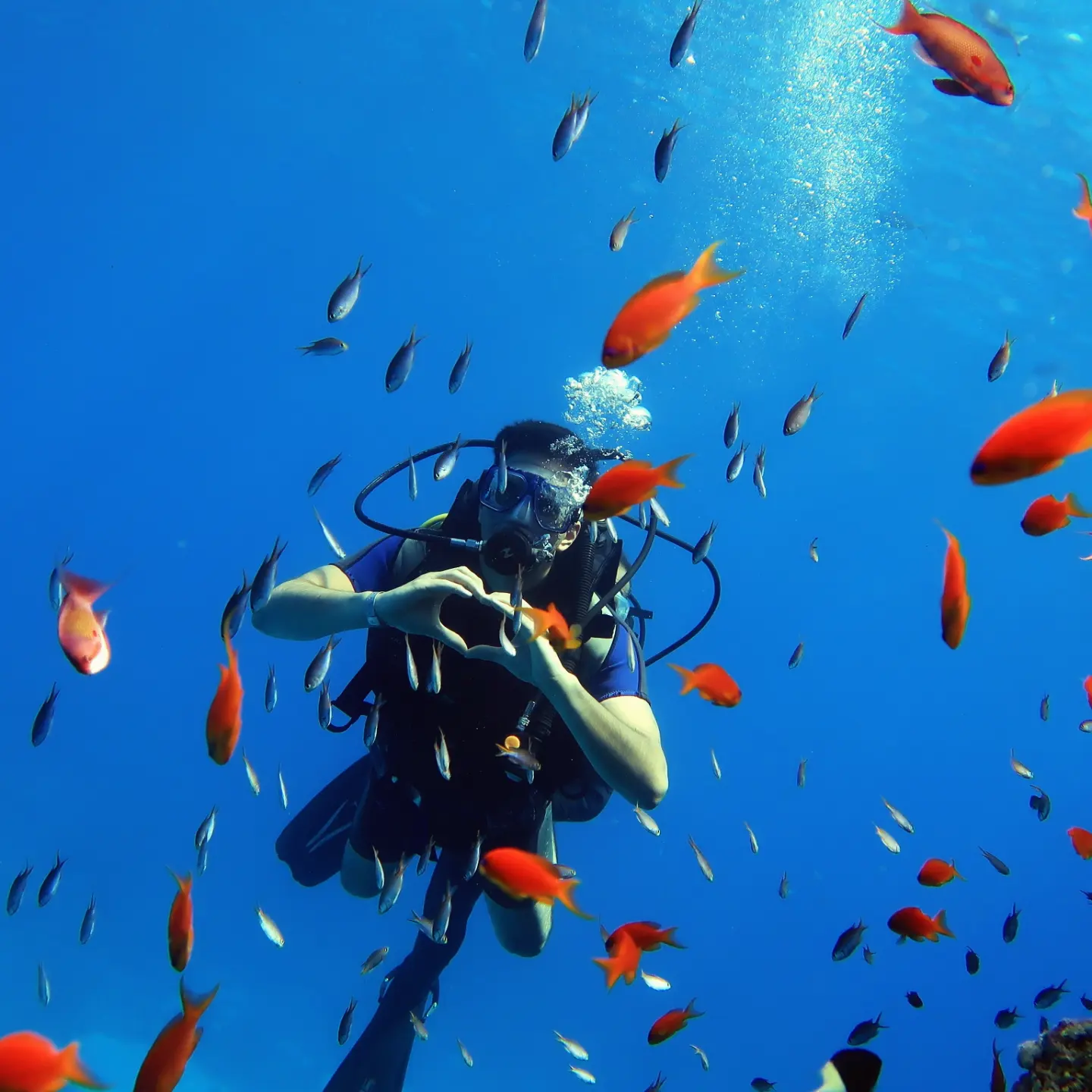
Crystal-clear waters often provide 20 to 30 metres of visibility, with hundreds of dive sites spread across the Egyptian Red Sea.
Beginners can learn in calm, sheltered training areas, while experienced divers can head for deeper walls, stronger currents, large marine life sightings and historic World War II shipwrecks.
Top Dive Sites in the Red Sea
- SS Thistlegorm (Northern Wreck): A famous World War II British cargo ship wreck, lying at a depth of 30 metres filled with military trucks, motorcycles, and rifles (Advanced).
- Ras Mohammed National Park (Sharm El Sheikh): Sheer underwater walls, large schools of reef fish, and strong currents define the area. The park works well for beginners enjoying snorkelling and introductory boat dives, while its deeper walls match the skill level of experienced divers.
- Sha’ab El Erg (Dolphin House): A horseshoe-shaped reef with a sheltered lagoon, coral gardens, sandy seabeds, and small pinnacles. Indo-Pacific bottlenose dolphins may be spotted around the lagoon, while the outer reef reaches about 25 metres and suits Open Water divers.
Dive Centres Along the Red Sea:
- Diamond Red Sea – Diving in Hurghada
- Red Sea Diving College, Naama Bay, Sharm el-Sheikh
- Red Sea Life Diving Centre, Hurghada
Best Time to Go Diving: March to May and September to November bring warm water around 22-28°C, calm seas, visibility of more than 30 metres, and active marine life such as sharks and rays.
Approx. Cost:
- Introductory dive: INR 6000 – 12,000
- Open Water certification: INR 30,000 – 50,000
4. Raja Ampat, Indonesia
Raja Ampat is a vast tropical archipelago in West Papua, Indonesia, with more than 1,500 islands and some of the world’s richest marine ecosystems. Its coral reefs support a variety of fish, corals and other marine species, making biodiversity the main reason divers travel here.
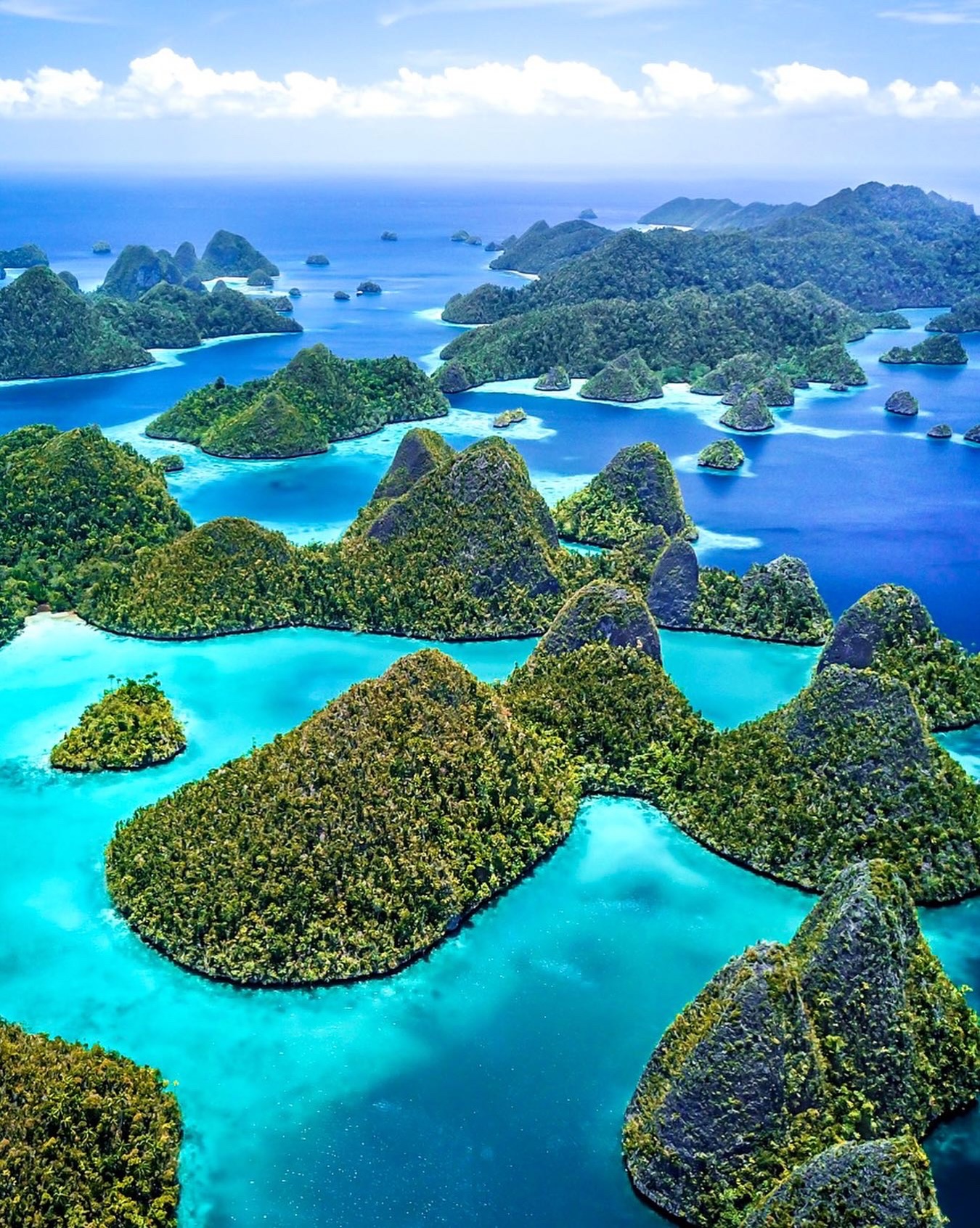
Sheltered reef areas provide suitable conditions for newer divers. There are also deeper sites with strong currents, steep walls and drift dives for experienced divers.
Raja Ampat is one of the world’s most expensive diving destinations. Its remote location, park entry fees, boat transfers and liveaboard costs can significantly increase the overall budget.
Top Dive Sites in Raja Ampat
- Cape Kri: A highly biodiverse reef where around 374 fish species were recorded during a single 90-minute-long dive in 2012. (Intermediate/Advanced)
- Melissa’s Garden: A shallow hard-coral reef near the Fam Islands, with dense coral fields and large schools of reef fish. (Beginner-friendly)
- Manta Sandy: A sandy-bottom dive and snorkel site in the Dampier Strait, which is a vital cleaning station for reef mantas. (Beginner-friendly)
- Arborek Jetty: A reef site beneath the jetty, where soft and hard corals cover the supporting pillars. Divers can spot schooling fish, sweetlips, wobbegong sharks, barracudas, and reef sharks in depths of 5-18 metres. (Beginner-friendly)
Dive Centres in Raja Ampat:
- Raja Ampat Biodiversity Nature Resort
- Soul Scuba Divers
- Raja4Divers
Best Time to Go Diving: October to April is the peak season for diving with calmer seas, higher visibility and great conditions to see manta rays at cleaning stations.
Approx. Cost:
- Introductory dive: INR 6000 – 15,000
- Open Water certification: INR 30,000 – 50,000
5. Great Barrier Reef, Australia
The Great Barrier Reef is the world’s largest coral reef system, stretching over 2,300 kilometres along Australia’s northeast coast. It covers around 2,900 individual reefs and 900 islands, creating a huge range of diving environments.
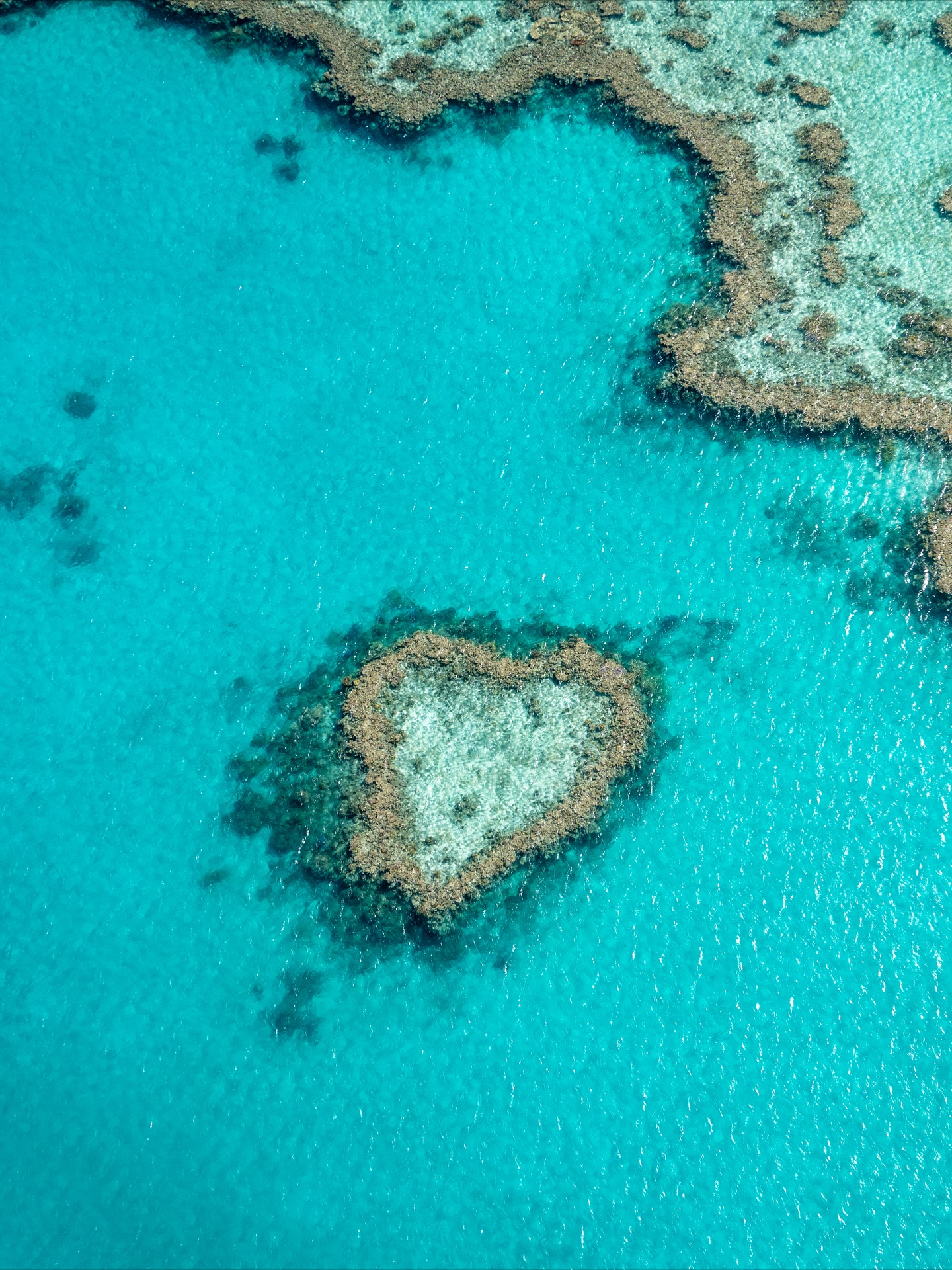
Shallow coral gardens and sheltered lagoons make some areas suitable for beginners, while deeper walls, channels, and stronger currents provide more challenging dives for experienced divers.
Top Dive Sites in the Great Barrier Reef
- The Cod Hole: A remote dive site on Ribbon Reef No.10, famous for giant, curious potato cod that swim close to divers in clear reef waters. It is best suited to certified divers and is usually reached by liveaboard.
- SS Yongala Wreck: A historic shipwreck, now a dense artificial reef teeming with giant groupers, rays, and sharks. (Advanced)
- Agincourt Reefs: A group of outer reefs northeast of Port Douglas, located along the Great Barrier Reef’s edge. The area combines shallow coral gardens, deeper drop-offs, channels, and clear water. (Beginner-friendly)
- Lizard Island National Park: A remote group of granite islands surrounded by a lagoon and well-developed fringing reefs. The reefs support a range of marine life and provide access to quieter northern sections of the Great Barrier Reef. (Beginner-friendly)
Dive Centres Near the Great Barrier Reef:
- Pro Dive Cairns
- Divers Den
- Poseidon Outer Reef Cruises
Best Time to Go Diving: June to October brings cooler, drier weather, clearer water, and fewer marine stingers. December to February has warmer water but higher humidity and more stingers, so stinger suits are recommended.
Approx. Cost:
- Introductory dive: INR 15,000 onwards
- Open Water certification: INR 40,000 onwards
6. Maldives
The same coral reefs that create the Maldives’ white beaches and sheltered lagoons also shape its underwater landscape. Beneath the resorts and beaches are pinnacles, reef walls and channels that support a wide range of marine life.
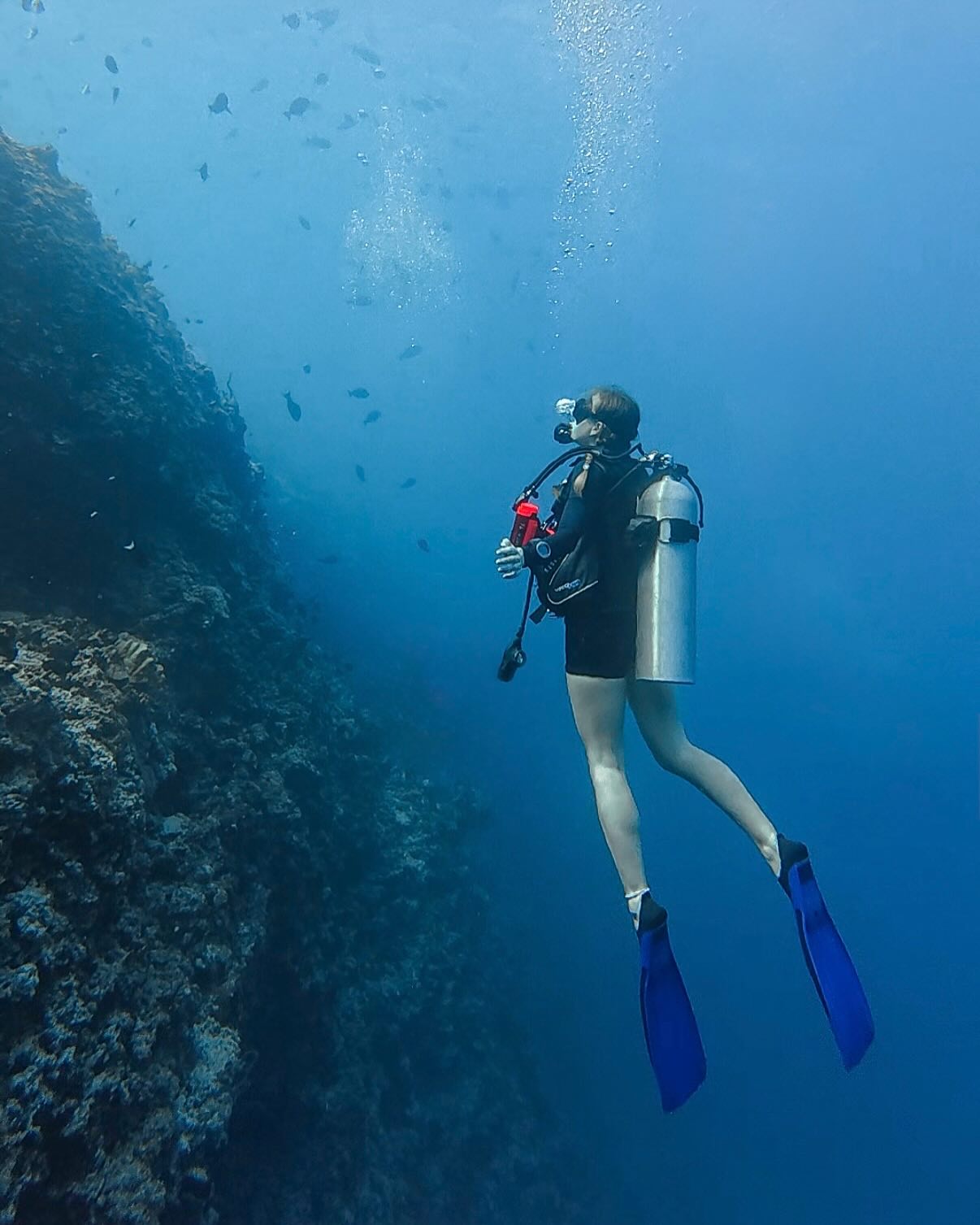
Top Dive Sites in Maldives
- Fish Head (Mushimasmingili Thila): A protected reef pinnacle with steep walls, caves, and overhangs. Grey reef sharks patrol the current-swept edges alongside white-tip reef sharks, barracudas, and Napoleon wrasse. (Intermediate/Advanced)
- Lankan Manta Point: One of the best places to scuba dive in the Maldives for watching manta rays at a natural cleaning station, where cleaner wrasse remove parasites from their bodies. (Beginner-friendly)
- Maaya Thila: A protected dive site in North Ari Atoll, celebrated for night dives where white-tip reef sharks hunt around the reef. Moray eels, stingrays, barracudas, and reef fish are also commonly seen. (Intermediate/Advanced)
Dive Centres in Maldives:
- Maldivian Academy of Diving, North Malé Atoll
- Sea Star Diving, North Malé Atoll
- Dive Ukulhas
Best Time to Go Diving: November to April has calmer seas, sunny weather, and clear water, but also higher tourist numbers. May to October is wet season with plankton blooms, attracting manta rays and whale sharks while visitor numbers drop.
Approx. Cost:
- Introductory dive: INR 7000 onwards
- Open Water certification: INR 35,000 onwards
7. Moalboal, Philippines
Moalboal is a coastal town on the southwest coast of Cebu Island, with its biggest underwater attraction just off the famous Panagsama Beach in the Philippines: a year-round sardine run.
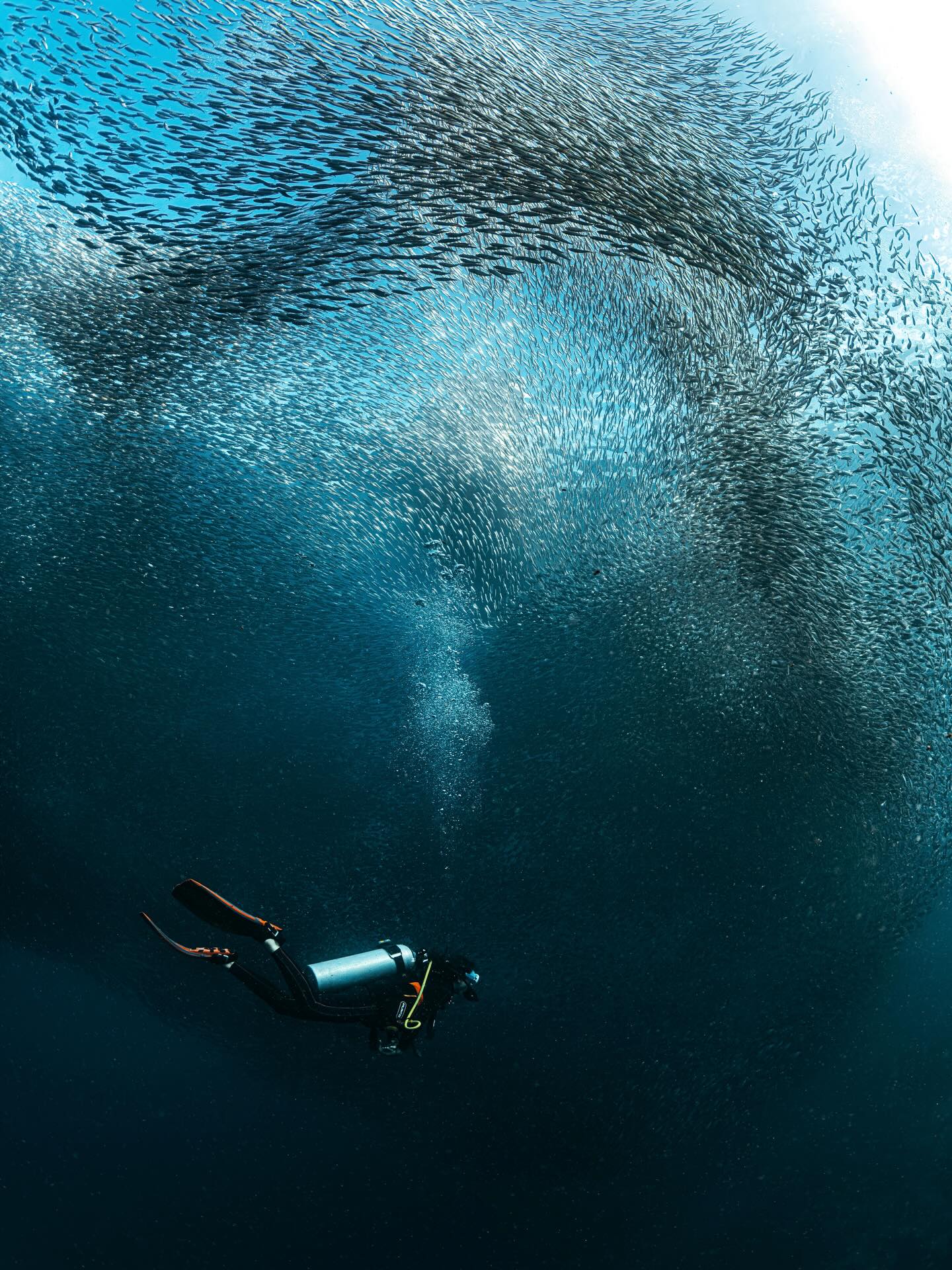
Millions of sardines gather close to shore, forming huge moving schools that divers can watch in easily accessible water. The area also has steep walls, coral reefs, turtles and plenty of marine life, making it suitable for both new and experienced divers.
Top Dive Sites in Moalboal
- Panagsama Beach/The Wall: A shore-access site where the famous sardine school gathers just offshore, with turtles and coral reefs along the wall. (Beginner-friendly)
- Pescador Island: A small protected rock outcrop off Cebu with steep reef walls, the Cathedral Cave and pelagic fish such as trevallies and barracudas. Strong currents and deeper sections make it better for experienced divers, while the upper reef can be suitable for beginners in calm conditions.
- Tongo Point: A peaceful, protected marine sanctuary with a dramatic coral wall, rich soft corals, gorgonian sea fans, frequent green and hawksbill turtle sightings, and occasional pelagic visits. (Beginner-friendly)
Dive Centres in Moalboal:
- Cebu Fun Divers, Basdiot
- Amigos Dive Centre, Panagsama Beach
- Savedra Dive Center, Panagsama Beach
Best Time to Go Diving: Although diving is possible year-round, November to May has better weather, calmer seas, and clearer water, with December to April generally providing the most reliable conditions.
Approx. Cost:
- Introductory dive: INR 3000 – 6000
- Open Water certification: INR 28,000 – 40,000
8. The Galapagos Islands, Ecuador
The Galapagos Islands are a volcanic archipelago about 1,000 kilometres west of mainland Ecuador with exceptional marine biodiversity and encounters with large pelagic species.
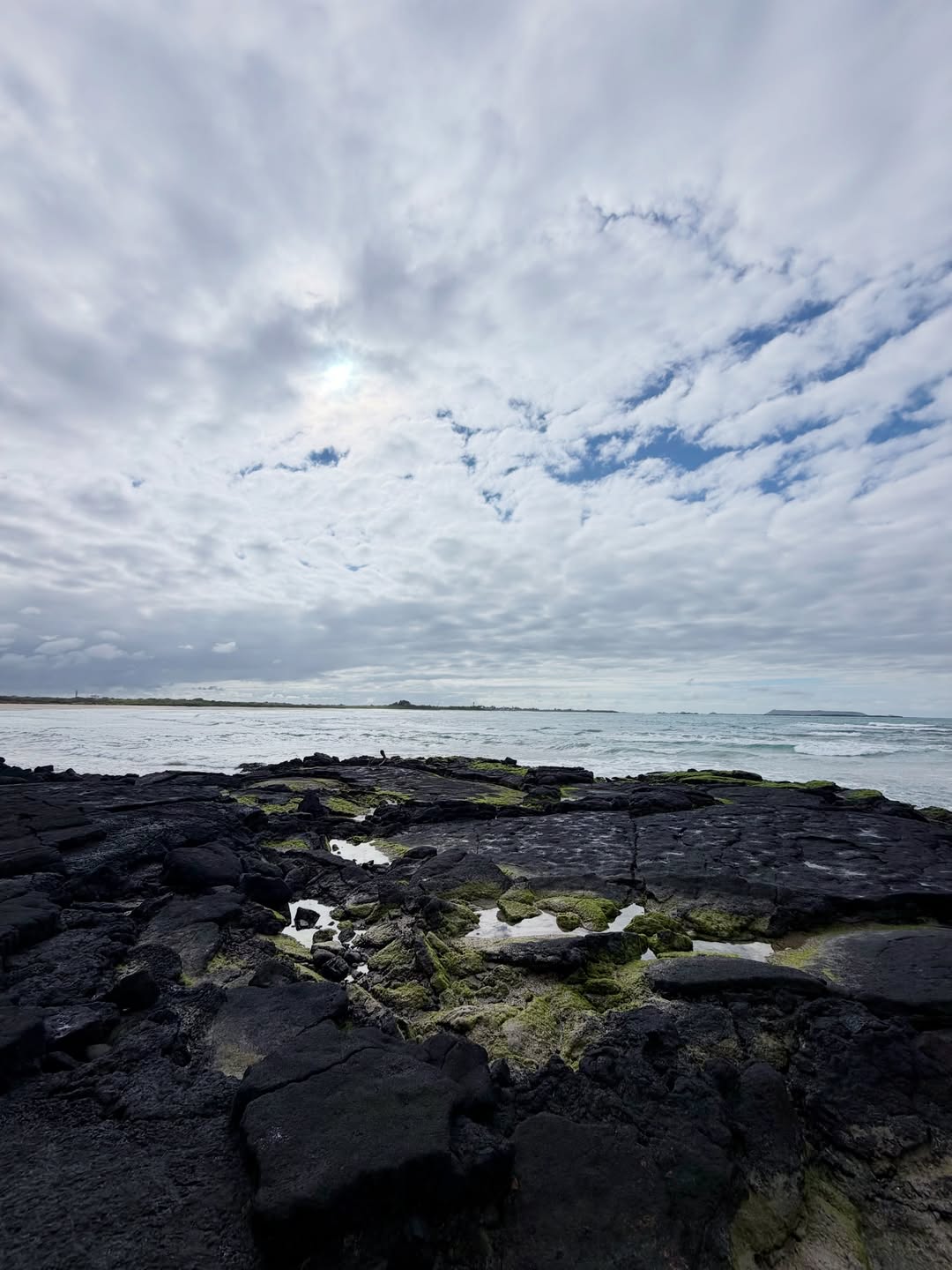
Divers can come across hammerhead sharks, whale sharks, manta rays, sea lions, marine iguanas and penguins.
Diving conditions vary widely across the islands. Calmer, shallower sites suit newer divers, while sites around exposed pinnacles and channels can involve strong currents, cold-water thermoclines and challenging drift dives.
Top Dive Sites in the Galapagos Islands
- Darwin & Wolf Islands: Remote northern dive sites famous for huge schools of hammerheads, whale sharks and other pelagic species. Access is generally limited to liveaboard trips. (Advanced)
- Gordon Rocks: A crater-like dive site where strong currents sweep divers around the reef, creating the famous “washing machine” conditions. Large groups of hammerhead sharks are often seen in the current. (Advanced)
- North Seymour: A shallow site with rocky reefs and sandy areas, where divers can see sea lions, reef sharks, rays and turtles. While generally beginner-friendly, tidal changes can create moderate currents, so some dives are better for intermediate divers.
- Isla Lobos: A sheltered site with calm waters where divers can swim alongside playful sea lions and spot reef sharks, rays and turtles. (Beginner-friendly)
Dive Centres in the Galapagos Islands:
- Shark Bay Dive Centre, Puerto Ayora
- Scuba Iguana, Puerto Ayora
- Macarron Scuba Diver, Puerto Ayora
Best Time to Go Diving: December to May brings warmer water and generally easier diving conditions. July to December has cooler water, stronger currents and more challenging sea conditions, but it is a prime period for whale shark and other large pelagic encounters.
Approx. Cost:
- Introductory dive: INR 17,000 – 25,000
- Open Water certification: INR 45,000 – 60,000
9. Belize
Belize is a small Caribbean country on the eastern coast of Central America, bordered by Mexico and Guatemala. The underwater landscape includes patch reefs, coral walls, deep drop-offs and offshore atolls, giving divers plenty of sites to choose from.
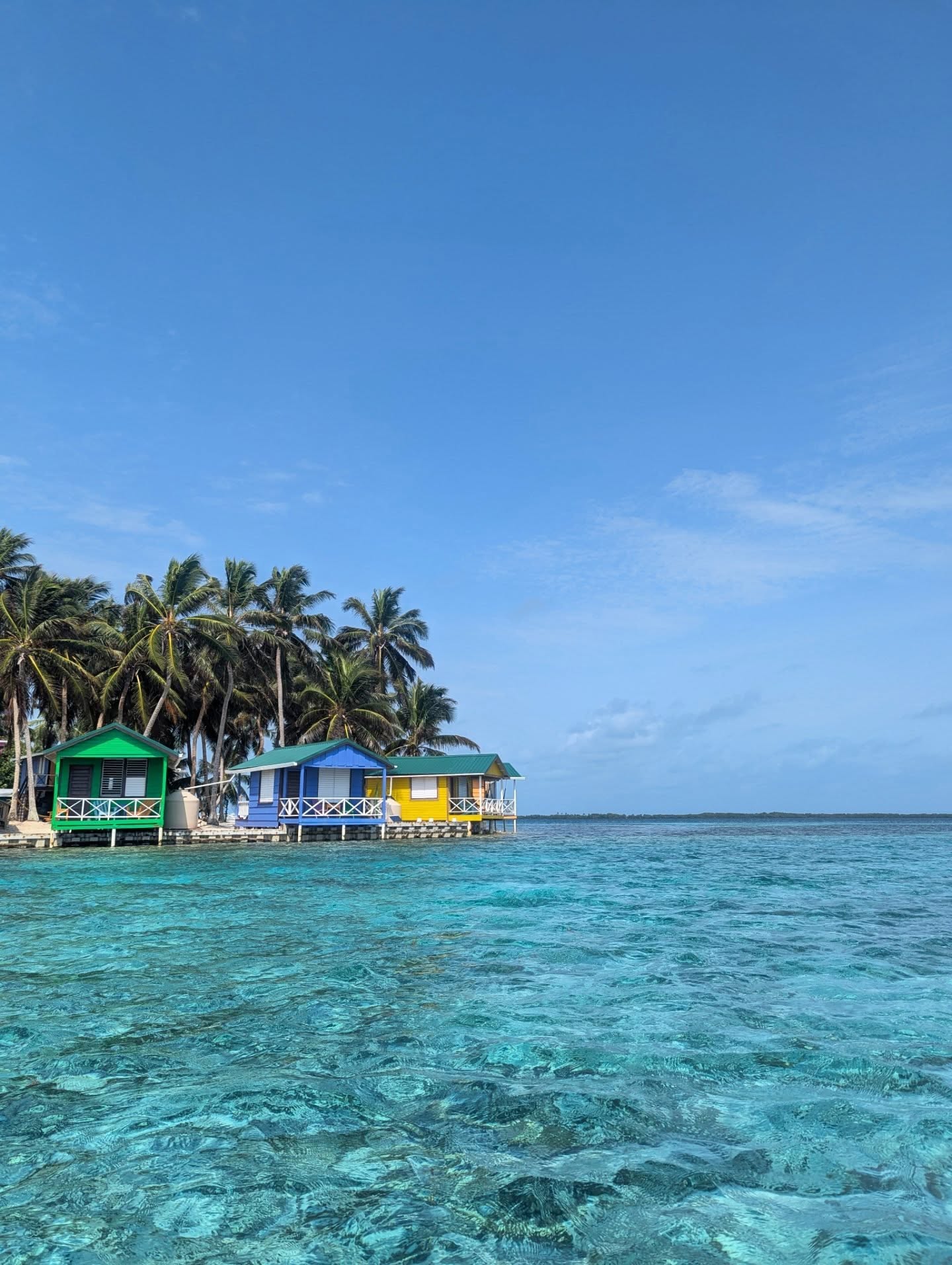
Belize is also a top destination for marine-life encounters, with nurse sharks, eagle rays, sea turtles, reef fish and seasonal whale sharks commonly seen across its dive areas.
Top Dive Sites in Belize
- Great Blue Hole: A huge marine sinkhole near the centre of Lighthouse Reef Atoll, descending to around 125 metres. Divers can pass through steep limestone walls and encounter large stalactite formations in the deeper sections, while reef sharks and other marine life may be seen around the upper reef. (Advanced)
- Half Moon Caye Wall: A steep reef wall that drops into deep water, with coral growth, sponges, eagle rays and larger pelagic species along the outer reef. (Intermediate/Advanced)
- The Elbow (Turneffe Atoll): A current-swept reef point with steep coral walls and schooling pelagic fish, including jacks, barracudas and reef sharks. (Intermediate/Advanced)
Dive Centres in Belize:
- White Sands Dive Shop
- Scuba Schools and Family Dive Centre
- Belize Pro Dive Centre
Best Time to Go Diving: December to May is the main diving season in Belize, with calmer seas, clearer water and more predictable weather. March to June is the best window for whale shark encounters, with sightings often strongest around the full moons in April and May.
Approx. Cost:
- Introductory dive: INR 14,000 – 18,000
- Open Water certification: INR 30,000 – 60,000
10. Sri Lanka
Sri Lanka has warm tropical waters, coral reefs, rich marine life and a large collection of shipwrecks. The country’s diving sites are spread across the west, south and east coasts, with each region having a different diving season because of the island’s two monsoon periods.
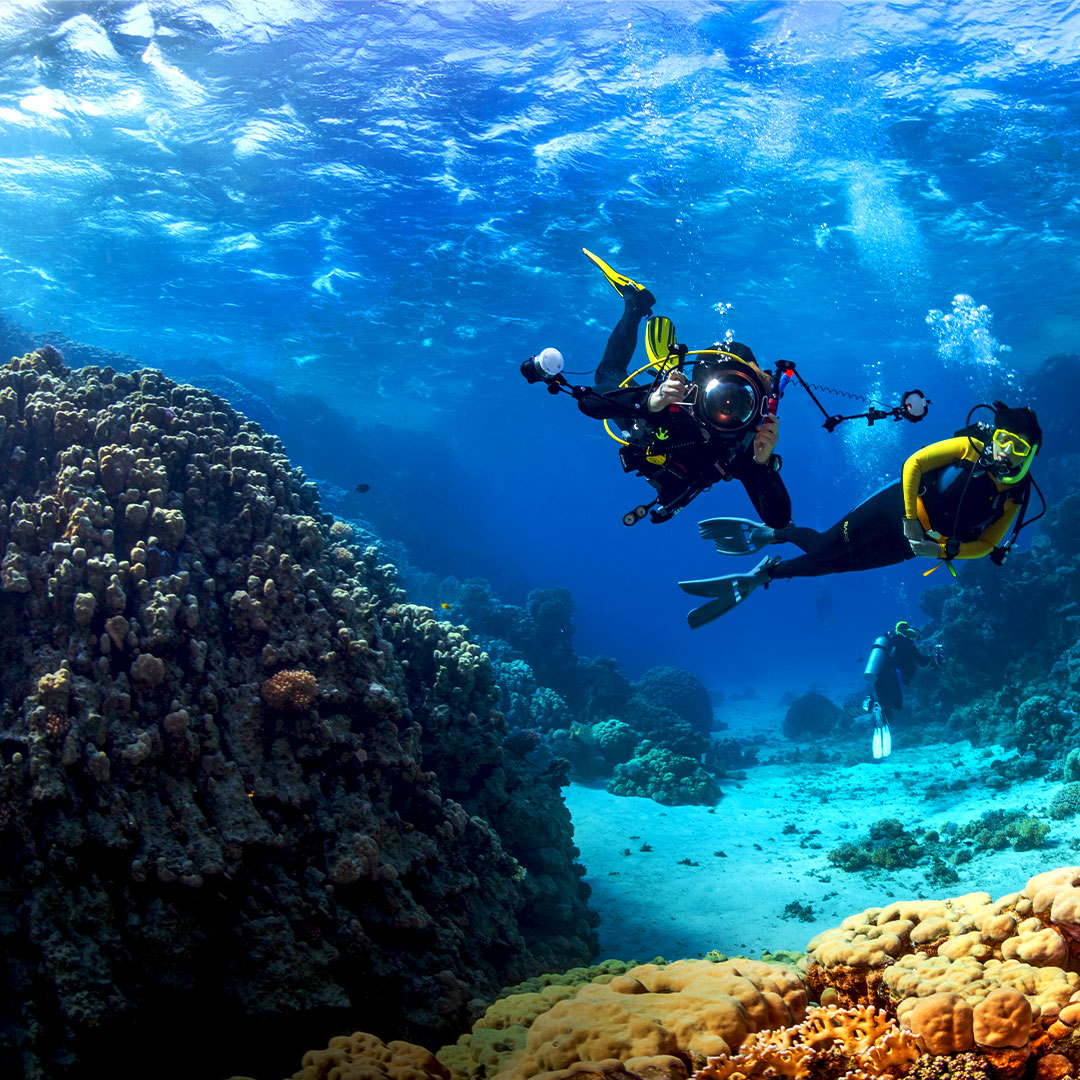
Sheltered sites make parts of the coastline suitable for beginners, while deeper wrecks, rocky reefs and current-affected sites give experienced divers more challenging options. Sri Lanka is also relatively affordable compared with many established diving destinations.
Top Dive Sites in Sri Lanka
- Pigeon Island, Trincomalee: A protected marine area and a popular place to scuba dive in Sri Lanka, with shallow coral reefs, clear water, reef fish and blacktip reef sharks. (Beginner-friendly)
- SS Rangoon, Unawatuna: A 19th-century British steamship resting at around 30 metres, covered in marine growth and surrounded by reef fish. (Advanced)
- HMS Hermes, Batticaloa: A World War II aircraft carrier wreck lying at considerable depth, making it one of Sri Lanka’s major wreck dives for experienced divers. (Advanced)
- Swami Rock, Trincomalee: An underwater cliff and rocky reef with coral growth, reef fish and rays along the deeper sections. (Intermediate)
Dive Centres in Sri Lanka:
- Poseidon Diving Centre, Hikkaduwa
- Divinguru, Unawatuna
- Epic Ocean Adventures, Trincomalee
Best Time to Go Diving: November to April is the main season on the west and south coasts, including Hikkaduwa and Unawatuna. May to September is better for the east coast, including Trincomalee and Nilaveli.
Approx. Cost:
- Introductory dive: INR 6000 – 8000
- Open Water certification: INR 28,000 – 35,000
11. Andaman and Nicobar Islands
The Andaman and Nicobar Islands have clear tropical waters, coral reefs and colourful marine life, making them a great choice for scuba diving without travelling far from India.
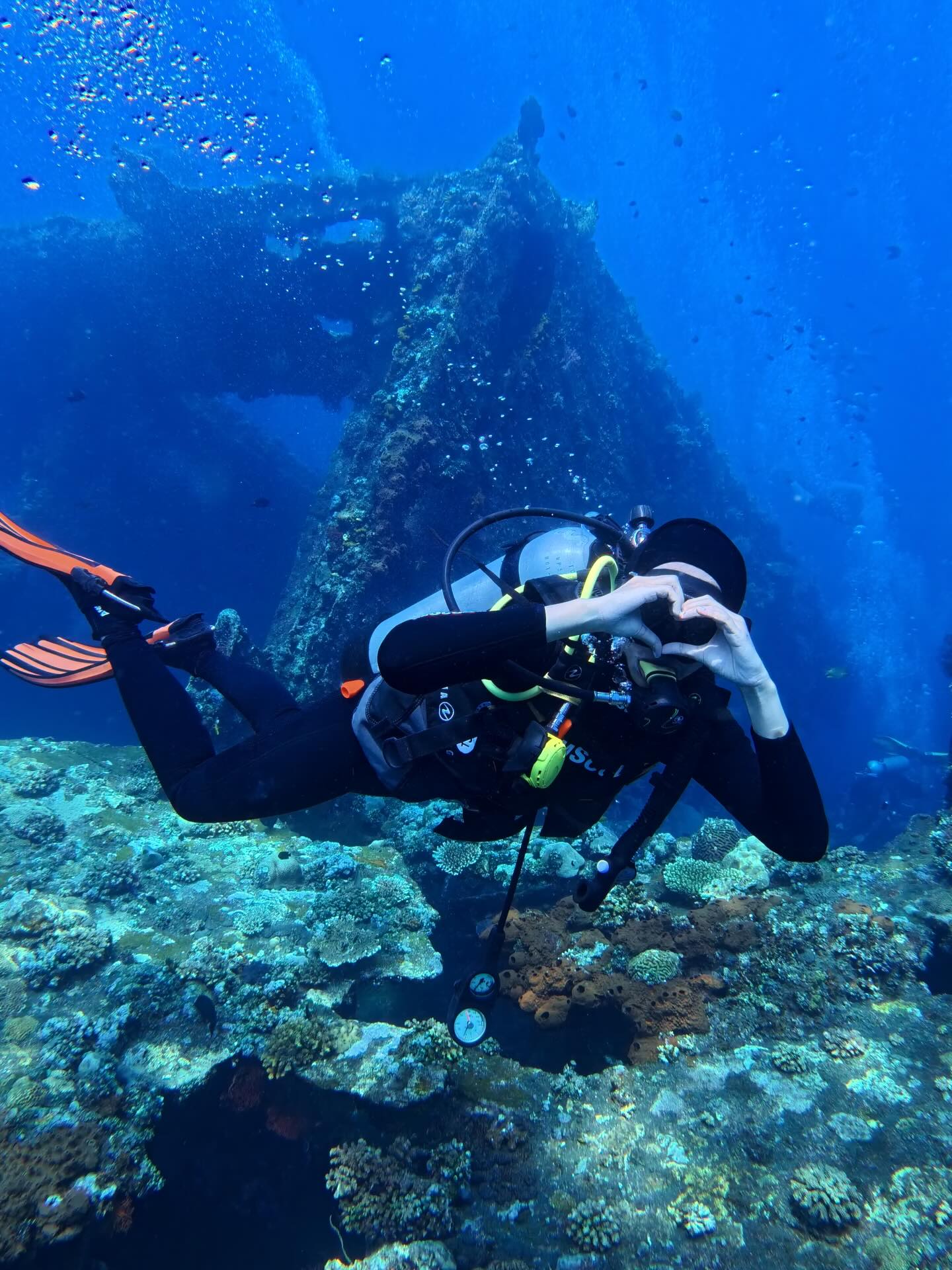
Most recreational diving in Andaman is centred around Havelock (Swaraj Dweep) and Neil Island (Shaheed Dweep). The sites range from shallow beginner reefs to deeper walls and stronger currents for experienced divers.
Top Dive Sites in Andaman and Nicobar Islands
- Nemo Reef, Swaraj Dweep: A calm, easy-to-dive site suited to first-time divers, with clear water, soft corals and colourful reef fish such as clownfish. (Beginner-friendly)
- Johnny’s Gorge, Swaraj Dweep: A deep reef site where divers can spot whitetip reef sharks, stingrays and large schools of sweetlips. (Advanced)
- Dickson’s Pinnacle, Swaraj Dweep: A deep dive site ranging from 16 to 35 metres, with soft corals, sea fans and large barrel sponges. Divers can also encounter barracudas, trevally, snappers and other pelagic fish. (Intermediate/Advanced)
Dive Centres in Andaman and Nicobar Islands:
- Barefoot Scuba Resort, Havelock
- The Dive Master, Havelock
- United Scuba Dive Centre
Best Time to Go Diving: November to May is generally the best period for diving, with warm water around 26-29°C, calmer seas and better underwater visibility.
Approx. Cost:
- Introductory dive: INR 3500 – 8000
- Open Water certification: INR 12,000 – 35,000
Conclusion
Scuba diving can take you into completely different underwater worlds. Beginners can start with calm, shallow reefs in destinations such as Koh Tao, Moalboal and parts of Sri Lanka.
More experienced divers can go for stronger currents in Komodo, deep wrecks in the Red Sea, challenging sites in the Galapagos or the deeper sections of Belize’s Great Blue Hole.
Whichever destination you choose, plan around the local diving season and make sure the sites match your certification and experience. Contact Dimaak Tours to plan your scuba diving holiday and find the destination that best fits your interests.
FAQs About the Best Places to Scuba Dive in the World
1. Which is the best scuba diving destination for beginners?
Koh Tao, Thailand and Moalboal, Philippines are among the best choices for beginners, with calm waters, accessible dive sites and affordable introductory dives. The Maldives, Sri Lanka and Andaman and Nicobar Islands also have beginner-friendly sites.
2. Where can I see the most marine life while scuba diving?
Raja Ampat, Indonesia is one of the best destinations for marine biodiversity, with dense coral reefs, large schools of fish, manta rays and reef sharks. The Galapagos, Komodo and the Red Sea are better suited to divers looking for larger marine animals and pelagic encounters.
3. Which is the cheapest place to go scuba diving?
Moalboal, Sri Lanka and Andaman and Nicobar Islands are among the more affordable destinations to scuba dive in the world. Koh Tao is also a budget-friendly choice, particularly for beginners and those looking to complete an Open Water certification.
