


Key Takeaways
|
Water activities can be expensive, but Thailand is an affordable destination for Indians. So, it doesn’t break the bank if you ever want to try scuba diving. The country also offers some of the best scuba diving spots in the world.
Thailand has dive sites where beginners can take their first underwater breaths and offshore locations where qualified divers can see shipwrecks, coral reefs, and rock formations.
The best part is that not every destination offers you the same experience. Koh Tao has several dive schools and shallow training sites, making it ideal for travellers seeking certification. Phuket has day trips to the Racha Islands, which can fit into a short holiday. The Similan Islands attract certified divers who want to spend several days visiting different sites further out at sea.
This guide covers the best places for scuba diving in Thailand. You will get information on specific dive sites, operators to compare, costs, certification requirements, and the safety information you need before booking.
1. Koh Tao: For Beginners and Diving Certification
- ACDBest time: May to September for Gulf diving, although conditions vary throughout the season.
- How to reach: Koh Tao has no airport, so reach Koh Samui, Koh Phangan, or Surat Thani, then take a ferry.
- Operators: Crystal Dive, Ban’s Diving Resort, Roctopus Dive, and Simple Life Divers.
Koh Tao is a world-renowned diving hub and Thailand’s premier scuba diving destination, with beaches, dive schools, and boat trips to nearby reefs. You can spend days learning scuba diving rather than diving quickly and moving on to sightseeing.
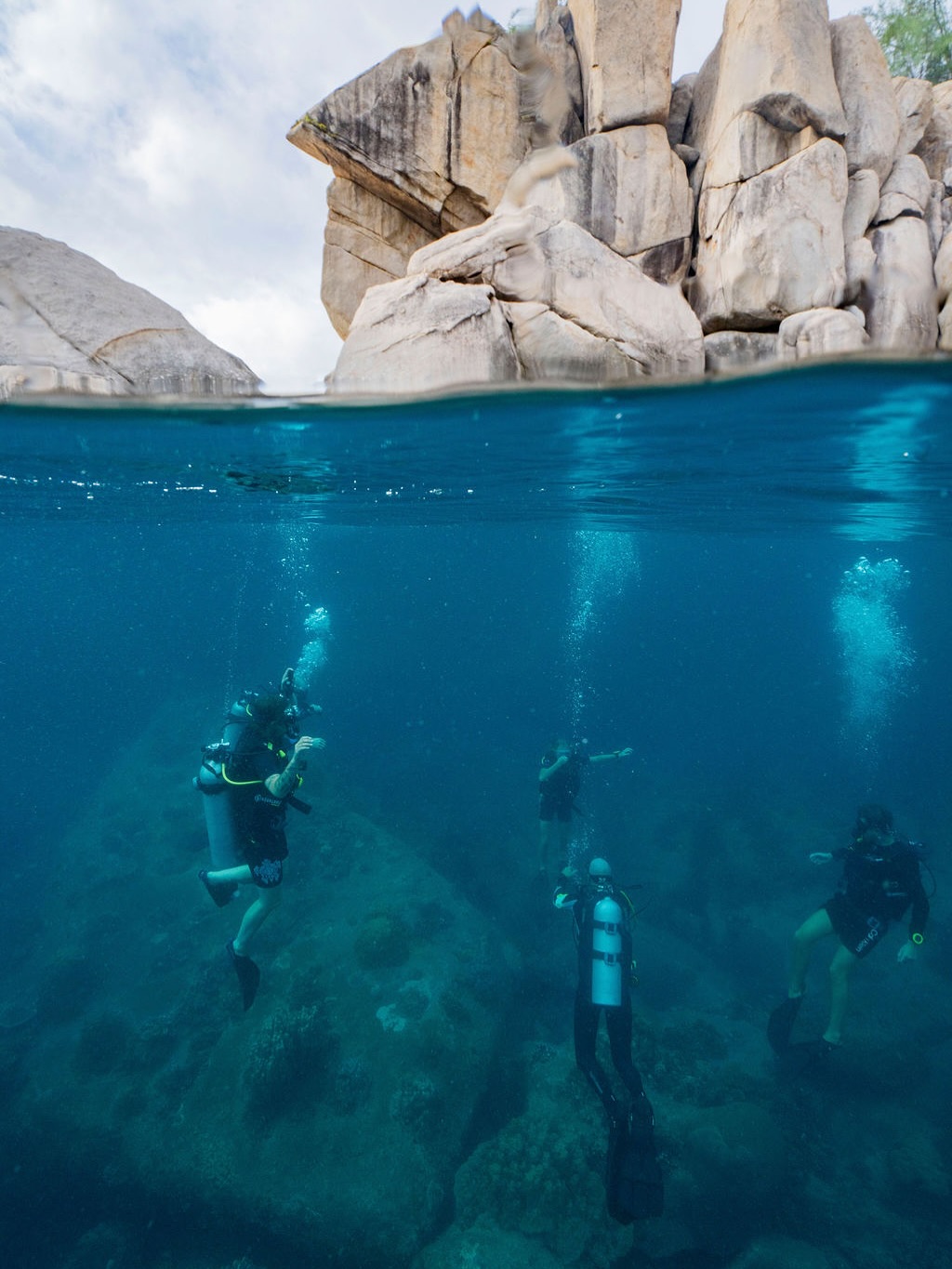
The island has shallow training sites, deeper offshore pinnacles, and a shipwreck. Then complete an Open Water course, the most popular beginner scuba diving certification.
Best diving spots in Koh Tao
- Japanese Gardens: A shallow coral area near Koh Nang Yuan for beginners.
- Twins: Three underwater rock formations surrounded by coral and anemones.
- Aow Leuk: A sheltered bay with shallow reefs and marine life, used for introductory dives and training.
- Chumphon Pinnacle: A deeper offshore site with schools of barracuda and trevally. Whale sharks occasionally appear, but sightings aren’t guaranteed.
- HTMS Sattakut: A former Thai Navy vessel sunk as an artificial reef. Experienced divers can explore the exterior, while entering the wreck requires training.
2. Phuket: For First-Time Divers on a Short Holiday
- Best time: November to April is the main planning period for Phuket’s Andaman Sea dive sites.
- How to reach: Fly to Phuket directly from India.
- Operators: Aussie Divers Phuket, Sea Bees Diving, All 4 Diving, Love Diving Phuket, and ACDC Diving.
Phuket is one of Thailand’s beach-focused destinations with island excursions and access to several dive sites in the Andaman Sea. It is a great place to try scuba diving in the morning and enjoy Thai nightlife.
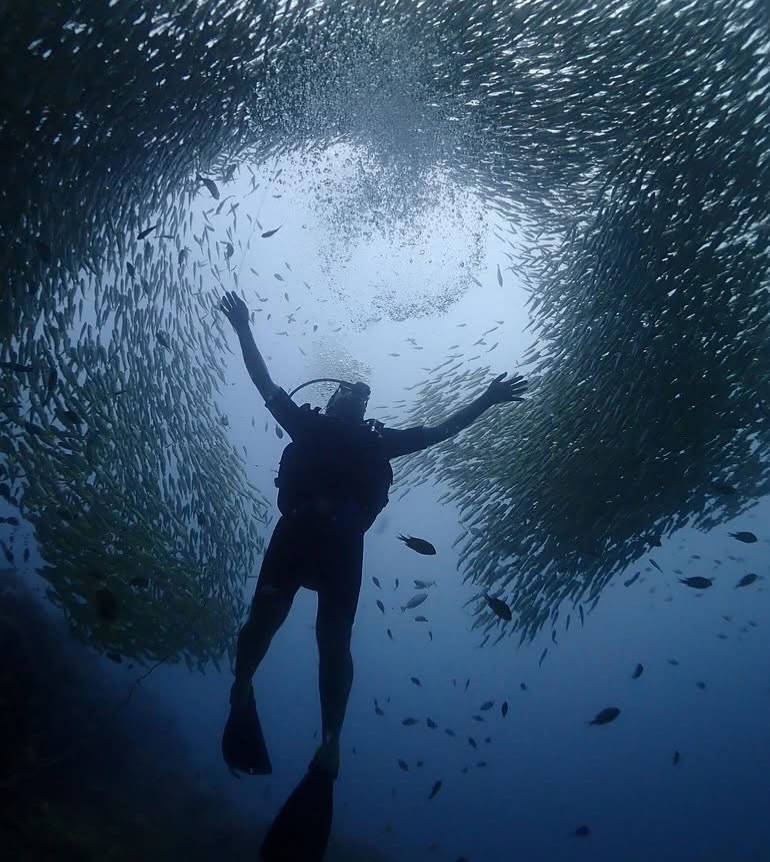
In Phuket, stay in Patong, Kata or Karon and book a shore dive or boat excursion. Racha Yai is better for introductory experiences. For licensed divers, there are options around Racha Noi, Shark Point, and Anemone Reef.
Best diving spots in Phuket
- Racha Yai: Offers sheltered bays with clear visibility and sandy seabeds. Divers may encounter reef fish and moray eels.
- Kata Reef: An accessible reef from the shore with smaller marine life and artificial reef structures.
- Racha Noi: This is a site for experienced divers, as some areas have stronger currents.
- Shark Point: Limestone pinnacles covered with coral and anemones. Leopard sharks are occasionally encountered.
- Anemone Reef: An underwater pinnacle covered with anemones and reef fish.
3. Pattaya: For Diving During a Bangkok Holiday
- Best time: Diving is available year-round, but visibility, currents, and weather determine which sites are accessible. A safer option is November to April.
- How to reach: Fly from India to Bangkok (BKK or DMK) and take a 2-hour road transfer (taxi, private car, or bus) directly to Pattaya.
- Operators: Pattaya Scuba Adventures, Jomtien Dive Centre, and No Limit Divers.
Located just two hours by road from Bangkok, Pattaya lets travellers add a diving trip to a Bangkok itinerary without another domestic flight.
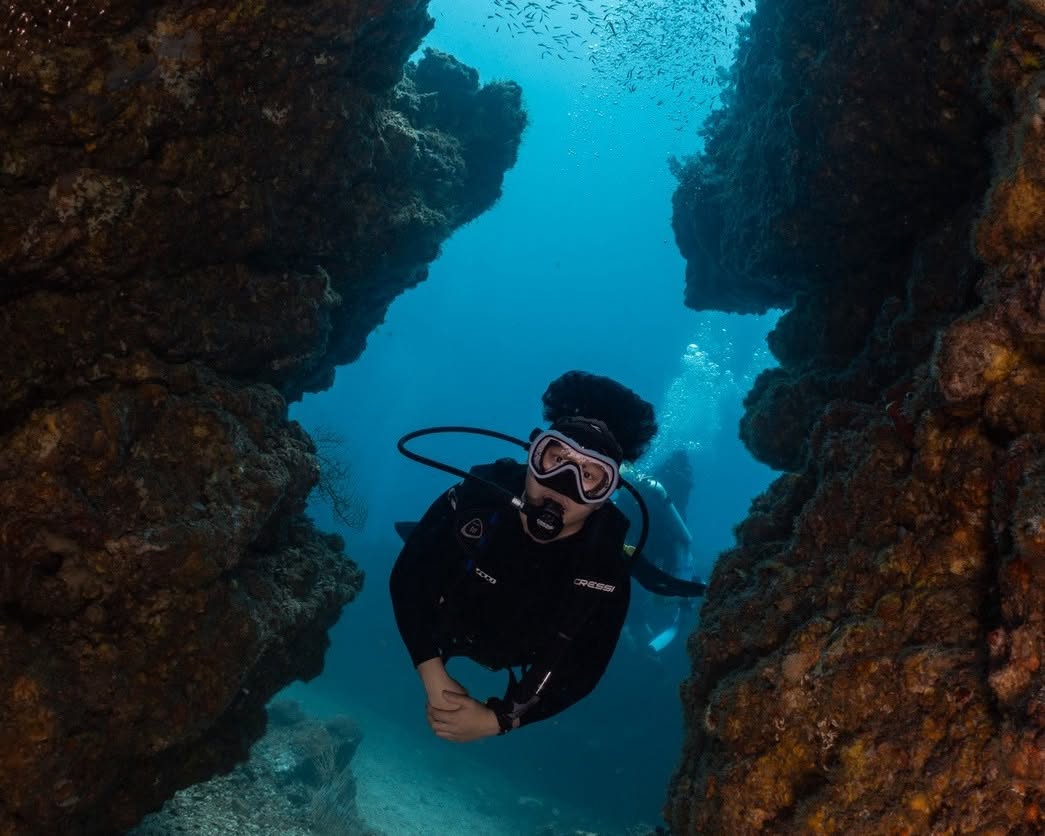
In Pattaya, diving takes place around nearby islands and offshore wrecks. Beginners can visit sheltered reefs chosen by their instructor, while certified divers can access deeper sites.
Best diving spots in Pattaya
- Koh Sak: Sheltered reef areas with coral and smaller reef fish, used for introductory diving when conditions permit.
- Koh Larn: Shallow coastal sites where beginners can practise underwater skills.
- Koh Rin: An outer island with coral-covered rocks and opportunities to encounter schooling fish.
- HTMS Khram: A sunken naval vessel that has become an artificial reef. Its depth makes it more suitable for qualified divers.
- HTMS Kut: Another wreck option for licensed divers.
4. Similan Islands: For Certified Divers and Liveaboard Trips
- Best time: The marine park operates seasonally, mostly from mid-October to mid-May. Confirm the current park opening dates and your operator’s sailing schedule before booking. January to March is also a good time when the weather is dry, and the seas are calm.
- How to reach: From Phuket, continue by road to Khao Lak. Many boats depart from Thap Lamu Pier. Arrive at least a day before your scheduled boat departure to allow for flight delays.
- Operators: Sea Bees Diving, Khao Lak Explorer, and Sea Dragon Dive Centre.
The Similan Islands lie off Thailand’s Andaman coast. Their underwater landscape has large granite boulders, coral reefs and passages between rock formations.
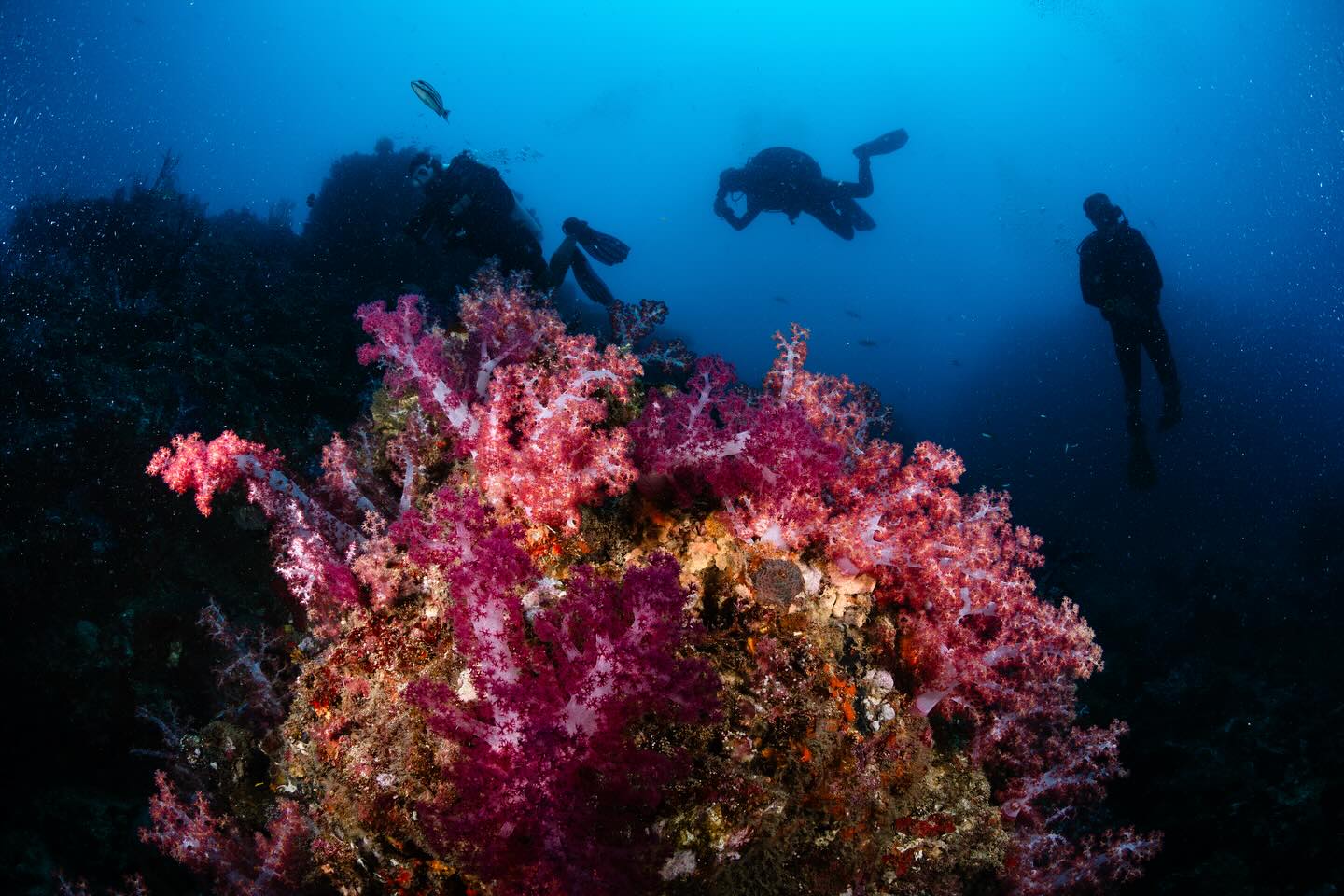
This region is for certified divers who want to visit several offshore sites. Khao Lak is a departure base for day trips and liveaboards. On a liveaboard, you sleep on the boat and travel between dive sites over days instead of returning to the mainland every evening.
Best diving spots in and around the Similan Islands
- Elephant Head Rock: Large underwater granite boulders and passages. Some routes require experience with currents and overhead environments.
- Christmas Point: Granite formations and swim-throughs that offer more complex underwater terrain.
- Koh Bon: A site visited for its reef and occasional manta ray encounters.
5. Koh Lanta: For Offshore Reefs and Experienced Divers
- Best time: November to April is the main planning period for Koh Lanta diving.
- How to reach: Fly from India to Krabi or Phuket and plan a road transfer and ferry to Koh Lanta. Confirm your dive centre’s pickup area before choosing accommodation.
- Operators: Dive & Relax, Blue Planet Divers, Lanta Diver, and Hidden Depths Diving.
Koh Lanta is an island in Krabi province, with long beaches and access to offshore dive sites. It suits travellers who want to spend days diving while staying somewhere with less crowded areas.
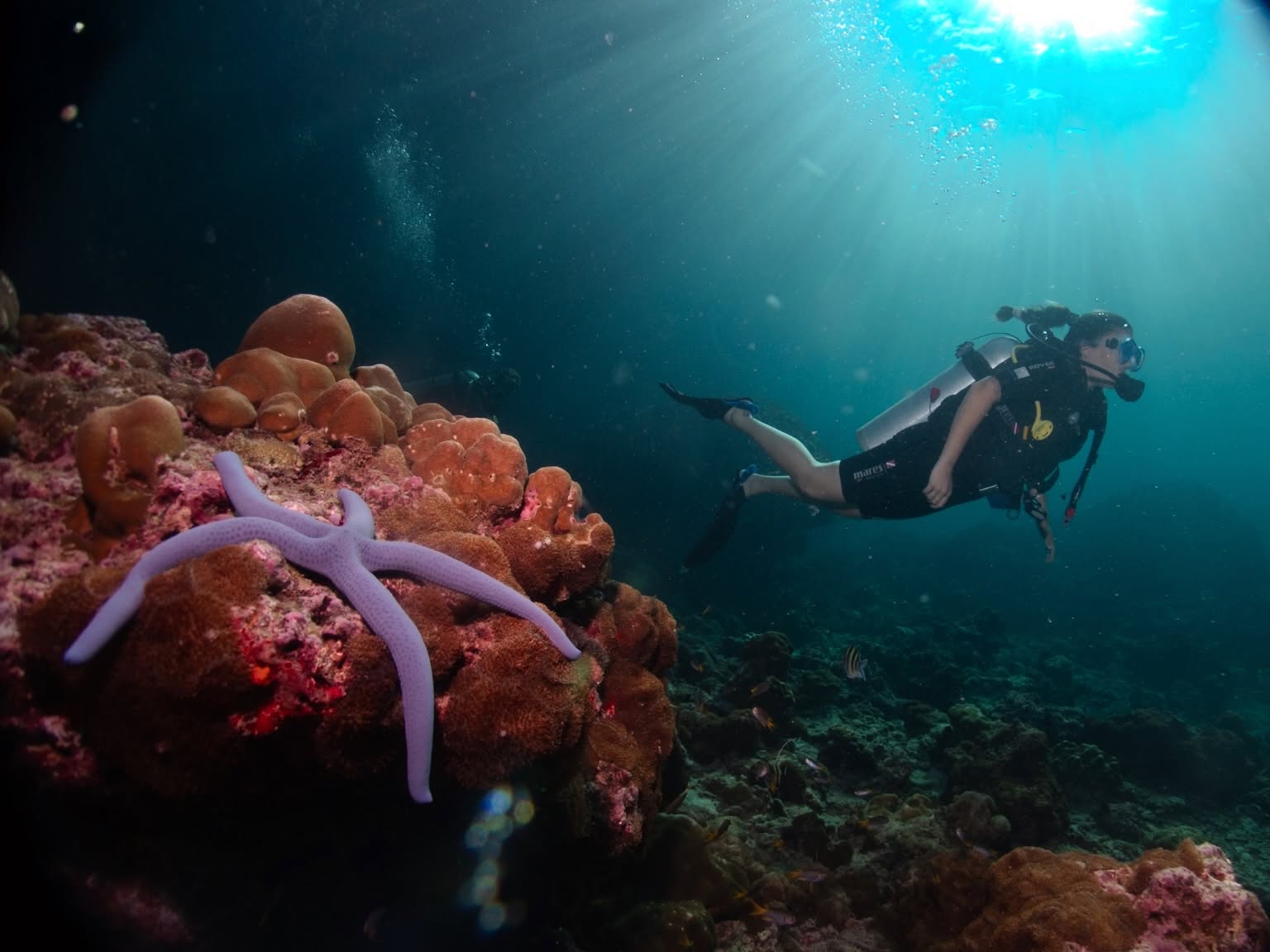
Koh Haa offers shallow reef sections as well as more complex underwater terrain. Further offshore, Hin Daeng and Hin Muang attract experienced divers interested in deeper sites and the chance to see larger marine animals.
Best diving spots in Koh Lanta
- Koh Haa Lagoon: A sheltered area with coral gardens, reef fish, and shallower sections suitable for less experienced divers.
- Koh Haa Cathedral: Features underwater caverns and swim-through passages for adventure seekers.
- Hin Daeng: A deep pinnacle with red soft corals, steep walls, and occasional manta ray sightings.
- Hin Muang: A reef with purple soft corals and deeper sections.
- Koh Rok: Coral reefs where you can combine diving with an island excursion.
6. Phi Phi Islands: For Reef Diving Near Limestone Cliffs
- Best time: November to April offers more favourable Andaman Sea diving conditions.
- How to reach: Fly to Phuket or Krabi, then take a ferry or speedboat to Phi Phi Don.
- Operators: Princess Divers, Island Divers, and Barakuda Diving
The Phi Phi Islands are known for their limestone cliffs, beaches, and boat excursions. For divers, the main attraction is the marine environment around Phi Phi Leh and the Bida Islands, where reefs sit beside steep underwater rock formations.
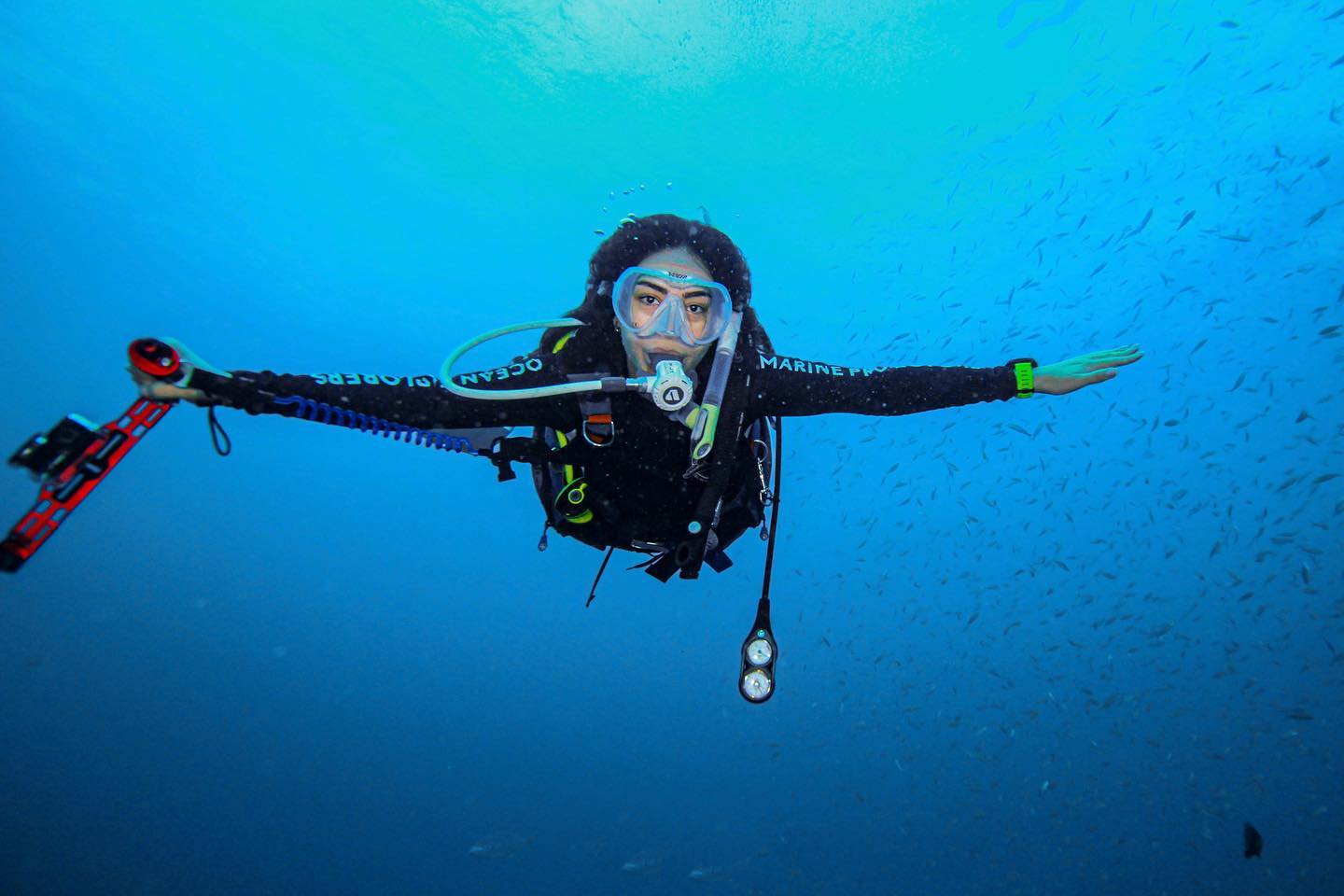
Staying on Phi Phi Don puts you closer to several dive sites than taking a full-day excursion from Phuket.
Best diving spots in Phi Phi Islands
- Bida Nok: Underwater limestone formations, coral-covered walls and opportunities to encounter blacktip reef sharks.
- Bida Nai: Reef fish, coral and rock formations, with routes selected according to conditions and diver experience.
- Palong Wall: A reef beside Phi Phi Leh where divers sometimes encounter blacktip reef sharks.
- Maya Corner: Reef diving around limestone formations near Phi Phi Leh.
- HTMS Kledkaeo: A wreck near Phi Phi that suits appropriately qualified divers.
How Much Does Scuba Diving in Thailand Cost?
Note: The costs mentioned are estimates, not fixed. Check whether the quotation includes equipment, instruction, boat transfers, marine park fees, insurance, certification and accommodation.
| Type of Diving | Approx. Cost in INR |
| Basic one-day diving for beginner | 10,000 |
| 4-day liveaboard trip | 1,30,000 |
| 3-day open water diver course | 40,000 |
A Five-Day Phuket and Bangkok Itinerary for First-Time Divers
For a short scuba diving trip and a visit to Bangkok, a five-day Thailand itinerary is enough. However, this itinerary isn’t intended for travellers completing a full Open Water certification course.
- Day 1: Arrive in Phuket, check into your hotel and confirm your dive booking and medical questionnaire.
- Day 2: Take a full-day diving trip to Racha Yai.
- Day 3: Visit Phuket Old Town or spend the day at the beach. Keep this day free of diving before your next flight.
- Day 4: Fly to Bangkok. Visit Wat Arun, spend time along the river and eat Thai street food.
- Day 5: Visit the Grand Palace if your departure schedule allows, then fly home.
In case you want a certification course, set aside at least four days for training and extend your holiday.
Important Things to Know Before Scuba Diving in Thailand
- Choose your destination based on the season. Phuket, Phi Phi and Koh Lanta have their main diving season from November to April, while Koh Tao is better from May to September.
- Don’t choose an operator only because it is cheaper. A lower price may exclude equipment, boat transfers, park fees or other costs, so compare the complete package before booking.
- Sea conditions can change your dive plan. Wind, waves, currents, and visibility may affect which sites are accessible.
- Whale sharks, manta rays and reef sharks are seen at some Thai dive sites, but their movements are unpredictable even during the right season.
- Keep a spare day around your diving plans. Weather can delay boats or change the planned site, so having another day gives you a better chance of completing your dive.
- Don’t fly immediately after diving. Your body needs time to release the extra nitrogen absorbed during a dive, and flying too soon increases the risk of decompression sickness.
- Check the actual dive sites before paying. Two operators may offer similar prices but take you to different sites, which can make a big difference to the experience.
- Tell the dive centre about your previous experience. Your certification, recent dives, and comfort level help the instructor decide whether a particular site is appropriate for you.
Conclusion
The best place for scuba diving in Thailand depends on whether you want to try it once or spend many days underwater.
Before booking, compare the exact dive sites, instructor supervision, course fees and equipment inclusions. Contact the operators you choose and clear all your doubts.
Dimaak Tours can help you plan a Thailand holiday that includes diving alongside your preferred islands and sightseeing activities.
FAQs on Scuba Diving in Thailand
1. Which is better for a first-time scuba diver, Phuket or Koh Tao?
Phuket suits travellers who want a single, simple dive during a short holiday. Koh Tao is worth considering if you want to spend a few days learning and also get an Open Water certification.
2. Can you scuba dive in Thailand when you cannot swim?
Some supervised programmes accept non-swimmers, subject to their requirements. Full Open Water certification requires swimming and floating assessments. Tell the dive centre about your ability before booking.
3. How many days do you need for scuba diving in Koh Tao?
Plan 4 – 6 days to complete an Open Water course and visit additional dive sites.
4. Can you see whale sharks while scuba diving in Thailand?
Whale sharks occasionally appear at sites such as Chumphon Pinnacle near Koh Tao and Richelieu Rock in the Andaman Sea.
5. What is the minimum age for scuba diving in Thailand?
PADI Discover Scuba Diving accepts participants from age 10. Some operators may have additional age restrictions, so confirm eligibility before booking for children.
