


Key Takeaways:
|
Beneath Sri Lanka’s turquoise waters lies a world of coral gardens, forgotten shipwrecks, and marine life ranging from tiny reef fishes to even blue whales, the largest animal on earth. This mix of underwater beauty and adventure makes Sri Lanka a rewarding scuba diving destination in the Indian Ocean.
When beginners get to enjoy calm reef sites near some of the best beaches of Sri Lanka, experienced divers can go for deeper wrecks and reefs around Colombo, Unawatuna and Great Basses Reef.
With different monsoon seasons affecting each coast, diving is possible throughout much of the year. Go on to read about some of the best places to go scuba diving in Sri Lanka, along with their difficulty levels, underwater sights, and the best time to visit.
1. Hikkaduwa
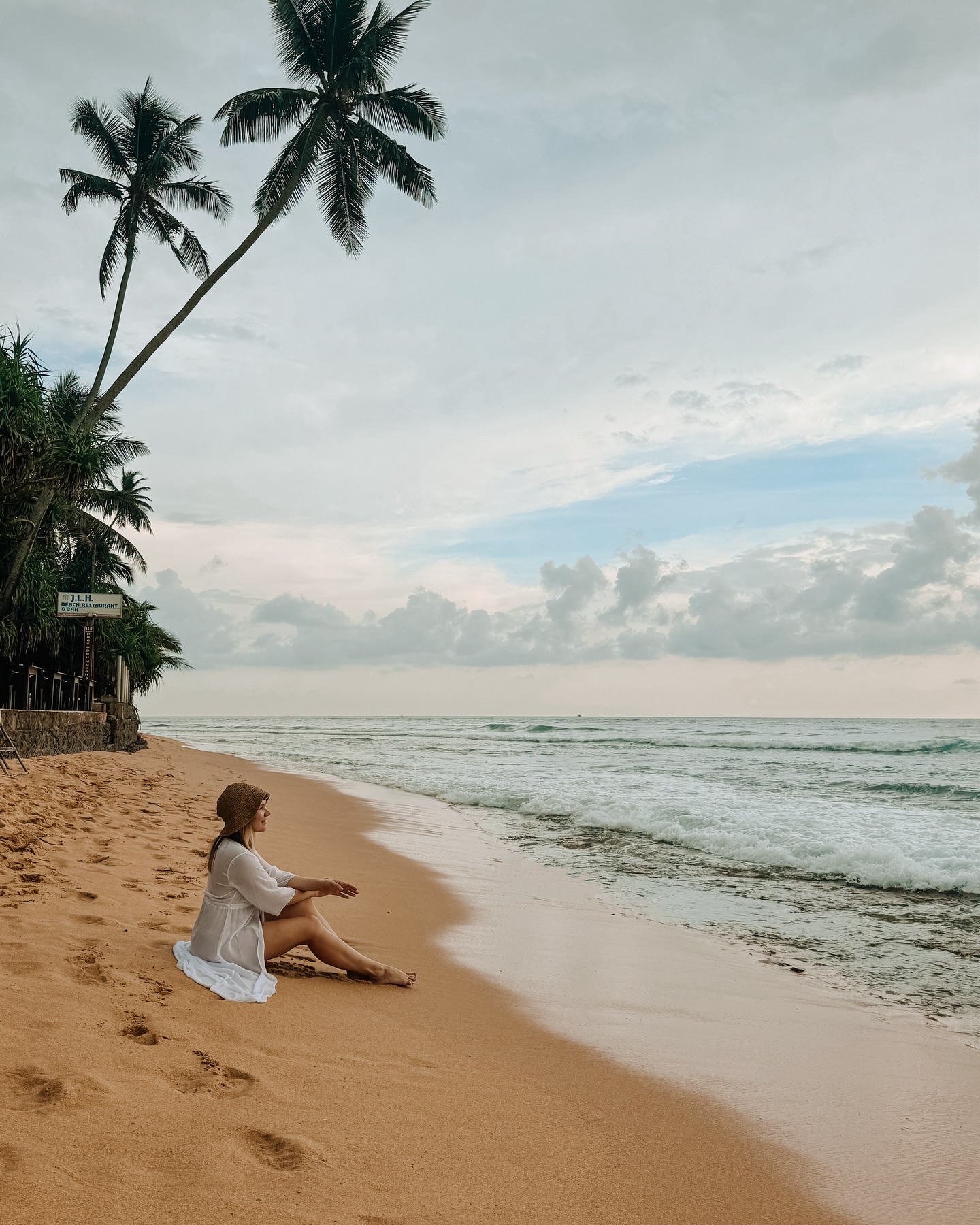
Hikkaduwa is a beach town on the southwest coast of Sri Lanka, between Colombo and Galle. With protected waters and dive sites close to the shore, Hikkaduwa is a top place to go scuba diving in Sri Lanka.
There are diverse underwater landscapes, including coral gardens, rocky reefs, shipwrecks and underwater pinnacles, suitable for all experience levels. Popular diving sites include SS Conch (Conch Wreck), Kirala Gala, and Goda Gala.
SS Conch is a historic shipwreck covered in marine growth, while Kirala Gala attracts experienced divers with its deeper rocky formations and soft corals. Divers can see sea turtles, butterflyfish, parrotfish, moray eels, groupers, pufferfish, and other colourful reef life.
Several PADI-certified dive centres operate in Hikkaduwa, making it beginner-friendly while still providing deeper sites for advanced divers. Scuba diving in Hikkaduwa usually costs around LKR 15,000 to 25,000 (approx. 4000-7000 INR) per person.
Best time to go diving: November to April
2. Unawatuna
Unawatuna lies on Sri Lanka’s southern coast, about 5 kilometres from Galle. The sheltered bay, nearby reefs, rocky underwater landscapes, and historic wrecks make it a popular diving destination along the southern coastline.
The area provides diving experiences ranging from shallow reef dives for beginners to deeper wreck dives for experienced divers. Unawatuna and the nearby Galle harbour have several dive sites, including Rangoon Wreck, Tango Wreck, Galapita Gala, and Unawatuna Reef.
Rangoon Wreck is a British steamship wreck resting at around 30 metres depth. Covered in sponges and soft corals, it has become an artificial reef attracting reef fish, groupers, moray eels, and other marine life. Due to its depth, it is recommended for advanced levels.
Tango Wreck rests 16 to 25 metres under the sea, and suits intermediate to advanced divers interested in wreck diving. Galapita Gala is a rocky reef and cave diving site with sightings of nudibranchs, lionfish, stingrays, and reef fish.
Unawatuna Reef has shallow coral areas suitable for beginners, where divers can see butterflyfish, angelfish, parrotfish, and sea turtles.
A single dive in Unawatuna generally costs between LKR 10,000 and 25,000 (approx. 3000-7000 INR), depending on the dive site and depth. Wreck dives like Rangoon Wreck may cost slightly more due to boat trips and equipment requirements.
Best time to go diving: November to April
3. Mirissa
Mirissa, a coastal town in the Matara District of southern Sri Lanka, draws visitors mainly for its whale-watching opportunities. Because the deep ocean is near the coastline, divers can see larger marine species alongside those in shallow-water reef ecosystems.
Divers can see reef fish, moray eels, groupers, barracuda, rays, and seasonal whale sharks. The surrounding waters also support blue whales and other large marine animals, although sightings depend on conditions and season.
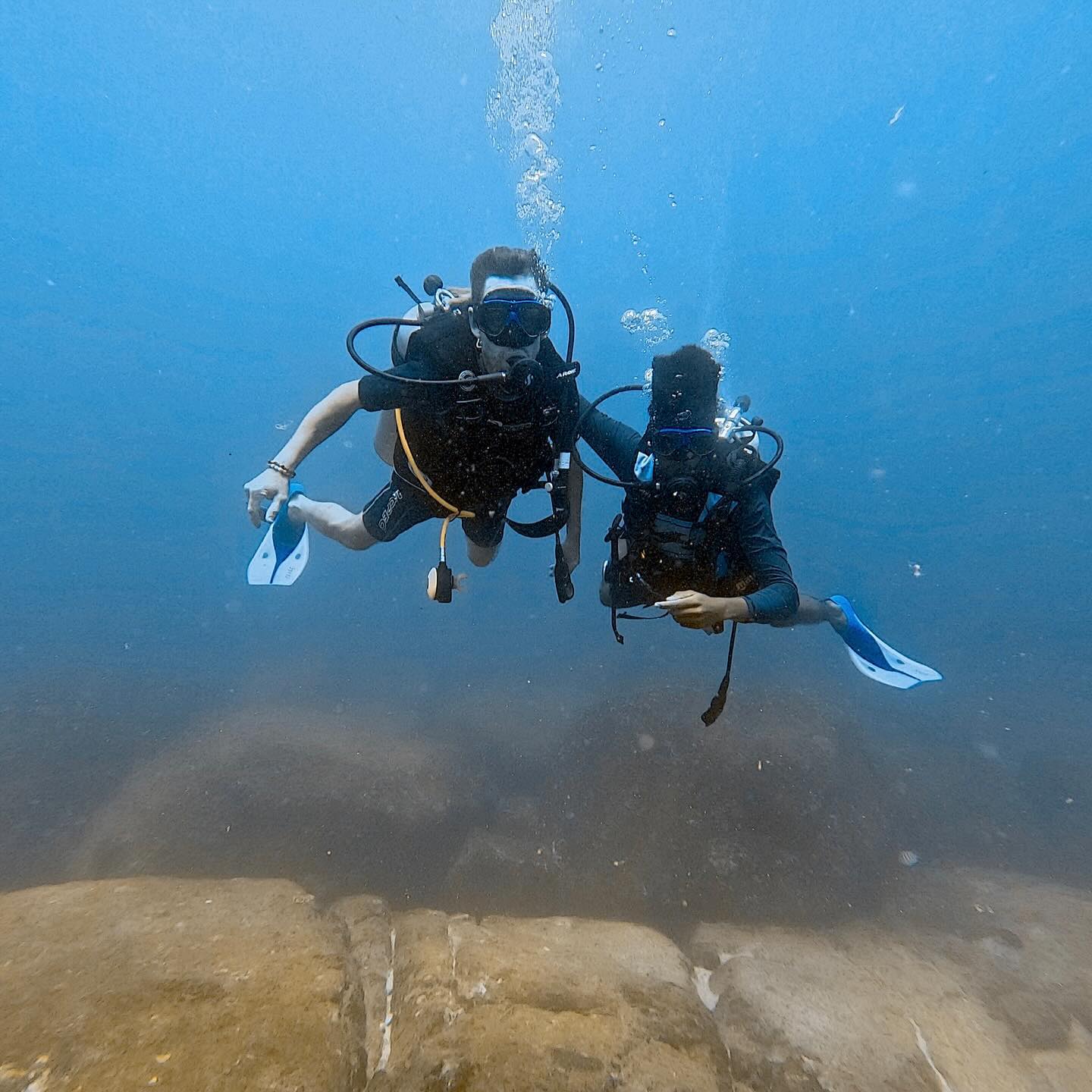
Several dive operators in Mirissa provide beginner programmes, Open Water Certification and guided dives. Shallow reef sites suit beginners, while deeper offshore locations are better for experienced divers.
Scuba diving in Mirissa typically costs around LKR 20,000-30,000 (approx. 6000-9000 INR) per dive, with prices varying by reef location and boat trip.
Best time to go diving: November to April
4. Trincomalee
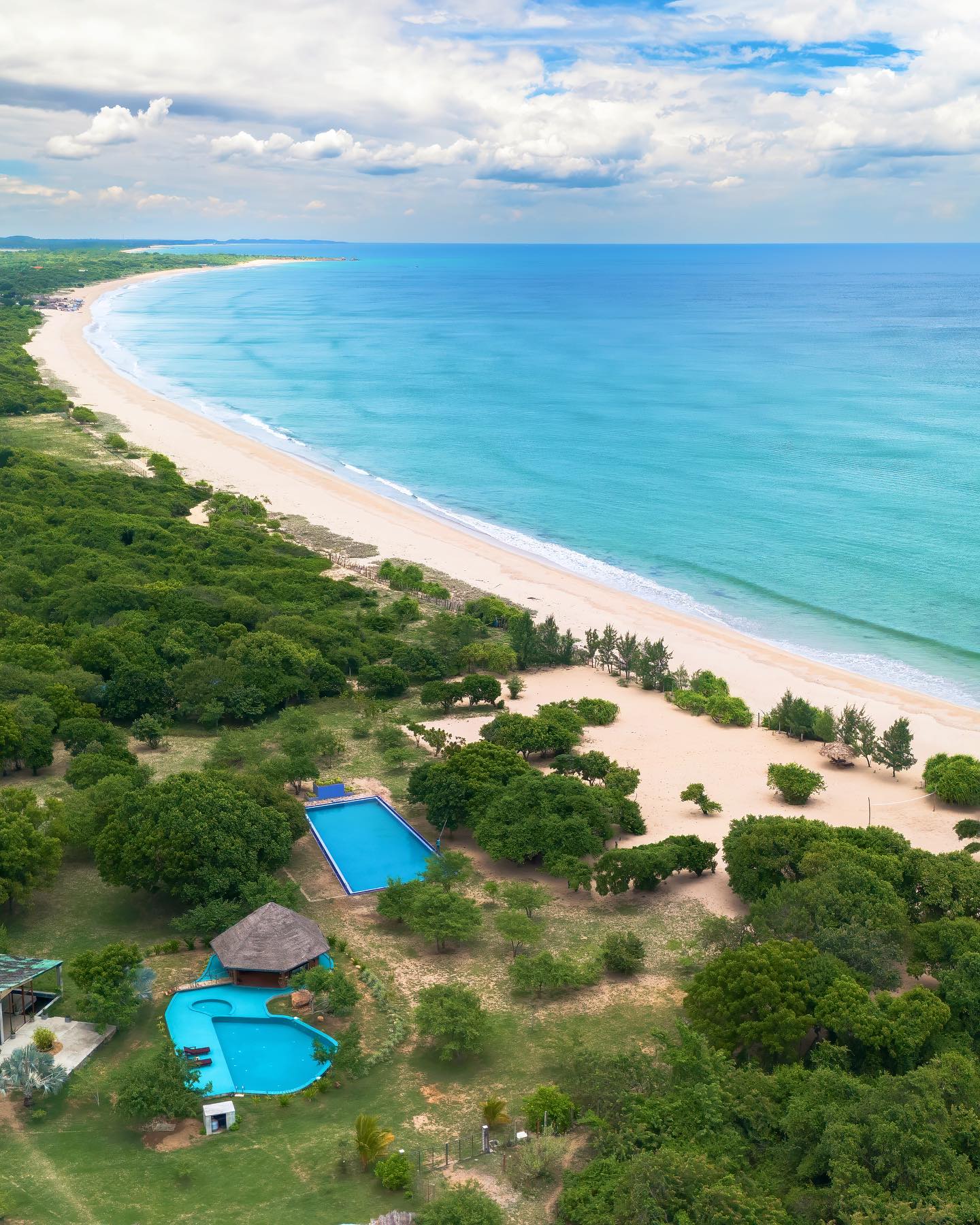
Trincomalee is on Sri Lanka’s northern coast, and the natural harbour, rocky underwater landscapes, and nearby islands create varied diving environments. Trincomalee is also a great spot to go whale watching in Sri Lanka.
Popular sites include Swami Rock, the surroundings of Pigeon Island, and Shark Point. Swami Rock is a deep reef site near the historic coastal area of Trincomalee, while Shark Point provides opportunities to see reef sharks and tropical fish. The nearby waters contain coral formations, reef fish, rays, and turtles.
Trincomalee is suitable for divers of all levels. Shallow reef areas are suitable for beginners, while deeper sites and strong currents require more experience. Several PADI-certified diving centres operate in the area, with courses, equipment rentals and boat dives.
Diving in Trincomalee usually ranges from LKR 15,000 to 25,000 (approx. 4000-7000 INR) per dive, including equipment and boat transfers.
Best time to go diving: May to September
5. Nilaveli and Pigeon Island National Park
Nilaveli is a coastal town on Sri Lanka’s northeastern coast, approximately 15 kilometres north of Trincomalee. Its clear waters, calm conditions during the dry season, and proximity to Pigeon Island Marine National Park make it a major diving destination.
With calm waters and easy dive sites, Nilaveli appeals to travellers exploring family-friendly places in Sri Lanka. Experienced divers can also find deeper reef areas with stronger currents and larger marine encounters.
The main attraction near Nilaveli is Pigeon Island Marine National Park, where coral reefs, rocky seabeds, and shallow lagoons create habitats for many marine species.
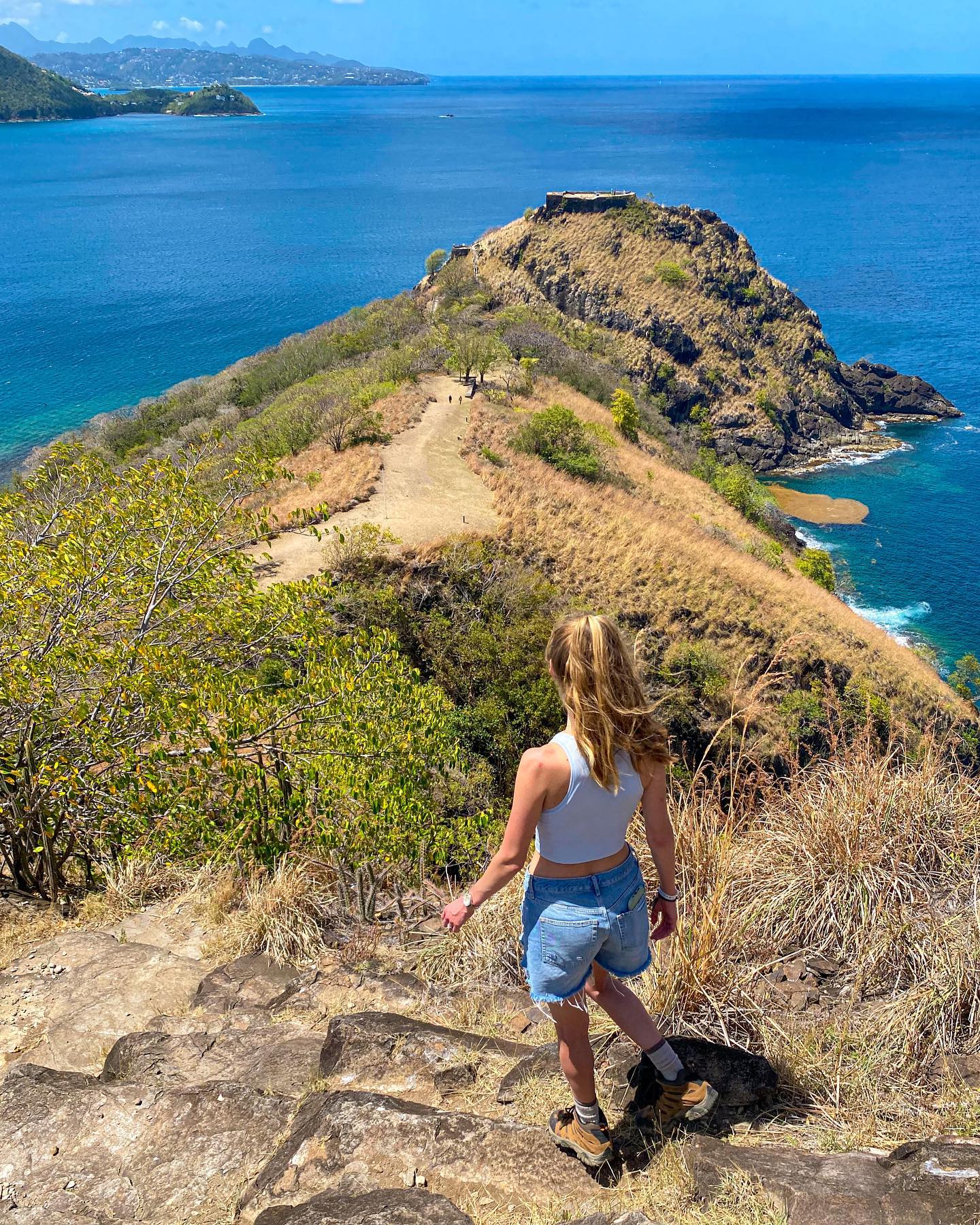
Divers can see blacktip reef sharks, sea turtles, butterflyfish, angelfish, parrotfish, groupers, and colourful corals.
Several dive centres operate around Nilaveli and Trincomalee, providing PADI certification courses. The area is suitable for families and first-time divers, while still providing opportunities for experienced divers.
Diving in Nilaveli and Pigeon Island ranges from LKR 15,000 to LKR 35,000 (approx. 4000-10,000 INR) per person, depending on the site, equipment rental, and boat charges.
Best time to go diving: May to September
6. Colombo (Wreck Diving Zone)
Colombo sits on Sri Lanka’s west coast and has become an important destination for wreck diving due to several shipwrecks lying off its shore.
Colombo is particularly suited for certified divers interested in wreck exploration. Popular sites include Thermopylae Sierra, the Cargo Wreck, and the Chief Dragon Wreck. These wrecks vary in depth and difficulty, with some requiring advanced certification because of depth, currents, and penetration risks.
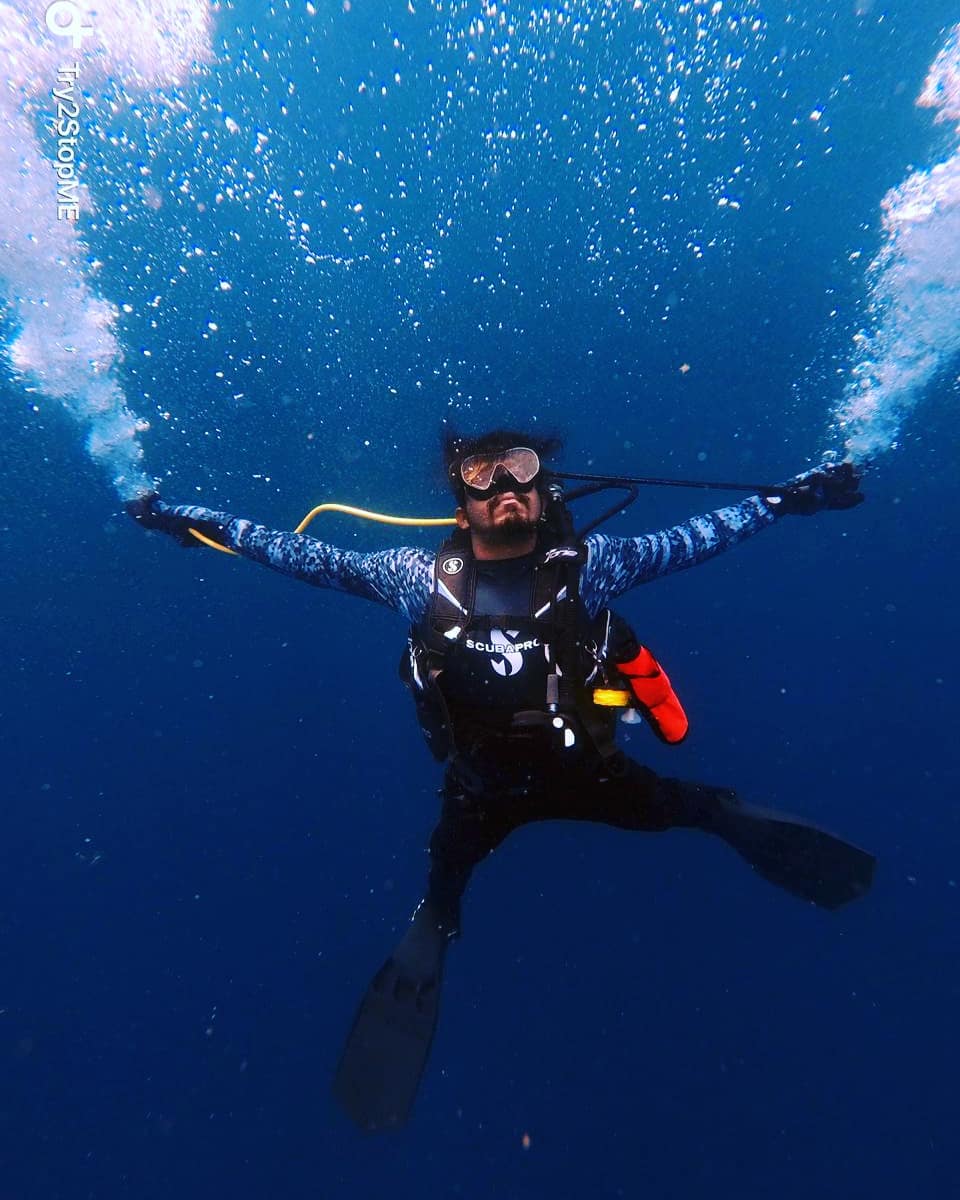
The wrecks have transformed into artificial reefs where corals, sponges and marine organisms grow over time. Divers can see groupers, barracuda, moray eels, octopus, nudibranchs, and occasionally rays around these structures.
Because many wreck sites are located deep in the ocean, diving there strictly requires certified operators and prior wreck-diving experience. And it generally costs around LKR 18,000-35,000 (approx. 5000-10,000 INR) per dive.
Best time to go diving: November to April
7. Kalpitiya
Kalpitiya is located on Sri Lanka’s northwestern coast, in the Puttalam district. The area combines shallow waters and diverse marine habitats, including coral reefs, making it suitable for divers interested in reef life and larger marine encounters.
The main diving attraction is the Bar Reef Marine Sanctuary, Sri Lanka’s largest coral reef system. The reef contains coral gardens, rocky areas, and shallow waters supporting many tropical species.
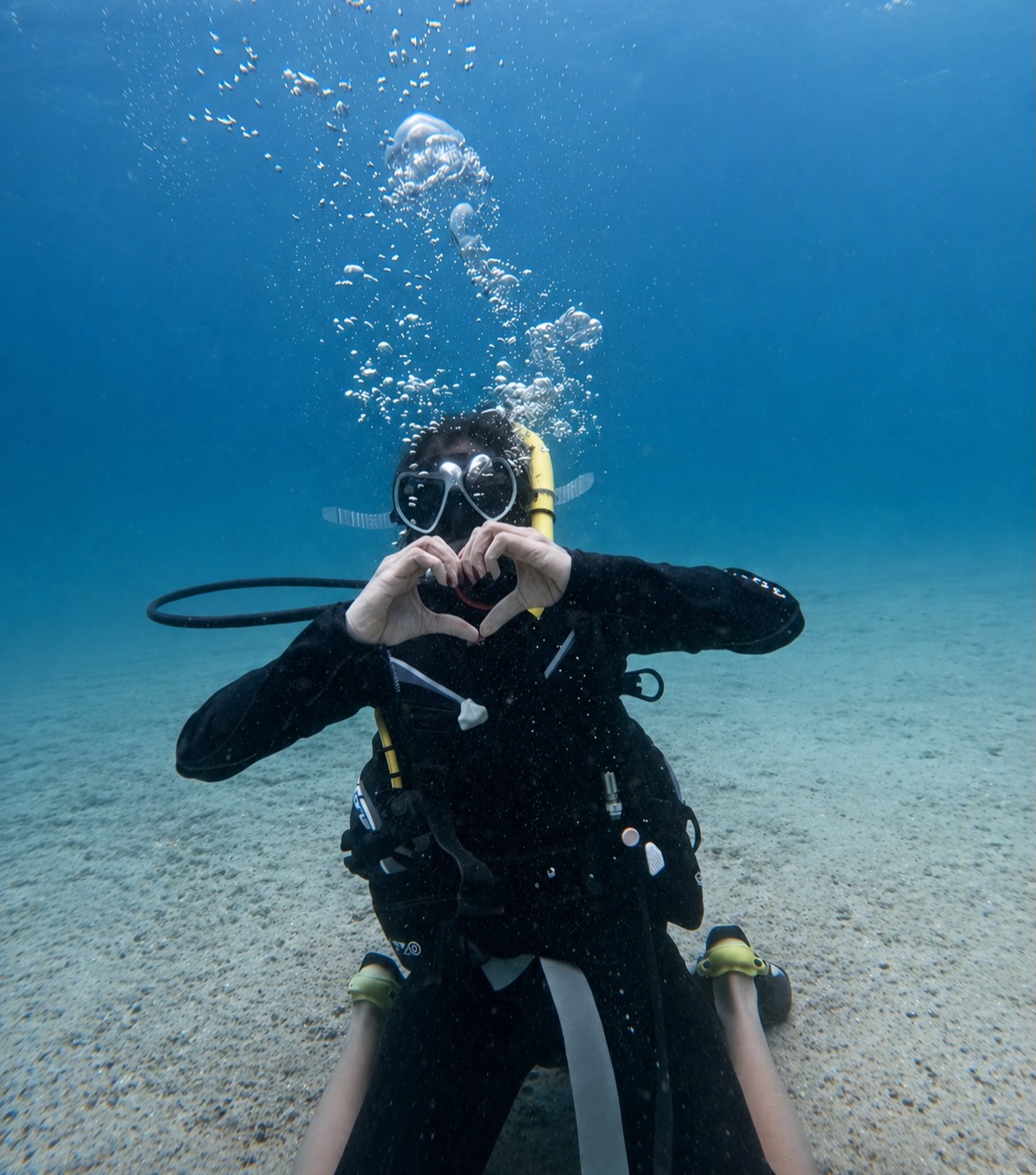
Local dive operators arrange trips to Bar Reef and nearby marine sites, with guided dives available for beginners and certified divers. The shallow coral areas are suitable for new divers, while stronger currents and deeper waters require more experience.
Scuba diving in Kalpitiya usually costs around LKR 20,000-28,000 (approx. 6000-8000 INR) per dive, including basic equipment and guided trips.
Best time to go diving: November to April
8. Passikudah
Passikudah is a beach town on Sri Lanka’s eastern coast, in the Batticaloa District. Its shallow, calm bay, warm waters, and gently sloping seabed make it suitable for beginner divers and those looking for relaxed reef experiences.
Diving around Passikudah focuses mainly on shallow reef sites rather than deep wrecks or challenging offshore dives. Nearby areas such as Kalkudah and the surrounding reefs give divers opportunities to observe coral formations and small reef species.
Divers can see butterflyfish, angelfish, parrotfish, groupers, moray eels, sea turtles, and other tropical reef species. The calm conditions also make Passikudah suitable for introductory dives and underwater training sessions. Local dive operators arrange guided dives and beginner programmes during the diving season.
A beginner scuba dive in Passikudah generally costs around LKR 12,000-20,000 (approx. 3000-6000 INR) per dive, as most sites focus on shallow reefs and introductory experiences.
Best time to go diving: May to September
9. Batticaloa
Batticaloa lies on Sri Lanka’s eastern coast, surrounded by lagoons, coastal waters, and offshore marine environments that support a growing diving scene.
Unlike established diving destinations such as Hikkaduwa or Trincomalee, Batticaloa has a quieter diving experience with fewer crowds. The nearby waters contain coral areas, rocky seabeds, and marine habitats that attract tropical fish and other reef species.
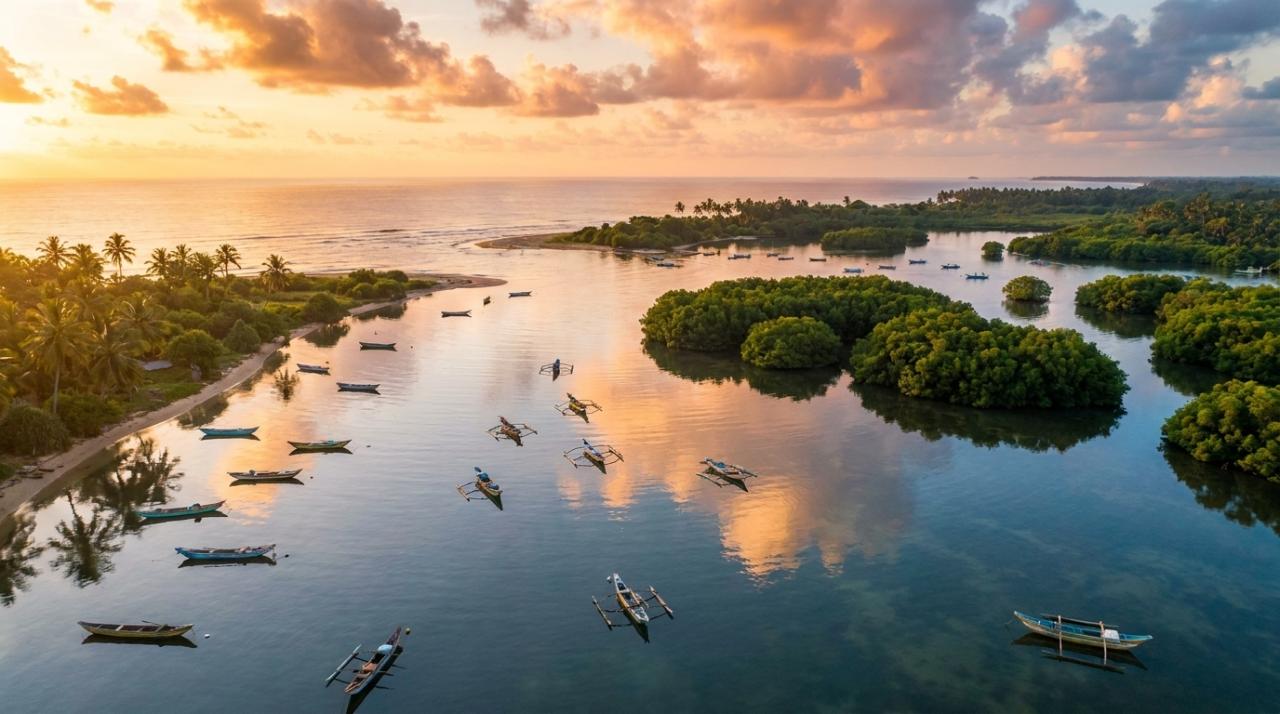
Popular diving areas include Kallady and nearby coastal reefs, where divers can observe coral growth, reef fish, and other marine life. The region is also gaining attention for encounters with larger marine species, such as reef sharks and manta rays, in surrounding waters, depending on the season and conditions.
Diving facilities in Batticaloa are more limited than in major destinations, but local operators and nearby east coast dive centres organise guided trips and beginner experiences.
Scuba diving in Batticaloa costs approximately LKR 12,000-22,000 (approx. 3000-6000 INR) per dive, although prices may vary due to fewer operators and customised trips.
Best time to go diving: May to September
10. Great Basses Reef
Great Basses Reef rests far offshore from Sri Lanka’s southeastern coast, near the fishing town of Kirinda and the eastern edges of Yala National Park.
Unlike coastal reef sites, this area is harder to reach by boat and requires careful planning due to its remote location and changing sea conditions.
The reef is best suited for experienced divers because of its offshore location, deeper waters, currents, and limited access. The area is particularly valued for its untouched underwater landscapes and adventurous diving conditions.
Divers can spot large schools of fish, trevally, tuna, groupers, barracuda, rays, reef sharks, moray eels, black corals, sea fans, and other reef species around the rocky formations. The area is also connected to historic shipwrecks, including sites near the Great Basses Lighthouse.
Due to its remote nature, diving trips are usually organised by experienced operators with suitable boats, equipment, and local knowledge.
Due to its remote location and challenging conditions, diving at Great Basses Reef is more expensive, usually around LKR 30,000 or above (approx. 9000+ INR) per trip.
Best time to go diving: Mid-March to mid-April
Tips for Safe and Responsible Diving in Sri Lanka
- Choose SSI or PADI-certified dive centres with trained instructors and proper safety equipment.
- Check weather conditions before boat trips, especially during monsoon transition periods.
- Avoid touching corals, marine animals, or underwater structures.
- Learn to float steadily to avoid damaging fragile reef ecosystems.
- Follow local diving rules inside marine protected areas such as Pigeon Island and Hikkaduwa National Park.
- Beginners should complete training dives with qualified instructors before attempting deeper sites or wreck dives.
- Check age requirements before booking a dive. Children usually need to meet the age requirements set by the certification agency or operator, with many beginner scuba courses starting from around 10 years old.
Conclusion
Sri Lanka’s coastline has a wide range of scuba diving experiences in store, from shallow coral gardens in Hikkaduwa and Nilaveli to deep wrecks around Colombo and the Great Basses Reef. And the country’s changing monsoon patterns create opportunities for diving throughout much of the year.
Whether you are taking your first underwater dive or seeking deeper wreck and reef adventures, destinations across Sri Lanka give you access to diverse marine environments, colourful species, and historic underwater sites.
You can contact Dimaak Tours to curate a Sri Lankan tour package with unforgettable scuba diving experiences across the island’s best dive sites.
FAQs About Scuba Diving in Sri Lanka
1. Which are the top 3 scuba diving spots in Sri Lanka?
Hikkaduwa, Unawatuna, and Trincomalee are among the most popular diving destinations in Sri Lanka. Hikkaduwa is suitable for beginners and reef lovers, Trincomalee is valued for its clear waters, and Pigeon Island, while Unawatuna attracts divers interested in reefs and wrecks.
2. What is the best time for scuba diving in Sri Lanka?
The best time to go to Sri Lanka for scuba diving depends on the coast. The southwest coast diving spots, including Hikkaduwa, Unawatuna and Mirissa, are best from November to April. The northeast coast, including Trincomalee and Nilaveli, has better diving conditions from May to September.
3. What marine life can I see while diving in Sri Lanka?
Sri Lanka’s dive sites are home to colourful reefs, tropical reef fish, sea turtles, moray eels, groupers, barracuda, rays, and reef sharks. Divers can also spot blacktip reef sharks around Pigeon Island, larger ocean animals such as whale sharks in southern waters, and around offshore sites like Mirissa and Great Basses Reef.
