

Key Takeaways:
|
Before you finish packing for Thailand, let’s talk about what you should wear and what to leave behind.
Thailand ranks among the best South Asian countries for its places to visit and cities to explore on vacation. It has a tropical climate with high humidity and year-round warm temperatures.
While planning your trip, it is important to consider the best time to visit Thailand and how what you wear can affect comfort, safety, and access, and to pack your clothes accordingly.
To know what to wear in Thailand, this guide covers what to wear based on the weather, activities, and cultural norms, plus a practical packing checklist to help you pack your bags.
Thailand Dress Code
On a daily basis, lightweight, breathable Fabrics are recommended.
For Thailand’s climate, natural fabrics such as cotton, linen, and rayon are best. They let air flow, help reduce sweat, and keep you comfortable during long days of sightseeing.
Quick-dry performance fabrics are great for active travel. They work well for island hopping, rainy days, or overnight laundry at your hotel.
Shoes and Footwear
You’ll walk a lot in Thailand, so footwear can make or break your trip. Best Shoes for Walking in Thailand include:
- Cushioned walking sandals
- Breathable sneakers
- Lightweight slip-on shoes
Look for shoes that are easy to remove, as you’ll take them off often at temples and some shops.
Sandals, Flip-Flops, and When to Avoid Them
Flip-flops are great for
- Beaches
- Short walks
- Pool areas
Avoid them for
- Long city walks
- Nightlife venues
- Uneven sidewalks
Choose supportive sandals or sneakers for full sightseeing days.
What to Wear in Thailand by Season
Understanding Thailand’s weather is important for making appropriate clothing choices.
As you know, Thailand is warm year-round and often humid, so lightweight, breathable fabrics are ideal for staying comfortable.
Being aware of the seasonal variations can help you plan your Thailand itinerary effectively.
Thailand Dresscode for for Summer
| March to May Temperatures: 30°C to 40°C |
What works best?
- Loose-fitting Clothes
- Light-coloured clothing
- Sleeveless tops
- Breathable T-shirts
- Linen pants
- Airy dresses
These clothes allow airflow and work best during summer as they avoid tight or heavy fabrics that trap heat.
Thailand Dresscode for Monsoon
| July to October Temperature: 25°C to 32°C |
The rainy season lasts from June to October. During this time, you get sudden heavy rain showers and high humidity.
What works best?
- Quick-dry clothing
- Lightweight rain jackets
- Moisture-resistant sandals.
- Synthetic fabrics
These clothes dry faster than cotton and are easier to handle. Also, packing a waterproof layer or umbrella is advisable.
Thailand Dresscode for Winter (North vs South)
| November-February Temperature: 20°C to 30°C |
From November to February, northern Thailand, like Chiang Mai, can be cool, especially in the evenings.
What works best?
- A light jacket or sweater
- A long-sleeve shirt
In southern Thailand, it stays warm, so you can wear summer clothes there.
Outfit Ideas by Location and Activity
Cities
Thailand’s capital, Bangkok, and other major cities like Pattaya, Chiang Mai and Phuket are modern, busy, and hot year-round. Comfort is key, but looking neat and respectful matters- especially when moving between tourist spots, night markets, cafes, and cultural sites.
Lightweight fabrics such as cotton, linen, and moisture-wicking blends work best. Loose silhouettes help keep you cool in humid conditions, while breathable layers protect against the sun and air-conditioned spaces.
Islands & Beaches
Thailand has many great islands and beaches that tourists must explore. At these places, you can comfortably wear:
- Bikinis or one-piece swimsuits
- Swim trunks or board shorts
- Cover-ups, kaftans, or sarongs
- Flip-flops or sandals
Note: Topless sunbathing is not culturally accepted, even in tourist areas.
After you leave the beach, make sure to cover up. Wear a dress, shirt, or shorts. Avoid walking through towns in swimwear. This is especially important in beach towns where locals live.
Temples
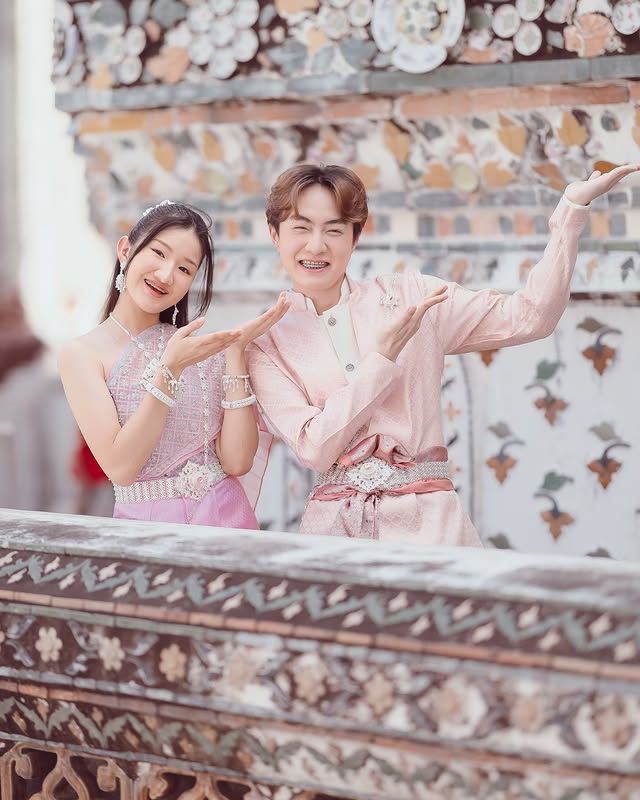
Thailand is home to many incredible temples, is tourist-friendly, and has a relaxed fashion culture, but it is important to respect religious and royal customs when dressing. Tourists are not required to wear traditional attire, but modesty is expected in sacred or official places.
Temples require both men and women to wear modest clothing with
- Shoulders must be covered
- Pants or skirts should fall below the knee
- Loose, non-transparent fabrics
- Closed or easily removable shoes
- Long skirts, linen pants, and lightweight long-sleeve tops
Avoid the following when visiting temples
- Tank tops or spaghetti straps
- Short shorts or mini skirts
- See-through clothing
- Crop tops
- Clothing with offensive graphics or text
Note: Some temples may deny entry if you’re dressed inappropriately.
Nightclubs and Parties
Thailand is known for its energetic nightlife, with everything from lively bars and clubs in Bangkok to beach parties on islands like Phuket.
Tourists can enjoy world-class entertainment, dance to live music, or chill with cocktails while enjoying views.
Bangkok’s rooftop bars and clubs often enforce a smart-casual dress code:
- Dresses, blouses, or stylish, shimmery tops
- Tailored shorts or trousers
- Closed-toe shoes for men
- No flip-flops, beachwear, or athletic clothing
Some venues will deny entry if you’re underdressed.
Last- minute Checklist: What to Pack for a Thailand Trip?
- Documents & Essentials: Passport, visa, travel cards, cash, and important IDs kept safely
- Shoes: Comfortable sneakers and sandals suitable for walking and outings.
- Accessories: Sunglasses, hats, and a small crossbody bag for daily use.
- Rainy Season Essentials: Light rain jacket, umbrella, and quick-dry clothing.
- Evenings & Nightlife: Smart-casual outfits with stylish footwear.
- Beaches & Islands: Swimwear, flip-flops, and lightweight cover-ups.
Conclusion
In conclusion, dressing for Thailand is all about staying comfortable, weather-ready, and culturally respectful while still looking stylish.
By choosing breathable clothing, appropriate footwear, practical accessories, rainy-season essentials, beachwear, evening outfits, and keeping important documents organized, you can enjoy everything from city streets and temples to islands and nightlife with ease and confidence.
You can pack lightweight, breathable outfits that help you manage heat, while modest clothing shows respect for local customs and helps prevent awkward situations. For vacation planning in Thailand, contact us. We will guide you through every detail you need for a memorable vacation.
FAQs On What to Wear in Thailand
1. What should men wear in Thailand?
Men should wear T-shirts or short-sleeve shirts with shorts or lightweight trousers. For temples, long pants and sleeved shirts are required. Closed-toe shoes are recommended for nightlife venues.
2. What shoes to wear in Thailand?
Comfortable walking sandals, breathable sneakers, or slip-on shoes are best. Shoes that are easy to remove are especially useful for temple visits.
3. What to wear in temples in Thailand?
You don’t need special clothing, but you must dress modestly. Clothing that covers the shoulders and knees is required. Scarves, sarongs, or lightweight layers are easy solutions.
4. Is there a dress code for nightlife in Thailand?
Casual outfits are fine for night markets, but rooftop bars and clubs often have a smart-casual dress code. Avoid beachwear, flip-flops, and athletic clothing in upscale venues.
5. Can I buy clothes in Thailand if I don’t pack enough?
Yes, Thailand has affordable clothing stores, markets, and malls. Many travellers buy lightweight clothes locally and use laundry services during their trip.
