


Key Takeaways:
|
Pai isn’t a place where tourists rush through; it attracts nature lovers and travellers seeking a simple, relaxing countryside experience. Most tourists arrive planning to stay two nights and end up staying a week or longer.
Pai is located in Mae Hong Son Province, about 130 km from Chiang Mai. The journey is famous (and slightly infamous) for its 762 curves, but the mountain views make it memorable.
Located in the mountains of northern Thailand near the Myanmar border, Pai is a small, scenic, and deliberately slow-paced city. Life here revolves around nature, cafes, night markets, and day trips that rarely feel like sightseeing and more like gentle exploration.
The best time to visit Thailand’s Pai is from November to February, when the weather is cool, evenings are pleasant, and the peak season is in full swing.
If you’re visiting Thailand for the first time and want something quieter than Chiang Mai, greener than Bangkok, and more local than the islands, Pai fits naturally into your itinerary.
This guide covers what to do in Pai, how to get around, and which experiences are actually worth your time.
How to Get to Pai, Thailand?
If you are a nature lover and want to spend a quiet and peaceful vacation in Pai, here’s how to reach Pai:
- From Chiang Mai: Take a minivan, which takes around 3 to 4 hours.
- By motorbike: This option is popular with experienced solo riders only.
- By private taxi: If you are with family and prioritise comfort, you can go for a private taxi. But remember, it is more expensive than a minivan.
Note: If you get motion sickness, take tablets before the drive itself, as the roads are curvy.
List of the Best Things to Do in Pai, Thailand
Here are 15 things to do in Pai, suitable for all age groups.
1. Visit the Pai Canyon
Pai Canyon, locally known as Kong Lan, is entirely shaped by nature. Over many years, wind and rain carved the soft sandstone into deep drops and narrow ridges that twist through the valley below.
The landscape feels raw and untouched, with steep edges and no railings or paved paths.
Things tourists can do in Pai Canyon
- Sunrise and sunset view
- Sit and enjoy the peaceful atmosphere
- Trekking the ridges
- Explore narrow ridge trails
Things to remember while hiking this canyon
- wear proper trekking shoes,
- carry a water bottle,
- focus on the trail and don’t get distracted
2. Take a Quiet Walk Through Rice Fields on Boon Ko Ku So Bridge
The Boon Ko Ku So Bridge is one of Pai’s most peaceful attractions. It is an 800-metre bamboo bridge that looks its most beautiful during the planting and harvest seasons. The long bamboo walkway stretches across the green rice fields.
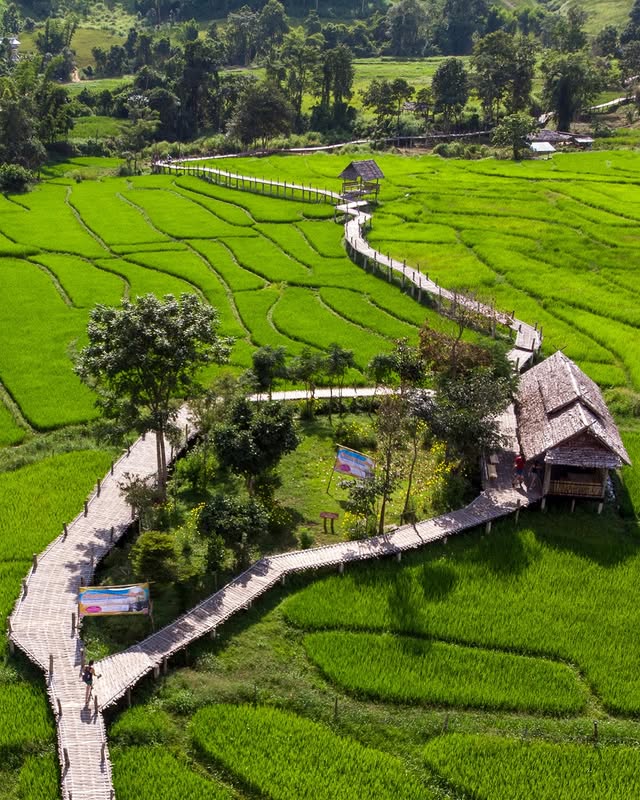
This bridge connects the village to a nearby temple. It was built by locals to help monks walk safely during the rainy season.
Though crowds are minimal compared to viewpoints, visit early morning for soft sunlight.
- Entry Fee: 90 INR
3. Visit the Wat Phra That Mae Yen (White Buddha)
The White Buddha is one of Pai’s most recognisable landmarks, visible from almost anywhere in the town. It is located high on a hill facing the valley.

The White Buddha is located just outside Pai town and is one of the easiest attractions to reach. To reach the White Buddha statue at the top, you’ll need to climb a staircase of around 300 steps.
Once you reach it, you will find wide views over Pai town and the surrounding mountains, making it a popular place for sunrise and sunset.
- Timing: 6 AM to 6 PM
4. Enjoy Nightlife at Pai Walking Street
Located on Chaisongkram Road in Wiang Tai, this walking street is close to the Pai District Office. If you’re driving, you can park at Wat Luang and walk a short distance to the market.
The area began as a small local market where hill-tribe communities and villagers sold handmade goods and food. Over time, it grew in popularity, attracting more vendors and visitors. Today, Chaisongkram Road is closed to traffic in the evenings and turns into Pai’s main pedestrian walking street.
You’ll find everything from classic Thai dishes to vegetarian and vegan food, desserts, and fresh fruit shakes. Also, you can buy the best things here, starting from handmade souvenirs to clothing for your loved ones.
5. Explore the Beautiful Santichon Village
Though Santichon Village is in Thailand, it reflects the Yunnanese Chinese culture brought to northern Thailand by Chinese settlers decades ago.
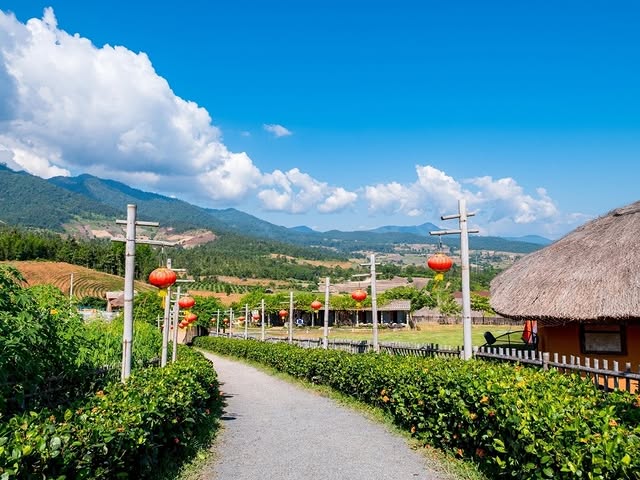
This village has beautifully preserved traditional clay houses, Chinese cuisine, and cultural activities. Thus, it is often called the “Pai Chinese Village.”
Things to do in Santichon Village
- Explore terracotta-style clay houses & shops
- Enjoy Yunnanese Cuisine and Chinese teas at local restaurants and tea houses
- Try cultural activities like archery, see traditional clothing, or ride a man-operated Ferris wheel
- Rent Chinese costumes to take unique photos.
- Visit Yun Lai Viewpoint
6. Have Fun Sliding at the Mo Paeng Waterfall
Mo Paeng Waterfall is located a short drive north of Pai town, close to Yun Lai Viewpoint. This is a multi-level waterfall, which makes it the easiest to explore in Pai. The area is well signposted and accessible by scooter or car.
It is popular for its smooth rock surfaces, which form natural slides during the rainy season. Tourists can carefully climb up the rocks and slide down into the shallow pools below, making it a fun stop on a warm day.
The waterfall isn’t very tall, but it spreads across several levels, creating different picnic spots where people can have fun and relax.
7. Explore the Impressive Tham Lod Cave
Tham Lod Cave is about one hour from Pai, near the village of Soppong, and is one of the largest and most impressive caves in northern Thailand. Visitors must enter with a local guide, which is included in the entrance fee.
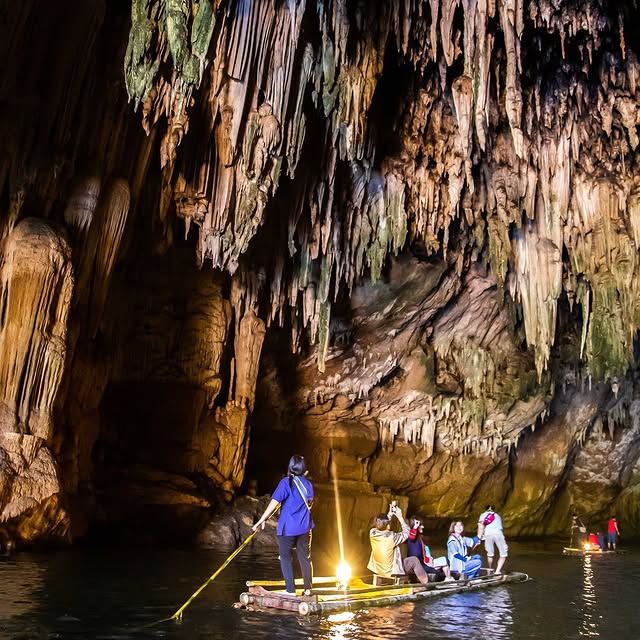
Inside, a river flows through the cave, so part of the visit is done on a bamboo raft, while the rest is an easy walk.
The cave is massive, with high ceilings, limestone formations, and natural light openings. You’ll also see ancient wooden coffins, believed to be over a thousand years old.
The cave is cool and slightly damp, making it a good stop on hot days.
Entry Fee:
- Access to two caves: approximately ₹460
- One-way bamboo raft to the third cave: approximately ₹690
- Return bamboo raft ticket: approximately ₹920
Note: Prices are approximate and may change.
8. Learn the History of Pai Memorial Bridge
Pai Memorial Bridge is located just outside Pai town, along the road to Chiang Mai, making it an easy stop if you’re arriving or leaving the town.

This bridge dates back to World War II, when a wooden bridge was built in 1941 to help Japanese troops cross the Pai River. After the war, the bridge was destroyed and later rebuilt by local villagers for daily use.
In 1973, floods washed it away again, and the current steel bridge was reconstructed using materials from Chiang Mai, opening in 1976. Today, it stands as a reminder of Pai’s wartime history and local resilience.
9. Take a Relaxing Dip in Sai Ngom Hot Spring
Sai Ngom Hot Spring is located about 15 minutes from Pai town, and is easy to reach by scooter or car. It is quieter than the main Pai Hot Springs, and the area feels more natural and less developed.
This hot spring has clear, mineral-rich water flowing into natural pools surrounded by greenery. The water is warm rather than extremely hot, making it comfortable for longer dips. Also, there are basic changing spots for tourists and many shaded areas to relax.
Because it’s less crowded, Sai Ngom Hot Spring is ideal for travellers looking for a peaceful, local-style experience.
- Entry fee: approximately 290 INR
10. Enjoy Swimming in Pam Bok Waterfall
This waterfall is located about 8 km from Pai town and is easy to reach by scooter or car. From the parking area, tourists need to take a short walk through a narrow canyon that leads to the waterfall.
The waterfall is surrounded by tall rock walls, keeping the area cool and shaded. After it rains, the water flows strongly into a small pool at the bottom, making it a refreshing place to swim. In drier months, the water flow is lighter, but the location remains scenic and peaceful.
Most tourists spend 20 to 30 minutes here before continuing to nearby attractions.
Entry fee: 40 THB (approximately 120 INR)
11. Explore the Geographical Pai Land Split
This land split formed after an earthquake in 2008, which caused the hillside to crack and create deep splits in the ground. Further small earthquakes over the years widened the cracks, confirming that the area lies along an active fault line.
Today, the land is part of a small family-run farm. Visitors are welcomed with fresh fruit, local snacks, and homemade drinks, offered freely with a donation-based system. A short walk uphill leads to the actual split, where you can clearly see the narrow, steep cracks running through the land.
It’s a quick stop, but an interesting one, both for its geology and the warm local hospitality.
12. Relax in the Warm Waterfall – Mae Yen Waterfall
Despite its name,“yen” means cool in Thai; the water at Mae Yen Waterfall is actually warm and relaxing, as it’s fed by a natural hot spring.
The waterfall itself isn’t very large, but it’s set deep in quiet woodland, giving the area a peaceful, almost storybook feel.
It’s a nice spot for sightseeing, photography, and a simple picnic, so bringing snacks or lunch is a good idea.
Tourists can also explore the surrounding forest, but proper shoes and covered clothing are recommended due to rocks and uneven ground.
There’s a Lahu village nearby, where friendly locals live and welcome respectful visitors.
If conditions allow, you can also take a dip or swim in the warm water, one of the most relaxing ways to enjoy this natural spot.
13. Watch a Stunning Sunrise View at Yun Lai Viewpoint
It is a popular viewpoint for sunrise views over a sea of clouds in Santichon Village. The landowner named this area Yun Lai. He chose this name to reflect both the gathering of clouds and the coming together of Yunnanese people in this area.
From this viewpoint, you can see the panoramic valley views and sunrise mist (best Nov to Jan). Also, you can grab simple snacks with tea at the top. Remember to visit before sunrise for the full experience.
At the top, there are seating areas, Chinese-style pavilions, and small stalls selling tea and light snacks.
14. Try the Crazy Tipsy Tubing in the Pai River
Tubing on the Pai River is a popular backpacker party activity, combining a relaxed river float with music, games, and social stops. The experience runs on set days, usually Tuesdays and Fridays, during the dry season from October to May or early June.
Participants float downstream in large tubes while music plays, with stops at riverside bars along the way. Activities you can engage in here are:
- DJs
- Dancing
- Drinking
- Games like volleyball and hula-hoops
Tours provide tube floats, life jackets, dry bags, and transport to the starting point. Food and drinks are available to buy at the stops.
There are a few basic rules, including no glass or cans on the river, and you must change into proper clothes before returning to town.
15.Try Authentic Pai Food
Pai is a great place to try Northern Thai food, which is different from the flavours you’ll find in Bangkok or southern Thailand. Meals here are generally milder, more herbal, and often served with sticky rice.

Some local dishes to look out for include:
- Khao Soi (egg noodles in a rich curry broth)
- Sai Oua (spicy northern Thai sausage)
- Nam Prik Noom (a green chilli dip eaten with vegetables and rice).
You’ll also find grilled meats, fresh salads, and simple rice dishes at local eateries.
The best places to eat are small family-run restaurants, street stalls, and the Pai Walking Street night market, where food is affordable and freshly prepared. Vegetarian and vegan options are widely available.
Conclusion
Pai is a great place for tourists who want a quieter, more authentic experience in Thailand. It is far from the busy cities like Bangkok and the crowded islands.
This northern destination offers peaceful nature, rich culture, and gentle adventures. The journey through the 762 curves from Chiang Mai prepares tourists for a stay that often lasts longer than a few nights, especially during the cool months from November to February.
Ready to experience the beauty of Pai, Thailand? Start planning your trip today and in case of any help, feel free to contact us.
FAQs on Things to Do in Pai, Thailand
1. Is Pai worth visiting for first-time travellers to Thailand?
Yes. Pai is easy to navigate, relaxed, and offers a mix of nature, food, and local culture without the crowds of bigger cities.
2. How many days are enough to explore Pai?
Most travellers spend 2 to 3 days in Pai. This allows time for waterfalls, viewpoints, the night market, and a day trip outside town.
3. Do you need a scooter to explore Pai?
A scooter makes it easier, but it’s not essential. Many places are walkable, and taxis or local drivers are available for longer distances.
4. What kind of activities is Pai best known for?
Pai is best known for waterfalls, hot springs, viewpoints, relaxed cafés, night markets, and slow-paced outdoor activities.
