


Key Takeaways
|
With tropical beaches, island-hopping tours, world-renowned diving spots, historic towns and wildlife experiences, the Philippines attracts more Indian travellers each year.
The Philippines can also be a budget-friendly destination, with a seven-day trip starting at around 60,000 INR per person, including return flights from India, when you opt for budget stays and shared activities.
This guide breaks down major expenses to help you estimate your Philippines trip cost from India, compare travel budgets and decide how much money to set aside.
Quick Information
|
Is the Philippines Expensive for Indian Travellers?
The Philippines isn’t necessarily expensive for Indian travellers, but your overall holiday budget can be higher than expected because of international flights and travel between islands.
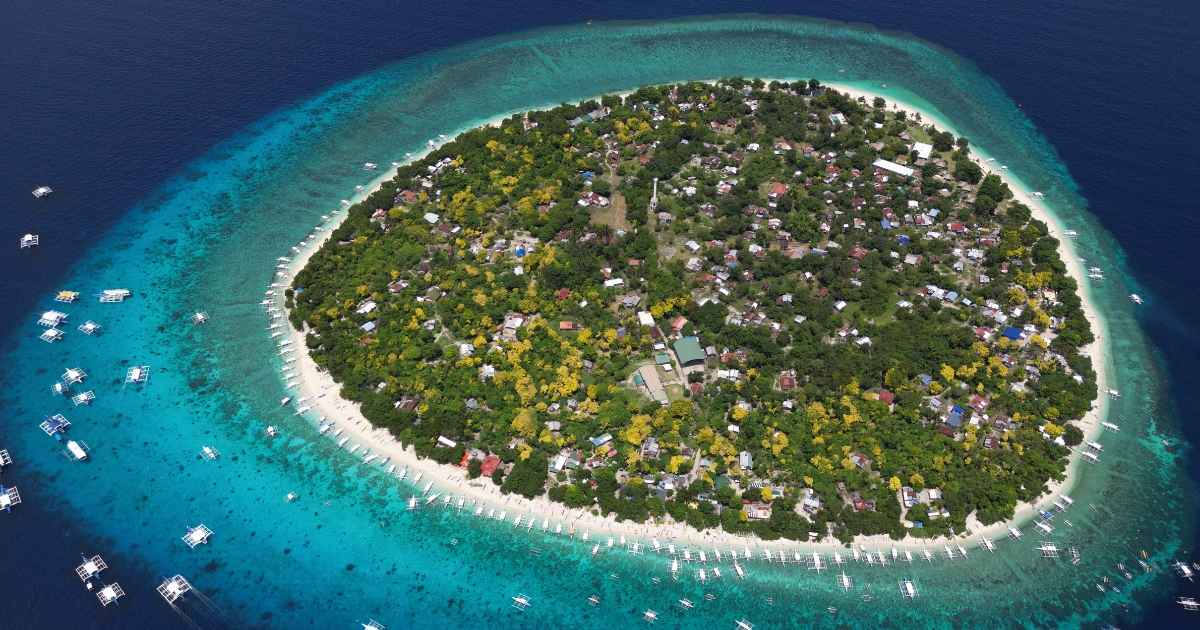
Everyday expenses such as local meals and public transportation are reasonably priced. But accommodation in beach destinations such as El Nido and Boracay can be considerably more expensive than in Manila or Cebu City.
Paid experiences such as boat excursions, scuba diving and other organised activities can add to your spending. If you plan to visit several islands, you’ll also need to budget for domestic flights, ferry tickets and local transfers.
Philippines Trip Cost from India: A Detailed Breakdown
Here is a category-wise estimate of the main expenses involved in a Philippines holiday.
Round Trip Flights from India
Manila is the main international entry point, with direct flights available from Delhi and connecting flights from other Indian cities via hubs such as Singapore, Kuala Lumpur, Bangkok and Hong Kong.
| Departure City | Approx. Round-Trip Fare (INR) |
| Delhi | 32,000 – 71,000 |
| Mumbai | 33,000 – 74,000 |
| Bengaluru | 33,000 – 80,000 |
| Chennai | 25,000 – 60,000 |
When comparing tickets, check the total journey time, layover duration and baggage allowance. A cheaper fare may involve a longer journey or exclude checked luggage.
Accommodation
How much you pay for accommodation depends on where you stay, the time of year and whether you choose a hostel, guesthouse, hotel or beach resort. Here is an approximate nightly breakdown:
| Accommodation Type | Approx. Price (INR) | Best For |
| Hostel dormitory | 600 – 1,400 per bed | Solo and budget travellers |
| Budget hotel or guesthouse | 1,800 – 4,500 per room | Couples and groups |
| Mid-range hotel | 5,200 – 10,000 per room | Families |
| Luxury hotel or resort | 12,000 – 25,000+ per room | Honeymooners and luxury travellers |
Before booking, check whether breakfast, taxes and airport transfers are included in the room price or charged separately.
Food and Drinks
Eating at local restaurants and fast-food outlets for some meals instead of choosing mid-range, tourist-centric restaurants every day can help keep food expenses down.
| Dining Option | Approx. Price (INR) Per Person | Examples |
| Street food and snacks | 50 – 150 | BBQ skewers, kwek-kwek, turon |
| Fast-food chains | 120 – 375 | Jollibee, McDonald’s |
| Local restaurants | 300 – 670 | Adobo, sinigang, kare-kare |
| Mid-range dining | 750 – 1,350 | Seafood and Filipino dishes |
| Upscale dining | 1,500 – 3,500+ | Grilled lobster, fresh seafood, high-end buffet spreads |
Manila, Cebu and Boracay have Indian restaurants serving vegetarian dishes. Local eateries also serve rice and vegetable-based meals, but these are not always meat-free, as some are prepared with fish sauce, shrimp paste or meat-based stock.
Transportation in the Philippines
Local transport in the Philippines includes jeepneys, tricycles, taxis and app-based services such as Grab, with options available across major cities and towns.
Metro Manila is currently the only urban area in the Philippines with an operating urban rail network, comprising the LRT-1, LRT-2 and MRT-3 lines.
Domestic flights are the quickest way to cover distant islands, while ferries and fast craft serve shorter routes between neighbouring islands. Smaller boats, locally called bangkas, are also used for island transfers and excursions.
| Transport Mode | Approx. Cost (INR) | Notes |
| Jeepney | 21 (traditional) / 25 (modern) | First 4 km; additional 3 and 3.58 per km, respectively |
| Tricycle | 75 – 225 | Short private rides |
| City bus | 22 – 27 | Minimum fare for the first 5 km |
| Taxi/Grab | 150 – 350 | Short city rides |
| Domestic flights | 3,000 – 14,500+ | One-way fares; flights to El Nido and Siargao are on the higher end |
| Ferries and fast craft | 590 – 1,450+ | Inter-island journeys; fares depend on the route and seating class |
Sightseeing and Activities
Activity expenses depend on the destinations you visit and the experiences you include in your itinerary. While public beaches and some viewpoints are free to visit, organised tours and adventure activities require a separate budget.
| Activity | Approx. Cost (INR) |
| Beach access (most public beaches) | Free |
| Island-hopping tours (El Nido, Coron, Cebu) | 2,500 – 10,000+ |
| Snorkelling (guided trips) | 745 – 2,235 |
| Scuba diving (single dive in Moalboal) | 2,830 – 3,130 |
| Cultural attractions (Fort Santiago, Intramuros) | 75 – 450 |
| Adventure activities (canyoneering, ziplining) | 1,490 – 7,450 |
Shopping and Other Expenses
Set aside money for travel insurance, connectivity and unexpected expenses. A seven-day travel insurance policy can cost around 300-1,500 INR, while a local SIM or eSIM may cost 150-1,100 INR.
Also account for ATM and currency conversion charges. Some Philippine banks charge around 250 PHP (approx. 370 INR) per international card withdrawal, with additional forex fees your Indian bank may charge.
Keep shopping separate, with another 3,000-10,000 INR for souvenirs, local products and personal purchases.
Philippines Trip Budget by Travel Style
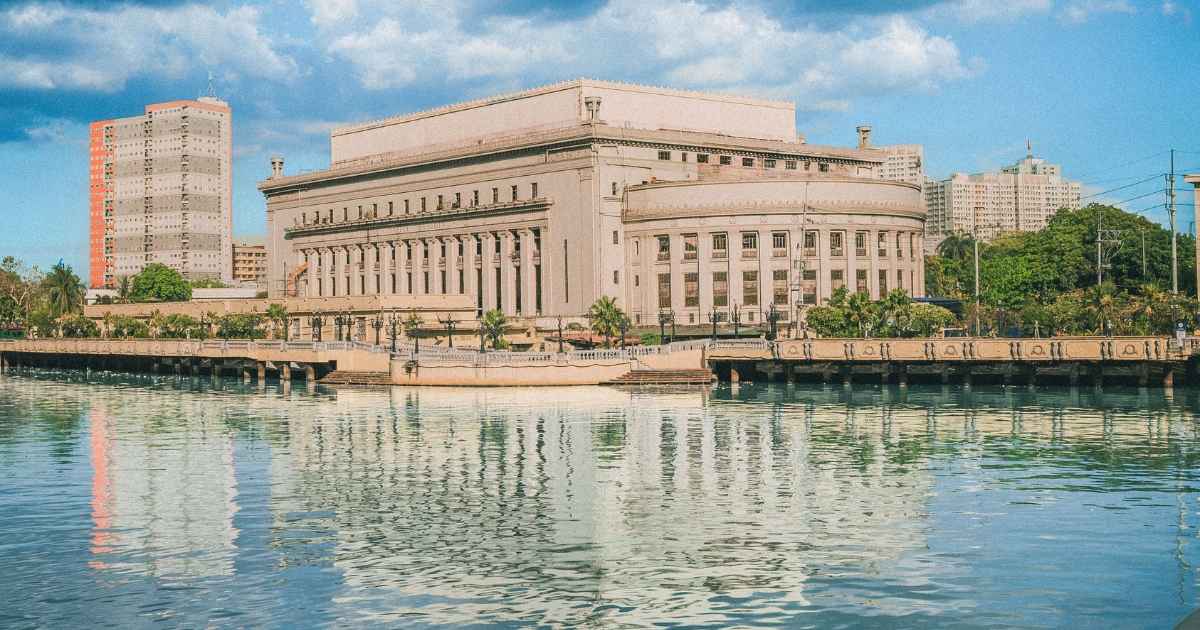
Budget Trip: 60,000-90,000 INR per person for seven days and six nights. Includes return economy flights, hostel or basic guesthouse accommodation, local meals, public transport, one domestic transfer, and one or two shared island-hopping tours. The lower end assumes discounted flight tickets and budget stays.
Family Trip: 2.6-4.2 lakh for a family of four (two adults and two children) for seven days and six nights. This covers return economy flights, a comfortable family accommodation, meals, one domestic flight, local transport and shared sightseeing tours. Travelling during peak season, booking two rooms or adding more island transfers can push the total higher.
Honeymoon Trip: 2.2-3.1 lakh per couple for seven days and six nights. This includes return economy flights, stays at 4-star hotels or beach resorts, restaurant meals, domestic flights and ferry transfers, local transport and selected paid experiences.
Luxury Trip: 3.5-5.5 lakh per couple for seven days and six nights. This includes return economy flights, stays at five-star hotels or luxury beachfront resorts, private airport and island transfers, fine dining and private tours or boat trips. Choosing business-class flights will increase the budget considerably.
Smart Budgeting Tips for Indians
- Travel during the shoulder or off-season to save on flights and accommodation. The dry season runs roughly from November to April, but prices rise around Christmas, New Year and Holy Week. The June-October wet season brings typhoon risks, so keep buffer days in case ferries or island tours are cancelled.
- Start comparing international flight prices 3-6 months before your trip and book domestic flights early, particularly during peak season.
- Stay in hostels, guesthouses, or Airbnb to save on accommodation.
- Eat at local eateries, street food stalls, or cook in your accommodation.
- Limit inter-island flights; consider ferries for cheaper options on shorter routes.
- Carry a forex card or an international debit or credit card with low foreign transaction fees. UPI is not widely accepted for everyday payments in the Philippines.
- Take advantage of free attractions like beaches, waterfalls, and viewpoints.
- Shop in local markets for souvenirs instead of malls.
- Keep a small fund for emergencies or spontaneous activities.
Conclusion
How much you spend on a trip to the Philippines depends on where you stay, how many islands you visit and what you plan to do. Travelling during shoulder season, choosing accommodation within your budget and planning inter-island travel in advance can help you manage expenses without missing out on the experiences you want to include.
For help planning your Philippines holiday, contact Dimaak Tours and share your travel dates, budget and preferred itinerary.
FAQs About Philippines Trip Cost from India
1. Is the Philippines affordable for Indian travellers?
Yes. The Philippines can be an affordable holiday destination for Indian travellers, provided you plan your itinerary carefully. Staying in hostels or guesthouses, eating at local eateries, using jeepneys and taking ferries on shorter routes can help reduce expenses.
Visiting fewer islands and opting for shared tours can also help keep your overall spending low. With these choices, you can plan a seven-day budget trip for around 60,000-90,000 per person, including return flights from India.
2. How much should a couple budget for a trip to the Philippines from India?
A couple should budget around 2.2-3.1 lakh for a seven-day, six-night trip. This includes return economy flights, stays at 4-star hotels or beach resorts, meals, island transfers, local transport and selected sightseeing activities.
3. When is it usually cheapest to fly from India to the Philippines?
Flights are usually cheaper outside peak holiday periods. Avoid travelling around Christmas, New Year and Holy Week, when demand tends to be higher. Start comparing fares around 3-6 months before departure to find better prices.
4. How much should I budget for island-hopping tours and inter-island travel in the Philippines?
Keep around 2,500-10,000 INR or more per person for island-hopping tours in destinations such as El Nido, Coron and Cebu. For inter-island transport, ferry and fast-craft tickets can cost around 590-1,450 INR or more per person, while one-way domestic flights range from 3,000-14,500 INR or more. Visiting several islands by air will increase your travel expenses, while ferries can be a cheaper alternative on shorter routes.
