

In 2026, according to the Japan Meteorological Corporation (JMC), cherry blossoms are likely to bloom earlier than usual due to warmer spring temperatures. It will be ideal to plan your Japan Cherry Blossom itinerary between late March and early April.
|
Note: Cherry blossoms (Sakura) typically last for only 7 to 10 days.
This 7-night & 8-day Japan cherry blossom itinerary for March 2026 is designed around how most travellers actually move, rest, and explore.
Slow down to enjoy petals falling on quiet paths, locals spreading picnic blankets under blooming trees, and cities transforming with spring.
Each day balances walking-heavy sightseeing with lighter moments, while keeping cherry blossom viewing opportunities in mind across cities, attractions, parks, and mountain regions.
7-Night & 8-Day Japan Cherry Blossom Itinerary
Cherry blossom season in Japan is short, unpredictable, and extremely visual. That’s why planning a spring trip isn’t just about listing cities, it’s about being in the right places at the right time. Here’s your 7-night, 8-day Japan Cherry Blossom itinerary-
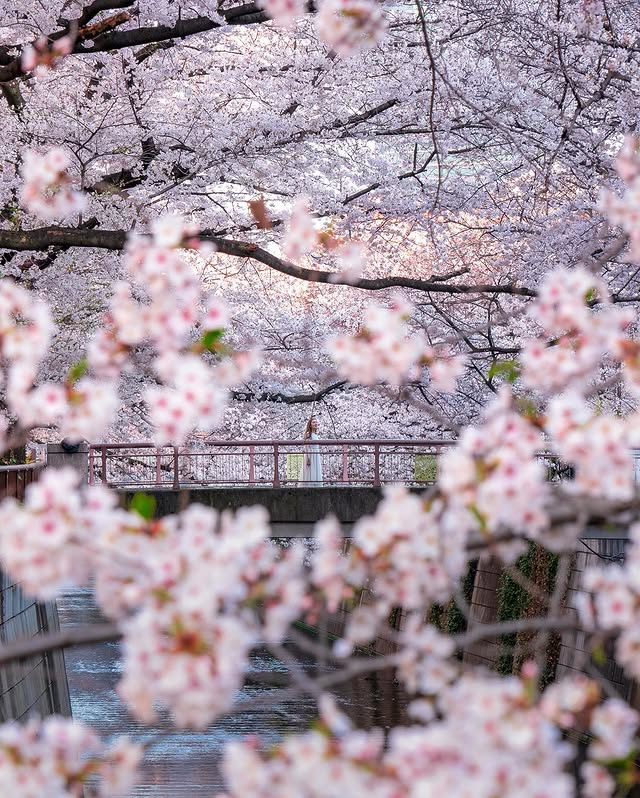
Day 1 (March 21): Arrival in Tokyo
Arrival
Arriving in Tokyo, you can see many beautiful places to visit, especially during cherry blossom season, which can feel overwhelming. After arriving at Narita or Haneda Airport, check into your hotel and rest to recover from jet lag.
Evening
- Shinjuku or Ginza: Spend your evening exploring nearby neighbourhoods like these, where neon lights contrast beautifully with early cherry blossoms beginning to bloom in parks and streets.
- Shinjuku Gyoen National Garden: A short walk around this garden can give you your first glimpse of cherry blossoms. You can see the delicate pink petals against calm ponds and traditional bridges.
This is also a good day to observe how the city feels, with convenience stores on every corner, people picnicking under trees, and soft spring weather that makes walking easy.
End your day with a warm Japanese meal, such as ramen, tempura, or sushi.
Day 2 (March 22): Tokyo Disneyland or DisneySea Experience
Morning: Tokyo Disneyland or Tokyo DisneySea
After breakfast, choose to visit either Tokyo Disneyland or Tokyo DisneySea for the day. Both parks offer great experiences with their detailed designs and fun themes.
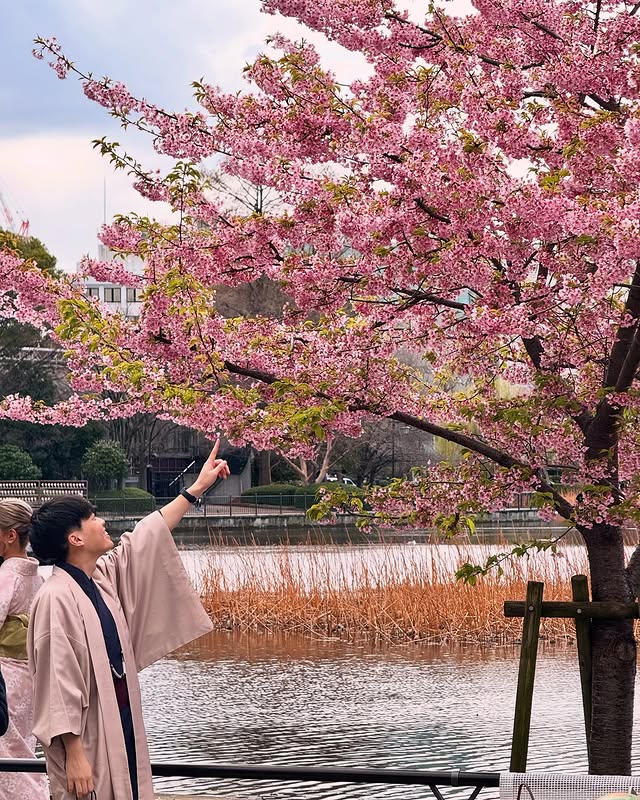
During late March, the weather in Tokyo is cool and pleasant, which makes walking between attractions much more comfortable. Seasonal spring decorations and occasional cherry blossom trees near park entrances add a subtle seasonal touch to the experience.
Afternoon: Rides, Shows & Themed Attractions
Spend your afternoon enjoying rides, live shows, and themed parades.
Tokyo DisneySea is especially popular for its unique design, waterfront views, and more grown-up attractions, while Tokyo Disneyland offers classic Disney magic and family-friendly rides.
You can enjoy lunch inside the park at your own pace. There are many choices, from quick snacks to themed restaurants. Taking short breaks between attractions helps you stay energised and avoid crowds during busy times.
Evening: Parades & Leisure Time
As evening approaches, the parks transform with lights, music, and evening parades. This is one of the most enjoyable times to experience the atmosphere, as crowds thin slightly and temperatures become cooler.
Note: Dinner is at your leisure within the park or nearby before making your way back to the hotel.
Day 3 (March 23): Tokyo City Highlights & Cherry Blossoms
Morning: TeamLab Planet
Start your day by visiting TeamLab Planets, one of Tokyo’s best digital art experiences.
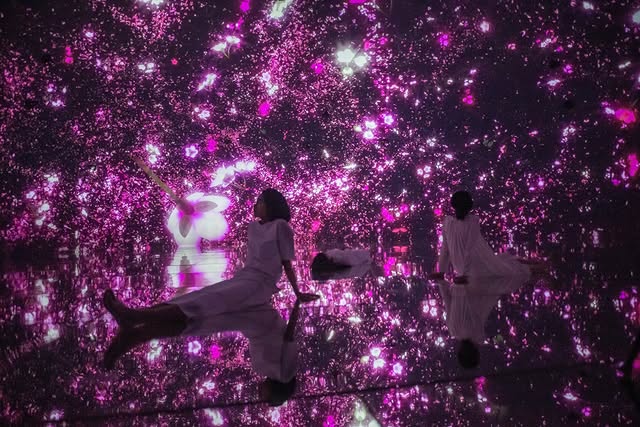
The interactive installations use light, mirrors, water, and movement to create a unique sensory experience. Since tickets are timed, arriving early helps you avoid crowds and allows for a more relaxed day.
This modern experience offers a contrast to the traditional and natural sights you’ll explore later, making the day feel well-balanced.
Late Morning: Ueno Park- Cherry Blossom Walk
After visiting TeamLab, go to Ueno Park for a relaxing walk or a picnic under the cherry trees. By late March, the trees often bloom, and many locals come to enjoy hanami picnics. The wide paths let you explore easily, even when it’s busy.
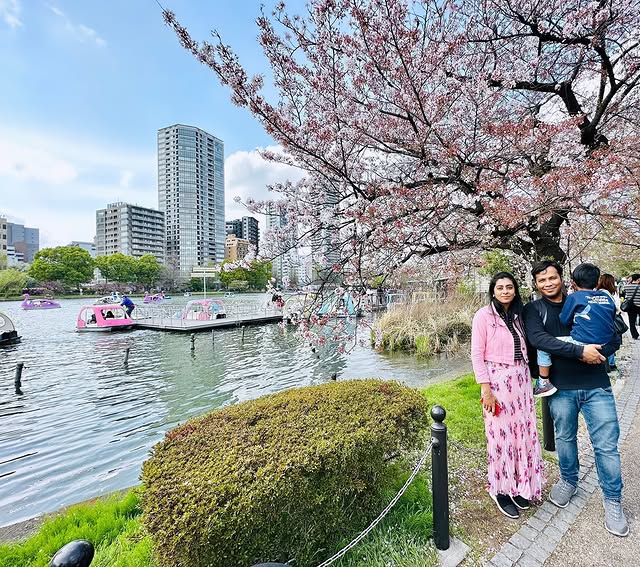
Take time to observe and enjoy how people celebrate cherry blossom season with food stalls, blue picnic mats, and families enjoying the short-lived beauty of spring.
Afternoon: Asakusa Kannon Temple & Nakamise Shopping Street
Visit Senso-ji (Asakusa Kannon Temple), Tokyo’s oldest and most popular temple. The temple grounds look especially beautiful during cherry blossom season, with soft pink flowers surrounding the bright red buildings.
Walk through Nakamise Shopping Street, where you can browse traditional snacks, souvenirs, and seasonal sweets. Lunch is at leisure in this area, with plenty of casual eateries nearby.
Evening: Shibuya Sky
Visit Shibuya Sky for incredible views of Tokyo from the open-air observation deck. Going in the evening lets you see the city change from daylight to a bright, neon night. On clear days, you might even catch a glimpse of Mount Fuji.
From above, you can see the busy Shibuya Crossing below. This scene is a sharp contrast to the peaceful cherry blossoms you enjoyed earlier in the day.
Day 4 (March 24): Hakone & Mount Fuji Region
Morning: Travel to Hakone & Mount Fuji Area
After breakfast, leave Tokyo and head towards the Hakone and Mount Fuji area.
You will notice a quick change from city streets to open landscapes. The drive features mountains, lakes, and forested roads, creating a calmer atmosphere for the day.
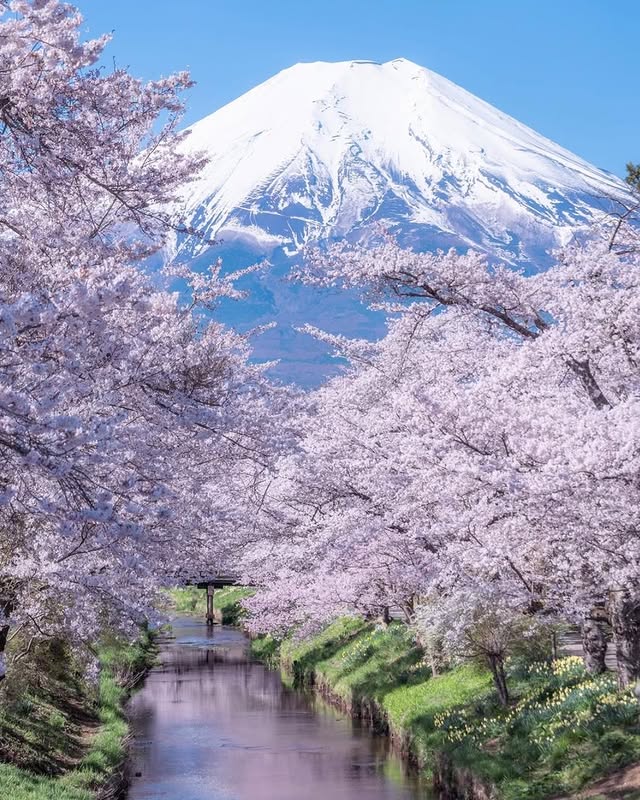
Spring in this region feels quieter and more scenic. If the weather is clear, Mount Fuji may appear along the way, offering your first real glimpse of Japan’s most iconic peak.
Late Morning: Hakone Shrine & Torii Gate
Start your sightseeing at Hakone Shrine, which is located in a forested area near Lake Ashi. The shrine features a well-known torii gate at the water’s edge.
It looks especially beautiful during cherry blossom season when the soft pink flowers stand out against the lake and green surroundings.
Take time to walk through the cedar-lined paths leading to the shrine, enjoying the slower pace and peaceful atmosphere.
Afternoon: Hakone Pirate Ship Cruise & Ropeway
Next, get on the Hakone Pirate Ship for a boat ride across Lake Ashi. On clear days, you can see views of Mount Fuji from the water, along with shores lined with trees that are starting to show signs of spring.
Take the Hakone Ropeway for stunning views of the volcanic landscape below. The ride takes you to Owakudani Valley, where you can see steam rising from the ground and smell the sulphur in the air. This is a striking change from the delicate cherry blossoms you saw earlier.
Late Afternoon: Lake Kawaguchiko & Oshino Hakkai
Visit Lake Kawaguchiko to enjoy one of the best views of Mount Fuji during cherry blossom season.
The lake has walking paths lined with cherry trees, and you can see beautiful reflections of the mountain on the calm water. This area is very popular for spring photography.
End the day at Oshino Hakkai, a traditional village known for its clear spring-fed ponds and thatched-roof houses. Cherry blossoms here add a seasonal softness to the rural setting, making it a gentle way to wind down the day.
Overnight: Near Mount Fuji
Day 5 (March 25): Takayama, Matsumoto & Shirakawa-go
Morning: Travel to the Takayama Region
After breakfast, travel to the Takayama region through central Japan’s mountains.
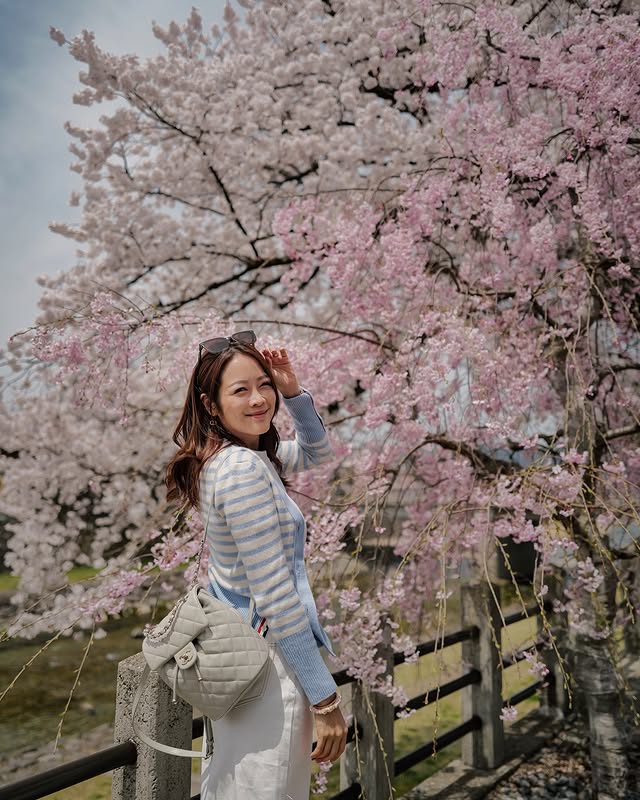
This part of the journey feels different from the previous days. You will see quieter roads, small towns, and beautiful mountain views, which show a slower, more traditional side of Japan.
Spring arrives later in these higher-altitude areas, making this a good transition point in your cherry blossom journey.
Late Morning: Matsumoto Castle
Visit Matsumoto Castle, one of Japan’s most beautiful original castles. It is called the “Crow Castle” because of its black exterior.
The castle looks especially beautiful in late March when early cherry blossoms bloom around its grounds.
Walking around the moat and castle park is a peaceful experience. You can see reflections of the castle in the water. Occasionally, you’ll notice cherry trees starting to bloom, creating a memorable moment of spring.
Afternoon: Shirakawa-go Ancient Village (UNESCO World Heritage Site
Visit Shirakawa-go, a UNESCO-listed village known for its traditional gassho-zukuri farmhouses. This village, surrounded by mountains, feels timeless. You will find narrow paths, wooden houses, and open fields that create a peaceful rural atmosphere.
Cherry blossoms bloom here later than in Tokyo, but signs of spring are clear with budding trees and melting snow in the nearby hills. Take a walk through the village, visit local homes, and enjoy the slow pace of life.
Evening: Transfer to Nagoya
After you explore Shirakawa-go, travel to Nagoya. This evening is mainly for resting and recharging after a busy day of sightseeing in different areas. Check in to your hotel and enjoy a relaxed evening, with dinner at leisure.
Overnight: Nagoya
Day 6 (March 26): Kyoto, Nara & Osaka Highlights
Morning: Shinkansen Bullet Train to Kyoto
After breakfast, take the Shinkansen bullet train to Kyoto. The quick trip is exciting, letting you see the changing landscapes as you travel from central Japan into the country’s cultural heart.
In late March, early cherry blossoms appear around temples, rivers, and traditional neighbourhoods.
Late Morning: Arashiyama Bamboo Fores
Start your sightseeing at the Arashiyama Bamboo Forest. Here, tall bamboo stalks form a quiet walking path that feels almost meditative. Bamboo stays green all year, while nearby cherry blossoms add a gentle touch in spring.
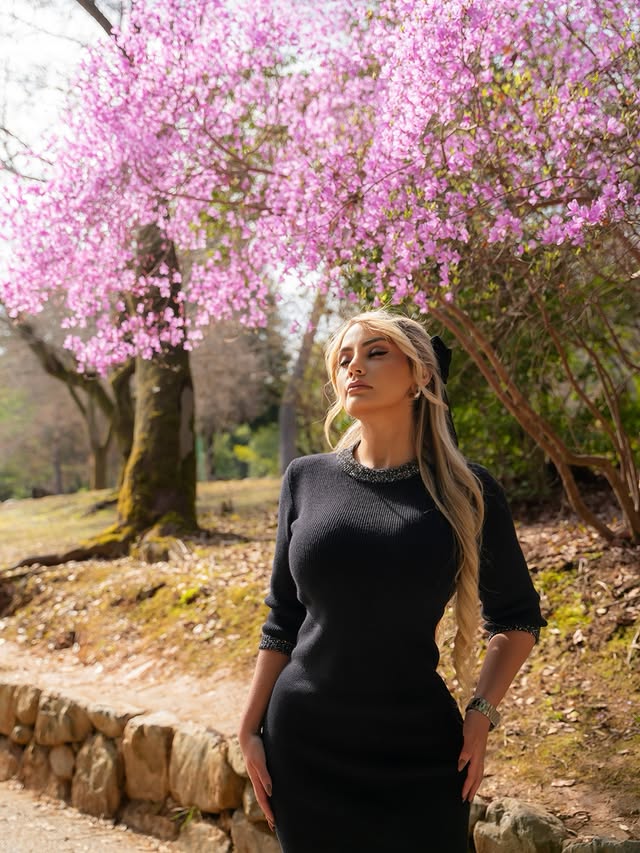
If you have time, walk toward the riverbanks. Cherry trees often line the paths and create beautiful reflections in the water during spring.
Afternoon: Fushimi Inari Taisha
Visit Fushimi Inari Taisha, Kyoto’s famous shrine with thousands of red torii gates.
You can walk through the gates at your own pace, letting you explore the quieter parts of the shrine and enjoy the views of Kyoto.
In late March, the weather is mild, making the uphill walk comfortable and pleasant.
Late Afternoon: Nara Deer Park & Todai-ji Temple
Travel onward to Nara to visit Nara Deer Park, where freely roaming deer add a unique charm to the open parklands. Cherry blossom trees scattered across the park enhance the spring atmosphere, creating a peaceful setting for a relaxed walk.
Visit Todai-ji Temple, home to the Great Buddha, one of Japan’s most important historical landmarks. The combination of ancient architecture and seasonal scenery makes this stop particularly memorable.
Evening: Transfer to Osaka
After you finish sightseeing, go to Osaka and check into your hotel in the best area. You have the evening free to relax or explore the nearby areas at your own pace.
Overnight: Osaka
Day 7 (March 27): Leisure Day in Osaka
Morning: Slow Start & Free Time
After breakfast, enjoy a relaxing morning in Osaka. This day is flexible, letting you set your own pace after several busy travel days. The weather in late March is pleasant for walking, so it’s a good time to explore the best places in Osaka without a strict plan.
Sleep in, find a local cafe, or take a short walk around your hotel area.
Afternoon: Shinsaibashi Shopping Street
Spend the afternoon exploring Shinsaibashi, one of Osaka’s most popular shopping areas. The covered arcade is ideal for browsing local brands, souvenirs, and street food, especially if the weather changes.
Nearby parks and smaller streets often show early cherry blossoms, offering small but pleasant spring moments between shopping stops.
Evening: Dotonbori & Leisure Time
In the evening, head to Dotonbori. This area is famous for its bright neon signs, riverside walkways, and food options. After sunset, the glowing lights and calm river reflections make it very lively.
You can enjoy dinner at your own pace, with many choices. Look for stalls selling takoyaki and okonomiyaki, or try casual sit-down restaurants.
Overnight: Osaka
Day 8 (March 28): Departure from Japan
Morning: Hotel Check-out
After breakfast, check out of your hotel. Depending on your flight time, you might have a little time for a final walk or a quick coffee nearby. Take in the city’s everyday life one last time.
Mornings in late March are cool and pleasant, offering a calm contrast to busy sightseeing days.
Departure: Transfer to the Airport
Get ready for your trip to the airport for your return journey. As you go, you will remember the cherry blossom-lined streets, historic temples, and beautiful landscapes. This marks the end of a relaxed spring journey through Japan.
Conclusion
An 8-day trip to see cherry blossoms in Japan will give you lasting memories.
This itinerary takes you through various sights during cherry blossom season. You’ll explore Tokyo’s parks and riversides, enjoy views near Mt. Fuji, visit historic villages like Shirakawa-go, and see temples in Kyoto and the lively streets of Osaka.
Each place gives you a different experience, ranging from crowded and lively to calm and reflective. This plan balances activities with moments of rest.
What stays with you the most is not just the beautiful views, but the feeling of being fully present. As you walk along the Meguro River in Tokyo, see the blossoms in Maruyama Park in Kyoto, or stand near the trees in Osaka Castle Park, you start to see why spring is so important in Japanese culture.
The photos are beautiful, but it’s the moments you’ll remember most. This journey ends in March, but the memory of it lasts long after the flowers fall.
FAQs About Cherry Blossom Travel in Japan 2026
1.When is cherry blossom season in Japan in 2026?
Cherry blossoms usually bloom between late March and early April, with peak bloom in major cities around March 22 to April 5.
2. Which cities are best for cherry blossom viewing?
Top cities include Tokyo, Kyoto, Osaka, Hakone, and the Mt Fuji region.
3. Do I need to book hotels early for the cherry blossom season?
Yes. Hotels sell out fast, so booking 3 to 5 months in advance is strongly recommended.
4. Are cherry blossoms visible at night?
Yes. Many parks offer night-time illuminations (yozakura) during peak bloom. Best spots include Meguro River (Tokyo), Maruyama Park (Kyoto), and Osaka Castle Park.
5. Is the cherry blossom season very crowded in Japan?
Popular spots can be crowded, especially on weekends, but early mornings and weekdays are quieter.
6. Is the cherry blossom season expensive in Japan?
Accommodation prices are higher, but food and transport remain affordable with good planning.
