


Key Takeaways:
|
Most travellers who visit Vietnam always wish to plan their second trip. The main reason is that it is one of the most affordable destinations for Indians.
However, it doesn’t matter how cheap the country is; it all comes down to one question. Is Vietnam a safe country to travel in? Yes, safety is one factor that attracts more solo travellers, including women. It has a low violent crime rate and low terrorism risk, and a well-developed tourist infrastructure across Hanoi, Ho Chi Minh City, Da Nang, Hoi An, and Ha Long Bay.
That said, we cannot completely state that any country is safe. So, read this blog, which thoroughly explains whether Vietnam is a nice place to visit without major risk.
Is Vietnam Safe for Tourists? Short Answer
Yes, Vietnam is safe for Indian tourists to travel, but with some basic precautions.
Vietnam has:
- No active conflict zones (no ongoing warfare).
- No terrorism threats against tourists.
- Low violent crime rates against foreigners.
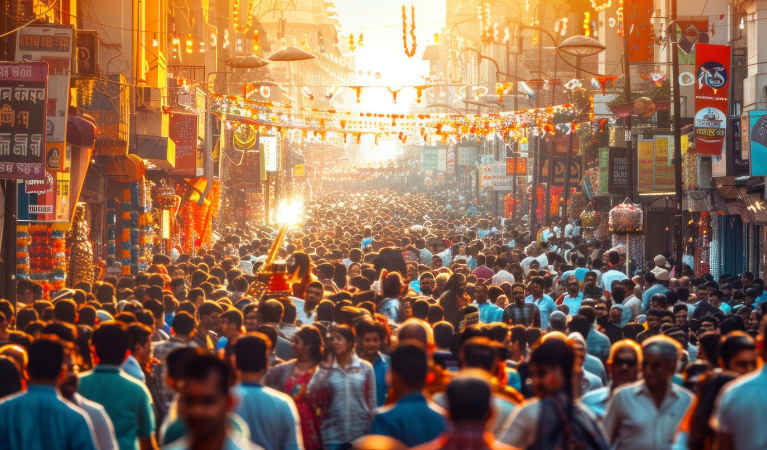
The real risks in the country are petty theft in busy areas, scams targeting tourists, and heavy traffic in most Vietnamese cities, which leads to accidents.
Practical Safety Tips for Indian Travellers in Vietnam
- Get travel insurance that covers medical emergencies, theft, and trip cancellation.
- Download Grab on your phone before landing. It works across Vietnam for taxis, motorbike rides, and food delivery.
- Carry a physical copy of your passport and visa, and store originals in your hotel safe.
- Do not accept discount taxi offers near the airport.
- Use the hotel safe for your passport, extra cash, and any electronics you are not carrying.
- Ask the hotel reception for recommendations on restaurants and tour operators.
- Keep your phone in a closed bag when walking near busy roads.
- Confirm prices before showing any interest in buying anything from street stalls and markets.
- Exchange money at banks or licenced exchange counters, not at unlicenced street exchangers.
- Know the emergency numbers in Vietnam. For police: 113, Ambulance: 115 and Fire: 114.
Major Crime and Safety in Vietnam
You need to be more careful in local markets in Hanoi, Bui Vien walking street area, Ben Thanh Market, Ta Hien beer street, and the Old Quarter. All these places are very popular and crowded even at 11 PM. This makes it safe for you to roam around, but not for your phone, purse, camera, or backpack, which can be stolen easily.
Typically, a motorbike pulls up close, and one person grabs the bag or phone from your hand or shoulder. This is the classic chain-snatching move in most countries.
How to Protect Your Belongings in Vietnam
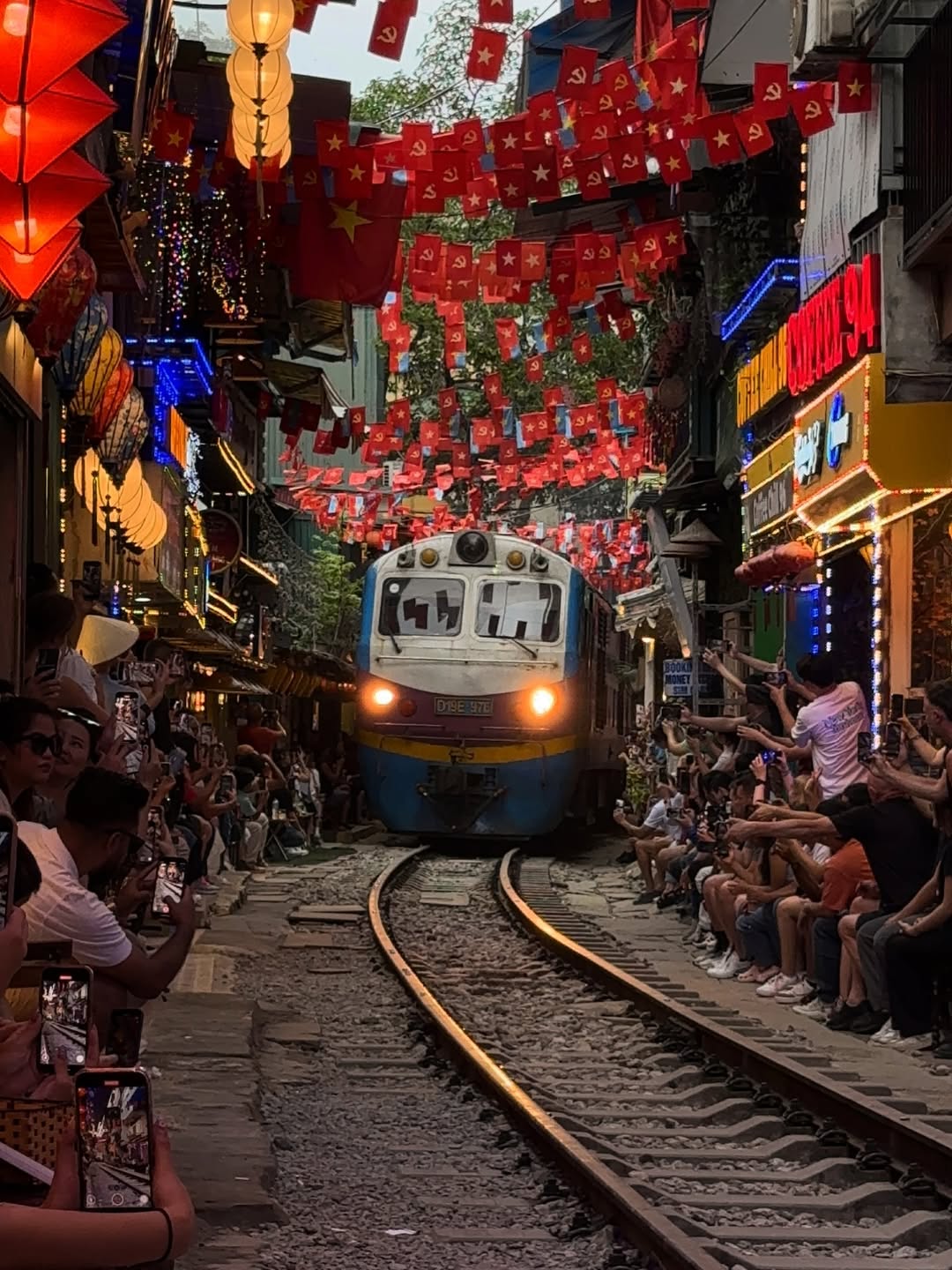
- Keep your bag on the other side of the road when walking on any pavement. Never hang a bag on your shoulder with the roadside facing.
- Do not use your phone while walking near a busy road or while sitting close to a road-facing position at a cafe.
- Use a cross-body bag with a zip, not an open tote bag.
- Store your passport and extra cash in your hotel safe. Carry a photocopy of your passport for daily use. You can also carry them in your shirt or jacket, which has an inner pocket.
- Avoid walking alone in the streets after midnight, especially in poorly lit areas.
Common Scams in Vietnam and How to Avoid Them
Vietnam is a good place to visit, but it is well known for tourist scams, mostly involving money rather than physical harm. If you learn how they work and stay aware, you can spot these scams easily.
1.Taxi Overcharging
There are many private taxis running with the meter off, and many fake taxi brands operating under the names of reputed companies.
How to avoid taxi scams in Vietnam?
Always use Grab for all rides in Vietnam. Just like Ola and Uber in India, Grab works efficiently in Vietnam, and you can see the fare before you confirm your ride. If you need a taxi with metres on, use Taxi Mai Linh.
2. Fake Tour Operators
You will see that at almost all the famous attractions in Da Nang, Hanoi, and Ho Chi Minh City, street sellers in tourist areas offer low-priced tours to Ninh Binh, Ha Long Bay, and Sapa.
Some are legitimate, but many are not. The fake tours either cancel at the last minute on the day of departure without a refund, end the tour within a few hours without proper guidance, or limit the number of places that were initially promised.
How to avoid fake tour operators in Vietnam
Make sure you book tours only through your hotel. Check if the tour operator is a licensed travel agency. Do not buy any tour packages from a street vendor. The better option is to use Google to find a list of operators and read the reviews before you book.
3. Motorbike Rentals Without Proper Documentation
Some rental shops rent motorbikes without valid rental agreements. If you are involved in an accident and you have no documentation or insurance coverage, the police will hold you liable regardless of fault. However, it’s common that most rentals do not provide insurance.
How to avoid motorbike rental scams in Vietnam
Use Grab instead of renting a motorbike. Most reputable tours offer pick-up and drop-off at your hotel.
If you must rent one, get it only from a shop that confirms that insurance is included or reputable rentals such as Style Motorbikes or Motorvina.
Most importantly, your Indian driving licence is not valid for motorbikes in Vietnam; you need to get an International Driving Permit (IDP).
4. High Street Prices
Shopping is a popular activity for tourists. In any market you visit in Vietnam, there are many things to buy. Some of the famous Vietnamese specialities to buy include coffee, cashew nuts, silk, Ao Dai, lacquerware, and silk lanterns.
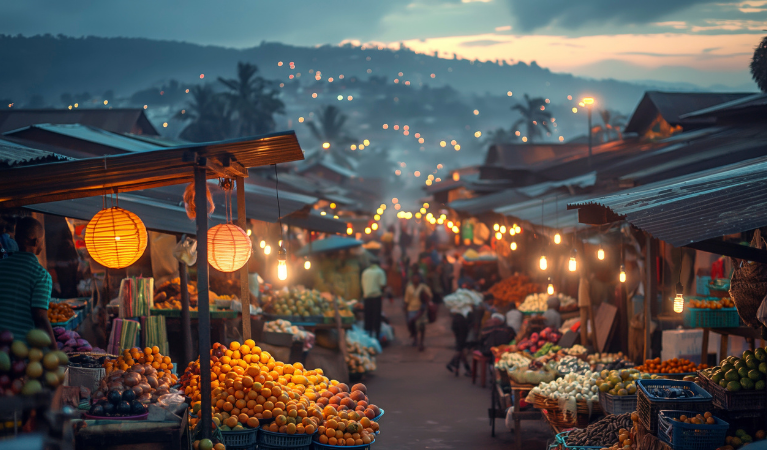
With much excitement to shop, you will end up paying more without bargaining. Vendors at markets and tourist areas charge 2 – 3 times the price they usually sell to locals.
How to avoid overpaying in Vietnam
Always ask the price before picking up anything or tasting anything at a street stall. Negotiate at market stalls for a 40 – 50% lower than the said price. Then, gradually find a middle point, and get it at least 20 – 30% lower.
However, if you find the product is genuinely worth the money, always help the local craftsman with their work and pay a reasonable price.
When it comes to a Vietnamese street food place, prices are usually displayed on a menu, which saves you from getting scammed.
Traffic Safety in Vietnam
Vietnamese city traffic is different from Indian traffic. Traffic can be chaotic, especially at intersections, where lane discipline is less strict than in India. Traffic rules are not always followed, and even the pedestrian crossings are not respected by drivers.
Practical safety rules for traffic in Vietnam
The advice for crossing a busy Vietnamese road is to walk slowly and steadily, without stopping suddenly or running.
If you take a motorbike taxi, always wear a helmet. Helmets are legally required and are provided by the driver. In a car or bus, wear a seatbelt. Remember not to cross roads while looking at your phone. If your kids are with you, carry them or hold their hands at all times.
Health & Food Safety in Vietnam
- Drink bottled or filtered water only.
- Street food is safe at busy stalls where food is freshly cooked.
- Carry basic medicines for stomach issues.
- Mosquito repellent is important, especially in rural areas.
- International hospitals are available in Hanoi and Ho Chi Minh City, but they can be expensive without insurance.
Is Vietnam Safe for Indian Women Travelling Solo?
Vietnam is one of the safer countries in Southeast Asia for solo women travellers. Read the following points before you plan your trip and prepare accordingly.
- Hanoi, Da Nang, and Hoi An are considered safer for women travelling alone than Ho Chi Minh City.
- Avoid walking alone in the backpacker areas of Bui Vien Street (Ho Chi Minh City) after midnight.
- Use Grab for all nighttime travel. Do not take unbooked motorbike taxis alone at night.
- Dress according to the rules set by the temples in Vietnam, which mostly require covering your shoulders and knees. This is a religious requirement, not a general safety measure.
- Book your stay only if the place has good reviews online. Read recent reviews, especially from female solo travellers, before booking.
Note: You cannot carry pepper spray with you in Vietnam, as it is a prohibited weapon and restricted by law. Alternatively, you can take a whistle, an electronic keychain alarm, a flashlight, and non-irritant sprays like plain water or body spray.
Conclusion
Vietnam is a safe destination for Indian travellers, especially when you follow basic precautions. The practical risks to manage are theft in busy cities, taxi and tour scams, and traffic. All three are avoidable with basic awareness.
If you are planning a trip to Vietnam and want help with hotels, itineraries, transportation, or guided tours, contact Dimaak Tours to plan a safer holiday.
FAQs on Is Vietnam a Safe Country to Travel
1. Is Vietnam safe for Indian tourists?
Yes. There are no specific threats against Indian tourists in Vietnam. The risks that exist are common in many countries, like theft, scams, and traffic, and are general travel risks. India and Vietnam have close cultural ties, and Indian tourists are welcomed across all major tourist destinations.
2. Which app is safest to use for taxis in Vietnam?
Grab is the safest app for transport. It works like Ola or Uber, you book from your phone, and the fare is shown before you confirm. You can also get the driver’s details and track the route. It is available across all major Vietnamese cities, including Hanoi, Ho Chi Minh City, Da Nang, Hoi An, and Hue.
3. Do you need travel insurance for Vietnam?
Vietnam does not require travel insurance, but getting one is helpful. It can save you from medical emergencies, theft of belongings, and trip cancellation.
4. Is Vietnam safe at night for tourists?
Yes, Vietnam is safe at night in major tourist areas such as Hanoi, Ho Chi Minh City, Da Nang, and Hoi An. Restaurants, night markets, and cafes stay open late, and tourist spots remain active until around 11 PM. However, avoid isolated streets and drinking alone.
