


Key Takeaways
|
When Indians think of a European holiday, it’s often places in France or Switzerland that come to mind. Chances are, at least one friend or family member visited those places and shared their itinerary, photos, and recommendations with you.
What if you want to visit a different country, such as Greece or Hungary? Where do you start, which places should you combine, and how do you work out your budget?
So, whether you are planning a trip to France, Switzerland, Italy, Greece, or somewhere less familiar, this guide explains how to plan a trip to Europe from India. You will learn how to choose a destination, decide when to visit, build an itinerary, understand visa requirements, and estimate your expenses.
Steps for Planning Your Europe Trip
A Europe trip from India involves more than choosing your destinations. From deciding when to travel and how many days to spend to sorting out visas, itineraries, and costs, these steps will help you plan.
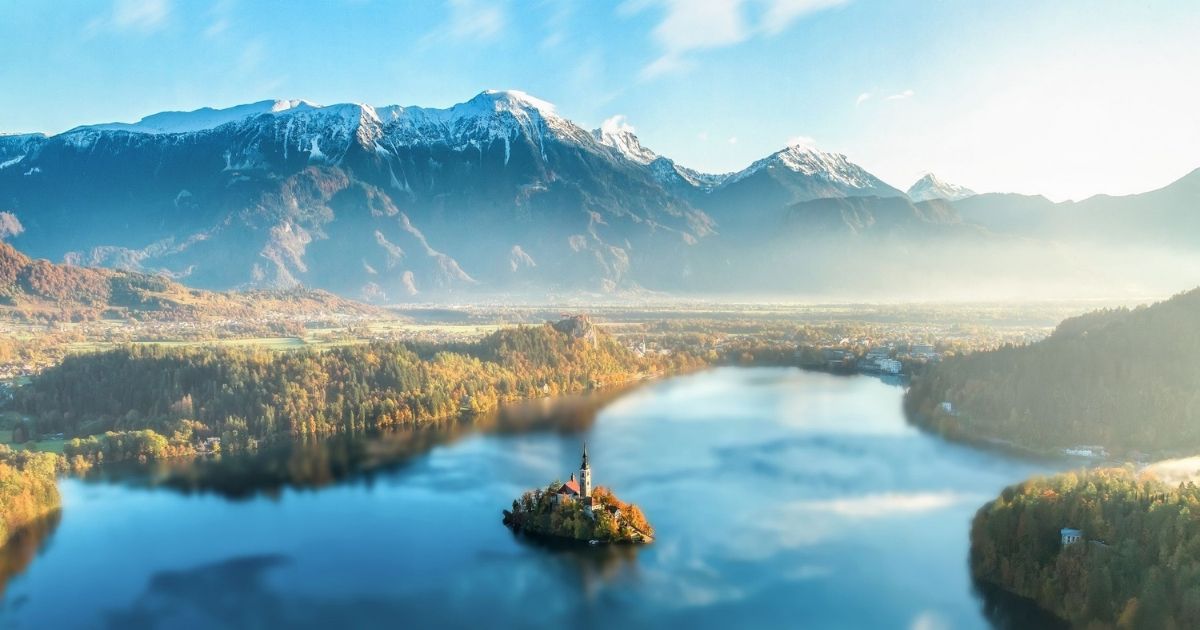
1. Which European Country Should You Choose?
Choosing a European destination becomes easier when you start with two things: when you can travel and what you want from the holiday. Your available leave, budget, and preferred experiences will help you narrow down the options.
For most Indian travellers, school summer holidays, Diwali breaks, and Christmas leave are when long trips are possible. Some travellers plan ahead to experience Christmas in Europe and stay through New Year’s celebrations; exact timing depends entirely on individual leave allowances and preferences.
The table below shows ideal times to visit European destinations and when Indians can take that holiday conveniently. You will also learn which budget European countries to consider.
| Timing/Trip Type | Destination | Why |
| April or May holidays | Netherlands, Italy, Greece or Spain | See spring flowers in the Netherlands or plan city sightseeing and coastal visits in parts of southern Europe before peak summer. |
| Diwali holidays in October or November | Italy, Portugal, Spain or Greece | Explore historic cities and coastal regions in autumn. Verify island opening dates and local weather before booking. |
| Christmas and New Year holidays | Austria, Germany, Czechia or France | Visit Christmas markets in cities such as Vienna, Munich, Prague, and Strasbourg, or plan a winter city break around seasonal events. |
| A budget-conscious trip | Poland, Hungary, Romania or Bulgaria | Compare these destinations for accommodation, food, local transport, and sightseeing costs.
(For instance, Hungary is worth considering if you want a holiday that combines historic architecture, thermal baths, riverside attractions and lakeside stays. Budapest is the main starting point, while places such as Szentendre and Lake Balaton give you more options outside the capital. Across all budget destinations, overall expenses will vary by city and travel season). |
| A snow-focused winter holiday | Switzerland or Austria | Consider Alpine resorts for skiing, snow activities, and mountain stays during winter, depending on weather and resort conditions. |
| A summer beach holiday | Greece, Portugal, Spain or Croatia | Plan a coastal holiday with beach stays, island visits, and warm-weather activities during the main summer season. |
2. How Many Days Should You Plan for Europe?
Your available days and overall budget determine how many places you can comfortably visit.
Use this table for your reference:
| Days | Plan |
| 5 – 7 days | Focus on one country and one or two cities. |
| 8 – 9 days | Plan two cities in one country, with a day trip. |
| 10 – 12 days | One country at a relaxed pace, or two neighbouring countries with fast transport connections. |
| 15 – 20 days | Two or three countries, depending on distances and interests. |
Note: For a trip of 10 days or more, you don’t necessarily have to visit two countries; you can stay in one and experience life at a slower pace.
3. Understand European Visa Requirements for Indians
Before booking your Europe trip, check the visa requirements for every country on your itinerary. A Schengen visa covers many European destinations, but not all of Europe.
Do you need a Schengen visa?
Indian passport holders need a short-stay Schengen visa to visit countries in the Schengen Area. It allows eligible stays of up to 90 days within any 180-day period, subject to the visa issued. The UK and Ireland have separate entry requirements.
Which country should you apply through?
If you are visiting multiple Schengen countries, apply through the country where you will spend the longest time. When you spend an equal number of days in each, apply through the country you will enter first.
When should you apply?
Travellers can submit an application up to six months before their trip. Standard processing takes around 15 days but can extend to 45 days. Book your appointment early, especially if you are travelling during school holidays or Christmas.
4. How to Make a Europe Trip Itinerary
Once you have chosen your destination and travel dates, turn them into a day-by-day plan. The most important thing is to arrange places in a logical order, so you spend more time experiencing and less time travelling between them.
Step 1: Plot your destinations on a map
Use a map-based planner to mark the cities and attractions you want to visit. This will help you see which places are close enough to combine and which would require additional travel time.
Google Maps can help you compare locations and journey time. For intercity travel, confirm train, bus, and flight schedules before deciding on your route.
Step 2: Decide how many nights to spend in each place
Don’t try to visit too many cities. Some destinations need several days, while smaller towns can be visited as day trips. For example, many visitors try to experience Paris in just 3 – 4 days and combine it with other cities. But for a relaxed holiday and to know more about the local culture, staying 5 – 7 days in one city is a better option.
Step 3: Plan how to travel between cities
Once you have chosen your cities, research how to get from one to the next. Compare trains, buses, and flights based on ticket prices, travel time, and convenience.
If you plan to visit multiple cities, consider flying into one city and returning to India from another. This can save you from travelling back to your starting point.
Step 4: Group activities by location
Plan attractions close to one another for the same day. This can help reduce unnecessary travel across a city and leave more time for the places you want to see.
Step 5: Leave room for alternative activities or sudden changes
Don’t fill every day with multiple activities or a strict itinerary. Weather, transport delays, and unexpected closures can affect your plans. A little flexibility makes the itinerary easier to manage.
A 10-Day Europe Itinerary
This itinerary focuses on just one country; you can apply the same idea to any other destination you would like to visit.
| Day | Place | Plan |
| Day 1 | Budapest | Arrive in Budapest, check into your hotel and spend the evening around the city centre. |
| Day 2 | Budapest | Visit Buda Castle, Fisherman’s Bastion, and Matthias Church. Walk across the Chain Bridge if you have time. |
| Day 3 | Budapest | Visit the Hungarian Parliament Building, Shoes on the Danube Bank, and St Stephen’s Basilica. You can also take an evening cruise on the Danube. |
| Day 4 | Budapest | Spend the day at Heroes’ Square and City Park. Visit Széchenyi Thermal Bath to relax in the mineral-rich hot springs. |
| Day 5 | Szentendre | Take a day trip to Szentendre, a small town north of Budapest. Visit its main square, museums, art galleries, and riverside area before returning to Budapest. |
| Day 6 | Budapest | Visit the Great Market Hall, walk along Andrássy Avenue, and spend some time around the Jewish Quarter. Keep the evening free for dinner. |
| Day 7 | Lake Balaton | Travel to Balatonfüred, a lakeside town on the northern shore of Lake Balaton. Check into your accommodation and spend the evening around the Tagore Promenade. |
| Day 8 | Tihany | Go to the Tihany Peninsula, known for its Benedictine Abbey and views across Lake Balaton. Spend the rest of the day around the village and lakeside areas. |
| Day 9 | Lake Balaton and Budapest | Spend the morning by the lake before returning to Budapest. Keep enough time for the journey and check into your hotel for the final night. |
| Day 10 | Budapest | Have breakfast, check out and travel to the airport for your return flight to India. |
Estimate Your Europe Trip Budget
Your total cost depends on your travel dates, destinations, accommodation, transport, food preferences, and sightseeing plans. Switzerland and some major tourist cities can be expensive, while other destinations may offer lower accommodation and meal costs.
| Expenses | Approx. Cost in INR |
| Round-trip flights | 58,000 – 70,000 |
| Schengen visa | 11,000 – 12,000 |
| Insurance | 600 – 800 |
| Mid-range accommodation | 65,000 – 75,000 |
| Food | 20,000 – 25,000 |
| Transport | 14,000 – 18,000 |
| Sightseeing & Activities | 30,000 – 50,000 |
| Shopping (optional) | 5,000 – 8,000 |
Useful Tips for Europe Trip Budget
- Flight dates: Look at different departure and return dates, baggage allowances and multi-city fares. When travelling during peak season, book flights months in advance.
- Choose accommodation carefully: Evaluate the cost of staying in the central area versus the cost of daily transport from a cheaper area.
- Use public transport: Calculate individual tickets with regional transport passes before buying one.
- Mix paid and free activities: Prioritise the attractions you want to visit, then add parks, public spaces and self-guided walks.
- Limit expensive stops: Cut down on high-cost destinations, reduce mid-range dining expenses, and opt for stays in laid-back areas.
Note: While costs are estimated in INR, Hungary uses the Hungarian Forint (HUF), while Schengen countries like France use the Euro (EUR). Ensure multi-currency travel cards support local conversions.
Other Important Things to Know Before Your Europe Trip
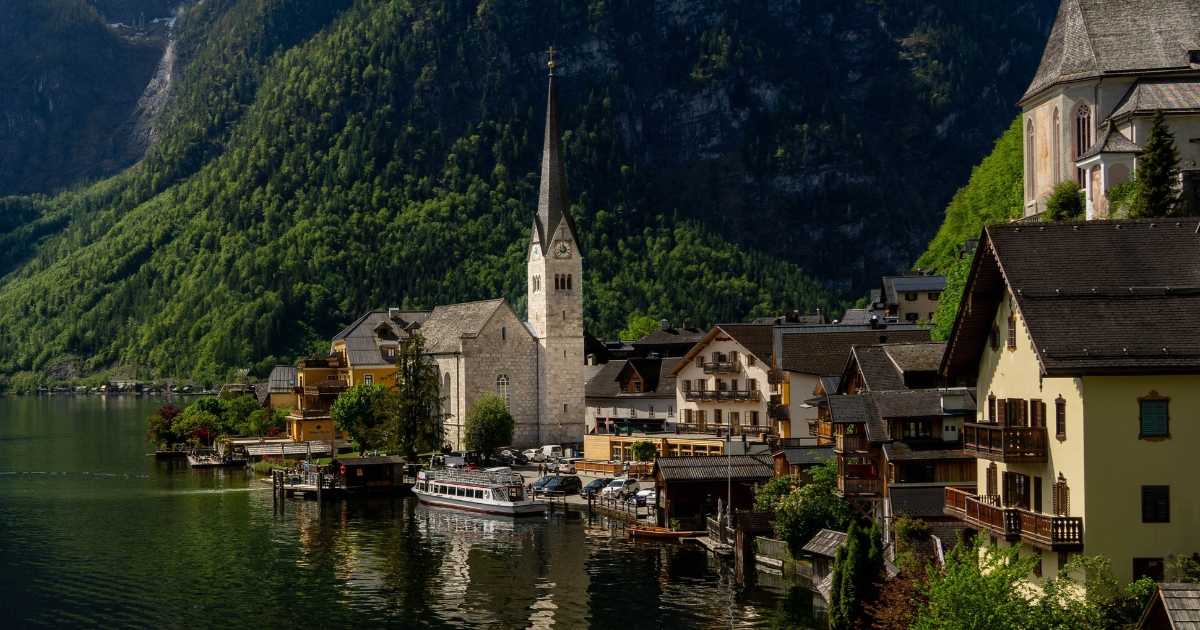
Along with flights and accommodation, a few practical preparations can help you manage your expenses and travel more comfortably.
Travel cards and payment options
Confirm whether your debit or credit card supports international transactions and what foreign currency conversion fees apply. A travel card may help you manage foreign currency, but look for its fees and exchange rates.
Carry a backup payment method and some cash for situations where cards are not accepted. Never rely on a single card for the entire trip.
Transport cards and passes
Some cities offer transport passes for unlimited travel over a set period, while regional or rail passes may cover specific routes.
Before buying one, compare its price with the tickets you expect to use. Check which services are included, whether reservations cost extra, and if the pass covers your intended journey.
Travel apps to download
- Google Maps: For directions, public transport routes, and saved places. Always download offline maps in case of network issues.
- Google Translate: For translating text and signs or to communicate with locals.
- Train operator apps: Use the official apps for your route for timetables, tickets, and any updates.
- Currency converter: Estimate prices in Indian rupees and keep track of your spending.
App availability and features vary, so download the relevant app for the country you visit.
Travel insurance
Travel medical insurance is an important part of any international holiday. For a Schengen visa, the policy must meet the applicable insurance requirements.
Read through what your policy covers, including medical emergencies, hospitalisation, repatriation, trip interruption, and baggage loss. Read the exclusions and claim procedure before buying rather than choosing a policy based only on its price.
Mobile data and connectivity
Compare international roaming, eSIMs, and local SIM cards before departure. Check device compatibility, coverage in your destinations, data limits and the cost of calls or messages.
Packing and travel documents
Comfortable walking shoes and a light jacket are always a good idea for city sightseeing. For winter trips, you need warmer clothing and weather-resistant footwear. Keep copies of your passport, visa, insurance policy, tickets, and accommodation details.
Conclusion
Planning a Europe trip from India becomes easier when you make decisions in the right order. Start by choosing your destination and travel dates, decide how many days you have, confirm visa requirements, and build a route that fits your budget.
You can spend a week in two cities in one country or use a longer holiday to visit two countries at a comfortable pace. Compare your transport and accommodation options, prepare the essentials and leave enough time to enjoy each stop.
Instead of figuring this all out by yourself, contact Dimaak Tours. Whether you are looking for honeymoon holidays, solo trips, or family time, we will create itineraries based on your requirements.
FAQs on How to Plan a Trip to Europe
1. How much does a Europe trip from India cost?
The starting estimate for a 10-day budget-to-mid-range trip may cost around 2.05 – 2.60 lakh INR per person. Flights, accommodation, transport, sightseeing and destination choices can change the total significantly, so check prices for your actual dates.
2. What is the ideal time to visit Europe?
Late April to June and September to early October are ideal times for sightseeing weather. Summer suits travellers who want long days and outdoor activities, while winter suits Christmas markets and snow-focused trips.
3. How can you plan a Europe trip on a budget?
Compare flight dates, choose accommodation with good transport links, use public transport and prioritise paid attractions. For longer trips, consider fewer destinations and longer stays to reduce repeated transport expenses.
4. How do you plan a Europe trip itinerary using a map?
Plan your main destinations using a map. Then check transport connections and arrange stops in a logical order. Group attractions that are close by on the same day and book activities in advance. Verify train and flight schedules before booking.
