


Key Takeaways
|
Kuala Lumpur is Malaysia’s capital, known for its mix of modern skyscrapers, historic landmarks, street food, and shopping districts. After sunset, the city offers plenty of options, from late-night food spots to bars and entertainment venues, making Kuala Lumpur nightlife a live must-experience on your trip. To make the most of your holiday, choose the ideal time to visit Kuala Lumpur.
In Malaysian cities, rain can fall at any time of year, even during the drier months, so flexible daily scheduling is essential.
For travellers, the choice comes down to what you want to do. Use this guide to learn the best time to visit Kuala Lumpur, along with seasonal weather and travel tips.
What Is the Best Time to Visit Kuala Lumpur and Why?
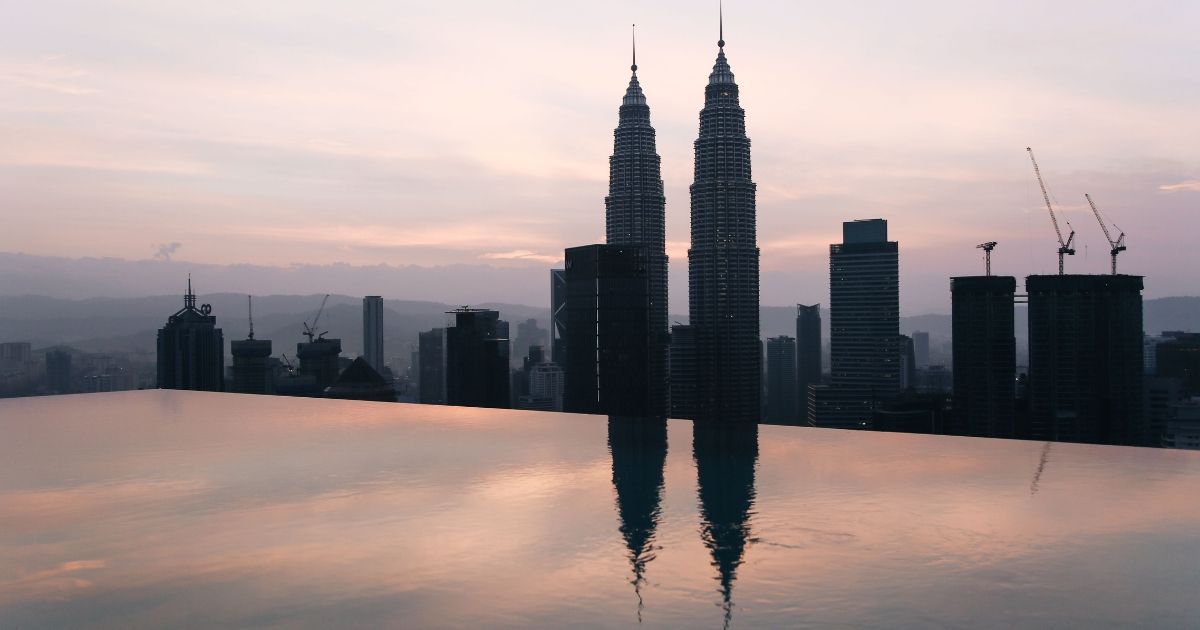
For clear skies and outdoor sightseeing, June to August offers the most favourable weather. February serves as a secondary dry option, though brief tropical showers are possible year-round.
If you are planning more outdoor activities or have a lot of places to visit in Kuala Lumpur, then the dry season is the time to go. For example, combine Batu Caves with city attractions such as Petronas Twin Towers and markets in Kuala Lumpur.
When travelling between October and January, plan outdoor visits for the morning and keep shopping malls, museums, and indoor attractions as backup options. Hotel rates and crowds also increase during school holidays and festivals, so adjust your dates or book two months in advance.
Season-Wise Information for Kuala Lumpur
For travel planning, Kuala Lumpur’s weather can be divided into three broad periods: a drier season, a shoulder season, and a wetter season. Temperatures remain high throughout the year, but rainfall, travel costs, and outdoor plans can vary.
1. Dry Season: June to August
For clear weather in Kuala Lumpur, visit from June to August, but occasional rain is still possible. Daytime is sunny; pack light, breathable clothing, and stay hydrated. It’s still wise to carry an umbrella, as brief afternoon showers can occur.
Places to visit:
- Petronas Twin Towers and KLCC Park: Visit the towers’ observation deck for city views, then walk around the park. Book tower tickets in advance for your preferred time.
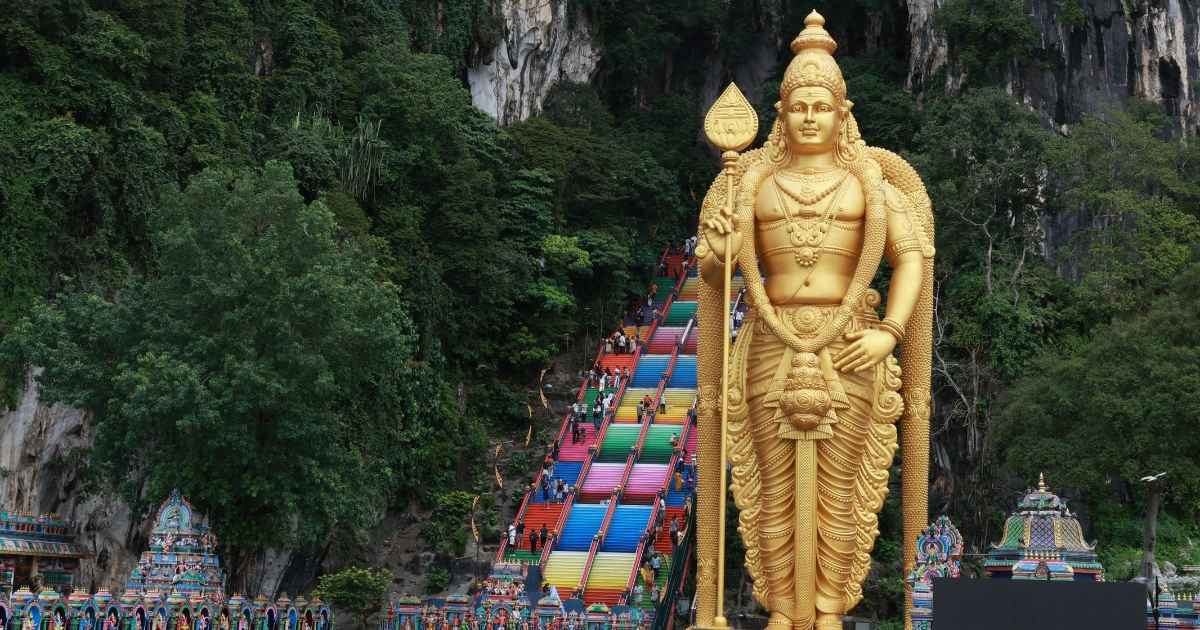
- Batu Caves: Go in the morning to avoid the afternoon heat. Wear comfortable shoes for the steps leading to the cave temples.
- Merdeka Square and the River of Life: Explore Kuala Lumpur’s historic centre, including the Sultan Abdul Samad Building, and take photos along the riverfront.
- Bukit Bintang and Jalan Alor: Spend the evening shopping and trying Malaysian street food.
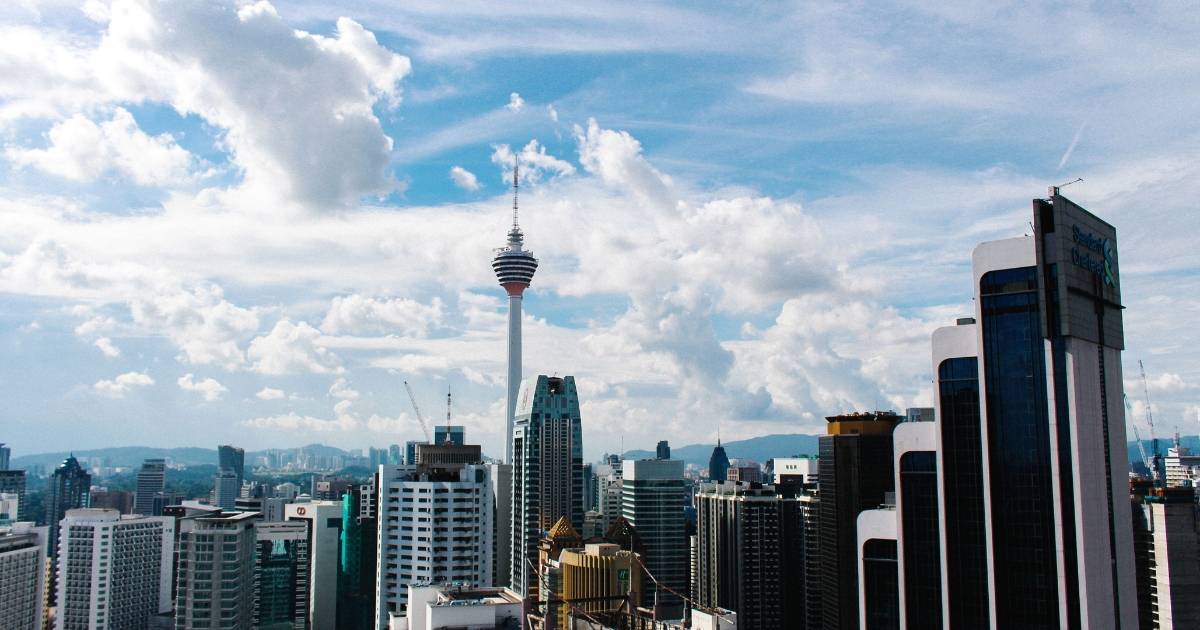
- KL Tower: Visit the observation deck for another view of the city skyline, ideally when visibility is clear.
Festivals and events:
- Hari Raya Aidiladha: This Muslim festival commemorates Prophet Ibrahim’s devotion and willingness to make a sacrifice, and its date changes each year according to the Islamic calendar.
- Citrawarna Malaysia: Citrawarna returned in July 2026 at Dataran Merdeka after a seven-year break, celebrating Malaysia’s ethnic diversity through music and dance; check Tourism Malaysia’s announcements for future dates.
2. Shoulder Season: February to May and September
This season has a mix of drier and wetter conditions. February is one of Kuala Lumpur’s drier months. April and May tend to have frequent showers and thunderstorms, while September can also bring rain. Humidity stays high throughout this period, even on clearer mornings, so plan walking tours for the early hours.
Places to visit:
- Thean Hou Temple: Visit this Chinese temple for its architecture and city views. Chinese New Year is a beautiful and colourful time to see festive decorations.
- Central Market and Chinatown: Browse handicrafts and souvenirs, visit Petaling Street and try local food around the area. Check the forecast before planning a long walk between stops.
- Islamic Arts Museum Malaysia: Explore its galleries on a rainy afternoon and learn about Islamic art and heritage.
Festivals and events:
- Chinese New Year: Celebrated in February (or late January, depending on the lunar calendar), this festival marks the start of the Lunar New Year with festive decorations and lion dances across Chinatown.
- Thaipusam: This festival falls in late January or February and honours Lord Murugan. Batu Caves is the main pilgrimage site to visit during Thaipusam in Malaysia. Devotees make offerings and carry decorated kavadis, so expect crowds and road closures around the temple.
- Ramadan: The fasting month follows the Islamic lunar calendar, so its dates shift earlier each year. In Kuala Lumpur, Ramadan bazaars sell local food and snacks in the late afternoon, where Muslims come to end their fast after sunset.
- Hari Raya Aidilfitri: Celebrated at the end of Ramadan, this festival marks the breaking of the fast and brings family gatherings and festive meals.
- Labour Day (1 May): This public holiday recognises workers and their contributions. Locals use the day for short trips, so transport and attractions may be busier.
3. Wet Season: October to January
October and November are among Kuala Lumpur’s wetter months, and rain can also affect travel in December and January. Daytime temperatures often remain around 30 – 33°C, so it is still hot and humid rather than cold. Rain can come as heavy showers or thunderstorms, which can disrupt outdoor plans and slow traffic.
Wetter months do not automatically mean cheaper hotel rates. Prices depend on travel dates, demand, and major holidays. Compare accommodation rates before booking, especially if your visit coincides with Deepavali, Christmas, or New Year.
Places to visit:
- Petronas Twin Towers: Keep the observation deck on your itinerary, but book a time slot that suits you.
- Suria KLCC: Combine shopping, restaurants, and indoor attractions in one stop, especially if it rains.
- The National Museum of Malaysia (Muzium Negara): Learn about Malaysia’s history and culture indoors.
- Central Market and Kuala Lumpur’s food stalls: Browse local crafts, try Malaysian dishes, and spend time in cafes.
- KL Tower: Visit for skyline views when visibility is good. Rain and clouds can affect what you see, so keep the timing flexible.
- Batu Caves: Visit during clear morning hours; climbing the 272 steps in heavy rain can be unsafe with children because the steps become slippery.
Festivals and events:
- Deepavali: The festival falls in October or November, depending on the year you visit. Choose areas like Brickfields, Kuala Lumpur’s Little India, for festive decorations and Indian shops.
- Christmas: Shopping malls and nightlife streets will have celebrations and decorations in December.
- New Year’s Eve: Events may take place around KLCC and other city locations on 31 December.
3-Day Kuala Lumpur Itinerary
If you are visiting Kuala Lumpur for the first time, three days give you enough time to cover the main landmarks, explore its food, and fit in some shopping. Keep the order flexible during wetter months, and move outdoor visits to the clearest part of the day.
| Day | Plan |
| Day 1 |
|
| Day 2 |
|
| Day 3 |
|
Conclusion
The best time to visit Kuala Lumpur depends on how much outdoor activity you want to do and how flexible your plans are. June to August is a practical choice for a first trip, while February can offer relatively drier conditions. October and November are wetter, but Kuala Lumpur still has plenty of indoor attractions, shopping, and food experiences for a city break.
Whichever months you choose, carry light clothing and an umbrella, check event dates before travelling, and leave some flexibility in your itinerary for rain.
Meanwhile, check out Malaysia tour packages to help you plan your budget and itinerary, and contact Dimaak Tours to make everything happen seamlessly.
FAQs on the Best Time to Visit Kuala Lumpur
1. Which areas should you visit for food and shopping in Kuala Lumpur, and how can you travel between them?
- Bukit Bintang: Shopping, restaurants, and Jalan Alor’s food stalls.
- KLCC: Petronas Twin Towers, KLCC Park, and the Suria KLCC shopping centre.
- Chinatown: Petaling Street and Central Market.
- Brickfields: Indian food and Little India’s cultural atmosphere.
You can travel between these areas using the city’s rail network, taxis, or ride-hailing services. Check the route from your hotel, as the best option depends on where you start and finish.
2. Which months are typically the driest for Kuala Lumpur, and what should you pack?
February and June through August typically record lower rainfall in Kuala Lumpur, making them suitable months for outdoor activities. However, brief showers can occur year-round. Pack lightweight, breathable clothing for the warm, humid weather, comfortable walking shoes, sunscreen and a compact umbrella or light rain jacket for unexpected showers.
3. How does Kuala Lumpur weather in December compare with January?
Both months share similar tropical weather with minor daily variations. December has higher tourist crowds than January, with Christmas and New Year’s Eve.
For travellers interested in cultural and religious festivals, Thaipusam and Chinese New Year often fall in January or February, depending on the Hindu and lunar calendars.
4. Is Kuala Lumpur worth visiting during the wet season?
You can still visit landmarks, museums, shopping centres, temples, and food markets. Plan outdoor attractions for periods with a better forecast and keep indoor activities as alternatives. Heavy rain can affect traffic, so allow extra time for journeys.
