


Key Takeaways
|
Among foreign destinations, Vietnam has been slowly becoming a top choice for Indians. The reason is that Vietnamese food is incredible, there are diverse landscapes, and shopping is genuinely one of the best things to do in Vietnam, which most people enjoy.
When it comes to shopping, some items you buy in Vietnam are cheaper than in India, especially coffee, cashews, silk fabric, ceramics, and handcrafted goods. These often cost less than what you would pay for imported Vietnamese products in India. So, with this blog, learn all the best Vietnamese specialities to buy before you return to India.
City-wise Shopping: Where and What to Buy in Vietnam?
| Region | Best For | Best Shopping Spots |
| Hanoi | Lacquerware, silk, traditional handicrafts, embroidery, ceramics, agarwood. | Hang Gai Street (Silk Street), Dong Xuan Market, Old Quarter Lanes, Van Phuc Silk Village, Bat Trang Pottery Village. |
| Hoi An | Tailored clothing, Ao Dai, leather goods, lanterns and silk fabric. | Tailor shops on Le Loi and Tran Phu Streets, Hoi An Night Market and a handicraft workshop on Nguyen Thai Hoc. |
| Ho Chi Minh City | Coffee, cashews, spices, war memorabilia, ceramics, coconut products, and modern art. | Ben Thanh Market, Dong Khoi Street and Binh Tay Market. |
| Phu Quoc | Black pepper, sim wine, fish sauce, dried seafood | Phu Quoc Night Market, Pepper Farm Shops, Duong Dong Town, Ham Ninh Fishing Village. |
22 Best Things to Buy in Vietnam
Shopping in Vietnam offers both useful and unique items, and you can choose what to buy as a souvenir based on your budget. This section lists the 22 best things to buy in Vietnam, with prices and where to shop.
1. Vietnamese Coffee
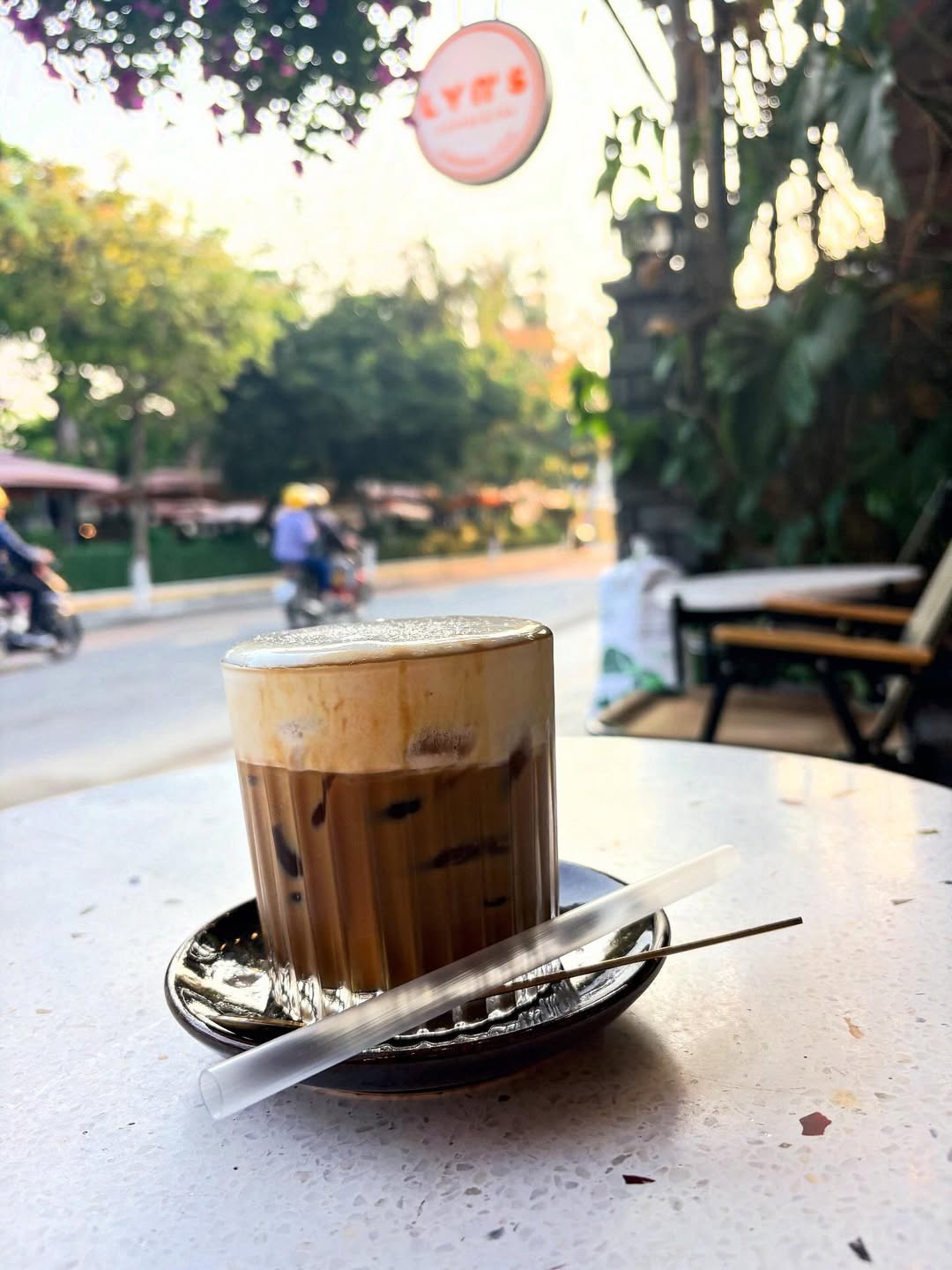
Vietnam is the world’s second-largest coffee producer. So, buying coffee here is one of the best purchases you can make. The famous variety is Robusta; it is bold, thick, earthy, and completely different from the Arabicas consumed in India.
Vietnamese coffee has a lower acidity when mixed with sweetened condensed milk, and that’s the way locals drink it.
- Approximate Cost: 60,000 – 200,000 VND (220 – 734 INR) for Robusta or Arabica blends. 700,000 – 2,000,000 VND (2,570 – 7,344 INR) for Weasel coffee.
- Top Brands: Trung Nguyen, Highlands Coffee, G7, Vinacafe.
- Best Places to Buy: Trung Nguyen outlets, Highlands Coffee, local roasters at Hanoi’s Old Quarter, and Ben Thanh Market.
2. Phu Quoc Black Pepper
Phu Quoc Island has been growing pepper since the 17th century and historically traded it with Indian merchants long before it became a tourist destination. Vietnam is now one of the world’s top pepper exporters, and Phu Quoc produces some of its finest pepper.
Compared to Tellicherry or Malabar pepper, Phu Quoc black pepper has a distinct taste. It is fruitier and has a mild floral undertone.
- Approximate Cost: 80,000 – 200,000 VND (293 – 734 INR).
- Best Places to Buy: Phu Quoc Night Market & Pepper Farm – Phu Quoc Countryside
3. Cashew Nuts
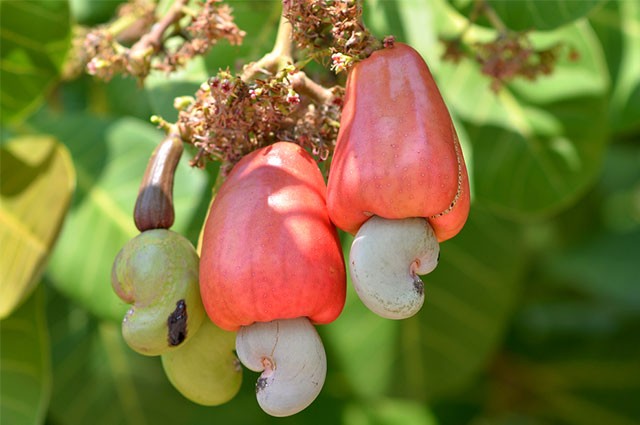
Vietnam is the world’s leading cashew exporter, and cashews here can cost 40 – 60% less than the same Vietnamese cashews sold in Indian supermarkets under brands like Happilo, Nutraj, or Rostaa. Cashews are cheaper in Vietnam than in India because you are buying them directly where they are processed.
- Approximate Cost: 150,000 – 300,000 VND (550 – 1,101 INR) for 500g of roasted cashews. Premium raw cashews go up to 400,000 VND (1,468 INR) for 500g.
- Best Places to Buy: Co.op Mart, Han Market, and Dong Xuan Market.
4. Vietnamese Silk
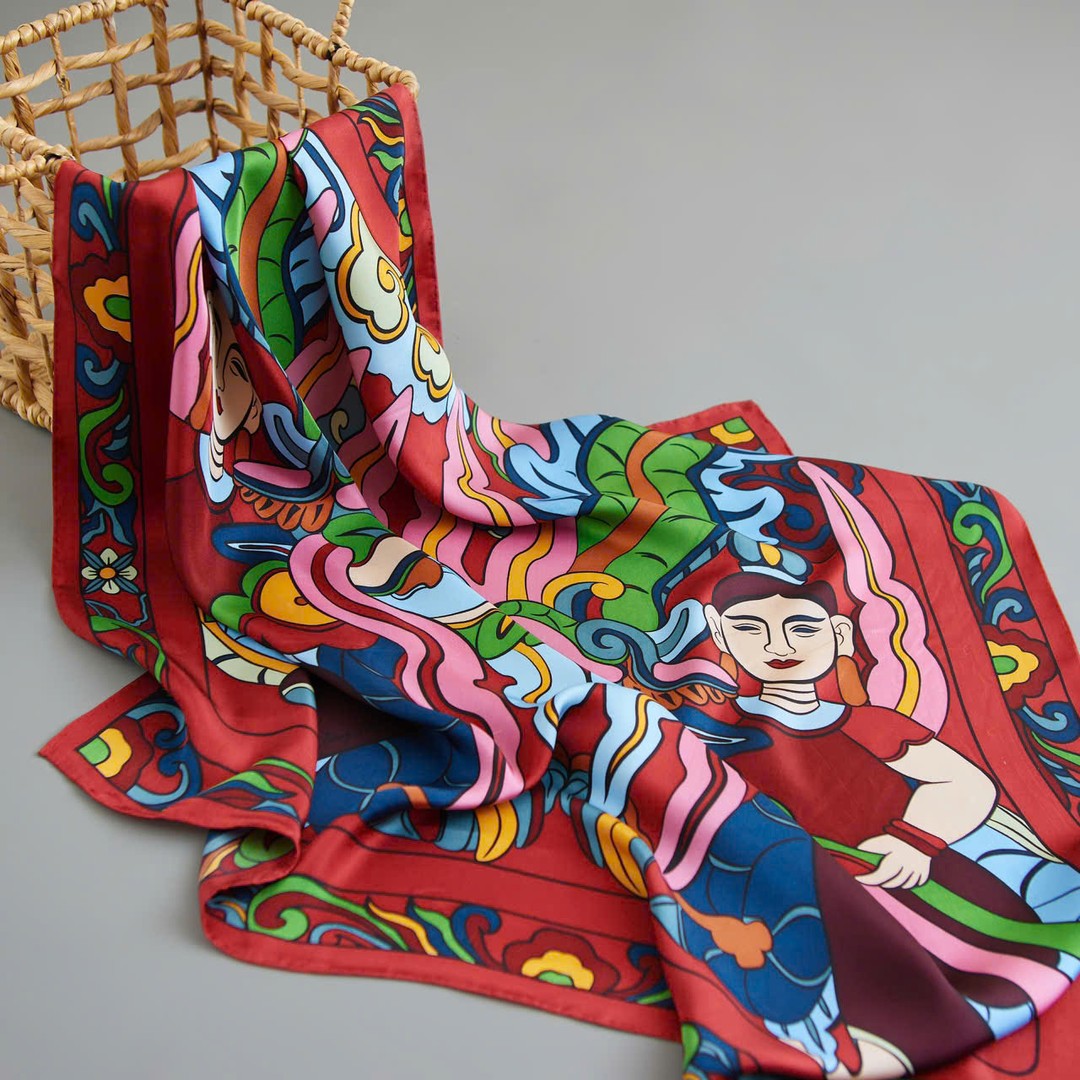
Van Phuc Village, outside Hanoi, has been weaving silk since the 11th century and is one of the oldest silk-weaving communities in Southeast Asia.
Vietnamese silk is known for its smooth texture, natural sheen, and light, breathable feel, which makes it very comfortable in warm weather. Vietnamese plain silk is good as a saree lining fabric and a dupatta material.
- Approximate Cost: 70,000 – 100,000 VND (257 – 367 INR) per metre for plain silk. Embroidered or patterned silk costs 350,000 – 4,700,000 VND (1,285 – 17,260 INR).
- Best Places to Buy: Van Phuc Silk Village near Hanoi, Hang Gai Street (Silk Street), and Hoi An Cloth Market.
5. Ao Dai (Traditional Vietnamese Dress)
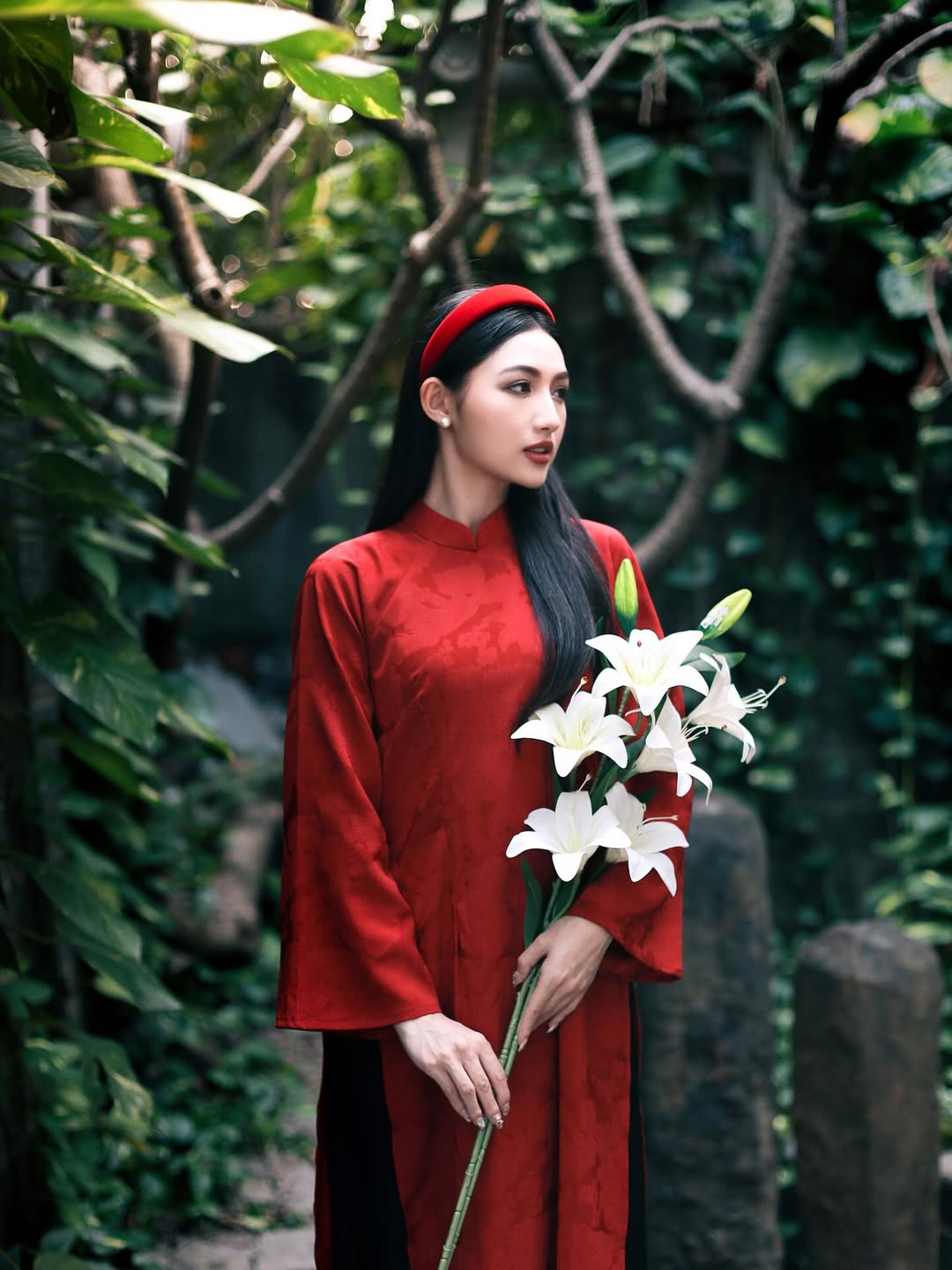
The Ao Dai is Vietnam’s national dress and has been worn for centuries at weddings, festivals, and formal occasions. It is a fitted tunic with a collar, split on both sides from the waist down, worn over wide-leg trousers, and usually made from silk or satin.
The most important thing for Indian women to know is that the Ao Dai is made for a slimmer Vietnamese body shape, the shoulders are narrower, and the fit is longer. So, if you buy ready-made Ao Dai, it usually doesn’t fit many Indian women. Getting it custom-made in Hoi An is the better option.
- Approximate Cost: 700,000 – 2,300,000 VND (2,570 – 8,446 INR) for custom-made. A ready-made dress costs up to 1,110,000 VND (4,076 INR).
- Best Places to Buy: Tailors on Tran Phu and Le Loi Streets in Hoi An, Hang Gai Street in Hanoi, Ben Thanh Market HCMC.
6. Non La (Vietnamese Conical Hat)
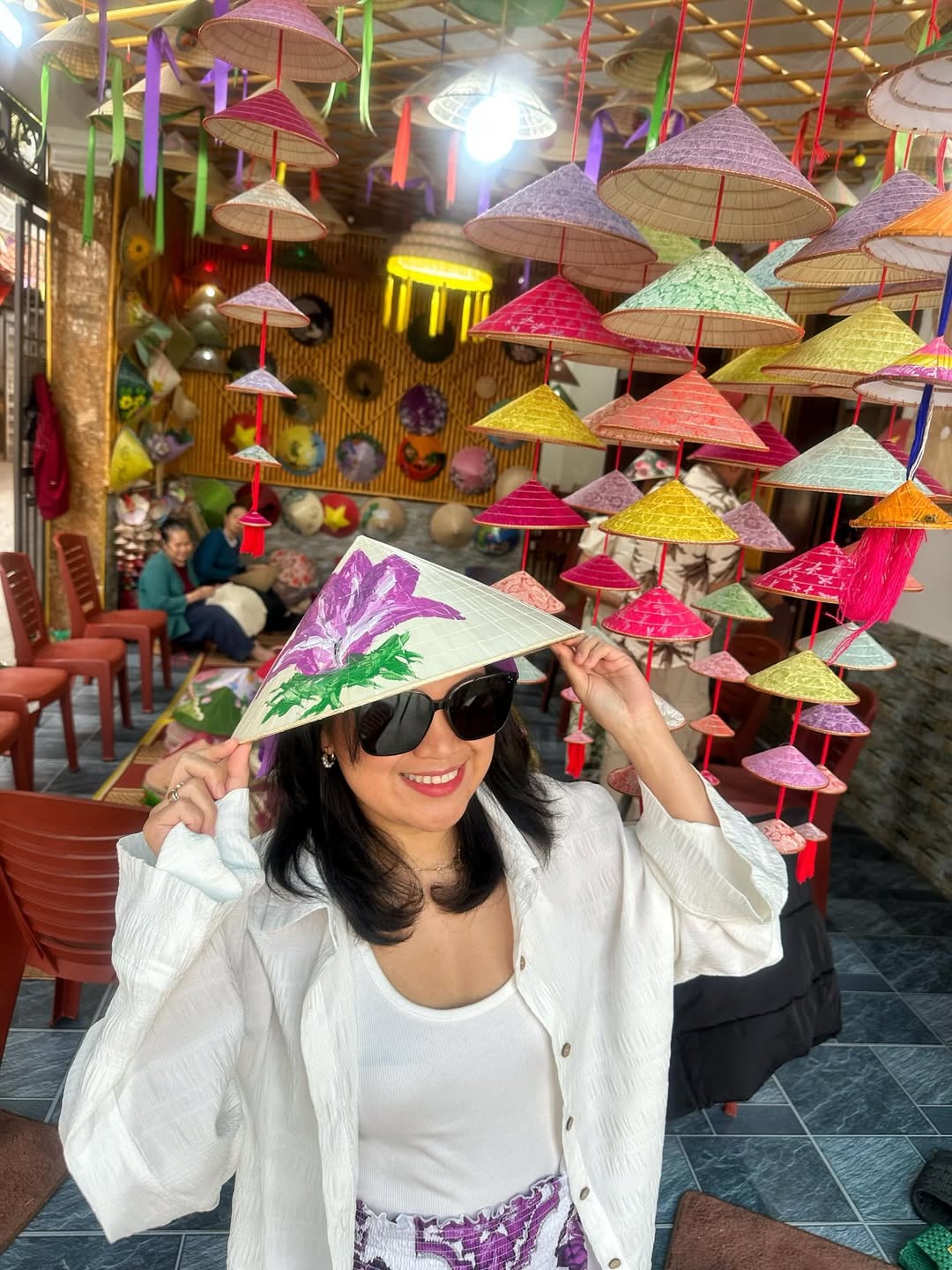
The Non La is not just a souvenir; it is something Vietnamese people actually use every day. Farmers to market vendors all wear it for protection from the sun and rain.
It is made from bamboo strips, palm leaves, and tree bark, all hand-stitched together, and the quality depends on how tightly the leaves are woven. Chuong Village near Hanoi is the most well-known place for making these hats by hand. Some hats from Hue have poetry or paintings inside that are only visible when you hold them up to the light; these are called Non Bai Tho.
- Approximate Cost: 30,000 – 300,000 VND (110 – 1,101 INR).
- Best Places to Buy: Chuong Conical Hat Village near Hanoi, Dong Xuan Market, Hanoi, craft shops in Hue for the Non Bai Tho variety.
7. Lacquerware
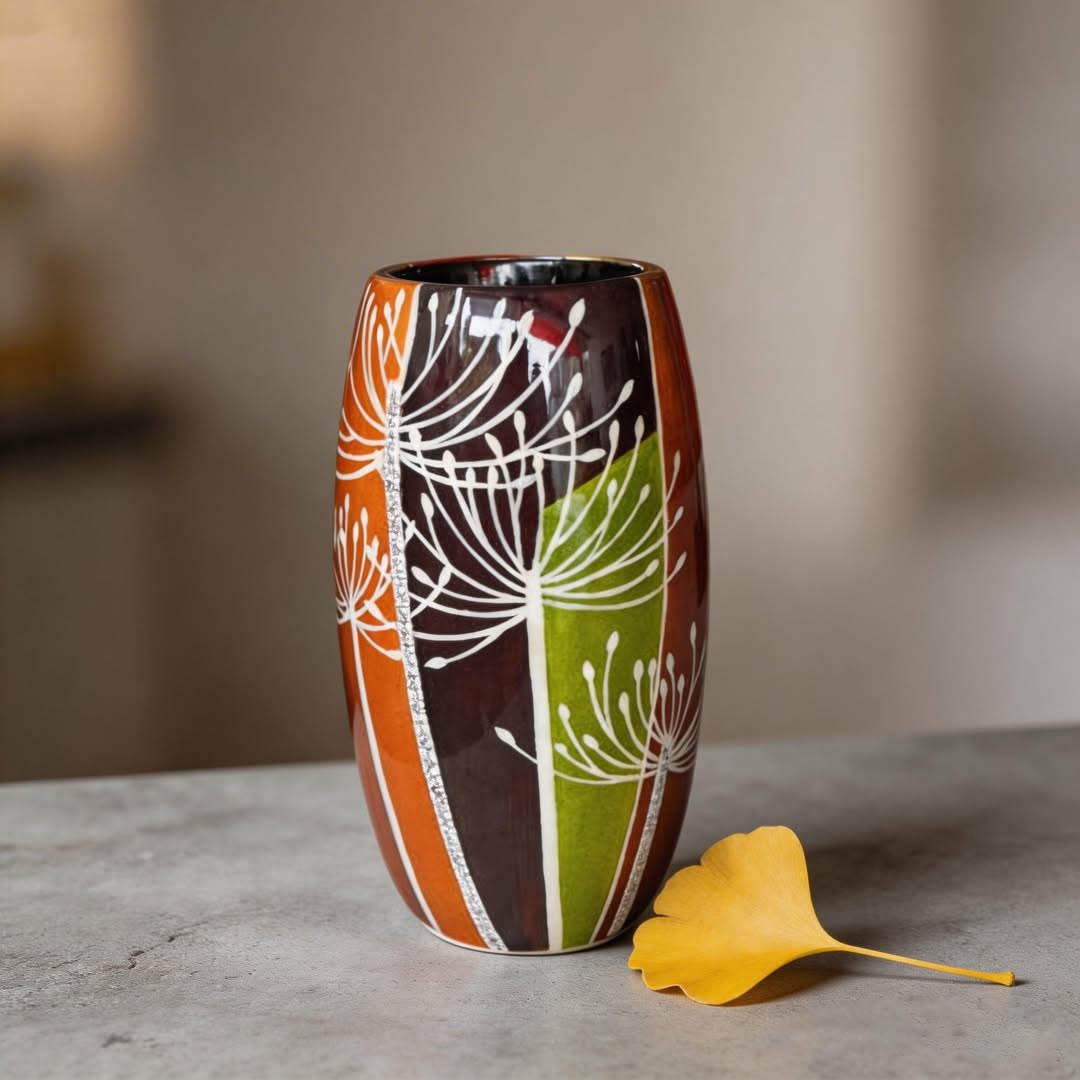
Lacquerware is one of the most traditional and well-known crafts in Vietnam. Items like bowls, trays, vases, and wall panels are made by applying up to 20 layers of natural lacquer resin on a wooden base.
Once the process is over, the product has a deep, glossy colour, usually red, black, or gold, that does not fade or come off easily. The surface is then decorated by pressing crushed eggshell or gold leaf into it.
- Approximate Cost: 200,000 – 1,000,000 VND (734 – 3,672 INR) depending on size and design.
- Best Places to Buy: Ha Thai Lacquer Village, Hang Gai Street Old Quarter, and Dong Khoi Street.
8. Hoi An Silk Lanterns
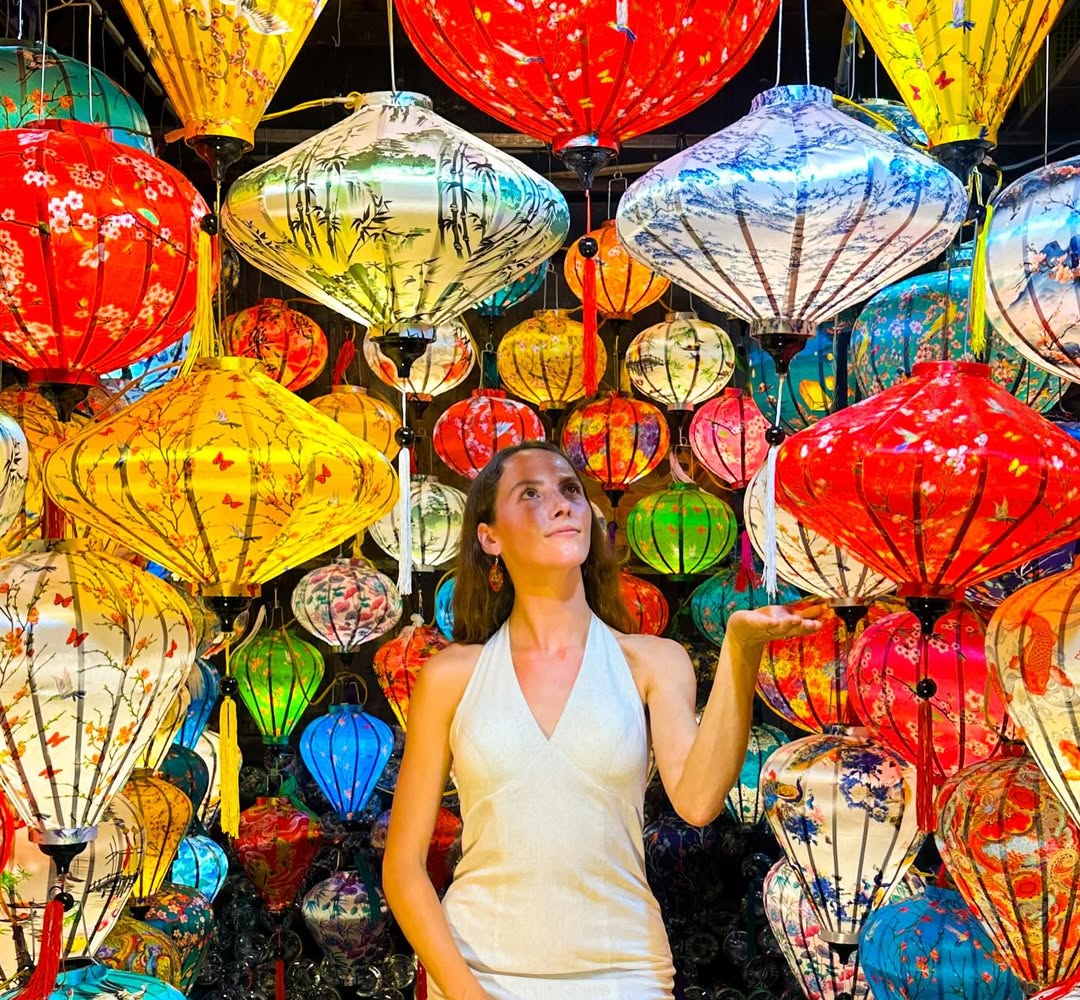
The coloured silk lanterns of Hoi An are among the most recognisable images of Vietnam. This craft goes back to when Hoi An was a major trading port with Chinese and Japanese merchants from the 15th century.
Each lantern is built on a bamboo or wire frame and covered with silk or cotton fabric, then hand-dyed in the colours you see hanging across the town every evening.
- Approximate Cost: 30,000 – 200,000 VND per lantern (110 – 734 INR).
- Best Places to Buy: Craft workshops on Tran Phu Street in Hoi An, Hoi An Night Market, Ha Linh Lantern Manufacturing Unit, lantern-making classes, and stalls along the Thu Bon River.
9. Custom-Made Leather Shoes and Bags
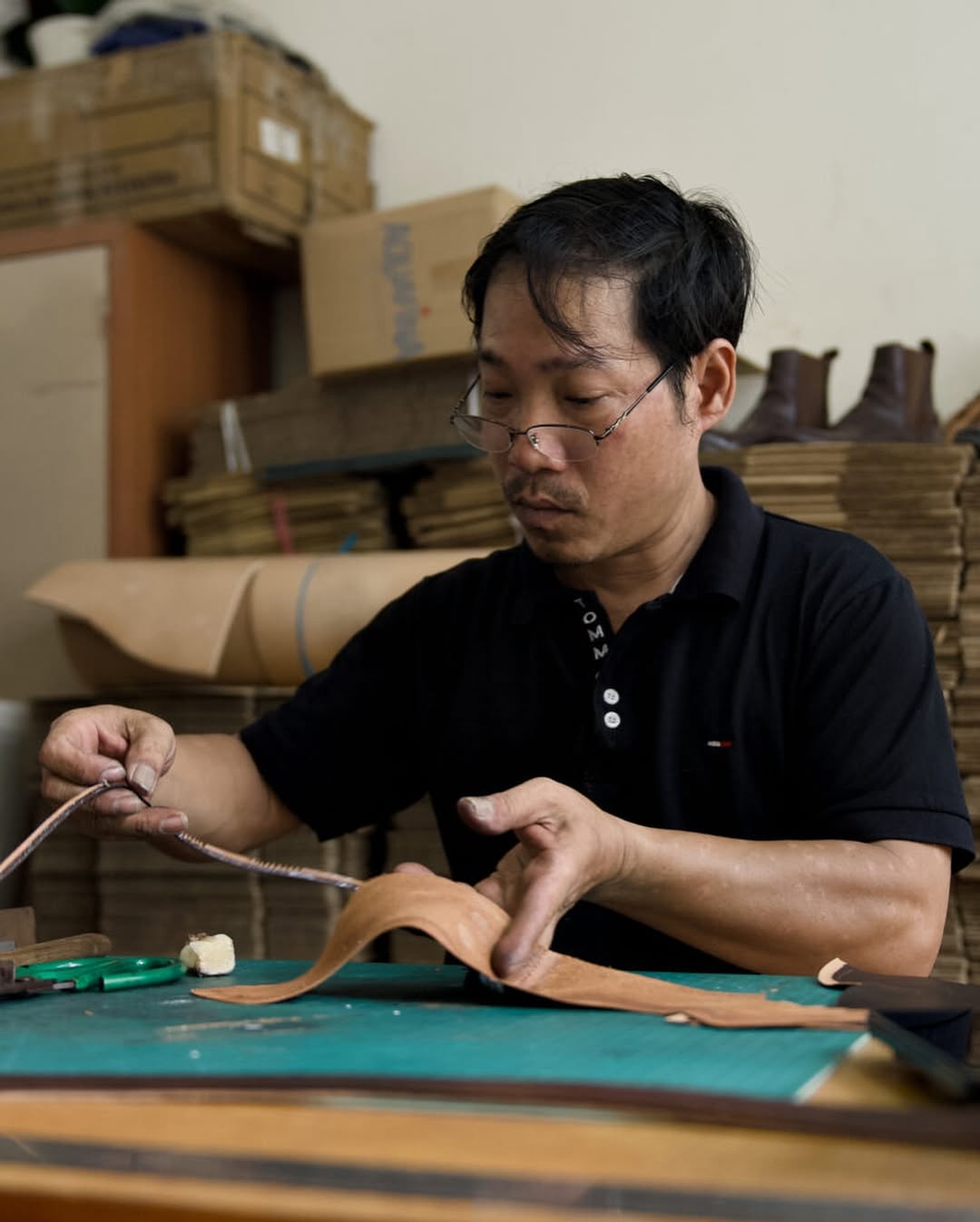
Hoi An is well known for its leather goods, and cobblers here can make custom shoes or bags based on your design and measurements within 36 – 48 hours.
You choose the leather, share a photo of what you want, and they make it for you. A good pair of custom leather shoes in Hoi An costs around 2,000 – 4,200 INR, while the same quality at Indian leather boutiques would cost more than 5,000 INR.
- Approximate Cost: 500,000 – 2,000,000 VND (1,836 – 7,344 INR) for shoes or bags.
- Best Places to Buy: Da Bao Real Leather, Le Loi Street in Hoi An, and Quynh Nhu Shoes Shop.
10. Ceramics and Pottery
Bat Trang Pottery Village has been making ceramics since the 14th century, when potters moved here because of the high-quality white clay found along the Red River.
The village now has over 1,000 families and many studios producing hand-painted bowls, tea sets, vases, and decorative tiles. Prices at the village are much lower than what the same pieces cost in Hanoi’s Old Quarter shops. If you want something custom-made, most studios can do it if you allow 3 – 5 days.
- Approximate Cost: 90,000 – 1,000,000 VND (330 – 3,672 INR).
- Best Places to Buy: Bat Trang Pottery Village (about 35 minutes from central Hanoi), Chu Dau Pottery Village.
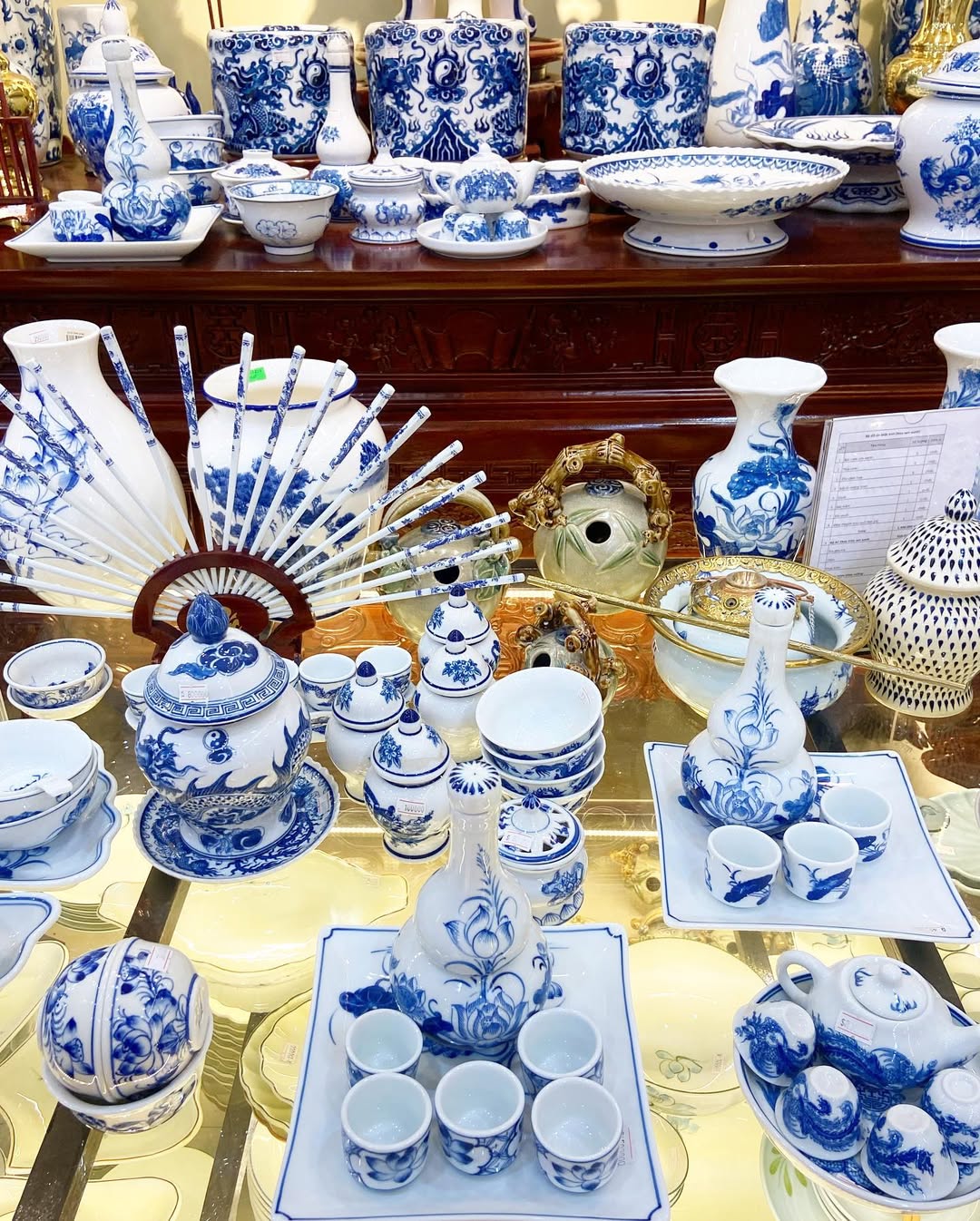
11. Pearl Jewellery
Ha Long Bay is one of Vietnam’s main pearl farming areas, producing both freshwater and saltwater pearls. Because the pearls are sourced locally, there are no import costs added. This is why Vietnamese pearl jewellery is cheaper than similar quality sold in India.
South Sea pearls from Phu Quoc and Khanh Hoa Province are the premium option, larger in size and with more shine than the freshwater variety.
- Approximate Cost: 500,000 – 5,000,000 VND (1,836 – 18,362 INR) depending on type, size, and setting.
- Best Places to Buy: Tung Sau Pearl Farm, jewellery shops in Hanoi’s Old Quarter, Ben Thanh Market, Ngoc Hien Pearl Farm, and Quoc An Pearl.
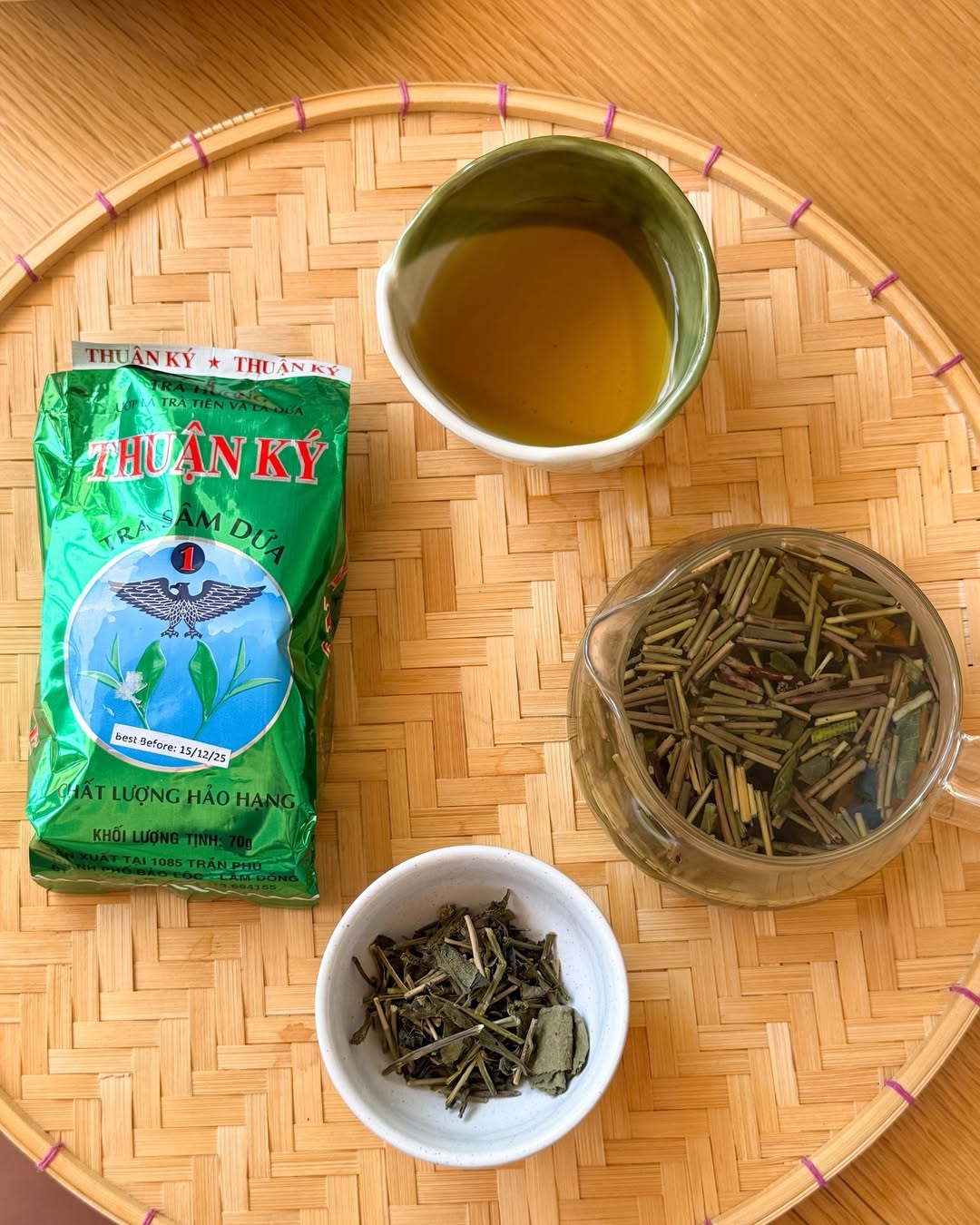
12. Vietnamese Tea
Vietnam grows tea in the northern highlands of Thai Nguyen, Ha Giang, and Moc Chau, where the cooler climate and the soil give the tea a naturally sweet taste with very little bitterness.
The most unique variety is lotus tea, where green tea leaves are packed inside fresh lotus flowers and sealed overnight so the scent transfers naturally into the tea. It takes hundreds of lotus flowers to make just one kilogram of this tea properly, which is why it tastes so different from regular jasmine or green tea.
Also, tea is a thoughtful and inexpensive souvenir from Vietnam that you can buy for your tea-loving family back home.
- Approximate Cost: 100,000 – 400,000 VND (367 – 1,468 INR).
- Best Places to Buy: L’AngFarm outlets, speciality tea shops in Hanoi’s Old Quarter, Da Lat tea farms for highland varieties.
13. Phu Quoc Sim Wine
Sim wine is made from the berries of a wild shrub called Vietnamese rose myrtle that grows naturally across Phu Quoc’s hillsides.
The berries are picked between July and September, then fermented with rice wine or grain alcohol to make a light, slightly sweet, pinkish wine with a mild fruity taste. It has been made on the island of Phu Quoc for generations, just like how feni is made in Goa.
Unlike snake wine, sim wine has no customs issues; it is a simple fruit wine that can be carried back to India.
- Approximate Cost: 80,000 – 250,000 VND (293 – 918 INR).
- Best Places to Buy: Phu Quoc Night Market, local shops in Duong Dong Town, Phu Quoc airport duty-free.
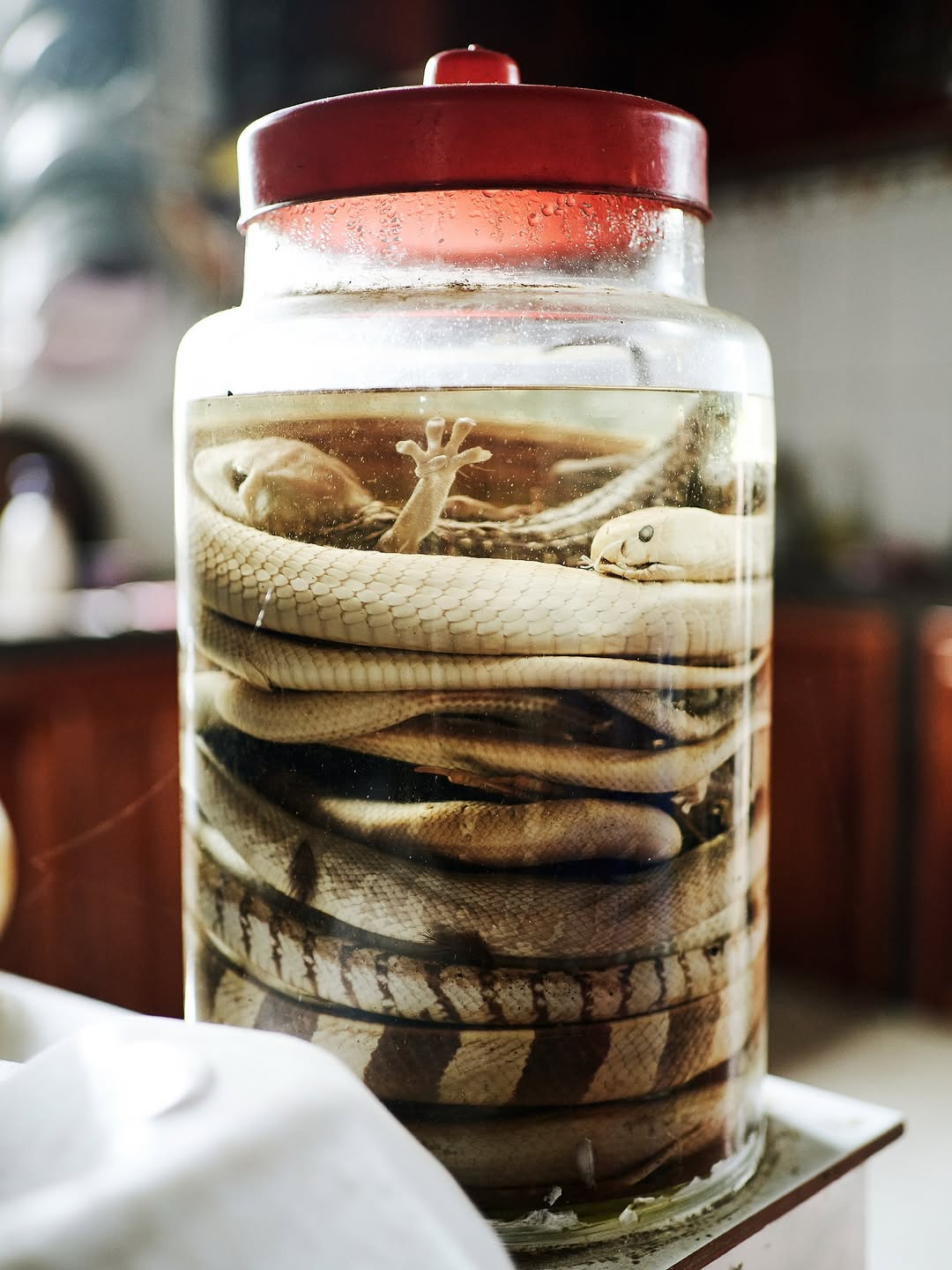
14. Snake Wine
Snake wine is rice wine or grain alcohol with whole snakes, usually cobras or vipers, kept inside the bottle for months. The alcohol is believed to neutralise the venom.
In traditional Vietnamese medicine, snake wine is used to treat joint pain and other health issues. The most important thing is that snake wine bottles have been confiscated at Indian customs. If you want to try it, do that while you are in Vietnam and don’t take it back to India.
- Approximate Cost: 200,000 – 1,000,000 VND (734 – 3,672 INR).
- Best Places to Buy: Ben Thanh Market, markets in Hanoi and liquor shops.
15. Vietnamese Spices: Star Anise & Cinnamon
Vietnam produces good spices, especially star anise from Lang Son Province and cinnamon from Yen Bai Province, which are very well known.
The star anise here has a much stronger, deeper fragrance than the Chinese star anise that is mostly used by Indians. The cinnamon is thicker and sweeter than Ceylon cinnamon and is the type used in pho broth and five-spice blends.
- Approximate Cost: 50,000 – 200,000 VND (183 – 734 INR).
- Best Places to Buy: Supermarkets and local markets.
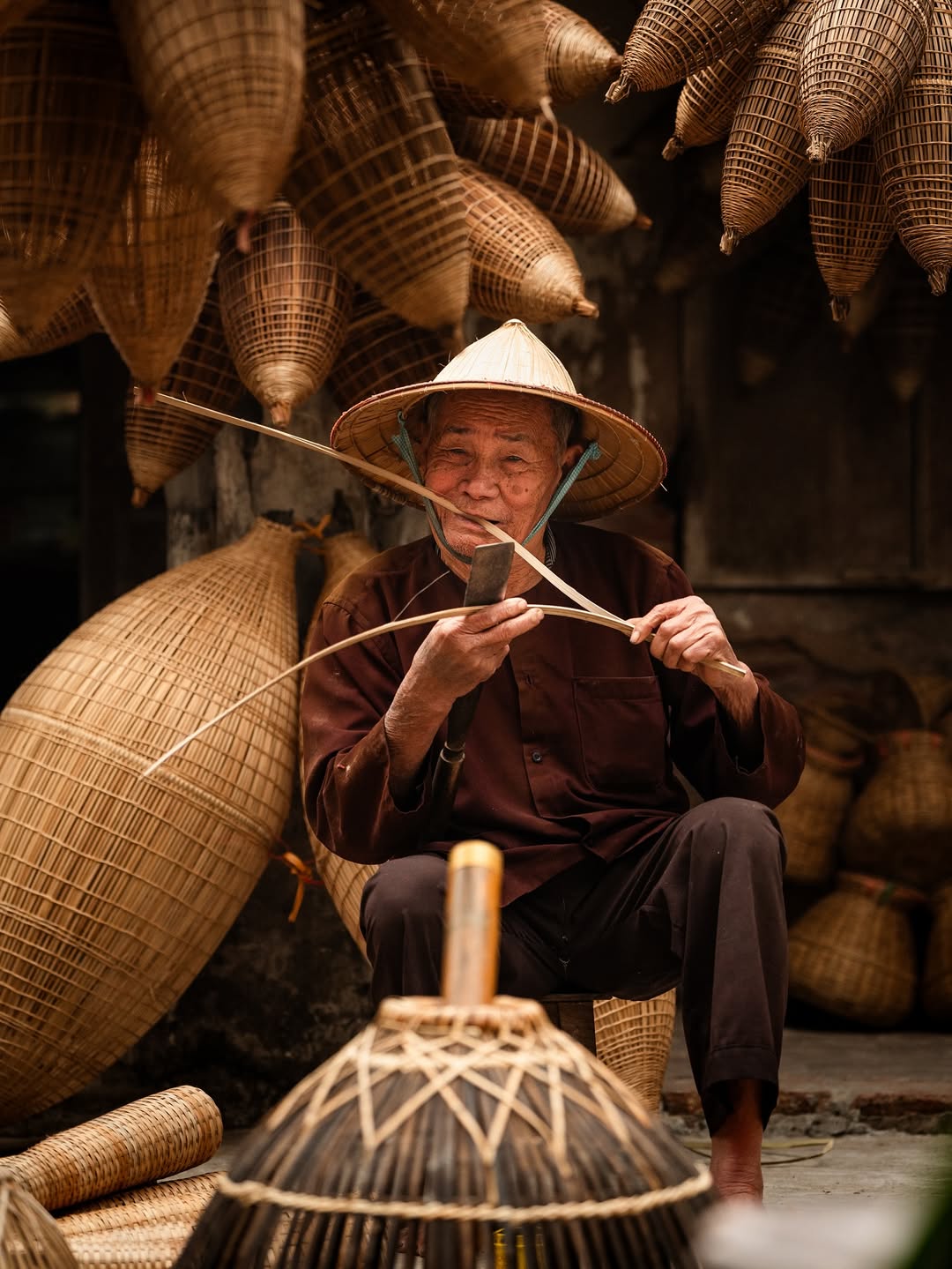
16. Bamboo Products
Vietnam is one of the world’s largest bamboo producers, and the range of bamboo products is unique. The Mekong Delta region, in particular, has a long tradition of making functional bamboo goods such as baskets, trays, cooking steamers, and storage containers.
Bamboo cutlery sets and tea trays are among the unique things to buy from Vietnam that can add a natural touch to your home.
- Approximate Cost: 50,000 – 500,000 VND (183 – 1,836 INR).
- Best Places to Buy: Hoi An Handicraft Workshop, Ben Thanh Market, craft villages on Mekong Delta day tours.
17. Hand-Embroidered Goods
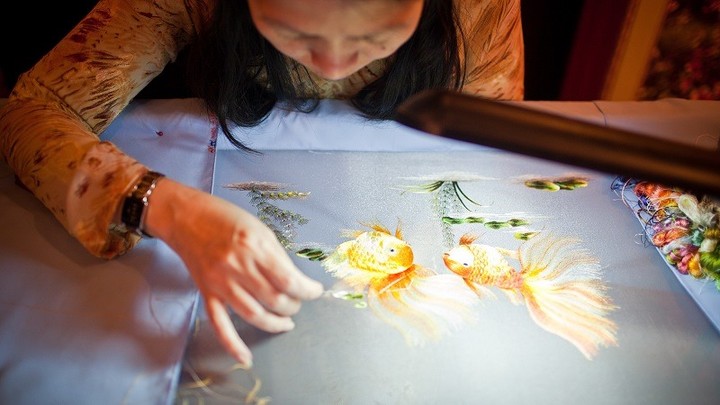
Vietnamese hand embroidery has been a major craft in Quat Dong Village near Hanoi since the 13th century. The embroidery is done with silk thread on silk, linen, or cotton fabric. These pieces look almost like paintings because of how carefully each colour and shade is stitched.
If you only want to buy hand-embroidered goods, not machine-made ones, look at the back, where the handwork is slightly uneven.
- Approximate Cost: 160,000 – 700,000 VND (587 – 2,570 INR).
- Best Places to Buy: Quat Dong Embroidery Village near Hanoi, Dong Xuan Market, and craft shops in Hoi An.
18. Ethnic Minority Fabrics (Sapa)
The Hmong, Red Dao, Tay, and other hill tribe communities in the northern highlands around Sapa and Bac Ha region produce handwoven and naturally dyed fabrics.
The Black Hmong community makes deep indigo-blue cloth using a wax-resist technique where melted beeswax is applied in patterns on the fabric before dipping it in natural indigo dye. Red Dao fabric has embroidery in red, black, and white on hand-woven cotton.
- Approximate Cost: 100,000 – 1,000,000 VND (367 – 3,672 INR) depending on size.
- Best Places to Buy: Sapa Weekend Market, Bac Ha Sunday Market in Lao Cai Province, and Dong Xuan Market in Hanoi.

19. Coconut Products (Ben Tre)
Ben Tre Province in the Mekong Delta produces over 40% of Vietnam’s coconuts and is known as Xu Dua, which means “Coconut Land.”
The most popular food product from here is coconut candy, keo dua, made from coconut milk and malt syrup, which is cooked until it sets into a soft, chewy consistency. It comes in pandan, durian, coffee, and original flavours. There are also coconut shell bowls and spoons made here, and they are among the cheaper things to buy in Vietnam.
- Approximate Cost: 50,000 – 300,000 VND (183 – 1,101 INR).
- Best Places to Buy: Ben Tre local markets, Ben Thanh Market HCMC, Co.op Mart supermarkets across southern Vietnam.
20. Vietnamese Paintings
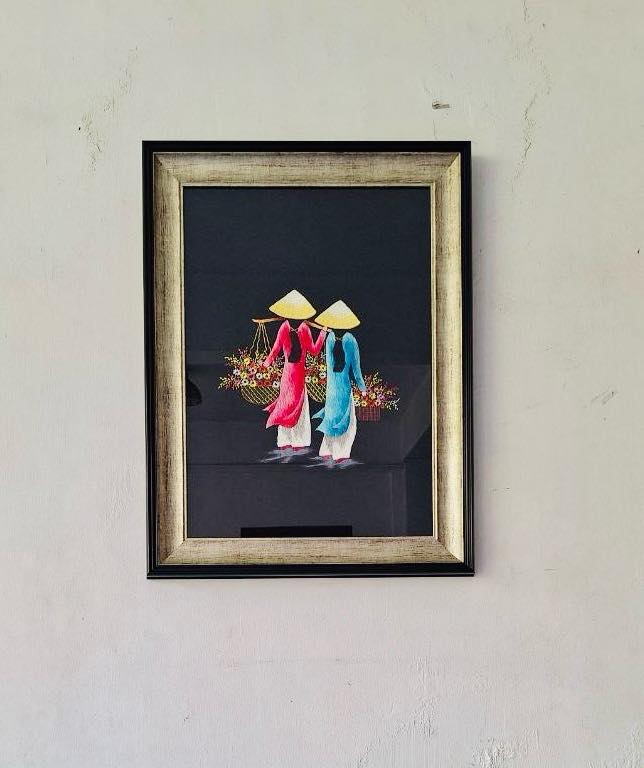
Vietnam has two painting styles that are unique to the country. The first is lacquer painting, in which coloured lacquer layers with gold, silver, or eggshell are pressed into the surface before the final layers are applied.
The second is silk painting, which developed in Vietnam in the 1930s. It is a work on natural silk with a soft, light quality that is completely different from canvas or paper.
- Approximate Cost: 500,000 – 5,000,000 VND (1,836 – 18,362 INR).
- Best Places to Buy: Fine Arts Museum Shop, Hanoi, galleries on Hang Gai Street, Old Quarter and Dong Khoi Street.
21. Buddhist Artefacts
Vietnam has over 2,000 years of Buddhist history. From wooden statues and incense burners to prayer beads, brass bells, and wall plaques, you can see culture in these small souvenirs.
The wooden Buddha statues made in northern Vietnam, especially those carved from jackfruit wood, are hand-carved, so each one looks slightly different.
- Approximate Cost: 60,000 – 3,000,00 VND (220 – 11,017 INR).
- Best Places to Buy: Shops near Tran Quoc Pagoda Hanoi, Thien Hau Pagoda, and Dong Xuan Market, Hanoi.
22. Herbal Medicines and Wellness Products
Vietnamese medicine uses local plants and herbs, many of which are not found in India.
Especially on Hai Thuong Lan Ong Street in Chinatown, there are more than 100 vendors selling dried herbs and medicinal teas. Some of the most useful things to buy are herbal muscle-and-joint balms. These are similar to Tiger Balm, but they use a different combination of Vietnamese herbs, including local cinnamon, camphor, and menthol.
- Approximate Cost: 100,000 – 500,000 VND (367 – 1,836 INR).
- Best Places to Buy: Hai Thuong Lan Ong Street, Dong Xuan Market and traditional medicine shops in Hanoi’s Old Quarter.
Conclusion
Shopping in Vietnam is not just about souvenirs. Visiting markets, speaking with vendors, and eating local food are some of the easiest ways to experience the country’s culture.
The night markets in Hanoi for the local energy, Phu Quoc for its pearls, and Sapa for its ethnic-minority goods.
Depending on how long you stay in Vietnam, you can visit each place and experience its special things. Contact Dimaak Tours for planning your itinerary. We will help you with suggestions on shopping spots, hotel booking, flights, and activities.
FAQs on Things to Buy in Vietnam
1. What is famous in Vietnam to buy?
Vietnamese coffee, Phu Quoc black pepper, silk, lacquerware, Hoi An lanterns, cashews, and custom leather goods from Hoi An are the most famous things to buy in Vietnam.
2. What is cheaper to buy in Vietnam than in India?
Cashews, silk fabric, coffee, ceramic pottery, and lacquerware are all of these are cheaper in Vietnam than in India, especially for Vietnamese brands.
3. What are the unique things to buy in Vietnam?
Hoi An silk lanterns, Phu Quoc sim wine, Vietnamese lotus tea, ethnic minority hand-woven fabrics from Sapa, lacquer paintings, and Non La conical hats are unique to buy in Vietnam. These are things you cannot find anywhere else in the same form.
4. Can you bring Vietnamese products to India?
Sealed food items like coffee, cashews, spices, coconut candy, and biscuits are completely fine to bring to India. Clothes are also allowed.
Expensive things like pearls are also fine when you buy in small quantities and have the receipts. The biggest risk is carrying snake wine, as it contains whole reptiles in the bottle.
