

Key Takeaways
|
The world’s top waterfalls vary in size, setting and accessibility. Some stretch across broad river valleys, while others plunge hundreds of metres from remote mountain plateaus.
Reaching them can be as simple as a short walk from a car park or require a boat ride, a flight or several days of hiking through remote terrain.
It is also worth checking each destination’s entry requirements, including whether any offer visa-free entry or simpler options such as visa on arrival for Indians.
This guide covers ten major waterfalls in the world across South America, North America, Europe, Africa, and Oceania, with details on their distinctive landscapes, viewpoints and access arrangements.
Top Waterfalls in the World
Here are 10 major waterfalls around the world, including vast cascade systems, towering drops and remote falls that require extra planning to visit.
1. Iguazu Falls, Argentina and Brazil
Iguazu Falls stretches for almost three kilometres along the Argentina-Brazil border, with numerous cascades rather than a single drop. At its centre, Devil’s Throat is a deep, U-shaped section of the river where a huge volume of water plunges over the edge.
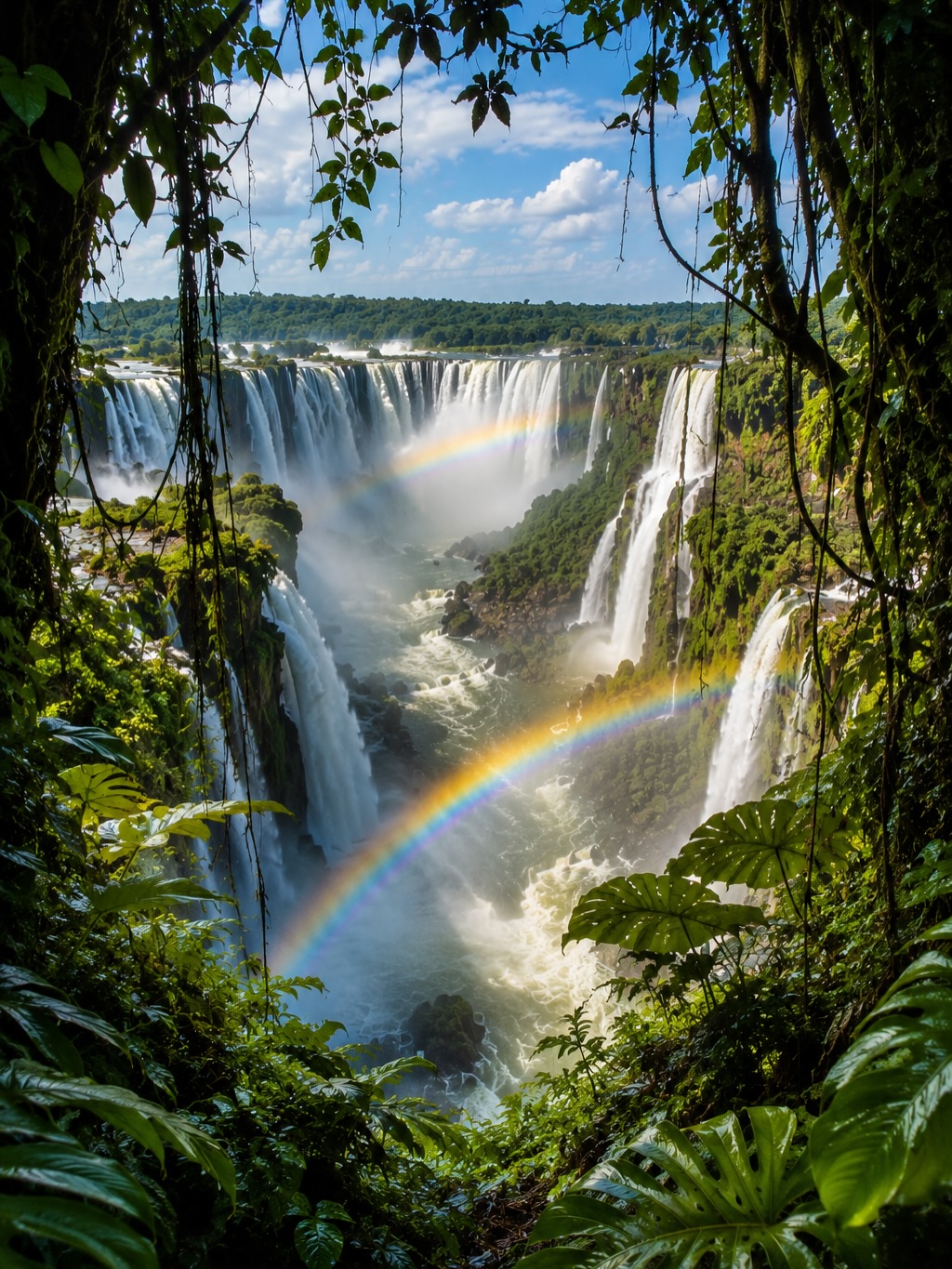
The falls span two distinct protected areas: Iguazú National Park in Argentina and Iguaçu National Park in Brazil. Both parks have separate entrances, tickets and access arrangements, so visiting one side does not include the other.
The Argentine side has the Upper and Lower Circuits, with forest paths and elevated walkways that bring visitors closer to individual cascades. When open, the Devil’s Throat walkway leads to a viewing platform above the falls.
On the Brazilian side, the main Falls Trail provides a panoramic view of the interconnected cascades from across the river. Puerto Iguazú in Argentina and Foz do Iguaçu in Brazil are the main bases for reaching their respective parks.
2. Victoria Falls, Zambia and Zimbabwe
The Zambezi River drops over a basalt cliff on the border between Zambia and Zimbabwe, creating Victoria Falls. The waterfall is about 108 metres high and stretches for around 1.7 kilometres. Its local name, Mosi-oa-Tunya, means “The Smoke that Thunders”, a reference to the spray that rises when the river is in high flow.
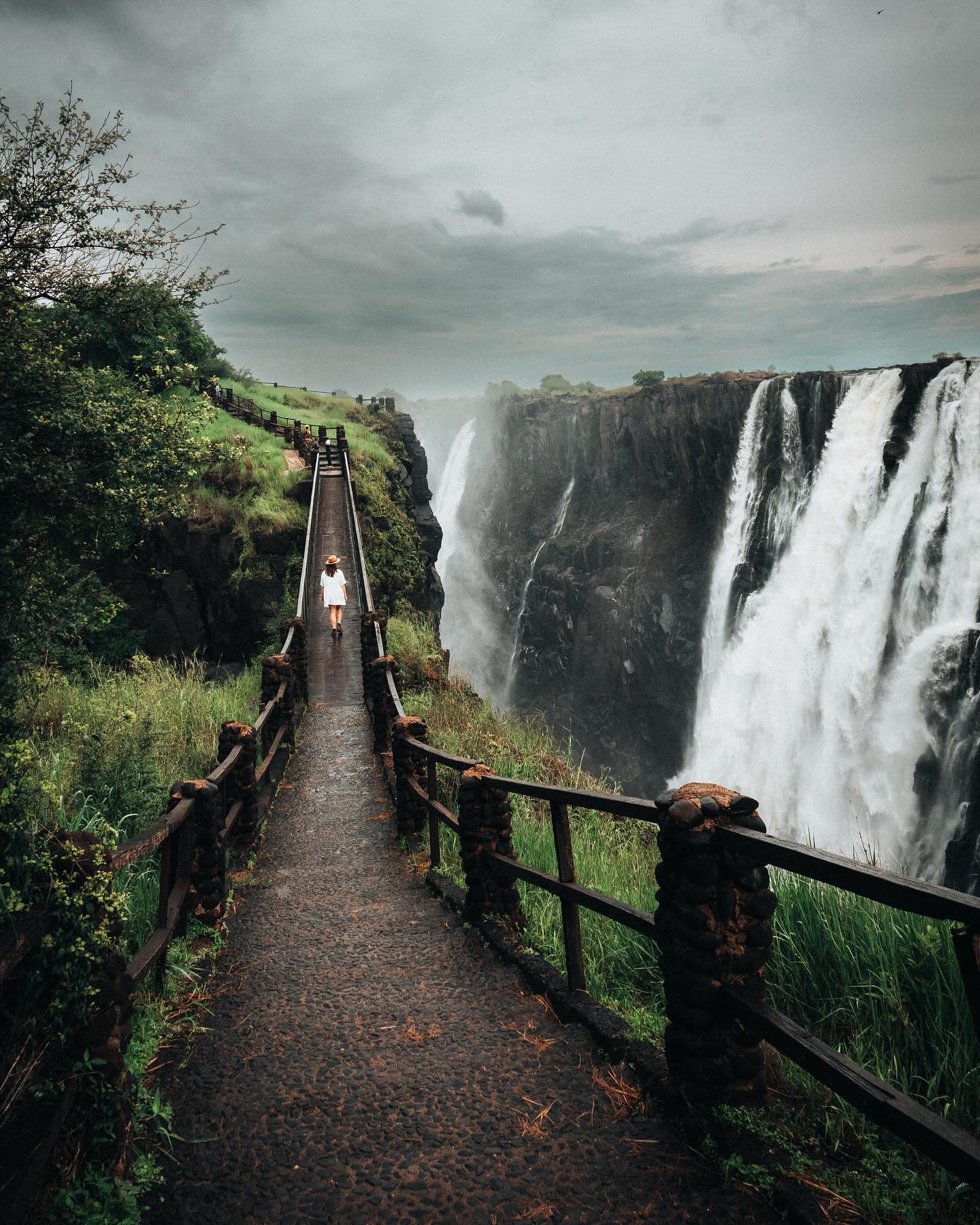
The Zimbabwean side has a rainforest path connecting several viewpoints facing the main falls, though heavy spray can leave the walkways wet during high-water periods.
In Zambia, Knife-edge Bridge provides views of the Eastern Cataract and parts of the main falls, while lower water levels during the dry season expose more of the rock face.
Around the main flood period, often in March and April, the falls are powerful, but spray can obscure the views. Later in the dry season, views are clearer, but parts of the falls on the Zambian side may carry much less water.
Travellers can reach the destination through Livingstone in Zambia or Victoria Falls town in Zimbabwe. Visiting both sides involves an international border crossing, so check your passport’s entry requirements.
3. Niagara Falls, Canada and USA
Niagara Falls is one of the most famous waterfalls in the world, made up of three distinct sections: Horseshoe Falls, American Falls, and Bridal Veil Falls.
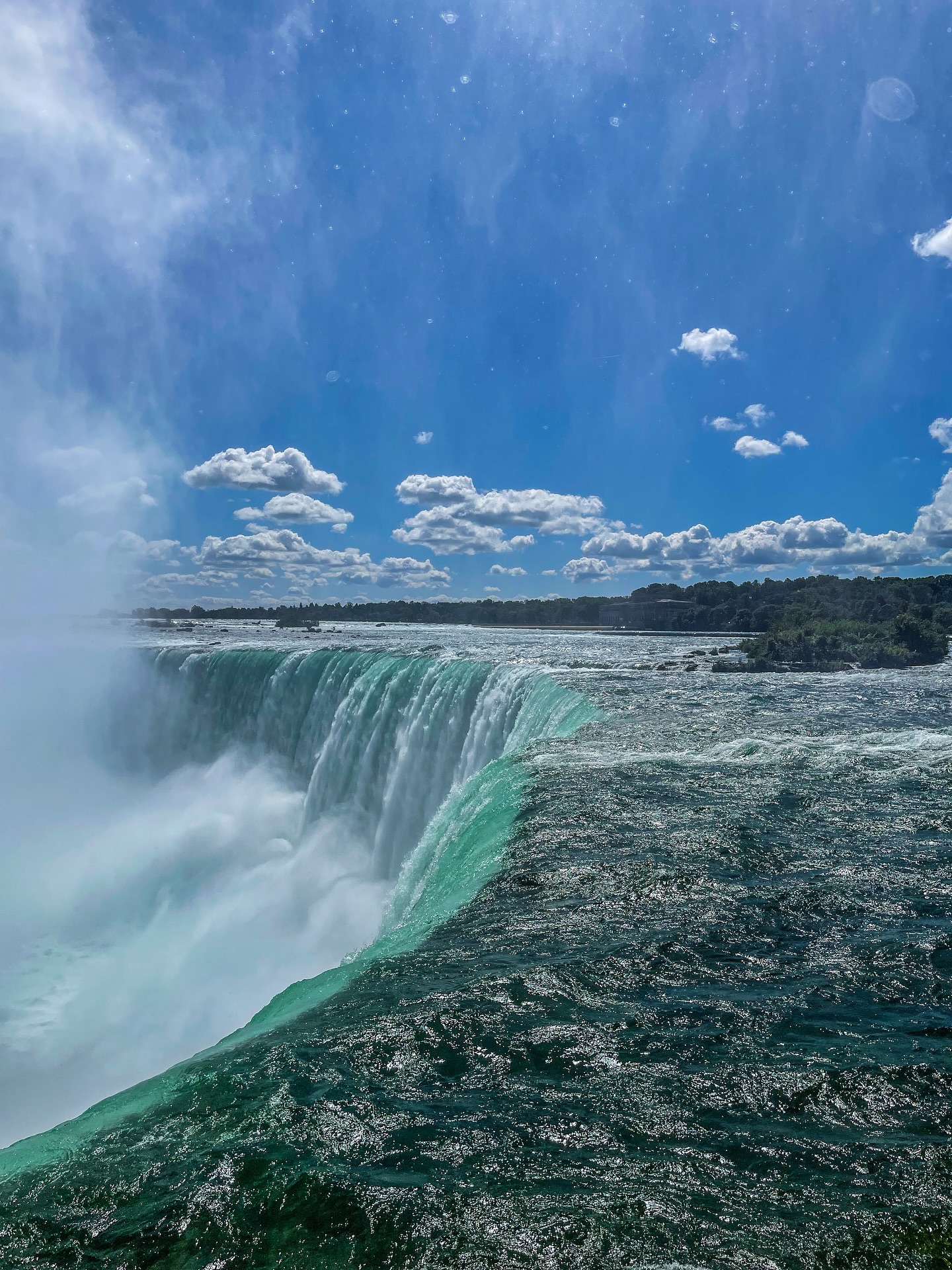
The Niagara River forms the international border between Ontario, Canada, and New York, USA, and the extensive visitor facilities on both sides make Niagara Falls easy to include in a conventional holiday.
At Table Rock in Ontario, visitors can take the Journey Behind the Falls, which leads through tunnels to viewing areas behind Horseshoe Falls and an observation deck at its base.
Seasonal Niagara City Cruises sail towards the base of the falls, with views of Horseshoe Falls, American Falls and Bridal Veil Falls. Cruises typically run from April or May through November, depending on ice conditions.
Niagara Falls State Park in New York has viewpoints around American Falls and walking paths on Goat Island, a small island in the Niagara River between American Falls and Horseshoe Falls. The park remains open year-round, but individual attractions follow their own schedules.
4. Angel Falls, Venezuela
Angel Falls drops from the summit of Auyán-tepui, a flat-topped mountain in Venezuela’s Canaima National Park. It has a total height of 979 metres, including an uninterrupted main drop of 807 metres and smaller cascades below.
Most trips begin with a flight to Canaima Airport, followed by a motorised canoe journey on the rivers and, when conditions permit, a forest hike towards the base.
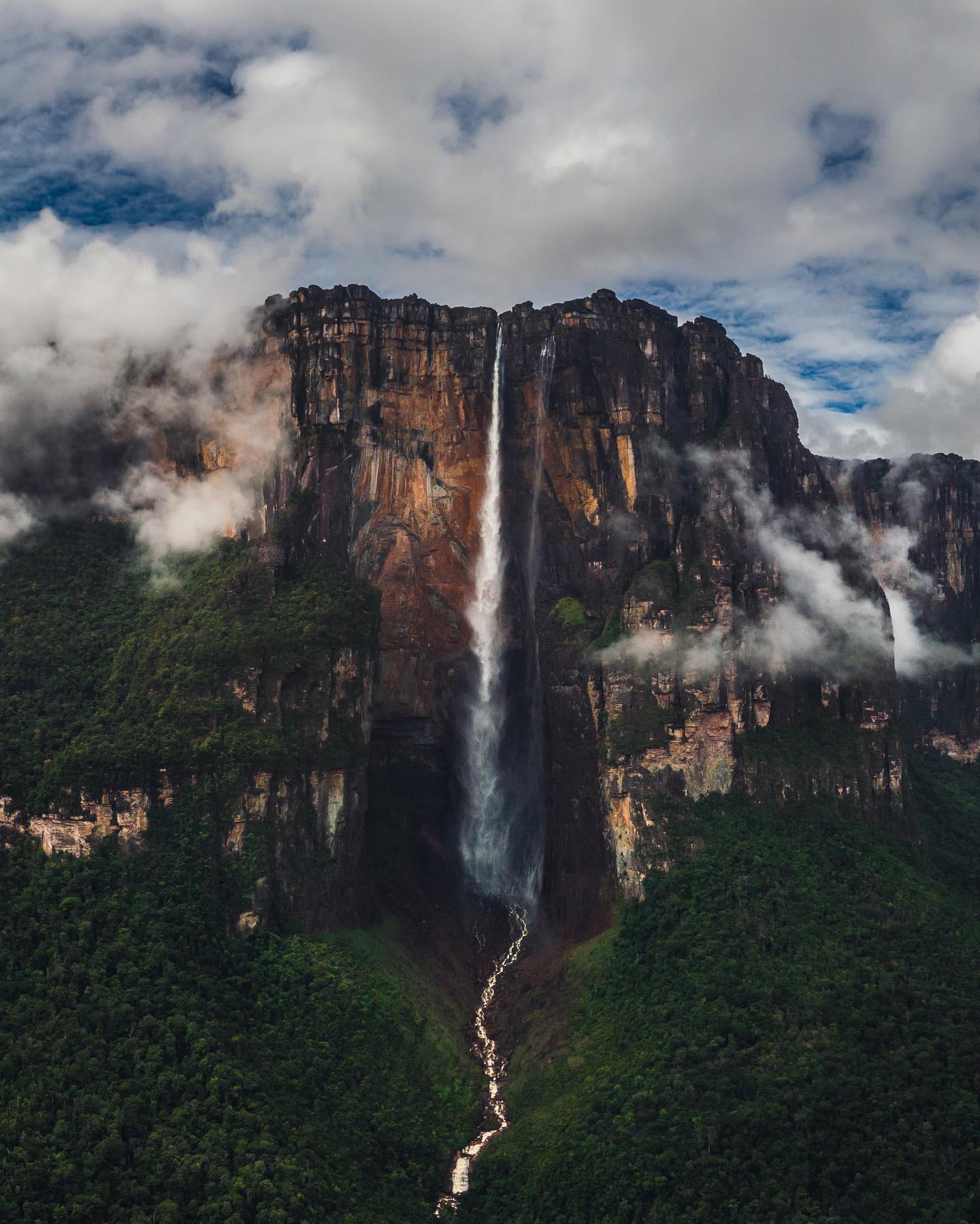
Trips can be arranged as multi-day excursions, including accommodation and guiding. Aerial tours by light aircraft or helicopter provide another way to see the falls, especially when river journeys are impractical.
River levels affect boat access, while weather can disrupt flights and ground access, so visiting Angel Falls requires careful planning.
Visitors should confirm current routes, accommodation, permits and the operating arrangements with a reputable local operator before booking international travel.
5. Gullfoss, Iceland
Gullfoss is a two-tier waterfall on the Hvítá River in southwest Iceland. The water first drops 11 metres, then falls another 21 metres into a narrow canyon.
A sharp bend in the river makes the water appear to vanish into the earth, while paths at different heights give visitors views from above and closer to the drop.
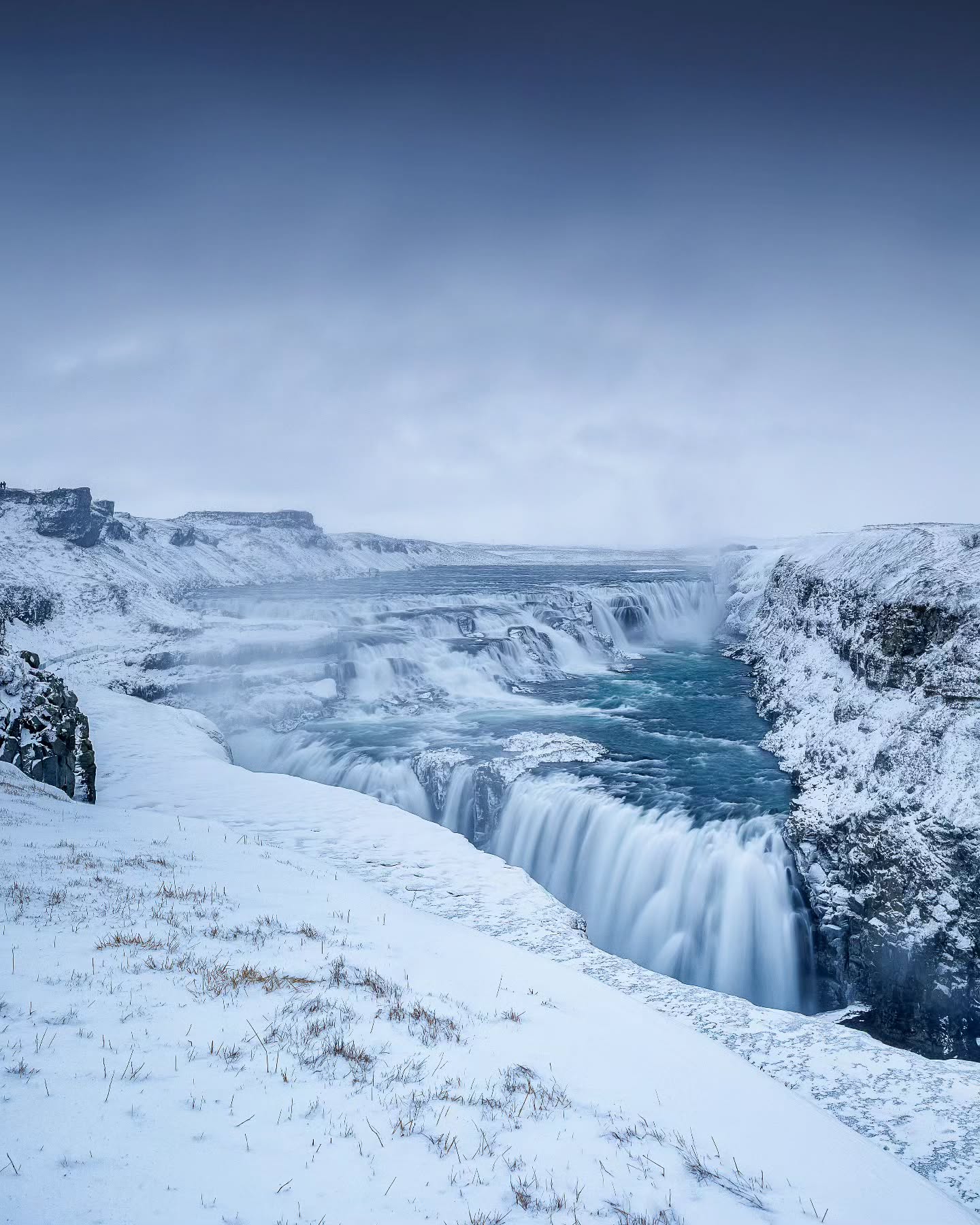
Gullfoss is a manageable stop on the Golden Circle sightseeing route. Visitors can park at the designated area and follow paths towards viewing points above and alongside the canyon. The route and walking required depend on which viewpoints are open.
Rain, spray, ice and snow can make paths slippery, and authorities may close sections when conditions are unsafe, so check access updates before your visit.
6. Yosemite Falls, USA
Yosemite Falls in California’s Yosemite National Park has three sections: Upper Yosemite Fall, the middle cascades and Lower Yosemite Fall.
Together, they drop about 740 metres, making the falls one of North America’s tallest. Visitors can view them from Yosemite Valley or hike higher up the cliffs for different perspectives.
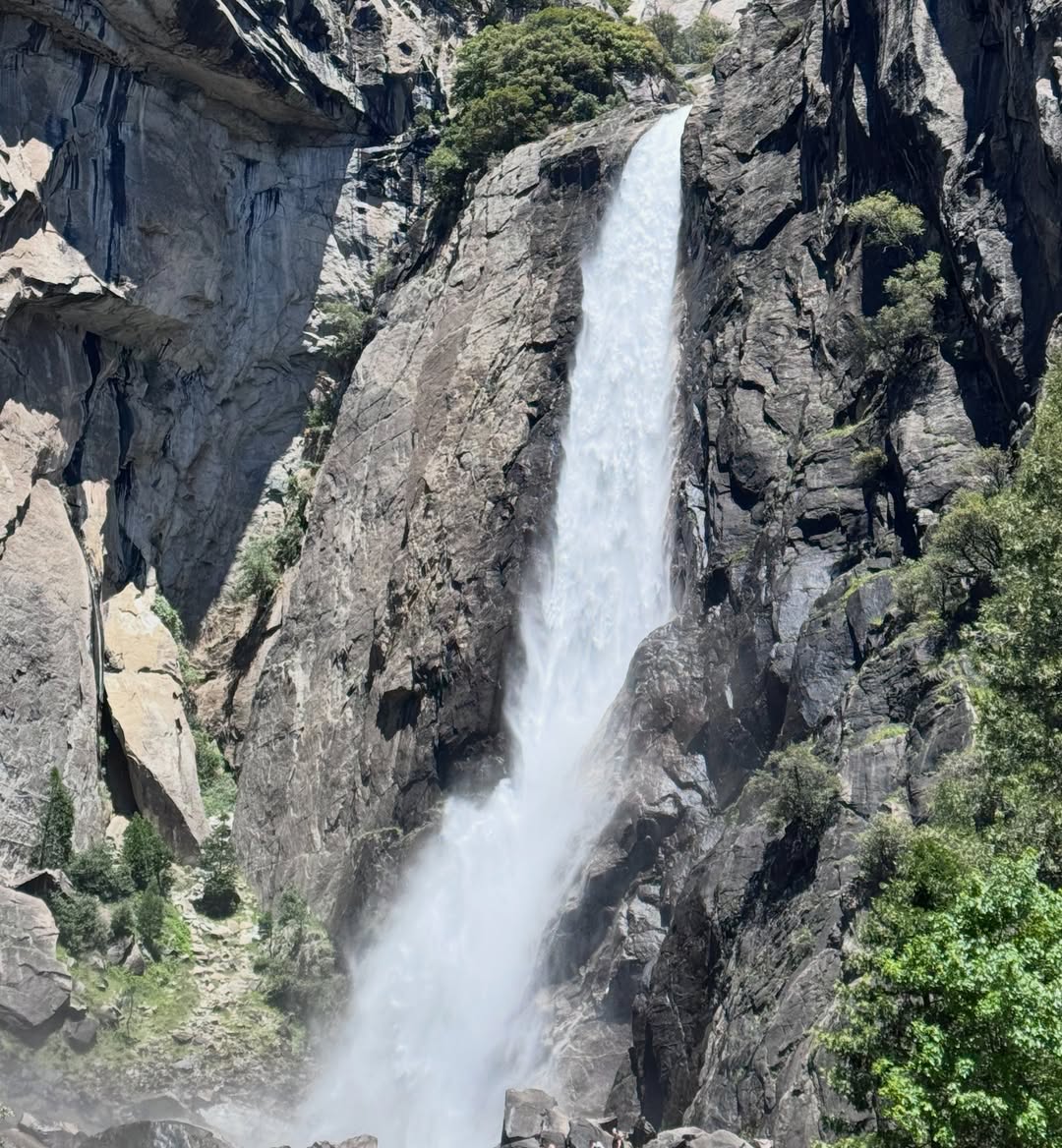
The Lower Yosemite Fall Trail is a paved 1.6-kilometre loop that takes about 30 minutes to complete. It gives visitors views of both Upper and Lower Yosemite Falls and leads to the base of the lower fall.
Reaching the top requires a demanding hike along the Upper Yosemite Fall Trail, which covers about 11.6 kilometres round trip, gains approximately 820 metres in elevation and takes six to eight hours. It requires suitable footwear, preparation and attention to trail conditions.
Water flow is strongest during spring and early summer, when snowmelt feeds Yosemite Creek. By late summer or autumn, the waterfall may be reduced to a trickle or dry altogether.
7. Sutherland Falls, New Zealand
Sutherland Falls drops approximately 580 metres in three leaps from Lake Quill in Fiordland National Park. The waterfall is reached on foot via a side trail from the Milford Track, a multi-day hiking route through Fiordland National Park.
The Milford Track is a 53.5-kilometre, one-way hike that usually takes four days and three nights. Starting at Glade Wharf, the route passes Clinton Hut and Mintaro Hut before crossing Mackinnon Pass and descending towards Quintin Shelter.
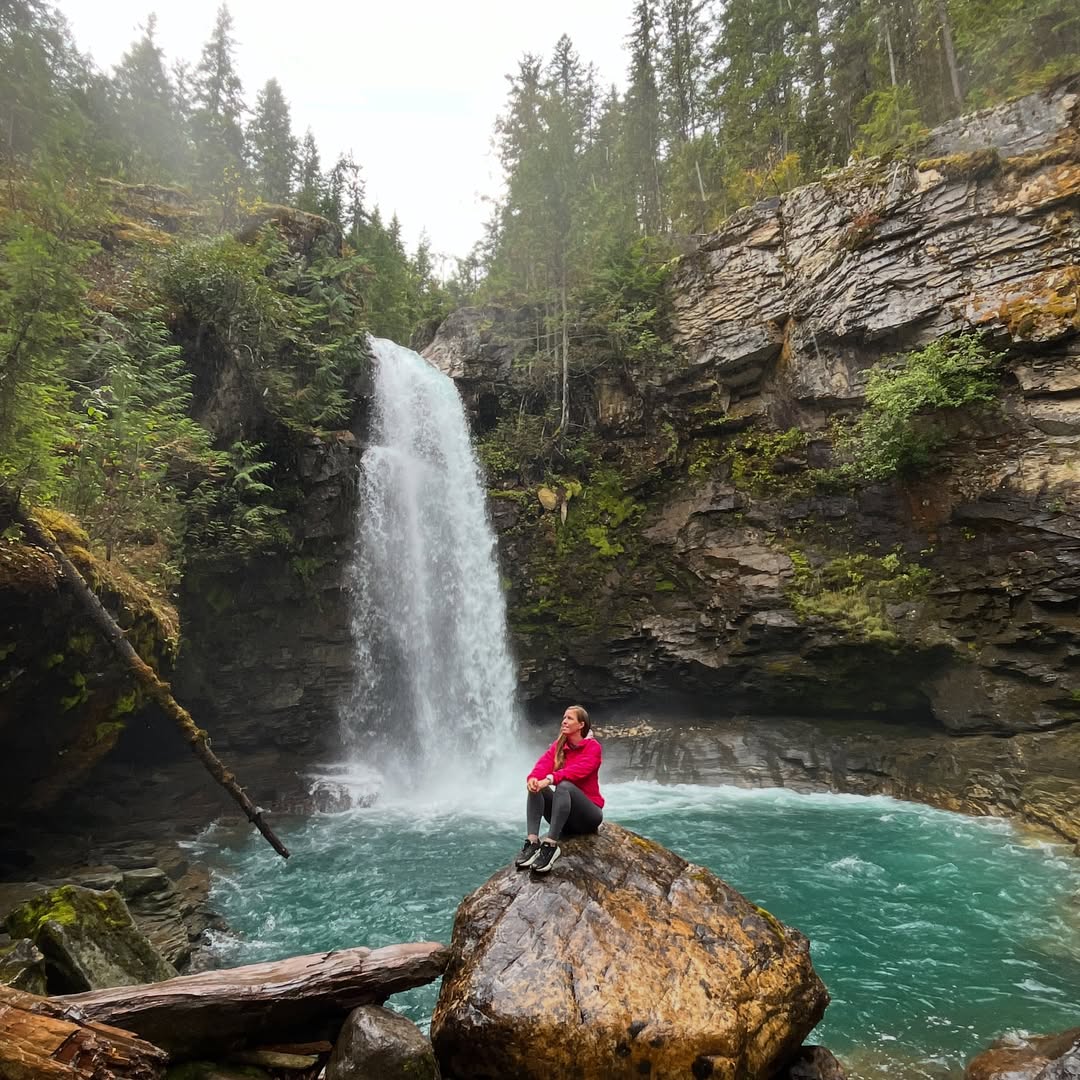
From there, hikers can take the side trail to Sutherland Falls before continuing towards Dumpling Hut. The waterfall trip requires enough time and fitness for several days of hiking, along with preparation for heavy rain and changing weather.
Flooding can make parts of the track impassable, so check the Department of Conservation’s latest track conditions and booking information before travelling.
8. Plitvice Lakes Waterfalls, Croatia
Plitvice Lakes National Park consists of interconnected lakes, streams and cascades, with natural travertine barriers separating the lakes and creating waterfalls throughout the landscape.
The Upper Lakes lie among forested terrain, while the Lower Lakes sit within a limestone canyon with steeper sides. Visitors follow marked trails and wooden boardwalks, with viewpoints overlooking the lakes and cascades.
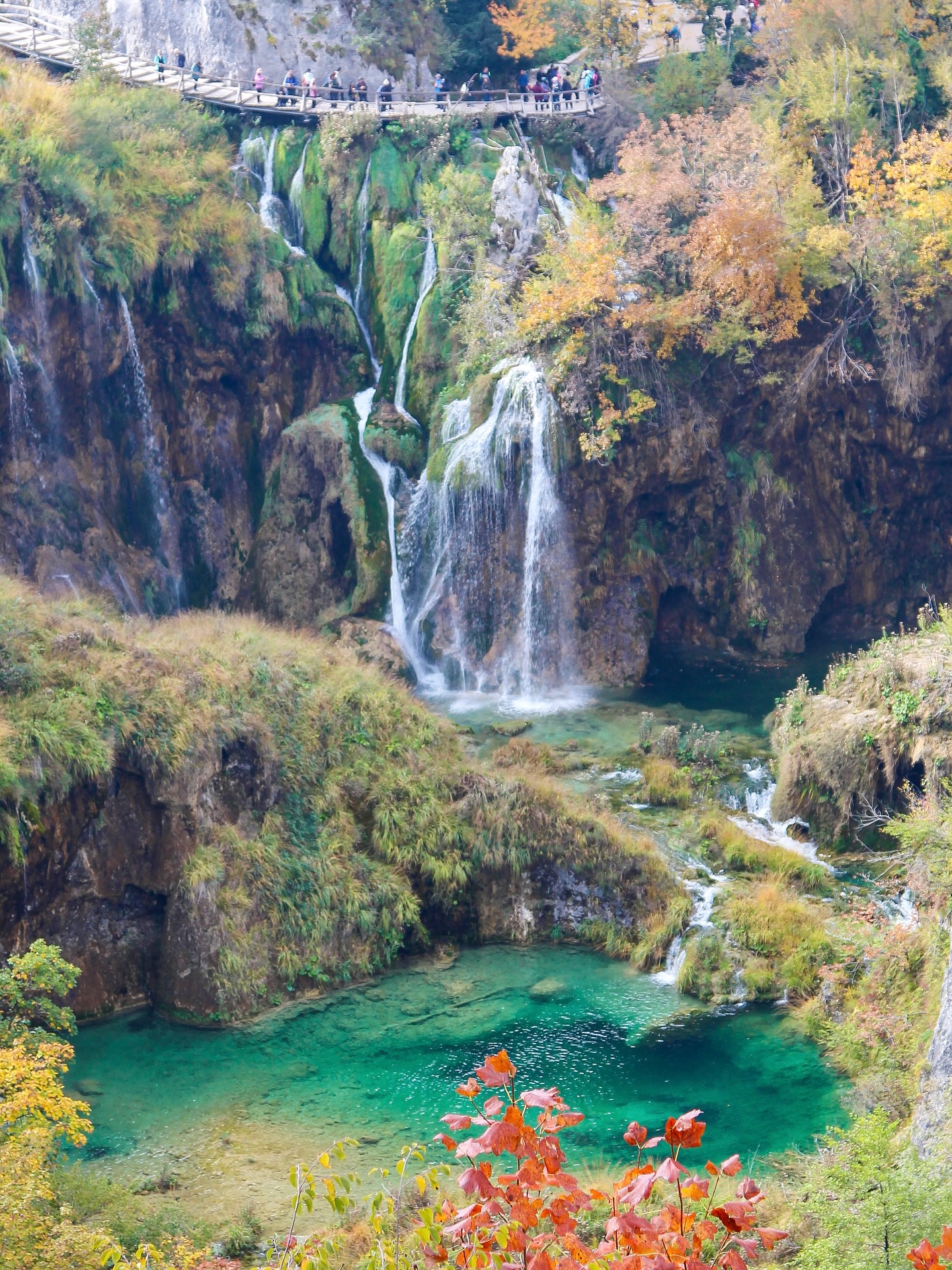
Depending on the route, they can visit the Great Waterfall (Veliki Slap) in the Lower Lakes area, cross Lake Kozjak by electric boat or use the park shuttle between designated stops. The park has routes of different lengths and durations, so visitors can choose one based on their available time and walking ability.
Entry tickets can be booked through the park’s official website, with prices and opening hours varying by season. During winter, the Lower Lakes usually remain open, while the Upper Lakes are generally closed and typically reopen in early April, depending on weather conditions.
9. Kaieteur Falls, Guyana
Kaieteur Falls drops about 226 metres in a single plunge on the Potaro River in Kaieteur National Park, Guyana. The park lies in Guyana’s remote Pakaraima Highlands, so a visit requires more planning.
Most visitors reach Kaieteur Falls on a small-aircraft tour departing from Eugene F. Correia International Airport (Ogle Airport) in Georgetown. Air Services Limited runs scheduled tours on selected days and arranges private charters, with flights taking about an hour each way.
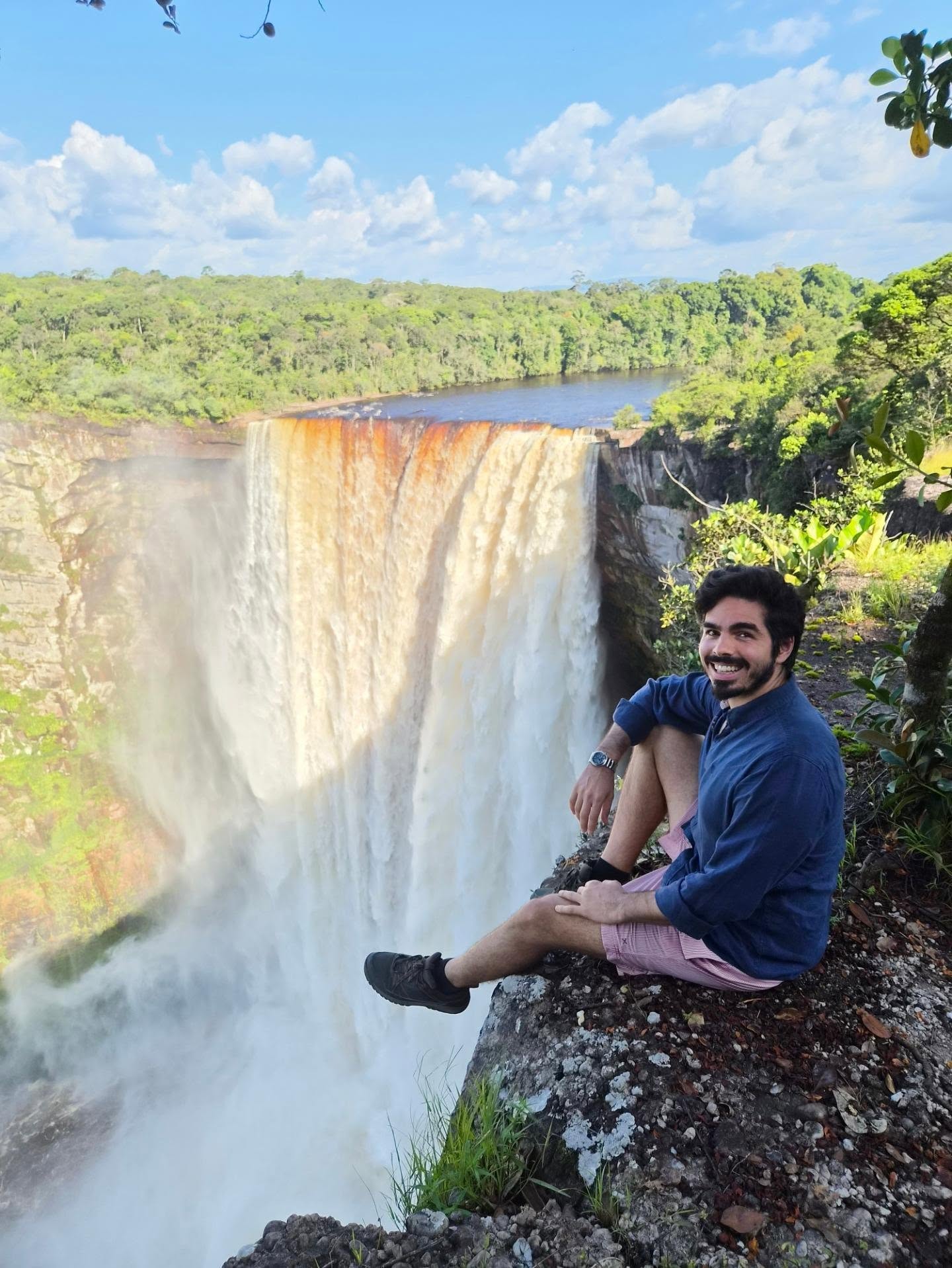
Once at the park, visitors join guided walks to viewpoints such as Rainbow View, Boy Scout View and Johnson’s View. Visitors must arrange access through authorised tour operators in line with the park’s rules.
10. Dettifoss, Iceland
Dettifoss is a powerful waterfall in Vatnajökull National Park in northern Iceland, where the Jökulsá á Fjöllum River plunges about 45 metres into Jökulsárgljúfur canyon.
At roughly 100 metres wide, it is often called Europe’s most powerful waterfall because of its forceful flow, which averages around 200 cubic metres per second.
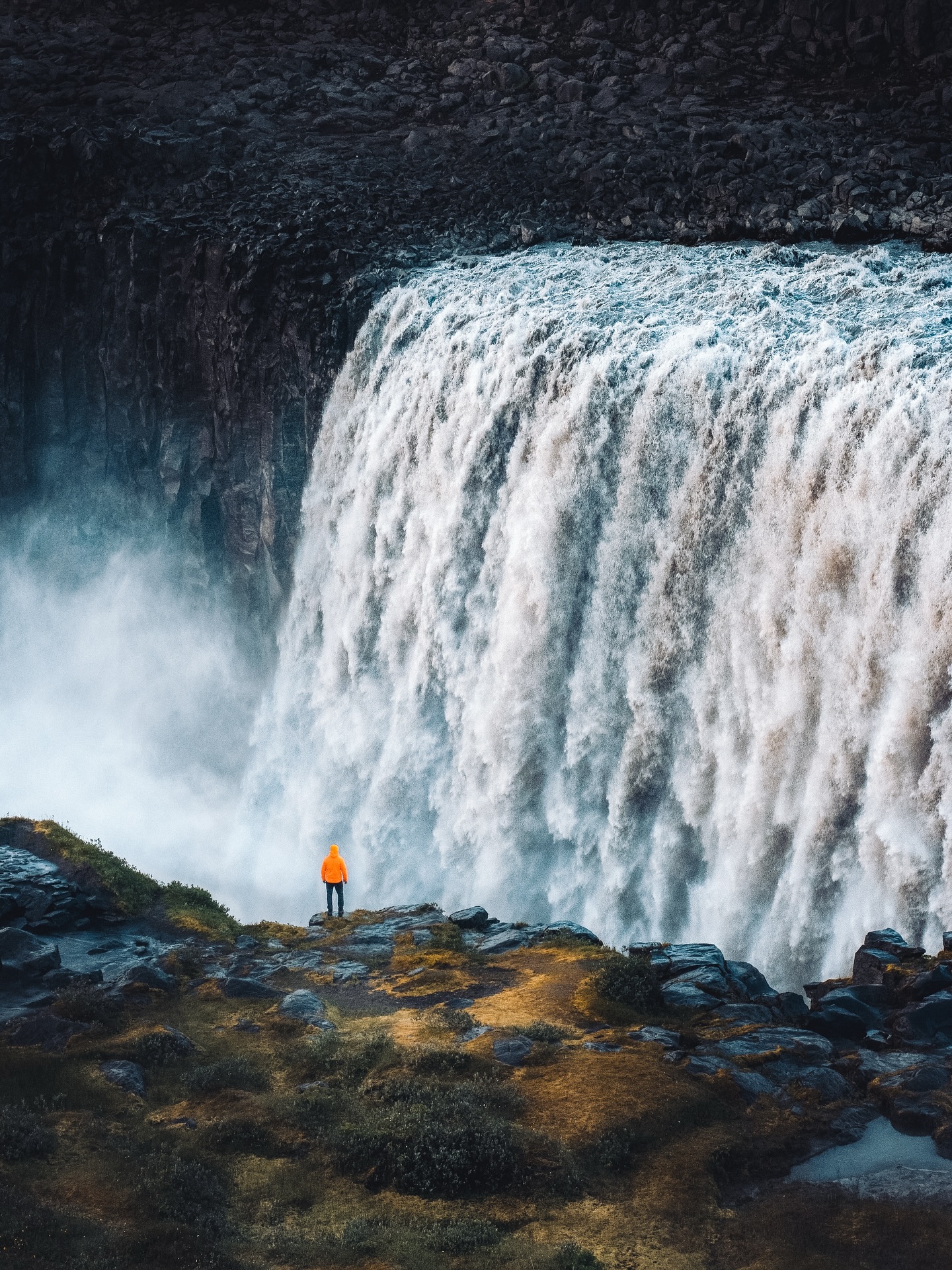
Dettifoss is accessible from both sides of the river via separate roads. Route 862 on the west bank is paved and has established walking paths and viewing platforms, while Route 864 on the east bank is a rough gravel road for which a 4×4 vehicle is recommended.
Both roads can be affected by winter conditions and may close, so check current road conditions before travelling. The final walk from the parking areas to the viewpoints involves uneven ground.
Conclusion
The waterfalls in this list differ in their height, water flow, surroundings and the effort needed to reach them. Some have marked trails and viewing platforms, while others require several days of hiking, guided excursions or flights into remote regions.
The right destination depends on how much time you have, the kind of experience you want and how much travel and walking you are prepared for.
Before booking, check the country’s entry requirements, seasonal conditions, transport options and official park updates, particularly where weather can affect access.
For more travel inspiration and practical advice for your next holiday, contact Dimaak Tours.
FAQs About Waterfalls in the World
1. Which is the highest waterfall in the world?
Angel Falls in Venezuela is the highest waterfall in the world, with a total height of 979 metres. Its main uninterrupted drop measures 807 metres, followed by smaller cascades below. The waterfall descends from Auyán-tepui, a flat-topped mountain in Canaima National Park.
2. Which of the world’s largest waterfalls is the easiest to visit?
There is no universal answer, since ease depends on a traveller’s starting point, mobility, budget and travel arrangements.
Niagara Falls is relatively easy to visit once you reach the area, with established roads, viewing platforms and visitor facilities on both sides. But travellers should check visa requirements for the US or Canada before planning their visit.
Gullfoss in Iceland is another accessible option for travellers already visiting the Golden Circle, though weather can close its paths. Remote destinations such as Angel Falls and Kaieteur Falls require more advance planning.
3. Is Niagara Falls worth visiting?
Niagara Falls is worth considering if you want to combine waterfall viewpoints with organised visitor activities. The Canadian side has close views of Horseshoe Falls and seasonal boat trips, while the American side has viewing areas around the American Falls and walking routes in Niagara Falls State Park. Boat rides and some attractions operate seasonally, so check current schedules before building them into a trip.
