


Key Takeaways:
|
While most visitors explore busy cities and famous beaches, the waterfalls in Vietnam remain an offbeat spots, making them ideal for travellers seeking a peaceful or adventurous experience.
However, are Vietnam’s waterfalls worth visiting? Anyone who loves nature and ethnic culture would say yes.
What Makes Vietnam’s Waterfalls Special?
Vietnam has waterfalls nestled in peaceful valleys and misty mountains. You’ll find powerful streams falling over limestone cliffs, multi-layered cascades, and even a waterfall shared between Vietnam and China. One example is Ban Gioc Waterfall, located right at the border with China.
Plan your Vietnam itinerary to include these waterfalls for a complete nature experience.
7 Must-Visit Waterfalls in Vietnam
Vietnam’s landscape, with its mountains and forests, is a perfect place to witness these picturesque falls.
Below are Vietnam’s most famous waterfalls, including photography spots and those near ethnic minority communities.
1. Ban Gioc Waterfall
- Entry Fee: Approx. 156 INR
- Time: 07:00 AM to 05:30 PM
Ban Gioc Waterfall is one of the largest in Vietnam and in Southeast Asia. It is 30 metres high and 300 metres wide.
The main waterfall divides into three tiers, creating a white-curtain effect. The cascade forms a natural boundary between Vietnam and China along the Quay Son River.
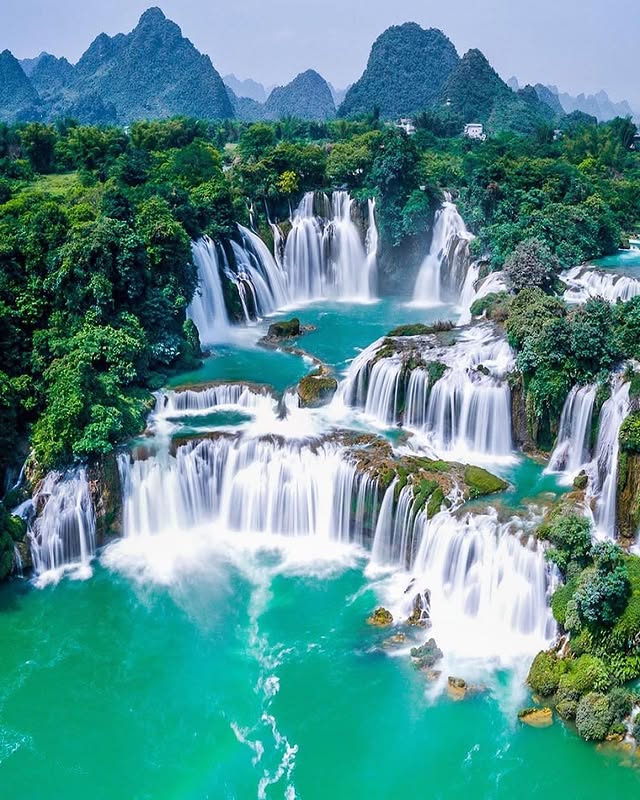
Paved paths and viewing platforms make access safe, though children should be supervised near the water.
The main path leads through rice fields and over small bridges, taking about 30 minutes to reach the best viewing area.
Visitors can enjoy several activities at Ban Gioc, like
- Taking a bamboo boat ride
- Hiking through the jungle trail
- Photography at the border marker
- Visiting Nguom Ngao Cave (3.8 kilometres away)
- Visiting the Buddhist temple, Chùa Phật Tích Trúc Lâm Bản Giốc (1 kilometre away)
2. Thac Bac (Silver Waterfall)
- Entry Fee: Approx. 70 INR per person
- Time: 09:00 AM to 05:00 PM
Thac Bac is called ‘Silver Waterfall’ because the water flowing over dark volcanic rocks appears bright white as it falls 200 metres.
During heavy rains, increased water flow creates mist around the area. In winter, thick fog often covers the waterfall, and the rocks may freeze, offering a striking scene.
Things you can do at Silver Waterfall
- At the entrance, find vendors to buy textiles, H’mong crafts, and handmade jewellery.
- Explore nearby salmon farms to learn about local aquaculture.
3. Pongour Waterfall
- Entry Fee: Approx.139 INR per person
- Time: 07:00 AM to 05:00 PM
Pongour is often called Vietnam’s most majestic waterfall by locals. When the water is at its peak, it flows over a seven-tiered structure spanning 100 metres.
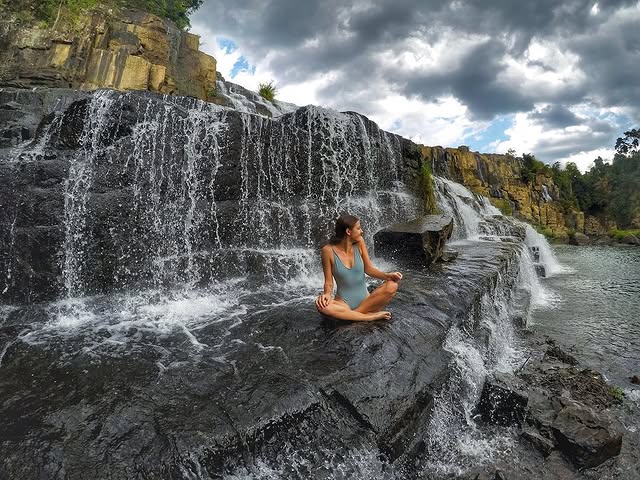
There are stairs and safe concrete pathways, and a bridge offering a close view of the falls. However, there are safe viewing areas, the rocks near the water can be slippery, so children should be supervised.
Additional activities to do at Pongour Waterfall
- Climb on rocks to find different photo angles
- Have a picnic in shaded areas
- Swim in calm pools during the dry season, but follow local advice during the visit
- Buy coconuts, corn, and snacks near the parking lot
4. Dray Nur Waterfall
- Entry Fee: Approx. 104 INR
- Time: 06:00 AM to 06:00 PM
Dray Nur means “waterfall of a woman waiting for her husband.” Legend says that the heartbroken couple turned into the waterfall. Dray Nur is believed to be the woman, and Dray Sap is the male.
The waterfall is surrounded by dense jungle and is covered in constant mist. During the rainy season, the waterfall reaches 250 metres in width, with water streaming over a 30-metre-high cliff.
More adventurous things to do at Dray Nur Waterfall
- Bamboo boat ride
- Hike to Dray Sap and Gia Long waterfalls
- Stop at local ethnic villages to learn about Ede culture or speak with guides about coffee farming
- Overnight stays in traditional houses
5. Giang Dien Waterfall
- Entry Fee: Approx. 279 INR
- Time: 07:30 AM to 05:00 PM (Closed on Sundays)
This is one of South Vietnam’s best waterfalls, with scenic rides through rubber plantations and farmland.
The waterfall drops 15 metres over granite rocks into green pools surrounded by forest. Although it is not as large as some falls in northern Vietnam, its main advantage is its easy access from Ho Chi Minh City.
Here are a few things to do at Giang Dien Waterfall
- Swim & have picnics
- Take photos in the natural setting
- Buy local food like grilled fish, sticky rice, and tropical fruit from vendors
- Hike through rubber and cashew plantations to see local farming practices in southern Vietnam.
6. Dambri Waterfall
- Entry Fee: Approx. 870 INR
- Time: 08:00 AM to 05:00 PM
The tickets are slightly higher than at other places because the Dambri is a private waterfall owned by a resort in Vietnam, not just a sightseeing area.
The waterfall is 90 metres high, falling over a volcanic cliff into a large pool surrounded by pine trees and wild orchids. On misty mornings, the top of the waterfall may be hidden in fog, creating excellent photo opportunities.
Never miss doing these when in Dambri Waterfall
- Ride the alpine roller coaster
- Elephant rides
- Swimming (only allowed in designated areas below the falls)
7. Elephant Waterfall
- Entry Fee: Approx. 70 INR
- Time: 07:30 AM to 05:00 PM
Elephant Waterfall, also known as Thac Voi.
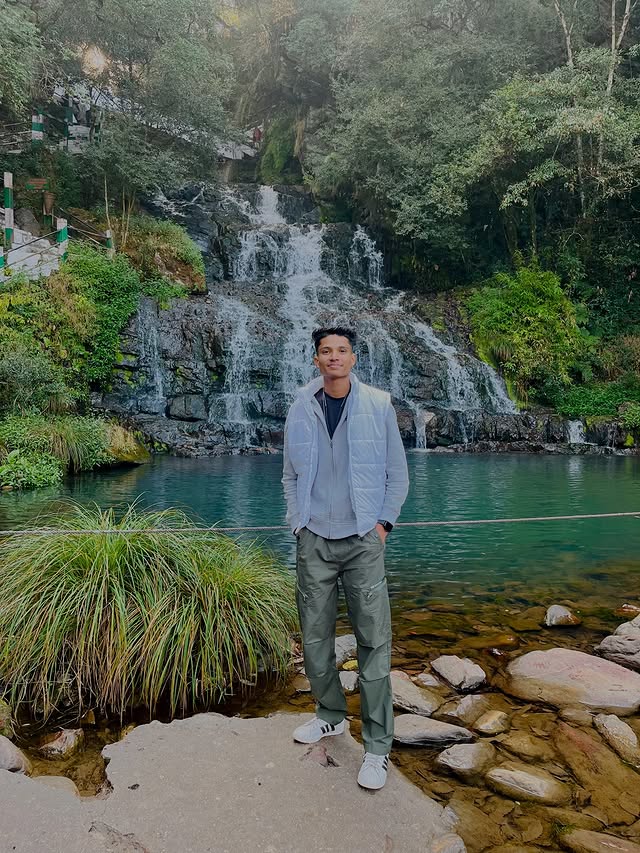
You will get a chance to ride through rural, scenic coffee farms and vegetable fields.
The waterfall drops 30 metres over volcanic rocks, creating mist and a loud sound. The area is natural and lightly developed, so visitors should be careful, as the rocks can be slippery and the terrain is steep.
Things to do when in Elephant Waterfall
- Take photos and explore the rocks
- Visit coffee plantations to learn about Vietnamese coffee production and enjoy fresh coffee
- Purchase roasted coffee and passion fruit from local vendors
Conclusion
Vietnam’s waterfalls highlight the country’s natural beauty and adventurous spirit. There is a wide range to explore, from the impressive Ban Gioc to the Elephant Waterfall.
Beyond their scenic value, each waterfall offers unique activities. You can interact with local ethnic communities, try exciting rafting or roller coasters, or enjoy photography in the beautiful surroundings.
Add waterfalls to your Vietnam trip for a break from crowded tourist areas. To make your travel easier, Dimaak Tours can help you with everything from flights and accommodation to sightseeing and more.
FAQs on Vietnam Waterfalls
1. Which is the best time of year to visit waterfalls in Vietnam?
September to October is the best time to visit waterfalls in Vietnam. During this period, water levels are high, but rainfall is usually lighter. Always check the weather before your trip, especially if you are travelling to remote locations.
2. Is it difficult to hike at Vietnam’s waterfalls?
Hiking at Vietnam waterfall:
- Dambri Waterfall: Easy to access, with a cable car and well-maintained paths.
- Ban Gioc: It offers walkways through rice fields suitable for most visitors, as well as a challenging jungle trail for experienced hikers.
- Silver Waterfall: This place has many stairs, but it is manageable for most people.
- Elephant Waterfall: You need to climb over 150 slippery steps and rocks, so sturdy hiking boots are necessary.
- Pongour: Has steep stairs, which may be difficult for young children or older adults.
For those who prefer not to hike, most waterfalls have viewing platforms close to the parking area.
3. Can you swim at the Vietnamese waterfalls safely?
Always observe warning signs, ask local people, and note where local families choose to swim. If the water is fast, do not enter.
- Giang Dien: Suitable for families, offering shallow pools and gentle currents.
- Dambri: Provides designated swimming zones, sometimes with lifeguards present during busy periods.
- Ban Gioc: Swimming is not permitted due to safety concerns and its location on the border.
- Elephant Waterfall: It is too dangerous for swimming.
- Pongour: Just walking in the water area is possible when the water levels are low. During heavy rain, do not swim, as flash floods are a risk.
4. What should you pack for a Vietnam waterfall visit?
Here are the must-pack items for your waterfall trip in Vietnam:
- Waterproof hiking boots
- Quick-drying clothes
- Rain jacket
- Waterproof bags to protect your belongings
- Insect repellent
- Sunscreen
- First-aid kit
- Water & energy bars
- Carry cash in small denominations
- A flashlight is helpful if you plan to explore caves, such as those at Ban Gioc
- Swimsuit & towel
