

Key Takeaways
|
For Indian travellers exploring Central Asia, Uzbekistan is an affordable and easily accessible destination. Silk Road offers turquoise-domed mosques, royal mausoleums, Soviet-era architecture, and markets.
With direct flights from major hubs and high-speed trains connecting major cities, you can enjoy a smooth and affordable trip. The best time to visit is from March to May and September to early November.
This guide covers 15 top things to do in Uzbekistan, including attractions and activities, with entry fees, timings and what to expect at each place.
15 Top Things to Do in Uzbekistan
1. Registan Square
- Timings: 8:00 AM to 8:00 PM daily.
- Approx Entry Fee: 1,000 INR (125,000 UZS)
Among the top things to see and do in Uzbekistan, visiting Registan Square in Samarkand is an absolute highlight; this iconic public plaza is framed on three sides by three grand, mosaic-clad madrasahs: Ulugh Beg Madrasah, Tilya-Kori Madrasah, and Sher-Dor Madrasah.
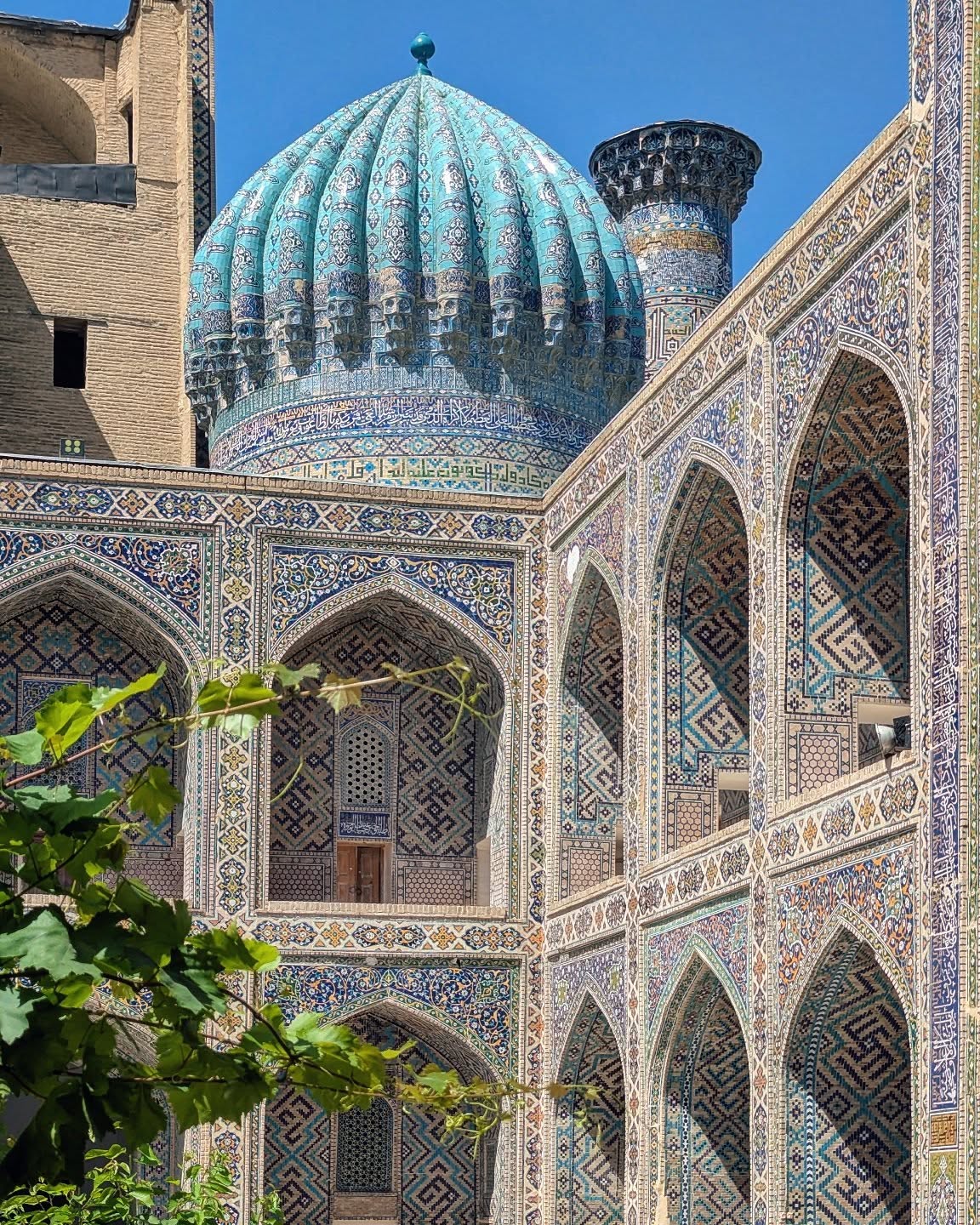
These places are famous for their giant arched entryways, towering minarets, fluted azure domes, and detailed geometric tile patterns that reflect Central Asia’s golden age.
Walk across the stone plaza to take in the gateway’s scale and see the detailed blue majolica tiles up close. Enter Tilya-Kori Madrasah to view its famous gilded prayer hall, where the ceiling is covered in detailed leaf-gold decorations.
Arrive around 5:00 PM to catch the late-afternoon light on the buildings, and stay until dark, when the square lights up for the evening show.
2. Shah-i-Zinda
- Timings: 7:00 AM to 10:00 PM daily.
- Approx. Entry Fee: 550 INR (68,000 to 80,000 UZS)
Shah-i-Zinda is a necropolis in the north-eastern part of Samarkand, featuring a narrow, sloping avenue lined with dozens of medieval mausoleums.
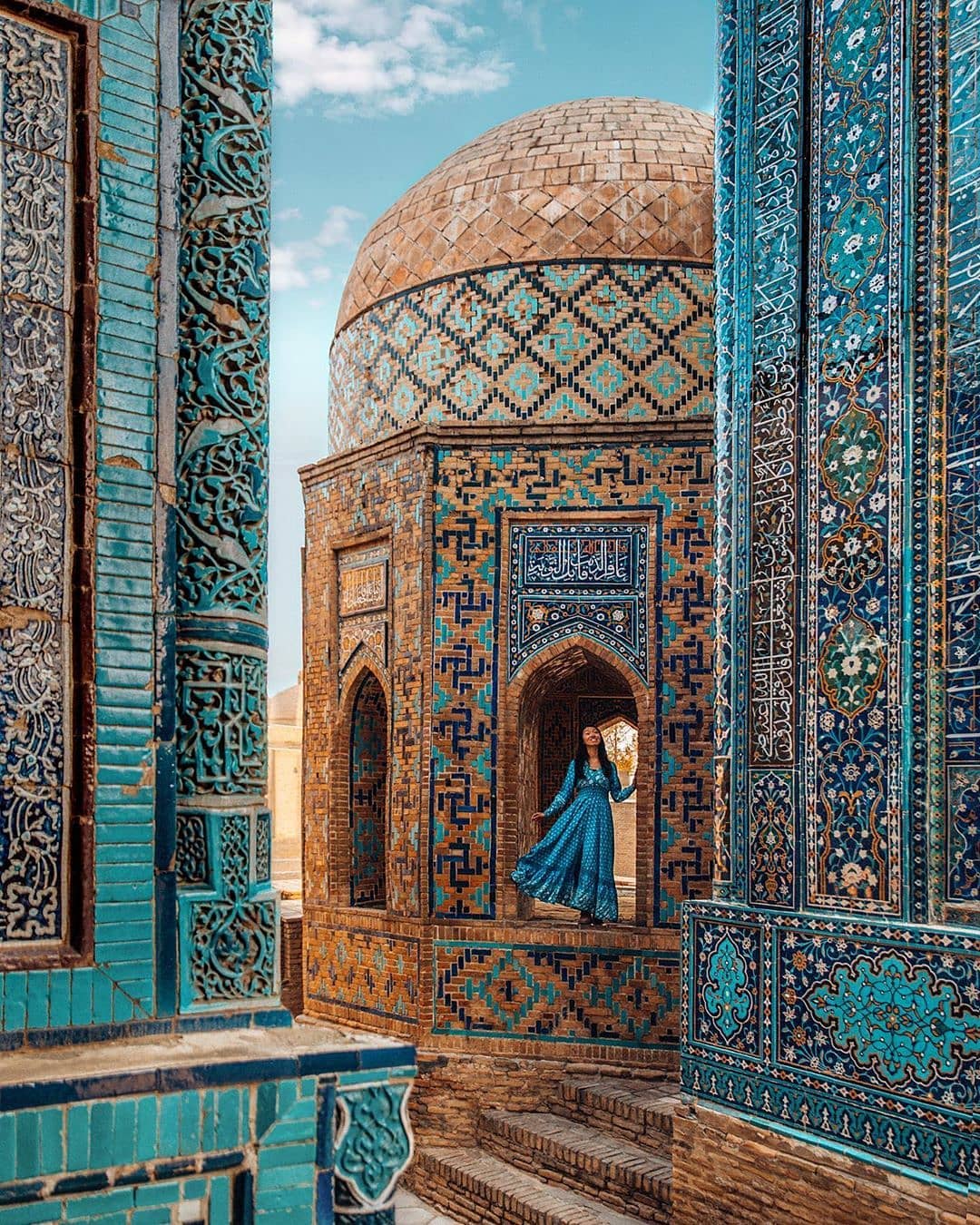
The site is famous for displaying Uzbekistan’s finest and most complex ceramic craftsmanship, featuring every shade of blue imaginable from deep cobalt and indigo to vibrant turquoise and lapis lazuli.
Begin at the grand entrance gate and climb the stone staircase. Take a slow walk down the narrow walkway to see the detailed mosaic tiles, carved terracotta, and Arabic calligraphy framing each tomb entrance.
To avoid heavy tour crowds and capture clean photographs down the narrow blue passage, aim to go at 7:00 AM.
3. Gur-e-Amir Mausoleum
- Timings: 8:00 AM to 10:00 PM daily.
- Approx. Entry Fee: 450 INR (55,000 UZS).
Gur-e-Amir is the final resting place of the legendary Turco-Mongol ruler in Samarkand. Built in the early 15th century, the mausoleum is topped by a fluted, turquoise-tiled dome with 64 ribs.
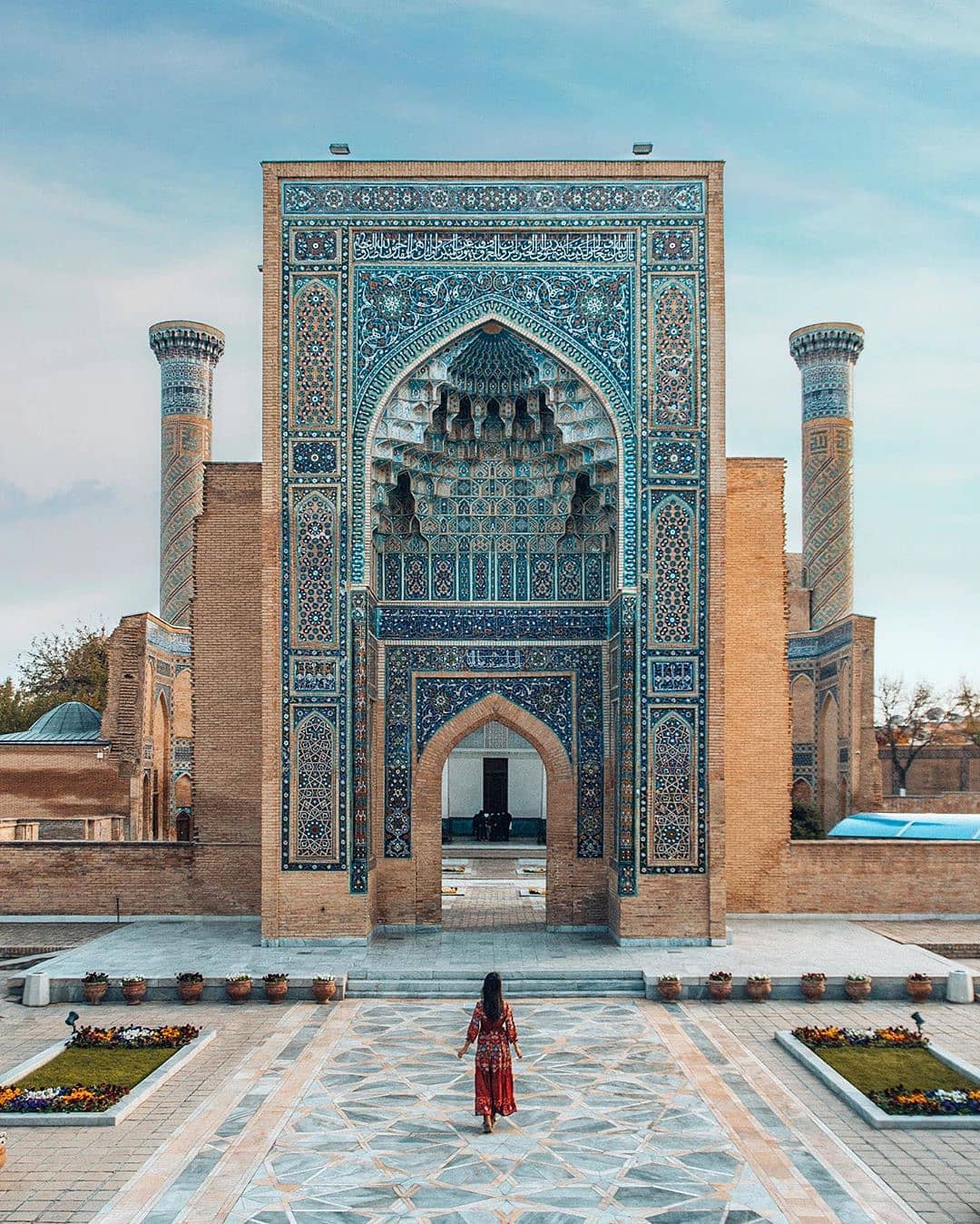
Pass through the main brick courtyard into the central burial chamber. Inside, you will find a quiet, heavily gilded room with walls covered in gold leaf, onyx slabs, and carved marble. Look down at the central tombstones; a distinctive, dark green nephrite jade block marks Timur’s grave.
After you finish inside, walk around outside after dark to view the illuminated azure dome against the night sky.
4. Po-i-Kalan Minaret & Square
- Timings: Square open 24 hours; Mosque interior open 8:00 AM to 9:00 PM.
- Approx. Cost: Plaza entry is free; Mosque entrance fee is 300 INR (37,000 UZS).
The Po-i-Kalan complex in Bukhara, Uzbekistan, centres around the iconic Kalan Minaret, which stands approximately 46 meters tall and was built in 1127. Local folklore recounts that Genghis Khan spared this towering brick structure out of sheer awe after his helmet fell off and he had to bow to pick it up. The surrounding public square also features the massive Kalan Mosque and the functioning Mir-i-Arab Madrasah.
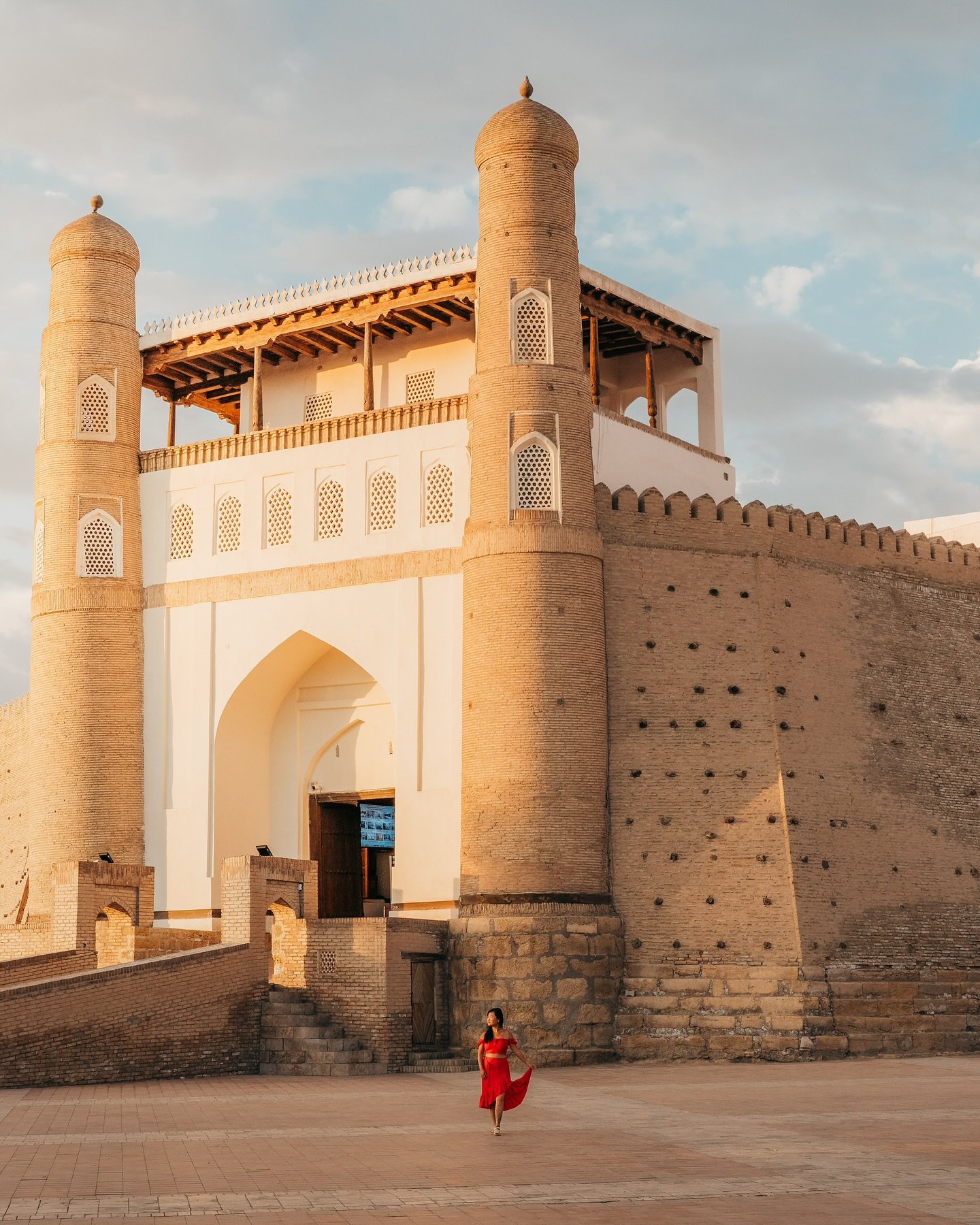
Stand in the central brick courtyard between the mosque and the madrasah. Look up to see the intricate geometric brick patterns wrapping around the minaret in horizontal bands. Inside the adjacent Kalon Mosque, you can walk through a massive courtyard surrounded by 288 domed bays.
For the best photos, visit at dusk, when the setting sun reflects off the blue-tiled domes and the minaret’s warm brick facade.
5. Ancient Trading Domes
- Timings: 9:00 AM to 7:00 PM daily.
- Approx. Cost: Free to walk through, item prices vary by shop.
Bukhara was a primary trading hub along the Silk Road. To protect merchants from the harsh desert heat and winter winds, architects built large, multi-domed brick marketplaces over major street intersections.
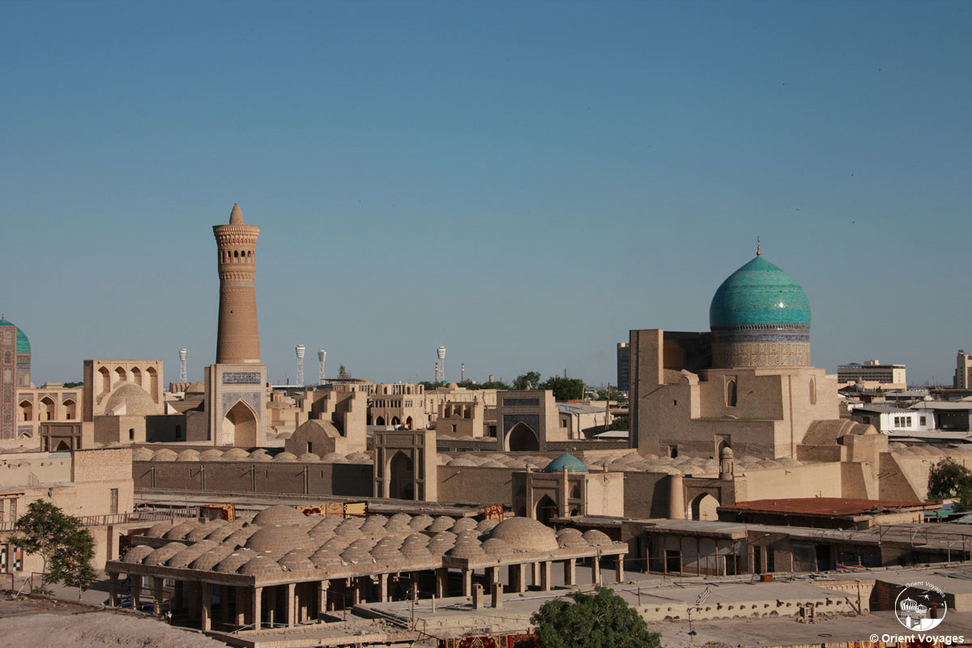
Four of these historic trading domes remain fully active today, Jewellers’ Dome (Toqi Zargaron), Cap Makers’ Dome(Toqi Telpak Furushon), Money Changers’ Dome(Toqi Sarrofon), and Tim Abdulla Khan.
These covered bazaars are perfect for purchasing authentic Uzbek handicrafts directly from local artisans.
Look for hand-embroidered suzani textiles (wall hangings, cushion covers, and bedspreads), hand-forged brass scissors shaped like storks, local spices, saffron, hand-painted ceramics, block-printed silk scarves, and traditional Bukharian carpets.
6. Itchan Kala (Old Town)
- Timings: Main city gates are open 24 hours; museum sites are open 9:00 AM to 7:00 PM.
- Approx.Ticket Price: 1,700- 1,900 INR (250,000 UZS) for an all-inclusive 2-day combined ticket.
Located in far western Uzbekistan, Itchan Kala is the inner, fully walled old town of the ancient oasis city of Khiva with high mud walls.
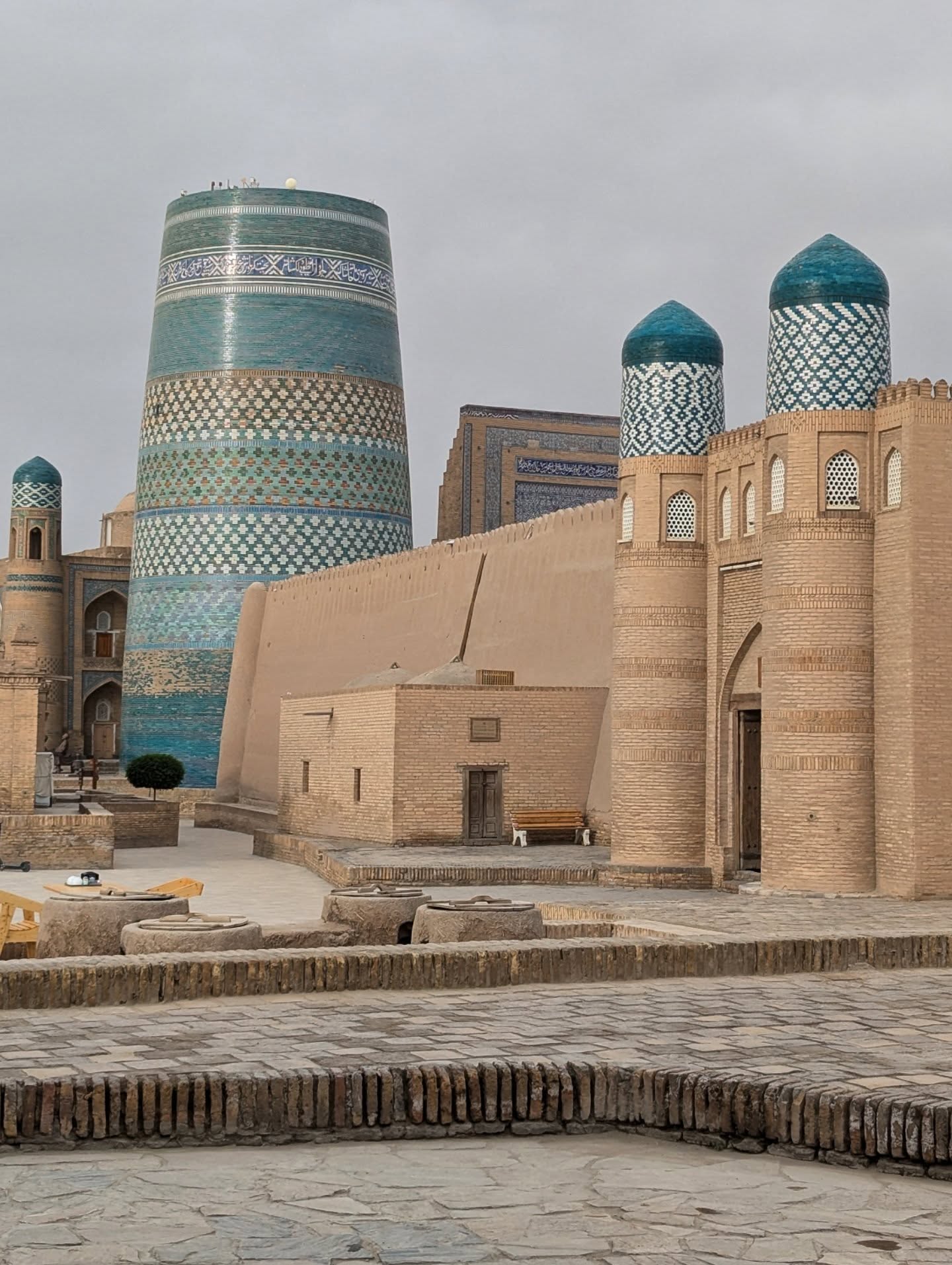
Go in through the West Gate and spend a full day on the stone-paved pedestrian lanes. Make sure to visit the Kalta Minor Minaret, in bright turquoise glazed tiles.
Before sunset, climb the steep watchtower stairs of the Kunya-Ark Citadel to enjoy the view across the mud-brick rooftops, domes, and minarets of the entire city.
7. Wooden Pillars at Juma Mosque
- Timings: 9:00 AM to 6:00 PM daily.
- Approx. Cost: Included in the main Itchan Kala all-inclusive museum ticket.
The Juma Mosque in Khiva is a masterpiece of traditional Arabian-style architecture. Unlike other mosques with grand domes, its roof is supported by 212 hand-carved wooden pillars.
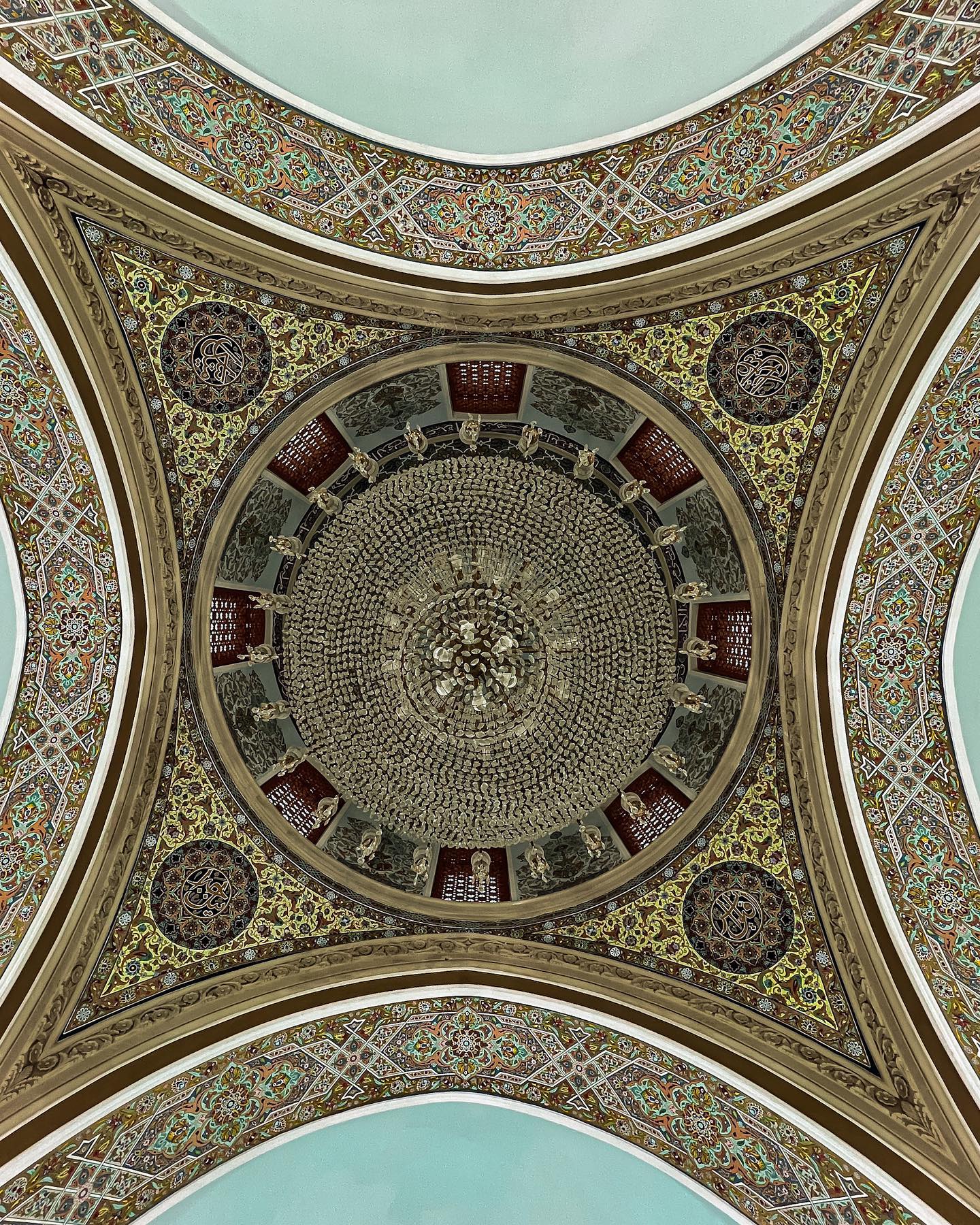
Step out of the desert sun into the dim, cool interior of the mosque. Walk slowly down the rows of wooden columns, taking time to notice that no two pillars are identical; each column features its own distinct geometric, floral, and calligraphic relief carvings.
Pay close attention to the oldest pillars near the central light shaft, which feature deep, archaic carvings preserved for over a thousand years.
8. Authentic Uzbek Plov at Central Asian Plov Centre
- Recommended Timings: 9:00 AM or 11:00 AM until 3:00 PM (plov often runs out by early afternoon).
- Approx. Cost of Plov: 350-400 INR (43,000-50,000 UZS), depending on serving size and extras like quail eggs and horse meat.
Eating authentic Uzbek plov at the Central Asian Plov Centre is easily one of the top things to do in Tashkent, Uzbekistan. Locally known as Besh Qozon, this culinary landmark serves a cherished national dish recognised by UNESCO as intangible cultural heritage.
It consists of long-grain rice slow-cooked in a rich broth alongside tender beef or mutton, yellow and orange carrots, chickpeas, raisins, garlic, and aromatic cumin seeds.
Before taking a table inside the dining hall, you can go straight to the outdoor kitchen pavilion and watch master chefs (oshpaz) tend giant, wood-fired outdoor copper cauldrons (kazans) that can cook over 500 kilograms of rice in a single batch.
Order a full portion served with a hard-boiled quail egg, sliced horse meat sausage (kazi), a side of fresh tomato and onion salad (achichuk), and a pot of hot green tea to wash down the hearty meal.
9. Take a Ride on the Tashkent Metro
- Timings: 5:00 AM to Midnight 12:00 AM
- Approx. Fare: 20-25 INR (3000 UZS) per single entry token.
The Tashkent Metro is Central Asia’s first underground transit system, opened in 1977 and famous as an underground art museum. Built deep underground to double as bomb shelters, every station looks different. Each one features unique marble, chandeliers, tile art, and metalwork.
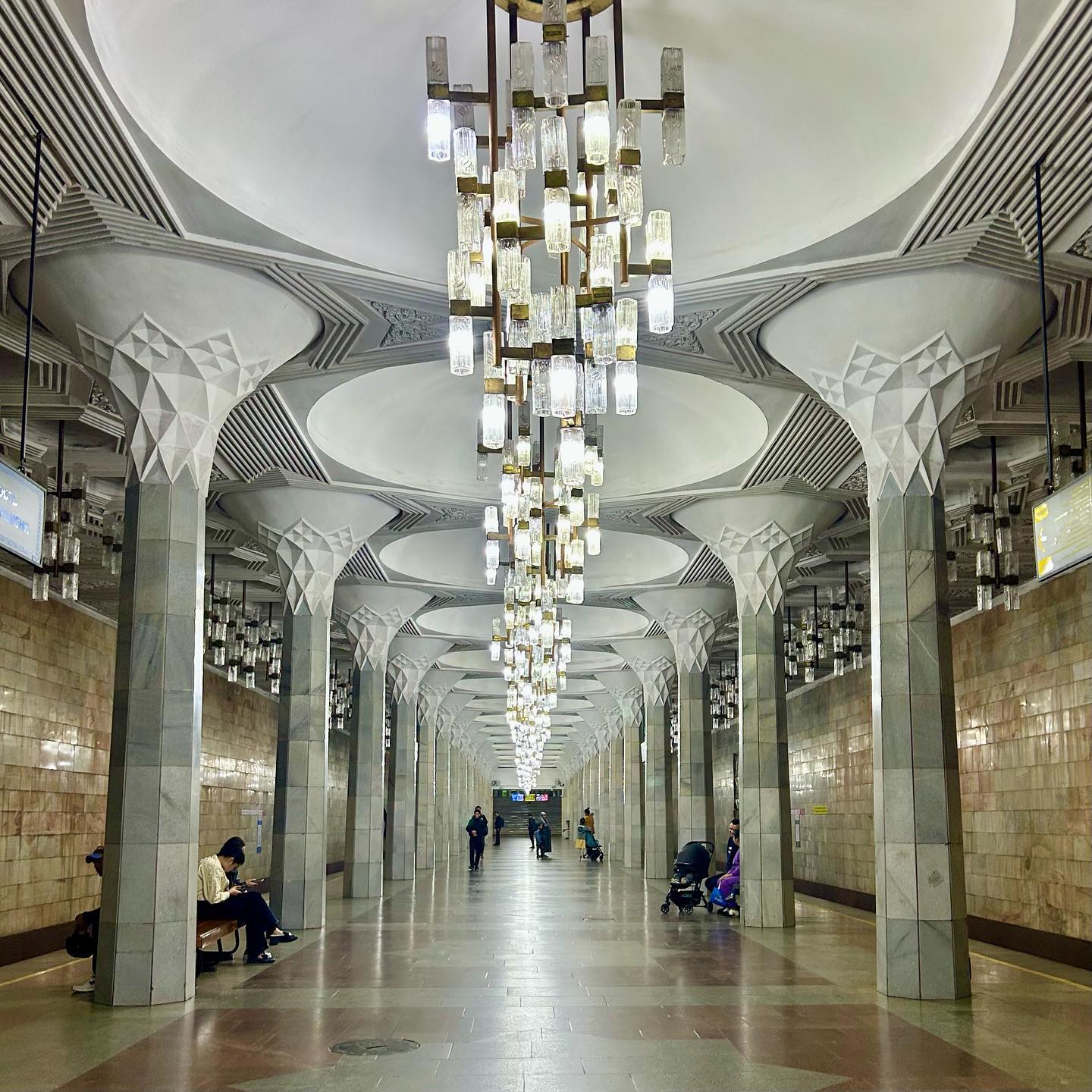
If you are looking for fun things to do in Tashkent, Uzbekistan, riding the metro is an easy and affordable activity. Buy a metro token for a few cents and spend 1 to 2 hours hopping between stations. Be sure to stop at Kosmonavtlar (space-themed with portraits of cosmonauts), Alisher Navoi (domed ceilings inspired by Islamic architecture), and Mustaqillik Maydoni (grand marble pillars and crystal chandeliers).
Note
- Morning peak hours 7:30 AM to 9:AM, evening peak hours 5:00 PM to 7:30 PM, off-peak midday and late evenings and weekends.
- If you’re bringing a tripod and professional gear, you need a special permit from the authorities.
10. Shop at Chorsu Bazaar
- Timings: 8:00 AM to 11:00 PM daily.
- Approx cost: Free entry; shopping prices vary.
Chorsu Bazaar is one of Central Asia’s oldest markets, located in Tashkent, where the aroma of spices mingles with traders’ chatter and the vibrant colours of silk and ceramics. The bazaar is known for the hospitality and the warmth of the people there.
You can get the best things for your family and friends. Thousands of traders sell fresh agricultural produce, meat, spices, nuts, textiles, and everyday household items.
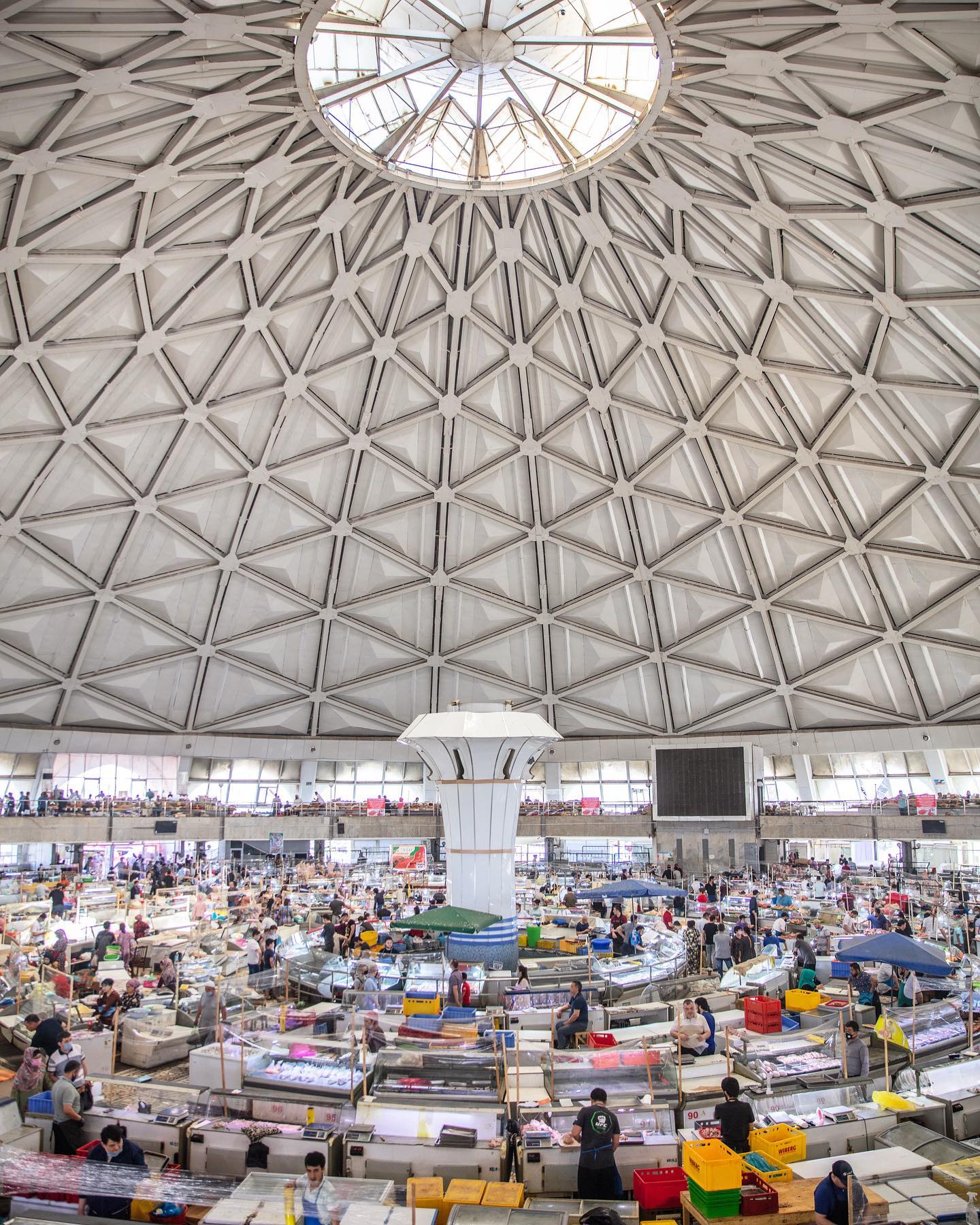
Head to the upper floor under the main dome to browse endless rows of dried fruits, walnuts, almonds, and pistachios, all of which make excellent gifts to take back to India.
On the ground level, visit the bread section to watch bakers slap round dough onto the inner walls of hot clay tandoor ovens to bake fresh Uzbek flatbread. You can also sample dried yoghurt balls, local spices, tea blends, and traditional embroidered garments.
11. See the Ship Cemetery at Moynaq
- Timing: Opens daily, generally accessible during daylight hours.
- Approx cost: Free access to the cliff viewpoint and desert floor.
Located in the autonomous republic of Karakalpakstan in far northwestern Uzbekistan, Moynaq was once a fishing port on the southern edge of the Aral Sea. This site is famous for the ghost fleet of rusted fishing ships sitting more than 100 kilometres from the water.
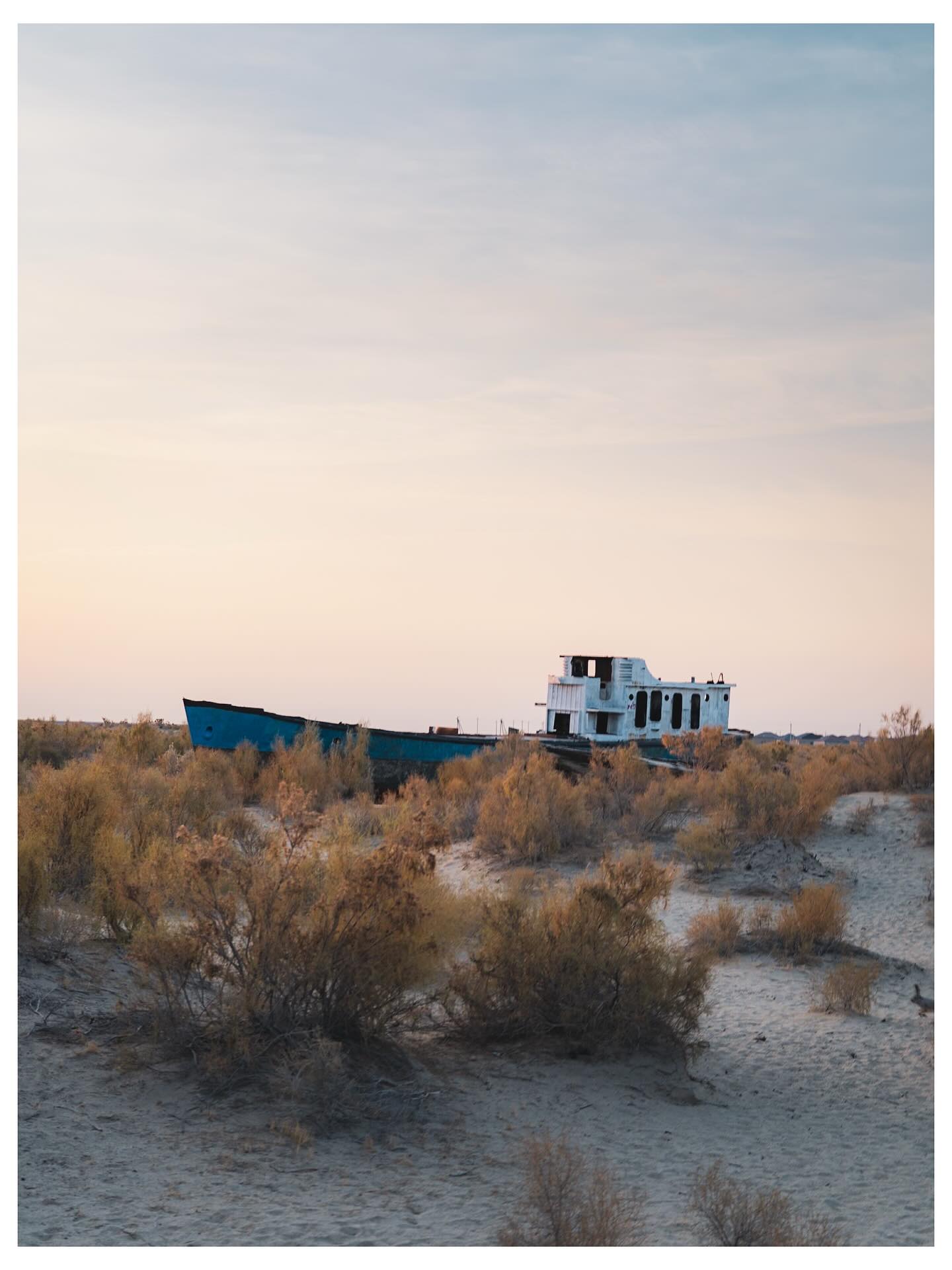
Go down the paved stairs directly into the sand to check the rusted hulls of the stranded ships up close.
Be sure to visit the nearby regional history museum, which displays historical photographs, oil paintings, and canned fish labels from Moynaq’s former glory days as a major fishing port.
12. Discover Banned Art at the Savitsky Museum
- Timings: 9:00 AM to 5:00 PM; the museum is closed on Mondays.
- Approx. Entry Cost: 400 INR (50,000 UZS) for adult entry.
The State Art Museum of the Republic of Karakalpakstan, the Savitsky Museum in Nukus, holds one of Asia’s most surprising cultural treasures. The museum is the world’s second-largest collection of Russian avant-garde art.
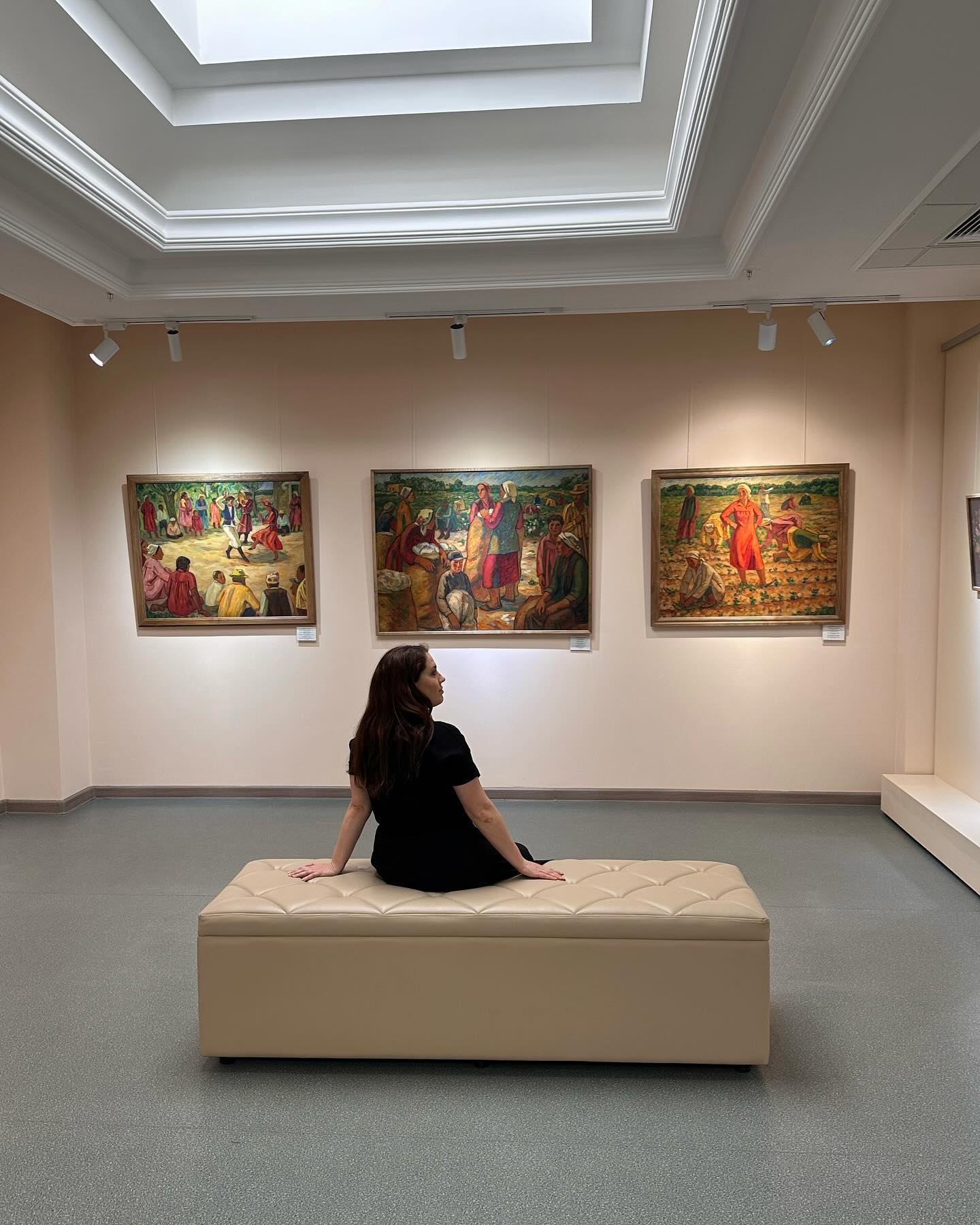
Moscow-born artist and collector Igor Savitsky spent decades secretly collecting and rescuing thousands of banned paintings, transporting them to this remote desert city far from KGB scrutiny.
Take a guided tour through the museum’s modern exhibition halls. You will see a collection of early 20th-century Russian and Uzbek avant-garde paintings, folk art, traditional Karakalpak jewellery, textiles, and historic yurt furnishings.
13. Experience the Afrosiyob High-Speed Train
- Timings: Daily with multiple departures. Main service runs during early morning (approx. 7:00 AM-8:30 AM) and evening (approx. 6:00 PM-7:45 PM).
- Approx. Train Ticket Price: 2,000-5,000 INR (294,000-709,000 UZS) per leg, depending on seat class.
The Afrosiyob is Uzbekistan’s premier high-speed electric train. It reaches top speeds of 250 km/h and connects major Silk Road cities like Tashkent, Samarkand, Bukhara, and Qarshi, slashing travel times across the country.
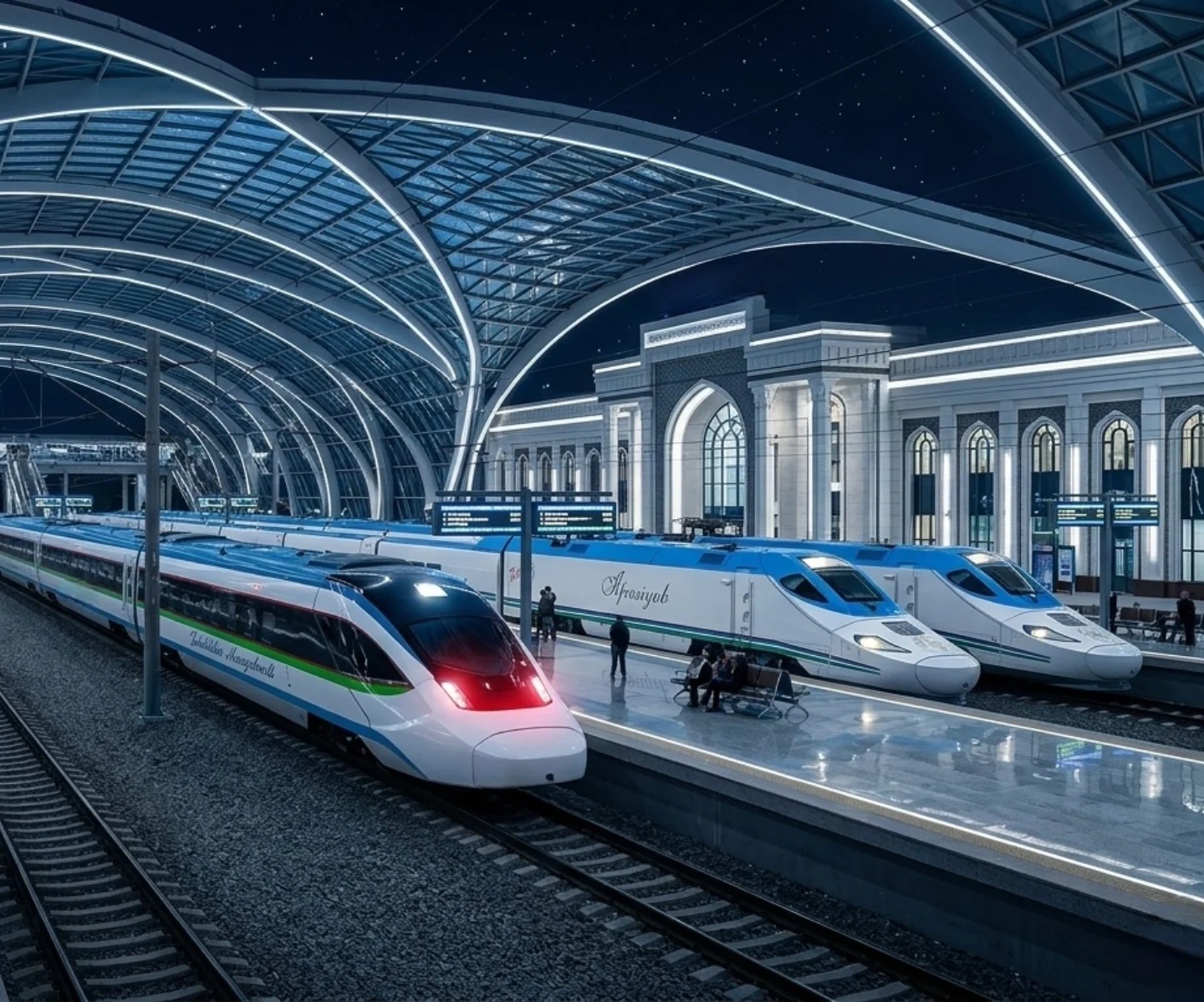
Use the Afrosiyob train to travel long-distance. Be sure to book your tickets early via the official Uzbekistan Railways website or app.
14. Explore Ancient Desert Fortresses in Khorezm
- Timings: Day tours typically depart from Khiva or Urgench around 8:00 AM.
- Approx. Transportation Cost: 3,000-4,500 INR (370,000-550,000 UZS) for a private car hire with driver.
Visit the desert in the Khorezm region to experience the forgotten Khorezmian civilisation that fought off desert nomads and trading route raiders. Enjoy the remote, adventure-rugged day trip or desert camping.
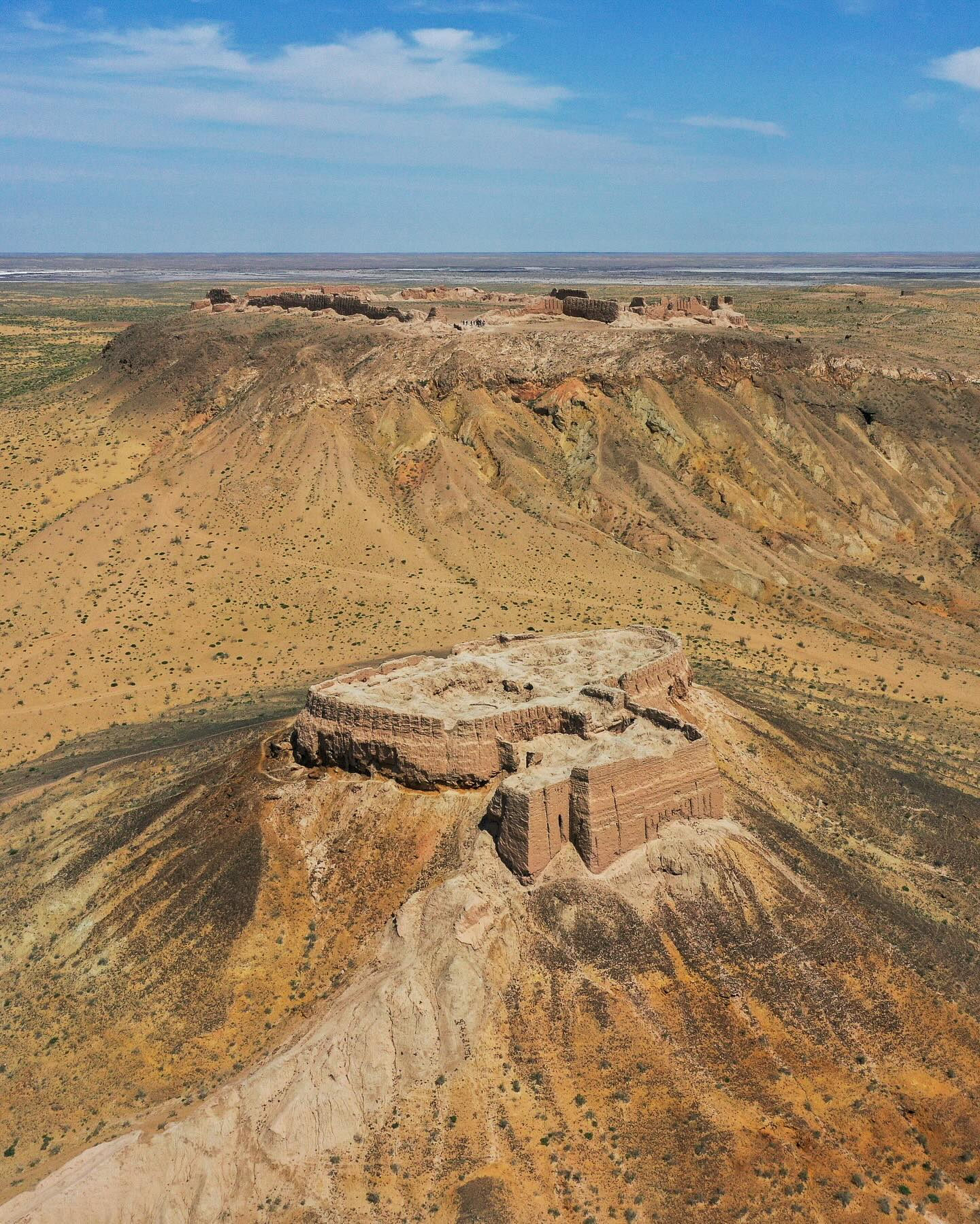
Hire a driver for a half-day or full-day circuit tour from Khiva. The most impressive fortresses to visit include Ayaz Kala and Toprak Kala.
Wear sturdy walking shoes, bring a wide-brim hat, and carry plenty of drinking water, as there is little shade out in the desert ruins.
15. Stay a Night in a Yurt Camp near Nurata
- Timings: Overnight stays available seasonally from April through October.
- Approx. Yurt Stay Cost: 4,000-6,000 INR (500,000-750,000 UZS) per person (includes dinner, breakfast, camel ride, and yurt accommodation).
To experience the traditional nomadic heritage of Central Asia, spend a night in a yurt camp set deep in the Kyzylkum Desert near the town of Nurata and the shores of Lake Aydarkul.
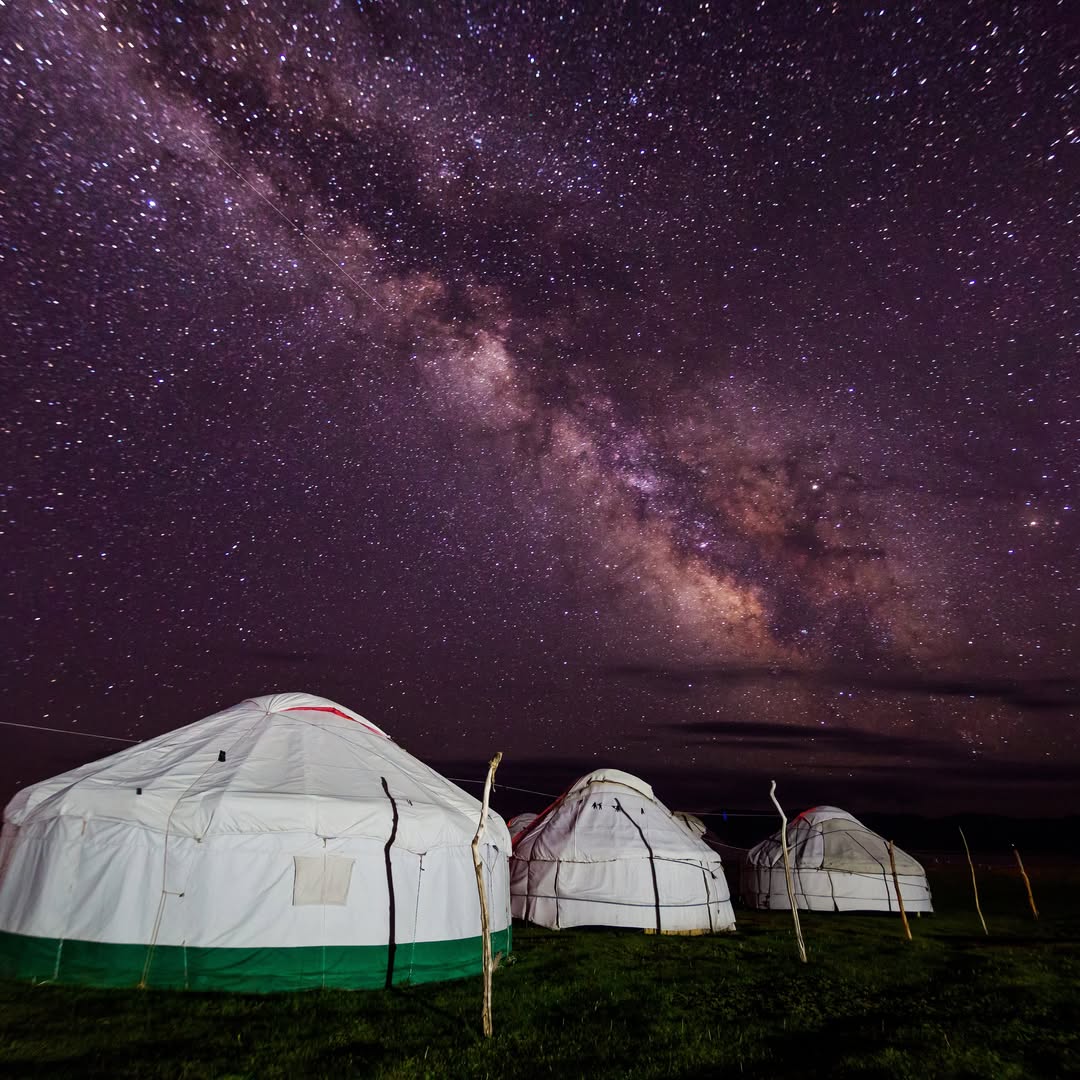
Break up your journey between Samarkand and Bukhara with a one-night desert stay. During the late afternoon, take a camel ride across the surrounding dunes or take a refreshing swim in the waters of Lake Aydarkul.
In the evening, enjoy a traditional dinner featuring roasted meats, fresh bread, and vegetable stews, followed by a campfire gathering where a local bard sings traditional desert folk songs under a starry night sky.
Conclusion
Uzbekistan is best experienced by focusing on its historic Silk Road cities instead of trying to rush through the entire country.
If you love iconic architecture and history, spend more time in Samarkand and Bukhara. For ancient desert vibes, head west to Khiva and Karakalpakstan. If you prefer modern city life mixed with Soviet heritage, Tashkent is the perfect base.
The secret to an unforgettable Uzbekistan holiday is a beautifully paced itinerary, one that connects incredible sights without forcing you to rush. Dimaak Tours handles all flight and high-speed train bookings, plus boutique hotels, private transfers, and curated excursions. We tailor every single detail to match your unique interests, travel style, and budget.
FAQs on Things to Do in Uzbekistan
1. What are the best things to do in Uzbekistan?
Top highlights include the iconic Registan Square and Shah-i-Zinda in Samarkand, stepping back in time inside Khiva’s walled Itchan Kala, visiting Bukhara’s Po-i-Kalan complex, riding the ornate Soviet-era Tashkent Metro, and eating freshly made plov at Chorsu Bazaar.
2. What are the best things to do in Uzbekistan for families?
Families will love the fast, comfortable ride on the Afrosiyob high-speed train, the car-free medieval streets of Khiva, watching evening light shows at Registan Square, and sampling sweet local fruits, dried nuts, and flatbreads at Chorsu Bazaar. Central Asian culture is exceptionally welcoming toward children, making family travel easy and safe.
3. Is Uzbekistan safe for tourists and solo female travellers?
Yes, Uzbekistan is considered the safest destination in Central Asia. Violent crime is extremely rare, and locals are known for their hospitality and willingness to help travellers. Standard travel precautions apply in crowded bazaars, but solo female travellers frequently report feeling safe in the major Silk Road cities day and night.
4. What is the best time to visit Uzbekistan for sightseeing?
The best time to visit Uzbekistan for sightseeing is during the shoulder seasons: Spring (April to May) and Autumn (September to October). Because Uzbekistan has an extreme continental climate, these windows offer pleasant, mild weather ideal for long days of walking through outdoor monuments, blue-tiled madrasahs, and open bazaars.
