


Key Takeaways:
|
For Indians looking for an affordable European vacation, Georgia is one of the best choices.
Georgia is not a large country; the major cities can be reached within 2 – 5 hours. Despite the size, there are many amazing things to do in Georgia, such as visiting sulfur baths and medieval fortresses. Then book a stay in the Black Sea area, with its kinetic sculptures and beach clubs. Discover the mythological caves and river canyons, and a medieval wine town where family wineries have been operating for centuries.
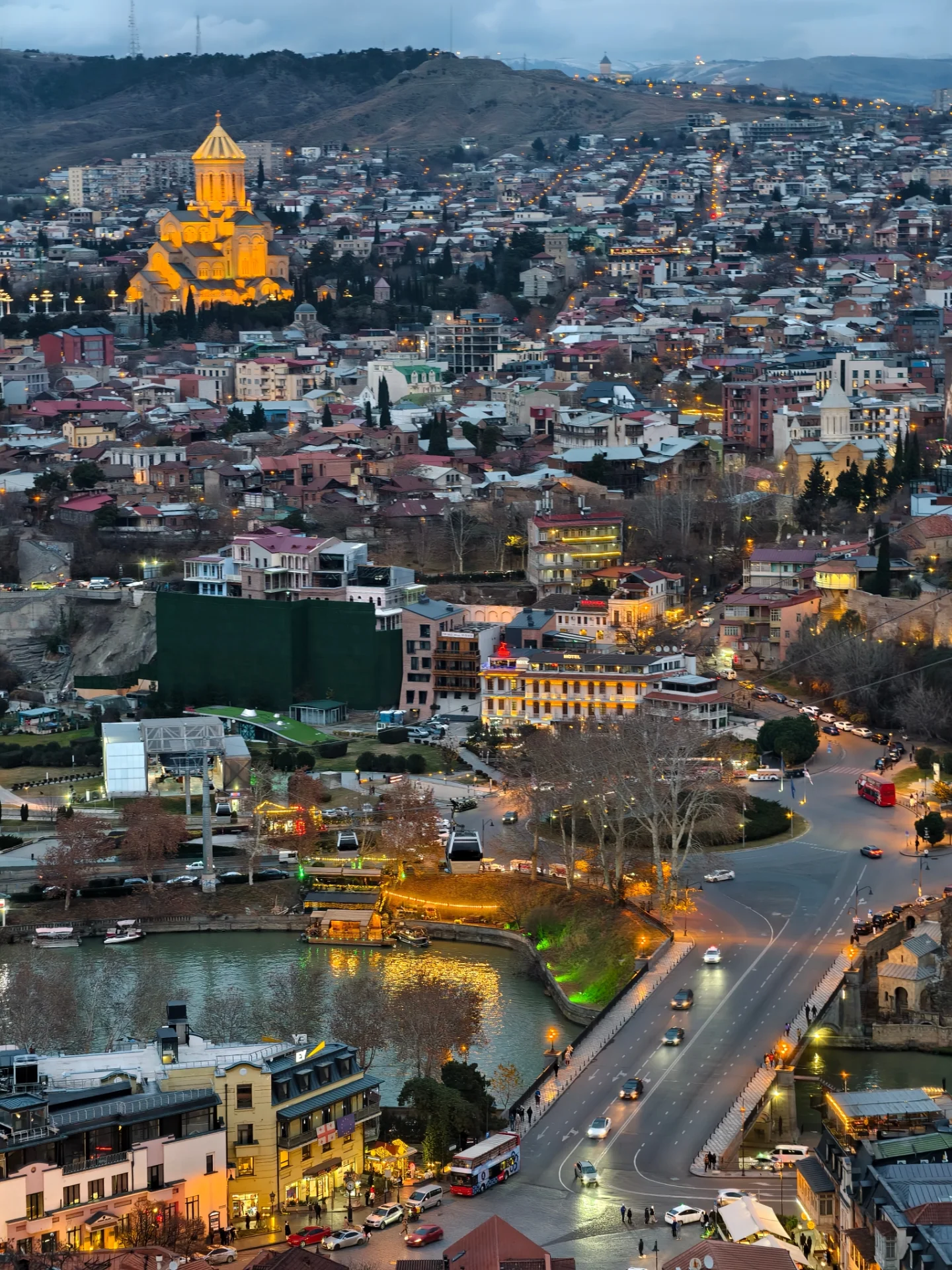
Keep reading to learn about the best things to see in Georgia’s top destinations: Tbilisi, Batumi, Kutaisi, and Sighnaghi.
Quick Overview Before Visiting Georgia
| Round-trip flights from India | 65,000 – 75,000 INR |
| Visa | e-Visa |
| Ideal trip duration | 7 – 10 days |
| Stay cost per night
(3-star hotels) |
4,000 – 6,000 INR |
| Language | Georgian (English is common in tourist areas) |
| Wine harvest season in Kakheti | September – October |
| Batumi beach vacation | July – August |
| Tbilisi city tours | April – May & September – October |
20 Things to Do in Georgia
Each region in Georgia offers something completely different. Whether you are visiting for adventure, history, food, or nature, these are the best experiences you shouldn’t miss when in Georgia.
Things to Do in Tbilisi, Georgia
Tbilisi is the capital of Georgia and is in almost every Georgia itinerary. The city has medieval fortresses, centuries-old churches, natural sulfur baths, Soviet-era buildings, and modern architecture. You need to plan a 2 – 3-day trip to experience Tbilisi’s famous sights.
1. Sulfur Baths at Abanotubani
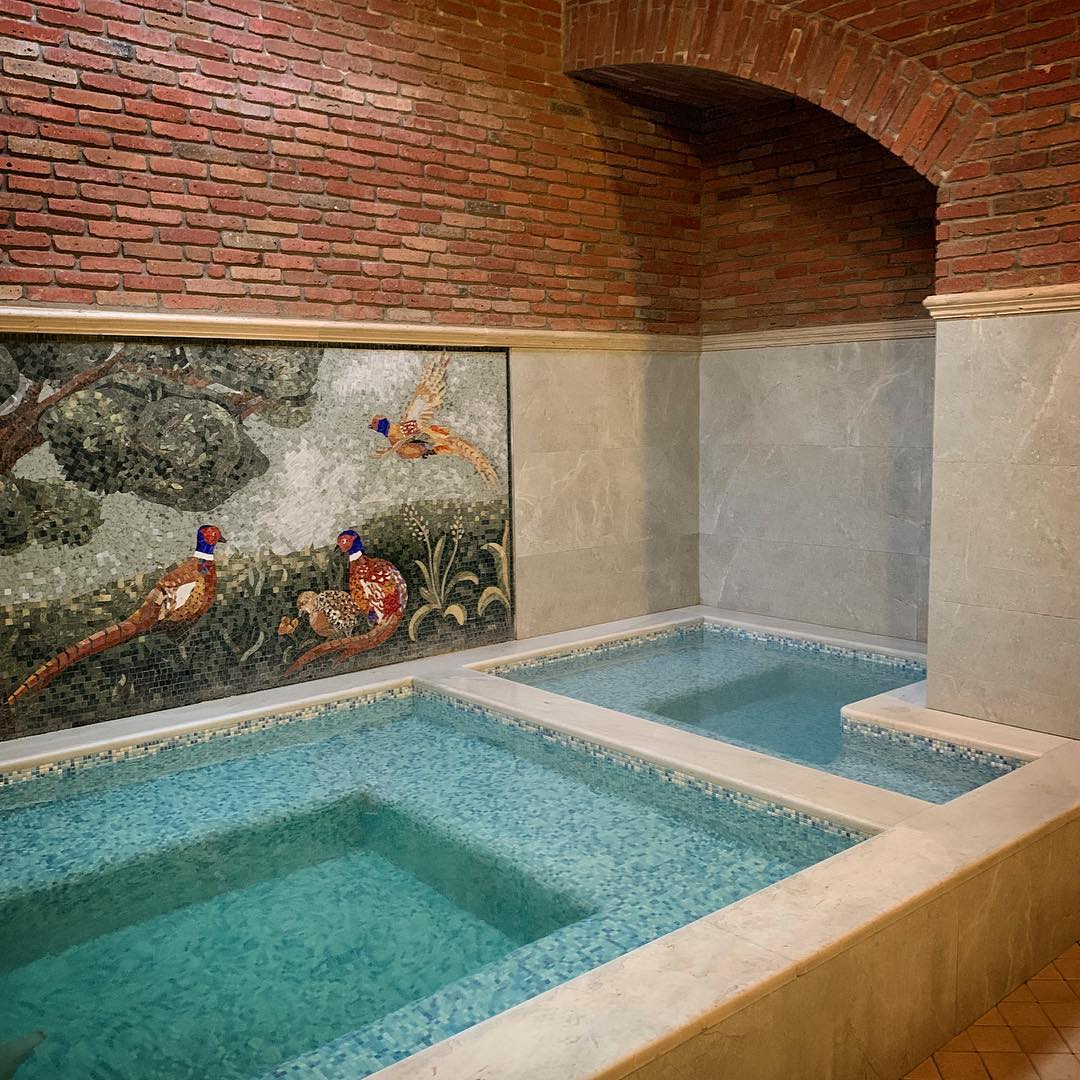
Timings: Daily from 9 AM to 11 PM.
Approx. Cost: Public bath: 300 INR. Private room: 2,500 INR.
Highlight: The name Tbilisi comes from the Georgian word “tpili,” meaning “warm.” According to local legend, King Vakhtang Gorgasali discovered the natural hot springs during a hunting trip in the 5th century and founded the city here.
What to do: Ride the cable car from Rike Park for the view over the Old Town, or hike up from Abanotubani while enjoying views of the sulfur bath domes below. Head to the main viewpoint overlooking the Kura River, Peace Bridge, and Old Town.
2. Narikala Fortress and Mother of Georgia Statue
Timings: Open 24 hours, but best visited at sunset.
Approx. Cost: Cable car from Rike Park: 70 INR one-way. Walking is free.
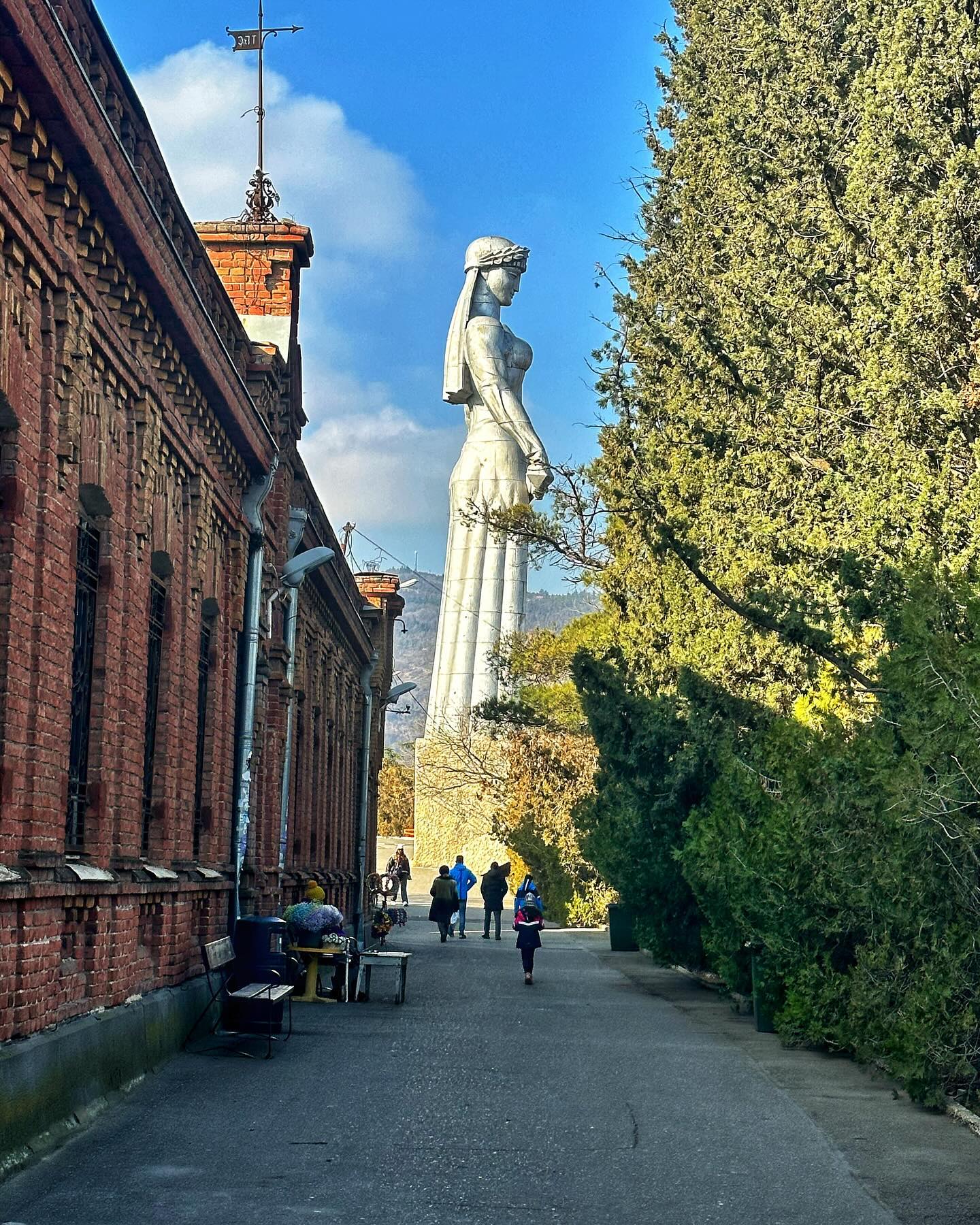
Highlight: Narikala Fortress, originally built as a Persian citadel, was later expanded by Arab, Ottoman, and Georgian rulers before being partially destroyed by an explosion in 1827. Today, its ancient stone walls remain one of the city’s most recognisable landmarks. Right beside the fortress, there is a 20-metre-tall Mother of Georgia statue. It holds a bowl of wine to welcome and a sword to defend against enemies.
What to do: Take the cable car from Rike Park for aerial views of Tbilisi’s Old Town, the Kura River, and the hills. Visit the Mother of Georgia statue and stay until sunset, when the city lights begin to appear.
Note: Narikala Fortress is currently closed for restoration as of 2026. Work is said to be complete by late 2026 or early 2027. You can still take the cable car for the views and visit the Mother of Georgia statue, but the fortress itself is inaccessible.
3. Old Town Walk: Sololaki, Shardeni Street & Peace Bridge
Timings: Open throughout the day. Shardeni Street gets lively from 7 PM onwards.
Approx. Cost: Free to enter.
Highlight: Tbilisi’s Old Town is where you will experience the city’s authentic atmosphere. The Sololaki neighbourhood is famous for its beautifully carved 19th-century wooden balconies and narrow cobbled streets. Shardeni Street is a good place for Tbilisi’s nightlife with cafes and bars. Near the street, the Peace Bridge connects the historic Old Town with Rike Park. The bridge lights up every evening with more than 10,000 LED lights.
What to do: At Sololaki and Shardeni Street, visit cafes, wine bars, and restaurants. End your walk by crossing the illuminated Peace Bridge to Rike Park for beautiful evening views of the skyline.
Top Restaurants: Restaurant Hide, Georgian House, See360 Restaurant, Ethnographer, Restaurant Usakhelouri, and Barbarestan. Also, there are many Indian restaurants in Tbilisi, and Old Town has some of the best ones like Maharajah Restaurant, Spice Garden, Khushi and Aroma.
4. Georgian Cooking Experience
Timings: 10 AM – 8 PM, with a duration of 2 – 3 hours of cooking. Each class has different timings.
Approx. Cost: 4,000 INR.
Highlight: Georgian cuisine is one of the biggest reasons why travellers fall in love with the country. It combines walnuts, fresh herbs, garlic, pomegranate, and local cheeses into dishes that feel familiar to Indian travellers while still being completely unique. You will not only learn traditional recipes but also have fun with the process. Also, taking a cooking class is a fun way to spend time with family in Georgia.
What to do: Join a culinary class, learn to make local Georgian food, and finally enjoy what you made.
Must-try dishes: Khinkali (soup dumplings), Khachapuri (cheese-filled bread), Churchkhela (sweet), Pkhali (vegetarian starter).
Places: Georgian Flavours, Georgian Cooking Class Tbilisi, and Tbilisi Cooking Class.
5. Mtatsminda Park and Funicular Ride
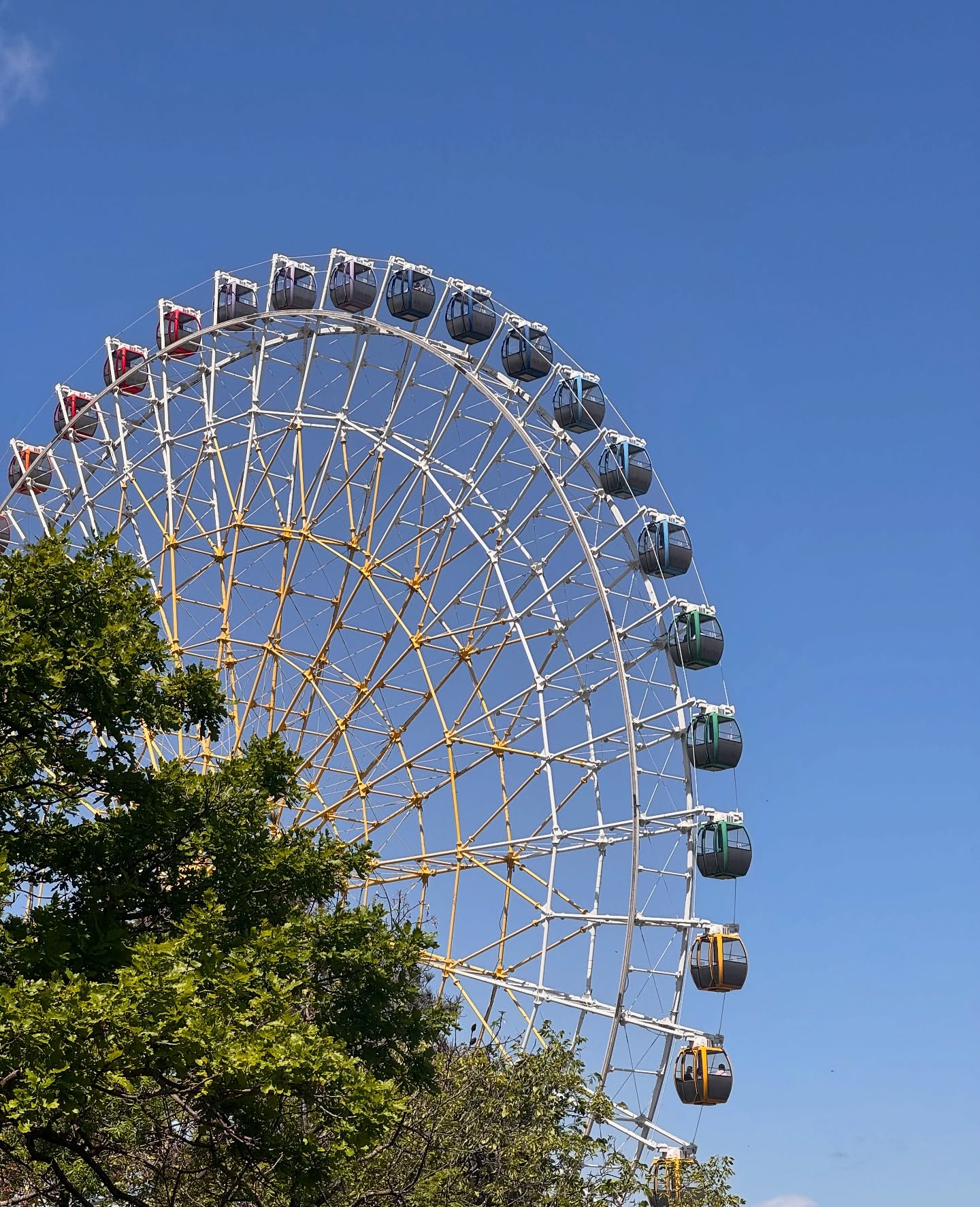
Timings: Park: 11 AM – 12 AM. Funicular Ride: 9:45 AM – 10:30 PM.
Approx. Cost: Funicular round trip: 300 INR. Amusement park: Each ride costs 300 – 400 INR, and the entry is free.
Highlight: Mtatsminda Park offers the best views of the city. This funicular railway has been carrying people to the summit since 1905, making the journey itself one of Tbilisi’s iconic experiences.
What to do: Ride the funicular from the city centre to the hilltop. Visit the observation decks for views of the city and the Kura River. Have fun at the amusement park with Ferris wheel, roller coasters, family rides, and walking through pine forests. Dine at the Funicular Restaurant, known for its Georgian cuisine and city views through floor-to-ceiling windows.
Things to Do in Batumi, Georgia
Some of Georgia’s beautiful beaches are in Batumi. In Tbilisi, there is a historic atmosphere, and in Batumi, you get a mix of Soviet-era and Ottoman-influenced old-town architecture and a modern seafront with glass towers, kinetic sculptures, and a 7 km coastal promenade.
6. Batumi Boulevard and Ali & Nino Statue
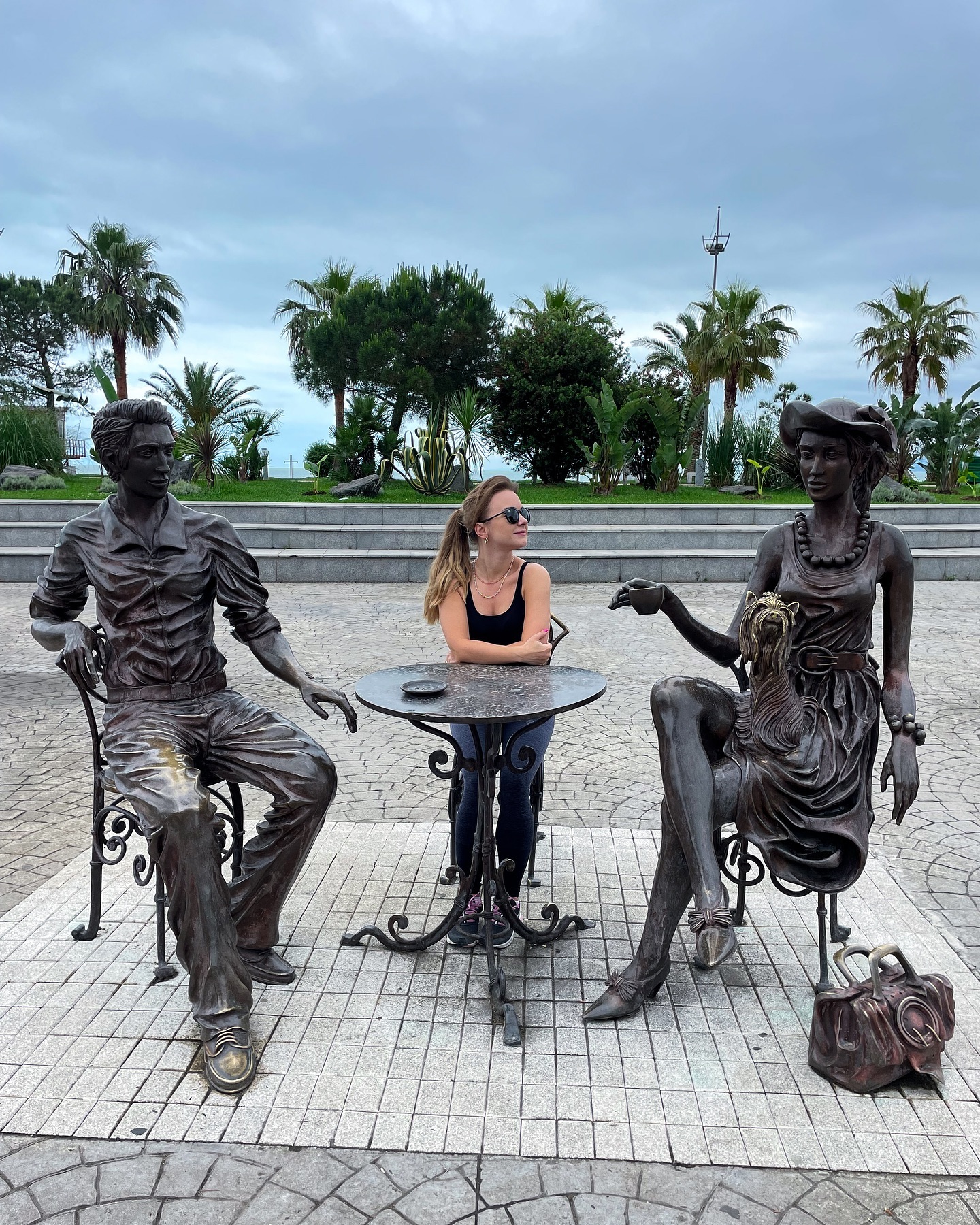
Timings: Open 24 hours. The Ali & Nino sculpture is best visited at sunset.
Approx. Cost: Free. Bicycle rental along the boulevard costs 1,300 – 1,500 INR per day.
Highlight: Batumi Boulevard is a 7 km seafront promenade lined with palm trees, cafes, public art, fountains, cycling tracks, and sea-facing benches to sit. The biggest attraction here is the Ali & Nino Statue, inspired by the novel about the love story between an Azerbaijani Muslim man and a Georgian Christian woman. Every 10 minutes, the two figures slowly move towards each other, merge, pass through one another, and separate again.
What to do: Watch the statue slowly move every 10 minutes. You can walk or ride a bicycle on the Batumi Boulevard. Watch the Dancing Fountains show in the evening during summer.
7. Batumi Botanical Garden
Timings: 9 AM – 8 PM.
Approx. Cost: Entry 880 INR. Electric car: 360 INR.
Highlight: Established in 1912, the Batumi Botanical Garden is 111 hectares on the Green Cape overlooking the Black Sea. It is one of the largest botanical gardens in Eastern Europe and has more than 5,000 plant species collected from nine climatic zones, including Japanese, Mediterranean, Mexican, North American, and Caucasian landscapes.
What to do: Walk through themed gardens featuring Japanese landscapes, Mediterranean plants, cactus collections, subtropical forests, and native Caucasian flora. Visit during spring to see the Japanese Garden in cherry blossoms. If travelling with elderly family members or children, take the electric shuttle available from the Chakvi entrance.
8. Argo Cable Car
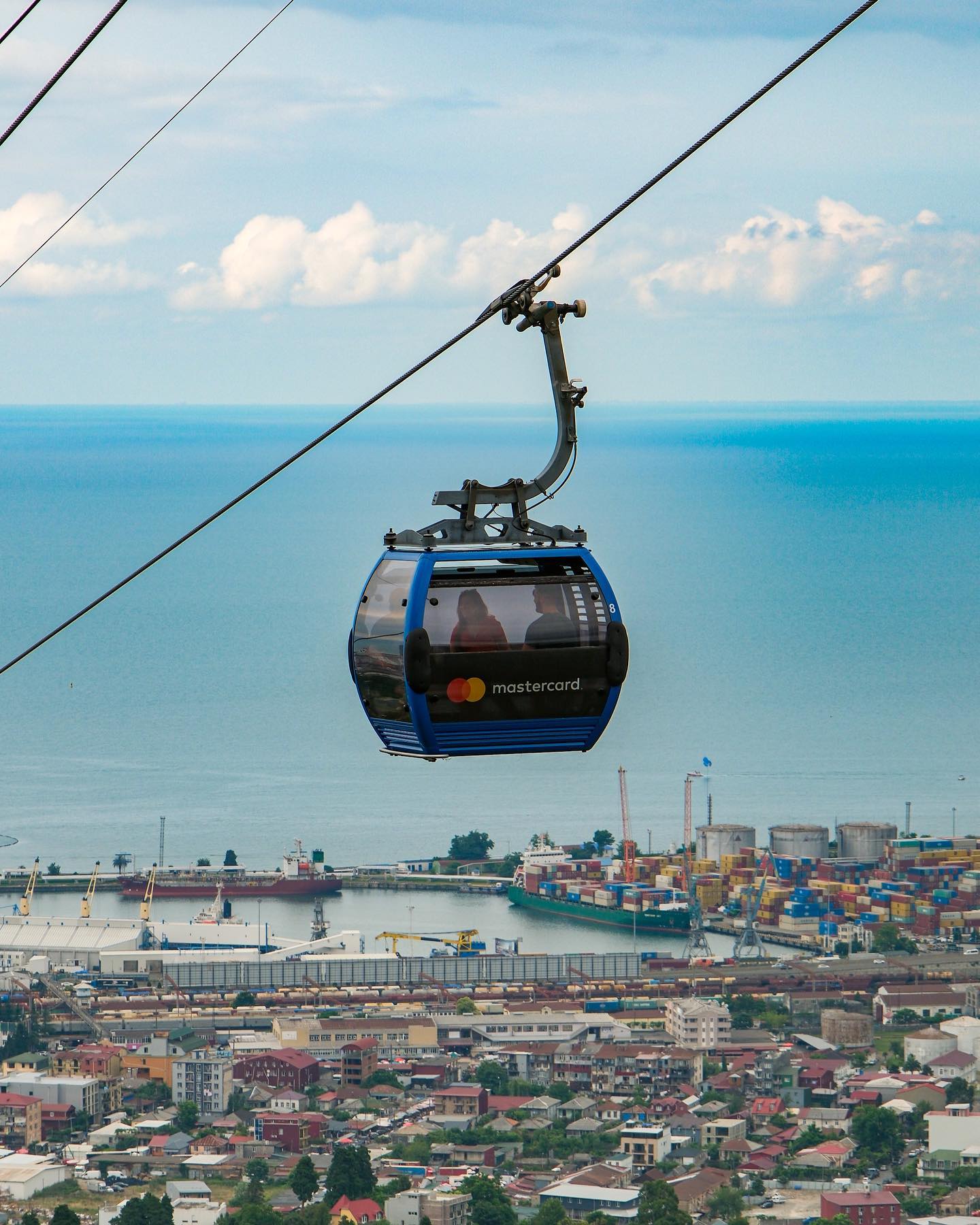
Timings: 10 AM – 11 PM.
Approx. Cost: 1,400 INR.
Highlight: The Argo Cable Car takes you from Batumi Port to the top of Mount Feria, around 250 metres above sea level. The 10 – 15 minute ride offers views of the Black Sea coastline, the harbour, and the Adjara Mountains. It is one of the best viewpoints in the city and a must-do activity in Batumi.
What to do: Ride the cable car for the views, spend time at the observation deck for photographs, especially during sunset. Then visit the cafes, souvenir shops, and wine stores at the top station.
9. Adjarian Cuisine and Black Sea Seafood
Timings: Most restaurants are open from 12 PM. Night markets become lively from 7 PM onwards.
Approx. Cost: 1,500 INR for a full meal.
Highlight: Batumi is the best place in Georgia to try Adjarian cuisine, which differs from the food served in Tbilisi. It features unique coastal ingredients, Turkish influences, and a heavier use of dairy and fresh herbs, while Tbilisi is best for meat-heavy dishes. The coastal location also makes it the best destination for fresh Black Sea seafood. Most restaurants offer vegetarian options as well.
Recommended places to eat: Ajarian House, Acharuli Khachapuri House, Medea Restaurant, Heart of Batumi, and At the Sisters.
10. Gonio Fortress
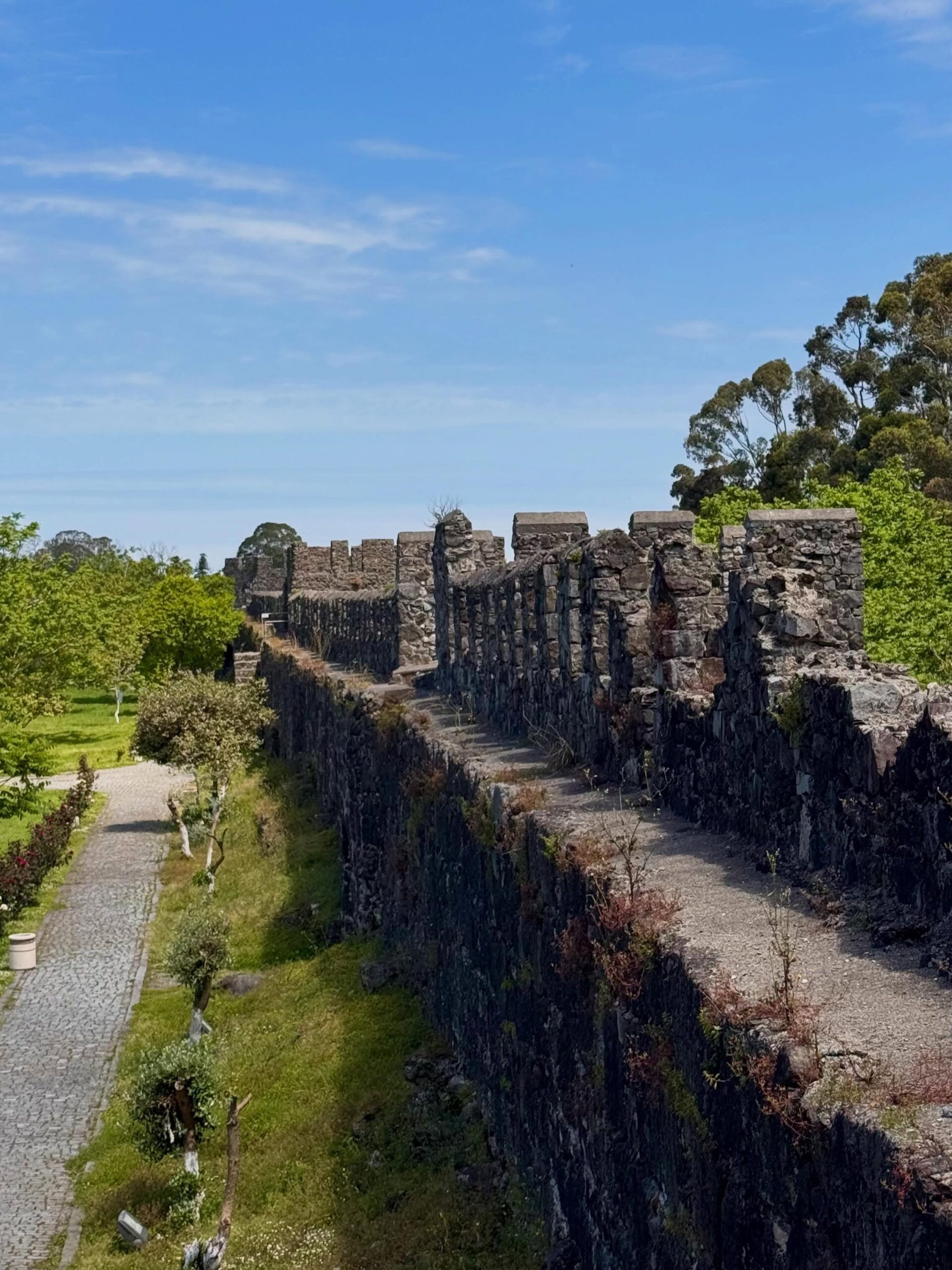
Timings: Daily 10 AM – 6 PM.
Approx. Cost: 530 INR.
Highlight: Located 15 km south of Batumi, Gonio-Apsaros Fortress is one of Georgia’s oldest historical sites. Built by the Romans in the 1st century AD, the fortress now has 18 towers; previously, there were 22. Archaeologists have found Roman coins, ceramics, and settlements dating back over 2,000 years.
What to do: Walk around the fortress walls and explore the Roman ruins inside the complex. Visit the archaeological remains and learn about the fortress’s Roman and Byzantine history. See the site believed to be the symbolic burial place of Apostle Matthias.
Things to Do in Kutaisi, Georgia
Kutaisi was the capital of the Colchis Kingdom, the mythological destination of Jason and the Argonauts in their search for the Golden Fleece. In the surroundings, there are limestone caves, two river canyons, and medieval monasteries that are UNESCO World Heritage sites.
11. Prometheus Cave
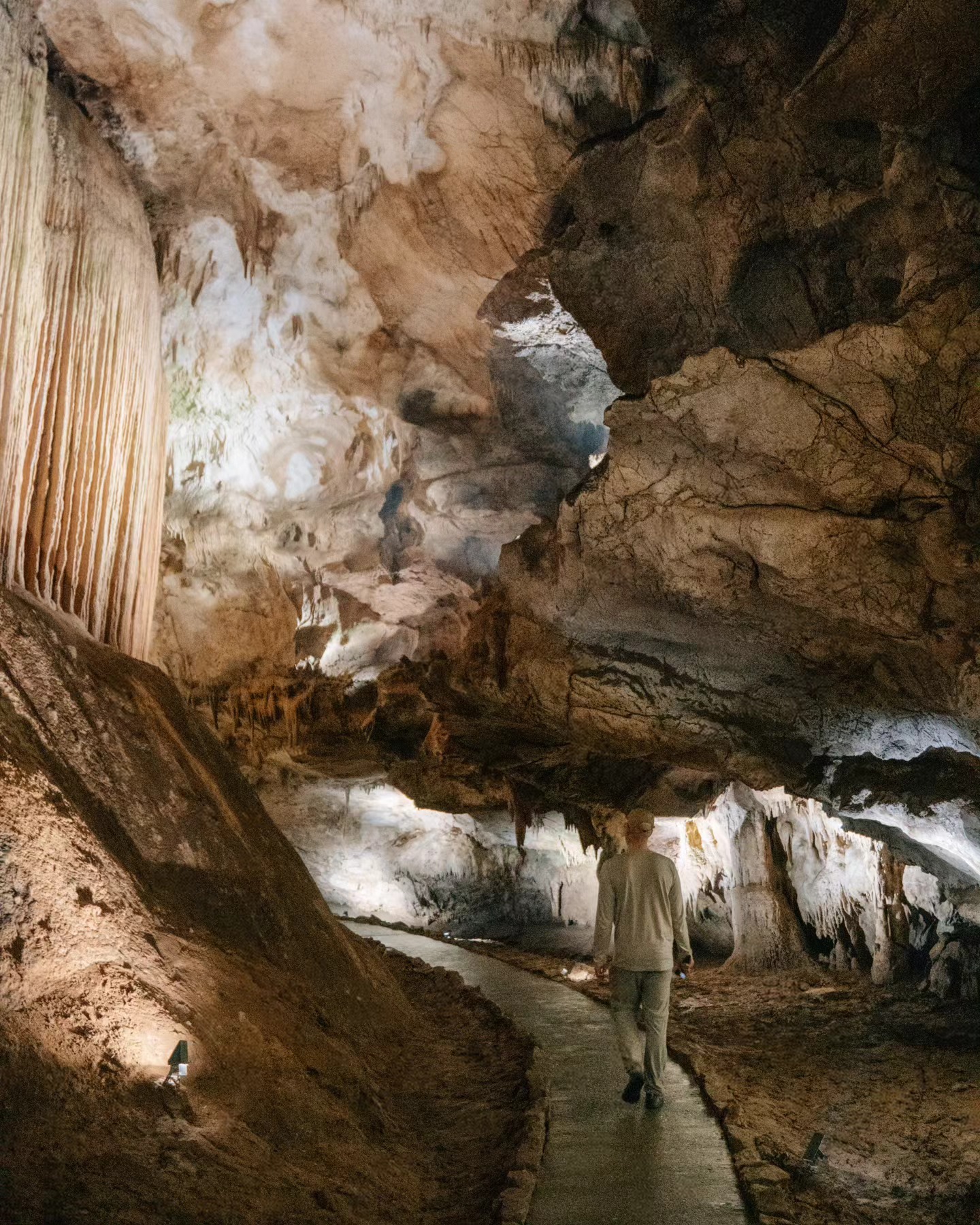
Timings: 10 AM – 6 PM.
Approx. Cost: 900 INR for entry, and tours start from 2,000 INR.
Highlight: Located about 20 km from Kutaisi, Prometheus Cave is one of Georgia’s largest limestone cave systems. Named after the Greek Titan Prometheus, it features six massive halls filled with colourful stalactites, stalagmites, underground rivers, lakes, and naturally formed rock chambers illuminated with decorative lighting.
What to do: Join the guided walking tour to the cave’s six chambers. Take the 300-metre underground boat ride through the cave river. See impressive limestone formations, underground lakes, and colourful illuminated caverns.
12. Martvili Canyon
Timings: 10 AM to 6 PM.
Approx. Cost: 3,000 INR for tours.
Highlight: Located around 55 km from Kutaisi, Martvili Canyon is one of Georgia’s most beautiful natural attractions. The Abasha River has carved a narrow limestone gorge surrounded by dense subtropical forests, waterfalls, and emerald-green water.
What to do: Walk the canyon trail featuring bridges and waterfalls. Take the 15 – 20 minute wooden boat ride through the limestone gorge, where canyon walls rise on both sides. Try the zipline for an aerial view of the canyon. You can also visit Martvili Canyon and Prometheus Cave on a full-day trip, as these two activities in Kutaisi are often planned together.
13. Sataplia Nature Reserve
Timings: 10 AM – 5 PM. Closed on Mondays.
Approx. Cost: 1,100 INR.
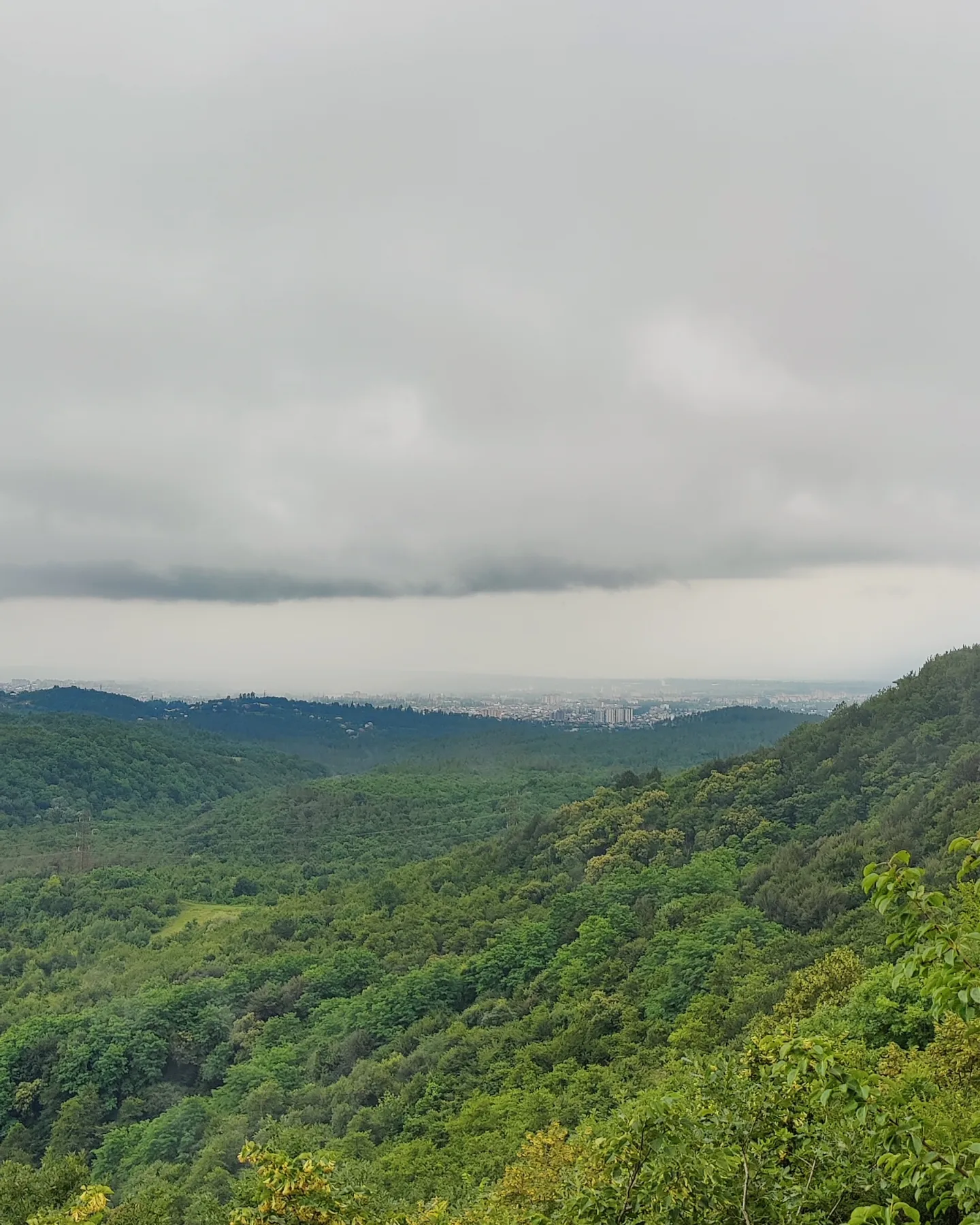
Highlight: Sataplia, meaning “honey place” in Georgian. The reserve was established in 1935 after naturalist Petre Chabukiani discovered real dinosaur footprints in limestone. These are not replicas; the actual fossilised tracks of dinosaurs are preserved here under a protective, transparent shelter.
What to do: Walk the trail, which is around 2 km, taking you through the Colchic subtropical forest, home to species that have survived since the Tertiary period. Enter the designated Sataplia Cave, a 314-metre karst cave with stalactites, stalagmites and an underground stream. Step outside for the glass-floored observation deck for the views of the Kutaisi valley below. Walk through the dinosaur park featuring robotic dinosaur models, making this a good experience for families with children in Georgia.
14. Okatse Canyon and Kinchkha Waterfall
Timings: 10 AM – 6 PM.
Approx. Cost: Okatse Canyon: 1,100 INR. Waterfall: 720 INR.
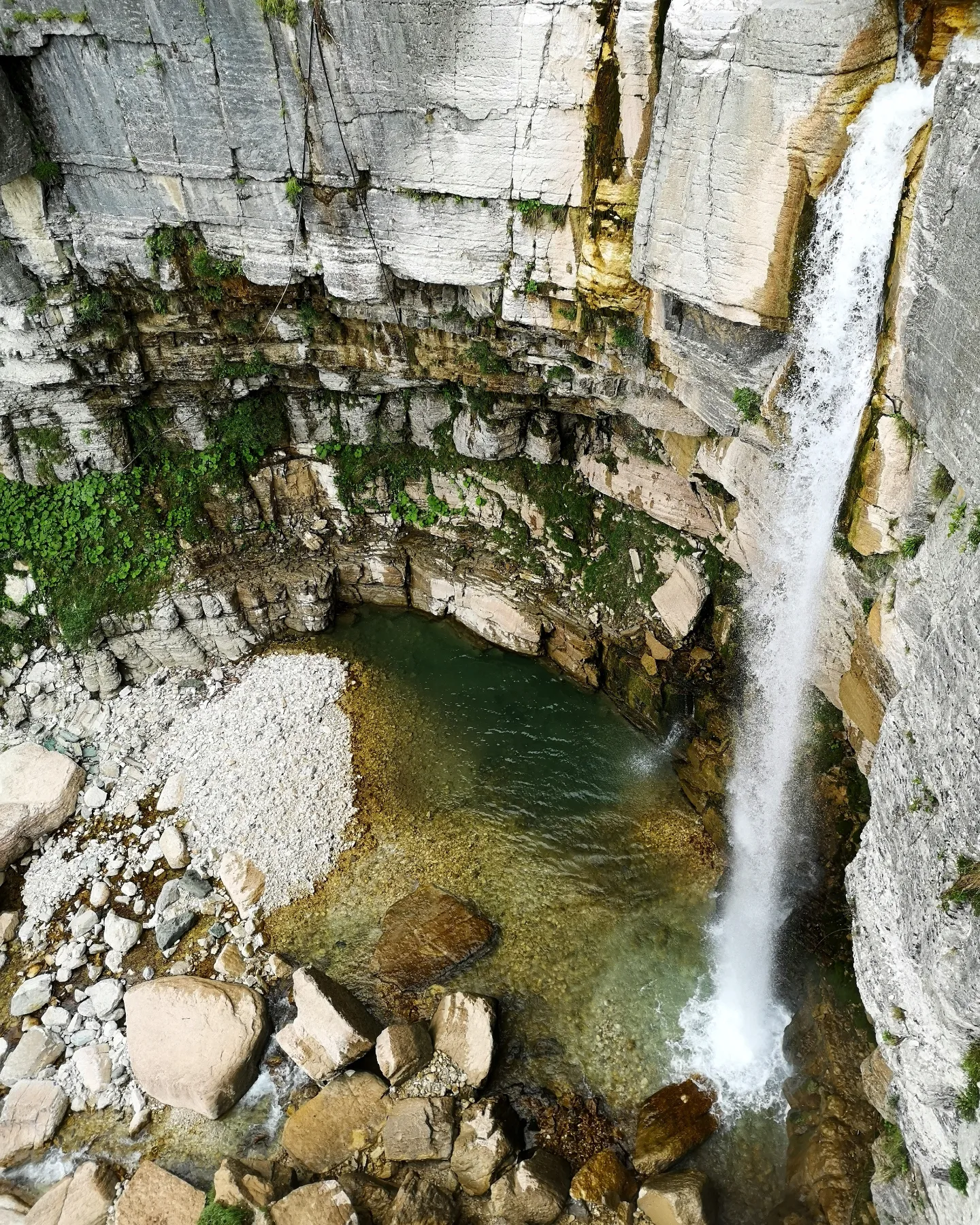
Highlight: Located about 50 km from Kutaisi, Okatse Canyon gives you the most thrilling experience. The canyon features a 780-metre hanging walkway above the Tekhuri River, with views of the forest below. Nearby, there is Kinchkha Waterfall, one of Georgia’s tallest waterfalls, at around 100 metres.
What to do: Walk along the canyon walkway for views of the Tekhuri River and forests. Experience the pathway that has a glass-and-metal-mesh flooring, giving you a direct look into the canyon below. Take the short boat ride at the base of Kinchkha Waterfall.
Things to Do in Sighnaghi, Georgia
Sighnaghi is Georgia’s most beautiful wine town, located in the Kakheti wine region, about 110 km from Tbilisi. The town is surrounded by medieval walls and is famous for its wineries and mountain views. Most travellers visit Sighnaghi as a day trip from Tbilisi or stay overnight to experience Georgia’s wine culture.
Sighnaghi is also known as the “City of Love” because it became famous for its 24-hour marriage registration office, although travellers mainly come for its scenery and wine culture.
15. Walk the Town Walls
Timings: Open 24 hours.
Approx. Cost: Free.
Highlight: Built in the 18th century by King Erekle II, these walls are 4.5 km long and feature 28 watchtowers, making them one of the best-preserved town walls in Georgia. From the walls, you get views of the Alazani Valley.
What to do: Walk along the historic town walls and explore the medieval watchtowers. Visit during sunrise or sunset for the best views over the Alazani Valley and the Caucasus Mountains. Then roam Sighnaghi’s colourful streets filled with traditional Georgian houses and cafes.
16. Wine Tasting at Family Wineries
Timings: Most wineries are open 10 AM – 7 PM. Some require advance reservations.
Approx. Cost: 1,500 – 2,500 INR.
Highlight: Kakheti produces nearly 70% of Georgia’s wine and is recognised as one of the world’s oldest wine regions, with a history of over 8,000 years. The region is famous for its traditional qvevri winemaking method, where wine is fermented and aged inside large clay vessels buried underground.
What to do: Visit a family-owned winery to learn about Georgia’s traditional qvevri winemaking process. Taste Georgia’s most famous grape varieties, including Saperavi, Rkatsiteli, and Mtsvane. Get the wine and pair it with Georgian snacks like churchkhela, local cheese, and freshly baked bread.
Wineries to visit: ROKA NATURALS, Gio’s Wine Cellar, Mari’s Wine Cellar, Kerovani Winery, and Pheasant’s Tears Winery.
17. Bodbe Monastery
Timings: 10 AM – 6 PM.
Approx. Cost: Free entry.
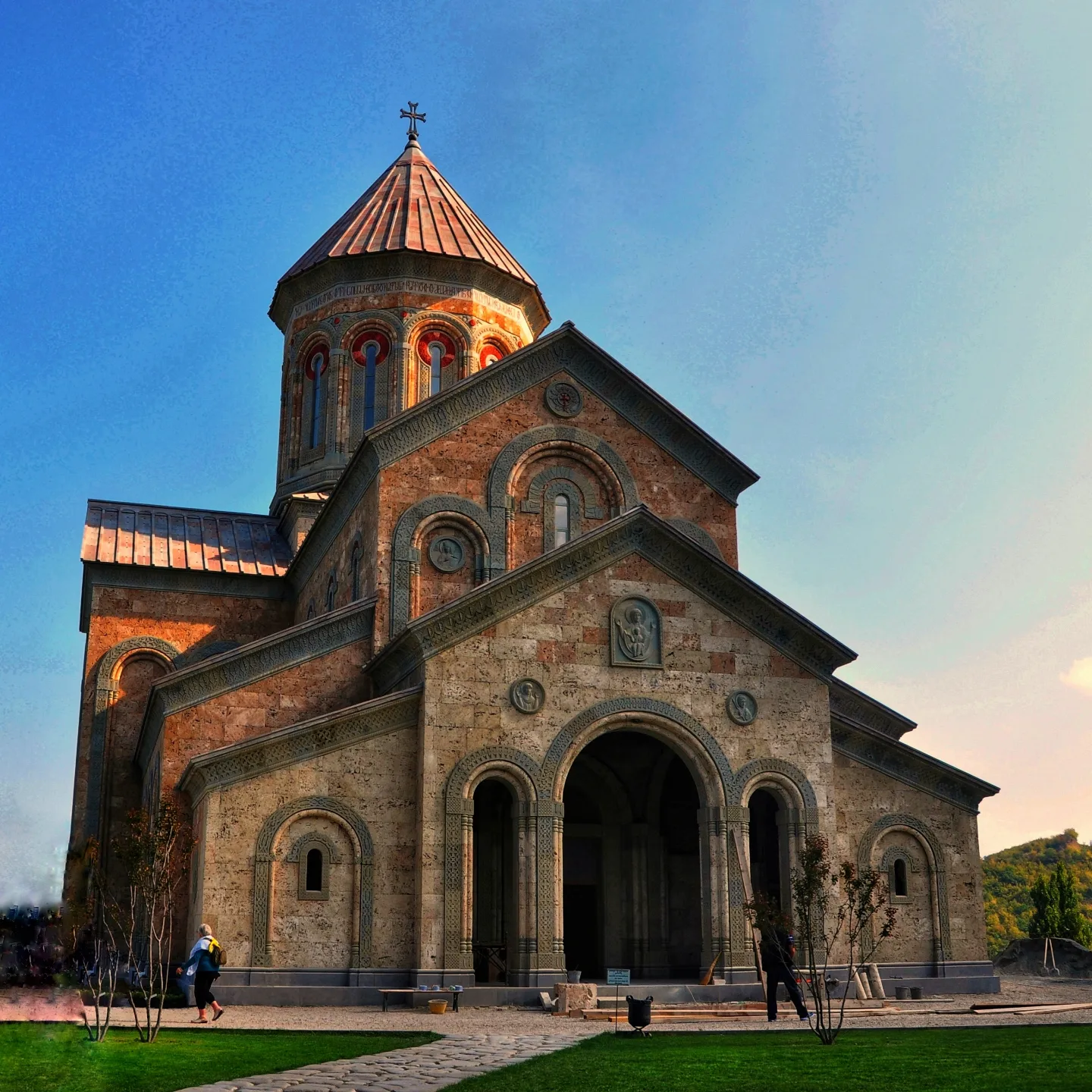
Highlight: Located just 2.7 km from Sighnaghi, Bodbe Monastery is one of Georgia’s most important Christian pilgrimage sites. It is built over the grave of Saint Nino, who introduced Christianity to Georgia in the 4th century. The Cathedral of Saint Nino, originally built in the 9th century, has been rebuilt several times and remains an active Georgian Orthodox convent with nuns living there.
What to do: Visit the Cathedral of Saint Nino. Walk through the peaceful monastery gardens and enjoy views of the Kakheti countryside. Take the walking trail to the Holy Spring of Saint Nino, where you can drink and collect the spring water. Dress respectfully, as the monastery remains an active place of worship and the dress code is strictly enforced.
18. Kvareli and the Wine Cellar in the Mountain
Timings: The Kvareli town and the lake are accessible throughout the day. The Kindzmarauli Corporation Wine Tunnel is open 9 AM – 6:30 PM.
Approx. Cost: 650 INR.
Highlight: About 25 km from Sighnaghi, Kvareli is known for its scenic lake and the famous Kindzmarauli Corporation Wine Tunnel, a 7.7-km wine cellar carved inside a mountain during the Soviet era. The tunnel naturally stays at 12°C throughout the year, creating ideal conditions for storing millions of wine bottles and ageing Georgian wines.
What to do: Visit the underground wine tunnel and learn how Georgian wines are produced and aged inside the mountain. Taste the famous Kindzmarauli, a naturally semi-sweet red wine made from Saperavi grapes. Visit Kvareli Lake for a peaceful walk surrounded by forests and mountains. These wines are the best things to buy from Georgia, especially when they are locally produced wines directly from the winery.
19. Alazani Valley Cycling or Picnic
Timings: Best during the morning or late afternoon.
Approx. Cost: Bike Rental: 1,000 INR per day.
Highlight: The Alazani Valley is surrounded by vineyards, walnut groves, orchards, and small villages. Unlike the hilltop views from Sighnaghi, the valley offers a closer look at Georgia’s countryside and wine-growing landscape. The roads here are quiet and have very little traffic, making them ideal for cycling or a relaxed picnic.
What to do: Rent a bicycle and cycle the Sighnaghi-Tsnori route past hills and vineyards, stopping at Bodbe Convent. Pack a picnic basket with Georgian wine, local cheese, fresh bread, and churchkhela, which you can buy from Sighnaghi’s local market. When you visit during the weekend, you will see Georgia’s traditional picnic culture, where local families gather.
20. Georgian Supra (Traditional Feast) Experience
Timings: Usually begins from 7 PM onwards.
Approx. Cost: 9,000 INR (wine, bread & supra culinary experience).
Highlight: A Supra is Georgia’s traditional feast and one of the country’s oldest cultural traditions, dating back more than 1,500 years. Every Supra is led by a Tamada (toastmaster), who delivers a series of meaningful toasts dedicated to family, friendship, peace, love, guests, and ancestors. It is much more than a dinner; it is one of the best ways to experience Georgian hospitality.
What to do: Join a traditional Supra hosted by a local guesthouse or family in the Kakheti region. Listen to the Tamada’s ceremonial toasts and take part in Georgia’s unique dining tradition. Enjoy a table filled with traditional dishes like khinkali, khachapuri, pkhali, badrijani nigvzit, roasted meats, fresh salads, pickled vegetables, and churchkhela. Taste locally produced Kakheti wines served throughout the evening.
Conclusion
Georgia is a European destination that Indians often don’t consider. The country gives you culture, nature, and adventure at an affordable price.
Tbilisi introduces you to the country’s history through ancient fortresses and sulfur baths. Batumi combines beaches and modern architecture. Kutaisi has caves, canyons, waterfalls, and UNESCO monasteries. Sighnaghi has a great wine culture.
If you are planning your first trip to Georgia, Dimaak Tours can help you plan it. From flights, hotels, experiences, and travelling between cities, we can help you with all.
FAQs on the Best Things to Do in Georgia
1. What are the popular things to do in Georgia as a tourist?
Experience the sulfur baths in Tbilisi, visit Narikala Fortress and Batumi Boulevard. Then take the Argo Cable Car, visit Prometheus Cave and the Martvili Canyon near Kutaisi, and end your vacation with a wine tasting in Sighnaghi.
2. How many days are enough to explore Georgia?
A 7 to 10-day trip is good for Georgia. Plan 2 – 3 days in Tbilisi, 2 days in Batumi, 2 days in Kutaisi and its nearby attractions, and 1 – 2 days in Sighnaghi.
3. Is Georgia expensive for Indian travellers?
Georgia is considered one of the more affordable international destinations from India. Accommodation, food, transportation, and attraction entry fees are generally lower than in many European countries, such as Switzerland, the UK, Norway, or France.
4. Which city is best to stay in Georgia?
Tbilisi is the best place to stay because it has great hotels, restaurants, attractions, and day trips easily available. If you have more time, combine your stay in Batumi with visits to Kutaisi and Sighnaghi for a complete Georgia itinerary.
