


Key Takeaways
|
There’s more to Frankfurt than its reputation as a financial centre. As you start walking, the city opens into old streets, riverfront paths, grand buildings, markets and neighbourhoods with their own character.
You can fit a lot into a day without constantly rushing from place to place. There is enough time for sightseeing, good food, culture and an evening out, with many more to add when you stay longer. Here’s a look at the best things to do in Frankfurt, Germany that can make your trip worthwhile.
Best Things to Do in Frankfurt, Germany
Most of Frankfurt’s major attractions are within easy reach of one another, and the airport is well connected to the city centre. Many sights can be covered on foot, while the public transport network makes it easy to get around when you want to save time or avoid longer walks.
1. Römerberg and Frankfurt’s Old Town
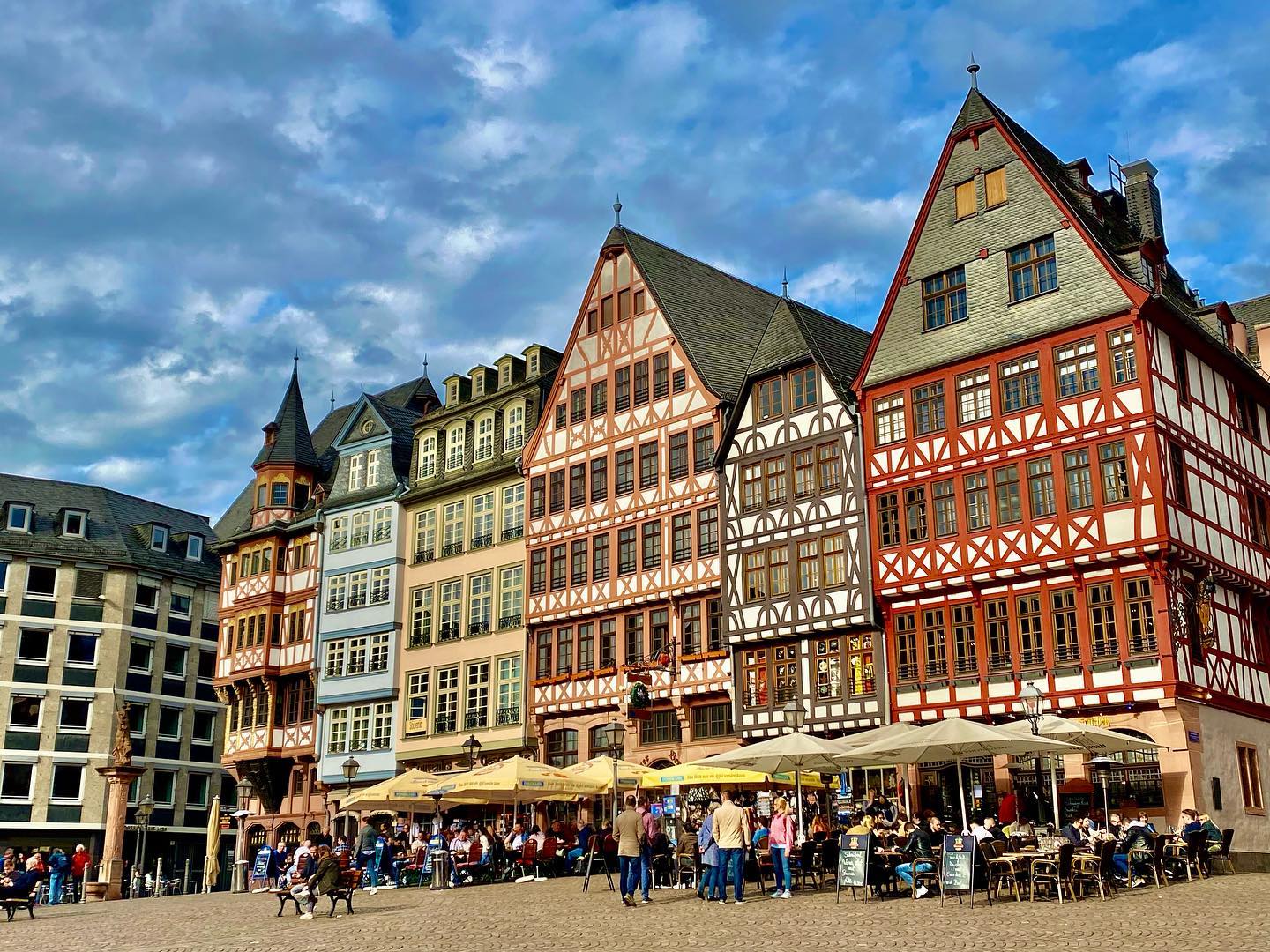
Römerberg is the main square in Frankfurt’s Old Town (Altstadt) and a must-visit spot in the city. The square centres on the Römer, the city’s historic town hall, which has stood there since the early 15th century.
The distinctive stepped-gable facade is Römer’s main highlight. You can also go inside to see the Kaisersaal, or Emperors’ Hall, when it is not in use for any official gatherings.
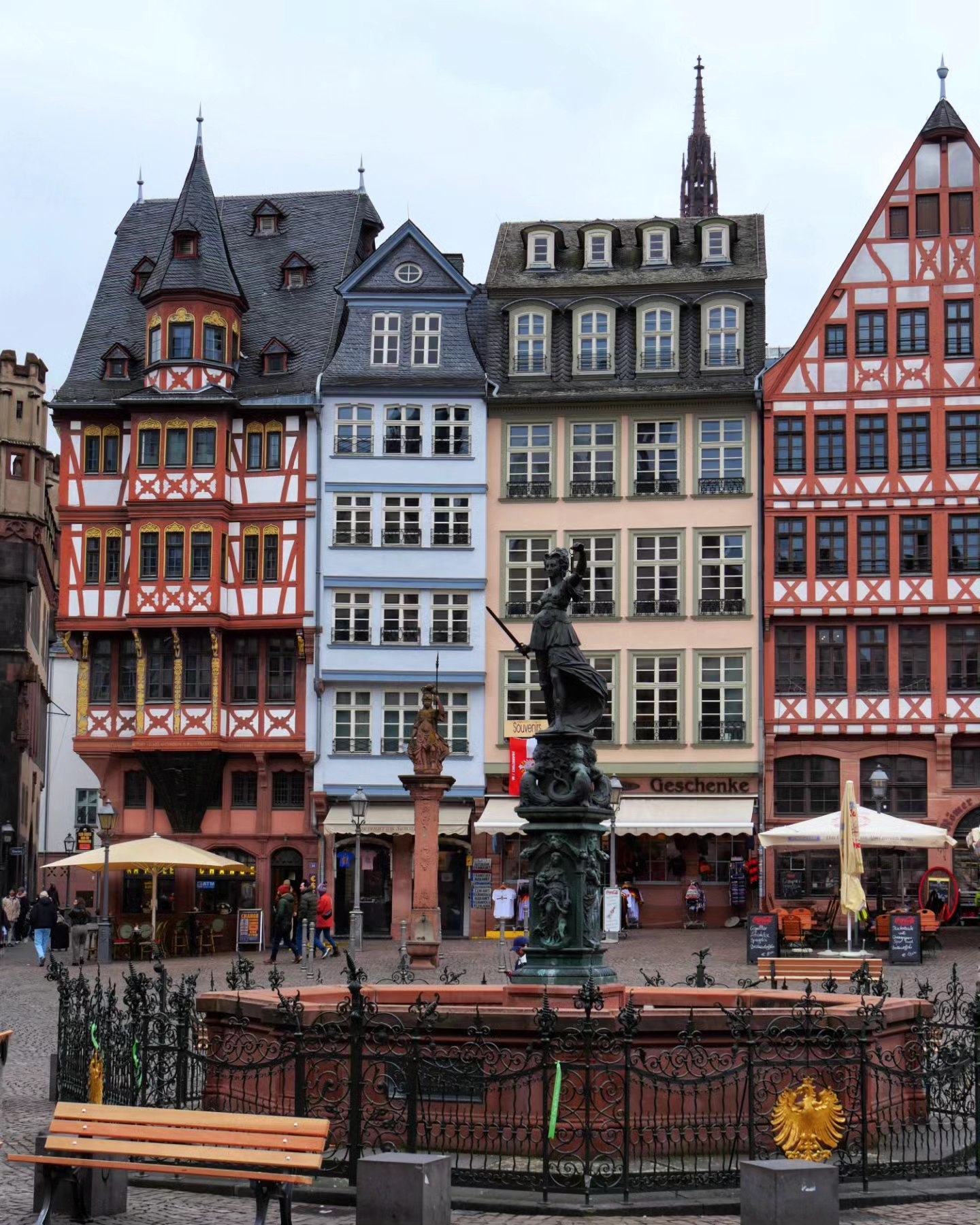
Take time to walk around the square and look at the reconstructed half-timbered houses lining its eastern side. You can sit and relax beside the Justice Fountain for a good view of the square and its surrounding buildings.
From Römerberg, it is easy to continue on foot towards Frankfurt Cathedral, the New Old Town and the River Main, making this a convenient starting point for seeing the historic centre.
2. Visit Kaiserdom St. Bartholomäus
When you continue from Römerberg through the New Old Town, you will reach Kaiserdom St. Bartholomäus or Frankfurt Cathedral. It is historically important as the place where German kings were elected, and Holy Roman Emperors were crowned.
You can go inside to see the cathedral’s Gothic interior and visit the Dommuseum in the cathedral’s medieval walkway. The museum displays historic religious objects, jewellery and other artefacts connected to the cathedral, along with archaeological finds.
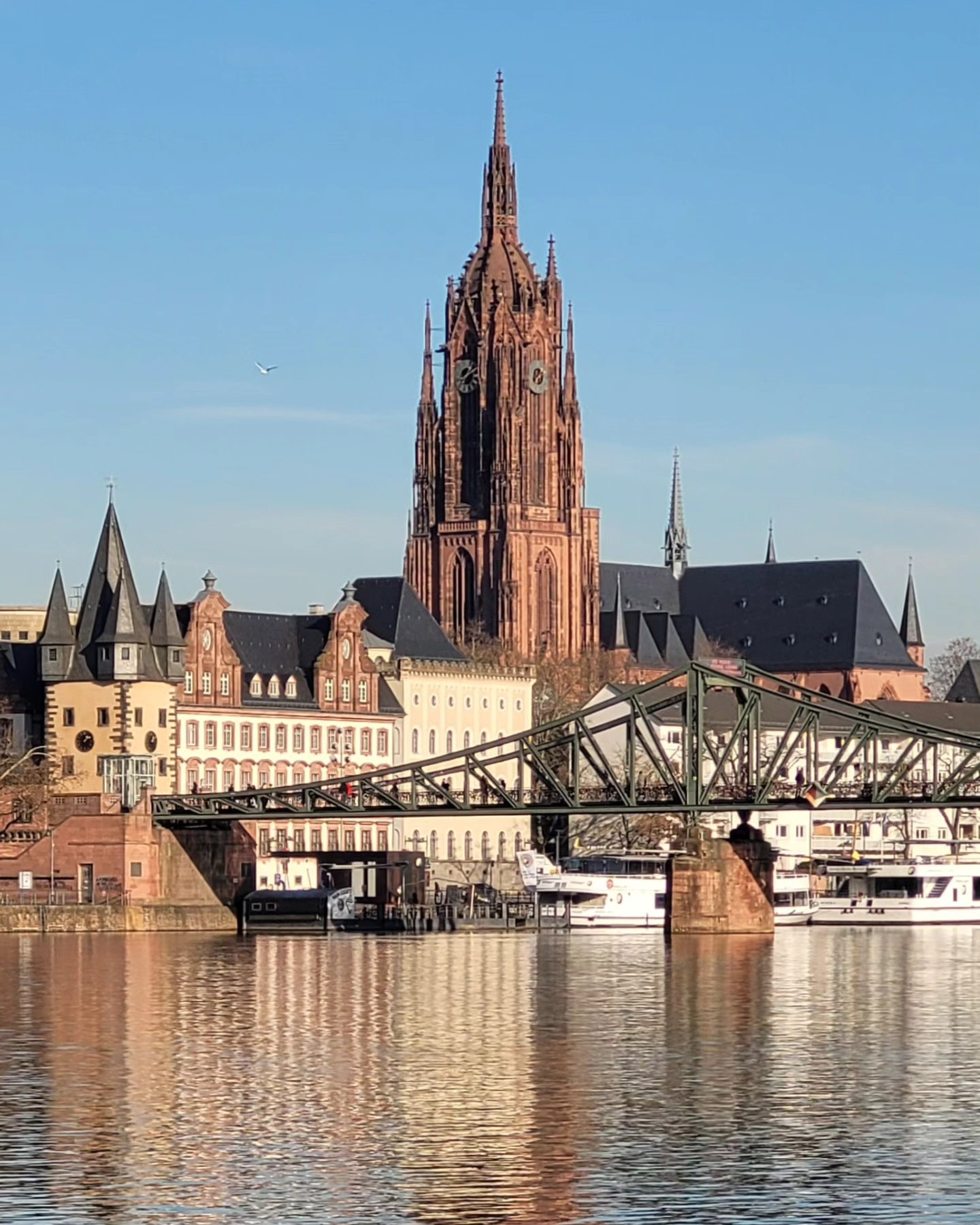
For a wider view of Frankfurt, climb the cathedral tower to the viewing platform, which is 66 metres high and reached by 328 steps.
- Opening hours: 9:00 AM – 8:00 PM (Daily); opening times for the tower and the museum vary
- Entry: Free; a small fee applies for the tower and the museum
3. An Evening at the Alte Oper
The Alte Oper is a historic concert hall on Opernplatz. Although it is no longer Frankfurt’s main opera house, it still hosts a range of performances, including classical concerts, jazz, musicals and occasional opera-related programmes.
The original building opened in 1880 but was badly damaged during the Second World War and reopened in 1981 after reconstruction.
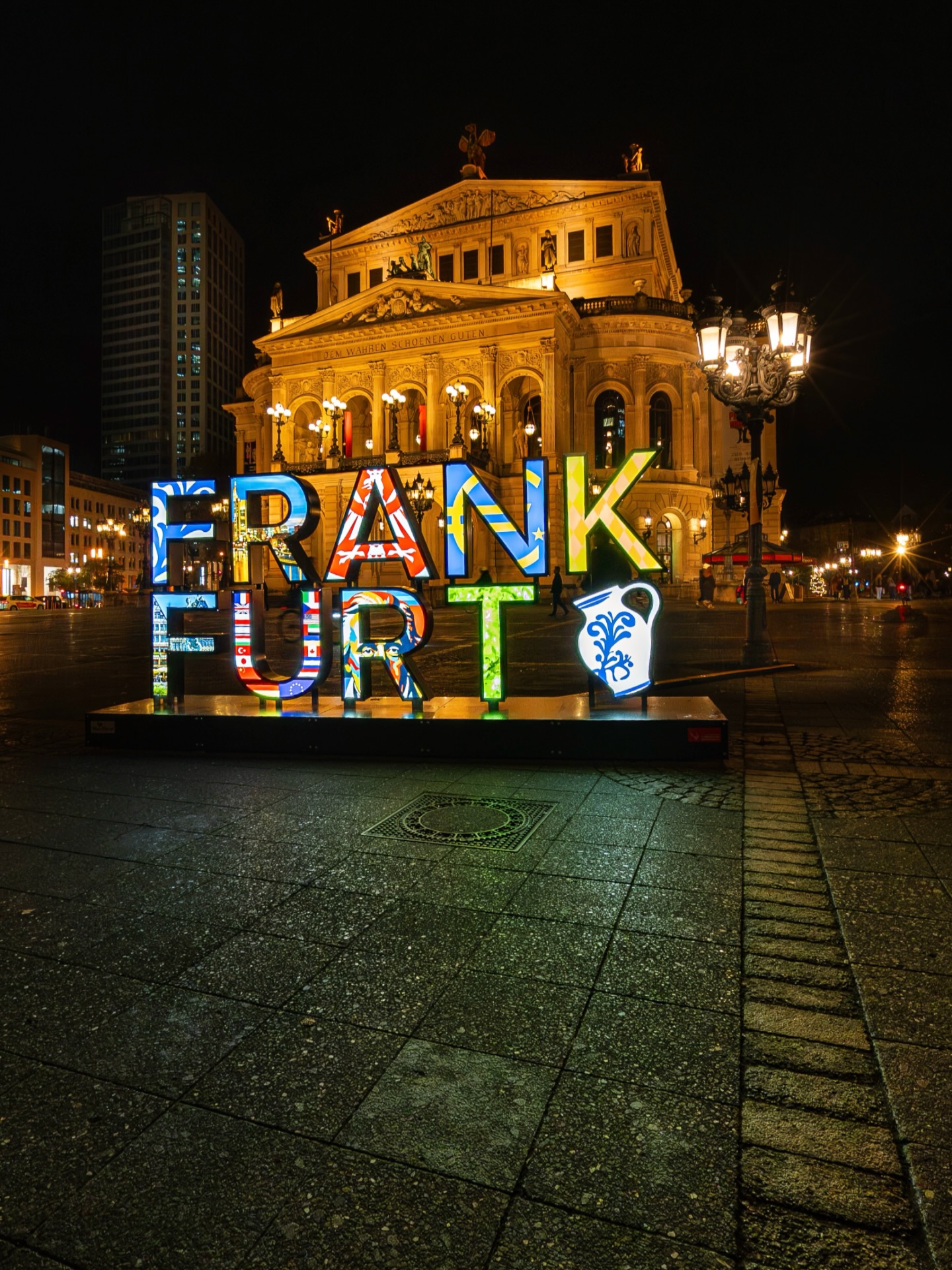
The best way to see the inside is to book a performance. The main Großer Saal is the larger concert hall, while the Mozart Saal hosts smaller concerts and recitals. Check the official programme for upcoming performances on your travel dates.
Guided tours are another option if you want to see the interior without attending a show; these tours last about two hours and are available on selected dates. Most are in German, though you can arrange individual tours in English.
- Public group tours: 10 EUR (approx. 1100 INR) per person
If you want to attend a full-scale opera, choose Oper Frankfurt at Willy-Brandt-Platz instead.
4. Art and Natural History at Frankfurt’s Museums
Frankfurt Museumsufer, or Museum Embankment, includes 39 museums and exhibition venues along the River Main and nearby parts of the city. Pick one or two based on your interests, and give yourself enough time to see them properly.
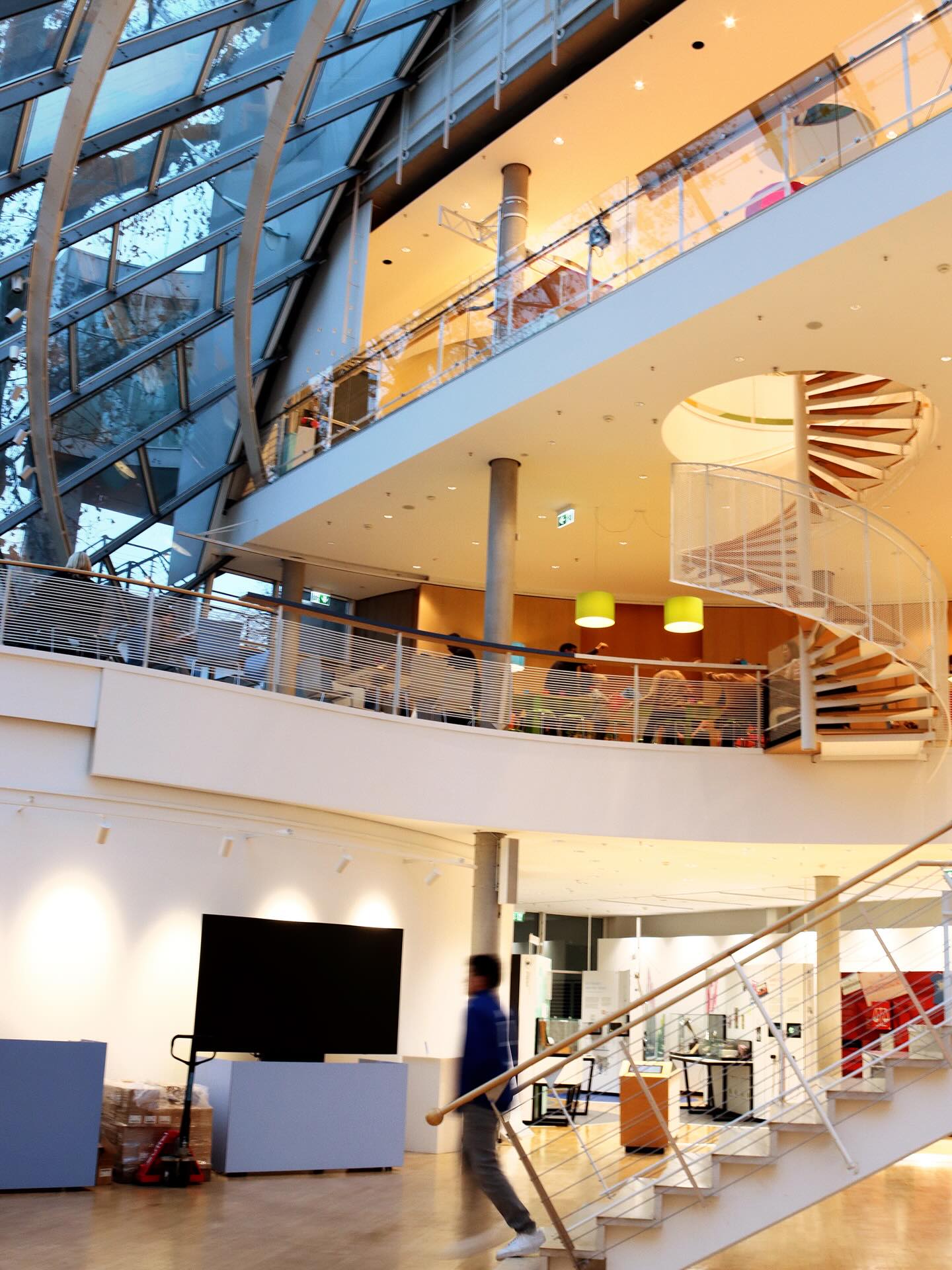
For art, the Städel Museum is a top choice. Its permanent collection covers more than 700 years of European art, from medieval works and Old Masters to modern and contemporary pieces, with paintings, sculptures, and photography.
For natural history, head to the Senckenberg Naturmuseum. The dinosaur exhibits are the key highlight, with skeletons including Tyrannosaurus, Triceratops and Diplodocus, alongside fossils, marine exhibits and other scientific collections.
Städel Museum:
- Opening hours: 10:00 AM – 6:00 PM (Tuesday, Wednesday & Friday through Sunday); 10:00 AM – 9:00 PM (Thursday); Closed on Monday
- Entry: 19 EUR (approx. 2100 INR); 10 EUR (approx. 1100 INR) on Tuesdays after 3:00 PM
Senckenberg Naturmuseum:
- Opening hours: 9:00 AM – 5:00 PM (Monday, Tuesday, Thursday & Friday); 9:00 AM – 8:00 PM (Wednesday); 9:00 AM – 6:00 PM (Saturday, Sunday & public holidays)
- Entry: 12 EUR (approx. 1300 INR)
For multiple museum visits, the MuseumsuferTicket gives access to all 39 museums and their permanent and special exhibitions for two consecutive days. A single ticket costs 21 EUR (approx. 2300 INR).
5. Frankfurt from the Main Tower
The Main Tower is one of the best places to see Frankfurt from above. The 200-metre skyscraper has a public observation deck at 187 metres, with views across the city.
You get to see the cluster of financial towers alongside older parts of Frankfurt, including the historic centre. You can also use the Main Tower app to identify cities and landmarks on the horizon.
Late afternoon is a good time to visit if you want to see Frankfurt in daylight and stay long enough to watch the skyline light up. Keep in mind that this is also the busiest period, so allow some extra time.
Before taking the lift up, have a look around the entrance hall, which includes contemporary artworks such as Stephan Huber’s large mosaic Frankfurt Steps and video art by Bill Viola.
There is also a restaurant on the 53rd floor if you want to have dinner with a view over Frankfurt, though reservations are required.
- Opening hours: 10:00 AM – 9:00 PM (Sunday to Thursday); 10:00 AM – 11:00 PM (Friday & Saturday); Closes early during winter months
- Entry: 9 EUR (approx. 1000 INR)
6. Goethe’s Childhood Home
The Goethe House is the birthplace and childhood home of Johann Wolfgang Goethe, Germany’s most famous writer and poet. The building was destroyed during the Second World War and rebuilt in 1951 using the original plans and historical details.
Today, you can walk through those restored rooms where he grew up and see details of 18th-century life in a wealthy Frankfurt household. One of the most interesting things to look for is the puppet theatre Goethe received from his grandmother as a child.
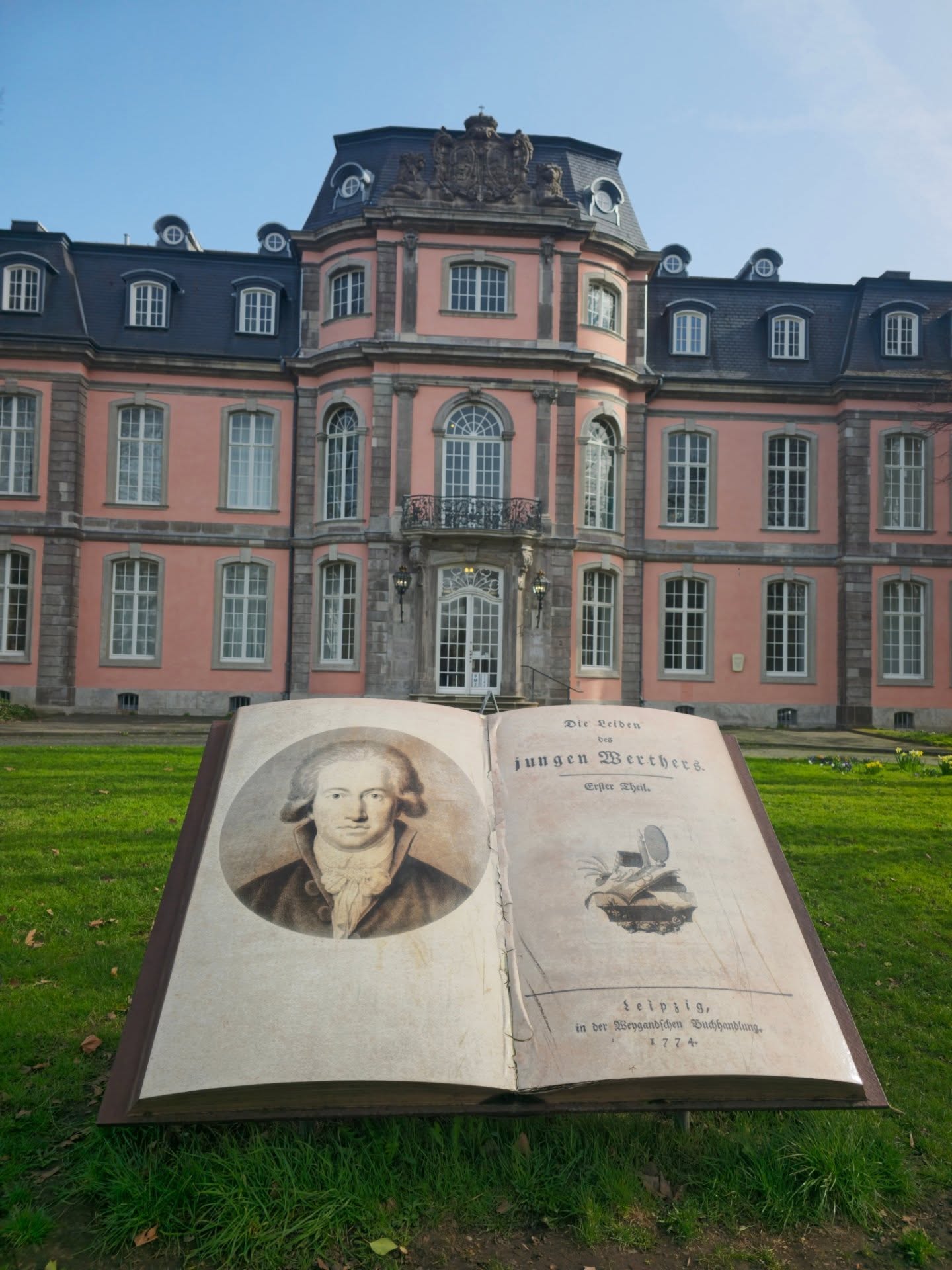
The visit is worth adding even if you are not a Goethe enthusiast because the rooms, furniture and household details make it easy to picture everyday life in Frankfurt during his childhood.
The German Romanticism Museum is next door, so you can visit both during the same stop if you’re interested in literature and cultural history. The admission ticket includes entry to both the Goethe House and the museum.
- Opening hours: 10:00 AM – 6:00 PM (Friday through Wednesday); 10:00 AM – 9:00 PM (Thursday)
- Entry: 12 EUR (approx. 1300 INR); tickets available on-site only
7. A Walk Across the Eiserner Steg
The Eiserner Steg, or Iron Footbridge, is a pedestrian bridge over the River Main that connects Frankfurt’s Old Town with Sachsenhausen.
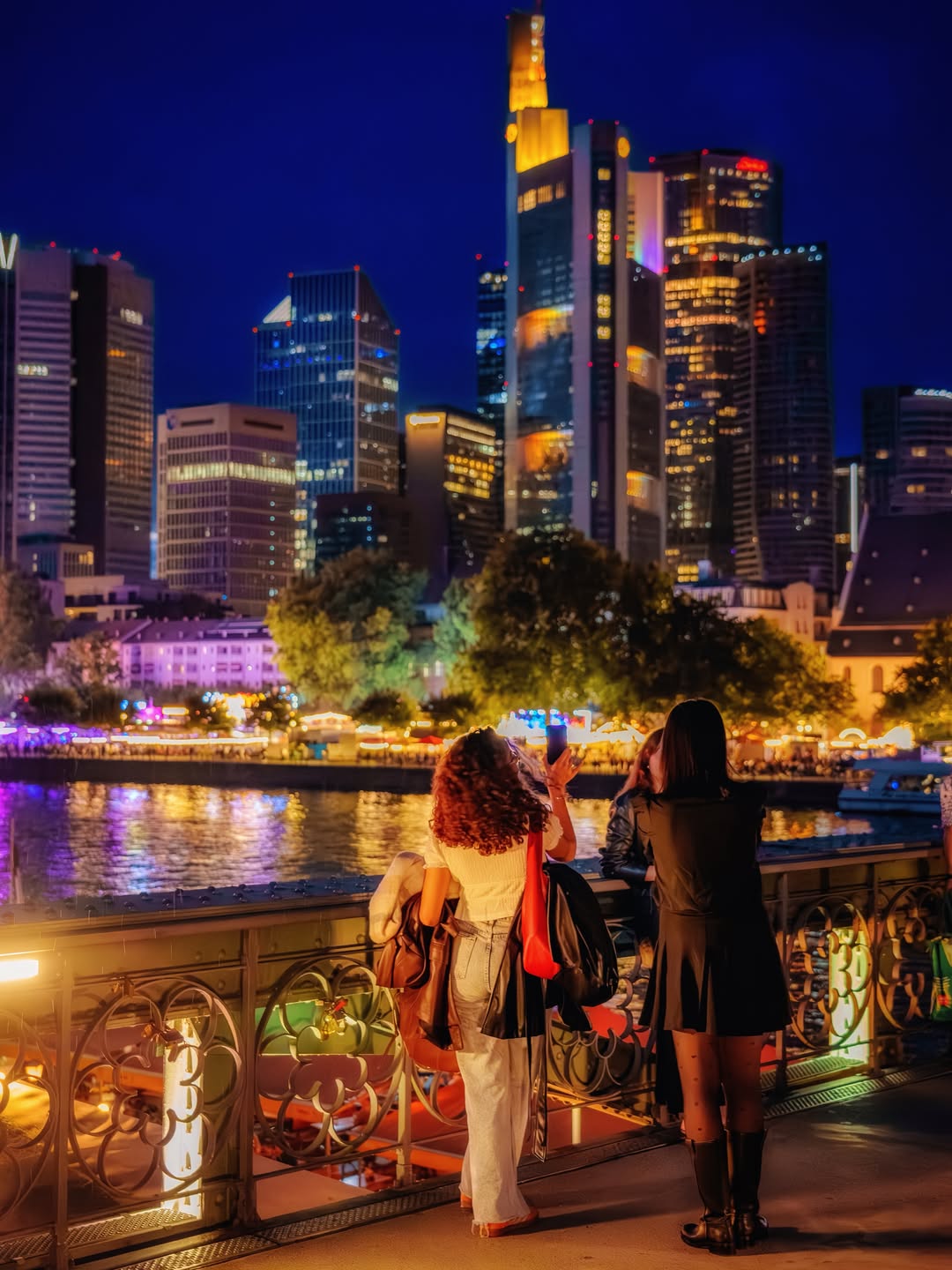
From the bridge, you can see Frankfurt Cathedral and the Old Town on one side, with the city’s modern skyline rising beyond the River Main on the other. You can cross the bridge into Sachsenhausen for its traditional apple wine taverns and nightlife.
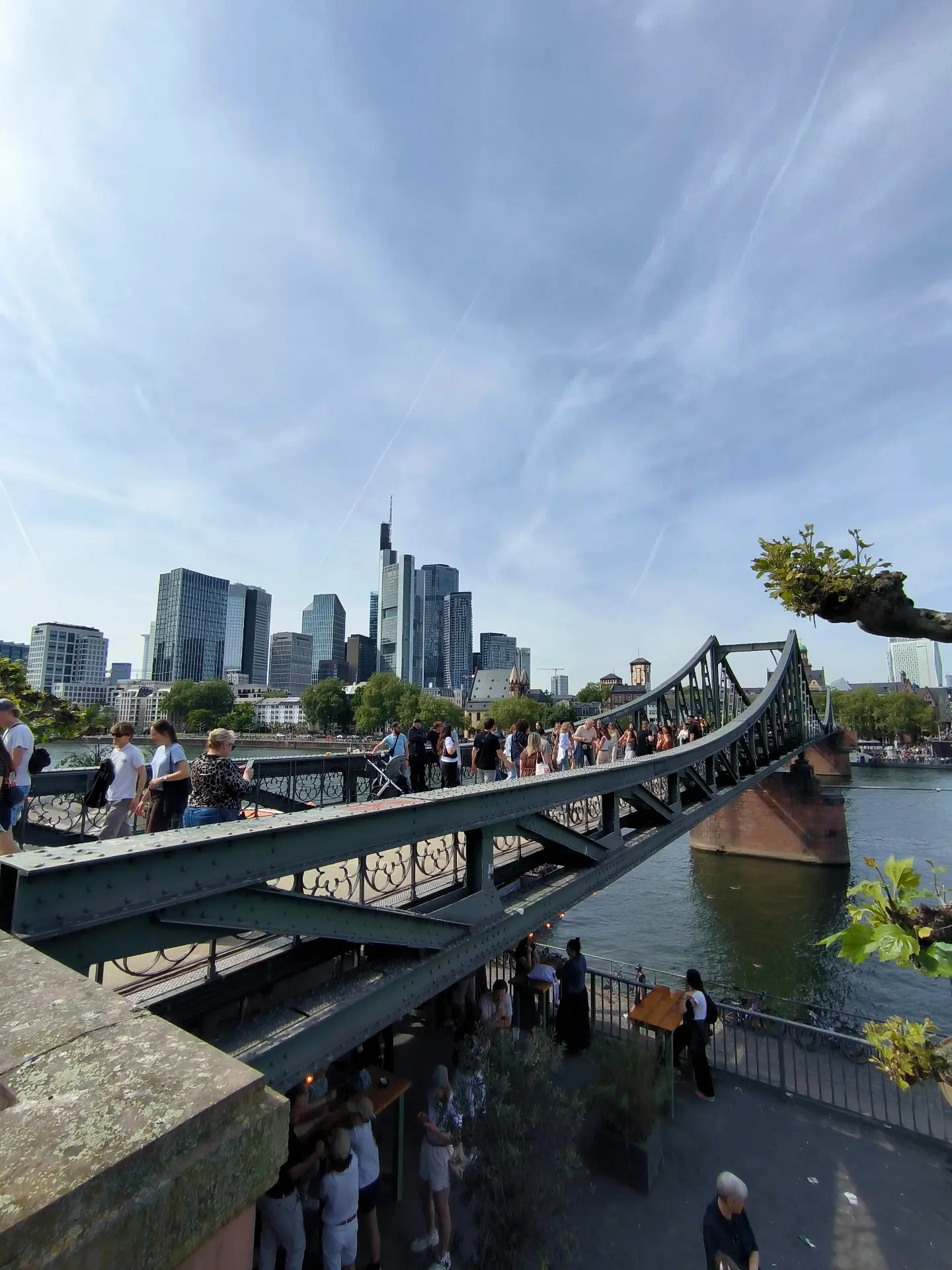
The bridge has thousands of love locks attached to its metal railings. And as you cross, look up for a Greek inscription from Homer’s Odyssey on the bridge. The bridge is open around the clock and costs nothing to cross.
You can also take a boat cruise along the Main, with boats departing from the pier near the Old Town side of the bridge. The cruises last 50 to 100 minutes, and provide different views of the Eiserner Steg, the riverfront and Frankfurt’s skyline.
8. A Day Trip to the Rhine Valley or Heidelberg
Joining a day trip is one of the best things to do in Frankfurt. Heidelberg and the Rhine Valley are two of the easiest choices, but they provide very different experiences.
Heidelberg is a historic town that is easy to see on foot. You can walk through the Old Town, visit the Church of the Holy Spirit, cross the Old Bridge and make your way up to Heidelberg Castle for views over the town and the Neckar River.
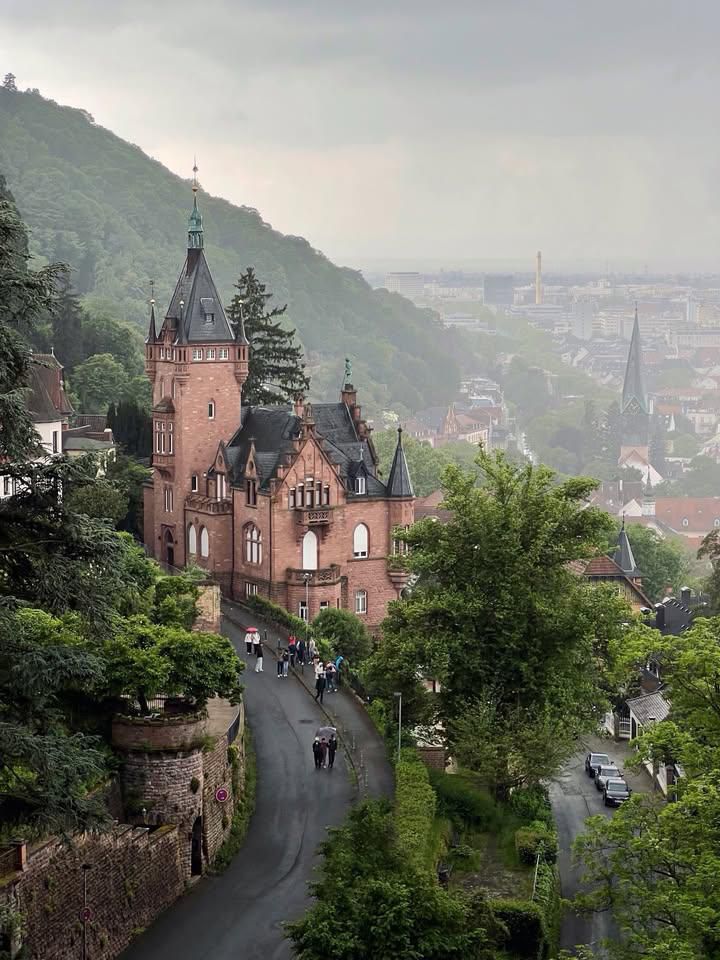
With more time to spare, you can choose the Philosopher’s Walk for a quieter route along the hillside above the river. Frankfurt and Heidelberg are connected by direct trains, with the fastest journeys taking around an hour, making this a practical day trip without a car.
The Rhine Valley is a better choice when you want to spend the day around the river and countryside. The Upper Middle Rhine Valley is a UNESCO World Heritage Site covering a 65-kilometre stretch of the Rhine between Bingen, Rüdesheim and Koblenz. The valley has vineyards, historic towns, steep cliffs and numerous castles and fortresses.
Rüdesheim is a convenient starting point from Frankfurt, where you can walk through the old town and continue along the Rhine. For the classic Rhine experience, add a boat trip when services are running. Rüdesheim is about a 90-minute train ride away from Frankfurt.
9. Local Food at Kleinmarkthalle
Kleinmarkthalle is Frankfurt’s indoor food market in the city centre, with around 60-150 traders and stalls selling fresh produce, prepared food and ingredients from Germany and around the world.
A must-try is apple wine, Frankfurt’s signature alcoholic drink. Local specialities include Frankfurter Würstchen, Grüne Soße, Frankfurter Schnitzel and Handkäse mit Musik.
You can pick up bread, cheese, meat, and fresh produce. You will also find international cuisines, including Italian, Spanish, Turkish, Japanese and Middle Eastern.
It is a great spot to sample dishes, and the upper gallery gives you a place to sit, eat and have a drink after walking around the market.
- Opening hours: 8:00 AM – 6:00 PM (Monday to Friday); 8:00 AM – 4:00 PM (Saturdays); Closed on Sundays and public holidays
10. Walk Through Palmengarten
Palmengarten is Frankfurt’s botanical garden, covering almost 20 hectares and containing around 13,000 plant species from around the world. It has been open since 1871 and includes outdoor gardens and large glasshouses.
Start with the Palm House, the garden’s oldest major glasshouse, which dates back to 1869. Inside, you will find palms, ferns and other tropical plants, along with a small cave, water features and a stream.
The Tropicarium is another main stop, made up of 14 interconnected greenhouses where plants are arranged by climate and habitat, from humid rainforests and mangroves to dry tropical regions and semi-deserts.
There are also outdoor gardens with ponds, lawns and themed planting areas, so leave some time to walk between the glasshouses rather than visiting only the indoor sections.
From October to around mid-April, you can see tropical butterflies in the warm greenhouse at the Flower and Butterfly House.
- Opening hours: 9:00 AM – 7:00 PM (Daily, from March to October); 9:00 AM – 6:00 PM (Daily, from November to February)
- Entry: 9 EUR (approx. 1000 INR)
11. Food, Bars and Nightlife in Bahnhofsviertel
Bahnhofsviertel is a neighbourhood around Frankfurt Central Station, with restaurants, cafes, bars, clubs and a long-established red-light area.
Kaiserstraße and Münchener Straße are good places to begin, with Middle Eastern, Mediterranean and Asian restaurants and cafes. For the rest of the evening, you can continue to the neighbourhood’s bars, cocktail spots, clubs and live-music venues.
The atmosphere changes around Taunusstraße, Elbestraße and parts of Moselstraße, where the red-light activity is more concentrated. If you walk through these streets, stay alert, keep your belongings secure and avoid getting involved with people buying or selling drugs.
Conclusion
You do not need a long list to experience Frankfurt well. The Old Town, Frankfurt Cathedral and the Eiserner Steg can be covered together, while the Main Tower, museums and Palmengarten work well as separate stops.
Add the Alte Oper for an evening, Kleinmarkthalle for local food and Bahnhofsviertel if you want to see a different side of the city. Heidelberg or the Rhine Valley can then fill an extra day outside Frankfurt.
With so many things to do in Frankfurt, the best itinerary depends on how much time you have and what you want to see. Contact Dimaak Tours for help planning your Frankfurt trip, including sightseeing, activities and day trips.
FAQs About Things to Do in Frankfurt, Germany
1. What are the best things to do in Frankfurt for a first-time visitor?
For a first visit, walk around the Old Town and Römerberg, then continue through the New Old Town to Frankfurt Cathedral and the Eiserner Steg. Trying local food is also a must, and Kleinmarkthalle is a convenient place to sample Frankfurt specialities.
For city views, head to the Main Tower, where you can see the older parts of Frankfurt alongside the modern financial district. In the evening, plan to attend a classical concert, jazz show, or musical at the Alte Oper, join a guided tour of the building or spend time around Opernplatz, a popular spot for photos.
2. What are the best things to see and do in Frankfurt in 2 days?
For two days, spend the first day around Römerberg, the New Old Town, Frankfurt Cathedral, the Eiserner Steg and Kleinmarkthalle. On the second day, you can visit one or two of the Städel Museum, Senckenberg Naturmuseum, or Palmengarten, but make time to go up the Main Tower. End the day with an evening at the Alte Oper or in Bahnhofsviertel.
3. Which Frankfurt neighbourhoods should you visit for food, culture and nightlife?
For history and culture, visit the Old Town (Altstadt) and the Museumsufer area. For food, head to Kleinmarkthalle and the streets around Münchener Straße and Kaiserstraße in the Bahnhofsviertel neighbourhood. Bahnhofsviertel also has bars, clubs and live music venues, while Sachsenhausen is a great place to try apple wine.
4. What are the best day trips from Frankfurt?
Heidelberg is a good choice for a day of historic streets, Heidelberg Castle, the Old Bridge and views along the Neckar River. For vineyards, castles and river scenery, choose the Rhine Valley, with Rüdesheim being a convenient starting point from Frankfurt. You can visit both as day trips, with Heidelberg being the simpler option for independent travel.
