


Key Takeaways:
|
Temples in Vietnam are a common stop on most travellers’ itineraries. It is important to know that it is not just a tourist site but an actual place of worship visited by monks and pilgrims. Showing respect and following the temple rules are a must.
Some of the Vietnamese temples mentioned in this guide date back over 1000 years and have survived wars and floods. If you are interested in history, spirituality, ancient architecture, or want to experience Vietnam beyond its beaches and party life, these temples can take you back in time.
10 Ancient Temples to Visit in Vietnam
Vietnam has hundreds of temples spread across the country, in major cities such as Hanoi, Da Nang and Ho Chi Minh City. This article provides details on what to expect in each temple and where they are located.
1. Perfume Pagoda (Huong Pagoda)
- Timings: 6 am – 6 pm
- Location: Mỹ Đức, Hanoi (58 km from central Hanoi)
- Entry fee (approx): Cable car round trip: 642 INR & Entry: 285 INR
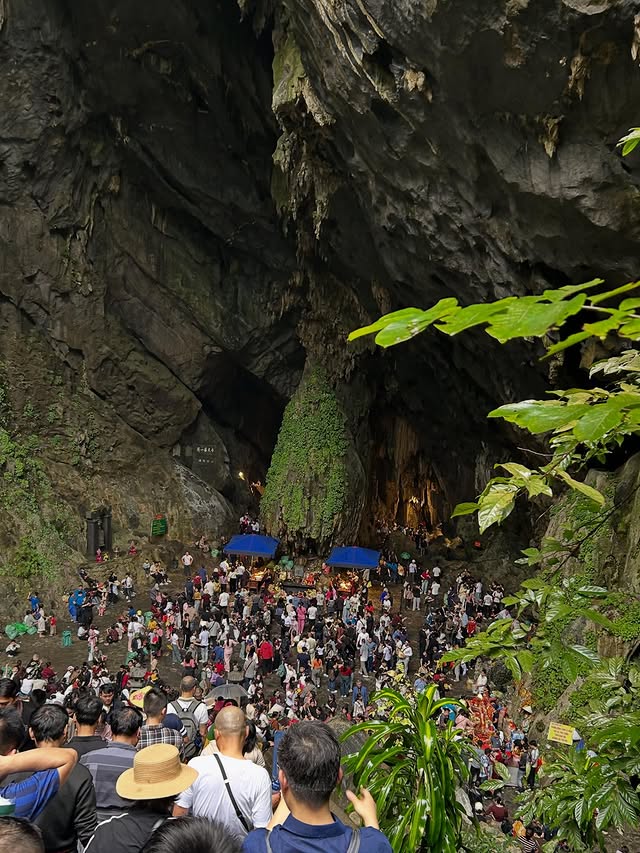
The Huong Pagoda is not a single temple; it is a complex of shrines and caves located in the limestone mountains.
From Hanoi, it takes a 1.5-hour drive, followed by a scenic boat ride for one hour on the Yen River that gives beautiful views of limestone along the way. You can take a 2-km mountain hike or cable car to reach the cave entrance.
2. Tran Quoc Pagoda
- Timings: 7:30 am to 11 am & 1:30 pm to 5 pm
- Location: Thanh Niên, Yên Phụ, Hanoi
- Fee: Free to enter
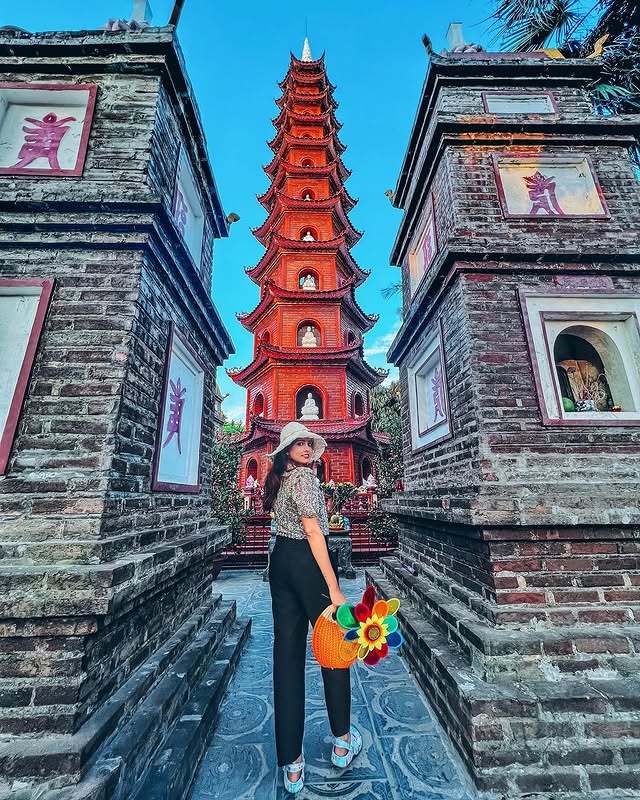
Tran Quoc Pagoda is a Buddhist temple in Hanoi, built in the 6th century on the banks of the Red River. Later, in 1615, it was moved to an island on West Lake by disassembling the wooden structure and rebuilding it at the new site.
Many Indians come to see the Bodhi tree in the courtyard. It was grown from a cutting of the original tree in Bodh Gaya. It was gifted by Indian President Rajendra Prasad to President Ho Chi Minh in 1959.
3. Bai Dinh Pagoda
- Timings: 7 am – 9 pm
- Location: Ninh Binh, Vietnam
- Entry fee: Free
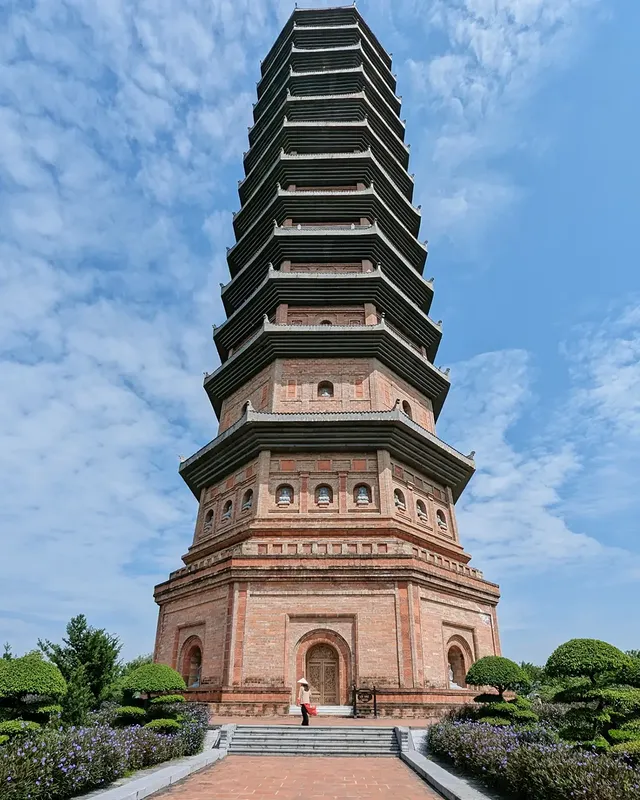
Bai Dinh Pagoda is one of the largest Buddhist complexes in Southeast Asia; it covers over 539 hectares in the hills of Ninh Binh. It has large temple halls, long corridors, 500 statues, a 36-tonne bronze bell, and an 80-tonne bronze Buddha.
You can also book a Ninh Binh tour from Hanoi, as most trips include this pagoda in their itinerary.
This Bai Dinh Pagoda complex was built between 2003 and 2010 near the older pagoda. The pagodas date to the 11th century, and you need to take a 30-minute hike to visit.
As the pagoda is located in the Bai Dinh mountain range, it offers a quiet, natural experience with lakes and limestone formations, taking you away from city noise.
4. Thien Mu Pagoda
- Timings: 8:00 AM – 6:00 PM
- Location: Nguyen Phuc Nguyen Street, Huong Long Ward, Hue
- Entry Fee: Free
Thien Mu Pagoda is the oldest pagoda in Hue, built in 1601 by Lord Nguyen Hoang on Ha Khe Hill, north of the Perfume River.
The pagoda features Phuoc Duyen Tower. This is a seven-storey structure built in 1844, with each floor dedicated to a different Buddhist sutra.
Inside the compound, in the Dai Hung Shrine, there are statues representing the past, present, and future Buddhas, and a 12-tonne bronze bell that was cast in the 17th century.
5. My Son Sanctuary
- Timings: 6 am – 5 pm
- Location: Duy Phú, Thu Bon, Da Nang, Vietnam (40 kms from Da Nang city centre)
- Entry Fee: Approx. 500 INR (includes shuttle ride)
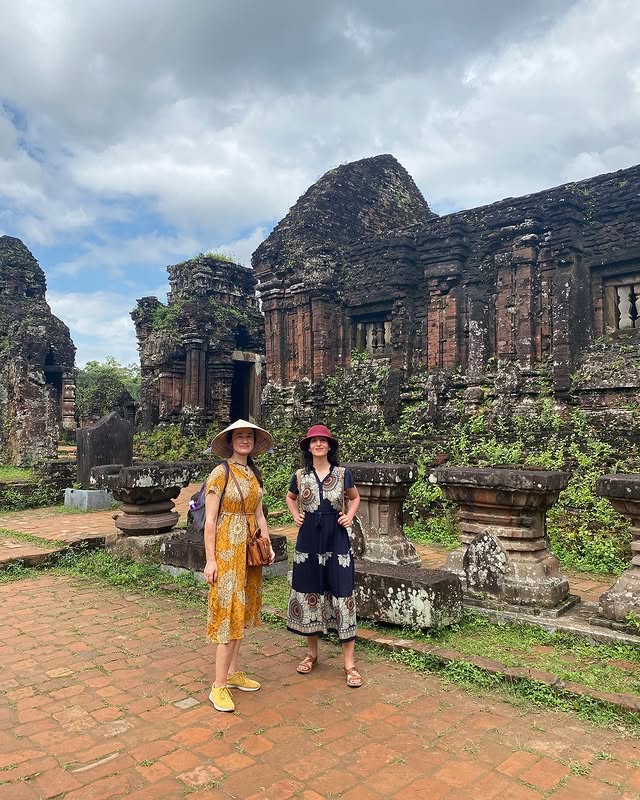
My Son Sanctuary is a UNESCO World Heritage Site, built between the 4th and 13th centuries by the Champa Kingdom.
The temple was used as a Viet Cong base during the war and suffered significant bomb damage, but some parts of the temple are preserved.
It is a protected archaeological site and the most important Hindu complex in Vietnam
dedicated to Lord Shiva. You will see many linga structures and carvings that are related to Hindu mythology.
6. Linh Ung Pagoda (Son Tra)
- Timings: 6 am – 7 pm
- Location: Son Tra Peninsula, Da Nang
- Entry Fee: Free
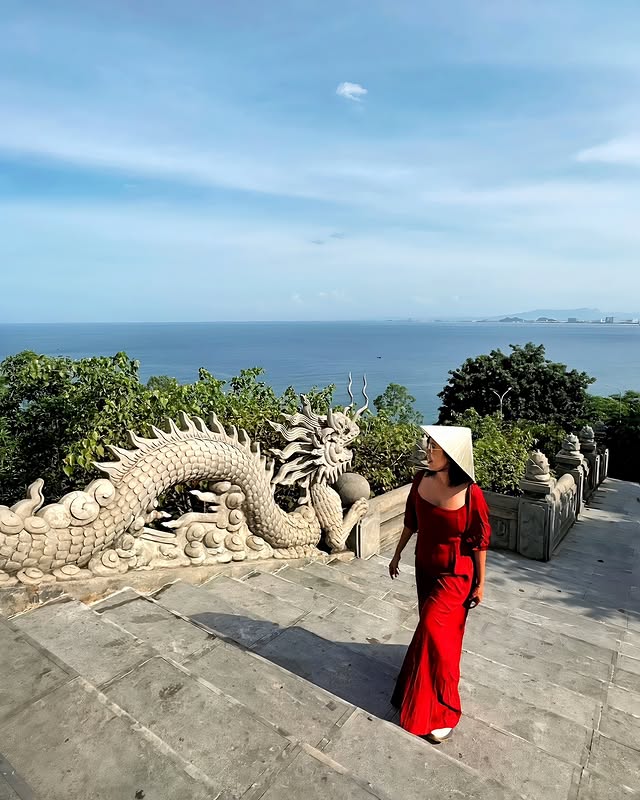
Linh Ung Pagoda is one of the most visited temples in central Vietnam for its 67-metre-tall Lady Buddha statue. It is located on the Son Tra Peninsula, with a beautiful view of the coastline and Da Nang city.
There are three Linh Ung Pagodas in Da Nang, but this is the largest and most visited; nearly 2.5 million people come here every year.
The Lady Buddha faces the city with one hand raised, as if in blessing. Locals believe her presence has protected Da Nang from typhoons since her inauguration.
After visiting the hilltop, you can walk the garden path lined with 18 white marble Arhat statues, each carved from a single block of marble.
7. Po Nagar Cham Towers
- Timings: 6 am – 5:30 pm
- Location: Vĩnh Phước, Bắc Nha Trang, Khánh Hòa
- Entry Fee: Approx. 470 INR
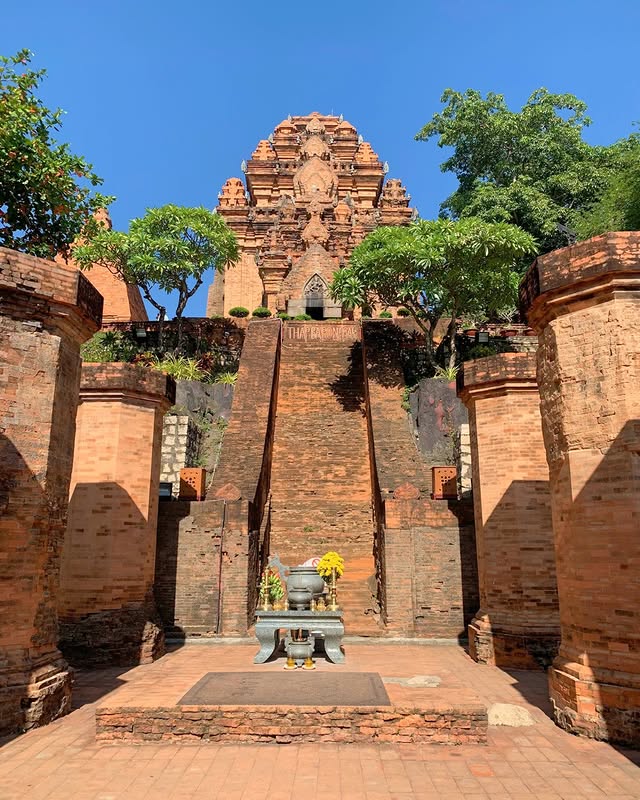
The Cham people built Po Nagar Cham Towers between the 7th and 12th centuries. The temple honours the goddess Yan Po Nagar. Locals believe the goddess created the land and protects the people.
The main tower rises 28 metres, making it one of the tallest surviving Cham structures in Vietnam. You will find statues of Shiva, Nandi, and Garuda, which make the architecture familiar to Indian visitors.
8. Jade Emperor Pagoda
- Timings: 7 am – 6 pm
- Location: 73 Mai Thi Luu Street, District 1, Ho Chi Minh City
- Entry Fee: Free
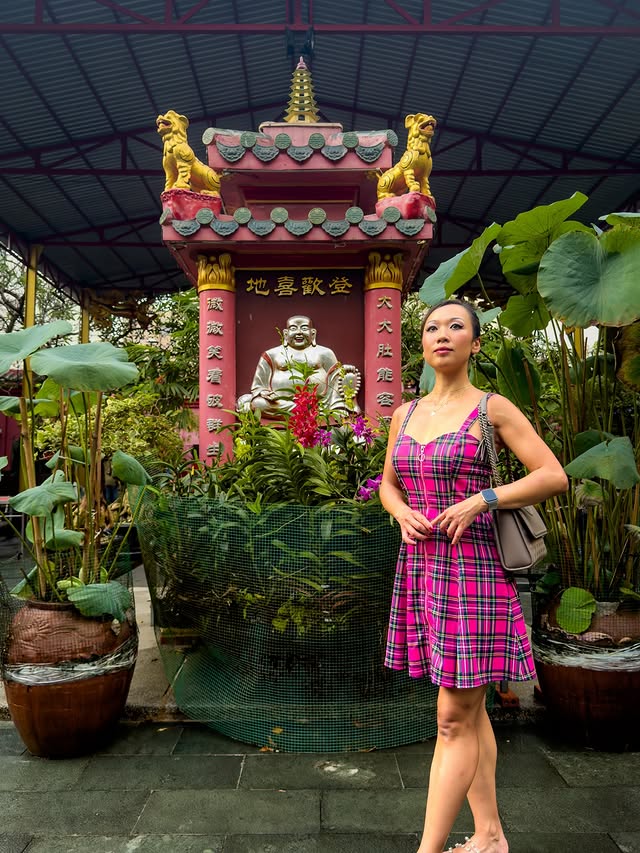
Jade Emperor Pagoda in Ho Chi Minh City was built in 1909 by a Chinese merchant named Luu Minh.
The central chamber worships the Jade Emperor, the supreme ruler of heaven in Chinese religious tradition. There are different rooms inside representing life, such as birth, destiny, and the afterlife.
The pagoda has around 300 statues, but one of the most visited is the Kim Hoa Thanh Mau (Goddess of fertility), and many Vietnamese couples come to pray for children.
9. Cao Dai Temple
- Timings: 7 AM – 10 PM
- Location: Pham Ho Phap Street, Long Thanh Bac, Hoa Thanh District, Tay Ninh
- Entry Fee: Free
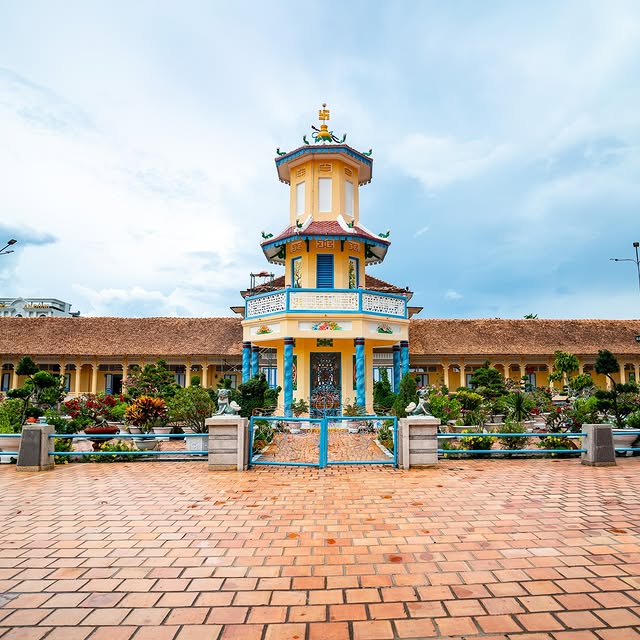
Cao Dai Temple is the centre of Caodaism, a religion established in Vietnam in 1926 that combines Buddhism, Taoism, Confucianism, Christianity, and spiritism.
Even the architecture is different from other temples in Vietnam, as it has pastel pink and yellow towers on the outside, like a European basilica.
The most distinctive element is the Divine Eye at the main entrance and inside the main hall, which represents the supreme God of Cao Dai.
10. Vinh Trang Pagoda
- Timings: 6:30 am – 7 pm
- Location: Nguyen Trung Truc Street, My Tho, Tien Giang Province (70 km from Ho Chi Minh City)
- Entry Fee: Free
Vinh Trang Pagoda, built in the mid-19th century and completed in 1850, is usually included in Mekong Delta trips from Ho Chi Minh City.
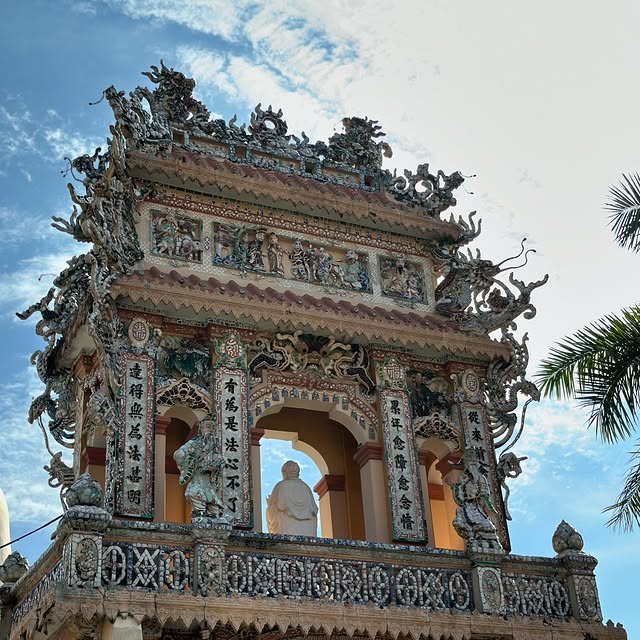
The architecture is what makes the pagoda different, combining French colonial design with Chinese roof structures and Cambodian detailing.
The entrance gate was built in 1933 and has ceramic mosaic work with dragons and phoenixes. Inside the main hall, there are around 60 Buddha statues. One of the main highlights is the 18 wooden Arhat statues, each carved with different expressions and postures.
Important Information to Know Before Visiting Temples in Vietnam
- Men and women should wear clothes that cover their shoulders and knees.
- Remove your footwear before entering prayer halls.
- Carry cash in VND for tickets or to make donations.
- Don’t talk aloud or make noise, especially be mindful during prayer times.
- Some temples do not allow photography inside, so follow the rules.
Conclusion
The guide lists the best temples in Vietnam to visit, with more than 1,500 years of religious and cultural history.
For more details about temple visits in Vietnam or to create an adventurous itinerary for Vietnam, contact Dimaak Tours. We curate personalised Vietnam tour packages for families, solo travellers, and honeymooners.
FAQs on Temples in Vietnam
1. Are there Hindu temples in Vietnam?
Yes. The popular Hindu temples in Vietnam are My Son Sanctuary (near Da Nang), Po Nagar Towers (Nha Trang), and Po Shanu Towers (Mui Ne).
2. Which temples are closest to Hanoi city centre?
There are many temples in Hanoi’s central area, including the Temple of Literature, Ngoc Son Temple, Quan Su Pagoda, and Kim Lien Temple.
3. What should you wear when visiting the temples in Vietnam?
Men and women must cover their shoulders and knees when visiting temples. Take a scarf or buy one if there are any shops nearby to cover in case you wear sleeveless.
4. What is the oldest temple in Vietnam?
Dau Pagoda is the oldest temple in Vietnam, located in Bac Ninh province. It was founded in the 2nd century by the Indian monk Khau Da La.
