


Key Takeaways:
|
Much like how Indians play Holi with colours, Thailand’s Songkran does it with water.
For Indian tourists, Songkran Water Festival feels instantly familiar yet beautifully different. It is Thailand’s New Year celebration. During Thailand’s Songkran, locals come to the streets with water guns, buckets, wearing Hawaiian shirts & hats, and expect laughter, music, and cheering crowds everywhere.
Songkran Festival is Thailand’s most famous celebration, where strangers become friends within minutes. It is held every April, and transforms cities into joyful splash zones while retaining deep cultural and spiritual significance.
This guide covers what Songkran is, when it’s celebrated, the best places to experience it, what to wear, and how to enjoy it safely as a tourist.
What is the Songkran Festival?
The word Songkran comes from Sanskrit, meaning ‘to move’ or ‘to pass’, symbolising the shift of the sun into a new zodiac sign and the beginning of a fresh year. It is the traditional Thai New Year.
When is Songkran Celebrated in Thailand?
Songkran is celebrated from the 13th of April to the 15th of April every year.
- 13th April: End of the old year
- 14th April: Day of transition
- 15th April: Beginning of the New Year
These dates are official public holidays in Thailand, but celebrations begin early on 12th April and often extend beyond 15th, depending on the city. The celebration lasts a full week till 19th to 20th April, in cities like Pattaya & Chiang Mai.
Traditional vs Modern Celebration of Songkran
The festival has evolved significantly over time. While the traditions remain rooted in their origins, the festival’s focus has shifted toward fun water fights.
Traditional Songkran Celebration
It was considered a festival of respect & renewal. Thai people used to follow these key traditions:
- Water pouring on Buddha statues for purification
- Rod Nam Dum Hua- gently pouring scented water on elders’ hands to seek blessings
- Temple visits to offer food to monks and make merit
- Cleaning homes to remove negative energy
Family gatherings were central to the celebration.
Note: If you are visiting temples, it is advisable to know what to wear to respect their customs.
Modern Songkran: Streets Turn into Celebration Zones
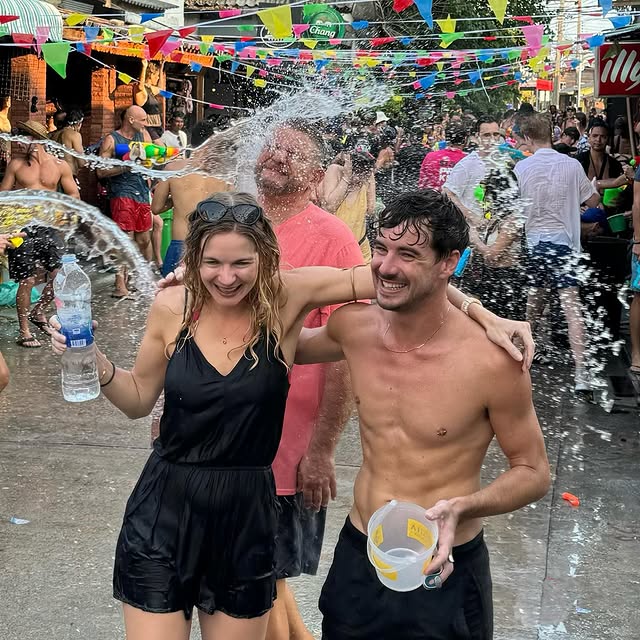
Today, the Songkran festival includes big water fights, where people use water guns, buckets and hoses. There are street parties, music, and many locals and tourists celebrating together. Cities become lively splash zones, and the fun usually lasts several days.
Although it’s louder and more playful now, modern Songkran still shares the same spirit of renewal and togetherness.
Locals and tourists alike get drenched, and no one is spared!
Why Does Water Fight Happen During Songkran?
Water is the heart of Songkran, and its meaning goes far beyond fun.
Traditionally, scented water was gently poured over Buddha statues and elders’ hands as a sign of respect and to seek blessings for the new year.
This ritual symbolises purification, renewal, and the washing away of misfortune. Over the years, the practice evolved from symbolic sprinkling into friendly water fights, especially among younger generations.
Today, while water guns and buckets dominate the streets, the cultural meaning remains the same: starting the New Year clean, refreshed, and free of negativity.
Best Places to Celebrate Songkran in Thailand
Some of the best places to visit in Thailand to celebrate Songkran are-
|
City Name |
Where to Celebrate |
Dates |
| Bangkok |
Silom Road & Khao San Road Known for high-energy water fights, street parties, and a mix of tradition with nightlife |
13 to 15 April |
|
Chiang Mai |
Old City moat turns into a massive water-fighting arena; cultural rituals, parades, and temple visits. |
13 to 19 April (can last up to a week) |
|
Phuket |
Patong Beach is the main hotspot with beachside parties and all-day water battles. |
13 to 15 April |
|
Pattaya |
Famous for Wan Lai, an extended Songkran celebration held across the city |
16 to 19 April (after official dates) |
What Tourists Should Wear During Songkran
As a tourist, if you are visiting during this time, be ready to get wet; there’s no avoiding it.
Festival Scenes: Locals stand on the streets, back alleys and in the middle of the road with water guns and drums full of water to splash playfully. Vehicles drive around with passengers splashing water on pedestrians.
Note: For Thai people, it doesn’t matter who you are or what you are wearing; you will be the target. So, dressing smartly can make your experience far more comfortable.
- Wear light, quick-drying clothes
- Choose flip-flops or waterproof sandals
- Carry a waterproof pouch for your phone and money
- Avoid white or delicate fabrics
- Skip heavy makeup and leather accessories
Comfort and practicality matter more than style during Songkran.
Do’s and Don’ts of Songkran Festival 2026
While visiting Thailand during the Songkran Festival, as a tourist, you need to note a few things for a joyful experience. If you are taking part in this festive spirit, remember these-
Do’s
- Use clean water only to take part in water fights
- Be respectful near temples and religious sites
- Smile and enjoy the spirit of the festival
- Ask before splashing elders if unsure
Don’ts
- Do not splash monks, elderly people, babies, or pregnant women
- Avoid using ice-cold or dirty water
- Never splash people riding motorbikes
- Avoid aggressive behaviour, Songkran is meant to be friendly
Following these simple rules ensures a fun and respectful experience.
Is Songkran Safe for Tourists?
Songkran is generally safe, but the scale of celebrations means tourists should stay cautious. Roads can be slippery, crowds can get dense, and alcohol consumption increases in party areas.
- Use public transport or walk short distances
- Keep valuables sealed and secure
- Avoid riding scooters during peak water-fight hours
- Solo travellers and women should stick to busy, well-lit areas
With basic awareness, Songkran is an enjoyable and safe festival for tourists.
Travel Tips for First-Time Songkran Visitors
- Book accommodation early, especially near popular celebration areas
- Choose hotels slightly away from main roads if you want quiet nights
- Expect delays and limited transport during peak hours
- Carry cash in waterproof covers
- Respect local customs, as it is still a New Year celebration
Planning ahead can make a huge difference during this busy period.
Conclusion
While Songkran may not align with the ideal travel season in Thailand, it still attracts many enthusiastic tourists eager to experience the vibrant festivities and culture. As it is the world’s largest water-fighting festival, where streets turn into giant splash zones. But beyond the fun, it has deep religious and cultural significance.
As you join in the lively water fights, savour delicious Thai cuisine, and participate in traditional rituals, you’ll forge lasting memories and connections.
So, join the excitement of Songkran, and let the celebration bring you joy. Whether you want to have fun, learn about the culture, or seek adventure, Songkran is a lively festival that welcomes everyone to participate.
At its core, Songkran is about cleansing bad luck, showing respect to elders, and making merit at temples. So, when you get this opportunity in a foreign land, seize it, as it is not just a festival; it’s a once-in-a-lifetime cultural experience.
It blends tradition, spirituality, and pure fun, making it one of the world’s most unique New Year celebrations. If you love culture, travel, and festivals, Songkran in Thailand should be on your bucket list.
FAQs About Songkran Water Festival
Can tourists participate in Songkran?
Yes, tourists are welcome and encouraged to join the celebrations, as long as they follow local customs.
Is Songkran only about water fights?
No. Songkran also includes temple visits, merit-making, and family rituals.
Are shops and attractions closed during Songkran?
Some businesses close briefly, but major tourist areas remain active.
Is Songkran family-friendly?
Yes, especially during the daytime and in cultural zones.
