


The Maldives is a beautiful place, with islands surrounded by clear blue water. But the true magic lies underwater
Scuba diving in the Maldives is more than just an activity; it gives you a chance to explore one of the richest marine environments on Earth. With over a thousand coral islands, the Maldives attracts divers worldwide.
You may see manta rays swimming gracefully and whale sharks moving calmly through the water. For the best diving experience, going to the Maldives at the right time is the way.
Understanding the best time for scuba diving in the Maldives
- November to April: If you prefer calm seas, clear water with visibility up to 30 metres, and lots of sunshine, this dry season is ideal. This period is excellent for beginners and those who want to take underwater photos.
- May to October: During this wet season, you can witness large gatherings of manta rays and whale sharks. Hanifaru Bay becomes highly active, and at times, hundreds of manta rays gather here to feed. However, the water can be less clear, with visibility ranging between 15 and 20 metres.
The best time to visit the Maldives depends on what you are looking for. Therefore, choose the dry season for calm and easy diving, or visit during the wet season if you want a special chance to see many manta rays and whale sharks.
Scuba Diving in the Maldives: Cost with the Operators List
Note: Prices vary depending on the operator, season, and package you choose. For accurate cost details, contact the respective centres and book in advance.
|
Operators |
Location | Experiences with Cost in INR (approx.) |
| Miskiy Magu Road, Maafushi |
Open Water Course: 33,880 Discover Scuba Diving: 6,776 |
|
| Decora, Roashanee Hingun Road, Maafushi |
Ocean Explorer: 59,629 Zero to Hero: 105,706 Ultimate Shark Dive: 53,305 |
|
| LIZYGE Aabadhee Hingun South, Maafushi |
Starts from 3,162 and goes up to 43,366 |
|
| Bodu Magu, Guraidhoo |
Starts from 53,305 |
|
| South Male Atoll, Bodu Magu, Guraidhoo |
– |
|
| Kuredu Island Resort & Spa, Kuredu |
– |
|
| Four Seasons Landaa Giraavaru | Landaa Giraavaru, Baa Atoll |
Morning Dive Trip: 26,938 Certified: 85,000 PADI Bubblemaker: 11,670 Free diving course: 40,000
|
| Fuvahmulah Dive Centre |
Fuvahmulah Island (Deep South) |
Starts from 36,139 |
10 Best Scuba Diving Spots in the Maldives
One reason the Maldives is unique is that the water stays warm all year, usually between 26°C and 30°C.
So, the best time for scuba diving in the Maldives is throughout the year, but the dry season offers excellent visibility. It is also the best time to try water activities in the Maldives with no thunderstorms or drizzle.
Fish Head (Mushimasmingili Thila): North Ari Atoll
- Depth range: 10 to 35 metres
- Highlights: Spot sharks, take underwater photography & visit a protected marine zone.
Fish Head is a well-known dive site that truly lives up to its reputation. It features a large underwater formation that extends from 10 metres down to more than 35 metres.
At shallow depths, grey reef sharks and white-tip sharks can be seen swimming through the area.
The northern part of the site has caves with black coral that shine beautifully when light passes through. In the southern part, trevally and barracuda move in large groups.
Key Features on Fish Head, Maldives
- Numerous overhangs and caves with diverse fish life, including sweetlips and groupers.
- Frequent sightings of 15 to 20 grey reef sharks are common.
- Since the early 2000s, it has been a protected marine area.
- Guitar sharks resting on sandy patches.
- Excellent for beginners on the north side, with 10 to 18 metres. Advanced divers can enter the caves at 30 metres.
Manta Point (Dhonkalo): North Male Atoll
- Depth range: 10 to 20 metres.
- Highlights: Suitable for beginners and for watching manta rays.
Manta Point gives you the chance to see manta rays up close. The site is famous for its sandy area at an 18-metre depth, where manta rays visit cleaning stations maintained by smaller fish called cleaner wrasse.
The manta rays often stay for a long time, and the area becomes busy with marine life when they arrive.
What Makes Manta Point Special
- Year-round manta ray sightings with peak encounters during the wet season
- Stingrays, turtles, and Napoleon wrasse are typically found
- Manta rays approach divers closely at times
Hanifaru Bay: Baa Atoll
- Depth: Surface only
- Highlights: Seeing manta rays and whale sharks (snorkelling only)
This is not a scuba-diving spot, but it is worth visiting for the snorkelling experience in the Maldives.
From June to November, large numbers of manta rays gather here because of the high amount of plankton in the water.
Sometimes, you can see up to 200 manta rays together, along with whale sharks, making it a truly special event for nature lovers.
Critical information for snorkelling in Hanifaru Bay
- Snorkelling only (diving prohibited since 2009 to protect the ecosystem)
- Maximum 80 people allowed in the bay simultaneously
- Advance booking is essential through registered operators
Kandooma Thila Dive Site (Cocoa Thila): South Male Atoll
- Highlights: Strong current, suitable for experienced divers, seeing large fish, and soft coral photography
- Depth: 12 to 30+ metres
Kandooma Thila is a well-known, long underwater hill, approximately 300 metres long, located in the open sea.
Here, you can see large groups of trevally, barracuda, and groupers hunting together. The thila (pinnacle/mountain) rises up to 12 metres from depths below 40 metres, and the area is covered with many colourful soft corals.
Why choose Kandooma Thila for Scuba diving in the Maldives?
- Soft coral coverage in vibrant purples, reds, and yellows
- White-tip and grey reef sharks cruising the deeper sections
- Eagle rays glide gracefully through the blue
- Multiple dive places are possible on a single pinnacle
- Short boat trip from Maafushi Island (popular budget diving base)
Maaya Thila: North Ari Atoll
- Highlight: Night diving, seeing sharks, and underwater photography
- Depth: 6 to 30+ metres
Maaya Thila is often recommended as the best place for night diving in the Maldives. This underwater formation rises from 30 metres up to about 6 metres below the surface.
After dark, the area becomes very active. White-tip sharks begin to hunt, nurse sharks swim along the reef, and many moray eels, octopus, and crustaceans emerge to feed. Many unusual sea creatures come out from their hiding places.
What is unique about Maaya Thila, Maldives?
Day Dive
- A massive cave on the north side shelters schools of angelfish and batfish
- Gorgonian fans create spectacular foregrounds for wide-angle photography
- Butterfly fish, sweetlips, and emperor angelfish in incredible numbers
- Consistent grey reef shark patrols along the outer edges
Night Dive
- Around 8 to 12 white-tip sharks can often be seen hunting aggressively
- Parrotfish form these cocoons at night, which shimmer under dive lights.
- Nocturnal creatures like moray eels, crabs, and octopuses become active.
- The presence of bioluminescent plankton, attracted by dive lights, creates a sparkling effect in the water.
Tiger Shark Dive: Fuvahmulah Island
- Highlight: Experienced divers, seeing large sea animals, and exceptional wildlife experiences with 30 dive spots
- Depth: 8 to 15 metres
At Fuvahmulah Island in the south of the Maldives, you can dive with several tiger sharks, some longer than 4 metres.
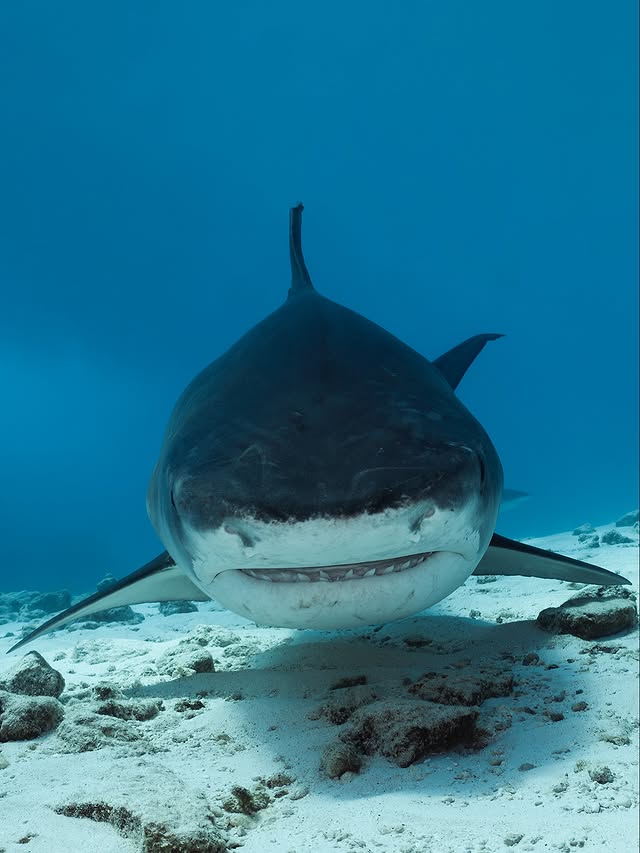
The famous tiger shark encounter typically occurs in shallow water, around 8 metres deep, on a sandy plateau near the harbour entrance.
Safety is very important here. Each dive begins with a required safety briefing. Only experienced guides lead these dives.
The best thing is, the tiger sharks are accustomed to divers and do not behave aggressively. However, this dive is best for people who are confident around large marine animals.
Unique factors about Fuvahmulah Tiger Shark Dive
- Globally popular for year-round tiger shark presence
- Only conducted by specialised local guides with expert site knowledge
- Additional species: thresher sharks, oceanic manta rays, hammerheads
- Separate dive spot for thresher sharks and hammerheads
Banana Reef (Gaathugiri): North Male Atoll
- Highlight: Suitable for both beginners and experienced divers, as this is the first recognised diving site in the Maldives.
- Depth: 5 to 30 metres
Banana Reef is a significant dive site in the Maldives, as it is the first dive location in the country and has been protected since 1972.
The reef is shaped like a crescent and features steep walls that begin at a shallow 5 metres and descend to 30 metres. There are many caves, crevices, and small spaces, creating habitats for a wide range of marine species.
What will you encounter in Banana Reef?
- Napoleon wrasse
- A variety of moray eels (giant, honeycomb, etc.) are frequently spotted in the many hiding places
- Large schools of oriental sweetlips and snappers
- Sharks in the deeper sections
- Extensive coral formations in shallow areas
- Overhangs decorated with soft corals and sponges
Fotteyo Kandu: Vaavu Atoll
- Highlights: Advanced divers interested in drift diving, seeing hammerhead sharks, and exploring channels
- Depth: 15 to 35+ metres
Fotteyo Kandu is recognised for its strong currents, which attract large marine life.
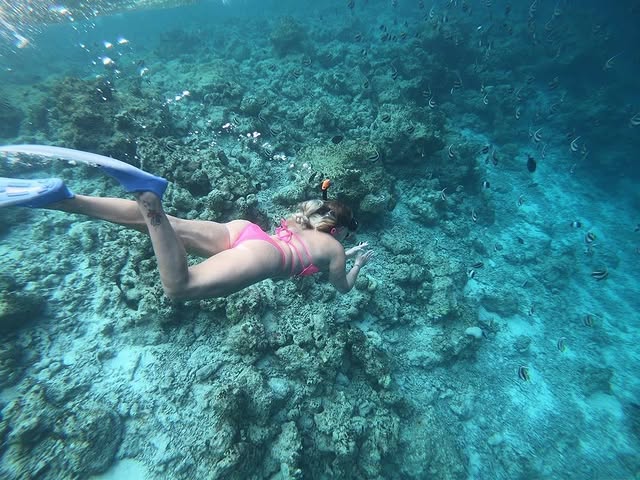
The underwater landscape features large overhangs, swim-throughs, and caves that provide areas to rest before continuing the dive.
Advanced Dive Features in Fotteyo Kandu
- Strong currents require reef hooks and excellent buoyancy control, making it a great advantage for advanced divers
- During the wet season, this is the prime time to spot hammerhead sharks, although sightings are not guaranteed on every dive
- Divers can also spot grey reef sharks, eagle rays, and tuna
- Groupers and other fish use the overhangs and caves for shelter
- Swim-throughs where the current speeds up, offering an exciting drift experience
Kuredu Express: Lhaviyani Atoll
- Highlight: Divers interested in shipwrecks, drift diving, photography, or those seeking adventure
- Depth: 15 to 30 metres
Kuredu Express is named for its strong currents, which can make the dive feel like a fast-moving underwater journey.
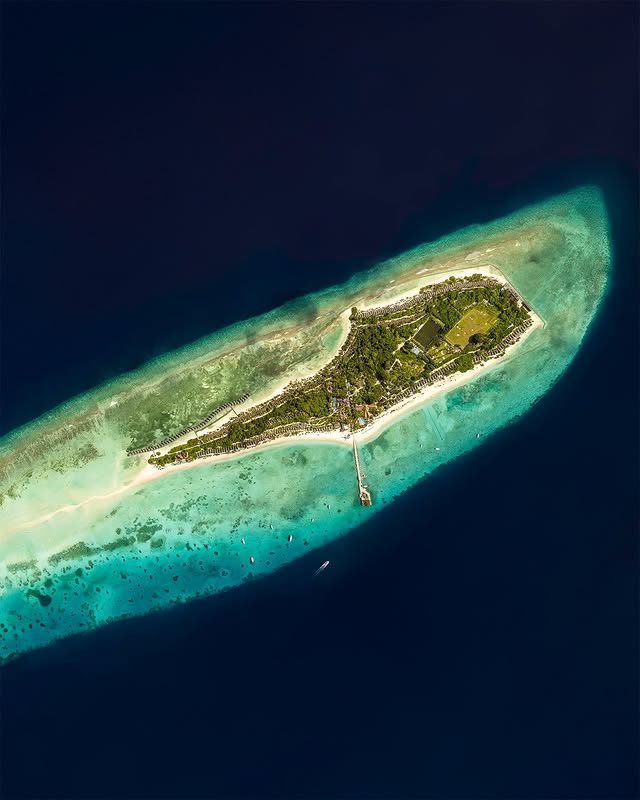
This site is well known among experienced divers for the current, which brings in a wide range of marine life, from small fish to large predators.
Divers often use a reef hook to stay in place along the channel wall and watch the open water for passing animals.
Kuredu Island Resort offers easy access to this site, and their dive centre has experienced staff who speak several languages. If you are staying at the resort and want to dive, this is a convenient option.
What will you see in the Kuredu Express currently?
- Manta rays are sometimes seen, particularly during the season when they visit nearby cleaning stations like Fushivaru Thila, which is in the same atoll
- Groups of grey reef sharks often swim by, sometimes in large numbers
- Eagle rays are a common and consistent sighting at this site
- Large tuna and jackfish schools are frequently seen hunting in the area
- Stingrays can be found resting on sandy areas between coral formations
Kuda Giri Wreck: South Male Atoll
- Highlight: Great for wreck diving enthusiasts and photographers
- Depth: 20 to 30 metres
Kuda Giri offers something different: a 30-metre cargo ship that was sunk, now acts as an artificial reef.
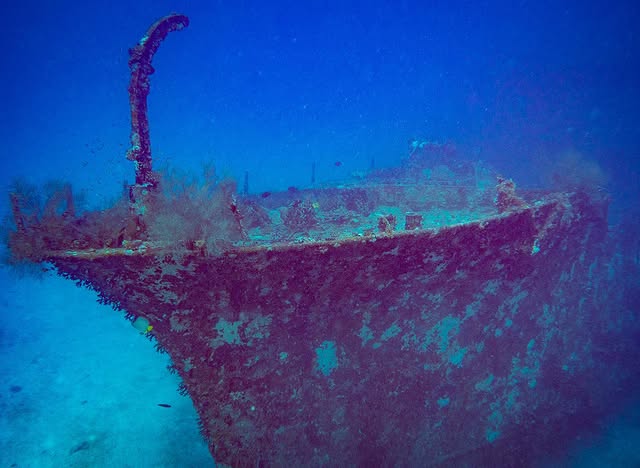
Today, the wreck is covered in corals and sponges. It sits upright on the sand at 30 metres, with the deck at 24 metres.
This wreck is impressive because its structure remains stable, allowing entry for those with proper training. Both hard and soft corals have grown over the surface, creating many colours.
Marine life attraction in Kuda Giri Wreck
- Garden eels in the surrounding sand
- Moray eels and lobsters can be seen in small spaces, and sometimes a Napoleon wrasse passes by
- Batfish often swim above the wreck, and guitar sharks can occasionally be seen resting nearby
Conclusion
The Maldives is an excellent destination to discover the true marine life. The water is warm and very blue, and the coral reefs look beautiful.
There are many different sea creatures, and you may see something new each time you dive. For example, at Hanifaru Bay, you might swim near manta rays, and at Fish Head, you could see many sharks.
Whether you are staying on Maafushi to save money or at any luxury resort, you will find something enjoyable.
Wanting to understand the life under want is rare, and if you are one of those people, don’t miss the chance to learn scuba diving in the Maldives.
FAQs on the Best Island in the Maldives for Scuba Diving
Can non-swimmers do scuba diving in the Maldives?
Non-swimmers can try scuba diving in the Maldives, but there are some restrictions. Many dive centres offer sessions that let you experience diving in shallow, safe environments such as lagoons.
In these programs, you will always stay close to the instructor and will not go deeper than 6 or 8 metres.
However, to obtain a full Open Water certification, you must be able to swim. The certification course requires you to swim 200 metres without any equipment, or 300 metres with a mask, fins, and snorkel.
What is the scuba diving age limit in the Maldives?
The Maldives follows the PADI guidelines for age limits. Children can start learning to dive at age 8 through the Bubblemaker program, which takes place in a swimming pool and only goes to a depth of 2 metres.
At age 10, children can begin the Junior Open Water course, but their dives are limited to 12 metres until they reach 12 years old, and up to 18 metres until they are 15.
Once they turn 15, they can dive without these depth restrictions. There is no maximum age limit for scuba diving in the Maldives.
Older adults can participate as long as they are healthy enough and have a doctor’s approval if needed.
What is the best time for scuba diving?
The best time for scuba diving in the Maldives depends on what you want to see.
- May to October: This wet season brings more plankton, which lowers the water visibility to 15 to 20 metres and brings more rain. However, this is also when manta rays and whale sharks come to feed, especially around Hanifaru Bay, where you might see many of them at once.
- November to April: If you prefer calm water and clear views, visit during the dry season. If you want to see manta rays and whale sharks, the rainy season is the best time.
Are there any good resorts for diving in the Maldives?
There are many good resorts, budget and luxury included, for excellent scuba diving.
- Four Seasons Landaa Giraavaru in Baa Atoll: For those who want a luxury experience, it is a great choice. It has a PADI 5-Star dive centre and is located near Hanifaru Bay, which is well-known for manta rays.
- Conrad Maldives Rangali in South Ari Atoll: It has beautiful house reefs.
- Kuredu Island Resort in Lhaviyani Atoll: Has prodivers operating a PADI 5-Star IDC Centre and access to over 60 different dive sites.
- Ellaidhoo Maldives: For travellers seeking more affordable yet quality options.
If you are on a tight budget, staying at a guesthouse on islands such as Maafushi or Guraidhoo is a smart choice.
