


Key Takeaways:
|
When visiting a country, we often focus on where to stay and which popular activities to do. Likewise, most Maldives itineraries focus on typical tourist experiences.
A traveller must go beyond that and learn about the culture, too. For that, food is the main thing connected to culture in any country.
So, apart from overwater villas, beaches, or fancy underwater restaurants, learn about the Maldives’ famous food that every Maldivian enjoys.
The Most Famous Foods of the Maldives
This guide will help you skip the overhyped fancy restaurants and eat a burger or pizza when on an island. Visit a teashop for warm hedhikaa (snacks) or dine at a family-run restaurant for a more authentic experience.
Mas Huni
For a classic Maldivian breakfast, Mas Huni is a must-try. It is a simple dish that mixes smoked tuna, grated coconut, finely chopped onions, green chilli and a bit of lime juice.
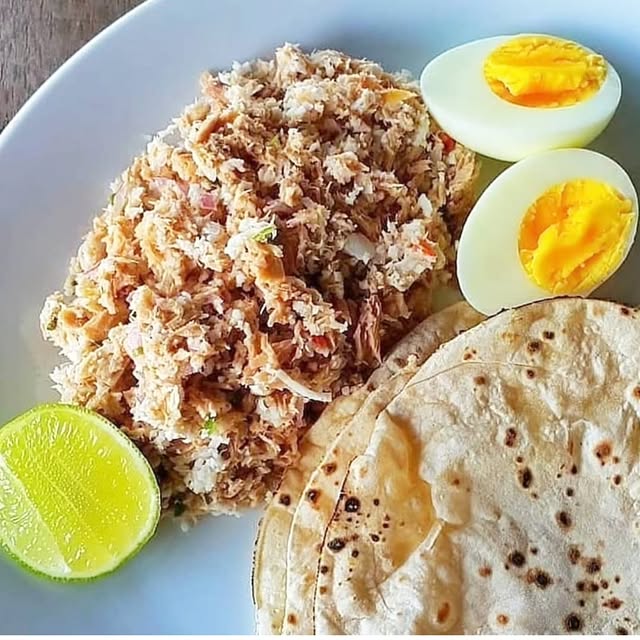
The mixture is typically paired with roshi (Maldivian flatbread) but can be customised to suit personal taste. Some people add curry leaves or more spices. This dish is effortless to make and rich in protein.
Ingredients: Smoked tuna, cut/grated coconut, chopped onions, green chilli, lime juice, salt.
Garudhiya
One dish that holds a special place in Maldivian households is Garudhiya. It is a traditional Maldivian fish broth, and the preparation is super easy.
Take some pieces of fresh tuna and boil them in water on a low flame. You can add a bit of salt and curry leaves.
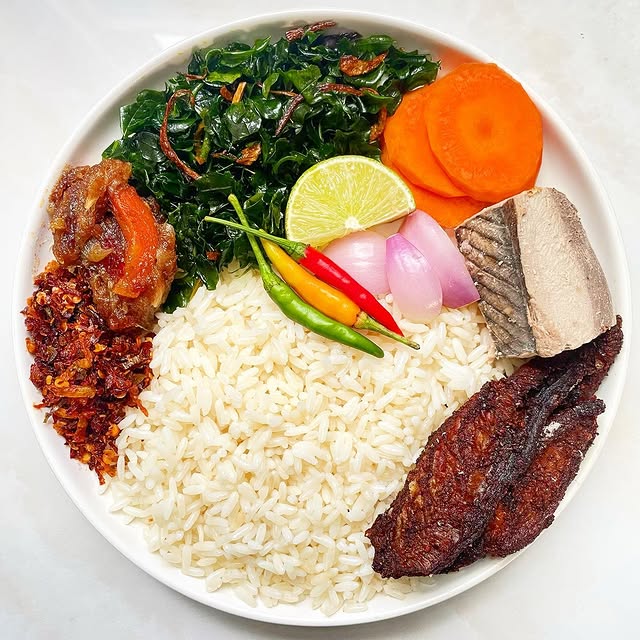
When served, garudhiya is accompanied by rice, sliced lime, fresh chilli, and sliced onions, allowing each person to customise their meal.
This is a simple but national food of the Maldives, highlighting the natural flavour of the fish, without the use of strong spices.
Ingredients: Fresh tuna, water, salt, curry leaves, lime, chilli, onions.
Mas Riha
Mas Riha is one of the most recognised dishes in Maldivian cuisine. It is a tuna curry prepared with large pieces of fish cooked in a thick coconut milk sauce, flavoured with curry leaves and chilli.
When you eat, the coconut milk balances the heat of the spices. These combinations make a warm and satisfying dish.
Unlike the lighter Garudhiya, Mas Riha has a bolder flavour profile, making it ideal to serve over hot rice.
When you pour the curry over hot rice, it enhances the taste and gives you a filling meal.
Ingredients: Tuna or Swordfish, coconut milk, curry leaves, chilli, onions, garlic, ginger, turmeric powder, cumin powder, and coriander powder.
Roshi
Roshi is similar to Indian roti but prepared in a distinct Maldivian style. It is made from a simple dough of wheat flour, water, salt, and coconut oil, rolled into thin rounds and cooked in a frying pan until lightly golden.
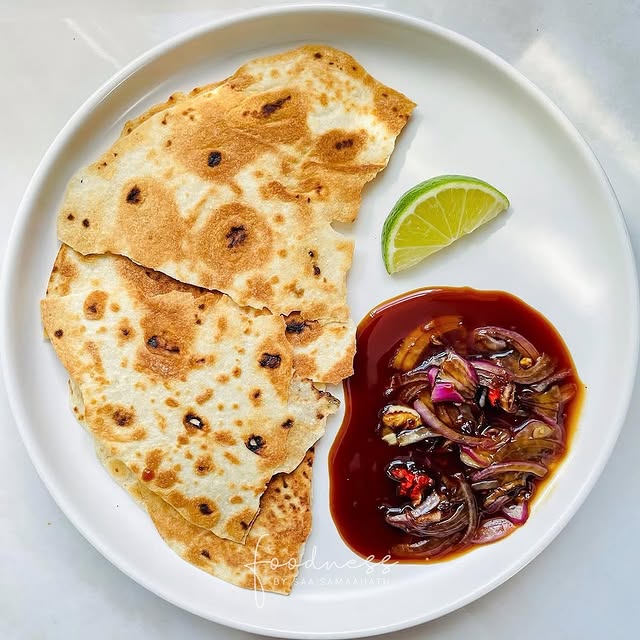
Similar in appearance to Indian roti, roshi has a unique character. It is commonly served alongside curries or Mas huni, but locals also pair it with their tea.
Ingredients: Wheat flour, salt, water & coconut oil or any vegetable oil.
Fihunu Mas
Fihunu mas is a popular Maldivian grilled fish dish. It is usually prepared using tuna or locally caught reef fish and coated in a chilli paste made with garlic, ginger, curry leaves, salt, and lime juice.
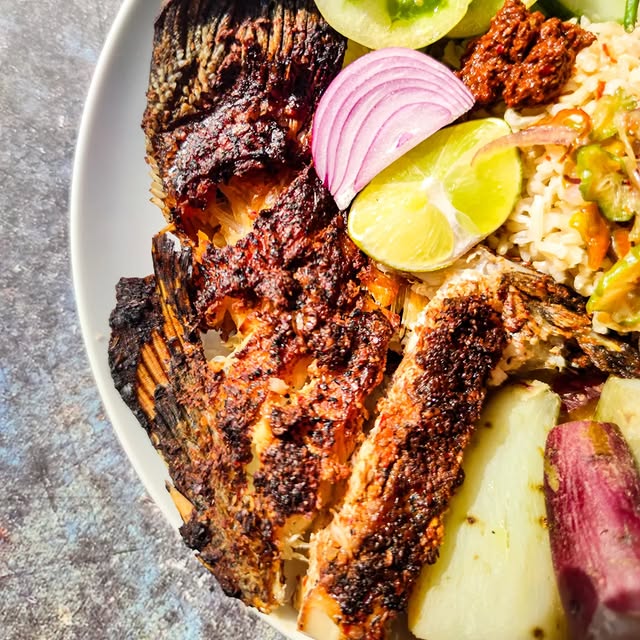
The fish is then grilled until the outside is slightly turned crispy and the inside remains moist and tender.
This dish is prepared for special occasions, and it is also commonly found at gatherings and restaurants throughout the Maldives.
Ingredients: Tuna or reef fish, onion, tomato, turmeric powder, cumin powder, coriander powder, chilli paste, garlic, ginger, curry leaves, salt and lime juice.
Kulhi Boakibaa
Kulhi Boakibaa is a fish cake. It is made from smoked tuna mixed with rice flour, coconut, and spices, then baked until golden.
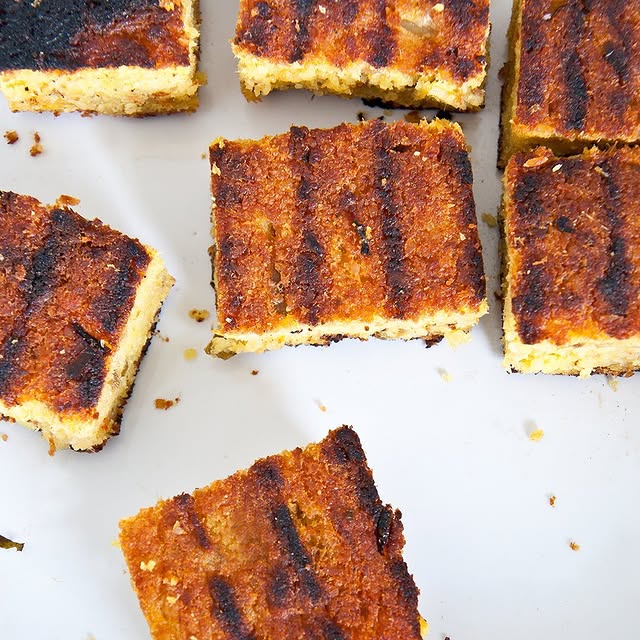
Each bite offers smoky tuna flavour, while the coconut keeps the cake moist. Kulhi Boakibaa is commonly served as a snack and is especially popular during evening tea time in the Maldives.
Ingredients: Smoked tuna, rice flour, coconut, onions, curry leaves, chilli, lime, salt
Bis Keemiya
Bis keemiya is a savoury snack enjoyed throughout the island.
This is similar to the South Asian samosa, with a thin white flour layer filled with a mixture of hard-boiled eggs, cabbage, and sometimes tuna.
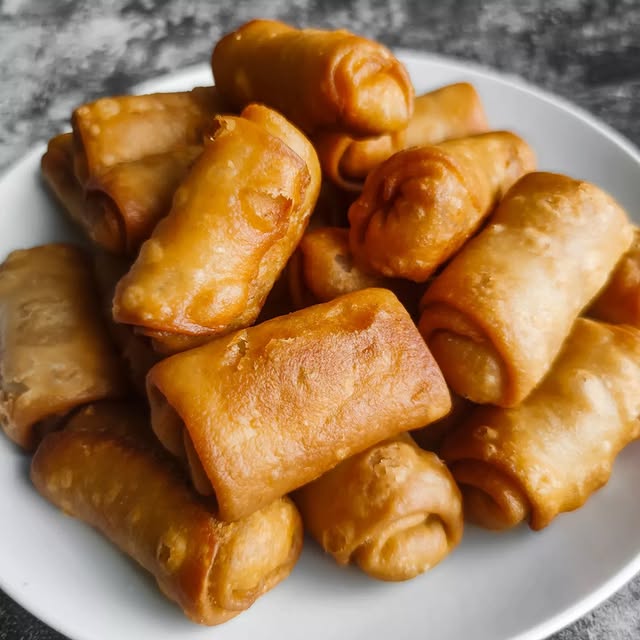
The filled pastries are folded into triangles and fried until crisp and golden. Bis keemiya is served at gatherings, in tea shops, and by street vendors.
Ingredients: Pastry sheets, hard-boiled eggs, cabbage, onions, curry leaves, chilli, spices.
Gulha
Gulha are small Maldivian dumplings enjoyed as snacks or with tea. They are made from rice flour dough filled with smoked tuna, coconut, onions, and spices, then deep-fried until golden and crisp.
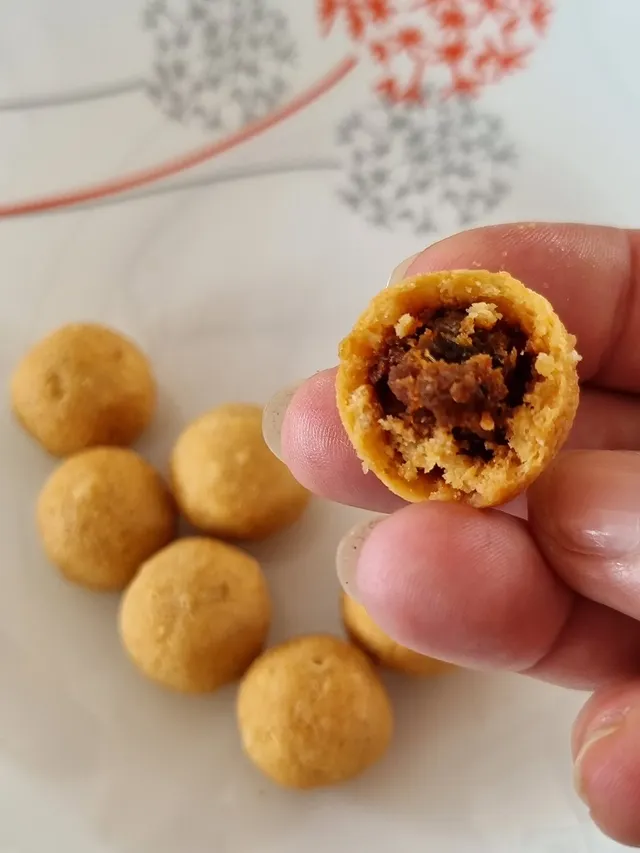
The thin, crunchy shell and flavourful, moist filling make them a favourite for parties and tea time.
Ingredients: Rice flour, smoked tuna, coconut, onions, curry leaves, chilli, lime, and salt.
Hedhikaa
Hedhikaa is a central part of Maldivian snack culture and is called “Short-Eats”. These are a variety of small, bite-sized treats; some are crisp and chewy.
Typically, Hedhikaa is served with tea. These include fried pastries and steamed cakes, among others, ensuring there is a type for every preference.
Sharing Hedhikaa is a daily custom that brings people together to converse and socialise. For Maldivians, Hedhikaa is more than food; it is a way to connect with others.
Ingredients: Vary by type but commonly include rice flour, coconut, fish, eggs, flour, and assorted spices.
Rihaakuru
Rihaakuru is a dish that reflects the Maldives’ strong fishing heritage. It is a thick, dark paste made by boiling tuna for many hours until the liquid reduces and the flavours intensify.
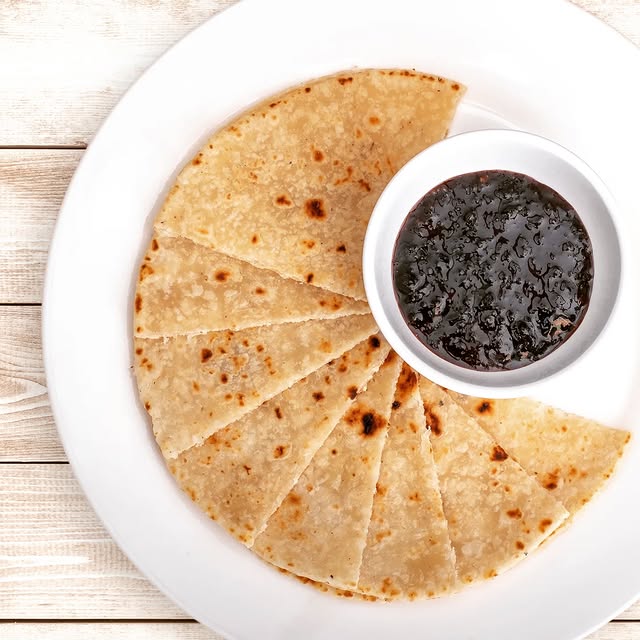
Rihaakuru is used to enhance the taste of curries, spread on roshi, or mixed with rice and lime for a quick meal. Its flavour is strong and distinctive, and it remains a staple in Maldivian kitchens.
Ingredients: Fresh tuna, salt, water.
Bajiya
Bajiya is a popular Maldivian street food known for its crisp exterior and flavourful filling. It consists of a deep-fried pastry filled with a mixture of spiced fish or vegetables such as potatoes or peas.
The typical filling includes tuna mixed with curry leaves, onions, and chilli, giving it both fragrance and heat.
Ingredients: Flour batter, tuna or vegetables, curry leaves, onions, chilli, spices, salt.
Hanaakuri Havaadhu
Hanaakuri Havaadhu is a curry powder used in the traditional method of preserving tuna in the Maldives. The process involves smoking fresh tuna, which imparts an intense, concentrated flavour and extends its shelf life for months.
Even a small quantity of Havaadhu can add depth to dishes such as Mas Huni or Kulhi Boakibaa.
This preservation technique is rooted in history, dating back to times when storing food for long periods was essential.
Ingredients: Fresh tuna, coriander seeds, cumin, fennel, cardamom, cinnamon, dried chillies, coconut, and salt.
Huni Roshi
Huni roshi is a standard Maldivian breakfast, consisting of Mas Huni served alongside warm, slightly crisp roshi. Compared to regular roshi, this version is thicker and slightly crispier.
Diners tear pieces of roshi to scoop up the Mas Huni, creating a simple yet satisfying meal. It is a typical breakfast for fishermen and schoolchildren, valued for its simplicity and ability to provide lasting energy.
Ingredients: Flour, grated coconut, salt, oil, and water.
Dhon Riha
Dhon Riha is a variation of Maldivian fish curry that features smoked tuna. This is a coconut-based dish with a rich, smoky flavour.
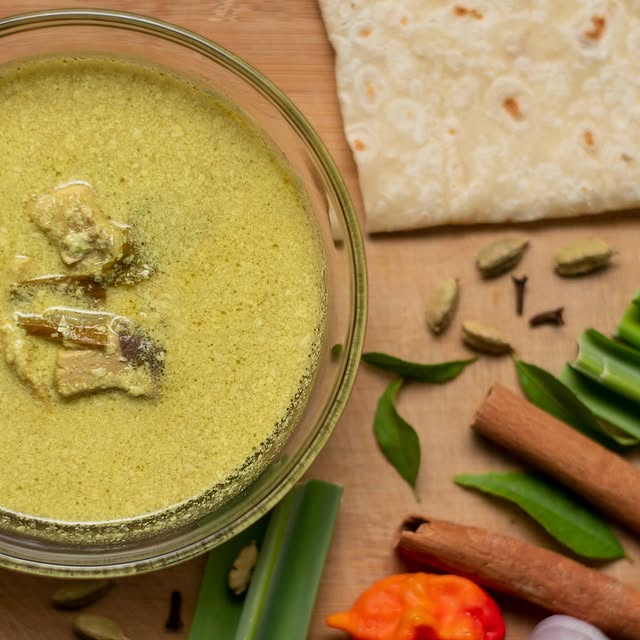
The addition of coconut milk makes the curry exceptionally creamy, and the blend of spices creates a complex flavour.
Dhon Riha is served in both upscale restaurants and home kitchens.
Ingredients: Smoked tuna, coconut milk, curry leaves, chilli, onions, garlic, turmeric, cumin.
Saagu Bondibai
Saagu Bondibai is a creamy dessert made with sago pearls, condensed milk, and rose water.
The sago pearls become translucent and absorb the milk, resulting in a unique, slightly chewy texture.
The cardamom and rose water used in this are the highlights, giving a subtle, floral, aromatic flavour.
This dessert is often served at celebrations or special occasions. After a heavy meal, it is common to have this, especially after a spicy meal, it can satisfy your palate.
Ingredients: Sago, condensed milk, sugar, rose water, cardamom, and pandan leaves.
Theluli Mas
Theluli Mas is a popular fried fish dish. Take a fresh fish and marinate it with spices, then coat it in flour or breadcrumbs and deep-fry it until golden and crisp. Fry it until the exterior is crunchy while the inside remains soft and flaky.
It is widely enjoyed across the islands by locals and visitors alike and is considered a classic way to prepare fish.
Ingredients: Fresh fish, chilli paste, small onion, fennel seeds, cumin seeds, garlic, ginger, curry leaves, flour or breadcrumbs, salt.
Keemiyaa
Similar to spring rolls, Keemiyaa are made by filling thin pastry sheets with a mixture of spiced fish or vegetables. Then it is rolled and fried until crisp and golden.
These snacks are commonly prepared fresh throughout the day by street vendors, making them a convenient hot snack for people exploring the islands.
Ingredients: Dough, tuna, green peas, ginger, vegetables, onions, curry leaves, chilli, mustard seeds, and spices.
Kavaabu
Kavaabu are small fish savoury snacks made from mashed tuna and chopped onions. The mixture is shaped, coated in breadcrumbs, and fried until crisp on the outside.
You can also add a potato if you like; it softens the fish’s flavour and binds the ingredients.
Kavaabu is often found at gatherings and is best enjoyed hot.
Ingredients: Tuna, potatoes, rice flour, onions, curry leaves, chilli, breadcrumbs, and eggs.
Masroshi
For a cool evening, if you are craving something spicy and hot, Masroshi is the right option. It is a dough filled with a spiced tuna mixture.
The filling includes smoked tuna, curry leaves, garlic, and chillies. The bread is then sealed and grilled until golden brown.
When you open it, Masroshi releases aromatic steam and reveals its savoury filling. It is simple and satisfying, easy to carry, and suitable for on-the-go meals.
Ingredients: Roshi dough, smoked tuna, coconut, onions, curry leaves, chilli, and lime
Valhomas Raahfaraiy
Valhomas Raahfaraiy is a refreshing smoked tuna salad that stands apart from the heavier curries and fried foods commonly found in the Maldives.
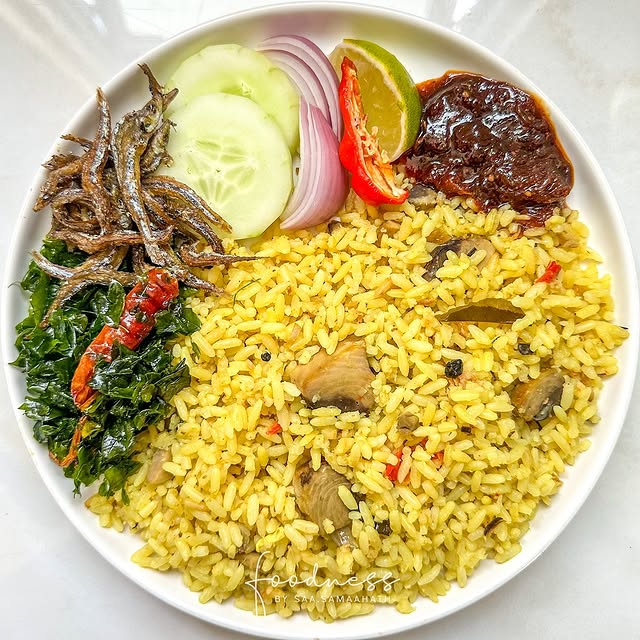
This dish combines smoked tuna with fresh vegetables, lime juice, and grated coconut to create a light yet protein-rich meal.
People outside the island are unfamiliar with this dish because it is mainly prepared in Maldivian households rather than in restaurants.
Many families add their own variations, sometimes including green mango or papaya for added flavour. During warmer weather, lighter meals are preferred, so this salad becomes the most popular option.
Ingredients: Smoked tuna, coconut, onions, tomatoes, lime juice, chilli, and curry leaves
Maldives Famous Food Places
|
Name of Restaurant/Market/Stall |
Highlight |
Location |
|
Symphony Restaurant |
Authentic Maldivian dishes and fresh seafood in a relaxed setting.
Generous quantity and reasonable prices. |
Male Faru, Athamaa Goalhi, Maldives |
|
Seagull Café House |
Best hedhikaa selection with fresh gulha and bajiya. |
Chaandhanee Magu, Malé |
| Popular local eatery serving mas riha, garudhiya, and daily specials. Great place to meet residents. |
Boduthakurufaanu Magu, Malé |
|
| While Thai-focused, it offers excellent Maldivian breakfast options, including mas huni. |
Buruneege Hithaffinivaa Magu, Malé |
|
|
Lemongrass Fifth |
Premier dining with traditional Maldivian dishes alongside various cuisine options. |
M. Maabageechaa, Fareedhee Magu, Malé |
|
Malé Local Markets |
Fresh fish, produce, and street food vendors.
This place gives you the best shopping experience in the Maldives. |
Malé City, multiple locations |
|
Bazaaru Dawn Café |
Serving traditional breakfast and snacks. Popular with locals and people working at night. |
Kandi Dhon Manik Goalhi, Malé |
Conclusion
Typically, Maldivian cuisine is associated with fine dining. This is true when you dine at a private resort. However, the real food of the Maldives is more fascinating, delicious, healthy, and simpler.
The islanders shaped this food tradition over generations and have skillfully used the resources provided by the sea.
Moreover, when you try these foods at a place where local people gather, share stories, and eat together, you can make this trip the most cherished.
FAQs on the Maldives Famous Food
What is the national food of the Maldives?
Mas huni is a breakfast staple and widely regarded as the national dish. It is made by mixing smoked tuna with fresh coconut, onion, chilli, and lime.
The dish highlights the main qualities of Maldivian food: fresh, basic ingredients prepared simply.
How much should you expect to spend on food in the Maldives?
Food prices in the Maldives vary by location and restaurant type. On local islands and in Malé, meals at small restaurants typically cost 450 to 1,000 INR per person.
If you are going with Hedhikaa (snacks), they are inexpensive, usually priced from 100 to 180 INR for each.
Even in local islands, when you dine at a mid-range restaurant, a meal can start from approximately 1,300 INR.
On resort islands, however, prices are much higher, with meals starting at 1,700 INR.
What are the most famous foods of the Maldives?
Tuna is a central part of Maldivian cuisine and appears in many traditional dishes.
There are a few well-known dishes in the Maldives
- Mas huni: Breakfast dish made from shredded smoked tuna mixed with coconut.
- Garudhiya: A fish soup.
- Mas riha: A spicy tuna curry.
Can you get street food and local food in the Maldives private islands?
If you are staying on a private resort island, you should not expect to find street food or classic Maldivian dishes on the menu.
Most luxury resorts focus mainly on international fine dining.
To truly experience Maldivian street food or home-style cooking, visit inhabited islands such as Maafushi or Guraidhoo, or spend time in Malé.
Are there vegetarian choices in Maldivian cuisine?
In the Maldives, fish is the primary ingredient. Even in chips and other simple snacks, they use fish oil. Vegetarian dishes are limited, but there are a few options.
Vegetarians can opt for these dishes in the Maldives
-
- Tharukaaree (vegetable curry)
- Roshi ( A type of flatbread)
- Fruit salad
- Hedhikaa (snacks): Boshi Mas huni, Bajiyas, Githeyo Boakibaa, and Kiru Boakibaa
Note: When eating at a traditional Maldivian restaurant, it is advisable to ask for vegetable curry or confirm whether it contains fish oil.
