

Key Takeaways
|
Cambodia is a popular destination for travellers interested in ancient temples, local markets and Khmer cuisine. For Indian tourists, Siem Reap and Phnom Penh are two of the main places to include in a holiday, with plenty to see, places to stay and restaurants to try. A little preparation will help you enjoy your trip while staying aware of your surroundings.
There are a few things to watch out for, like theft, transport scams and road accidents, which can affect visitors, while travel restrictions apply to parts of the Cambodia-Thailand border. These concerns do not apply equally across the country, so it is important to check the places you plan to visit before booking.
With the right information, you can make informed decisions about your Cambodian itinerary, transport and accommodation. This guide covers what Indian tourists should know about safety in Cambodia before planning your trip.
Is Cambodia Safe for Tourists?
Yes, Cambodia is safe for tourists at its major sightseeing destinations, including Siem Reap and Phnom Penh. Visitors can spend time at temples, museums, markets and local restaurants, with hotels and tourism services available in both cities. As with any international destination, staying aware of your surroundings and following local guidance will help you enjoy your holiday.
Women, solo travellers and families can all visit Cambodia, though their travel plans may differ. If you are travelling alone, choose accommodation that suits your needs and plan evening outings in advance. You can also include Cambodia’s nightlife in your itinerary if you want to experience the country after dark. Families travelling with children or older adults should consider the sightseeing pace and the length of journeys between destinations.
Places to Visit and Areas to Avoid in Cambodia
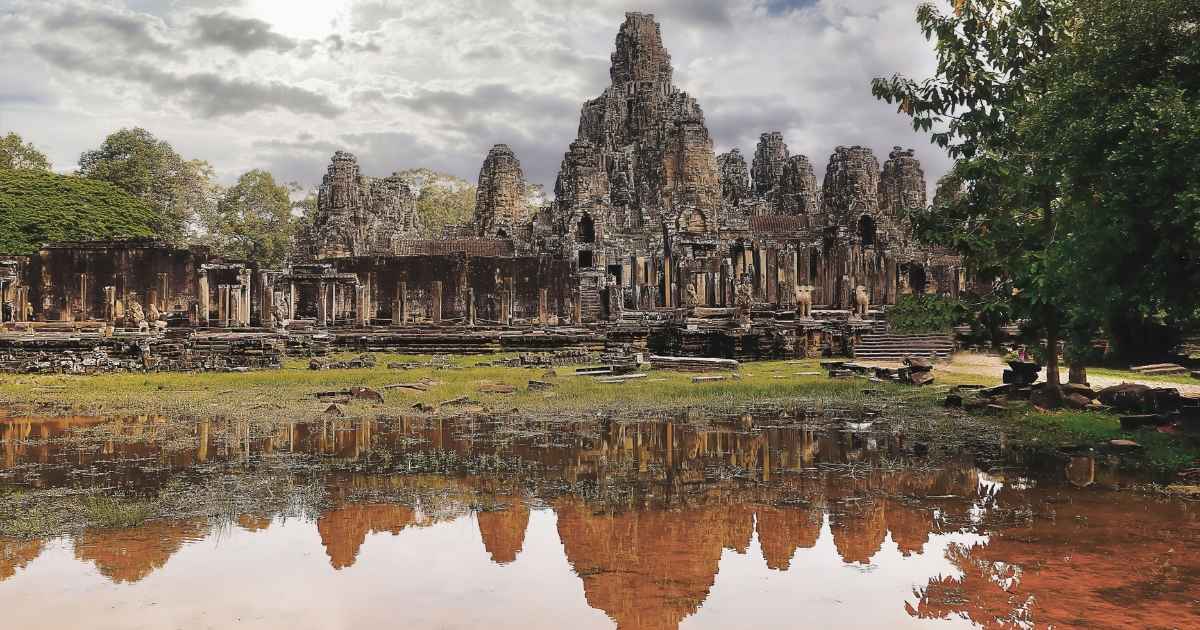
Siem Reap, Phnom Penh, Kampot, Kep and Cambodia’s offshore islands are the best places in cambodia when planning your trip. Each place has a different experience, from historic temples and city landmarks to quiet coastal areas.
Siem Reap and Angkor
Siem Reap is one of the safe places to visit, Angkor Wat and nearby temples, including Bayon and Ta Prohm. The town has hotels, Indian restaurants and tourism services, making it a starting point for sightseeing.
Siem Reap town and the Angkor temples have been cleared of landmines, but this does not apply to every rural area in the province. Stick to established temple routes and avoid unmarked paths through fields or the countryside.
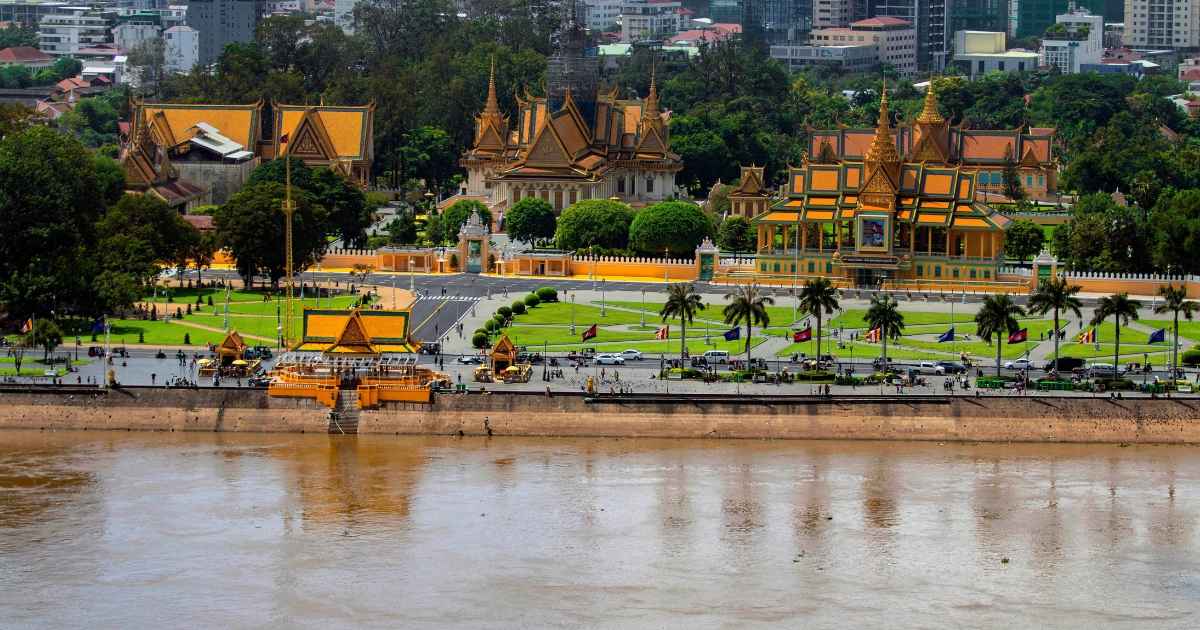
Phnom Penh
Phnom Penh is worth visiting if you want to see Cambodia’s capital and learn about its history. The Royal Palace, Wat Phnom and Tuol Sleng Genocide Museum are among its notable landmarks.
Kampot and Kep
Kampot and Kep are quieter alternatives to Cambodia’s larger tourist centres. Kampot is known for its riverside setting and pepper farms, while Kep is popular for its crab market and coastal atmosphere. Bokor National Park is another option near Kampot.
These destinations may suit travellers who prefer a slower-paced stay. Arrange transport for excursions in advance and check local conditions before visiting more remote areas.
Koh Rong and Koh Rong Sanloem
Koh Rong and Koh Rong Sanloem are offshore islands good for their beaches and resort stays. They can be added to a Cambodia itinerary if you want time by the sea after visiting temples or cities.
Areas to Avoid
Avoid restricted areas along the Cambodia-Thailand border because of the risk of armed conflict, landmines and unexploded weapons. Preah Vihear, Ta Krabey and Ta Moan Thom temples are currently closed, so leave them out of your itinerary unless an official reopening is confirmed. The UK government’s Cambodia travel advisory confirms all three closures, listing Ta Moan Thom as Tamone Thom/Ta Muen Thom.
In rural Cambodia, stay on main routes and avoid shortcuts through fields, forests or abandoned sites. Some areas with landmines have no warning signs, so an open path doesn’t mean it is safe.
What Problems Should Tourists Watch Out For?
Most travel risks are easier to manage when you know what to look for. While in Cambodia, pay attention to how you carry valuables, agree on payment terms, travel between destinations, and respond to unfamiliar offers.
Phone and Bag Theft
Motorbike thieves may snatch phones and bags from pedestrians or passengers in open tuk-tuks. Keep your phone and bag away from the road-facing side, and step away from traffic before checking directions. If someone grabs your bag, let it go rather than risk being dragged into the road.
Carry only the cash you need for the day, and keep a backup card separately in case your wallet goes missing.
Overcharging and Payment Scams
Agree on the tuk-tuk fare before starting your journey, including any waiting time or return trip. For a day of sightseeing, confirm the stops and total price in a message to avoid disagreements later.
When shopping in Cambodia, check prices before paying and count your change before leaving. Cambodia uses both Cambodian riel and US dollars, so familiarise yourself with the notes and check their condition when receiving change. At ATMs, cover your PIN and avoid machines with suspicious attachments around the card slot.
Road Accidents
Road conditions, traffic and poor visibility after dark can make travelling in Cambodia risky. Schedule intercity transfers during daylight where possible, and choose a reliable transport provider rather than an unfamiliar vehicle.
If you rent a scooter, check the licence requirements and insurance coverage before paying. Never hand over your passport as a rental deposit; ask whether the provider will accept another form of security.
Drink Spiking
Keep your drink in sight and do not drink it if it has been left unattended. Be cautious about accepting drinks from strangers, particularly in unfamiliar nightlife settings.
If someone in your group suddenly feels dizzy, confused or unusually drowsy after drinking, stay with them and seek medical help. Do not leave them alone or allow an unfamiliar person to take them away.
Fake Job Offers
Be wary of job offers promising unusually high salaries, free travel or immediate employment, especially when the recruiter pressures you to travel quickly. A familiar language or a claim to represent an Indian company does not prove that the offer is genuine.
Verify the employer and recruiter through independent sources before making travel arrangements or sharing personal documents. If an offer involves travelling to Cambodia for work, confirm the appropriate visa and work authorisation requirements. Contact the Indian Embassy if you need assistance or suspect that a recruitment offer may be fraudulent.
Emergency Help for Indian Tourists
Save these numbers before leaving India, along with your hotel contact and travel insurer’s emergency line.
| Service | Contact number |
| Police | 117 |
| Fire service | 118 |
| Ambulance | 119 |
| Police assistance for foreigners, including Indians | +855 31 201 2345 or +855 31 601 2345 |
| Tourism Police Department | 016 654 736 Within Cambodia |
| Embassy of India in Phnom Penh during working hours | +855 23 210912 or +855 23 210913 |
| Indian Embassy emergency assistance outside working hours and on holidays | +855 92 881 676 |
For passport issues or consular assistance, contact the Embassy of India in Phnom Penh for help with lost travel documents and other emergencies.
In any medical emergency, call 119 for an ambulance. If you are staying outside a major city, ask your hotel or tour operator to help arrange transport to the nearest hospital.
Final Thoughts
So, is Cambodia safe for Indian tourists? Cambodia is safe for Indian tourists who take precautions and avoid areas under travel warnings, but safety varies by location. Stay on established tourist routes, take extra care near restricted border areas and check official travel advice before departure.
If you are planning a trip, Dimaak Tours can help arrange your accommodation, sightseeing and transfers around your travel dates and interests. Plan your route before booking so you know where you will stay, how you will get around and which places you want to visit.
FAQs About Cambodia Safety
1. Is Cambodia safe for Indians?
Yes, Indian tourists can visit Cambodia with sensible precautions. Plan your visits around established tourist destinations, protect your valuables, use reliable transport and check travel advisories before travelling near border areas.
2. Is Siem Reap safe at night?
Siem Reap is a popular tourist destination, but take care when going out at night. Arrange your return transport in advance, keep your belongings secure and avoid isolated streets. If you have been drinking, stay with your group and keep your drink in sight.
3. Is Cambodia safe to travel around independently?
Yes, you can travel around Cambodia independently if you plan your routes and transport carefully. Use recognised transport providers, travel between cities during daylight where possible and stick to marked routes when visiting temples or rural areas. Avoid restricted border zones and check official travel advice before setting out.
4. Can tourists cross from Thailand into Cambodia by road?
No. Land border crossings between Thailand and Cambodia are closed to foreign travellers under the reported security restrictions. If you are travelling from Bangkok to Phnom Penh or Siem Reap, plan to fly instead of relying on an overland transfer. Check official travel advisories and airline schedules before booking, as restrictions and travel arrangements can change.
