


What is Filipino Cuisine Like?
Vacationing in the best places in the Philippines and want to try Filipino cuisine? Here’s what makes this cuisine special: Filipino cuisine is a fusion of flavours- a mix of Spanish, Malay, Chinese, and American influences combined beautifully with native Filipino ingredients. These traditional Filipino dishes are a celebration of shared experiences.
The influence of colonisation is evident in dishes like adobo, where meat is marinated in vinegar and soy sauce, creating a savoury and tangy flavour profile. Not just this, there are many dishes. And the use of local ingredients such as coconuts, rice, and tropical fruits adds a fresh touch that enhances each dish.
Filipino cuisine is a celebration of shared experiences, showcasing the warmth and hospitality of the Filipino people. Hungry already? Let’s learn about the best foods to try in the Philippines and where to find them!
What You’ll Commonly Get in Filipino Dishes?
Filipino food is all about balance. You’ll notice how dishes often combine salty, tangy, sweet, and umami flavours in one plate.
- Vinegar is a big deal here: it’s used in everything from adobo to sinigang, giving that distinct tanginess Filipinos love.
- Soy sauce, garlic, and calamansi (local lime) are also staples, adding punchy, aromatic notes.
- And of course, rice is life. It’s served with almost every meal.
To fully enjoy this Philippines vacation, add these delicious Filipino dishes while exploring the Philippines’ nightlife, as it offers a thriving atmosphere- perfect for enjoying drinks and local entertainment!
Top 10 Must-Try Filipino Dishes
When exploring the famous food in the Philippines, these are the top 10 must-try traditional Filipino dishes that should not be missed.
Adobo- The National Dish of the Philippines
Adobo is often considered the national dish of the Philippines, loved by many for its distinct flavour and rich history. And trying it is one of the best things to do in Manila, the capital city.
It is the heart of Filipino cooking- simple, soulful, and absolutely delicious. Made by marinating chicken or pork in soy sauce, vinegar, and garlic, then slow-cooked until tender, this traditional Filipino dish is served with heaps of white rice.
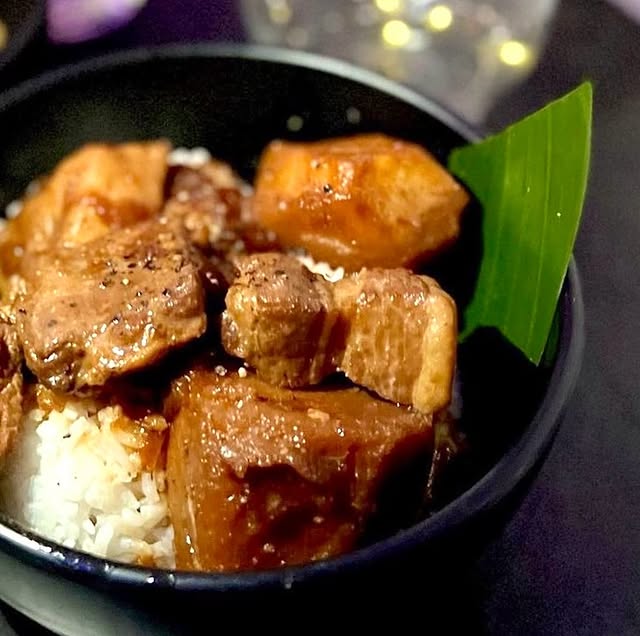
What makes adobo particularly special is its versatility. Each region and even each family has its own unique take on the recipe. Some might add potatoes, hard-boiled eggs, or even coconut milk for a creamier texture.
The variations are endless, showcasing the creativity and local ingredients available across the archipelago.
Why you’ll love it: It’s tangy, savoury, slightly sweet, and deeply comforting.
Where to try
- Manila: Manam and Adobo Connection
- Cebu: Casa Verde
- Davao: Lachi’s Sans Rival Atbp.
Beyond its delicious taste, adobo has a significance that goes beyond the plate. It serves as a symbol of Filipino identity, often bringing back memories of home for Filipinos living abroad.
Lechon (Crispy Roasted Pig)
Lechon is a Filipino culinary icon and a highlight at every celebration. This whole roasted pig is cooked over charcoal until the skin turns golden and crispy, while the meat inside stays juicy and tender.
What makes lechon special is its legendary crackling skin, rich flavour, and the communal experience of sharing it during festivities. Cebu is particularly famous for producing some of the best lechon in the country. After savouring Cebu’s famous lechon, explore the top things to do in Cebu.
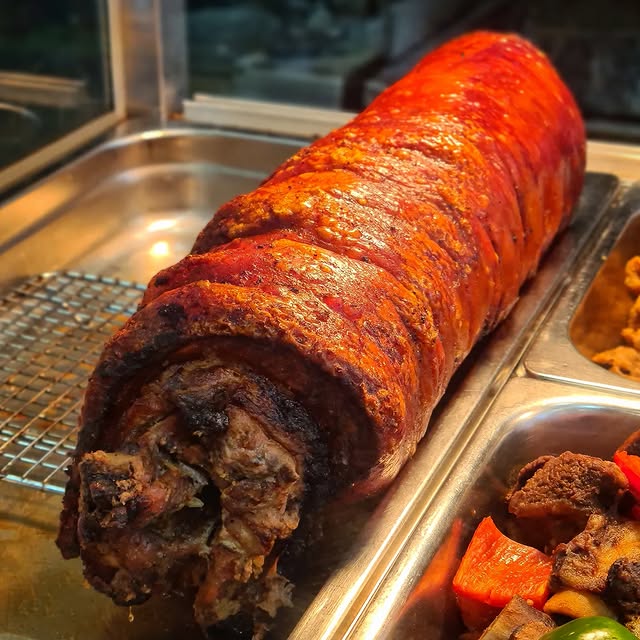
Why you’ll love it: Crispy on the outside, juicy on the inside, and bursting with smoky, savoury flavours.
Where to try
- Manila: Zubuchon
- Cebu: Rico’s Lechon and CnT Lechon
- Davao: Luz Kinilaw Place
Lechon is the symbol of Filipino celebration and togetherness, often enjoyed during festivals, weddings, and family gatherings. So, must try it.
Sinigang (Tamarind Soup)
Sinigang is a tangy, comforting Filipino soup that’s perfect for any meal. Made with tamarind, tomatoes, and fresh vegetables, it’s typically cooked with pork, shrimp, or fish.
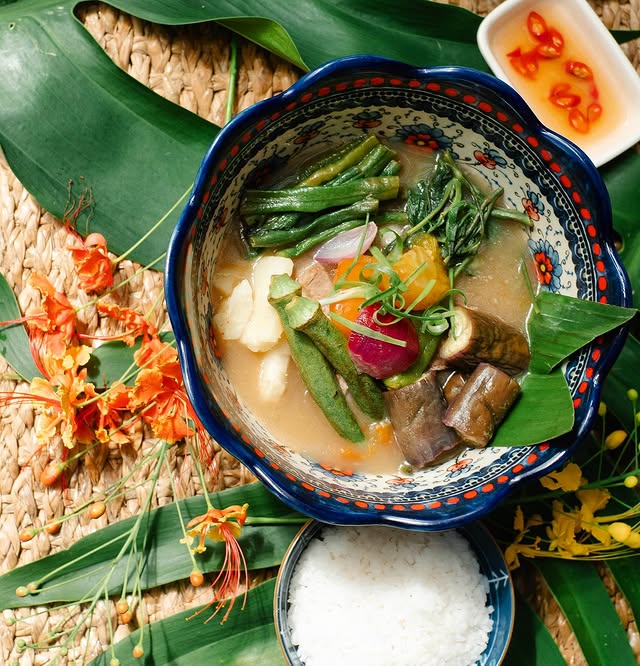
What makes sinigang unique is its balance of sourness and savouriness. Each region has its own twist, adding local vegetables or seafood varieties that highlight the diversity of Filipino cuisine.
Why you’ll love it: Refreshing, tangy, and heartwarming- a perfect dish to enjoy with rice.
Where to try
- Manila: Mesa Filipino Moderne
- Cebu: Larsian sa Fuente
- Davao: Bondi & Bourke
Sinigang is a comfort in a bowl, often reminding Filipinos of family meals and the goodness of home-cooked food.
Kare-Kare (Peanut Stew)
Kare-Kare is a rich Filipino stew made with oxtail, tripe, or vegetables, simmered in a creamy peanut sauce and served with bagoong (fermented shrimp paste) on the side.
What makes kare-kare special is its luxurious, nutty flavour that pairs beautifully with rice and the salty punch of bagoong. Regional variations add local vegetables or seafood, making every version unique.
Why you’ll love it: Creamy, nutty, and indulgent- a hearty dish that warms the soul.
Where to try
- Manila: Cafe Juanita
- Cebu: Hukad sa Golden Cowrie
- Davao: Tiny Kitchen Creations
Kare-Kare is a dish shared during special family occasions, symbolising Filipino hospitality and care.
Pancit (Filipino Noodles)
Pancit is a staple in Filipino cuisine, celebrated for both its flavour and cultural significance. These stir-fried noodles come in many forms, from Pancit Canton with vegetables and meat to Pancit Malabon topped with fresh seafood.
What makes pancit special is its symbolism- it represents long life and prosperity, making it a must-have during birthdays and celebrations.
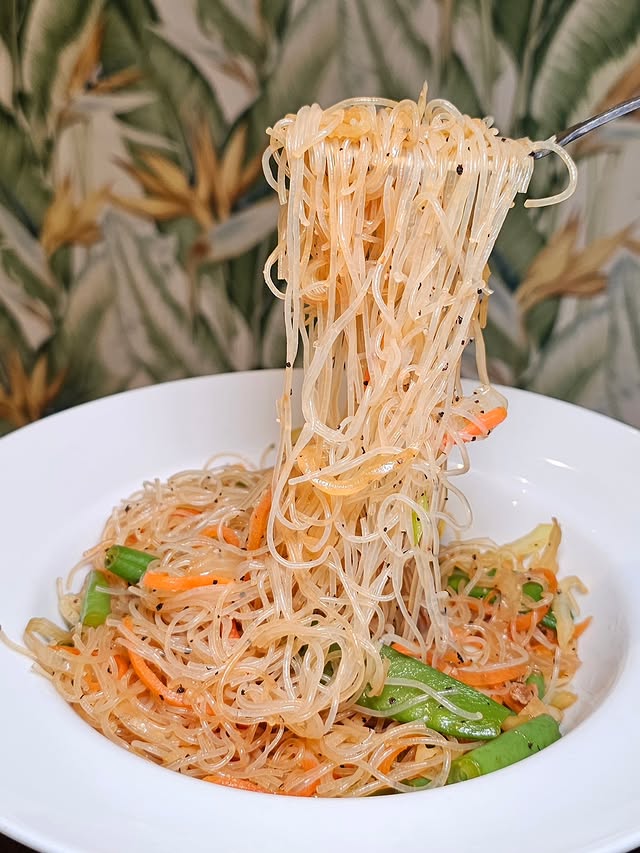
Why you’ll love it: Savoury, versatile, and packed with textures and flavours.
Where to try
- Manila: Pancit Centre
- Cebu: Chikaan sa Cebu
- Davao: Panciteria Dabaw
Pancit isn’t just food; it’s a tradition that connects generations and brings people together around the table.
Sisig (Sizzling Pork Dish)
Sisig is a beloved Filipino dish originating from Pampanga. Made from chopped pork cheeks and liver, it’s seasoned with calamansi and chillies, then served sizzling on a hot plate.
What makes sisig special is its bold flavour and the sizzling presentation that makes it irresistible. It’s a perfect dish for gatherings or enjoying with a cold drink.
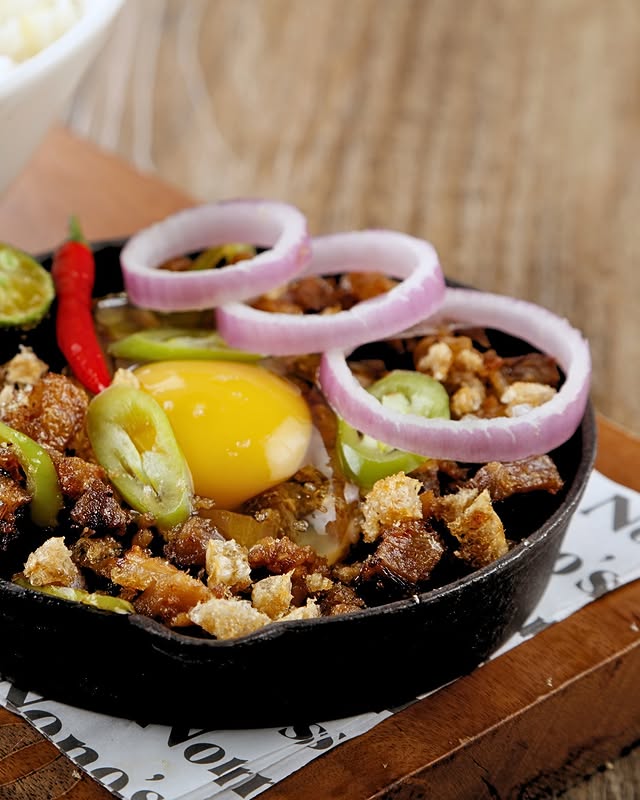
Why you’ll love it: Crispy, spicy, and tangy- a flavour-packed dish that excites your taste buds.
Where to try
- Manila: Manam Comfort Filipino
- Cebu: Tatangs Original Sisig
- Davao: Yellow Fin Seafood Restaurant
Sisig has become more than a dish; it’s a cultural icon and a must-try for anyone wanting the authentic Filipino culinary experience.
Lumpia (Filipino Spring Rolls)
Lumpia are crispy spring rolls filled with minced meat and vegetables, fried to golden perfection. They are commonly served as appetisers or street snacks.
What makes lumpia special is its crunchy exterior combined with the juicy, flavourful filling. Variations include fresh (unfried) versions and regional twists with local ingredients.
Why you’ll love it: Crunchy, savoury, and utterly addictive.
Where to try
- Manila: Aristocrat Restaurant
- Cebu: Harbour City Dimsum House
- Davao: Lachi’s Sans Rival Atbp.
Lumpia is a tasty, quick, and portable snack that can be enjoyed while shopping or roaming the country.
Halo-Halo (Shaved Ice Dessert)
For the post-meal sweet craving, try Halo-Halo. This dessert, which translates to “mix-mix,” is the ultimate Filipino treat. It combines crushed ice with sweetened beans, fruits, jelly, flan, and a scoop of ube ice cream.
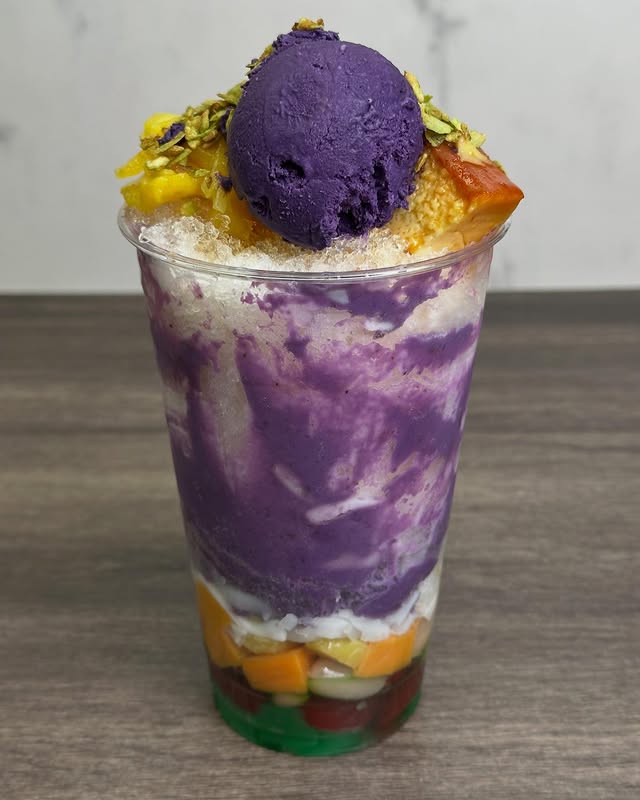
What makes halo-halo special is its colourful presentation and the blend of textures- crunchy, soft, and icy all at once. Every spoonful is a delightful surprise.
Why you’ll love it: Sweet, refreshing, and perfect for cooling off on a hot day.
Where to try
- Manila: Razon’s of Guagua
- Cebu: Ice Giants Dessert House
- Davao: Aling Foping’s Halo-Halo Atbp.
Halo-Halo is more than a dessert; it’s a treat of fun and creativity.
Ube Desserts (Purple Yam Delights)
Ube, or purple yam, is a Filipino favourite used in desserts like ice cream, cakes, and ube halaya.
What makes ube desserts special is their vibrant colour, creamy texture, and subtly sweet taste that delights both locals and visitors.
Why you’ll love it: Mildly sweet, creamy, and visually stunning- a treat for your eyes and taste buds.
Where to try
- Manila: The Dessert Museum
- Cebu: Dessert Factory
- Davao: Annipie Café
Ube desserts are a cultural staple and a must-try for anyone exploring Filipino cuisine.
Banana Cue (Caramelised Banana Snack)
Banana Cue is a beloved Filipino street food made by deep-frying skewered bananas coated in caramelised brown sugar. It’s an everyday snack that’s sweet, crunchy on the outside, and soft on the inside.
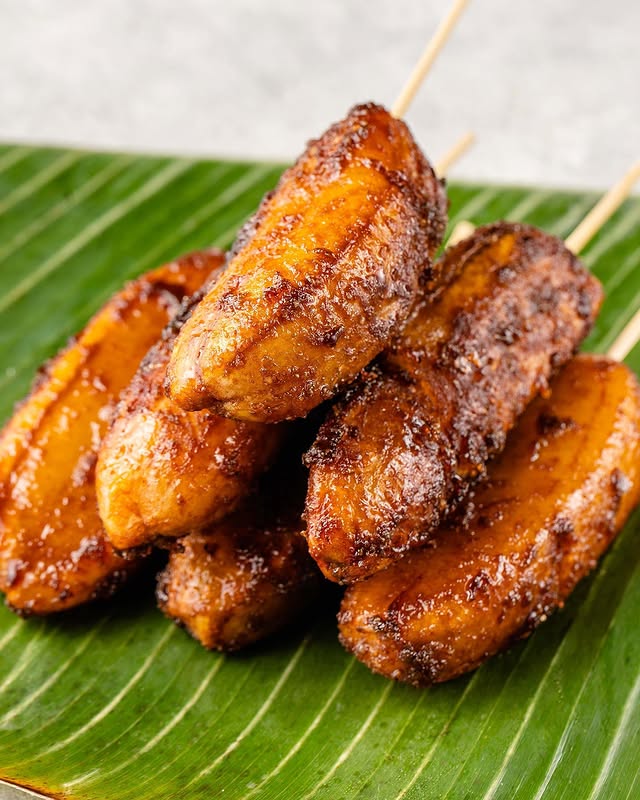
What makes Banana Cue special is its simplicity and the nostalgic flavours it brings. Sold by street vendors across the Philippines, it’s often enjoyed as a quick snack during work breaks, school recess, or while strolling through local markets.
Why you’ll love it: Sweet, slightly caramelised, and easy to eat on the go- perfect for satisfying your sugar cravings.
Where to try
- Manila: Mercato Centrale
- Cebu: Larsian BBQ Market
- Davao: Roxas Night Market
Beyond being a tasty snack, Banana Cue is a street food culture that is affordable, delicious, and deeply woven into everyday life.
While you explore Filipino dishes, consider finding the best things to buy in the Philippines that make perfect keepsakes to remember your trip! Also, check out the fun recommendation below-
| Additional Recommendations for the Adventurous Street Snack- Balut
If you are daring enough to try quirky foods, then Balut is for you- Balut is a fertilised duck egg with a partially developed embryo, boiled and eaten with a pinch of salt or vinegar. It’s a famous street food delicacy. What makes balut special is its adventurous appeal. It’s not for everyone, but for those willing to try, it’s a unique cultural experience. Why you’ll love it: Protein-rich, and adventurous- perfect for the brave foodie.
Balut is more than a snack; it’s a conversation starter and a glimpse into traditional Filipino street food culture. |
Famous Street Food in the Philippines You Can’t Miss
Street food in the Philippines is a huge part of daily life. From busy cities to small towns, you’ll find food stalls everywhere.
Try these local bites
- Isaw: Grilled chicken intestines, smoky and savoury (don’t worry, it tastes better than it sounds!).
- Fish Balls and Kwek-Kwek: Fried street snacks dipped in spicy or sweet sauce.
- Taho: Silky tofu with syrup and sago pearls- a soft, warm breakfast favourite.
So, use this food journey as a foundation for your Philippines itinerary, ensuring you don’t miss out on culinary delights, cultural sights, and fun experiences.
Conclusion
Filipino cuisine is very hearty and home-style. Most dishes are stews or stir-fries cooked slowly for depth of flavour.
Meals in the Philippines are all about sharing and community. Don’t be surprised if locals invite you to join their table, as Filipinos love feeding guests. Expect generous servings, friendly smiles, and always a bowl of rice within reach.
Filipino food is bold, comforting, and made with love. It may not look fancy, but every dish has a story- a mix of heritage, history, and heart.
So next time you’re in the Philippines, during the best time to visit, skip the fast food chains and dive into the local eateries to experience the best of Filipino cuisine. Come hungry- because Filipino hospitality will always make sure your plate (and heart) are full!
FAQs on the Famous Food in the Philippines
1. What are the 10 Filipino dishes?
The top 10 Filipino dishes every traveller should try are:
- Adobo: the national dish made with chicken or pork in soy-vinegar sauce.
- Lechon: crispy roasted pork, especially famous in Cebu.
- Sinigang: sour tamarind soup with vegetables and meat or shrimp.
- Kare-Kare: rich peanut stew served with shrimp paste.
- Pancit: stir-fried noodles symbolising long life.
- Sisig: sizzling pork dish from Pampanga.
- Lumpia: crispy spring rolls filled with vegetables or meat.
- Halo-Halo: colourful shaved ice dessert.
- Balut: boiled fertilised duck egg, a true local delicacy.
- Ube Desserts: sweet treats made from purple yams.
These dishes beautifully represent Filipino flavours- a balance of sweet, sour, savoury, and comforting.
2. What are the top 10 famous foods in the NCR region?
The National Capital Region (NCR) is the culinary hub of the Philippines. Apart from the classics, you’ll find creative twists on Filipino dishes in Makati, Quezon City, and Taguig. Try:
Adobo sa Gata (with coconut milk)
Modern Sisig tacos
Lechon Belly rolls
Seafood Sinigang sa Miso
Food parks and night markets in NCR also serve great street eats like Isaw, Fish Balls, and Banana Cue.
3. Is Filipino food spicy?
Most Filipino dishes are not very spicy compared to other Asian cuisines. The flavours focus more on sweet, sour, and savoury notes. However, chilli sauces and spicy condiments are always available if you want extra heat.
4. What desserts are famous in the Philippines?
The Philippines has a sweet tooth! The most famous desserts include Halo-Halo, Leche Flan, Bibingka (rice cake), and Ube Halaya (purple yam jam). These desserts are colourful, creamy, and perfect for tropical weather.
5. Is Filipino food vegetarian-friendly?
While many Filipino dishes use meat, there are also plenty of vegetarian options like Laing (taro leaves in coconut milk), Pinakbet (mixed vegetables in shrimp paste), and Adobong Kangkong (water spinach cooked in soy sauce and vinegar).
6. What drink goes well with Filipino food?
Locals often enjoy meals with calamansi juice, buko (coconut) juice, or San Miguel Beer. For dessert, try a refreshing sago’t gulaman- a sweet drink with jelly and tapioca pearls.
