


Key Takeaways:
|
Japan is a country celebrated for its deep-rooted traditions, unique heritage, and a fascinating blend of ancient traditions and latest innovations. Every year, millions of travellers from around the world visit Japan to explore its historic temples, vibrant cities, stunning landscapes, and gourmet cuisine.
However, apart from these famous landmarks, there is an experience that truly captures the country’s spirit: the spectacular Festivals of Japan. If you are planning to visit Japan and want to plan your itinerary around these special events, then let me help you to find the most important festivals in Japan.
List of 8 Most Famous Festivals of Japan
Here are some of the most renowned festivals of Japan that you shouldn’t miss
- Sapporo Snow Festival
- Gion Matsuri
- Aomori Nebuta Festival
- Kamakura Festival
- Sanja Festival
- Takayama Spring Festival
- Awa Odori Festival
- Nagasaki Kunchi
Now you know the names, so let’s dive deep into each festival and what they can offer you.
1. Sapporo Snow Festival
The Sapporo Snow Festival is one of the most famous festivals in Japan. It dates back to the 1950s, when a group of students created snow sculptures in Odori Park. Today, it is one of the country’s most popular winter events, attracting millions of visitors and locals every year.
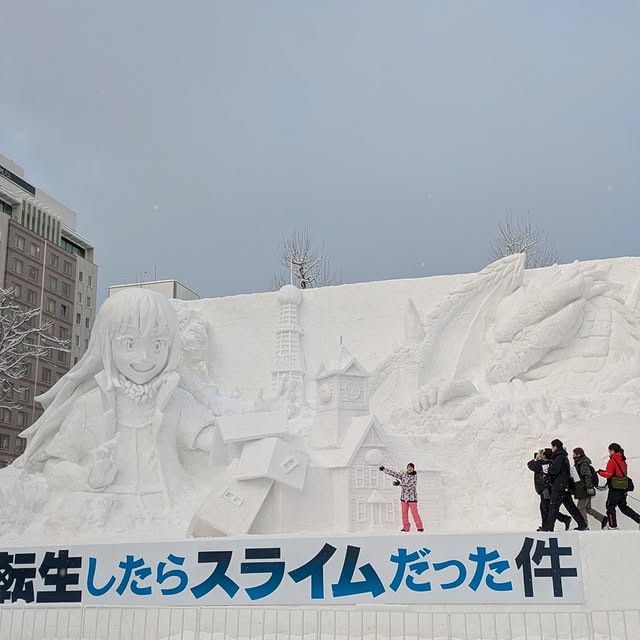
Today, approximately 200 snow and ice statues are displayed, including big and small ones. More than nine nations compete with each other while showcasing their talents. You can also enjoy some snow slides, ride a snow raft, or have a blast with a snowball fight at Tsudome.
Essential Information About Sapporo Snow Festival
- When will it happen: 4-11 Feb each year.
- How to reach: Odori Park is a 15-minute underground walk from Sapporo Station or one subway stop via the Nanboku or Toho lines.
- What to do: You can admire hundreds of snow and ice sculptures, watch the International Snow Sculpture Contest, enjoy snow slides and rafting at Tsudome, see stunning snow sculptures at night, and try delicious local street food.
- Entry fee: No fee required.
- Things to buy: Snow festival souvenirs, Hokkaido chocolates, Local handicrafts, anime merchandise.
- Popular food to taste: Sapporo ramen, Jingisukan, Takoyaki.
2. Gion Matsuri
The origin of this festival dates back to 869, and it takes place every summer in Kyoto. The festival was a way to appease ancient gods during an epidemic. As per tradition, every year, a local boy is chosen as a sacred messenger to the god, and he sits on one of many elaborate floats while his feet never touch the ground.
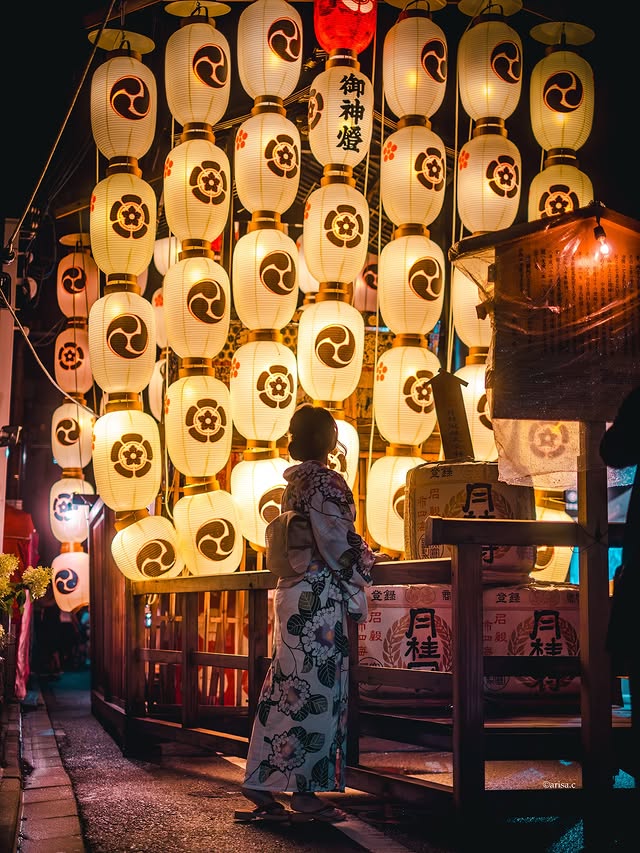
There are two types of floats in the Gion festival: Yama and Hoko, and they are often referred to as “Mobile Art Museums” due to their craftsmanship. Witnessing this festival is free, so it is ideal for travellers who want to take a budget trip to Japan.
Essential Information About Gion Matsuri
- When will it happen: The main parades, known as Yamaboko Junko, begin on July 17 and the second on July 24 every year.
- How to reach: The event takes place in central Kyoto around Shijo Street and Karasuma Street. You can reach the area via Karasuma Station or Gion-Shijo Station.
- What to do: You can watch the grand Yamaboko float parade, explore the lively festival streets, enjoy traditional performances, take photos of the beautifully decorated floats, and try delicious local street food and games.
- Entry fee: No fee required.
- Things to buy: Festival souvenirs and charms, handcrafted fans and yukata, Kyoto sweets and tea products.
- Popular food to taste: Takoyaki, Okonomiyaki, Yakitori, and traditional Kyoto sweets.
3. Aomori Nebuta Festival
The Aomori Nebuta Festival is a summer festival celebrated in all of the Tohoku region and is considered one of the most famous cultural festivals in Japan. More than 3 million people attend this one-of-a-kind event, where giant illuminated lantern floats are paraded throughout Aomori City.
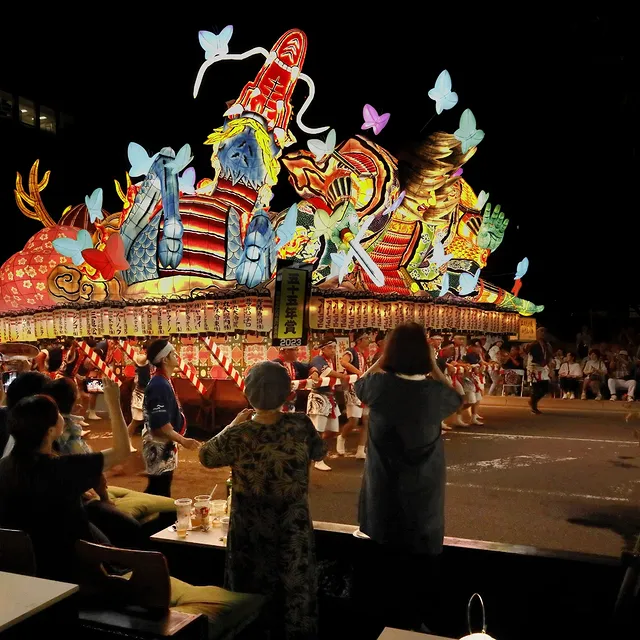
The figures displayed often represent mythical heroes, gods and spirits, famous local personalities, kabuki actors, and sometimes popular TV characters, particularly from historical “taiga” dramas.
Essential Information About Aomori Nebuta Festival
- When will it happen: 2 to 7 August every year.
- How to reach: Aomori City is easily accessible from Tokyo. It’s about three hours on the Shinkansen to reach Shin-Aomori.
- What to do: Witness the giant 3D Nebuta that parades, rent a Haneto costume, and enjoy fireworks.
- Entry fee: Free to watch from public viewing areas.
- Things to buy: Nebuta-themed souvenirs, Traditional Japanese fans, and lanterns.
- Popular food to taste: Senbei-jiru, Ichigo-ni, Takoyaki, Fresh apple desserts.
4. Kamakura Festival
Kamakura Festival is a week-long event that is held in Tsurugaoka Hachimangu Shrine. The major highlight of this event is a traditional dance known as “Shizuno-Mai” and yabusame horseback archery.
The Shizuka no Mai dance performance is dedicated to the tragic love story of Lady Shizuka, a famous figure of Japanese history and literature. Lady Shizuka, who was deeply in love with the warlord Minamoto no Yoshitsune, was later captured by Hōjō Tokimasa and forces loyal to Yoritomo.
Essential Information About Kamakura Festival
- When will it happen: Mid-April every year.
- How to reach: It takes place at Tsurugaoka Hachimangu, which is about a 10-minute walk from Kamakura Station.
- What to do: Watch Shizuka no Mai dance, see yabusame horseback archery tournament, explore historic shrine grounds, and enjoy festival activities.
- Entry fee: Festival events are free to witness.
- Things to buy: Traditional Japanese charms, local handicrafts, yukata, and festival merchandise.
- Popular food to taste: Shirasu, Taiyaki, Dango, Matcha desserts.
5. Sanja Festival
The Sanja festival is one of the most energetic festivals of Tokyo that features around 100 mikoshi (portable shrines) in the Asakusa neighborhood, in which Shinto gods are placed symbolically. These shrines are paraded through the streets by Mikoshi teams.
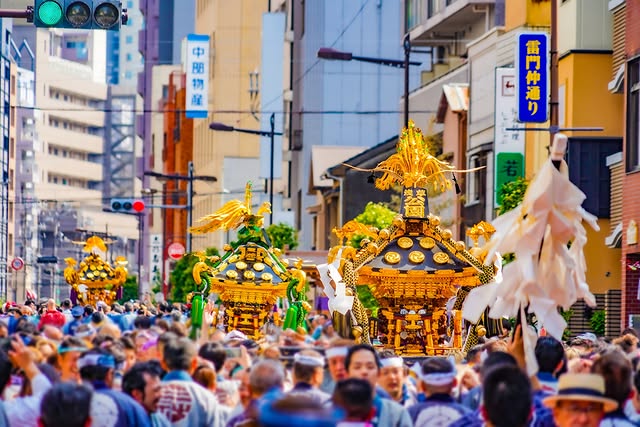
These traditions are known to bring good luck to Asakusa’s businesses and residents. The festival starts with the Daigyoretsu Parade, where priests, geisha, and officials in Edo-period costumes parade from Yanagi-dori Street to Sensoji Temple and Asakusa Shrine, accompanied by musicians on decorated floats playing flutes and drums.
Essential Information About Sanja Festival
- When will it happen: Third weekend of May each year.
- How to reach: Asakusa Shrine is about a seven-minute walk from Asakusa Station, which is served by the Ginza Line, Asakusa Line, and Tobu Railway Line.
- What to do: Watch the Daigyoretsu opening parade and enjoy traditional music and performances.
- Entry fee: It’s free to attend and watch from public areas.
- Things to buy: Handmade crafts and Festival souvenirs.
- Popular food to taste: Takoyaki, Okonomiyaki, Yakitori, Taiyaki.
6. Takayama Spring Festival
Thousands of people descend on Takayama for its spring festival. This event features large-scale floats accompanied by traditional musical sounds. This festival is regarded as one of the top 3 most beautiful festivals in Japan due to its beauty.
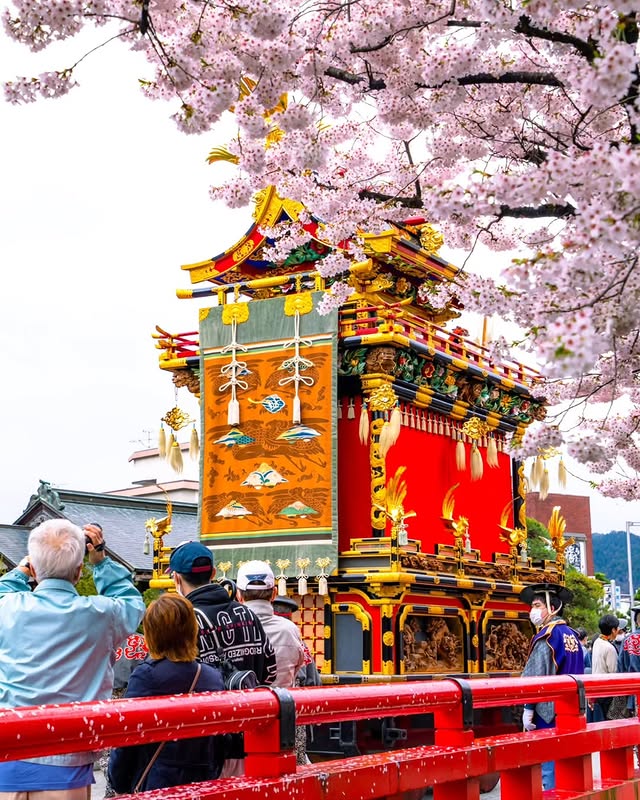
The center of attention of these events is Yatai. These floats are displayed during the day and paraded in the evening. Some floats are decorated with puppets called karakuri dolls that perform a traditional dance.
Essential Information About Takayama Spring Festival
- When will it happen: 14 and 15 April every year.
- How to reach: Trains from Nagoya run hourly to Takayama in about 2 hours and 20 minutes. The city is also connected to Toyama and Matsumoto by trains and highway buses.
- What to do: Watch the parade, see a traditional karakuri puppet performance, and explore Takayama’s historic old town streets.
- Entry fee: It’s free to watch from public viewing areas.
- Things to buy: Traditional crafts, Local sake from Takayama breweries, Wooden handicrafts.
- Popular food to taste: Hida beef, Takayama ramen, Mitarashi dango.
7. Awa Odori Festival
Awa Odori is an event that grabs national attention and attracts millions of visitors to the streets of Tokushima City to watch and participate in traditional folk dance.
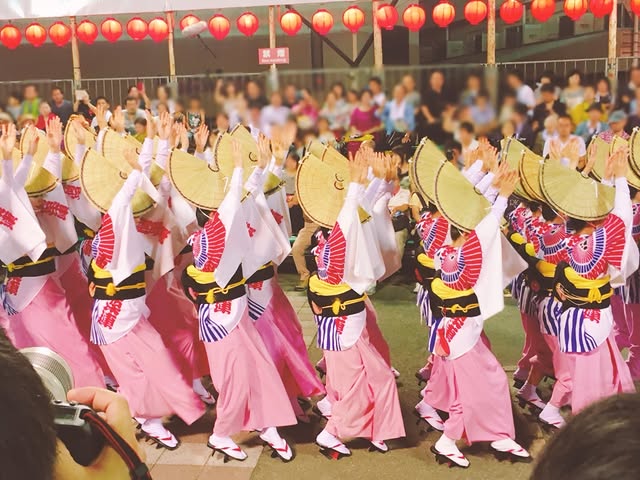
Awa Odori is one of Japan’s most renowned traditional festivals and should be added to Japan’s itinerary. It attracts over a million visitors each year. The Awa Odori dance began here over 400 years ago. If you want to participate in the Awa Odori festival, you need to be registered as part of a ren, or a dance troupe. You can avoid registration and compulsory costume in Niwaka Ren and enjoy it like a local.
Essential Information About Awa Odori Festival
- When will it happen: 12 to 15 August each year.
- How to reach: You can fly from Tokyo’s Haneda Airport to Tokushima, take the Shinkansen to Okayama, and continue by train to Tokushima Station, or use an express bus from Osaka.
- What to do: Watch dance performances, join a ren and explore the lively festival streets.
- Entry fee: It is free in most public areas.
- Things to buy: Traditional fans, Yukata, Local crafts.
- Popular food to taste: Sudachi dishes, Tokushima ramen, Yakitori, Takoyaki.
8. Nagasaki Kunchi
Nagasaki is one of the best places to visit in Japan, and people here take pride in organising Nagasaki Kunchi, a nearly 400-year-old celebration of autumn harvests, which became a shrine festival when Suwa Shrine was founded in 1614. In this festival, you can enjoy traditional dances and Chinese-inspired dragon dances.
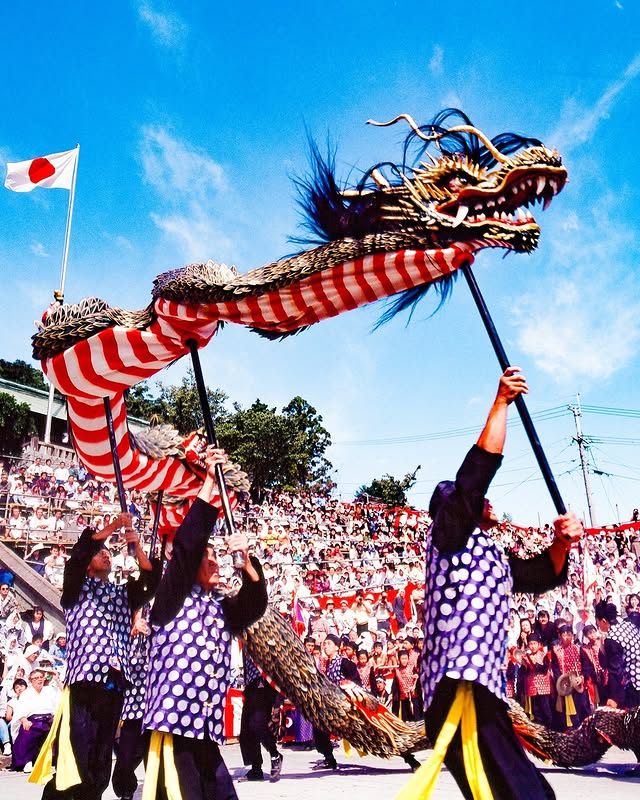
The Nagasaki Kunchi festival is heavily influenced by Chinese culture, making it a perfect blend of cultural diversity. All the performances are divided into four main stages: Suwa Shrine, Otabisho, Yasaka Shrine, and Chuo Park, and dancers represent Nagasaki’s various districts through their dance performances.
Essential Information About Nagasaki Kunchi
- When will it happen: 7-9 October every year.
- How to reach: You can fly to Nagasaki Airport, then take a bus to the city centre. Trains from Fukuoka to Nagasaki are also available.
- What to do: Watch traditional dances, visit the different performance stages, and explore food stalls.
- Entry fee: Most events are free to watch.
- Things to buy: Nagasaki-themed gifts, Local crafts, and handmade items.
- Popular food to taste: Champon, Kakuni manju, Hashimaki, Mochi mochi, Castella, Sara udon.
Tips for Attending the Famous Festivals of Japan
Attending the popular Japanese festivals can be an unforgettable experience, but a little planning can make your experience more comfortable.
Here are some useful tips:
- Wear Comfortable Clothing: Each festival mentioned above requires hours of standing and walking, so it is suggested to wear comfortable shoes and clothing.
- Apply for Your Visa Early: Apply for a Japan visa in advance, especially if you are travelling during the festive peak season, as the approval time can get extended.
- Book Accommodation in Advance: Start your booking early, as these festivals attract huge crowds and hotels in nearby areas usually sell out.
- Arrive Early for the Best Views: Arrive early to get good spots to see the feature parades, performances, and floats.
- Use Public Transport: Try to use local transport, as roads around the festive season usually get closed. Trains, buses, and subways are usually the easiest and fastest way to reach festival venues.
- Don’t Miss the Festival Street Food: Street food is a big part of the famous festival in Japan. Many stalls in Japanese festivals offer traditional snacks, regional specialities, and seasonal treats.
- Check the Festival Schedule: Review the festival timetable before visiting the festival venue, as many festivals, including Sanja Matsuri and Takayama Spring Festival, feature different highlights on different days.
Conclusion
Travelling to Japan is a once-in-a-lifetime experience, but proper planning is essential as millions of visitors travel to the country to witness its famous festivals. Along with booking hotels, arranging visas, and planning shopping, it is also important to understand Japan’s rules, basic etiquette, and public transport manners to ensure a respectful and smooth travel experience.
Whether you are drawn to historic parades, traditional dances, colourful floats, or delicious street food, Japanese festivals offer a truly unforgettable cultural experience. Since festivals take place throughout the year, you can plan your trip around the celebrations that interest you the most.
With our Japan travel packages, you can enjoy well-planned festival-ready itineraries, comfortable accommodations near festival venues, and convenient local transport to make your journey seamless and memorable.
FAQ’s About Famous Festivals in Japan
1. Are Japanese festivals free to attend?
Yes, most Japanese festivals are free to attend. Public events such as parades, street performances, and cultural celebrations are usually free to attend.
2. Which festival is famous in Japan?
Japan has many famous festivals throughout the year, but some of the most well-known festivals include the Sapporo Snow Festival, the Gion Matsuri, and the Aomori Nebuta Festival.
3. What is the biggest festival in Japan?
One of the biggest festivals in Japan is the Gion Matsuri, which is held every July in Kyoto. It is one of the country’s most famous and largest traditional festivals, attracting thousands of participants and millions of visitors. The highlight of the festival is the Yamaboko Junko parade, where massive, beautifully decorated floats are pulled through the streets.
4. What should I wear while attending the festivals in Japan?
During summer festivals such as Gion Matsuri and Awa Odori, people wear “Yukata,” which is a lightweight traditional summer kimono commonly worn during festivals. However, for winters and spring festivals like the Sapporo Snow Festival, wear warm layered clothing with sturdy shoes. You can also wear comfortable clothing and shoes, as the celebrations often involve extensive walking and standing on crowded streets.
