


Key Takeaways:
|
Bokor Hill Station, Cambodia, is a mist-covered hilltop area overlooking the province of Kampot. Locals call Bokor the ‘mountain of ruins’ due to its large number of abandoned settlements.
This hill is scattered with abandoned villas, crumbling hotels, and a solitary hilltop church, each structure standing as a silent witness to a once-glorious past. Some of these forgotten ruins are even said to be haunted by the locals.
Today, it is a national park with many animal species and a tourist destination with attractions to explore. You can find all the attractions in this blog and their location to make it easier to commute!
Where is Bokor Mountain Located?
Bokor is located about 40 km from the province of Kampot.
From Kampot, a 10 km highway leads to the foothills of Bokor. Once you reach the foothills, you’ll be welcomed by a huge arch that says “Preah Monivong Bokor National Park”. (The entry is free!)
After which, drive uphill for about 30 km on curvy roads to reach the hilltop.
In Bokor Hill Station, Cambodia, the temperature will be around 12-28°C, as it is located at an elevation of about 3,500 feet!
Tip: Drive carefully on the way because monkeys will be running all across the road, searching for food.
Things to Do in Bokor
Each landmark in Bokor carries layers of history, colonial ambition, spiritual devotion, wartime silence, and modern revival.
Here’s your complete guide to the top 8 attractions
- Le Bokor Palace Hotel
- Old Catholic Church
- Statue of Lok Yeay Mao
- Wat Sampov Pram
- Bokor Mountain Lake
- The Black Palace
- Popokvil Waterfall
- Other Smaller Ruins
Along with what each place is and its location, you also get to read the history. Visiting Bokor without knowing its history will be boring and confusing.
However, the beauty of travelling lies in getting to know other cultures and stories!
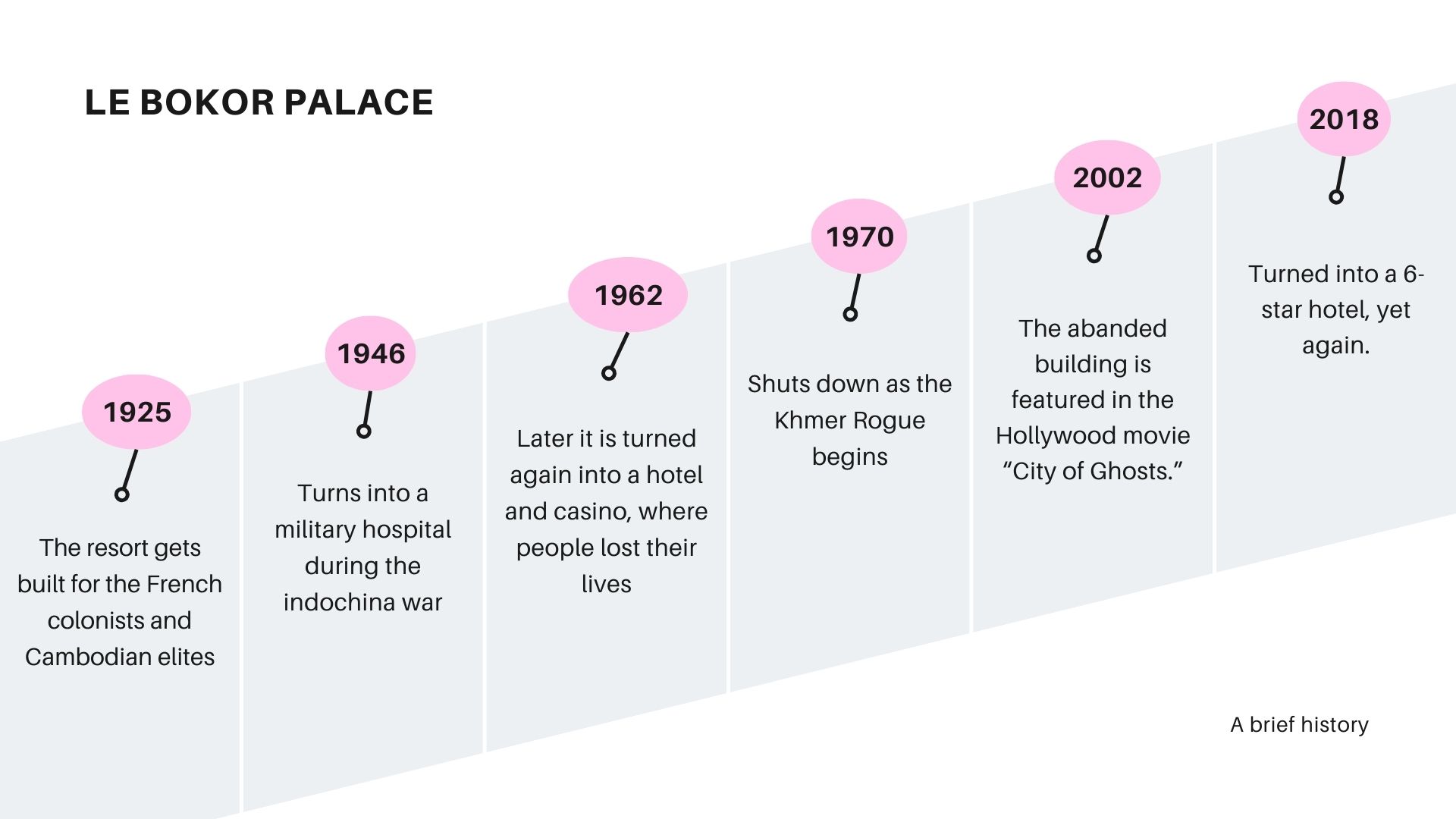
Le Bokor Palace Hotel
This is the most popular place in all of Bokor Hill Station. The building was built back in 1925, and after years of ups and downs, it acts as a luxury resort now.
Le Bokor Hotel is a massive building that historically has 22 rooms, but after renovation, now its has 36 luxury rooms. This building has seen the French colonists, the Indochina War, and the Khmer Rouge, but it was abandoned for years! You can see a snippet of the history below.
Note: Cambodian locals believe that Le Bokor Palace is haunted due to the deaths of construction workers (around 900 people) who worked under rough conditions. Local legend also says that players at the casino went bankrupt and killed themselves by jumping off nearby cliffs.
Old Catholic Church
About a 15-minute walk from the Palace Hotel, you’ll find about 20-30 steps that go up to an old church established back in 1928.
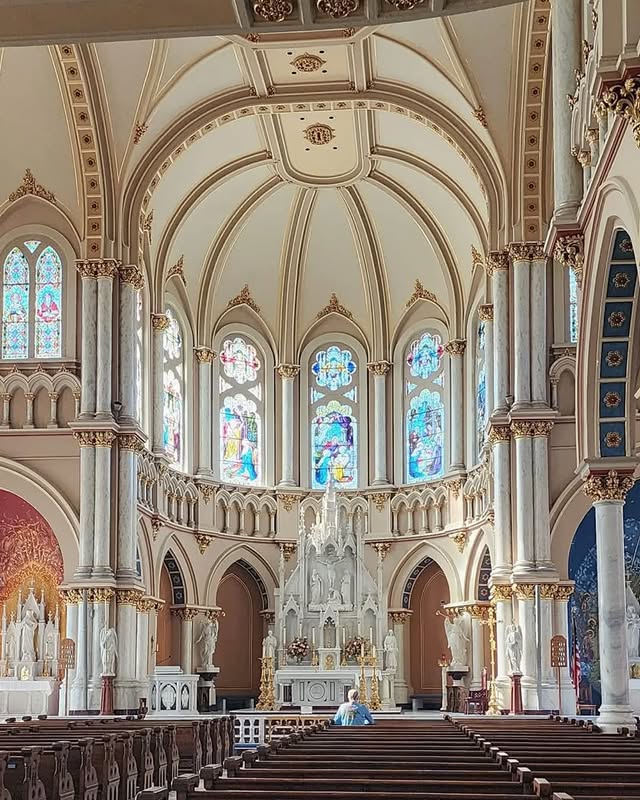
It is Cambodia’s second-oldest standing Roman Catholic church, built in a Neo-Romanesque style.
The church is entirely made of bare stones, giving an unearthly vibe. The inside of the church has walls that are worn down with names and graffiti on them. However, surprisingly, there are clean small altars with statues of Jesus, Mary and fresh flowers.
Pro Tip: The backside of the church has one of the best viewpoints of the entire hill station!
Fun Fact: The front hall of the church is used as a picnic spot by local Cambodians.
Statue of Lok Yeay Mao
When you’re in Bokor, at some point in time, you’ll spot a gigantic statue that looks like Buddha.
This 29 m-high statue is not Buddha but a mythical goddess named ‘Lok Yeay Mao’. According to the legend, she is ‘neak ta’ (ancestral guardian spirit).
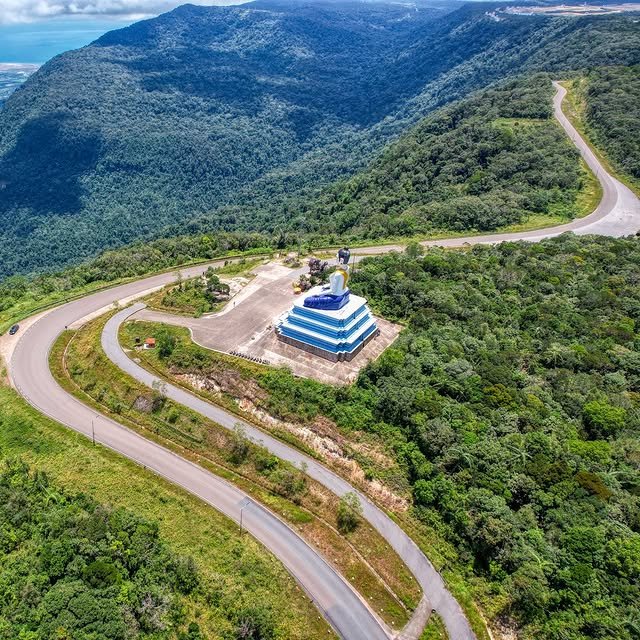
She is built on top of the Bokor hills overlooking the sea, providing safety to the coastal provinces of Cambodia, like Sihanoukville and Kep.
Locals seek her blessing for protection, well-being, authority, and prosperity by offering incense, fruits, and flowers to the goddess.
Right beside the statue, a row of donation boxes is topped with small animal statues, including hens, dragons, goats, and others. The reason behind this remains a mystery.
Pro Tip: Visitors can see Vietnam’s island of Phu Quoc from in front of the deity!
Five Boats Pagoda
Located at over 1,000 metres above sea level, Wat Sampov Pram is considered one of the highest pagodas in Cambodia. The temple’s name translates to “Temple of Five Boats”.
The highlight of Wat Sampov Pram is the stones outside the temple that resemble five sailing boats facing the sea.
The legend behind those rocks has an interesting past. Long back, a prince called Preah Thong fell in love with a girl on a beach. Turns out, that girl is the daughter of the underwater dragon king.
When the prince requested permission to marry the king’s daughter, he happily agreed.
As a dowry, the dragon king gifted five large boats along with jewellery and 500 staff. In the long run, those boats turned into rocks. And then, King Sisowath built the temple in the 1900s next to the rocks.
Just like the statue of Lok Yeay Mao, Wat Sampov Pram is also situated at the hilltop, allowing visitors to take in the panoramic views of Bokor forest and the gulf of Thailand.
Timings: 7 am to 5 pm
Bokor Mountain Lake
Bokor Lake is a combination of a dam and a freshwater reservoir.
The lake stretches for about 140 metres and is home to a large school of fish. A small stall nearby sells fish food, allowing visitors to feed the fish.
Another vendor rents out basic camping equipment such as tents and mats along the lakeside. Camping overnight in the cool mountain weather and waking up to misty views and the chirping of birds is surreal!
The Black Palace
Hidden among the forests of Bokor Hill Station lies Damnak Sla Khmao, more commonly known as the Black Palace, a quiet yet historically significant royal retreat.
King Sisowath Monivong (King of Cambodia from 1927 to 1941) spent his last five years of life in Bokor in his tiny, humble palace on the hill from 1937 to 1941.
The original name of the Black Palace is ‘Damnak Sla Khmao’. It started getting called ‘the Black Palace’ due to the extensive use of dark-colored wood, which gave the building a dark tone. Additionally, over time, the growth of moss and decay made it appear even darker.
The Black Palace is not a single structure but a cluster of 3-4 buildings spread across the area. All of them are abandoned, worn down, and missing windows and doors.
As time passed, the exteriors were overtaken by grass, making it difficult to walk through the premises.
The paintings and graffiti on its walls, left behind by artists and visitors over the years, make the place intriguing.
Popokvil Waterfall
One of the highlights of Bokor Hill Station, this waterfall is best experienced when visited at the right season. Visiting during the dry season will leave you searching for the waterfalls as they dry up!
Monsoon and post-monsoon are the times to experience this two-layered fall at its full glory.
Popokvil Waterfall can get quite crowded, as it’s a popular day trip from Kampot. However, if you’re willing to explore a little, there’s an alternative.
Ask around for directions to a boulder that you’ll need to cross, followed by a short hike downhill. This leads to a hidden waterfall that people rarely visit.
The cold water and the vegetation around it will be a peaceful retreat!
Entry Fee: 1 USD (90 INR) (approx.)
Note: The entry fee to the Popokvil Waterfall is just a dollar, and you get a water bottle for free!
The Other Smaller Remains
As we know, Bokor is a ghost town with multiple not-well-known abandoned places that can be visited if you’ve got time on your hands.
- Bokor Water Tank
- Old Bokor post office
- Mushroom shade (A forgotten picnic spot with a great view)
- Old hospital
- Military buildings
- Colonial buildings
Conclusion
Whenever people think of Cambodia, Angkor Wat is the first thing to pop up. However, Cambodia as a country is far more than just Angkor.
One of them, Bokor, is more than just a couple of abandoned buildings but a memory that these buildings hold by witnessing years of events. Understanding Bokor’s history brings these ruins to life and gives meaning to your exploration.
Time to focus on experiencing Cambodia beyond just Angkor!
FAQs About Bokor Hill Station Cambodia
1. Where is Bokor Mountain in Cambodia?
Bokor is a hill station that is situated about 40 km from the province of Kampot, southern Cambodia. The foothills can be reached in just 10 km; the remaining distance will be the road climbing uphill.
2. What to do on Bokor Mountain?
Bokor Hill Station is a historical city with a ton of ruins and temples. If you are interested in history, you can check out these spots.
- Le Bokor Palace Hotel
- Catholic Church
- Wat Sampov Pram
- Lok Yeay Mao
3. Is Bokor Hill Station, Cambodia, worth visiting?
Yes! Bokor Hill Station is worth visiting.
Especially if you are in Kampot during the wet or post-wet season, Bokor will be stunning and chill due to the mists up there!
