


Key Takeaways:
- Phnom Penh is the capital of Cambodia and is known for royal palaces, Buddhist temples, genocide memorials, riverfront promenades, markets, and nightlife
- Major attractions in Phnom Penh include the Royal Palace, Wat Phnom, Tuol Sleng Genocide Museum (S-21), Killing Fields of Choeung Ek, Central Market, and Sisowath Quay
- Historical sites such as S-21 and the Killing Fields provide essential context about Cambodia’s Khmer Rouge era and are important cultural visits
- Popular activities in Phnom Penh include river cruises at sunset, visiting local markets, attending cultural performances, and nightlife at Bassac Lane
- Phnom Penh can be comfortably visited in 2 to 3 days and fits well into a broader Cambodia travel itinerary
Phnom Penh, the capital of Cambodia, might already be on your travel list! I will show you why it is worth visiting and what top attractions it offers. The city offers a mix of royal grandeur, ancient legends, Cambodia’s dark past, and an active nightlife.
To help you plan your trip, I’ve shared practical details for each attraction. Their highlights, opening hours, ticket prices, dress codes, and tips, along with some historical context to enrich your visit.
Here’s a guide to the 10 places to visit in Phnom Penh and the best things to do in Phnom Penh to make your trip unforgettable!
Royal Palace
The main attraction of Phnom Penh is the Royal Palace, the official residence of the Cambodian monarch, King Norodom Sihamoni. The palace grounds don’t just have the palace but also other halls and temples for the convenience of the royal family.
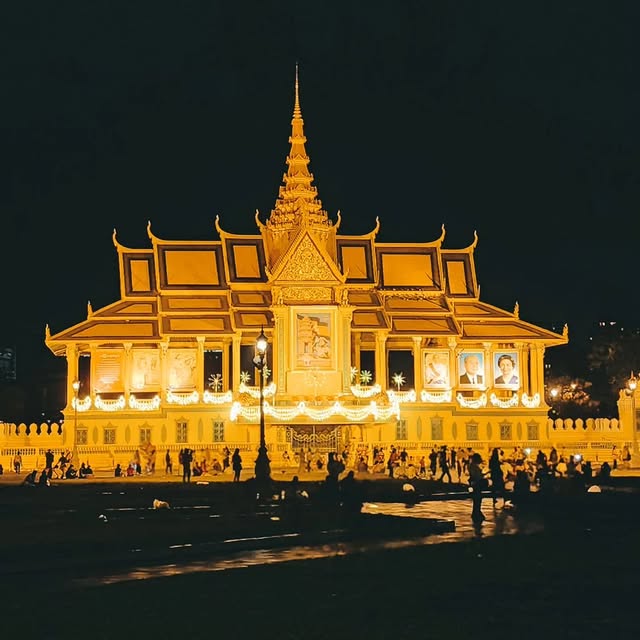
The Throne Hall is used for ceremonies, such as coronations and royal weddings. The hall stands out with its shining golden spire, visible from across Phnom Penh.
The Moonlight Pavilion is an open-air building that was once used as a dance hall but is now utilised for banquets and other special events.
The most famous of all is the Silver Pagoda, which features an extremely rare emerald Maitreya Buddha on a floor of a thousand silver tiles.
Paintings from the Ramayana and masks of Ramayana gods can also be found on-site, including those of the multi-headed Ravana!
The entire project was designed and built with the assistance of French and Thai architects and designers, which shows in the blend of European and traditional Khmer architecture.
Cultural performances at the royal palace are organised during major public events, royal celebrations, or national festivals.
A guide can be hired at the palace gate and the costs depend on the guide. However, ₹900 to ₹1400 is a good deal.
Note: The Palace and the temples have strict clothing rules. Your shoulders, knees, and back must be covered! And photography is prohibited inside the Throne halls and the Silver Pagoda.
- Timings: 8:00 am to 11:00 pm & 2:00 PM to 5:00 pm
- Cost: ₹887/ person
Wat Phnom
Wat Phnom, meaning ‘Pagoda Hill’ in Khmer. This Buddhist temple is situated in the heart of Phnom Penh, perched atop a man-made hill. It is one of the most popular tourist spots in Phnom Penh.

As you enter the temple, you’ll enter through a grand eastern staircase, lined with detailed naga carvings and lion statues, symbols of protection and spirituality in Khmer culture.
The legend states that this temple was founded by a woman in the 13th century, when she discovered a trunk of bronze Buddha statues.
She took them and built a small shrine, which is today’s Wat Phnom. Later, a settlement was developed around the temple, which is called Phnom Penh today, named after ‘Lady Penh’, who built the temple.
The interior of the temple features hundreds of Buddha statues of varying sizes, along with a separate Chinese temple. The outside of the temple is a calm place to stroll around under the shade of trees.
Festivals like Meak Bochea, Vesak Bochea, and Khmer New Year are celebrated at this temple.
To learn more about the festivals, give this blog ‘Best time to visit Cambodia’ a read.
Note: Ensure shoulders, back, and knees are covered, and remove shoes and headwear before entering.
- Timings: 7:00 AM – 7:00 PM
- Cost: ₹87
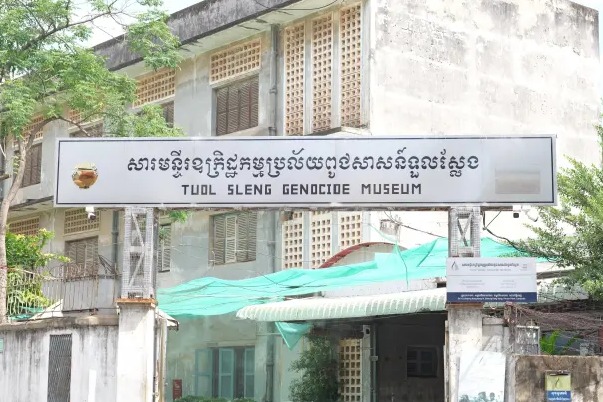
Tuol Sleng Genocide Museum (S-21)
This museum was formerly a detention and torture centre, which was originally a school. Yes, the way the building has changed over the years is heartbreaking.
Apart from Cambodia’s culture, temples, and nature, the country also has a four-year dark history from 1975 to 1979. It all started when Pol Pot came into power and introduced the idea of an agrarian communist society.
He made education illegal and demanded that everyone work on farms, so that he could sell the farm produce and earn money. He abolished schools, currency, trade, religion, and even people who wore glasses were targeted, as they were perceived as intellectuals.
The original Tuol Sleng Genocide prison building has four main buildings (A, B, C, D)
It has torture and interrogation rooms, thousands of prisoner photographs, torture instruments and artifacts and paintings by survivor Vann Nath,
The museum regularly hosts thematic exhibitions like “Childhood without Color,” commemorating child victims and human rights issues.
The Tuol Sleng Genocide Museum shows us the brutal Khmer Rouge Penal system. It’s one of the important places to visit in Phnom Penh to understand the country’s history.
- Timings: 8:00 AM – 5:00 PM
- Cost: Entry fees only – ₹264, Entry fees + audio guide – ₹440 (Audio guide highly recommended)
Killing Fields of Choeung Ek
A visit to the Killing Fields of Choeung Ek is often combined with the Tuol Sleng Genocide Museum, as together they tell the whole story of Cambodia’s darkest chapter. Located about 30 minutes from the museum, the killing fields were once used as an execution ground.
Continuing the history, people started to die from overworking on the farmlands or through starvation. Yes, they were given a lot of work to produce food, but they were not given any food.
But also a lot of victims were shot dead for disobeying the orders of the dictator, including children. Much later, after the Khmer Rouge was overthrown in the 1980s, more than 8000 remains were found on this land. Now, it is a memorial, marked with a Buddhist Stupa.
Approximately 5,000 human skulls are preserved behind glass for people to pay their respects.
Victims were executed while they were inside large pits. Their scattered bones still sit those mass grave pits even after decades.
Children were not spared, to avoid ‘growing up and taking revenge for parents death’, the kids of the adult victims were hit against the tree to kill them.
- Timings: 7:30 AM – 5:30 PM
- Cost: ₹528
Riverside Promenade
The Riverside Path, also known as Sisowath Quay, is a 3 kilometers long walkable pathway stretching parallel to the Tonle Sap River.
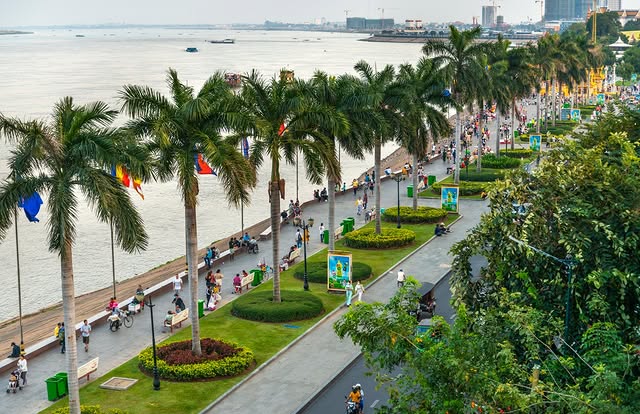
The best time to visit is early morning or late afternoon, during or after sunset, when the heat is manageable. Evenings will be filled with locals and monks going about their daily activities, such as chatting, walking, stretching, playing, and even people walking in reverse. The best place for people watching.
After sunset, you will find multiple vendors with lit-up carts selling everything from cut fruits to grilled meat. Just across the road, you’ll find bigger food chains and other restaurants. You can also know your future from the fortune tellers on the path.
After an entire day of Phnom Penh sightseeing, the riverside promenade is the best place to stroll around and chill.
Sunset Cruise
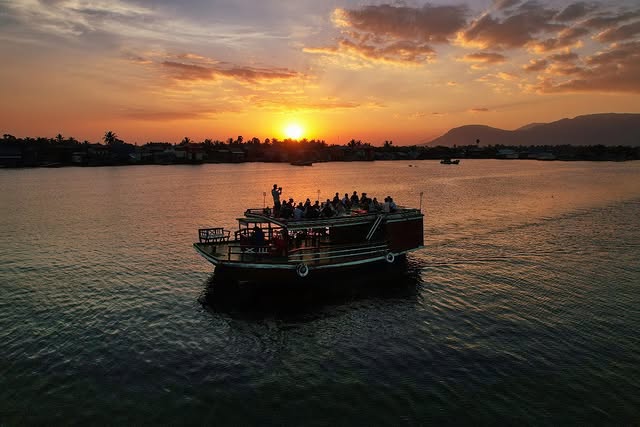
A cruise can be taken next to the river Promenade, in the confluence of the three rivers of Tonle Sap, Mekong, and Bassac! The cruise takes you along the Mekong River..
Fun Fact: The Mekong River is where the world’s largest stingray was found back in 2022. It was 13 feet long, weighing around 300 kgs.
The tours depart around 4:30 to 5:00 pm from near Koh Pich or the Friendship Monument.
It typically lasts between 1.5 to 2 hours. An excellent opportunity for the tourists to have a front seat to the view of the city, skylines of Koh Pich or the Diamond Island, floating houses, and more. The tours offer complimentary snacks, drinks, and English-speaking guides.
Note: If you want to surprise your partner, book a romantic dinner on a cruise during sunset for the perfect night!
- Duration: 2 hours
- Cost: ₹900 to ₹2000
Champey Academy of Arts
Champey Academy of Arts is an art school that provides free education to the unprivileged Cambodian Children. They teach Khmer dance, music, and even traditional drawing and painting. Their motto is that the nation’s rich culture should be passed on to future generations.
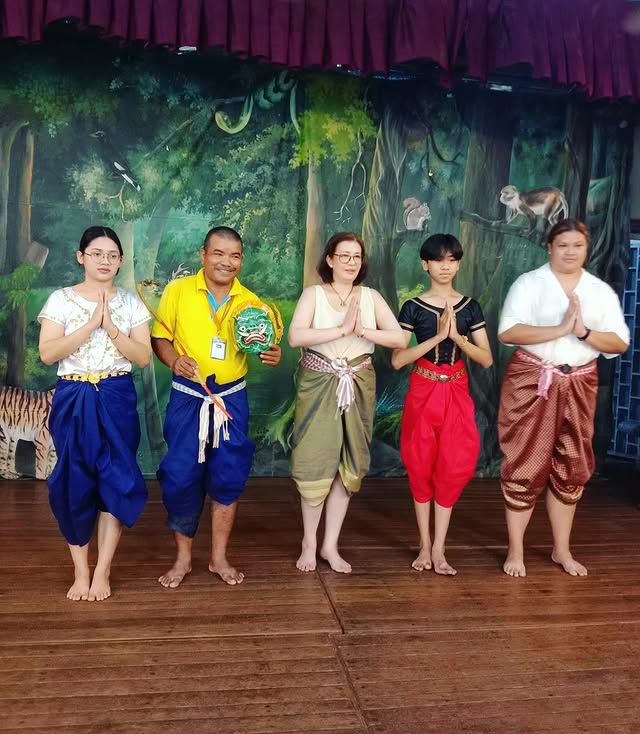
Tourists can visit the academy to attend workshops and shows. Children perform and explain the traditions, allowing visitors to try the instruments themselves. The kids will also teach you some dances, such as the Mermaid, Monkey, Bamboo, and Coconut Dances.
A souvenir shop on-site offers unique handcrafted items and student artworks that helps sustain the school’s programs.
- Timings: 7-11 am, 1:30-5 pm (Sunday holiday)
- Cost: ₹529
Central Market
The Central Market of Phnom Penh is the place where you can find pretty much everything. This circular, stepped, dome-shaped building with four wings radiating in four different directions was built in 1937. It not only has an impressive design but is also quite functional.
Inside, you will find a wide variety of items, including gadgets, food, flowers (a highly lucrative business in Cambodia), vegetables, religious artifacts, and more.
The central section under the 85-foot-high dome is mainly intended for jewelry, gemstones, and watches, but be cautious not to purchase any fake items that may be disguised as authentic ones.
The other shops will be spread out across each wing and even outside the building. The wet section, such as meat and seafood, is separated from the dry section, like electronics.
The highlight for most of the visitors is the market’s exotic street food, which includes fried tarantulas, scorpions, frog meat, pupae, crickets, and more. As Indians, we find these items ‘alien’, but it’s essential to respect others’ culture and food.
Recommended foods: Crispy prawns with pepper lime sauce, num pang, stir-fried noodles, grilled BBQ skewers, Durian fruit, and sugarcane juice. However, if you’re feeling adventurous, try out the exotic foods at your own risk.
Note: Always check the currency notes that you get as change, it might be fake or dirty (People in Cambodia usually only accept clean cash). And of course, be aware of pickpockets.
- Timings: 7:00 am to 6:00 pm (Some vendors will wrap up even before 5 pm, so be there early!)
Bassac Lane
Just around 2 km from Sisowath Quary, Bassac Lane is Phnom Penh’s funky maze of narrow alleys. Lined up with bars, restaurants, cafes, karaoke bars, breweries, and pubs.
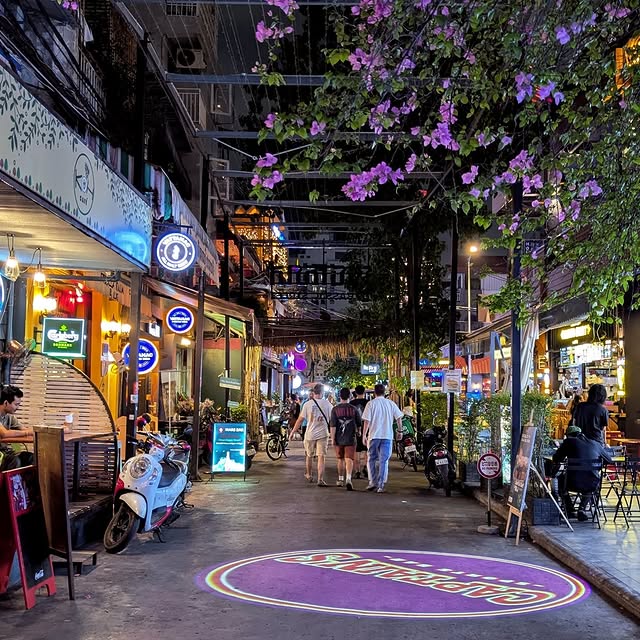
Since cars aren’t allowed, the whole area is pedestrian-friendly, making it easy and safe to wander from one bar to the next. So, it’s okay to let your tipsy self (not drunk) walk around those lit-up streets.
Most bars close around midnight, but a few keep the party going until the early hours of the morning, sometimes even 6 am.
- Recommended foods: Nom ka Chai, Chiva cake, and Kababs.
- Recommended places: Cancan, Mama Wong, and Battbong history (the pub’s door is a Coke machine).
Phnom Penh Night Market
Missed the Central Market during the day because it closes at 5 pm? Don’t worry, the Phnom Penh Night Market has you covered, which opens at 5 pm!
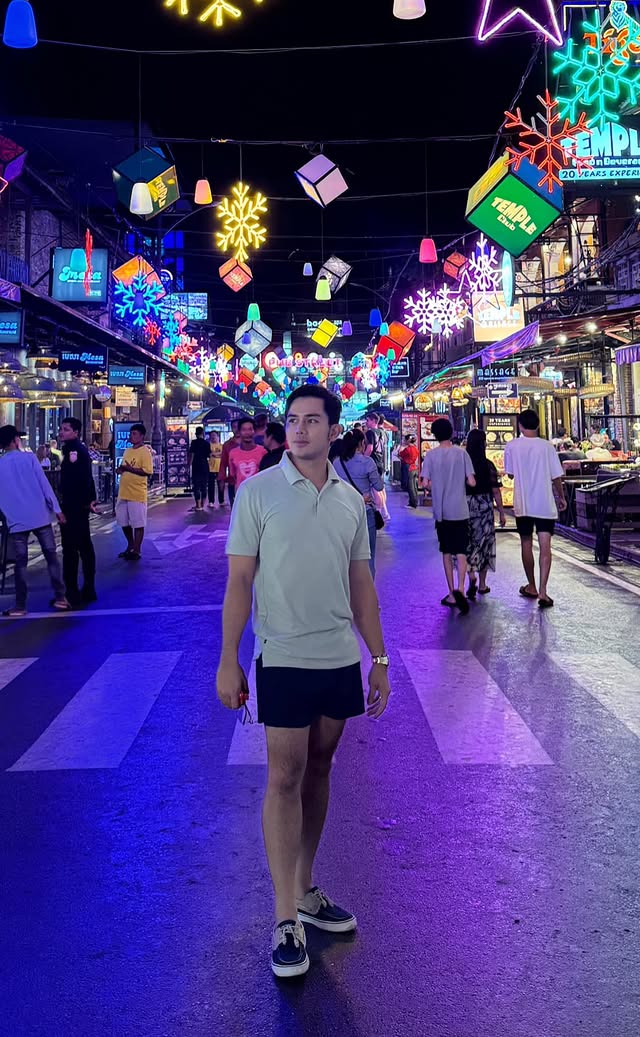
Located along the Tonle Sap River near Sisowath Quary, the night market is a smaller and occasionally cheaper alternative to Phnom Penh’s central market. However, just like the central market, this one also sells clothes, accessories, souvenirs, and popular street food.
But you won’t find many exotic foods, no spiders, scorpions, or insects here. Expect familiar dishes made with chicken, fish, beef, and pork.
Two highlights of this market
- A stage area: Hosts street performances like singing and dancing, sets a chill vibe.
- The food zone: Carpets are rolled down on the ground for eating. (Cats may occasionally walk to you for pets and food)
- Recommended foods: Pad Thai, Fried meatballs. Fish rice soup and soya bean milk.
- Timings: 5:00 pm to 11:00 pm (Operates primarily on the weekends)
Conclusion
Phnom Penh may not have the same global fame as Angkor Wat, but it is full of stories, culture, and charm. From royal palaces and peaceful pagodas to markets, river cruises, and lively streets, the city has something for everyone.
Phnom Penh deserves a place on your itinerary list, and let the experts from Dimaak Tours customize your itinerary!
Whether you have just two days or an entire week, these highlights will help you capture the soul of Phnom Penh and leave with memories that linger long after your trip ends.
Frequently Asked Questions About Top Places in Phnom Penh
What to see in Phnom Penh in 2 days?
Being the capital of Cambodia, Phnom Penh offers a decent number of attractions for its visitors. With just two days, you can visit these places
- Royal Palace
- Wat Phnom
- Tuol Sleng Genocide Museum (S-21)
- Sunset cruise
- Central market
Is Phnom Penh close to Angkor Wat?
No, Phnom Penh is the capital of Cambodia and is located in central Cambodia, whereas Angkor Wat is located in the northwest of Cambodia, which is 320 km away from Phnom Penh.
Which is the coldest month in Phnom Penh?
The coldest month of Cambodia is December, when the temperature hovers around 21°C to 30°C. It’s not exactly too cold, but a comfortable temperature for sightseeing.
