


Key Takeaways:
|
Cherry blossoms are one of the main reasons Japan is popular among Indian travellers, particularly families and honeymooners, as the season offers picturesque photo opportunities and scenic picnic spots.
To help visitors determine the best time to visit the country, the Japan Meteorological Corporation released its Cherry Blossom Forecast on January 8, 2026, providing estimated flowering and full-bloom dates across Japan.
This guide clearly explains the best places to see cherry blossoms in Japan and the ideal time to experience them.
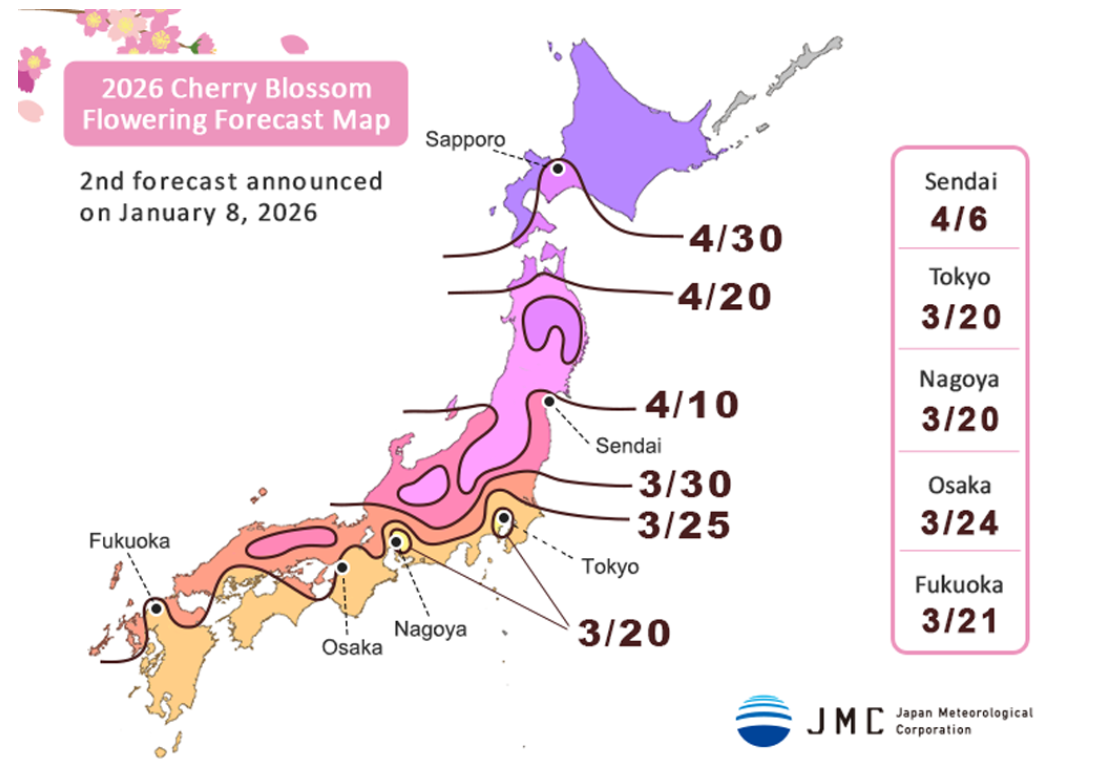
Overview of Cherry Blossom Viewing Times in Japan
Here is the list of the cities in Japan with cherry blossom viewing dates in 2026. Use these dates to plan your Japan itinerary for March, April, or May, depending on which part of Japan you want to visit.
|
City |
2026 Flowering Date |
2026 Full Bloom Date |
|
Tokyo |
March 20 – 24 | March 27 – 31 |
|
Kyoto |
March 25 – 26 |
April 1 – 4 |
|
Osaka |
March 24 – 27 | March 31 – April 4 |
| Hiroshima | March 21 – 25 |
March 30 – April 3 |
| Niigata |
April 6 – 8 |
April 11 – 13 |
|
Hakodate |
April 26 – 28 | April 29 – May 2 |
| Sapporo |
April 27 – May 1 |
May 1 – 6 |
|
Aomori |
April 19 – 22 |
April 22 – 26 |
Best Places to See Cherry Blossoms in Japan
Japan’s cherry blossom season is a nationwide highlight, with each region offering a unique atmosphere.
In Tokyo, you can see petals fall amid historical surroundings. In northern regions such as Hokkaido, traces of winter often remain alongside blooming cherry trees.
The experience varies depending on your preferences, whether you seek lively crowds, festive atmospheres, or quiet scenic views.
Shinjuku Gyoen National Garden, Tokyo
Shinjuku Gyoen National Garden is a popular destination for cherry blossom viewing with a variety of garden styles.
The place is conveniently accessible by metro, with Shinjuku-gyoemmae Station only 300 metres away from the garden. Visitors can explore Japanese, French, and English garden landscapes, each providing a distinct setting as the seasons progress.
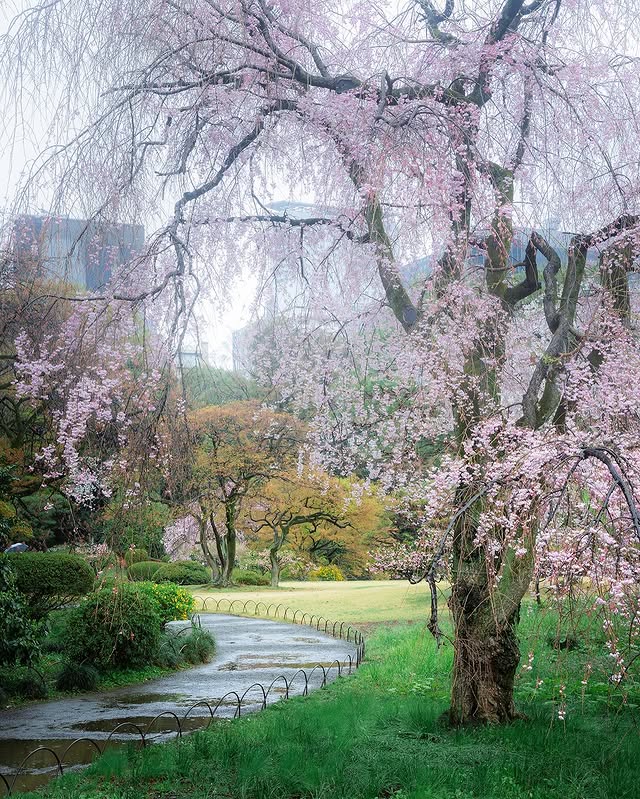
When visitors enter, they are greeted by the 58-hectare garden, which features over 1,500 cherry trees.
One highlight of the garden is the iconic weeping cherry, which is renowned for its graceful, cascading branches.
- Entry Fee: Approximately 290 INR per person
- Garden Time: 09:00 AM to 04:00 PM
Ueno Park, Tokyo
From Ueno Station, Ueno Park is just 350 metres away. With such convenient access, the park stands as the heart of Tokyo’s cherry blossom festivities and attracts more visitors.
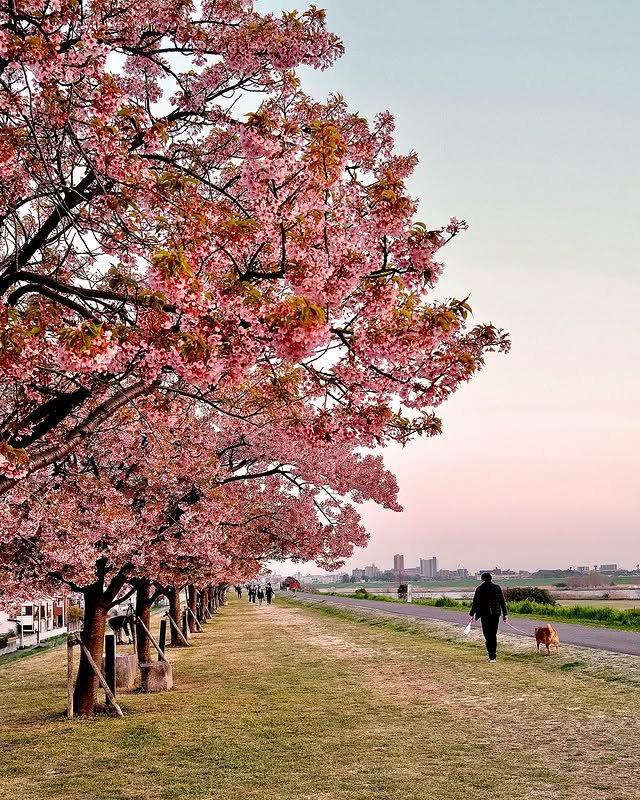
The main pathway is lined with over 1,200 cherry trees, creating a cheerful atmosphere.
You can secure picnic spots beneath the trees. Then enjoy the lively ambience that continues into the evening, with friends and families gathering under illuminated lanterns.
Beyond its festive appeal, Ueno Park is home to Japan’s most esteemed cultural institutions, such as the National Museum of Western Art and the Tokyo National Museum.
- Entry Fee: Free (The Museums and the boat ride have a fee, but not the park)
- Park Time: It is open 24/7, but the boat rides are seasonal
Chidorigafuchi Park, Tokyo
Each spring, a 700-metre path in the Chidorigafuchi Park along the Imperial Palace is transformed by cherry trees, with their branches beautifully arched over the water, scattering petals onto the surface below.
One of the fun activities in the park is renting a rowboat. It costs approximately 1,000 yen per half-hour, allowing you to float beneath the blossoms.
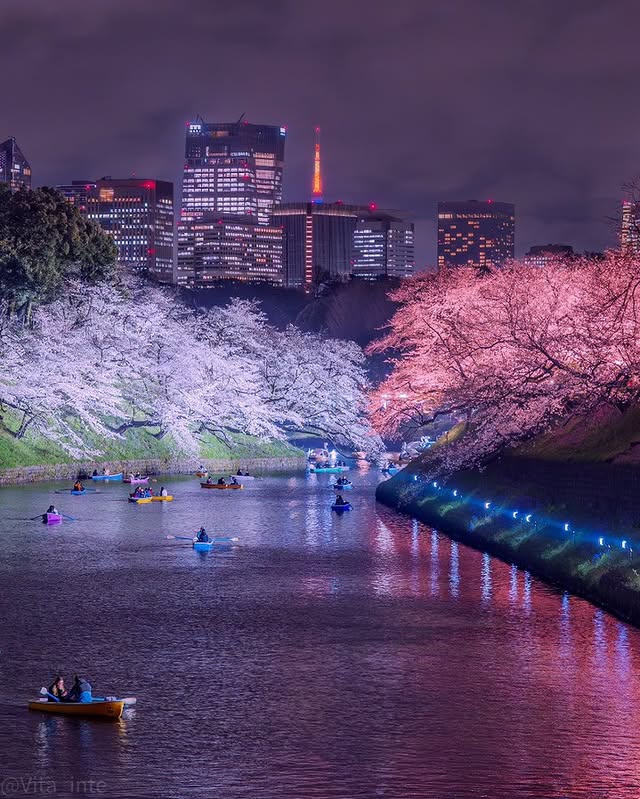
The path becomes even livelier after dark, and the illuminated trees create a scene hard to resist. Experiencing both a daytime boat ride and an evening stroll is highly recommended, as each offers a distinct ambience.
- Entry Ticket: Free to enter, but the Chidorigafuchi Boat Pier can cost approximately 500 INR per person.
- Park Timing: Open 24/7 (boat operations run from late March to November, 11:00 AM – 5:30 PM)
Meguro River, Tokyo
The Meguro River area is ideal for riverside cherry blossom viewing in Tokyo, Japan. There are approximately 800 cherry trees along a four-kilometre stretch of the river, where visitors can enjoy boat rides during the sakura season.
When the cherry blossoms are in full bloom and paper lanterns are hung along the riverside, the place becomes a romantic walkway, particularly popular for photography.
With many food stalls and nearby attractions, guided walking tours along the river are very popular. The guide will take you to Daienji temple and some locals’ favourite restaurants.
- Walking Tour Cost: Approx. 2,000 INR per person
Note: Boating is only available during the cherry blossom season, which is late March to early April.
Philosopher’s Path, Kyoto
The Philosopher’s Path in Kyoto offers a peaceful setting. Visitors walk along a stone path that begins in Sakyo Ward and extends for two kilometres beside a peaceful canal, shaded by hundreds of cherry trees.
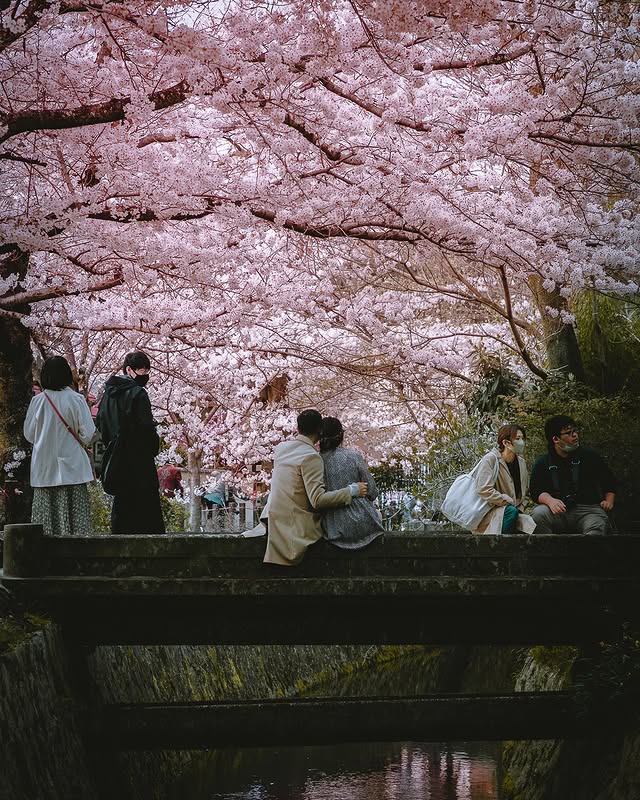
The place is named after the philosopher Nishida Kitaro, who often walked this route for daily meditation practice. The path encourages visitors to slow down and savour the moment.
Along the way, there are cafes, boutiques, and the Eikan-do Temple, which is particularly noted for its dense cherry trees.
- Timing: 24/7
- Cost: Free to enter
Maruyama Park, Kyoto
Located in Kyoto’s Higashiyama Ward, Maruyama Park is close to the Gion district, which is known for its geisha culture. The park is easily accessible by city bus, with stops near the Gion area.
After sunset, the generations-old cherry tree at the park’s centre is illuminated, becoming the focal point of Kyoto’s cherry blossom festivities.
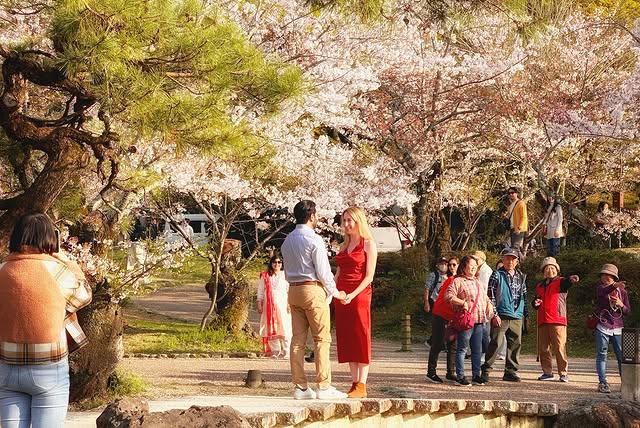
Each evening, visitors gather beneath the glowing branches, creating a festive atmosphere that extends well into the night, with people enjoying drinks and bento meals.
As the park is close to Gion, visitors can easily combine cherry blossom viewing with exploring the historic entertainment district or possibly catching a glimpse of a geisha.
- Park timings: 24 hours a day
- Entrance: Free
Osaka Castle Park, Osaka
Osaka Castle Park is one of the city’s most iconic attractions, distinguished by its green-roofed castle. It is easy to reach the park via the JR Loop Line to Osakajokoen Station.
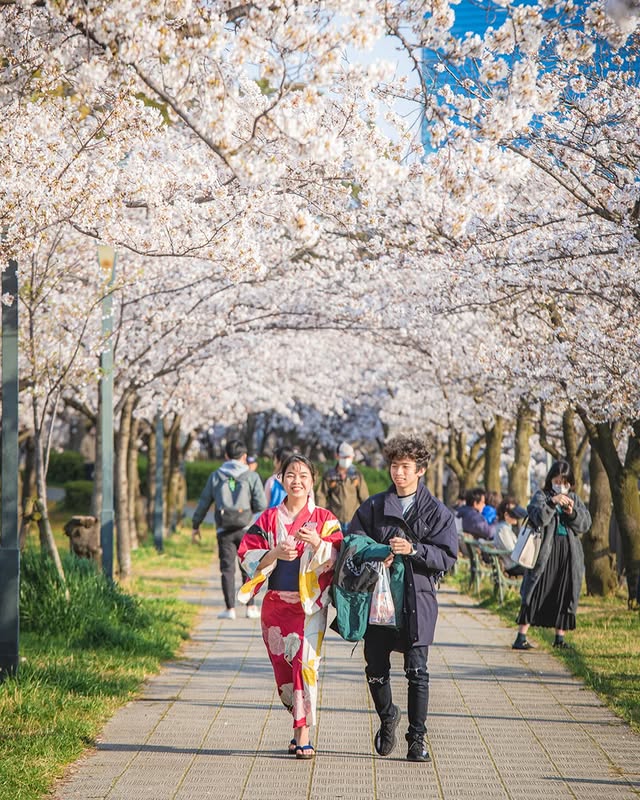
With approximately 3,000 cherry trees, the park provides ample space for visitors.
In particular, the Nishinomaru Garden within the park is one of the best picnic spots. You can see many locals beneath the blooming Yoshino cherry trees having their food and spending time with their families.
In the evening, both the castle and the cherry trees are beautifully illuminated, creating the enchanting effect of the castle floating above a sea of pink.
- Entrance Fee: Approximately 115 INR per person
- Timing: Open 24/7 (Nishinomaru Garden is open 09:00 – 05:00 and closed on Mondays)
Goryokaku Park, Hokkaido
In Hakodate, this Goryokaku Park offers a different experience from the south of Japan. The park surrounds a star-shaped, Western-style fortress constructed in the 1860s.
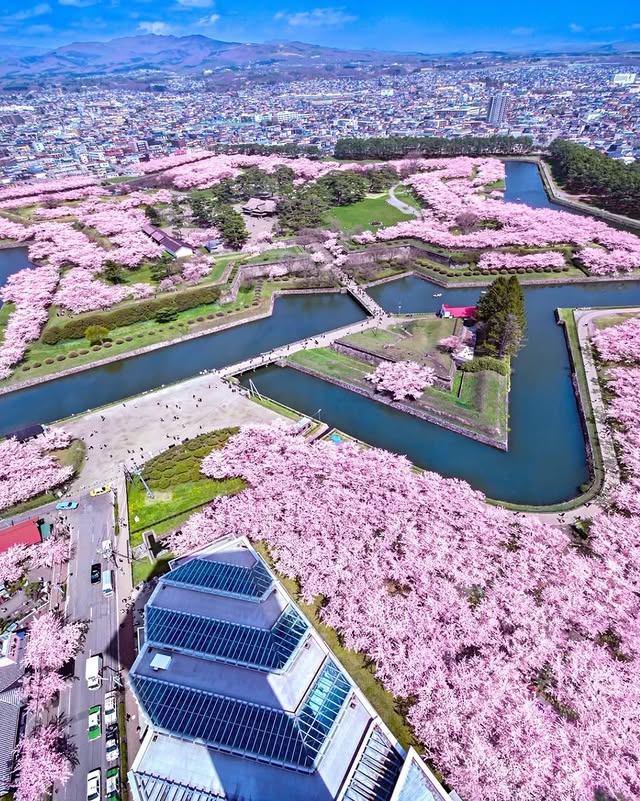
Here, cherry blossoms bloom later than in other regions, typically from late April to early May. It is an ideal destination for those who wish to experience the sakura season in a less touristy setting, or for those who missed it in southern Japan.
Around 1,600 cherry trees trace the outline of the fortress, and the panoramic view from the tower is stunning, with pink blossoms.
- Time: 05:00 AM – 07:00 PM
- Cost: Free
Hirosaki Castle, Aomori
Hirosaki Castle is located in the north, where the cherry blossom season is different. So, the recommended time to visit is from late April to early May.
Each spring, approximately 2,600 cherry trees bloom around Hirosaki Castle, transforming the area into a celebration of the cherry blossom event.
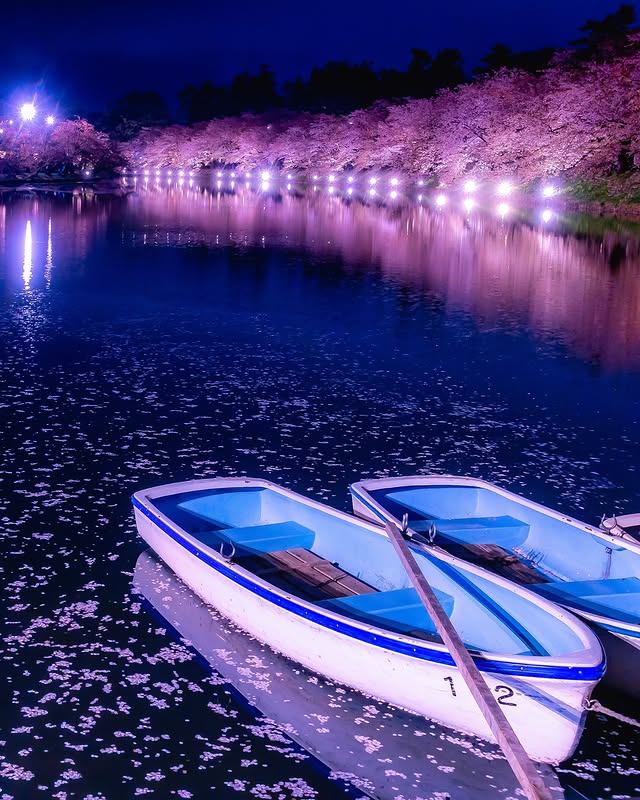
The unique combination of snow, cherry blossoms, and historic stonework offers a scene unlike any other in Japan.
Evenings are particularly gorgeous here, with lanterns hanging from the trees, food stalls serving local dishes and traditional performances that enhance the atmosphere.
- Time: 09:00 AM – 05:00 PM
- Entrance fee: Free
Takada Castle, Niigata
Takada Castle Park is home to over 4,000 cherry trees, creating a beautiful sight during festival season. The highlight of the place is “Sakura Road,” which features about 3,000 paper lanterns along a tunnel of cherry trees, casting a gentle pink light visible from a distance.
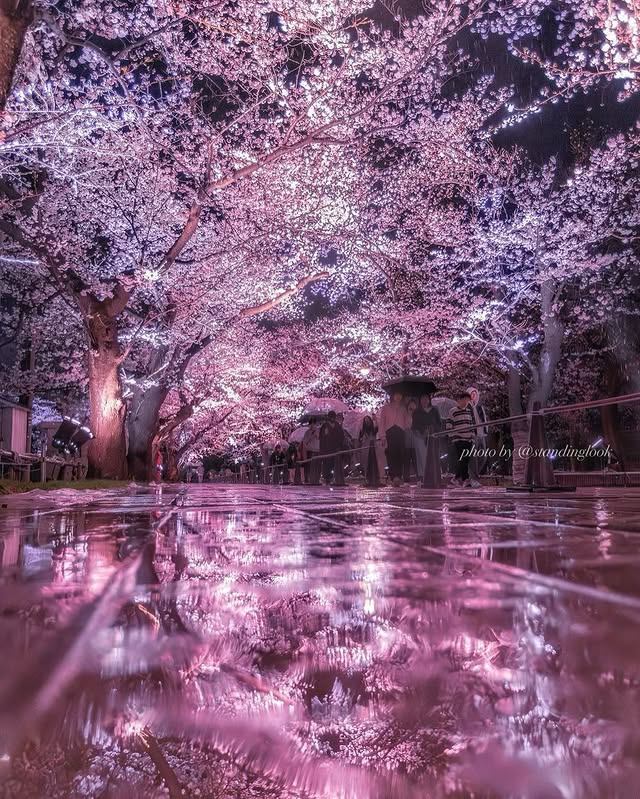
Although Joetsu is not a large city, the balanced blend of historic castles, thousands of blooming trees, and the glow of lanterns creates a remarkable setting.
For panoramic views, you can climb the three-storey turret (small tower), if it is accessible during your visit.
- Time: 09:00 AM – 05:00 PM (Closed on Mondays)
- Entrance fee: Free
Conclusion
Japan offers excellent locations to view cherry blossoms, and the ideal spot depends on travel style.
Mostly, the parks in Tokyo are highly recommended as they are easily accessible to museums and the vibrant city atmosphere. In contrast, Kyoto offers a more traditional experience, with historic temples and charming old streets.
Hokkaido, located in the north, is the less touristy place but an excellent choice if you happen to miss the earlier blossoms further south, as the cherry trees there bloom later in the season.
Ultimately, the experience is memorable and rewarding. Sitting beneath a canopy of pink petals, sharing food with companions, and watching the blossoms gently fall creates lasting memories that remain with you long after spring has passed and summer arrives.
FAQs on the Best Place to See Cherry Blossoms in Japan
1. Which months offer cherry blossom viewing in Japan?
Cherry blossom season lasts nearly 4 – 5 months in Japan, and each city blooms at different times.
The early cherry blossom is in late January in Okinawa and goes all the way to May, where the last cherry blossom season ends in Hokkaido.
2. What are the four stages of cherry blossom?
- Kaika – When all the trees begin to bud, this stage lasts approximately 3 – 4 days and eventually becomes beautiful cherry blossoms.
- Mankai – It’s when all of the blossoms turn into flowers. This stage lasts for 4 – 7 days.
- Fubuki – The pink petals from the tree start to fall, lasting 7 – 10 days.
- Hazakura – During this stage, all the pink flowers turn into normal green leaves with a period of 10 – 14 days.
When you stay in Japan for 10 – 14 days, you can see the full cycle of cherry blossoms and how each place changes colours, giving different settings.
3. Where to see cherry blossoms in Tokyo?
Top cherry blossom spots in Tokyo
4. Where can you see cherry blossoms in Osaka?
Top cherry blossom places in Osaka
- Osaka Castle Park
- Kema Sakuranomiya Park
- Expo ’70 Commemorative Park
- Shitennō-ji
